WeOrthodox
EN UA

Orthodox posts, videos and discussions

We follow Orthodox channels, communities and blogs across the web, summarise every post and video, and highlight the conversations with real substance.

T timotheos.orthodoxy Instagram

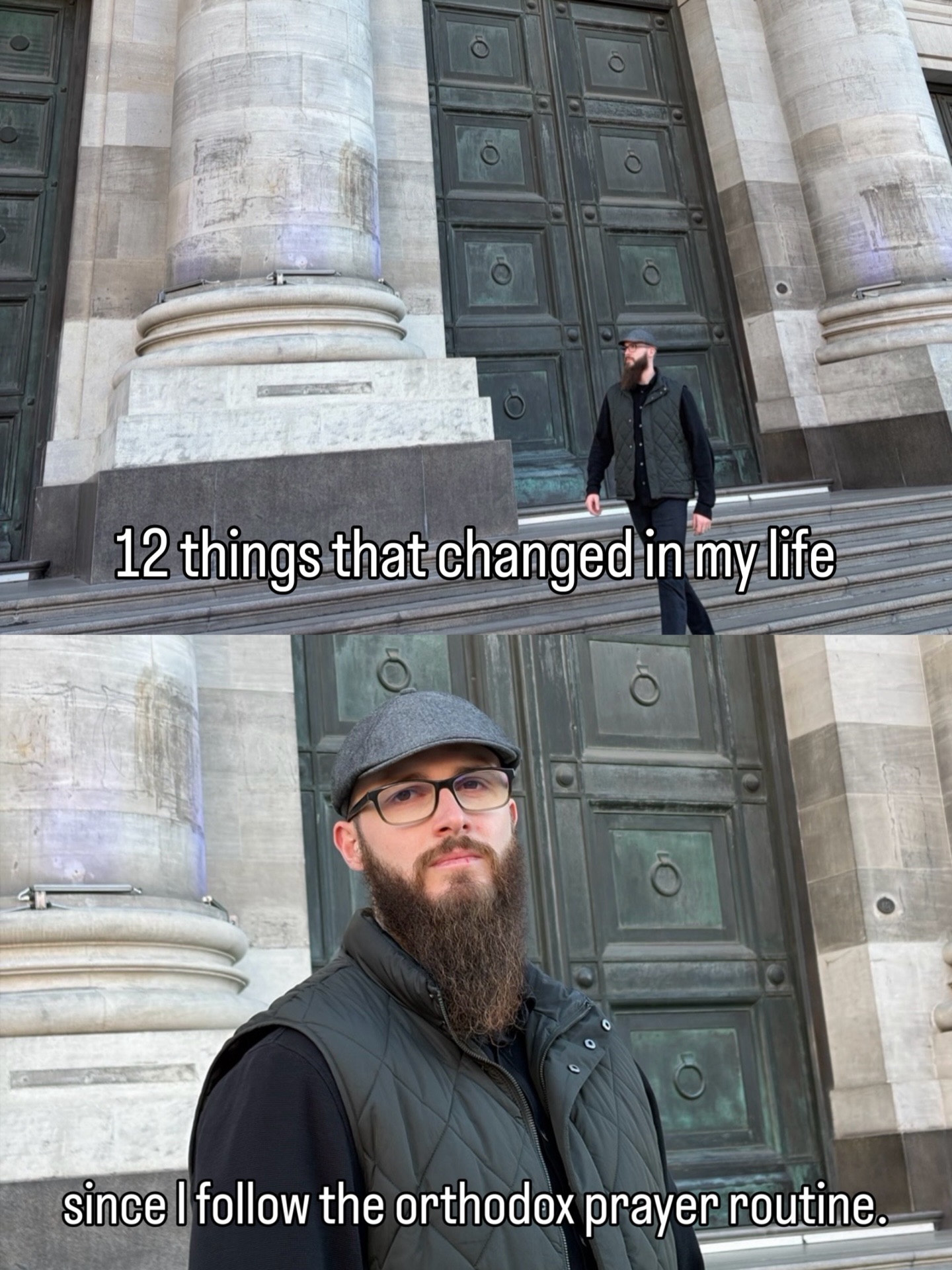
Catechumen shares life changes from regular prayer

Tim, a catechumen of the Greek Orthodox Church, introduces his account where he documents his journey toward Orthodoxy alongside his background in fitness and business. He states that regular prayer has brought twelve changes to his life, though the post itself does not list them. He invites readers to follow for content on Orthodoxy, fitness, and business.

  • Tim is a catechumen of the Greek Orthodox Church
  • He has nearly two decades of fitness experience, some competitive
  • He has built a successful business
  • He says regular prayer has changed twelve things in his life
  • He shares learnings and obstacles on his path to Orthodoxy
Read more
Giovanni Guaita YouTube

Hieromonk John Guaita on loving enemies and the Golden Rule

Hieromonk John Guaita on loving enemies and the Golden Rule 14:13

Hieromonk John (Guaita) preaches on Luke 6:31-36, where Christ gives the Golden Rule positively, do to others as you would have them do to you, and commands love for enemies, doing good, and lending without expecting return. He contrasts Luke's positive form with the negative form in Tobit (do not do to anyone what you yourself hate) and notes Matthew 7:12 presents the rule as summing up the Law and the Prophets through active good. The sermon…

Hieromonk John (Guaita) preaches on Luke 6:31-36, where Christ gives the Golden Rule positively, do to others as you would have them do to you, and commands love for enemies, doing good, and lending without expecting return. He contrasts Luke's positive form with the negative form in Tobit (do not do to anyone what you yourself hate) and notes Matthew 7:12 presents the rule as summing up the Law and the Prophets through active good.

The sermon outlines three ascending demands: first, do no evil; second, do the good you wish for yourself; third, love your neighbour as yourself, the most demanding level found in all Gospels. The Golden Rule rests on a sense of justice that easily becomes vengeance; moral precepts across religions exist to restrain this instinct. The Christian alternative is self-control and leaving vengeance to God, as Romans 12:19 teaches.

Ordinary reciprocity operates on a do ut des calculation, giving based on expected return. Christ replaces this with the logic of the cross and resurrection. The Our Father ties forgiveness received to forgiveness given.

The goal is perfection: be merciful as the Father (Luke 6:36) or perfect as the heavenly Father (Matthew 5:48). Perfection is love (1 John 4:8), an immense, unconditional, all-forgiving love that fills the heart's emptiness, unlike the universal human capacity to hate enemies and destroy.

Key moments

  1. 0:00 Introduces Luke 6 passage: Golden Rule, love enemies, do good, lend without expecting return, great reward, become children of the Most High, be merciful as the Father.
  2. 1:40 Golden Rule as synthesis of Old Testament and basis of many religions; Tobit's negative form "Do not do to anyone what you yourself hate" versus Luke's positive form "Do to others as you would have them do to you."
  3. 2:50 Matthew 7:12 states the rule sums up the Law and the Prophets; fulfilment of the Law is actively doing good in everything, not merely avoiding evil.
  4. 3:52 Three levels: first, do no evil; second, do the good you wish for yourself; third, love your neighbour as yourself, the most demanding, found in all Gospels.
  5. 4:25 Golden Rule as foundation of social life; sense of justice borders on thirst for revenge; moral precepts in religions exist to restrain revenge instincts.
  6. 5:04 Self-control as fruit of the Spirit: not reacting with violence (physical or verbal) to those who hurt us; leave vengeance to God per Romans 12:19 "It is mine to avenge; I will repay, says the Lord"; historical role of king, modern judiciary, and absence of justice in non-rule-of-law states.
  7. 7:54 Ordinary reciprocity operates on do ut des calculation, giving based on expected return; Christ sets a higher bar: love enemies, do good, lend without expecting anything back, a completely different logic.
  8. 10:19 Call to perfection: be merciful as the Father (Luke 6:36) or perfect as the heavenly Father (Matthew 5:48); perfection is love (1 John 4:8); immense measure "pressed down, shaken together and running over" (Luke 6:38) fills the heart; love all generously, unconditionally, with a maternal heart as the Lord loves us.
Read more
Orthodox Health Instagram

Fr. Michael Butler on sacrifice, duty, and the noonday demon

The post points to Episode 82 of the Orthodox Health Podcast, "The Noonday Demon: Why You Feel Trapped in Your Career," with Fr. Michael Butler. The episode distinguishes sacrifice from tribute. Fr. Butler says sacrifice requires an object given to God, while enduring hardship for money, status, or ego is tribute. He suggests that if job misery comes from personal restlessness or boredom, the problem may be internal rather than the job itself.…

The post points to Episode 82 of the Orthodox Health Podcast, "The Noonday Demon: Why You Feel Trapped in Your Career," with Fr. Michael Butler. The episode distinguishes sacrifice from tribute. Fr. Butler says sacrifice requires an object given to God, while enduring hardship for money, status, or ego is tribute. He suggests that if job misery comes from personal restlessness or boredom, the problem may be internal rather than the job itself.

If someone cannot settle after multiple jobs, the issue lies with the person bearing sacrificial responsibility. Fr. Butler defines mature masculinity as the glad assumption of sacrificial responsibility, not resentful endurance. He notes the honor in a man doing his duty for his family despite dislike.

However, he warns that duty can become a cage when it leads to exhaustion, bitterness, and becoming unrecognizable to loved ones. At that point one must ask what the sacrifice is for. The deeper questions are what the sacrifice is ordered toward, what the work crowds out, and who else is paying for it. Sometimes the urge to flee the job is not discernment but acedia.

The tension is to carry what is actually yours to carry, do it gladly, and not offer your whole life to something unworthy of the sacrifice.

Key moments

  1. Sacrifice requires an object given to God; enduring hardship for money, status, or ego is tribute, not sacrifice.
  2. Personal misery such as restlessness or boredom may indicate an inner state rather than a problem with the job.
  3. If someone cannot settle after multiple jobs, the issue is the person bearing sacrificial responsibility.
  4. Mature masculinity is defined as the glad assumption of sacrificial responsibility, not resentful.
  5. There is honor in a man doing his duty for his family despite dislike.
  6. Duty can become a cage when it leads to exhaustion, bitterness, and becoming unrecognizable to loved ones.
  7. At that point one must ask what the sacrifice is for.
George Instagram

Why the Book of Enoch Is Not in the Bible Despite Saint Jude's Quote

The speaker addresses a community question about why the Book of Enoch is excluded from the biblical canon even though Saint Jude quotes it. Enoch was Noah's great-grandfather, mentioned in Genesis as one who "walked with God and he was no more, because God took him." Centuries later, a book attributed to Enoch appeared containing accounts of fallen angels, giants, and heavenly journeys. Saint Jude quotes one prophecy from this book. The speaker…

The speaker addresses a community question about why the Book of Enoch is excluded from the biblical canon even though Saint Jude quotes it. Enoch was Noah's great-grandfather, mentioned in Genesis as one who "walked with God and he was no more, because God took him." Centuries later, a book attributed to Enoch appeared containing accounts of fallen angels, giants, and heavenly journeys.

Saint Jude quotes one prophecy from this book. The speaker explains that quoting a work does not make it scripture, just as Saint Paul's quotation of Greek poets in Acts does not include those poets in the canon. Most early Christians did not accept it as scripture. Saint Augustine rejected it because its authorship by Enoch could not be proven and it was absent from the Greek Old Testament used by the church.

The Ethiopian Orthodox Church alone preserved it in their canon. The broader church, guided by the Holy Spirit, recognized the books that constitute scripture.

Key moments

  1. Community member asked why Book of Enoch is not in the Bible if Saint Jude quotes it
  2. Enoch was Noah's great-grandfather; Genesis says he walked with God and was taken by God
  3. Centuries later a book under Enoch's name appeared with fallen angels, giants, and heavenly journeys
  4. Saint Jude quotes one prophecy from the Book of Enoch
  5. Quoting a book does not make it scripture; Saint Paul quotes Greek poets in Acts and they are not in the Bible
  6. Most early Christians did not accept it as scripture; Saint Augustine said it could not be trusted because no one could prove it came from Enoch and it was not in the Greek Old Testament
  7. The Ethiopian Orthodox Church kept it as part of their tradition
  8. The church, guided by the Holy Spirit, recognized which books are scripture
Read more
Timothy Instagram discussion

Post contains only Orthodox and Catholic hashtags

1:06

The post consists of an Orthodox cross emoji and six hashtags: #orthodoxchristian, #christian, #orthodoxy, #catholic, #church. There is no accompanying text, thread, or discussion. The hashtags indicate topics related to Orthodox Christianity and Catholicism.

  • Orthodox cross emoji
  • Hashtag: #orthodoxchristian
  • Hashtag: #christian
  • Hashtag: #orthodoxy
  • Hashtag: #catholic
24 opinions in the discussion I used to like Phil right up until he started going after apostolic churches. Read the discussion

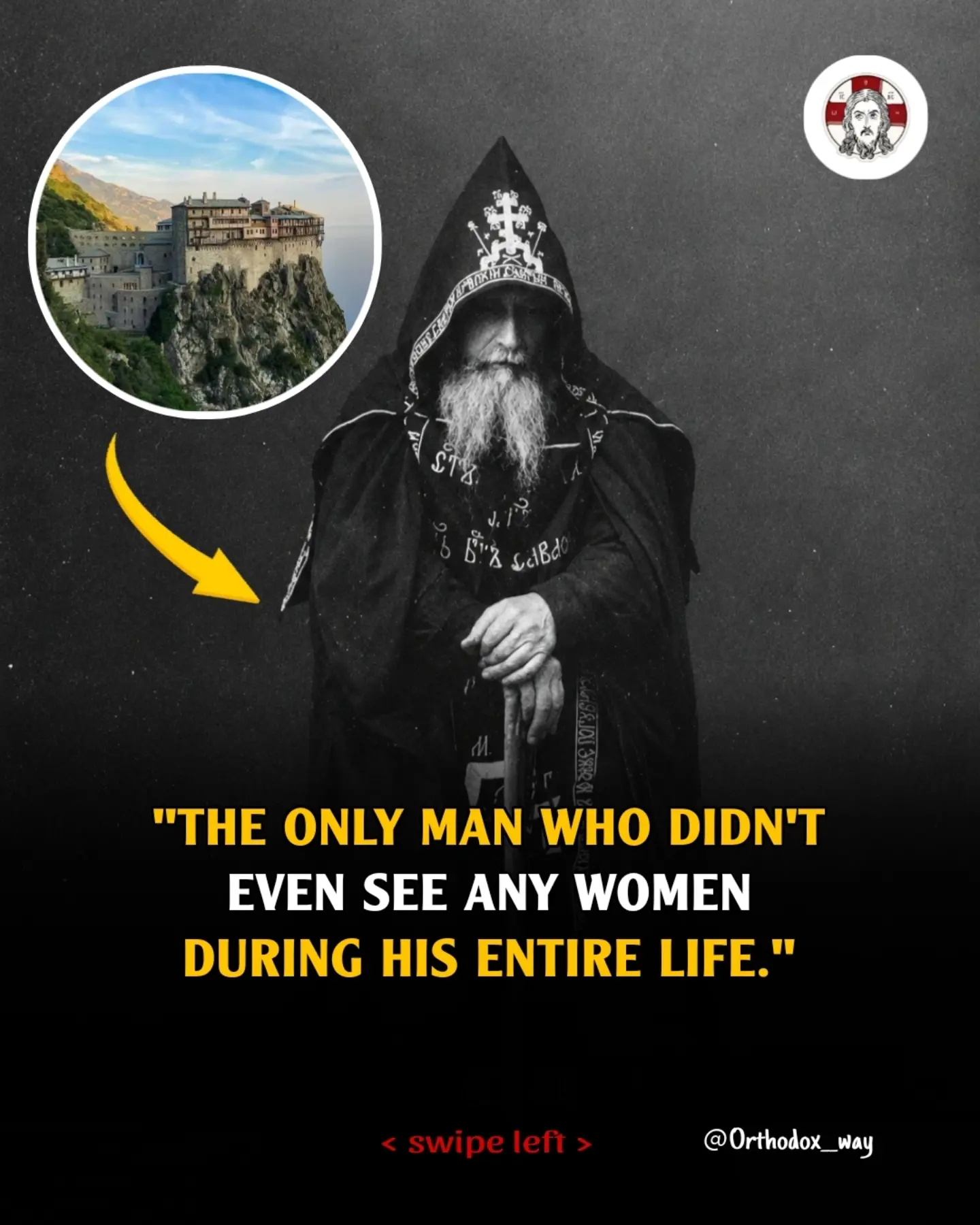
Monk Mihailo Tolotos lived 82 years on Mount Athos without seeing a woman

The text recounts the life of Mihailo Tolotos, a monk born around 1855 on Mount Athos, the Holy Mountain of Eastern Orthodox Christianity in Greece. He lost his mother shortly after birth and was raised by Orthodox monks who brought him up in a life of prayer, worship, obedience, and ascetic discipline. According to tradition, he died in 1938 at the age of 82 without ever having seen a woman. This claim is associated with the Avaton, the ancient…

The text recounts the life of Mihailo Tolotos, a monk born around 1855 on Mount Athos, the Holy Mountain of Eastern Orthodox Christianity in Greece. He lost his mother shortly after birth and was raised by Orthodox monks who brought him up in a life of prayer, worship, obedience, and ascetic discipline. According to tradition, he died in 1938 at the age of 82 without ever having seen a woman.

This claim is associated with the Avaton, the ancient prohibition that bars women from entering the Athonite peninsula. The account presents his story as an illustration of the solitude and devotion that characterize Athonite monasticism, where monks renounce worldly distractions to draw closer to God through humility and continuous prayer.

No further details about his specific monastic duties, writings, or interactions with other monks are provided in the source.

  • Born around 1855, orphaned at birth, raised by monks on Mount Athos
  • Lived under the Avaton, the prohibition against women entering the peninsula
  • Tradition states he died in 1938 without ever seeing a woman
  • Practiced prayer, worship, obedience, and ascetic discipline
  • His life illustrates the Athonite ideal of solitude and devotion
Read more
Orthodox Life Instagram

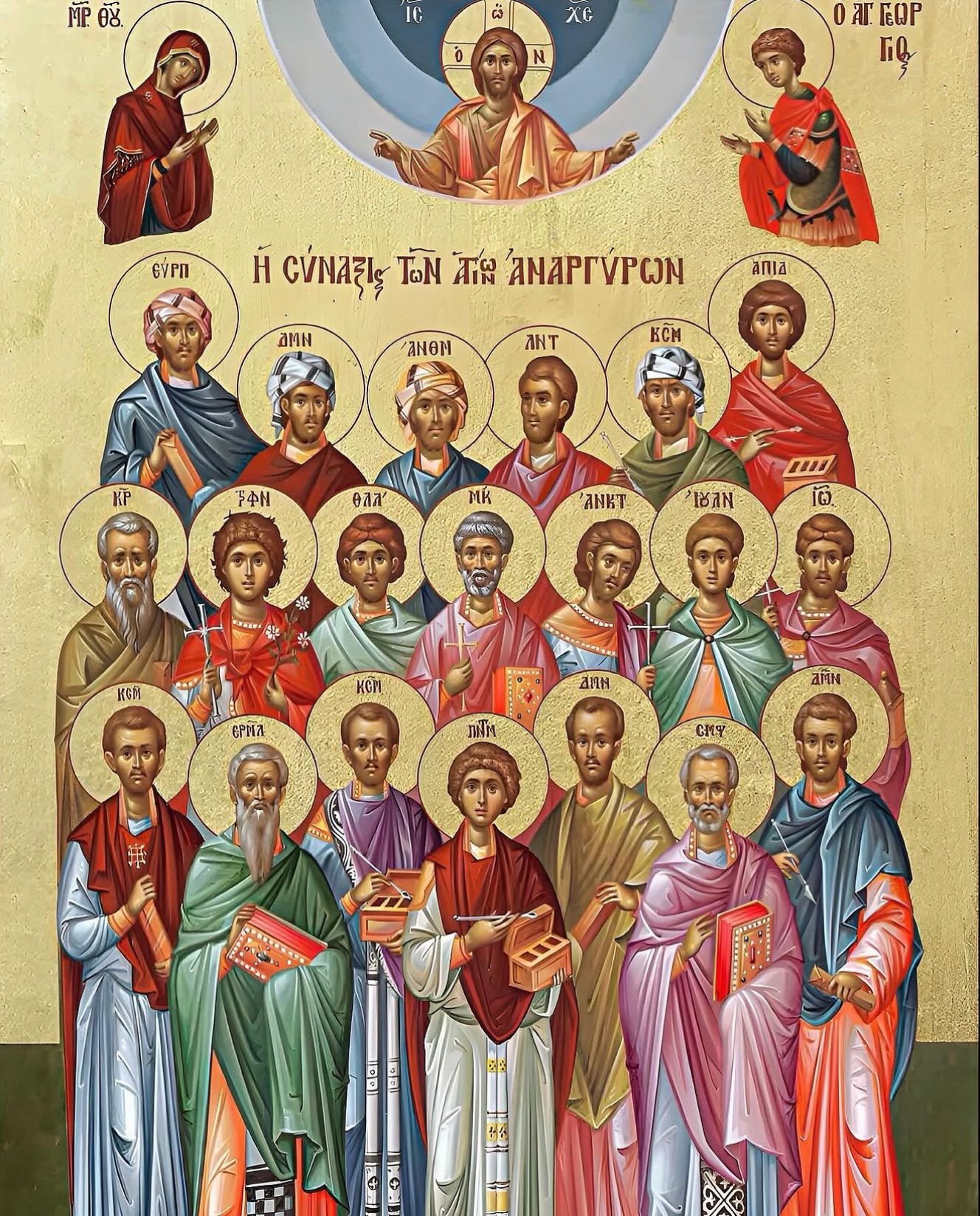
October 17: The Synaxis of the Holy Unmercenaries, Healers Without Silver

October 17 marks the Synaxis of All the Holy and Wonderworking Unmercenaries, a collective feast of the Eastern Orthodox Church honoring saints who practiced medicine without accepting payment. Known in Greek as the Anargyroi, meaning 'without silver', these saints combined medical skill with divine grace to treat the sick. The post ties their ministry to Christ's command to His disciples: 'Heal the sick, cleanse the lepers... Freely you have…

October 17 marks the Synaxis of All the Holy and Wonderworking Unmercenaries, a collective feast of the Eastern Orthodox Church honoring saints who practiced medicine without accepting payment. Known in Greek as the Anargyroi, meaning 'without silver', these saints combined medical skill with divine grace to treat the sick. The post ties their ministry to Christ's command to His disciples: 'Heal the sick, cleanse the lepers...

Freely you have received, freely give' (Matthew 10:8). By refusing financial reward, their charity opposed the commercial medical practices of their day. They treated believers and non-believers alike, asking nothing except faith in Jesus Christ, from whom they understood all healing to flow. The group is traditionally numbered at twenty saints, or twenty-one with Saint Photios, called a 'phalanx' or choir of mercy.

Prominent figures include the Great Martyr Panteleimon, Saint Sampson the Hospitable, and three pairs of brother-physicians named Cosmas and Damian, from Asia, Rome, and Arabia. The synaxis also honors Saints Cyrus, John, Tryphon, Diomedes, and Hermolaus. Their free clinics and healings converted thousands to Christianity, which drew hostility from pagan authorities and envious secular doctors.

Many were arrested during imperial Roman persecutions, tried, and tortured. Refusing to renounce their faith, most of these physicians ended their ministries in martyrdom.

  • The Synaxis of the Holy Unmercenaries is kept on October 17 and honors saints who healed without payment, the Anargyroi or 'without silver'.
  • Their ministry follows Matthew 10:8: 'Freely you have received, freely give'.
  • The group numbers twenty saints, or twenty-one with Saint Photios, including Panteleimon, Sampson the Hospitable, and three pairs of brothers named Cosmas and Damian from Asia, Rome, and Arabia.
  • Also honored are Saints Cyrus, John, Tryphon, Diomedes, and Hermolaus.
  • Their free healings converted thousands, and most of them died as martyrs under Roman persecution.
Read more

Gerontas Filimon on optimism through faith in God

The post shares a video from the website pemptousia.gr featuring Gerontas Filimon, who is identified as the dikaios of the Holy Monastery Skete of Prophet Elijah on Mount Athos. The Greek text accompanying the link reads "Έχει ο Θεός, ας είμαστε αισιόδοξοι" which translates to "We have God, let us be optimistic." The video is titled "The letters of St. Paisius Velichkovsky." In the video, Gerontas Filimon speaks about the foundation of Christian…

The post shares a video from the website pemptousia.gr featuring Gerontas Filimon, who is identified as the dikaios of the Holy Monastery Skete of Prophet Elijah on Mount Athos. The Greek text accompanying the link reads "Έχει ο Θεός, ας είμαστε αισιόδοξοι" which translates to "We have God, let us be optimistic." The video is titled "The letters of St. Paisius Velichkovsky."

In the video, Gerontas Filimon speaks about the foundation of Christian optimism. He states that believers have God and therefore can be optimistic, and he connects this optimism to the practice of iconography or painting. He describes God's grace as a gift that cannot be stolen by any external circumstance.

He makes reference to the act of hoping in Christ even when despair threatens to overwhelm. He says that Christ appears in hopeless situations and provides the strength to continue. The post includes hashtags in Greek and English related to God, optimism, faith, Christianity, Orthodoxy, and the speaker's name and skete.

Key moments

  1. The speaker states they have God and are optimistic through iconography or painting.
  2. God's grace is mentioned as something that cannot be stolen.
  3. A reference is made to hoping in Christ even when despairing.
  4. Christ appears before them in hopeless circumstances and gives strength to continue.
Read more
harmony YouTube

Saint Eustathius: From Roman General to Martyr in a Bronze Ox

Saint Eustathius: From Roman General to Martyr in a Bronze Ox 13:34

The video presents the life of Saint Eustathius, born Placidus, a Roman general under Emperor Trajan. While hunting, he sees a radiant cross between a stag's antlers and hears Christ's voice directing him to be baptized. He, his wife Theopistia, and sons Agapius and Theopistus receive baptism; he takes the name Eustathius and hears a voice foretelling suffering. He flees to Egypt, loses his wife to a barbarian and his sons to wild beasts, then…

The video presents the life of Saint Eustathius, born Placidus, a Roman general under Emperor Trajan. While hunting, he sees a radiant cross between a stag's antlers and hears Christ's voice directing him to be baptized. He, his wife Theopistia, and sons Agapius and Theopistus receive baptism; he takes the name Eustathius and hears a voice foretelling suffering.

He flees to Egypt, loses his wife to a barbarian and his sons to wild beasts, then works as a hired laborer in Badissus for fifteen years. Trajan's officers find him, he leads an army to victory, and on the return journey recovers his wife and both sons. Under Emperor Hadrian, the family refuses to sacrifice to idols.

They are thrown to wild beasts and then into a red-hot bronze ox, dying on the third day. The video also recounts Saint Michael of Chernigov and Theodore the Boyar, beheaded by Tatars in 1244 for refusing to pass through fire and bow to idols, and Venerable Martyr Hilarion, an Athonite monk beheaded by Turks in Constantinople on September 20, 1804.

A reflection contrasts the martyrs' endurance with suicide, called a mortal sin with no repentance. A contemplation on King Jehoshaphat and a homily on John 14:6 follow, affirming Christ as the only way, truth, and life.

Key moments

  1. 0:00 Introduction to Saint Eustathius, a Roman general separated from his family for 15 years.
  2. 0:32 Placidus sees a radiant cross between a stag's antlers and hears the Lord's voice directing him to be baptized.
  3. 1:03 Placidus, his wife Theopistia, and sons Agapius and Theopistus are baptized; he receives the name Eustathius and hears a voice foretelling his suffering.
  4. 1:33 Eustathius flees to Egypt, loses his wife to a barbarian and his sons to wild beasts, then lives as a hired laborer in Badissus for 15 years.
  5. 2:03 Emperor Trajan's officers find Eustathius, he leads an army to victory, and on the return journey recovers his wife and both sons.
  6. 2:35 Under Emperor Hadrian, Eustathius and his family refuse to sacrifice, are thrown to wild beasts and then into a red-hot metal ox, and die on the third day.
  7. 3:41 Saint Michael of Chernigov and Theodore the Boyar are beheaded by the Tatars in 1244 for refusing to pass through fire and bow to idols.
  8. 4:15 Venerable Martyr Hilarion, an Athonite monk, is beheaded by the Turks in Constantinople on September 20, 1804.
Read more
Father Moses YouTube discussion

Father Moses: Anxiety Comes from Wanting Our Outcome, Not God's

Father Moses: Anxiety Comes from Wanting Our Outcome, Not God's 8:19

Father Moses describes his lifelong struggles with depression and anxiety. He distinguishes between them: depression fades when behavior changes through the Holy Spirit because it is rooted in sin, while anxiety persists as a constant temptation tied to life's uncertainties. He defines anxiety simply as "my outcome," the insistence on a particular result according to one's own will rather than God's. Drawing on the Gospel account of Peter…

Father Moses describes his lifelong struggles with depression and anxiety. He distinguishes between them: depression fades when behavior changes through the Holy Spirit because it is rooted in sin, while anxiety persists as a constant temptation tied to life's uncertainties. He defines anxiety simply as "my outcome," the insistence on a particular result according to one's own will rather than God's. Drawing on the Gospel account of Peter walking on water and the teaching of the Church Fathers, he explains that anxiety arises from two root fears: not getting what we want and losing what we already have.

Both fears stem from fixing our eyes on circumstances instead of Christ. The moment we look at the wind instead of Christ, we start to sink.

The remedy is to surrender our desired outcome and ask for God's outcome, trusting that He opens and closes doors for our transformation. He illustrates this with the lives of the saints and the image of a log drifting on the ocean. God's will is mysterious and not aligned with our desires.

Father Moses recounts an elder's counsel during his difficult early priesthood: such trials are good. Those years revealed his lack of faith and deepened his reliance on Christ. The elder told him that the hardest years of his priesthood would become the most fruitful because they stripped away self-reliance.

Key moments

  1. 0:01 Depression fades with Holy Spirit cooperation because it is linked to sin; anxiety remains a constant temptation.
  2. 0:31 Anxiety equals "my outcome", insisting on a particular result based on one's own will rather than God's.
  3. 1:03 Peter walking on water illustrates anxiety: taking eyes off Christ to focus on circumstances causes sinking.
  4. 2:04 Church Fathers identify two root dilemmas: fear of not getting what we want or losing what we have.
  5. 2:34 Overcoming anxiety requires surrendering our outcome and asking for God's outcome.
  6. 3:05 God opens and closes doors for our protection and transformation; His will is mysterious and not aligned with our desires.
  7. 4:38 Saints' difficult circumstances lead to transformation and greater grace through alignment with God's will.
  8. 6:42 Elder's counsel during early priesthood: difficult years are good; they revealed lack of faith and deepened reliance on Christ.
8 opinions in the discussion I've always had trouble telling the difference between God's will and just being passive. In some situations I feel like I'm being too passive and making excuses for myself, and in others… Read the discussion

How to Cense Your Home: Order and Prayers from an Orthodox Family Tradition

This guide walks through the practice of censing the home, from lighting the charcoal to the final blessing of the rooms. After the charcoal is lit and incense or blessed olive leaves are added, one says a prayer before censing: 'Let my prayer be set forth before You as incense; the lifting up of my hands as an evening sacrifice. Hear me, O Lord. We offer incense to You, O Christ our God, as a sweet spiritual fragrance. Having received it upon…

This guide walks through the practice of censing the home, from lighting the charcoal to the final blessing of the rooms. After the charcoal is lit and incense or blessed olive leaves are added, one says a prayer before censing: 'Let my prayer be set forth before You as incense; the lifting up of my hands as an evening sacrifice.

Hear me, O Lord. We offer incense to You, O Christ our God, as a sweet spiritual fragrance. Having received it upon Your heavenly altar, send down upon us in return the grace of your All-Holy Spirit.' The censer is then taken in the right hand. The order of honors follows: the Holy Trinity, Jesus Christ the Son, and the Holy Spirit.

Each honor is given by moving the censer three times in a circular motion while saying, 'In the name of the Father, and of the Son, and of the Holy Spirit. Amen.' For Christ, one turns toward the cross or his icon in the prayer corner. A family tradition from Greece and Cyprus adds a first step: going outside and censing toward the open air in honor of God.

After the Holy Trinity, the icons are censed in one of two ways, either by moving the censer over the icon three times or by making the sign of the cross over the icon three times with the censer, repeating the same words each time. Once all the icons have been censed, one censes oneself, one's loved ones, and the rooms of the home.

The video closes with the reminder that as the incense rises, our prayer also rises before God.

Key moments

  1. Before censing, say the prayer: 'Let my prayer be set forth before You as incense; the lifting up of my hands as an evening sacrifice. Hear me, O Lord. We offer incense to You, O Christ our God, as a sweet spiritual fragrance. Having received it upon Your heavenly altar, send down upon us in return the grace of Your All-Holy Spirit.'
  2. Pick up the censer with the right hand to begin censing.
  3. First honor is given to the Holy Trinity: raise the censer and move it three times in a circular motion while saying 'In the name of the Father, and of the Son, and of the Holy Spirit. Amen.'
  4. In the family tradition from Greece and Cyprus, one first steps outside and censes toward the open air, honoring God.
  5. Second honor is given to Jesus Christ the Son: turn toward the cross or icon of Christ in the prayer corner and cense it three times with the same words.
  6. Third honor is given to the Holy Spirit: raise the censer and cense three times, repeating the same words.
  7. Cense the holy icons in one of two ways: move the censer over the icon three times, or make the sign of the cross over the icon three times with the censer, repeating the same words.
  8. After all icons are censed, cense yourself, your loved ones, and the rooms of your home; as the incense rises, our prayer also rises before God.
Read more
George Instagram discussion

Why prostrations matter: Christ's example in Gethsemane

The speaker once considered prostrations a monastic exaggeration and found no one practicing them. That changed after reading the Gospel account of Christ falling on his face in Gethsemane. The speaker reasons that if Christ stood physically present, a person would naturally fall to the ground; not prostrating in prayer may indicate a lack of belief in his presence. Prostrations strengthen faith, and church traditions teach the body and heart…

The speaker once considered prostrations a monastic exaggeration and found no one practicing them. That changed after reading the Gospel account of Christ falling on his face in Gethsemane. The speaker reasons that if Christ stood physically present, a person would naturally fall to the ground; not prostrating in prayer may indicate a lack of belief in his presence.

Prostrations strengthen faith, and church traditions teach the body and heart how to believe. They are practiced during Great Lent with the Prayer of Saint Ephraim and at home before a cross or relics. They are not done on Sundays or from Pascha to Pentecost, because those are resurrection days.

Key moments

  1. The speaker initially thought prostrations were only for monks and felt they were exaggerated.
  2. The speaker could not find anyone practicing prostrations nowadays.
  3. The speaker read the Gospel account of Jesus falling on his face in Gethsemane.
  4. The speaker reasons that if Jesus stood before a person, that person would fall to the ground, and not prostrating in prayer suggests a lack of belief in his presence.
  5. The speaker says prostrations strengthen faith and that church traditions teach the body and heart how to believe.
  6. The speaker notes prostrations are done during Great Lent with the Prayer of Saint Ephraim.
  7. The speaker notes prostrations are done at home before a cross or the relics of a saint.
  8. The speaker says prostrations are not done on Sundays or from Pascha to Pentecost because those are days of the resurrection.
9 opinions in the discussion The canon of St. Andrew during Lent is so beautiful, and we do tons of prostrations during Lent. I love the prayer of St Ephraim too. It's very much practiced liturgically at our Antiochian… Read the discussion

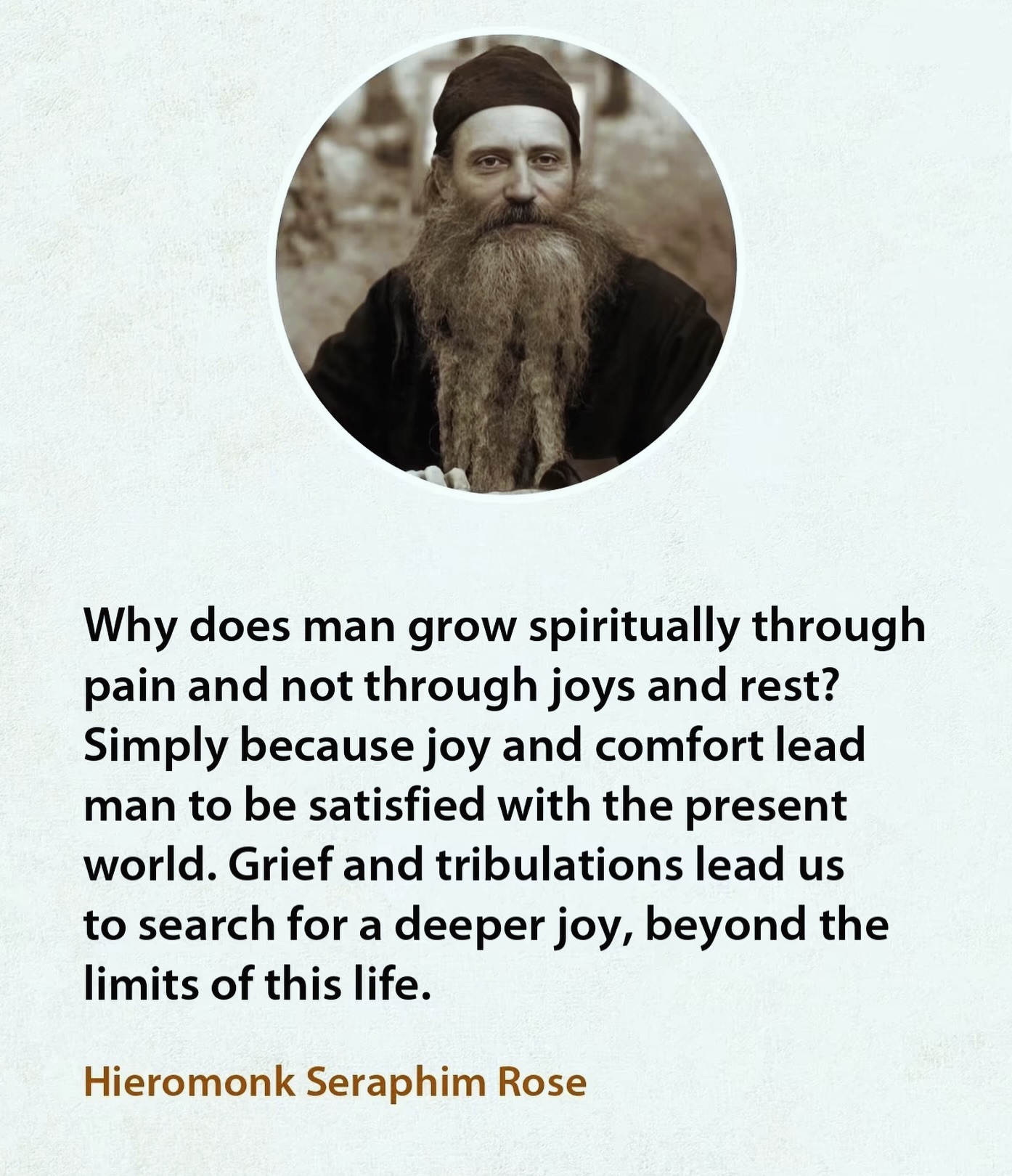
Tribulation as a School of Repentance in the Wisdom of the Holy Fathers

The post sets out a patristic understanding of tribulation: hardship becomes a school of repentance, humility, and purification of the heart. When earthly comforts fade, the author writes, the soul awakens to its longing for the Kingdom of God and cries out more earnestly for Christ. The post quotes the Lord's words from John 16:33: "In the world you will have tribulation; but be of good cheer, I have overcome the world." The author draws a…

The post sets out a patristic understanding of tribulation: hardship becomes a school of repentance, humility, and purification of the heart. When earthly comforts fade, the author writes, the soul awakens to its longing for the Kingdom of God and cries out more earnestly for Christ. The post quotes the Lord's words from John 16:33: "In the world you will have tribulation; but be of good cheer, I have overcome the world."

The author draws a distinction to guard against a misunderstanding: suffering itself is not glorified. What is honored is the grace of God that sustains a person through it. The post then places suffering within the sequence of the Christian life: the Cross precedes the Resurrection, and the path of repentance leads toward the Kingdom.

It closes with a prayer: "Through the prayers of our Holy Fathers, Lord Jesus Christ, have mercy on us and save us. Amen." The post is a short devotional reflection rather than a discussion piece. It presents a single teaching in the voice of the tradition, anchored in one Gospel verse, and ends with a petition rather than an argument.

There is no debate or exchange of views attached to it; the text stands as a statement of belief offered to readers who follow the feed for devotional content. Its key claims are that tribulation can serve the soul's purification, that Christ's victory is the ground of cheerfulness amid trouble, and that the Cross comes before the Resurrection in the order of salvation.

  • Tribulation is described as a school of repentance, humility, and purification of the heart.
  • When earthly comforts fade, the soul awakens to its longing for the Kingdom of God and cries out more earnestly for Christ.
  • The post quotes John 16:33: "In the world you will have tribulation; but be of good cheer, I have overcome the world."
  • The author states that suffering itself is not glorified; the grace of God that sustains us through it is.
  • The Cross precedes the Resurrection, and the path of repentance leads toward the Kingdom; the post closes with a prayer for mercy through the prayers of the Holy Fathers.
Read more
Athonite Audio YouTube

The Fruits of Pain: How Affliction Becomes Joy in Orthodox Teaching

The Fruits of Pain: How Affliction Becomes Joy in Orthodox Teaching 21:35

A narrated chapter from the book study "The Pain: An Orthodox Scriptural and Patristic Approach" by Georgia P. Kounavi, published by Apostoliki Diakonia in Athens, read by Athonite Audio. The chapter, titled "In a great trial of affliction there is an abundance of joy," covers pages 212 to 222 and runs about 21 minutes. The narration takes up the apparent contradiction between pain and joy. It argues that every pain carries a unique maturity,…

A narrated chapter from the book study "The Pain: An Orthodox Scriptural and Patristic Approach" by Georgia P. Kounavi, published by Apostoliki Diakonia in Athens, read by Athonite Audio. The chapter, titled "In a great trial of affliction there is an abundance of joy," covers pages 212 to 222 and runs about 21 minutes.

The narration takes up the apparent contradiction between pain and joy. It argues that every pain carries a unique maturity, beauty, and unexpressed joy, because pain is a means of knowledge, wisdom, and self-consciousness. Out of pain comes a beauty of the soul through purification and redemption. The road of redemption follows the road of the cross, and only in the passion of Christ do beauty and pain acquire absolute unity.

Christ does not eliminate pain or biological death, the narration explains, but makes them powerless and brings consolation, as when he told the weeping widow of Nain, "Do not weep." The saints accepted tribulations willingly and rejoiced: the apostles left their scourging rejoicing, and Paul wrote that he was overjoyed in all his affliction.

Peter calls believers to rejoice in sharing Christ's sufferings, because tested faith gives an unspeakable joy that is the foretaste of God's glory.

This joy is internal and ripe, worked out through constant prayer animated by hope. It is the fruit of the cross, expected as one yearns for the resurrection, and near Christ pain works out the completion of man. The narration cites Kierkegaard, who writes that the only blessed joy is to follow Christ in life and in death, and Dmitri Karamazov, who says that in great pain we shall be resurrected to joy, because God is he who gives joy.

John Chrysostom told Olympias to rejoice amid the slanders of her enemies, teaching that Christ promised tribulation first and then repose, pains and then crowns. Affliction is like fire to gold: it wipes away filth and rends pride away. When tribulation is understood, it becomes mystical joy, doxology, and communion with God, ending in the alleluia of pain. The channel notes it is self-supported through listener donations via PayPal.

Key moments

  1. 0:00 In every pain there exists a unique maturity, beauty, and unexpressed joy, because pain is a means of knowledge, wisdom, and self-consciousness.
  2. 1:02 The beauty of pain is the beauty of redemption, and only in the passion of Christ do beauty and pain acquire absolute unity.
  3. 2:07 Christ does not eliminate pain and biological death but makes them powerless, dries our tears, and has solace in store.
  4. 3:38 John Chrysostom says the saints accepted tribulations willingly and became more cheerful; the apostles left rejoicing that they were counted worthy to suffer for the name of Christ.
  5. 5:10 Peter advises believers to rejoice in sharing Christ's sufferings, because tested faith gives an unspeakable joy, the foretaste of the glory of God.
  6. 7:14 Joy in affliction is caused by unceasing prayer animated by hope, and the God of hope fills believers with joy and peace.
  7. 9:16 Kierkegaard writes that the only blessed joy is to follow Christ in life and in death, and Dmitri Karamazov says that in great pain we shall be resurrected to joy, because God is he who gives joy.
  8. 12:59 Chrysostom teaches that Christ promised tribulation first and then repose, pains and then crowns, and that affliction is to souls what fire is to gold.
Archim. Christódoulos Papadeas Instagram

A Priest Remembers the Sisters of Panagia Roso on Kalymnos

A priest speaks from the monastery of Panagia called Roso on the island of Kalymnos. He was sent there by his gerontas Philotheos, of recent blessed memory, to learn from the sisters. He names the sisters who showed him patience and love: Gerontissa Agni, Adelphi Maria, Adelphi Evsevia, and Adelphi Christofora. He recalls how they would pick him up at the port when he arrived from Rhodos and feed him late at night after the boat came in. During…

A priest speaks from the monastery of Panagia called Roso on the island of Kalymnos. He was sent there by his gerontas Philotheos, of recent blessed memory, to learn from the sisters. He names the sisters who showed him patience and love: Gerontissa Agni, Adelphi Maria, Adelphi Evsevia, and Adelphi Christofora.

He recalls how they would pick him up at the port when he arrived from Rhodos and feed him late at night after the boat came in. During his stays he slept in the cell of Saint Amphilochios, served liturgies, and sometimes heard confessions from people on Kalymnos. He expresses gratitude to Saint Savvas, whose name he brings up at every divine liturgy.

The post opens with a quote from Gheronda Christódoulos about looking back and seeing the hand of God quietly guiding his steps, and realizing that God has given him more than he could ever have hoped to give. The priest closes by encouraging everyone to be closer to the Church, to love Christ and His mother the Panagia, and to take part in the life the Lord gives in His Church.

Key moments

  1. He speaks from the monastery of Panagia called Roso on the island of Kalymnos, where his gerontas Philotheos, of recent blessed memory, sent him to learn.
  2. He learned from the patience and love of the sisters: Gerontissa Agni, Adelphi Maria, Adelphi Evsevia, and Adelphi Christofora.
  3. The sisters would pick him up at the port coming from Rhodos and feed him late at night when the boat arrived.
  4. He slept in the cell of Saint Amphilochios, served liturgies, and sometimes heard confessions from people on Kalymnos.
  5. He is grateful to Saint Savvas, whose name he brings up at every divine liturgy.
  6. He encourages everyone to be closer to the Church, to love Christ and His mother the Panagia, and to participate in the life the Lord gives in His Church.
Read more
Prayer Orthodoxy ® Instagram

Holy Trinity in Clearwater rebuilt in the Byzantine tradition after a 2015 fire

Holy Trinity Greek Orthodox Church in Clearwater, Florida, lost its sanctuary to a devastating fire in 2015. The parish rebuilt its church in the Byzantine tradition and opened the new sanctuary on Christmas Eve 2019. The opening date carried meaning for the community: it came fifty years after the parish held its first Divine Liturgy in 1969. The sacred iconography in the new church was created by artists from Greece, including the iconographer…

Holy Trinity Greek Orthodox Church in Clearwater, Florida, lost its sanctuary to a devastating fire in 2015. The parish rebuilt its church in the Byzantine tradition and opened the new sanctuary on Christmas Eve 2019. The opening date carried meaning for the community: it came fifty years after the parish held its first Divine Liturgy in 1969.

The sacred iconography in the new church was created by artists from Greece, including the iconographer Achilles Tourlas. The post presents the church in both English and Greek, naming it Αγία Τριάδα Ελληνική Ορθόδοξη Εκκλησία, and is credited as an original production of Prayer Orthodoxy, tagged with Orthodox, Faith, Church, Byzantine and Greece.

  • A fire in 2015 destroyed Holy Trinity Greek Orthodox Church in Clearwater, Florida.
  • The parish rebuilt its sanctuary in the Byzantine tradition.
  • The new church opened on Christmas Eve 2019.
  • That date fell fifty years after the parish's first Divine Liturgy in 1969.
  • The iconography was made by artists from Greece, including iconographer Achilles Tourlas.
Read more

Elder chants 5th Eothinon Doxasticon at builder's table on Mount Athos

The author describes an evening at a builder's table (κτριτρικής τράπεζας) in Little St. Anne's (Μικρά Αγία Άννα), a monastic settlement on Mount Athos. The occasion follows a customary sequence. Before the fathers ask their elder (δεσπότης) to sing the traditional song "Στο 'πα και στο ξαναλέω" ("Sto 'pa kai sto ksanaléo"), which the author notes he sang beautifully, the elder first chants the 5th Eothinon Doxasticon (Ε´ Εωθινό Δοξαστικό). This…

The author describes an evening at a builder's table (κτριτρικής τράπεζας) in Little St. Anne's (Μικρά Αγία Άννα), a monastic settlement on Mount Athos. The occasion follows a customary sequence. Before the fathers ask their elder (δεσπότης) to sing the traditional song "Στο 'πα και στο ξαναλέω" ("Sto 'pa kai sto ksanaléo"), which the author notes he sang beautifully, the elder first chants the 5th Eothinon Doxasticon (Ε´ Εωθινό Δοξαστικό).

This hymn belongs to the cycle of eleven resurrectional doxastica appointed for Sunday Orthros. The elder chants it beautifully, and then shares with those at table the verses from the Gospel narrative that move him deeply. The author does not quote the verses or identify the specific Gospel passage.

The author offers this account to give readers a taste of the atmosphere at a builder's table in Little St. Anne's. He refers to the sketes as "eagle's nests" (αετοφωλιές), a traditional term for the isolated hermitages on the steep cliffs of Athos. Those who have the blessing to spend time in these places know the ancient customs of the fathers (γεροντάδες) and the beautiful moments that arise.

The elders, the author writes, knew when each thing should be done, because their sincere asceticism (ανυπόκριτη ασκητική) was free of pseudo-ethical dilemmas (ψευτοηθικά διλήμματα). The post closes with the traditional farewell "Έρρωσθε" (Errosthe), meaning "Be well" or "God bless." The account highlights the integration of liturgical chant, Gospel meditation, and communal tradition in the daily rhythm of the Athonite fathers, and the discernment that guides their practice without the complications of false moral reasoning.

  • Evening at a builder's table in Little St. Anne's on Mount Athos
  • Elder chants the 5th Eothinon Doxasticon before a traditional song is requested
  • Elder shares Gospel verses that move him deeply
  • Author describes the atmosphere and old customs of the fathers in the "eagle's nests"
  • Elders acted without pseudo-ethical dilemmas in their sincere asceticism
Read more
☦️An Orthodox Blog☦️ with Orthodoxy ☦︎ Instagram

17 October: Commemoration of the Prophet Hosea, with the hymn 'O Gladsome Light'

The post marks 17 October, the day the Church commemorates the Prophet Hosea. Attached to the commemoration is the text of the evening hymn 'Phos Hilaron' ('O Gladsome Light') in Greek. The hymn addresses Christ as the light of the holy glory of the immortal, heavenly, holy, blessed Father. It speaks of coming at the setting of the sun and seeing the light of evening, at which the faithful hymn the Father, the Son, and the Holy Spirit: God. It…

The post marks 17 October, the day the Church commemorates the Prophet Hosea. Attached to the commemoration is the text of the evening hymn 'Phos Hilaron' ('O Gladsome Light') in Greek. The hymn addresses Christ as the light of the holy glory of the immortal, heavenly, holy, blessed Father.

It speaks of coming at the setting of the sun and seeing the light of evening, at which the faithful hymn the Father, the Son, and the Holy Spirit: God. It states that God is worthy to be hymned at all times with fitting voices. The hymn calls Christ the Son of God and the giver of life, and says that therefore the world glorifies Him.

It closes with 'Alleluia' and 'Glory to You'. The post carries tags for Christian and Orthodox themes, saints, and the Church Fathers.

Key moments

  1. Christ is addressed as the light of the holy glory of the immortal, heavenly, holy, blessed Father.
  2. Having come at the setting of the sun and seen the light of evening, the faithful hymn the Father, the Son, and the Holy Spirit: God.
  3. God is worthy to be hymned at all times with fitting voices.
  4. The hymn calls Christ the Son of God and the giver of life, therefore the world glorifies Him, and closes with 'Alleluia' and 'Glory to You'.
r/OrthodoxChristianity Reddit

Called an atheist for rejecting the rapture by a Catholic

The person who called me an atheist turned out to be Catholic, which caught me off guard, I would have expected that from a Baptist, Seventh-day Adventist, or Jehovah's Witness. I walked him through the history of the Millerites and the Great Disappointment of 1844, explaining that the rapture teaching has no roots in historic Christianity and only appeared in the 1800s. I told him I attend only Episcopal or Orthodox churches.

He had never heard of the Episcopal Church and dismissed the Orthodox Church as a group for extremists.

  • A Catholic called the author an atheist for not believing in the rapture
  • The author expected such a claim from certain Protestant groups instead
  • The author explained the Millerite origin and 1844 Great Disappointment
  • The author attends Episcopal or Orthodox churches
  • The Catholic person didn't know the Episcopal Church and called Orthodoxy extremist
Anthony’s Cell YouTube

Obedience and the Layman: Elders, Spiritual Fathers, and Caution

Obedience and the Layman: Elders, Spiritual Fathers, and Caution 10:56

An audio reading presents Father Alexey (now Hieromonk Ambrose) Young's essay "Obedience and the Layman." The essay begins with the foundation of the Christian life: obedience to the commandments and the routine of an Orthodox way of life, including divine services, the mysteries, the fasts, and almsgiving. St. Paisios calls keeping the commandments perfect obedience toward Christ. A priest working with converts first assigns this routine of…

An audio reading presents Father Alexey (now Hieromonk Ambrose) Young's essay "Obedience and the Layman." The essay begins with the foundation of the Christian life: obedience to the commandments and the routine of an Orthodox way of life, including divine services, the mysteries, the fasts, and almsgiving. St. Paisios calls keeping the commandments perfect obedience toward Christ.

A priest working with converts first assigns this routine of piety because it touches the heart, and St. John Chrysostom warns against educating only the intellect while ignoring the heart.

The essay then turns to obedience to a spiritual father and sets out three principles. First, an elder must be distinguished from a spiritual father. An elder fills the prophetic ministry and is obeyed as one who reveals God's will, but true elders are virtually absent today, and personality cults around those claiming the title have nothing to do with Orthodoxy.

Second, obedience to a spiritual father is a matter of leading and following rather than commanding and obeying. It is not legalistic and not based on a vow, but a living bond between two souls. Schema-monk John of Valaam said he gives his opinion and then adds, "but consider the matter yourself."

Third, because true guides are rare, a layman must exercise caution before placing himself under obedience. Elder Macarius of Optina wrote that finding a director was already most difficult in his day, and Bishop Ignatius Brianchaninov warned against conceited people who give unsolicited advice to nourish their vanity. A parish priest may direct a layman to a wise monastic, or the layman must seek God's will in Scripture and wait patiently, lest he become a servant of men rather than a servant of God.

A true guide does not long to give advice, knows his own inadequacy, and leaves the decision to the child's judgment. Growth is now slow and painstaking, but Bishop Ignatius calls it a blessing to feed on the crumbs from the spiritual table of the fathers, which can prevent spiritual death.

Key moments

  1. 0:34 An Orthodox Christian strives to obey the commandments and fulfill the Orthodox way of life: divine services, the mysteries, the fasts, alms and charity, the bare minimum for those who follow Christ.
  2. 1:05 St. Paisios writes that keeping God's commandments is nothing else than perfect obedience toward Christ the Lord.
  3. 2:09 A priest working with converts assigns a routine of piety to test obedience and touch the heart, since St. John Chrysostom warns it is dangerous to educate only the intellect and ignore the heart.
  4. 3:13 One must distinguish an elder from a spiritual father: an elder fills the prophetic ministry, but there are virtually no true elders today, and personality cults around those claiming the title have nothing to do with Orthodoxy.
  5. 4:16 Obedience to a spiritual father is leading and following, not commanding and obeying; it is not legalistic or based on a vow, but a living bond between two souls.
  6. 5:18 Schema-monk John, father confessor of Valaam monastery, said he gives his opinion and then always adds, 'but consider the matter yourself'; the spiritual father does not coerce or give orders.
  7. 5:48 Elder Macarius of Optina wrote that finding a director who cures our self-will is a great help but most difficult in these days, and Bishop Ignatius warned against self-opinionated people who give misguided advice to nourish their vanity.
  8. 7:20 A parish priest may direct the layman to a wise monastic; otherwise the layman must seek God's will in scripture and wait patiently, lest he become a servant of men rather than a servant of God.