WeOrthodox
EN UA

Anthony’s Cell

YouTube ↗ 22 discussions

Welcome to Anthony’s Cell — a quiet corner for the words, wisdom, and reflections of the Orthodox Christian faith. Here you’ll find readings from the Church Fathers, Orthodox clergy, theologians, writers, and faithful from throughout the Orthodox world, alongside commentary on Holy Scripture, the…

Anthony’s Cell YouTube

Archbishop Seraphim Warns Against Paganized Christmas, Urges Orthodox Nativity Observance

Archbishop Seraphim Warns Against Paganized Christmas, Urges Orthodox Nativity Observance 5:29

Archbishop Seraphim of Chicago, who reposed in 1987, contrasts the secular American Christmas with the Orthodox celebration of the Nativity in a pastoral message translated by Alexander Morin. He warns that the December holiday has become increasingly pagan and commercial, centered on unnecessary shopping and the figure of Santa Claus, whom he calls a blasphemous caricature of Saint Nicholas the Wonderworker of Myra, noting that Roman Catholics…

Archbishop Seraphim of Chicago, who reposed in 1987, contrasts the secular American Christmas with the Orthodox celebration of the Nativity in a pastoral message translated by Alexander Morin. He warns that the December holiday has become increasingly pagan and commercial, centered on unnecessary shopping and the figure of Santa Claus, whom he calls a blasphemous caricature of Saint Nicholas the Wonderworker of Myra, noting that Roman Catholics removed Saint Nicholas from their calendar of saints.

The kind image of Christ is supplanted by this secular figure, and the God-Child Christ is hardly given any thought. The Archbishop urges the faithful to observe the remaining days of the Nativity Fast, attend the beautiful church services on the eve of the feast, and take leave from work or school on the feast day itself, even at the cost of a day's wages.

He encourages visiting clergy, family, and friends to reinforce the joy of the festival, and inviting the poor and lonely to share the Nativity meal to warm them with kindness. Celebration should be marked by spiritual joy rather than uncontrolled drunken parties; he notes that the Holy Gospels mention joy nearly twenty times but gladness only once, and even then joined with joy.

He proposes a practical division of customs: on the American Christmas, give gifts to family and friends; on the Orthodox Nativity, perform charitable deeds by sending care packages to the needy, churches, and charitable organizations. The message concludes that blessed are those who maintain fasting and prayer throughout the entire Nativity Fast, leaving aside all celebration until the Orthodox Nativity.

The reading cites Luke 1:13-14 regarding the birth of Saint John the Baptist as a scriptural anchor for true spiritual joy.

Key moments

  1. 0:32 American Christmas is acquiring a more pagan character, wasting time on unnecessary shopping while inner spiritual concerns are forgotten and the Nativity of Christ is hardly given any thought.
  2. 1:04 The kind image of Christ is supplanted by Santa Claus, a blasphemous caricature of St. Nicholas the Wonderworker of Myra, whom Roman Catholics removed from their calendar of saints.
  3. 1:34 The faithful should prepare spiritually in the Orthodox way for the Nativity feast: fast for the remainder of Lent, attend church on the holy eve, and take leave from work or school on the feast day even at the cost of a day's wages.
  4. 2:38 Sanctify the whole day of the Incarnation; visit clergy, family, and friends to reinforce the joy of the festival, and invite the poor and lonely to the Nativity dinner to warm them with kindness.
  5. 3:09 Celebrate spiritually, not with uncontrolled drunken parties; the Holy Gospels mention joy nearly twenty times but gladness only once, and even then joined with joy.
  6. 4:11 Gift-giving customs can be divided: on American Christmas give gifts to family and friends; on the Orthodox Nativity perform good deeds by sending care packages to the needy, churches, and charitable organizations.
  7. 4:41 Blessed are those who maintain fasting and prayer throughout the entire Nativity fast, leaving aside all celebration until the Orthodox Nativity.
Anthony’s Cell YouTube

Photios Kontoglou: Icons as Anagogic Art Transforming Sight

Photios Kontoglou: Icons as Anagogic Art Transforming Sight 9:56

Blessed Photios Kontoglou's essay "What Orthodox Iconography Is" presents the theological foundation of Byzantine sacred painting. Kontoglou explains that the Christian religion, as a new creation in Christ (2 Corinthians 5:17), gives rise to a distinct sacred art. This art, called hagiographia, is anagogic and liturgical: it elevates natural phenomena so the faithful can taste the liturgy and perceive immortal life. The purpose of Byzantine…

Blessed Photios Kontoglou's essay "What Orthodox Iconography Is" presents the theological foundation of Byzantine sacred painting. Kontoglou explains that the Christian religion, as a new creation in Christ (2 Corinthians 5:17), gives rise to a distinct sacred art. This art, called hagiographia, is anagogic and liturgical: it elevates natural phenomena so the faithful can taste the liturgy and perceive immortal life.

The purpose of Byzantine iconography is not to please the carnal sense but to transform it into a spiritual sense, enabling the viewer to see what surpasses the visible world. Kontoglou contrasts this with Western illusionistic art that arose in the Italian Renaissance. He describes the Renaissance as a rebirth of ancient pagan carnal thought, where theology followed Greek philosophy and painting followed the art of idolaters.

Western painters copied nature with rationalism, producing Madonnas that pose hypocritically and lack mystery. The Greek people distinguish the sentimental "Frankish virgin" from the austere Odigitria, the true Mother of God. Western art uses clouds, sunsets, and sunbeams to depict heavenly glory, but these are only sentimental and emotional, not spiritual.

The blessedness to come has no relation to sense pleasure, for "eye hath not seen, nor ear heard, neither have entered into the heart of man" (1 Corinthians 2:9). To portray what surpasses nature, iconography must dematerialize visible elements and transmute them from carnal to spiritual, just as faith transmutes passions into love for God.

The material elements pass through the pure soul of the iconographer like gold through a refiner's fire. The beauty of liturgical art is spiritual, not carnal; worldly judges call the figures ugly while the faithful perceive the beautiful transformation. An ascetic who sees created beauty as a reason to glorify God is already incorruptible before the resurrection.

Key moments

  1. 0:53 Because Christ's religion makes the believer a new creation, the art that expresses its mystery is a new art; the church's arts are anagogical, elevating natural phenomena through a beautiful transformation, and liturgical, letting man taste the liturgy and become like the heavenly hosts.
  2. 2:28 Byzantine sacred painting (hagiographia) took form in Byzantium as the mystical ark of Christ's religion; its purpose is not to please the carnal sense of light but to transform it into a spiritual sense so that in visible things we see what surpasses this world.
  3. 2:59 Illusionistic art arose in the Italian Renaissance as a rebirth of the ancient pagan carnal mode of thought; theology followed Greek philosophy and painting followed the art of the ancient idolaters, so Western religious art became materialistic and worldly.
  4. 4:01 Western painters tried to perfect Byzantine iconography by copying nature, faces, clothes, buildings, landscapes, with the same rationalism the theologians applied to doctrine, producing works with no mystery in which men merely masquerade as saints.
  5. 5:02 The Greek people call a woman who pretends to respectability a "Franco Panagia" (Frankish virgin), drawing a sharp distinction between the sentimental Western Madonnas and the true Mother of God, the austere Odigitria.
  6. 6:03 Western painters used clouds, sunsets, and sunbeams to depict heavenly glory, but these are only sentimental and emotional, not spiritual; the blessedness to come has no relation to sense pleasure, for "eye hath not seen, nor ear heard, neither have entered into the heart of man."
  7. 7:03 To portray what surpasses nature, iconography must dematerialize visible elements and transmute them from carnal to spiritual, just as faith transmutes carnal passions into love for God; the material elements of Byzantine iconography pass through the pure soul of the iconographer like gold through a refiner's fire.
  8. 8:06 The beauty of liturgical art is spiritual, not carnal; worldly judges call the figures ugly while the faithful perceive the beautiful transformation, and an ascetic who sees created beauty as a reason to glorify God is already incorruptible before the resurrection.
Anthony’s Cell YouTube

The Seven Functions of Holy Icons in Orthodox Teaching

The Seven Functions of Holy Icons in Orthodox Teaching 12:38

The audio reading presents Dr. Constantine Cavarnos' essay "The Functions of Icons" from his work Orthodox Iconography. Cavarnos identifies seven functions of holy icons: they beautify the church with spiritual depth, instruct the faithful more vividly than words, remind believers of the faith they forget, lift the mind from the visible to the invisible prototypes, stir imitation of the virtues of the saints, help transform and sanctify the…

The audio reading presents Dr. Constantine Cavarnos' essay "The Functions of Icons" from his work Orthodox Iconography. Cavarnos identifies seven functions of holy icons: they beautify the church with spiritual depth, instruct the faithful more vividly than words, remind believers of the faith they forget, lift the mind from the visible to the invisible prototypes, stir imitation of the virtues of the saints, help transform and sanctify the soul, and serve as a liturgical means of veneration.

The reading cites a Triodion hymn for the Sunday of Orthodoxy and Nikitas Stethatos' account of St. Simeon adorning his monastery church. St. John Damascene notes icons teach the illiterate; St. Photios says they imprint knowledge on the soul more vividly than written accounts, as in compositions like the Nativity or Crucifixion.

John Damascene calls icons concise memorials that recall Christ's saving suffering. The anagogic function makes icons authentic symbols leading from the physical to the spiritual. The Seventh Ecumenical Council decreed that continual sight of holy personages in icons lifts beholders to memory of the prototypes and aspiration toward them.

The primary liturgical function involves the faithful lighting candles, bowing, crossing themselves, kissing the icon, and praying, offering honorable reverence that passes to the prototype, not worship of the icon itself, as Basil the Great states. Ignoring this distinction led to the iconoclast edict of Emperor Leo the Isaurian in 726, which condemned icons as idolatry, showing ignorance of the icon's symbolic nature.

The practice of honoring sacred images is rooted in Mosaic veneration of the tabernacle and Christian veneration of the cross.

Key moments

  1. 0:34 Holy icons serve seven purposes: they enhance the beauty of a church, instruct in the Christian faith, remind of that faith, lift us to the prototypes, arouse imitation of the virtues of the holy personages depicted, help transform and sanctify us, and serve as a means of worship and veneration.
  2. 1:06 The most obvious function is enhancing the beauty of a church, attested by a Triodion hymn for the Sunday of Orthodoxy and by Nikitas Stethatos' account of St. Simeon adorning the monastery church with icons and marbles.
  3. 2:41 Icons instruct the faithful; St. John Damascene notes they teach the illiterate, and St. Photios says they imprint knowledge on the soul more vividly than written accounts, as seen in compositions like the Nativity or Crucifixion that present many elements simultaneously.
  4. 3:41 Icons remind us of the faith we tend to forget; John Damascene calls them concise memorials, and the icon of Christ's crucifixion recalls his saving suffering when the passion is not in mind.
  5. 4:43 Icons lift us to the prototypes in an anagogic function: seeing icons of Christ, the Theotokos, and the saints raises our thought and feeling to a higher plane, making the icon a symbol that leads from the physical to the spiritual, a pattern of something heavenly.
  6. 5:45 Icons stir us to imitate the virtues of the holy personages; the Seventh Ecumenical Council decreed that the more continually holy personages are seen in icons, the more beholders are lifted to the memory of the prototypes and to aspiration after them.
  7. 7:16 The primary liturgical function is worship and veneration: the faithful light candles, bow, cross themselves, kiss the icon, and pray, offering honorable reverence that passes to the prototype, not worship of the icon itself, as Basil the Great states that honor given to the icon passes to the prototype.
  8. 10:26 Ignoring the functions and the distinction between veneration and worship leads to iconoclasm, as in 726 when Emperor Leo the Isaurian condemned icons as idolatry, showing ignorance of the icon's symbolic power to lead to the prototype.
Anthony’s Cell YouTube

Jesus Christ: Prophet, Priest, and King, Old Testament Fulfillment

Jesus Christ: Prophet, Priest, and King, Old Testament Fulfillment 5:17

The audio reading presents an article from the Orthodox Study Bible on Christ's threefold office. It explains how Old Testament prophets, priests, and kings prefigure the Messiah. Deuteronomy 18 promises a prophet like Moses; the New Testament identifies Jesus as this prophet, recognized by crowds after the feeding of the five thousand and cited by Peter in Acts. Psalm 109 (110) foretells a priest forever after the order of Melchizedek; Hebrews…

The audio reading presents an article from the Orthodox Study Bible on Christ's threefold office. It explains how Old Testament prophets, priests, and kings prefigure the Messiah. Deuteronomy 18 promises a prophet like Moses; the New Testament identifies Jesus as this prophet, recognized by crowds after the feeding of the five thousand and cited by Peter in Acts.

Psalm 109 (110) foretells a priest forever after the order of Melchizedek; Hebrews applies this to Jesus as eternal high priest who offers himself as both offerer and sacrifice, securing remission of sins, resurrection, reopening of paradise, sending of the Comforter, and eternal life. Jeremiah promises a righteous Branch from David; Isaiah and Zechariah foretell an eternal kingdom and a priest upon his throne.

Jesus enters Jerusalem humbly on a donkey, accepts the cross as King of the Jews, and will return as conquering King of kings. Psalm 2 and Psalm 21 affirm the Father's establishment of the Son over Zion and rule over nations; Isaiah includes Gentiles; Revelation names him King of kings and Lord of lords. The reading follows the article's structure: introduction on Old Testament offices, the prophet from Deuteronomy, the priest from Melchizedek and Hebrews, the king from Davidic prophecies and Palm Sunday, and conclusion on Christ reigning forever.

Scriptural references include Deuteronomy 18:15-19, Psalms 109:1-4, 2:6, 21:28, Hebrews 3:1, 8:1, 6:20, 8:3, Jeremiah 23:5, Isaiah 9:6-7, 62:2-3, Zechariah 6:13, 9:9, Matthew 21:1-7, 16:28, John 6:14, 7:40, 19:12-22, Acts 3:22-23, Revelation 19:16.

Key moments

  1. 0:33 The article from the Orthodox Study Bible introduces Jesus Christ as prophet, priest, and king, explaining that Old Testament figures in these offices prefigured the coming Messiah.
  2. 1:06 Deuteronomy 18:15-19 foreshadows Christ as the promised prophet like Moses from among the brethren, indicating the pre-incarnate Word taking human nature.
  3. 1:37 The New Testament identifies Jesus as this prophet: after the feeding of the five thousand the crowd calls him the prophet who is to come, and Peter quotes Deuteronomy 18:18-19 in Acts to show Jesus as the fulfillment.
  4. 2:07 Psalm 109:1-4 (LXX) foreshadows Christ as a priest forever after the order of Melchizedek, and Hebrews applies this to Jesus as the apostle and high priest of our confession seated at the right hand of the Majesty.
  5. 2:39 As eternal high priest Jesus freely offers himself on the cross as the perfect sacrifice, fulfilling atonement through remission of sins; he is both the offerer and the offering, and by this gift resurrection is promised, paradise reopened, the Comforter sent, and eternal life given.
  6. 3:10 Jeremiah records God's promise to raise up a righteous Branch for David who will reign as king and execute judgment and righteousness; Isaiah promises an eternal government from David's throne, and Zechariah 6:13 foreshadows a priest on his throne.
  7. 3:41 On Palm Sunday Jesus enters Jerusalem as a humble servant king on a donkey, willingly accepts the humiliation of the cross with the title King of the Jews, and at his second coming will appear as the all-conquering king of kings to execute judgment, destroy evil, and establish everlasting peace.
  8. 4:12 Psalm 2:6 declares the Father established his Son over Zion, Psalm 21:28 says the kingdom belongs to the Lord over all nations, Isaiah includes the Gentiles, Jesus promises the Son of Man coming in his kingdom, and Revelation gives him the title king of kings and lord of lords.
Anthony’s Cell YouTube

The Sabbath, Sunday, and the Eighth Day in Orthodox Teaching

The Sabbath, Sunday, and the Eighth Day in Orthodox Teaching 4:26

The audio reading presents the article "The Sabbath Day, Sunday, and the Eighth Day" from the Orthodox Study Bible. The article explains the Sabbath commandment's two biblical reasons: God's rest after creation in Exodus and Israel's deliverance from Egypt in Deuteronomy. Sabbath observance involved rest from almost all work to contemplate these acts and reinforce the covenant. Synagogue worship on the Sabbath developed during the Babylonian…

The audio reading presents the article "The Sabbath Day, Sunday, and the Eighth Day" from the Orthodox Study Bible. The article explains the Sabbath commandment's two biblical reasons: God's rest after creation in Exodus and Israel's deliverance from Egypt in Deuteronomy. Sabbath observance involved rest from almost all work to contemplate these acts and reinforce the covenant.

Synagogue worship on the Sabbath developed during the Babylonian exile around the sixth century BC. Early Jewish Christians observed the Sabbath but also celebrated the Eucharist on Sunday, the Lord's Day, because Jesus rose on Sunday. St. Ignatius of Antioch in 107 AD writes that Christians gave up keeping the Sabbath and ordered their lives by the Lord's Day.

Constantine the Great decreed in 321 AD that every Sunday would be a holy day. Orthodox Christians still keep Saturday as the Sabbath, remembering the departed because Christ rested in the tomb on Holy Saturday. Sunday as the eighth day is the day beyond nature and time, the beginning of another world, whether called day or eternity.

The church celebrates Pascha for eight days during Bright Week, babies are named on the eighth day, and baptismal fonts have eight sides indicating entry into the eighth day of eternal rest in Christ's kingdom. The article cites numerous scriptural passages including Genesis 2:1-3, Exodus 20:8, 11; 31:12-17, Deuteronomy 5:15, Acts 20:7, 1 Corinthians 16:1-2, Hebrews 4:1-11, and Revelation 1:10.

Key moments

  1. 0:35 The Sabbath commandment in Exodus gives creation as the reason: God rested on the seventh day after making heaven and earth in six days.
  2. 1:06 Deuteronomy adds a second reason: God delivered Israel from Egypt by a mighty hand, so they must guard and sanctify the Sabbath.
  3. 1:38 Sabbath observance required rest from almost all work to contemplate creation and deliverance, reinforcing the covenant; synagogue worship on Sabbath began during the Babylonian exile around the 6th century BC.
  4. 2:09 Early Jewish Christians observed the Sabbath but also celebrated the Eucharist on Sunday, the Lord's day, because Jesus rose on Sunday.
  5. 2:40 St. Ignatius of Antioch in 107 AD writes that Christians gave up keeping the Sabbath and ordered their lives by the Lord's day.
  6. 3:11 Constantine the Great decreed in 321 AD that every Sunday would be a holy day; Orthodox Christians still keep Saturday as the Sabbath, remembering the departed because Christ rested in the tomb on Holy Saturday.
  7. 3:11 Sunday as the eighth day is the day beyond nature and time, the beginning of another world, whether called day or eternity.
  8. 3:42 The church celebrates Pascha for eight days during Bright Week, babies are named on the eighth day, and baptismal fonts have eight sides indicating entry into the eighth day of eternal rest in Christ's kingdom.
Anthony’s Cell YouTube

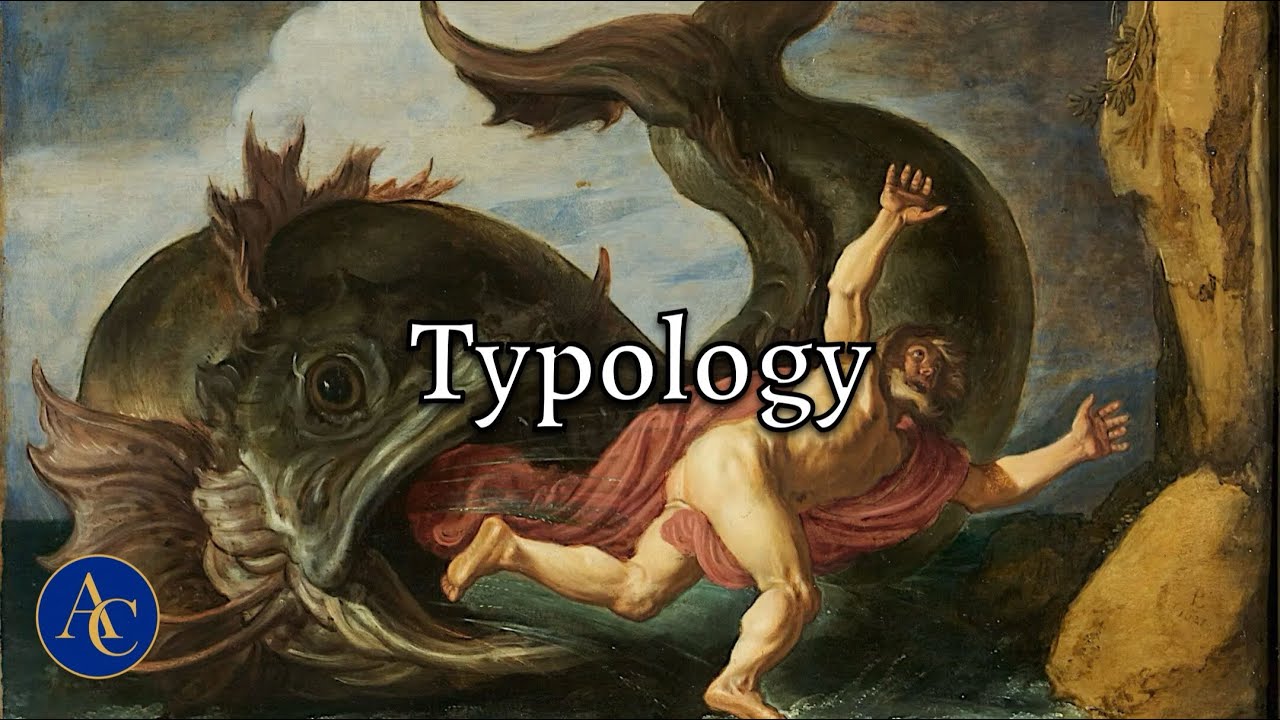
Typology: The Orthodox Lens Reading the Old Testament as Foreshadowing Christ

Typology: The Orthodox Lens Reading the Old Testament as Foreshadowing Christ 5:00

The audio reading presents an article from the Orthodox Study Bible on typology, the interpretation of Old Testament historical events, persons, and institutions as types that prefigure fulfillment through Christ's incarnation and ministry. Each type is linked to its antitype in a promise-fulfillment relationship. The article explains that typology functions as the primary patristic lens, used by Christ, the Apostles, and saints such as Irenaeus…

The audio reading presents an article from the Orthodox Study Bible on typology, the interpretation of Old Testament historical events, persons, and institutions as types that prefigure fulfillment through Christ's incarnation and ministry. Each type is linked to its antitype in a promise-fulfillment relationship. The article explains that typology functions as the primary patristic lens, used by Christ, the Apostles, and saints such as Irenaeus and John Chrysostom.

St. John Chrysostom describes types as patterns that anticipate and sketch out beforehand the dispensations accomplished under the new covenant. St. Irenaeus writes that the treasure hidden in Scripture is Christ, since he was pointed out by means of types and prophecies, and Christ came to fulfill in reality what was a shadow in the Old Testament.

Jesus himself confirmed that all things written in the Law, Prophets, and Psalms concerning him must be fulfilled.

The New Testament explicitly confirms typology: John the Baptist identifies Jesus as the Lamb of God linked to the Passover sacrifice; Abraham's offering of Isaac foreshadows the Father's offering of his only begotten Son. Christ, Paul, and Peter interpret Old Testament events, the bronze serpent in the wilderness, manna, Jonah's three days, Adam, Melchizedek, Noah's flood, as types pointing to Christ and the sacraments, particularly baptism.

Types are described as being in action what prophecy is in words, revealing truths about Christ, his mother, the church, the sacraments, and the kingdom of heaven.

Typology also shapes the Church's hymnography. The hymn for the Nativity of the Theotokos identifies the burning bush and the Babylonian furnace as prefiguring the Virgin receiving the divine fire in her material womb. St. Maximus the Confessor observes that the Old and New Testaments together form a single mystery in Christ.

Key moments

  1. 0:39 Typology interprets Old Testament historical events as types that prefigure fulfillment through Christ's incarnation and ministry, with each type linked to its antitype in a promise-fulfillment relationship.
  2. 1:09 St. John Chrysostom explains that types like patterns anticipated and sketched out beforehand the dispensations accomplished under the new covenant.
  3. 1:39 Types are in action what prophecy is in words, revealing truths about Christ, his mother, the church, the sacraments, and the kingdom of heaven.
  4. 2:10 St. Irenaeus writes that the treasure hidden in the scriptures is Christ, since he was pointed out by means of types and prophecies, and Christ came to fulfill in reality what was a shadow in the Old Testament.
  5. 2:41 John the Baptist's declaration "Behold the lamb of God who takes away the sin of the world" makes the first recorded public declaration linking Jesus with the Passover lamb sacrifice.
  6. 3:13 Abraham's offering of Isaac foreshadows in type the ultimate sacrifice of the only begotten Son of God.
  7. 3:46 Christ, Paul, and Peter interpret Old Testament events, the serpent in the wilderness, manna, Jonah's three days, Adam, Melchizedek, and Noah's flood, as types pointing to Christ and baptism.
  8. 4:18 The hymn for the Nativity of the Theotokos identifies the burning bush and the Babylonian furnace as prefiguring the Virgin receiving the divine fire in her material womb.
Anthony’s Cell YouTube

The Feast of Weeks fulfilled in Pentecost

The Feast of Weeks fulfilled in Pentecost 4:46

The audio reading from Anthony's Cell presents an article from the Orthodox Study Bible on the Feast of Weeks, known as Pentecost. It explains how the Old Testament agricultural festival of firstfruits, celebrated fifty days after Passover, finds its fulfillment in the descent of the Holy Spirit in Acts 2. The reading traces the feast's origin in Leviticus 23:15-16 as a grain harvest offering at the Tabernacle, one of three major Jewish feasts…

The audio reading from Anthony's Cell presents an article from the Orthodox Study Bible on the Feast of Weeks, known as Pentecost. It explains how the Old Testament agricultural festival of firstfruits, celebrated fifty days after Passover, finds its fulfillment in the descent of the Holy Spirit in Acts 2. The reading traces the feast's origin in Leviticus 23:15-16 as a grain harvest offering at the Tabernacle, one of three major Jewish feasts alongside Passover and the Feast of Tabernacles.

It then outlines four fulfillments described by the Church Fathers: the firstfruits become the Jews who believed and were baptized, with St. John Chrysostom calling the Spirit a keen-edged sickle; the two leavened loaves prefigure the gathering of Jews and Gentiles, with St. John Cassian likening the apostles' preaching to true bread of the first fruits feeding five thousand; the fiftieth day signifies the fullness of time and the mystery of the eighth day; and the giving of the Law to Moses is completed by the giving of the Spirit to the Church.

The summary notes that Orthodox Pentecost services emphasize the Spirit's full descent transcending the Mosaic law, bestowing gifts directly in believers through Christ rather than in the law's shadow. The services include Old Testament readings from Ezekiel 36:24-28, Joel 2:23-32 (quoted by Peter at Pentecost), and Numbers 11:24-29 where seventy elders prophesy when the Spirit comes upon them.

Moses' wish that all the Lord's people might be prophets is seen as prophetic of Pentecost. A feast hymn contrasts the division of tongues at Babel with the unity brought by tongues of fire at Pentecost, declaring that with one accord we glorify the all-holy Spirit.

Key moments

  1. 0:32 The Feast of Weeks was a harvest festival where Hebrews offered first fruits at the Tabernacle, one of three major Jewish feasts alongside Passover and the Feast of Tabernacles.
  2. 1:02 Leviticus 23:15-16 prescribes seven weeks from the morning after the Passover Sabbath, giving the feast its name; later it was called Pentecost, the fiftieth day.
  3. 1:32 The Jewish Pentecost is fulfilled in Acts 2 when the Holy Spirit is poured out on the disciples as Christ promised.
  4. 2:04 Four fulfillments: first fruits become baptized believers (Chrysostom: Spirit as "keen-edged sickle"); two loaves signify Jews and Gentiles (Cassian: apostles' preaching as "true bread of the first fruits" feeding 5,000); the fiftieth day marks fullness of time and the eighth day mystery; the Law given to Moses is completed by the Spirit given to the Church.
  5. 2:37 Orthodox Pentecost services emphasize the Spirit's full descent, which transcends the Mosaic law, the Spirit now bestowed in truth through Christ, not in the law's shadow.
  6. 3:10 The services repeatedly show Old Testament prophecies fulfilled: Ezekiel 36:24-28, Joel 2:23-32 (quoted by Peter at Pentecost), and Numbers 24-29 where seventy elders prophesy when the Spirit comes upon them.
  7. 3:41 Moses' wish, "Would that all the Lord's people might be prophets", is prophetic of Pentecost when the Spirit is poured out on all.
  8. 4:12 A feast hymn declares: at Babel the Most High divided nations by confounding tongues; at Pentecost He divides tongues of fire to call all men into unity, and with one accord we glorify the all-holy Spirit.
Anthony’s Cell YouTube

Sacrifice: From Mosaic Ritual to Christ's Bloodless Offering

Sacrifice: From Mosaic Ritual to Christ's Bloodless Offering 4:28

The audio reading presents an article from the Orthodox Study Bible on the theology of sacrifice. The article explains the Old Testament sacrificial system instituted through Moses in Leviticus and Deuteronomy. Animal sacrifices, cattle, sheep, goats, and doves, and vegetable offerings, wheat, barley, olive oil, wine, cereal, and frankincense, were offered first at the Tabernacle and later at the temple. These offerings prefigured Christ's…

The audio reading presents an article from the Orthodox Study Bible on the theology of sacrifice. The article explains the Old Testament sacrificial system instituted through Moses in Leviticus and Deuteronomy. Animal sacrifices, cattle, sheep, goats, and doves, and vegetable offerings, wheat, barley, olive oil, wine, cereal, and frankincense, were offered first at the Tabernacle and later at the temple.

These offerings prefigured Christ's incarnation. Blood represented the life force and created identification between the sacrifice and the worshiper, pointing directly to Christ's redeeming blood. The Day of Atonement ceremony included animal sacrifices for sins and the placing of Israel's transgressions on a scapegoat driven into the wilderness, foreshadowing Christ's once-for-all self-sacrifice as high priest who takes all humanity's sins upon himself.

Christ's sacrifice supersedes the Mosaic system. The Divine Liturgy offers a bloodless sacrifice, the body and blood of Christ, in which worshipers participate substantially. The Church prays, "Thine own of thine own we offer unto thee on behalf of all and for all." In the Liturgy we offer the body and blood of Christ to God, participating in Christ's once-for-all sacrifice, uniting us to Christ in baptism and nurturing that union through the Eucharist.

The article notes that sacrifices never exempted the Hebrews from prayerful and moral living; the prophets condemned empty ritual and pointed to the self-offering described in Romans 12:1 and 1 Peter 2:5.

Key moments

  1. 0:33 The Lord commands Moses to institute a comprehensive system of ritual sacrifices in Leviticus and Deuteronomy 12-26 to reconcile the Hebrews with God and restore harmony disrupted by sin.
  2. 1:05 Sacrifices were of two types: animal (cattle, sheep, goats, doves) and vegetable (wheat, barley, olive oil, wine, cereal, frankincense), offered first at the Tabernacle and later the temple.
  3. 1:36 In Old Testament animal sacrifices, the blood represented the life force offered to God, with identification between the animal and the worshiper, prefiguring Christ's blood of the new covenant shed for remission of sins.
  4. 2:08 The Day of Atonement included animal sacrifices for sins and placing Israel's transgressions on the scapegoat driven into the wilderness, prefiguring Christ taking all humanity's sins and reconciling us to God.
  5. 2:38 Christ's once-for-all offering supersedes the Mosaic system; the Eucharistic service in the Divine Liturgy is a bloodless sacrifice offered in remembrance, understood as our sacrifice of praise and mercy of peace.
  6. 3:10 In the Divine Liturgy we offer the body and blood of Christ to God, participating in Christ's once-for-all sacrifice, uniting us to Christ in baptism and nurturing that union through the Eucharist.
  7. 3:43 The Church prays "Thine own of thine own we offer unto thee on behalf of all and for all."
  8. 4:15 Sacrifices never exempted the Hebrews from prayerful and moral living; prophets stood against empty ritual, and the system points to self-sacrificial service as in Romans 12:1 and 1 Peter 2:5.
Anthony’s Cell YouTube

The Tabernacle's Typology: Christ, the Theotokos, and the Christian Temple

The Tabernacle's Typology: Christ, the Theotokos, and the Christian Temple 4:25

The audio reading presents an article from the Orthodox Study Bible on the tabernacle built by Moses according to precise divine instructions received on Mount Sinai. The tabernacle was a movable tent where God manifested his glory in a shining cloud and promised: "I shall be known to you to speak to you. There I shall give directions to the children of Israel, and I shall be sanctified in my glory." The Ark of the Covenant held three objects…

The audio reading presents an article from the Orthodox Study Bible on the tabernacle built by Moses according to precise divine instructions received on Mount Sinai. The tabernacle was a movable tent where God manifested his glory in a shining cloud and promised: "I shall be known to you to speak to you. There I shall give directions to the children of Israel, and I shall be sanctified in my glory."

The Ark of the Covenant held three objects that prefigure Christ: the tablets of the law point to Christ the lawgiver, the manna to Christ as the bread of life, and Aaron's budded staff to the life-giving cross. St. Gregory of Nyssa teaches that the tabernacle encompasses the universe and is Christ, the power and wisdom of God, and also prefigures the Theotokos whose womb became the tabernacle where the Lord dwelt.

St. John Chrysostom identifies the "greater and more perfect tabernacle not made with hands" as the flesh of Christ, in whom the fullness of the Godhead dwells. The wilderness tabernacle was superseded by the temple in Jerusalem, which in turn is superseded by Christ and his body, the Church. In holy baptism every Christian becomes a temple of the Holy Spirit, as St. Paul writes: "Or do you not know that your body is the temple of the Holy Spirit?"

St. Isaac of Nineveh affirms this indwelling. The fulfillment comes in the kingdom of heaven where, as St. John sees, "the Lord God Almighty and the Lamb are its temple," and all earthly types vanish as the redeemed behold God in unmediated glory.

Key moments

  1. 0:33 Moses received precise instructions for building the tabernacle on Mount Sinai, a movable tent where God met the assembly of Israel and manifested his glory in a shining cloud.
  2. 1:04 The Lord promises at the tabernacle: "I shall be known to you to speak to you. There I shall give directions to the children of Israel, and I shall be sanctified in my glory."
  3. 1:35 The Ark of the Covenant held three objects prophetic of Christ: the tablets of the law prefigure Christ the lawgiver, the manna points to Christ as the bread of life, and Aaron's budded staff prefigures the life-giving cross.
  4. 2:07 St. Gregory of Nyssa says the tabernacle encompasses the universe and is Christ, the power and wisdom of God, and also prefigures Mary the Theotokos whose womb becomes the tabernacle where the Lord dwells.
  5. 2:40 St. John Chrysostom explains that the "greater and more perfect tabernacle not made with hands" in the New Testament means the flesh of Christ, in whom God the Word and all the power of the Spirit dwell.
  6. 3:12 The movable tabernacle is superseded by the temple in Jerusalem, which in turn is superseded by Christ and the church which is his body.
  7. 3:12 In baptism every Christian becomes a tabernacle, a dwelling place of the Holy Spirit, as St. Paul says: "Or do you not know that your body is the temple of the Holy Spirit?"
  8. 3:45 St. John sees no temple in heaven because "the Lord God Almighty and the Lamb are its temple," and all earthly types vanish as the redeemed behold God in unmediated glory.
Anthony’s Cell YouTube

Obedience and the Layman: Elders, Spiritual Fathers, and Caution

Obedience and the Layman: Elders, Spiritual Fathers, and Caution 10:56

An audio reading presents Father Alexey (now Hieromonk Ambrose) Young's essay "Obedience and the Layman." The essay begins with the foundation of the Christian life: obedience to the commandments and the routine of an Orthodox way of life, including divine services, the mysteries, the fasts, and almsgiving. St. Paisios calls keeping the commandments perfect obedience toward Christ. A priest working with converts first assigns this routine of…

An audio reading presents Father Alexey (now Hieromonk Ambrose) Young's essay "Obedience and the Layman." The essay begins with the foundation of the Christian life: obedience to the commandments and the routine of an Orthodox way of life, including divine services, the mysteries, the fasts, and almsgiving. St. Paisios calls keeping the commandments perfect obedience toward Christ.

A priest working with converts first assigns this routine of piety because it touches the heart, and St. John Chrysostom warns against educating only the intellect while ignoring the heart.

The essay then turns to obedience to a spiritual father and sets out three principles. First, an elder must be distinguished from a spiritual father. An elder fills the prophetic ministry and is obeyed as one who reveals God's will, but true elders are virtually absent today, and personality cults around those claiming the title have nothing to do with Orthodoxy.

Second, obedience to a spiritual father is a matter of leading and following rather than commanding and obeying. It is not legalistic and not based on a vow, but a living bond between two souls. Schema-monk John of Valaam said he gives his opinion and then adds, "but consider the matter yourself."

Third, because true guides are rare, a layman must exercise caution before placing himself under obedience. Elder Macarius of Optina wrote that finding a director was already most difficult in his day, and Bishop Ignatius Brianchaninov warned against conceited people who give unsolicited advice to nourish their vanity. A parish priest may direct a layman to a wise monastic, or the layman must seek God's will in Scripture and wait patiently, lest he become a servant of men rather than a servant of God.

A true guide does not long to give advice, knows his own inadequacy, and leaves the decision to the child's judgment. Growth is now slow and painstaking, but Bishop Ignatius calls it a blessing to feed on the crumbs from the spiritual table of the fathers, which can prevent spiritual death.

Key moments

  1. 0:34 An Orthodox Christian strives to obey the commandments and fulfill the Orthodox way of life: divine services, the mysteries, the fasts, alms and charity, the bare minimum for those who follow Christ.
  2. 1:05 St. Paisios writes that keeping God's commandments is nothing else than perfect obedience toward Christ the Lord.
  3. 2:09 A priest working with converts assigns a routine of piety to test obedience and touch the heart, since St. John Chrysostom warns it is dangerous to educate only the intellect and ignore the heart.
  4. 3:13 One must distinguish an elder from a spiritual father: an elder fills the prophetic ministry, but there are virtually no true elders today, and personality cults around those claiming the title have nothing to do with Orthodoxy.
  5. 4:16 Obedience to a spiritual father is leading and following, not commanding and obeying; it is not legalistic or based on a vow, but a living bond between two souls.
  6. 5:18 Schema-monk John, father confessor of Valaam monastery, said he gives his opinion and then always adds, 'but consider the matter yourself'; the spiritual father does not coerce or give orders.
  7. 5:48 Elder Macarius of Optina wrote that finding a director who cures our self-will is a great help but most difficult in these days, and Bishop Ignatius warned against self-opinionated people who give misguided advice to nourish their vanity.
  8. 7:20 A parish priest may direct the layman to a wise monastic; otherwise the layman must seek God's will in scripture and wait patiently, lest he become a servant of men rather than a servant of God.
Anthony’s Cell YouTube

The Priesthood, Hebrew and Christian: An Article From The Orthodox Study Bible

The Priesthood, Hebrew and Christian: An Article From The Orthodox Study Bible 4:40

This audio reading presents the article "The Priesthood, Hebrew and Christian" from the Orthodox Study Bible. The reading explains the Hebrew word for priest, Cohen: a Levite who stood as intercessor for the people before God, offering gifts and sacrifices so the people might be reconciled to God. The Lord directed Moses to construct the tabernacle and established a permanent hereditary priesthood beginning with Aaron and continuing through his…

This audio reading presents the article "The Priesthood, Hebrew and Christian" from the Orthodox Study Bible. The reading explains the Hebrew word for priest, Cohen: a Levite who stood as intercessor for the people before God, offering gifts and sacrifices so the people might be reconciled to God. The Lord directed Moses to construct the tabernacle and established a permanent hereditary priesthood beginning with Aaron and continuing through his sons.

Priests were consecrated with holy oil and wore richly decorated holy garments. After Aaron's death, the Lord separated the tribe of Levi to bear the ark, stand before the Lord, minister to him and bless his name. Beyond offering sacrifices, the priests blessed the people, maintained the tabernacle and later the temple, received tithes and offerings, supervised purification, acted as judges, and taught the law.

Only male Levites administered the liturgical rites. The reading then describes how the authority of the Levitical priesthood ended when Christ offered himself as a perfect sacrifice on the cross, typified by the temple curtain being torn asunder. The priesthood of the church is Christ's own priesthood, with the Eucharist as the first fruit offering.

St. John Chrysostom teaches that it is not men who sanctify the offering: the same Christ who sanctified the last supper sanctifies it now. The liturgical prayer says, "Thou thyself art the one who offers and is offered, who accepts and is distributed." The church retains the male priesthood because the man Christ Jesus officiates at every eucharistic service in and through his bishops, priests, and deacons; the clergy do not serve in the place of Christ, he serves in them.

Chrysostom writes that when the Lord is sacrificed and lies before you, you are transported to heaven: he who sits with the Father is held in our hands. The reading ends with the royal priesthood of all believers, foretold in Exodus 19:6 and Isaiah 61:6 and fulfilled in the church according to 1 Peter 2:9, 2:5, and Revelation 1:5 and 6.

Key moments

  1. 0:34 The Hebrew word for priest is Cohen. He is a Levite who stood as intercessor for the people before God, offering gifts and sacrifices so the people might be reconciled to God.
  2. 0:47 The Lord directed Moses to construct the tabernacle and established a permanent hereditary priesthood beginning with Aaron and continuing through his sons. Priests were consecrated with holy oil and wore richly decorated holy garments for the honor and glory of God.
  3. 1:07 After Aaron's death, the Lord separated the tribe of Levi to bear the ark, stand before the Lord, minister to him and bless his name.
  4. 1:22 Besides sacrifices, priests blessed the people, maintained the tabernacle and later the temple, received tithes and offerings, supervised purification, acted as judges, and taught the law. Only male Levites administered the liturgical rites.
  5. 1:37 The authority of the Levitical priesthood ended when Christ offered himself as a perfect sacrifice on the cross, typified by the temple curtain being torn asunder. The priesthood of the church is Christ's priesthood, with the Eucharist as the first fruit offering.
  6. 2:07 St. John Chrysostom teaches that it is not men who sanctify the offering: the same Christ who sanctified the last supper sanctifies it now, and is even now present and acting. The liturgical prayer says, "Thou thyself art the one who offers and is offered, who accepts and is distributed."
  7. 2:39 The church retains the male priesthood because the man Christ Jesus officiates at every eucharistic service in and through his bishops, priests, and deacons. The clergy do not serve in the place of Christ; Christ himself serves in them.
  8. 3:09 Chrysostom writes that when the Lord is sacrificed and lies before you, with priests praying over the sacrifice and all partaking of the precious blood, you are transported to heaven: he who sits with the Father is held in our hands. While the ordained priesthood serves on behalf of all, every baptized and anointed believer is a member of God's royal priesthood, foretold in Exodus 19:6 and Isaiah 61:6 and fulfilled in the church according to 1 Peter 2:9, 2:5, and Revelation 1:5 and 6. All Christians are called to offer all of creation back to God with praise and thanksgiving.
Anthony’s Cell YouTube

Why the Second Commandment Does Not Forbid Icons

Why the Second Commandment Does Not Forbid Icons 4:47

This audio reading presents the article 'Images and Imagery' from the Orthodox Study Bible, which answers the claim that the second commandment forbids sacred images. The reading argues that the prohibition in Exodus 20:4 targets images worshipped as gods, not all artistic representation. Scripture itself records God commanding images: two gold cherubim on the mercy seat, cherubim woven into the tabernacle curtains and veil, and a bronze serpent…

This audio reading presents the article 'Images and Imagery' from the Orthodox Study Bible, which answers the claim that the second commandment forbids sacred images. The reading argues that the prohibition in Exodus 20:4 targets images worshipped as gods, not all artistic representation. Scripture itself records God commanding images: two gold cherubim on the mercy seat, cherubim woven into the tabernacle curtains and veil, and a bronze serpent on a pole that healed those who looked at it.

Solomon's temple held twelve oxen statues supporting the sea and bases engraved with lions, oxen, cherubim, and palm trees, and God filled that temple with glory, saying his eyes and heart would be there perpetually (Third Kings 9:3). The bronze serpent shows the real issue: King Hezekiah destroyed it centuries later because people offered incense to it, so the fault lies in improper use, not in the image.

The reading then turns to the Incarnation. Before God the Son assumed a visible human body, imaging the invisible God was impossible; afterward the church made icons of Christ, his mother, the saints, and angels from the earliest times. Tradition says Saint Luke the Evangelist made at least three icons of Christ and his mother, and every icon of Christ proclaims the Incarnation.

The Seventh Ecumenical Council at Nicaea in AD 787 condemned iconoclasm, distinguished worship (latreia) due to God alone from veneration (proskynesis) given to icons, and declared that honor given to an image passes to its prototype. The reading closes with a hymn for the first Sunday of Great Lent, commemorating the restoration of icons in AD 843: 'The icons that depict thy flesh lead us to the desire and love of thee.'

Key moments

  1. 0:34 Many taught the second commandment prohibits icons, but God commanded artistic representations in Exodus: two gold cherubim on the mercy seat, cherubim woven on the tabernacle curtains and veil.
  2. 1:05 Solomon's temple included 12 oxen statues supporting the sea and bases engraved with lions, oxen, cherubim, and palm trees; God filled the temple with glory and declared his eyes and heart would be there perpetually (Third Kings 9:3).
  3. 1:35 God ordered Moses to make a bronze serpent on a pole to heal the Hebrews; centuries later King Hezekiah destroyed it when the people offered incense to it, showing the fault lies in improper use not the image.
  4. 2:05 The prohibition in Exodus 20:4 is against images worshipped as gods ("gods of silver and gods of gold," Exodus 20:23), not all artistic representations; God knew such images would tempt the Hebrews away from him (Exodus 20:3-5).
  5. 2:38 Before the incarnation it was impossible to image the invisible God, but after God the Son assumed a visible human body, the church naturally created icons of Christ, his mother, the saints, and angels from the earliest times.
  6. 3:10 Church tradition says Saint Luke the Evangelist made at least three icons of Christ and his mother; every icon of Christ proclaims the incarnation, and recognized icons prayerfully made provide trustworthy representations.
  7. 3:41 The Seventh Ecumenical Council at Nicaea in AD 787 condemned iconoclasm, distinguished worship due to God alone from veneration given to icons, and declared that honor given to an image passes to its prototype.
  8. 4:13 Through icons Orthodox Christians are drawn closer to Christ; a hymn for the first Sunday of Great Lent (commemorating the restoration of icons in AD 843) says, "The icons that depict thy flesh lead us to the desire and love of thee."
Anthony’s Cell YouTube

Grace and Truth Came Through Jesus Christ: Christ the Lawgiver, Moses the Servant

Grace and Truth Came Through Jesus Christ: Christ the Lawgiver, Moses the Servant 4:30

An audio reading presents an article from the Orthodox Study Bible titled "The Grace of Christ and the Law of Moses," opening with singing and a prayer. The reading takes John 1:17 as its starting point: the law was given through Moses, but grace and truth came through Jesus Christ. From there it argues that the grace of Christ and the law of Moses are complementary parts of one divine plan, not opposites. The pre-incarnate Christ, not Moses,…

An audio reading presents an article from the Orthodox Study Bible titled "The Grace of Christ and the Law of Moses," opening with singing and a prayer. The reading takes John 1:17 as its starting point: the law was given through Moses, but grace and truth came through Jesus Christ. From there it argues that the grace of Christ and the law of Moses are complementary parts of one divine plan, not opposites.

The pre-incarnate Christ, not Moses, gave the law, so Christ is the Lawgiver and Moses his faithful servant. Moses spoke in the name of the Lord rather than his own, while Christ, as the Son of God, brought creation into existence from non-existence and is building his church. At the Transfiguration, Moses and Elijah appeared with Christ, Moses prefiguring the fulfillment of the Law and Elijah the Prophets.

When the Son became incarnate he spoke to Israel directly, no longer through a prophet. Israel refused to believe him, but he gave believing Jews and Gentiles authority to become his children. The reading cites Genesis 12:1-3 and Isaiah 49:5-6 to show the Old Testament promised Gentiles would be included in the promises to Israel; race is not the issue but faith in Christ, and his church is one, of every nation, tongue, and tribe.

The Mosaic law renewed the knowledge of sin that had dulled between Adam and Moses and led mankind to repentance, though it could never remit sins. After his ascension Christ sent the Holy Spirit at Pentecost to convict the world of sin, renew the natural law in conscience, lead into all truth, and make us partakers of the divine nature.

The reading closes with Christ, the incarnate Lawgiver, remitting sins through his precious blood and healing the damage done through sinning.

Key moments

  1. 0:32 John 1:17 says the law was given through Moses, but grace and truth came through Jesus Christ; the grace of Christ and the law of Moses are complimentary, not contradictory.
  2. 1:03 The pre-incarnate Christ gave Moses the law, making Christ the lawgiver and Moses his servant; Moses and Elijah appeared with Christ at the Transfiguration, showing him as the fulfillment of the law and the prophets.
  3. 1:33 Christ is incomparably greater than Moses: as Son of God he brought creation into existence from non-existence and is building his church, while Moses spoke in the name of the Lord, not his own.
  4. 2:05 When the Son became incarnate he spoke to Israel directly, not through a prophet; Israel refused to believe him, but to believing Jews and Gentiles he gave authority to become his children.
  5. 2:39 The Old Testament promised Gentiles would be included in the promises to Israel, citing Genesis 12:1-3 and Isaiah 49:5-6; race is not the issue but faith in Christ, and his church is one, of every nation, tongue, and tribe.
  6. 3:10 Christ is lawgiver in both Testaments; in his incarnation he fulfilled the old law, making it obsolete.
  7. 3:40 The Mosaic law renewed knowledge of sin dulled between Adam and Moses, leading man to repentance; after his ascension Christ sent the Holy Spirit at Pentecost to convict the world of sin, renew the natural law in conscience, lead into all truth, and make us partakers of the divine nature.
  8. 4:11 The old law could never remit sins; Christ, the incarnate lawgiver, offers remission of sins through his precious blood and heals the damage done through sinning.
Anthony’s Cell YouTube

Christ Our Passover: Old Testament Type and New Testament Reality

Christ Our Passover: Old Testament Type and New Testament Reality 4:17

The audio reading presents the article "Christ Our Passover" from the Orthodox Study Bible. The article defines Passover as the central rite of Judaism commemorating the Hebrews' liberation from Egypt, its name deriving from the Lord passing over Hebrew homes and the Hebrews passing over the Red Sea. Passover celebrates God's steadfast love and freedom, signifying God's rescue and forging of Israel throughout the Old Testament. Christ becomes…

The audio reading presents the article "Christ Our Passover" from the Orthodox Study Bible. The article defines Passover as the central rite of Judaism commemorating the Hebrews' liberation from Egypt, its name deriving from the Lord passing over Hebrew homes and the Hebrews passing over the Red Sea. Passover celebrates God's steadfast love and freedom, signifying God's rescue and forging of Israel throughout the Old Testament. Christ becomes our Passover, bringing liberation from sin, death, and the devil.

Saint Paul declares Christ "our Passover sacrificed for us" (1 Cor 5:7-8), the Paschal Lamb offered once for all to reconcile us with God (Heb 10:10-14). At every Pascha the Church sings of Christ as the new, holy, mystical Pascha worthy of veneration.

Four typological details connect the Old Testament Passover to Christ: the unblemished male lamb whose blood was smeared on doorposts in the sign of the cross; the blood saving the Hebrew firstborn from death; the lamb's unbroken bones; and the passage through the Red Sea prefiguring holy baptism, where Christians are baptized into Christ's death and raised in the likeness of His resurrection.

Saint John Chrysostom reflects that if the shadow of the blood had such power in Egypt, the reality of Christ's blood saves souls, washing them more gleaming than gold. Believers, sustained by this blood, journey daily toward the eternal promised kingdom.

Key moments

  1. 0:22 Passover defined as central rite of Judaism based on liberation of Hebrews from Egypt; name comes from Lord passing over Hebrew homes and Hebrews passing over Red Sea.
  2. 0:54 Passover celebrates God's steadfast love and freedom; throughout Old Testament it signifies God's rescue and forging of Israel; Christ becomes our Passover (Pascha) bringing liberation from sin, death, and devil.
  3. 1:26 Saint Paul: "Christ our Passover was sacrificed for us. Therefore, let us keep the feast" (1 Cor 5:7-8); He is Paschal Lamb offered once for all (Heb 10:10-14) to reconcile us with God.
  4. 1:56 At every Pascha the Church sings: "Today a sacred Pascha is revealed to us, a new and holy Pascha, a mystical Pascha, a Pascha worthy of veneration, a Pascha which is Christ the Redeemer."
  5. 2:27 First typology: Passover lamb male without blemish, blood smeared on doorposts in sign of cross; Jesus male without blemish died on cross.
  6. 2:57 Second: Blood of Passover lamb saved Hebrew firstborn from death; blood of Christ saves believers from eternal death. Third: Passover lamb had no bones broken; Jesus had no bones broken. Fourth: Hebrews escaped slavery through Red Sea; Christians pass from sin through waters of holy baptism, baptized into Christ's death and raised in likeness of His resurrection.
  7. 3:28 Saint John Chrysostom: If the type of the blood had such power in Egypt, much more the reality; if death shuddered at the shadow, how much more would it dread the reality; the blood is salvation of souls, washing them more gleaming than gold.
  8. 3:59 Sustained by the blood of Christ our Passover, we resume daily our journey to the eternal promised land, the promised kingdom to come.
Anthony’s Cell YouTube

Ancestral Sin: What We Inherit From Adam, and What We Do Not

Ancestral Sin: What We Inherit From Adam, and What We Do Not 4:39

This audio reading presents the article on Ancestral Sin from the Orthodox Study Bible. It begins with God creating mankind, establishing paradise, and commanding Adam not to eat from the tree of the knowledge of good and evil, saying that on the day he ate from it he would die by death (Genesis 2:16-17). Since Adam and Eve did not physically die that day, the words 'you shall die' point to a spiritual death through separation from God, the…

This audio reading presents the article on Ancestral Sin from the Orthodox Study Bible. It begins with God creating mankind, establishing paradise, and commanding Adam not to eat from the tree of the knowledge of good and evil, saying that on the day he ate from it he would die by death (Genesis 2:16-17). Since Adam and Eve did not physically die that day, the words 'you shall die' point to a spiritual death through separation from God, the source of life.

Ancestral sin is Adam's willing disobedience, by which he fell from God's path to perfection. The reading lists the consequences of the fall: mortality, an inclination toward sin, and the fall of the divine image in man, along with sweat, toil, hunger, thirst, weariness, sorrow, pain, suffering, sickness, tribulations, tragedy, and tears.

It draws on Saint Gregory the Theologian, who says death cuts off sin so evil may not be everlasting, turning God's punishment into a mercy. On the question of guilt, the article states that we are not guilty because of Adam's sin but because of our own. Yet because mankind fell from God's grace through Adam's disobedience, people now have a propensity toward sin, since sin enters through fear of death.

The divine image in man is fallen but not totally corrupted or obliterated. Human nature remains inherently good, and people are still capable of doing good, though bondage to death and the devil can dull their perception of what is good. The intellectual, desiring, and irascible aspects of the soul remain natural and neutral after the fall; they can be used for good or harm, like iron made into a plow or into a sword.

The reading closes with Christ's death and resurrection, by which he conquered the devil and death, freed mankind from the fear of death, and made possible communion with God in which people become partakers of the divine nature (2 Peter 1:4).

Key moments

  1. 0:34 God created mankind, established paradise, and commanded Adam not to eat from the tree of the knowledge of good and evil, saying that on the day he ate from it he would die by death (Genesis 2:16-17).
  2. 1:04 Since Adam and Eve did not physically die the day they ate, the words 'you shall die' indicate a spiritual death through separation from God. Ancestral sin is Adam's willing disobedience, by which he fell from God's path to perfection.
  3. 1:34 The fall made mankind subject to mortality. Saint Gregory the Theologian says death cuts off sin so evil may not be everlasting, so God's punishment is changed into a mercy.
  4. 2:06 We are not guilty because of Adam's sin but because of our own. Yet because mankind fell from God's grace through Adam's disobedience, people now have a propensity toward sin, since sin enters through fear of death.
  5. 2:38 The divine image in man is fallen but not totally corrupted or obliterated. Human nature remains inherently good, and people are still capable of doing good, though bondage to death and the devil can dull their perception of what is good.
  6. 3:10 Adam's fall brought mortality and sin into the world, along with sweat, toil, hunger, thirst, weariness, sorrow, pain, suffering, sickness, tribulations, tragedy, and tears.
  7. 3:41 The intellectual, desiring, and irascible aspects of the soul remain natural and neutral after the fall. They can be used for good or harm, like iron made into a plow or into a sword.
  8. 4:13 Christ, by his death and resurrection, conquered the devil and death, freeing mankind from the fear of death and making possible communion with God in which people become partakers of the divine nature (2 Peter 1:4).
Anthony’s Cell YouTube

One God, Three Persons: How Scripture Reveals the Holy Trinity

One God, Three Persons: How Scripture Reveals the Holy Trinity 5:22

An audio reading presents an article from the Orthodox Study Bible titled 'The Holy Trinity: Creator and Savior,' read aloud with singing at the beginning and end. The reading explains that the Holy Trinity is one God in three persons, Father, Son, and Holy Spirit, distinct but not separate and not three gods, one in essence or nature. The Father is the unbegotten fountainhead of deity, the Son is eternally begotten of the Father, and the Holy…

An audio reading presents an article from the Orthodox Study Bible titled 'The Holy Trinity: Creator and Savior,' read aloud with singing at the beginning and end. The reading explains that the Holy Trinity is one God in three persons, Father, Son, and Holy Spirit, distinct but not separate and not three gods, one in essence or nature.

The Father is the unbegotten fountainhead of deity, the Son is eternally begotten of the Father, and the Holy Spirit proceeds from the Father. The article traces the Trinity's work in creating the world through Genesis: the Father made heaven and earth, the Spirit hovered over creation and co-created, and the Son as the Word of God made the light, all with creative power and equality.

In Genesis 1:26, the pronouns 'us' and 'our' reveal a plurality of divine persons operating in unity out of the one divine nature. The reading then shows how the Trinity saves the world: the Father is our redeemer, the Son inherits the people saved by him, and the words 'holy, holy, holy' in Isaiah 6 declare the three persons who save us.

Isaiah 44:3 shows the Father pouring out his Spirit like water on dry ground, and Isaiah 48:16-17 shows the Son declaring that the Father and the Spirit sent him to redeem the world. Although the Son alone became a man, all three persons save mankind. The New Testament affirms the Trinity in the Old Testament: the Word was with the Father at creation, Jesus identifies himself as existing before Abraham as 'I am,' appearing to Moses in the burning bush, and the Spirit's descent at Pentecost affirms his Old Testament presence.

Hebrews 1:8-10 affirms the Father speaking to the Son in the Psalms, acknowledging the Son as God and creator of the world. The incarnate Son fully reveals the Trinity: at the Annunciation the Holy Spirit overshadowed the Virgin Mary, and at the baptism in the Jordan the Father's voice was heard and the Spirit descended like a dove.

As the main hymn for Theophany says, when you, oh Lord, were baptized in the Jordan, the worship of the Trinity was made manifest.

Key moments

  1. 0:33 The Holy Trinity is one God in three persons, Father, Son, and Holy Spirit, distinct but not separate, one in essence or nature. The Father is the unbegotten fountainhead of deity, the Son is eternally begotten of the Father, and the Holy Spirit proceeds from the Father.
  2. 1:04 The Trinity created the world: the Father made heaven and earth, the Spirit hovered over creation and co-created, and the Son as the Word of God made the light, all with creative power and equality.
  3. 1:36 In Genesis 1:26, the pronouns us and our reveal a plurality of divine persons operating in complete unity out of the one divine nature.
  4. 2:08 The Trinity saves the world: the Father is our redeemer, the Son inherits the people saved by him, and the words holy, holy, holy in Isaiah 6 declare the three persons who save us.
  5. 2:39 Isaiah 44:3 shows the Father pouring out his Spirit like water on dry ground, and Isaiah 48:16-17 shows the Son declaring the Father and the Spirit sent him to redeem the world. Although the Son alone became a man, all three persons save mankind.
  6. 3:09 The New Testament affirms the Trinity in the Old Testament: the Word was with the Father at creation, Jesus identifies himself as existing before Abraham as I am, appearing to Moses in the burning bush, and the Spirit's descent at Pentecost affirms his Old Testament presence.
  7. 4:12 Hebrews 1:8-10 affirms the Father speaking to the Son in the Psalms, acknowledging the Son as God and creator of the world.
  8. 4:42 The incarnate Son fully reveals the Trinity: at the Annunciation the Holy Spirit overshadowed the Virgin Mary, and at the baptism in the Jordan the Father's voice was heard and the Spirit descended like a dove. As the main hymn for Theophany says, when you, oh Lord, were baptized in the Jordan, the worship of the Trinity was made manifest.
Anthony’s Cell YouTube

Creation Out of Nothing: The Orthodox Study Bible on Genesis and St. Basil

Creation Out of Nothing: The Orthodox Study Bible on Genesis and St. Basil 4:49

An audio reading from Anthony's Cell presents the article on Creation from the Orthodox Study Bible, drawing on Scripture and St. Basil the Great. The reading opens with the Nicene Creed's confession that the one true God is the maker of heaven and earth, of all things visible and invisible. St. Basil is quoted on Moses engraving the awesome name of God in our hearts as a seal and safeguard with the words 'In the beginning God created.' God was…

An audio reading from Anthony's Cell presents the article on Creation from the Orthodox Study Bible, drawing on Scripture and St. Basil the Great. The reading opens with the Nicene Creed's confession that the one true God is the maker of heaven and earth, of all things visible and invisible. St. Basil is quoted on Moses engraving the awesome name of God in our hearts as a seal and safeguard with the words 'In the beginning God created.' God was not forced to create; in his goodness and loving-kindness he freely chose to create the universe out of nothing, in contrast to the creation myths of surrounding ancient cultures.

The reading sets out the roles of Christ the Word, through whom all things were made according to John's Gospel, and of the Holy Spirit, shown in Genesis 1:2, Psalm 103:30, and Psalm 32:6. On the question of science, the reading states that the Orthodox Church has not dogmatized any particular view on the scientific accuracy of Genesis or on evolution.

What is dogmatically proclaimed is that the triune God created everything and that man alone is made in the image and likeness of God, citing Genesis 1:26-27. The Church Fathers affirm that each species came into existence instantaneously at God's command with its seed within itself, and that the development of life was not accident but the work of supreme intelligence and wisdom.

St. Basil, discussing the scientific theories of his day, counsels keeping admiration for the wisdom of God, the source of such perfect order, and recognizing that all that exists is sustained by the creator's power. The reading closes on the repeated 'And God saw that it was good' in Genesis 1, which shows the fundamental goodness of matter and the created order, the basis for a sacramental worldview, with creation's beauty and vastness intended to draw mankind to worship the creator.

Key moments

  1. 0:33 The Nicene Creed affirms the one true God as the source of everything that exists, both physical and spiritual, animate and inanimate.
  2. 1:04 Saint Basil the Great says Moses engraved the awesome name of God in our hearts as a seal and safeguard: 'In the beginning God created.'
  3. 1:34 God was not forced to create the universe; in his goodness and loving-kindness he freely chose to create out of nothing, in contrast to the creation myths of surrounding ancient cultures.
  4. 2:05 John's Gospel states that all things were made through the Word, and Genesis 1:2, Psalm 103:30, and Psalm 32:6 show the Holy Spirit's role in creation.
  5. 2:36 The Orthodox Church has not dogmatized any particular view on the scientific accuracy of Genesis or evolution; what is proclaimed is that the triune God created everything and man alone is made in the image and likeness of God (Genesis 1:26-27).
  6. 3:09 The Church Fathers affirm each species came into existence instantaneously at God's command with its seed within itself; development of life was not by accident but the work of supreme intelligence and wisdom.
  7. 3:39 Saint Basil the Great, discussing scientific theories of his day, says to keep admiration for the source of such perfect order, the wisdom of God, and to recognize that all that exists is sustained by the creator's power.
  8. 4:11 The repeated 'And God saw that it was good' in Genesis 1 shows the fundamental goodness of matter and the created order, the basis for a sacramental worldview, and creation's beauty and vastness are intended to draw mankind to worship the creator.
Anthony’s Cell YouTube

Elder Nazarius of Valaam: Why It Is Better to Fall Than to Judge Your Neighbor

Elder Nazarius of Valaam: Why It Is Better to Fall Than to Judge Your Neighbor 8:48

An audio reading from Anthony's Cell presents 'On Not Judging One's Neighbor' by Elder Nazarius of Valaam, an instruction on the spiritual danger of condemning others. The elder teaches that it is sometimes better to fall and rise oneself than to judge, because the sinner is led to repentance while the judge becomes hardened in pride. He calls every person to examine his own conscience, since all are conceived in iniquity and born in sins, and…

An audio reading from Anthony's Cell presents 'On Not Judging One's Neighbor' by Elder Nazarius of Valaam, an instruction on the spiritual danger of condemning others. The elder teaches that it is sometimes better to fall and rise oneself than to judge, because the sinner is led to repentance while the judge becomes hardened in pride.

He calls every person to examine his own conscience, since all are conceived in iniquity and born in sins, and no one can be justified before God by his deeds. God alone is the judge of all creation, and He judges each person according to his strength, station and circumstances. The reading recounts two stories from the Prologue. A holy man who judged a fallen brother was shown by an angel the soul of the one he judged and asked to decide whether it should be placed in the kingdom or in torment; scarcely forgiven, he spent his life in lamentation.

John the Sabayete, in a vision, heard Christ command that he be cast out as an antichrist because he judged his brother before Christ's judgment, and he wandered seven years in the desert until the Lord returned his mantle to him. The elder closes by urging readers to restrain themselves from judging even when they see a sin with their own eyes, to weep and pray for those who fall rather than rejoice over their fall, and to accuse themselves instead of others.

The recording runs just over eight minutes and is divided into chapters covering self-examination, the two Prologue accounts, and the call to prayer and weeping over one's own sins.

Key moments

  1. 0:34 It is sometimes better to fall oneself and rise than to judge one's neighbor, since the sinner is incited to repentance while the judge becomes hardened in pride.
  2. 1:07 Everyone has participated in sin, even a person who lived a single day, for we are conceived in iniquity and born in sins; test yourself whether you are guilty in great or small sins, in deed, word or thought.
  3. 1:39 No one can be justified before the Lord by his deeds; all are sinful and in need of God's aid and mercy, so how can a sinner presume to take the Creator's judgment on himself?
  4. 2:11 You cannot know your brother's thoughts or contrition, and you cannot forgive or punish eternally, so you cannot judge; Christ said, 'Judge not that ye not be judged' (Matthew 7:1-2), and the Apostle warns that God's judgment is according to truth (Romans 2:2-3).
  5. 3:16 In the Prologue under September 27th, a holy man who said 'this brother has done an evil thing' was shown by an angel the soul of the one he judged and asked to command whether it be placed in the kingdom or in torment; scarcely forgiven, he spent his whole life in lamentation.
  6. 4:47 John the Sabayete, in the Prologue under October 22nd, saw in a vision Christ command that he be cast out as an antichrist because he judged his brother before Christ's judgment; he wandered seven years in the desert until the Lord returned his mantle to him.
  7. 5:49 God alone justifies and judges His creation, judging kings, hierarchs, monks, ordinary people, the old, the young, the healthy and the infirm each in a different way according to their strength.
  8. 6:51 Restrain yourself from judging even if you saw the sin with your own eyes; do not rejoice over a neighbor's fall, for only demons rejoice at this, but pray, weep and lament over him who falls, and accuse yourself, 'do thou first confess thy transgressions that thou mayest be justified' (Isaiah 43:26).
Anthony’s Cell YouTube

Forgive Without an Apology: St. Seraphim of Sarov on Resentment and the Holy Spirit

Forgive Without an Apology: St. Seraphim of Sarov on Resentment and the Holy Spirit 10:13

An audio reading from Anthony's Cell reflects on why Christians must forgive, drawing on the teachings of St. Seraphim of Sarov and St. Nectarios. Forgiveness is presented as a mystery of the heart and an ascetic practice, not a social courtesy or a feeling. God causes his sun to rise on the evil and the good and grants life before we ask for it, so forgiving those who cannot ask is an imitation of God rather than of man. The reading cites St.…

An audio reading from Anthony's Cell reflects on why Christians must forgive, drawing on the teachings of St. Seraphim of Sarov and St. Nectarios. Forgiveness is presented as a mystery of the heart and an ascetic practice, not a social courtesy or a feeling. God causes his sun to rise on the evil and the good and grants life before we ask for it, so forgiving those who cannot ask is an imitation of God rather than of man.

The reading cites St. Seraphim's teaching that anger drives away the presence of the Holy Spirit from the heart, leaving no joy, light, or consolation. Resentment freezes the soul and binds us to the memory of injustice, while forgiveness is our own liberation, not the liberation of the other. Forgiveness does not mean forgetting, excusing, or allowing injustice to continue; it means removing the sin of the other from our heart.

Many people never ask for forgiveness because they cannot: their heart is wounded, darkened, or bound by passions, pride, and fear. Christ on the cross did not wait for his crucifiers to ask; he prayed for them because they did not know what they were doing, and forgiving them becomes a prayer for their enlightenment and healing.

St. Nectarios taught that the most subtle form of pride is wounded speech that pretends to seek justice while actually seeking vindication, and humility breaks these chains. The reading closes with the claim that forgiveness opens the path for the miracles of the heart: even if we never see a result, forgiveness is never wasted and is inscribed in the heart of the one who receives it.

The discussion follows the structure of the reading, moving from forgiveness as healing and imitation of God, through the danger of resentment, to pride and wounded speech, and finally to forgiving without an apology.

Key moments

  1. 0:32 Forgiveness is a mystery of the heart, an invitation from God to pass from darkness into light, and it is our own liberation rather than the liberation of the other.
  2. 1:36 God causes his sun to rise on the evil and the good and does not wait for us to ask before granting life, so forgiveness is imitation of God, not imitation of man.
  3. 2:08 Holding resentment freezes the soul; Saint Seraphim said anger drives away the presence of the Holy Spirit from the heart, leaving no joy, light, or consolation.
  4. 2:39 Forgiveness is a decision and ascetic practice: it does not mean forgetting, excusing, or allowing injustice to continue, but removing the sin of the other from our heart.
  5. 3:42 Many people do not ask for forgiveness because they cannot: their heart is wounded, darkened, or bound by passions, pride, and fear.
  6. 4:13 Christ on the cross did not wait for his crucifiers to ask; he prayed for them because they did not know what they were doing, and forgiving them becomes a prayer for enlightenment and healing.
  7. 5:14 Saint Nectarios said the most subtle form of pride is wounded speech that pretends to seek justice while actually seeking vindication; humility breaks these chains.
  8. 6:46 Forgiveness opens the path for the miracles of the heart; even if we never see a result, forgiveness is never wasted and is inscribed in the heart of the one who receives it.
Anthony’s Cell YouTube

While There Is Time: Bishop Augustinos on Spending Our Days for Salvation

While There Is Time: Bishop Augustinos on Spending Our Days for Salvation 13:03

An audio reading from Anthony's Cell presents the discourse 'While There Is Time' by Bishop Augustinos of Florina, built on Isaiah 49:8, 'In an acceptable time I have heard thee.' The bishop observes that people find time for passports, tickets, loans, studies and family duties, yet withhold time from God, who created them for salvation. He contrasts travelers who prepare documents and arrive on time, students who submit applications, and…

An audio reading from Anthony's Cell presents the discourse 'While There Is Time' by Bishop Augustinos of Florina, built on Isaiah 49:8, 'In an acceptable time I have heard thee.' The bishop observes that people find time for passports, tickets, loans, studies and family duties, yet withhold time from God, who created them for salvation.

He contrasts travelers who prepare documents and arrive on time, students who submit applications, and businessmen who pay lenders punctually with the neglect of the soul's preparation for eternity. God did not create us for travel, business, degrees, titles, dowries or weddings; the time of this life, whether twenty, forty, sixty or eighty years, is for salvation.

He addresses specific states of life: the young woman at the mirror, the young man in his car, the housewife at the malls, asking each to kneel and pray daily. He tells the husband buried in papers, TV and magazines to open the Bible with his wife and children. Of the week's 168 hours, God asks one or two for the Sunday liturgy, while people run to dark entertainment centers past midnight yet ask in church how much longer it will last.

Each year is like a komboskini with 365 golden beads, and he urges at least one day of holy confession, the spiritual clinic. He warns that death comes suddenly like a hawk among chickens, citing a mayor of Athens who died of a heart attack at his own birthday party before reaching the table. The discourse closes with the parable of the king's white and black flags: Christ raises his white flag of mercy through the cross, but the time will come when the gates shut and judgment arrives, so we must repent while there is still time.

Key moments

  1. 0:32 The bishop takes his text from Isaiah 49:8, 'In an acceptable time I have heard thee,' and says those who comprehend it will become like lottery grand prize winners.
  2. 1:03 Travelers prepare passports and visas and arrive on time; students submit applications; businessmen pay lenders on time. We make time for all worldly duties.
  3. 2:34 God did not create us for travel, business, degrees, titles, dowries or weddings. The time of this life is for salvation, whether we live 20, 40, 60 or 80 years.
  4. 4:06 He addresses the young woman at the mirror, the young man in his car, and the housewife at the malls: set aside time each day to kneel and pray to God.
  5. 5:10 He tells the husband buried in papers, TV and magazines to open the Bible daily with his wife and children so their eyes may open.
  6. 5:41 Of the week's 168 hours, God asks one or two for the Sunday liturgy, from 'Blessed is the kingdom' to the final 'Amen.' People run to dark entertainment centers past midnight, but in church ask how much longer until it's over.
  7. 6:14 Each year is like a komboskini with 365 golden beads. Dedicate at least one day to holy confession, the spiritual clinic, just as you run to doctors when physical health fails.
  8. 8:48 This year, month, week or day may be our last. A mayor of Athens died of a heart attack at his own birthday party before reaching the table, and death strikes like a hawk among chickens, snatching the elderly and babies alike.
Read more