WeOrthodox
EN UA

Orthodox posts, videos and discussions

We follow Orthodox channels, communities and blogs across the web, summarise every post and video, and highlight the conversations with real substance.

Trisagion in Church Slavonic with a Saying of St. Basil of Ostrog

The post consists of two parts. The first part gives a single sentence attributed to St. Basil of Ostrog, the Wonderworker. The sentence appears in Serbian using Cyrillic script: "И многи ми пакост чинише, али ми Бог би помоћник у сваком добром делу." This translates as "And many evils did he do to me, but God was my helper in every good deed." The second part is a video that presents the Trisagion prayer in Church Slavonic. The video shows the…

The post consists of two parts. The first part gives a single sentence attributed to St. Basil of Ostrog, the Wonderworker. The sentence appears in Serbian using Cyrillic script: "И многи ми пакост чинише, али ми Бог би помоћник у сваком добром делу." This translates as "And many evils did he do to me, but God was my helper in every good deed."

The second part is a video that presents the Trisagion prayer in Church Slavonic. The video shows the prayer chanted in the traditional liturgical order. First, the Trisagion itself is sung three times: "Holy God, Holy Mighty, Holy Immortal, have mercy on us."

After the threefold repetition, the doxology follows, glorifying the Father, the Son, and the Holy Spirit, now and ever and unto ages of ages. Then the Trisagion is sung once more. The video does not include additional commentary, explanation, or discussion. It simply renders the hymn as it is used in worship. The source text does not indicate who produced the video, where it was recorded, or when the quotation from St. Basil was spoken or written.

The post brings the saint's words and the liturgical chant together without further context.

Key moments

  1. 0:00 The Trisagion prayer is chanted: Holy God, Holy Mighty, Holy Immortal, have mercy on us (repeated three times), followed by the doxology to the Trinity, then the Trisagion repeated again.
Read more
☦️An Orthodox Blog☦️ with Orthodoxy ☦︎ Instagram

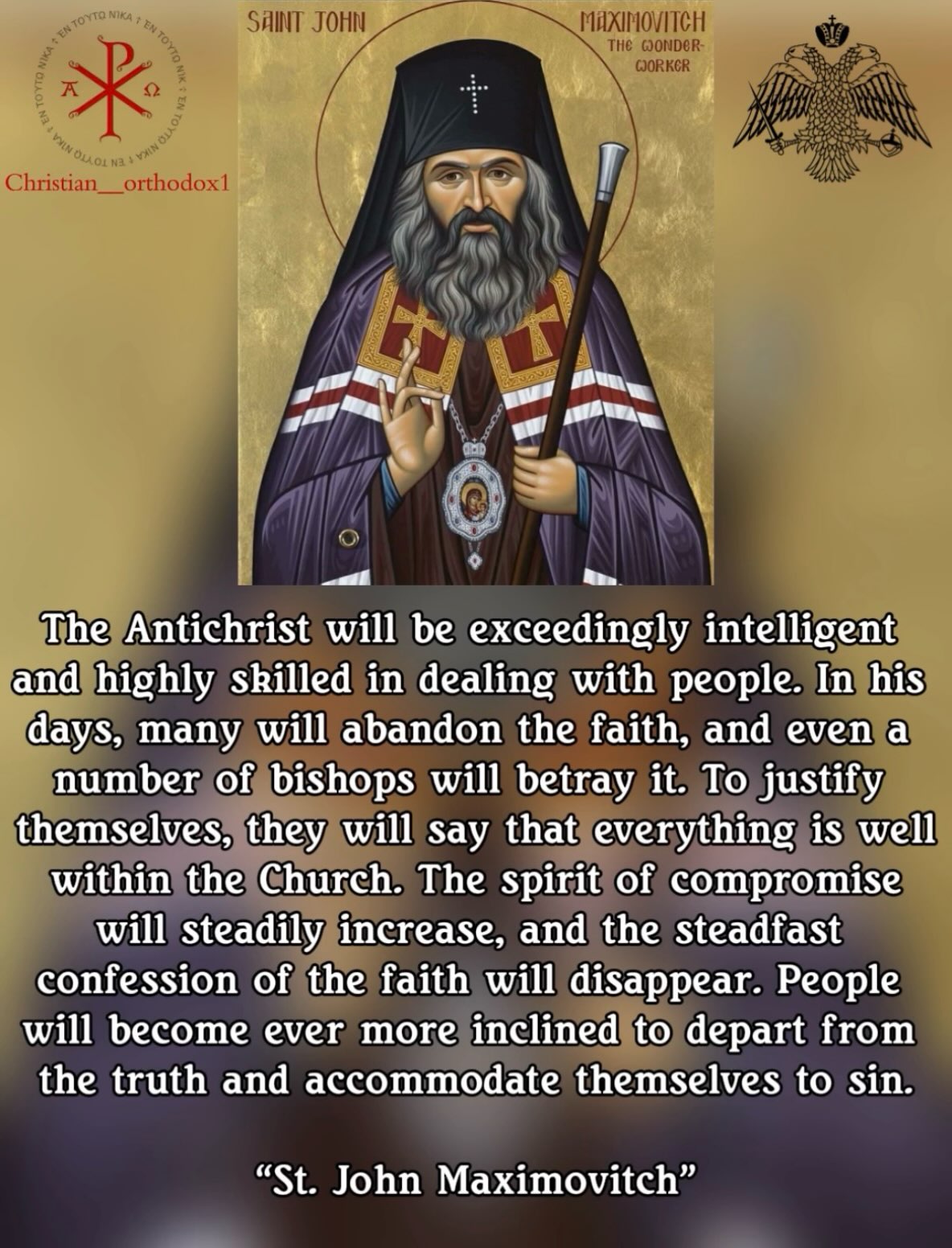
St. John Maximovitch on the Antichrist's deception and the falling away

The post presents a quotation attributed to St. John Maximovitch describing the Antichrist as exceedingly intelligent and highly skilled in dealing with people. According to the saint, in the Antichrist's days many will abandon the faith, and even a number of bishops will betray it. To justify themselves, these bishops will say that everything is well within the Church. The spirit of compromise will steadily increase, and the steadfast…

The post presents a quotation attributed to St. John Maximovitch describing the Antichrist as exceedingly intelligent and highly skilled in dealing with people. According to the saint, in the Antichrist's days many will abandon the faith, and even a number of bishops will betray it. To justify themselves, these bishops will say that everything is well within the Church.

The spirit of compromise will steadily increase, and the steadfast confession of the faith will disappear. People will become ever more inclined to depart from the truth and accommodate themselves to sin. The text appears as a standalone quotation with hashtags identifying it as Orthodox Christian content related to saints and church fathers.

  • The Antichrist will be exceedingly intelligent and skilled in dealing with people
  • Many will abandon the faith, including a number of bishops who will betray it
  • Betraying bishops will justify themselves by saying everything is well in the Church
  • The spirit of compromise will increase while steadfast confession disappears
  • People will increasingly depart from truth and accommodate themselves to sin
Read more

Testamentary letter of Saint Basil of Ostrog warns against taking monastery property

The Metropolitanate of Montenegro and the Littoral published a testamentary letter attributed to Saint Basil of Ostrog, kept in the monastery treasury. The letter pronounces a curse on anyone who attempts to take anything from the monastery: their house, livestock, children, and all possessions would be struck and scattered by God, their trace and hearth perishing forever. The Metropolitanate provided a contemporary Serbian translation alongside…

The Metropolitanate of Montenegro and the Littoral published a testamentary letter attributed to Saint Basil of Ostrog, kept in the monastery treasury. The letter pronounces a curse on anyone who attempts to take anything from the monastery: their house, livestock, children, and all possessions would be struck and scattered by God, their trace and hearth perishing forever.

The Metropolitanate provided a contemporary Serbian translation alongside the original text. This publication accompanied a 2019 petition against the removal of holy sites. A hymn to Saint Basil describes him as the pride of monks and teacher of desert-dwellers, his image appearing like a morning star to the faithful, with his relics radiating the Spirit from a cold cave amid gray rocks.

Key moments

  1. Saint Basil is called the pride of monks and good teacher of holy desert-dwellers.
  2. His likeness appears to the faithful like a morning star, as a wise faster of holy Orthodoxy.
  3. His relics radiate the Spirit from a cold cave amid gray rocks.
Read more
radioimlemesou Instagram

Metropolitan Athanasios on the raising at Nain

Metropolitan Athanasios of Limassol recounts Christ's raising of the widow of Nain's son. Jesus approached the bier, touched it, and said, "Young man, I say to you, arise." The young man sat up and began to speak. The metropolitan states this is a historical fact from Christ's life. He explains the miracle was not performed primarily to demonstrate power over physical death. Rather, it reveals that Christ raises the living and the dead from sin.…

Metropolitan Athanasios of Limassol recounts Christ's raising of the widow of Nain's son. Jesus approached the bier, touched it, and said, "Young man, I say to you, arise." The young man sat up and began to speak. The metropolitan states this is a historical fact from Christ's life.

He explains the miracle was not performed primarily to demonstrate power over physical death. Rather, it reveals that Christ raises the living and the dead from sin. Death is sin, and the soul's death is eternal separation from God.

When a person's soul is raised, they become truly alive before God. This miracle of the soul's resurrection has eternal dimensions.

Key moments

  1. Christ approaches and touches the bier of the widow of Nain's son.
  2. He commands the young man, "Young man, I say to you, arise."
  3. The young man sits up and begins to speak.
  4. The event is a historical fact from Christ's life.
  5. The miracle was not primarily to show power over physical death.
  6. It shows Christ raises the living and dead from sin.
  7. Death is sin; the soul's death is eternal separation from God.
  8. If a person's soul is raised, they become truly alive before God; this miracle has eternal dimensions.
Read more
Mount Athos Legacy Facebook

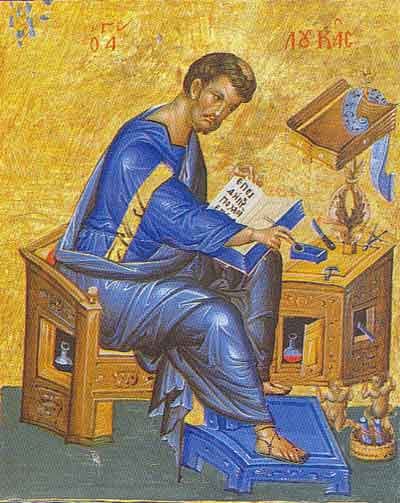
Saint Luke the Evangelist commemorated today

The post marks the commemoration of Saint Luke the Evangelist. It states he originated from Antioch of Syria and was Greek by nationality. By profession he was a physician and also skilled in the art of painting. Tradition attributes to him the first icons of the Theotokos holding the infant Christ, one of which remains at the Mega Spileo Monastery, as well as icons of the Apostles Peter and Paul. He was catechized in the Christian faith by the…

The post marks the commemoration of Saint Luke the Evangelist. It states he originated from Antioch of Syria and was Greek by nationality. By profession he was a physician and also skilled in the art of painting.

Tradition attributes to him the first icons of the Theotokos holding the infant Christ, one of which remains at the Mega Spileo Monastery, as well as icons of the Apostles Peter and Paul. He was catechized in the Christian faith by the Apostle Paul, whom he met in Thebes, and thereafter devoted himself to preaching the Gospel. His travels took him to Dalmatia, Italy, Gaul, Achaia, Boeotia, and other regions.

He authored the third Gospel of the New Testament and the Acts of the Apostles. Accounts of his death differ: some say he suffered a martyr's death, others that he died peacefully at age eighty. In the year 357 his relic was translated to Constantinople and placed in the Church of the Holy Apostles.

  • Born in Antioch of Syria, Greek nationality
  • Physician and painter; credited with first icons of the Theotokos and Apostles Peter and Paul
  • Catechized by Apostle Paul in Thebes; traveled widely preaching the Gospel
  • Authored the Gospel of Luke and Acts of the Apostles
  • Death accounts vary: martyrdom or peaceful death at age eighty; relic translated to Constantinople in 357
Read more
Holy Resurrection YouTube

St. Nikolaj Velimirović on Christ's Victory Over Death and the Soul's Life

St. Nikolaj Velimirović on Christ's Victory Over Death and the Soul's Life 5:23

The post shares an excerpt from St. Nikolaj Velimirović's homily for the 20th Sunday after Pentecost, drawn from Homilies, Volume 5, published by "Glas Crkve" in Valjevo in 1996. The Gospel reading is Luke 7:11-16, the raising of the widow's son at Nain. The homily declares that Jesus Christ alone among claimed saviors has conquered death and counts the dead as his subjects, extending his kingdom from Adam to the last human. He is described as a…

The post shares an excerpt from St. Nikolaj Velimirović's homily for the 20th Sunday after Pentecost, drawn from Homilies, Volume 5, published by "Glas Crkve" in Valjevo in 1996. The Gospel reading is Luke 7:11-16, the raising of the widow's son at Nain. The homily declares that Jesus Christ alone among claimed saviors has conquered death and counts the dead as his subjects, extending his kingdom from Adam to the last human.

He is described as a new world who plowed both the field of the living and the dead, sowing a new seed of life. For him death is not a boundary. Christ distinguishes bodily death from the death of the soul, which comes through mortal sin and can occur before or after the body dies. He sees living souls across time, not merely bones, and regards the body as clothing that God will renew.

The homily replaces the ancient fear of bodily death with the fear of the soul's death, calling foolish those who store up possessions but neglect the soul. Life consists in God's word giving life to the soul, which then gives life to the body, not in abundance of possessions. Through his word, Christ raises sinful souls now and promises to raise dead bodies at the end, confirmed by his raising of the dead during his ministry and his own resurrection.

The hour comes when the dead hear the Son of God's voice and live, both sinners revived in soul and bodies restored. The post also includes appeals to become a monthly supporter for $1 via bit.ly/BuildOurParish, or to give a one-time gift via bit.ly/BuildOurParishFund or givesendgo.com/BuildOurParish, and invites joining the YouTube channel, Patreon, Buy Me a Coffee, Substack, and Instagram for further content.

Key moments

  1. 0:12 Jesus Christ is the only savior who conquers death and counts the dead among his subjects, extending his kingdom from Adam to the last human.
  2. 0:44 He plows the field of both the living and the dead, sowing a new seed of life; for him death is not a boundary.
  3. 1:15 Bodily death does not kill the soul; the soul dies through mortal sin, which can happen before or after bodily death.
  4. 1:45 Christ sees living souls across time, not merely bones, and regards the body as clothing that God will renew.
  5. 2:16 He replaces the ancient fear of bodily death with the fear of the soul's death, calling foolish those who seek security in possessions.
  6. 3:17 Life consists in God's word giving life to the soul, which then gives life to the body, not in abundance of possessions.
  7. 4:19 Christ raises sinful souls now through his word and promises to raise dead bodies at the end, confirmed by his miracles and resurrection.
  8. 4:51 The hour comes when the dead hear the Son of God's voice and live, both sinners revived in soul and bodies restored.

Zacharias and Elizabeth: God's timing in Luke 1

The post examines Luke 1:5-25 through a reading and commentary. The speaker begins by introducing the problem of unanswered prayers, then reads verses 5-7, which describe Zacharias and Elizabeth as righteous and blameless before God, yet childless because Elizabeth was barren and both were advanced in years. He then reads verses 13-15, where the archangel Gabriel appears to Zacharias in the temple and tells him that his prayer is heard and…

The post examines Luke 1:5-25 through a reading and commentary. The speaker begins by introducing the problem of unanswered prayers, then reads verses 5-7, which describe Zacharias and Elizabeth as righteous and blameless before God, yet childless because Elizabeth was barren and both were advanced in years. He then reads verses 13-15, where the archangel Gabriel appears to Zacharias in the temple and tells him that his prayer is heard and Elizabeth will bear a son named John, who will be great before the Lord and filled with the Holy Spirit from the womb.

The speaker reads verses 18-20, where Zacharias questions the promise because of their old age, and Gabriel identifies himself as one who stands before God and declares that Zacharias will be mute until the promise is fulfilled because he did not believe the words. The speaker notes that this promised son becomes Saint John the Baptist, the forerunner of Christ who prepares people for the Lord.

The commentary observes that Zacharias and Elizabeth suffered childlessness for years despite their righteousness, but God had not forgotten them. The speaker states that righteousness does not mean freedom from suffering, disappointment, or unanswered prayers, and that even faithful people can struggle with doubt. He emphasizes that God's timing is not our timing, and our responsibility is to remain faithful and trust His wisdom, as His plans may be far greater than we imagine.

Key moments

  1. 0:00 Introduction about unanswered prayers and Luke 1:5-7 describing Zacharias and Elizabeth as righteous and blameless before God
  2. 0:37 Luke 1:13-15 read: Gabriel tells Zacharias his prayer is heard, Elizabeth will bear a son named John who will be great, filled with the Holy Spirit from the womb
  3. 1:15 Luke 1:18-20 read: Zacharias asks for a sign due to old age, Gabriel identifies himself and says Zacharias will be mute until fulfillment because he did not believe
  4. 1:47 Commentary: Zacharias and Elizabeth suffered childlessness for years despite righteousness, but God had not forgotten them
  5. 1:47 The promised son becomes Saint John the Baptist, forerunner of Christ preparing people for the Lord
  6. 2:22 Lesson: righteousness does not mean freedom from suffering, disappointment, or unanswered prayers
  7. 2:22 Even faithful people can struggle with doubt
  8. 2:22 God's timing is not our timing; responsibility is to remain faithful and trust His wisdom, as His plans may be far greater than imagined
Read more
Orthodox Life Instagram

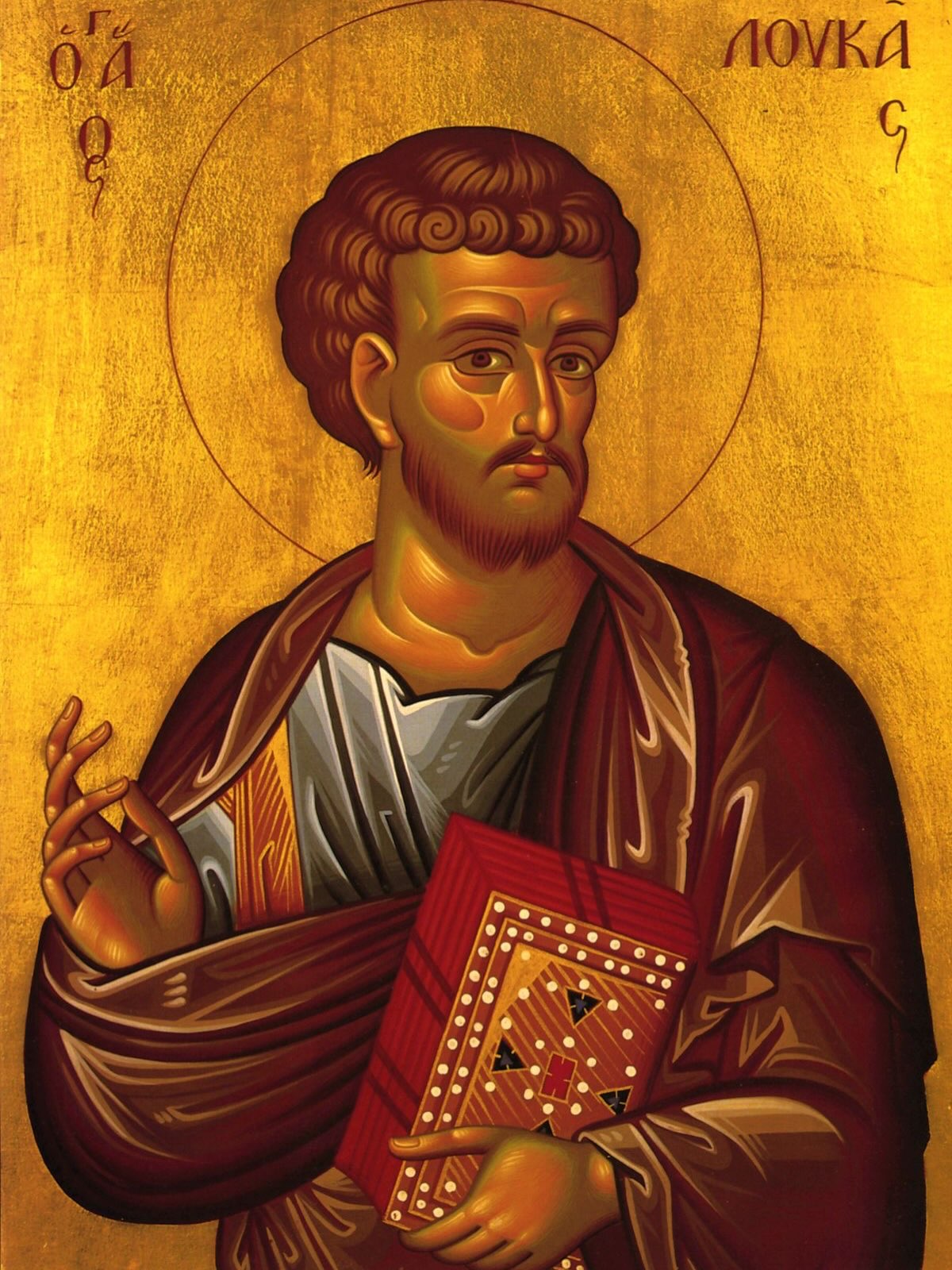
Saint Luke the Evangelist: Physician, Apostle, Historian

The post commemorates Saint Luke the Evangelist on October 18th. Luke was a native of Syrian Antioch, a highly educated Greek physician enlightened in the medical arts and philosophy. According to Orthodox Holy Tradition, he traveled to Jerusalem during the earthly ministry of Jesus Christ, where he saw the Savior face-to-face, heard His saving teachings, and witnessed His miracles. Deeply moved, he accepted the preaching of salvation and was…

The post commemorates Saint Luke the Evangelist on October 18th. Luke was a native of Syrian Antioch, a highly educated Greek physician enlightened in the medical arts and philosophy. According to Orthodox Holy Tradition, he traveled to Jerusalem during the earthly ministry of Jesus Christ, where he saw the Savior face-to-face, heard His saving teachings, and witnessed His miracles.

Deeply moved, he accepted the preaching of salvation and was numbered among the Seventy Apostles sent out by Christ to prepare the way for the Kingdom of Heaven. Following the Crucifixion, Saint Luke and his companion Cleopas walked the road to Emmaus, becoming eyewitnesses to the Resurrected Christ. After the descent of the Holy Spirit at Pentecost, Luke returned briefly to Antioch before becoming an inseparable fellow-worker and missionary companion to the Holy Apostle Paul.

He accompanied Paul on his second missionary journey and remained loyal to the very end, serving as Paul's personal doctor and remaining his sole companion during his final imprisonment in Rome. At the request of early Christians, Saint Luke utilized his refined education and meticulous historical accuracy to author the Gospel of Luke around 60 A.D. Recognizing his unique focus on Christ's priestly and sacrificial office, the Church designates the calf or ox as his theological emblem, drawing from the prophetic visions of Ezekiel.

Under divine inspiration, Luke also penned the Acts of the Holy Apostles, providing the Church with its definitive chronological and historical baseline of the Apostolic Age and the early operations of the Holy Spirit.

  • Native of Syrian Antioch, educated Greek physician and philosopher
  • Witnessed Christ's ministry and Resurrection; numbered among the Seventy Apostles
  • Became inseparable companion to Apostle Paul, serving as his doctor until Paul's final imprisonment
  • Authored the Gospel of Luke around 60 A.D. at the request of early Christians
  • Also wrote Acts of the Holy Apostles, establishing the historical baseline of the Apostolic Age
Read more

Speaker calls for kneeling, rejects ecumenism and worldly compromise in Orthodox service

The speaker instructs those present to kneel and urges them to hold fast to grace and faith while rejecting worldly influences, ecumenism, and any attempt to make Christianity palatable to the world. He states that such compromises are not of God, not the faith of the apostles, and not the faith of Orthodoxy. He calls for rejecting everything that would water down the faith and make it acceptable to those outside the church. The service…

The speaker instructs those present to kneel and urges them to hold fast to grace and faith while rejecting worldly influences, ecumenism, and any attempt to make Christianity palatable to the world. He states that such compromises are not of God, not the faith of the apostles, and not the faith of Orthodoxy. He calls for rejecting everything that would water down the faith and make it acceptable to those outside the church.

The service continues with liturgical prayers in Church Slavonic. The leader intones "Lord, have mercy" in Church Slavonic and leads the petition: "Hear us, O God our Savior, from all the ends of the earth and those far off at sea." The prayer continues with "Kyrie eleison" repeated three times.

The leader prays for God to be merciful to sinners, addressing Him as merciful and loving, and offers glory to the Father, Son, and Holy Spirit. The congregation responds "Amen." The original post text declares that worship belongs to God alone, that believers bow the knee and prostrate as an offering of worship to the Holy Trinity alone, in obedience to Jesus Christ.

It includes the phrases "DEATH TO THE WORLD," "Reject the spirit of the age," "Stand steadfast in the Holy Orthodox Faith," "Do not conform to the world, but be transformed by the renewing of your mind," and "CHRIST IS IN OUR MIDST! HE WAS, HE IS, AND HE EVER SHALL BE." The Greek phrase "ΔΟΞΑ Τῷ ΘΕῷ ΠΆΝΤΩΝ ἝΝΕΚΕΝ" appears at the end, meaning "Glory to God for all things."

Key moments

  1. 0:00 The speaker tells those present to get on their knees.
  2. 0:00 The speaker says to hold on to grace and faith and reject the influences of the world, motives, ecumenism, and everything that would make Christianity palatable for the world.
  3. 0:00 The speaker states that such compromises are not of God, not the faith of the apostles, and not the faith of Orthodoxy.
  4. 0:00 The speaker calls for rejecting everything that would water down the faith and make it acceptable to those outside the church.
  5. 0:45 The leader intones "Lord, have mercy" in Church Slavonic and leads the petition: "Hear us, O God our Savior, from all the ends of the earth and those far off at sea."
  6. 0:45 The prayer continues with "Kyrie eleison" repeated three times.
  7. 0:45 The leader prays for God to be merciful to sinners, addressing Him as merciful and loving, and offers glory to the Father, Son, and Holy Spirit.
  8. 1:17 The congregation responds "Amen."
Read more
Prayer Orthodoxy ® Instagram discussion

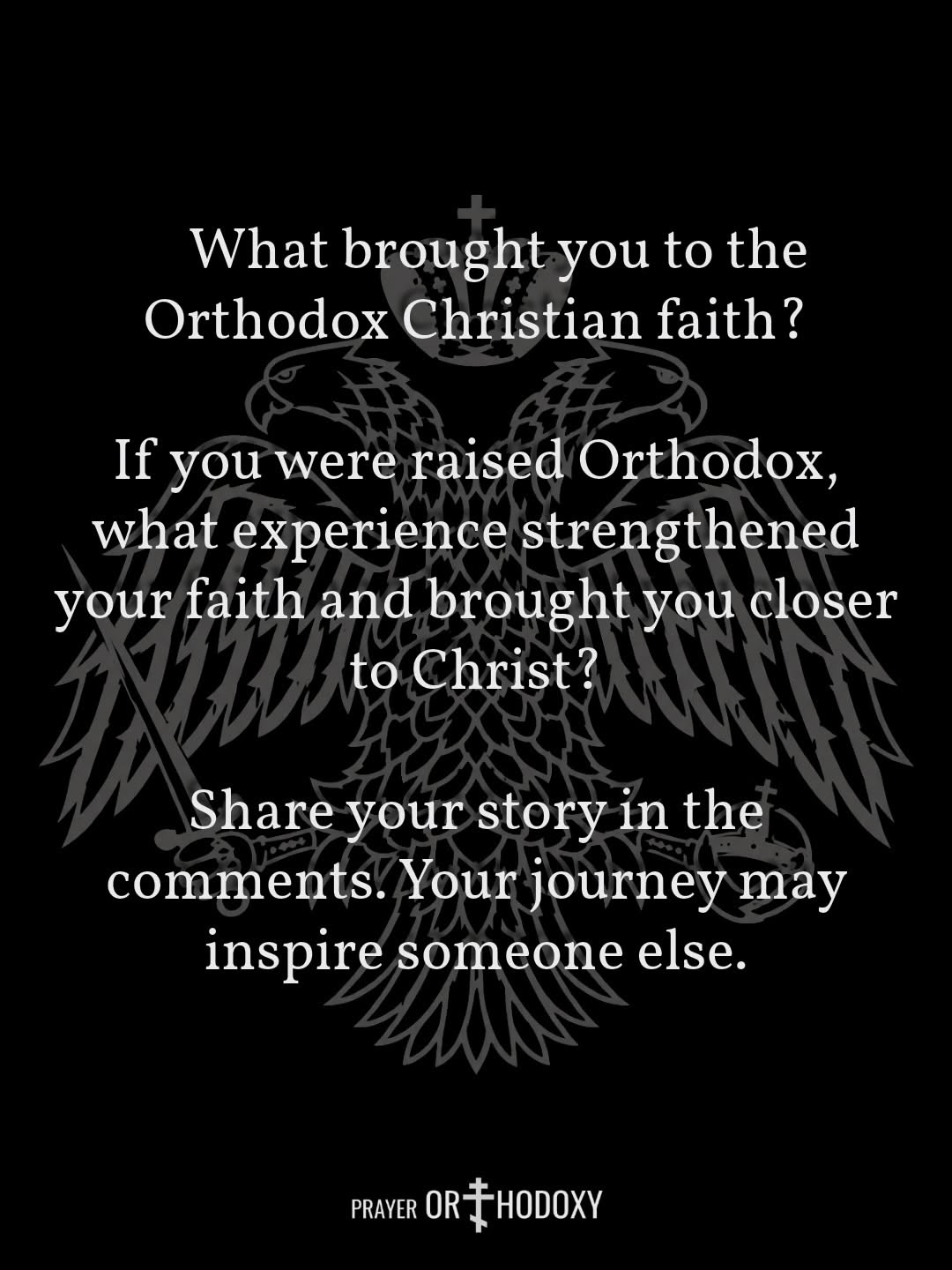
What Brought You to the Orthodox Faith?

What draws you to the Orthodox faith? Every journey of faith has a story.

What led you to the Orthodox Church? If you grew up Orthodox, what experience deepened your faith and drew you closer to Christ?

Share your story in the comments. Your testimony could inspire someone else on their spiritual journey.

The post also includes a Greek translation of these questions.

  • What brought you to the Orthodox Church?
  • If raised Orthodox, what experience strengthened your faith and brought you closer to Christ?
  • Share your story in the comments.
  • Your testimony may inspire someone on their spiritual journey.
8 opinions in the discussion I came out of Calvary Chapel. I got disillusioned when it went political and user friendly. I quit church entirely because I refused to sit in one that would bend with culture or the times.… Read the discussion
Orthodox Sound YouTube

Elder Philotheos Zervakos on becoming children of God through humility and love

Elder Philotheos Zervakos on becoming children of God through humility and love 1:13:50

Elder Philotheos Zervakos delivers counsels from his work Paternal Counsels, Volume I on the path to becoming children of God. The first commandment requires loving God with all soul, heart, mind, and strength, which demands forcing oneself to good works since virtue requires labor. He urges regular church attendance, constant mental prayer during daily activities, study of Scripture and the Holy Fathers, and mindfulness of death, judgment, and…

Elder Philotheos Zervakos delivers counsels from his work Paternal Counsels, Volume I on the path to becoming children of God. The first commandment requires loving God with all soul, heart, mind, and strength, which demands forcing oneself to good works since virtue requires labor. He urges regular church attendance, constant mental prayer during daily activities, study of Scripture and the Holy Fathers, and mindfulness of death, judgment, and paradise.

When sin occurs, the elder warns against despair and directs the faithful to run to a virtuous spiritual father for confession, noting Christ came to save sinners and receives them with mercy like the prodigal son. True repentance bears grief, tears, fasting, and prayer, while false repentance lacks these marks. A true spiritual father must be experienced, possess the Holy Spirit, and show love and care for confessors.

The elder warns against seeking help from magicians or mediums instead of God, prescribing prayer and fasting as weapons against demonic affliction, including evening prayers and holy water sprinkling. He condemns immodesty, blasphemy, card-playing, and slander. On the calendar question, he insists the calendar does not affect sacrament validity since the Holy Spirit is invoked, not the calendar, and Christ taught love and humility rather than calendar observance.

The two chief virtues are humility and love; without them all sin persists. He calls for obedience to spiritual fathers, patience in affliction, readiness for death and the last days, and communion with fear, faith, and love.

Key moments

  1. 0:00 First commandment: love God with all soul, heart, mind, and strength; force ourselves to good because good things require labor; thank God for enlightenment.
  2. 1:05 Fourth counsel: go regularly to church, pray mentally while walking or working, study the Holy Scriptures and works of the Holy Fathers, be mindful of God, death, judgment, and paradise.
  3. 2:08 When you sin, do not despair but run to the spiritual father to confess; the Lord came to save sinners, not the righteous, and receives them with mercy like the prodigal son.
  4. 3:12 A true spiritual father must be experienced, have the Holy Spirit, and show love and care for confessors; signs of true repentance are deep contrition, grief, prayers, fasts, vigils, and tears.
  5. 14:48 The household's illness is demonic; Christ said this kind departs only by prayer and fasting; use evening prayers, holy water sprinkling, faith, humility, and love against the devil.
  6. 24:14 Three necessary and soul-profiting things: great patience, zealous Orthodox faith, and wholehearted love toward God and neighbor, even enemies.
  7. 25:17 The calendar does not make sacraments invalid, the Holy Spirit is invoked, not the calendar; Christ taught love and humility, not calendars; follow Christ, not calendars.
  8. 35:44 Two chief counsels: acquire humility and love; all sin comes from lacking these; if all had them we would live like angels; ask God with diligence and He will give.

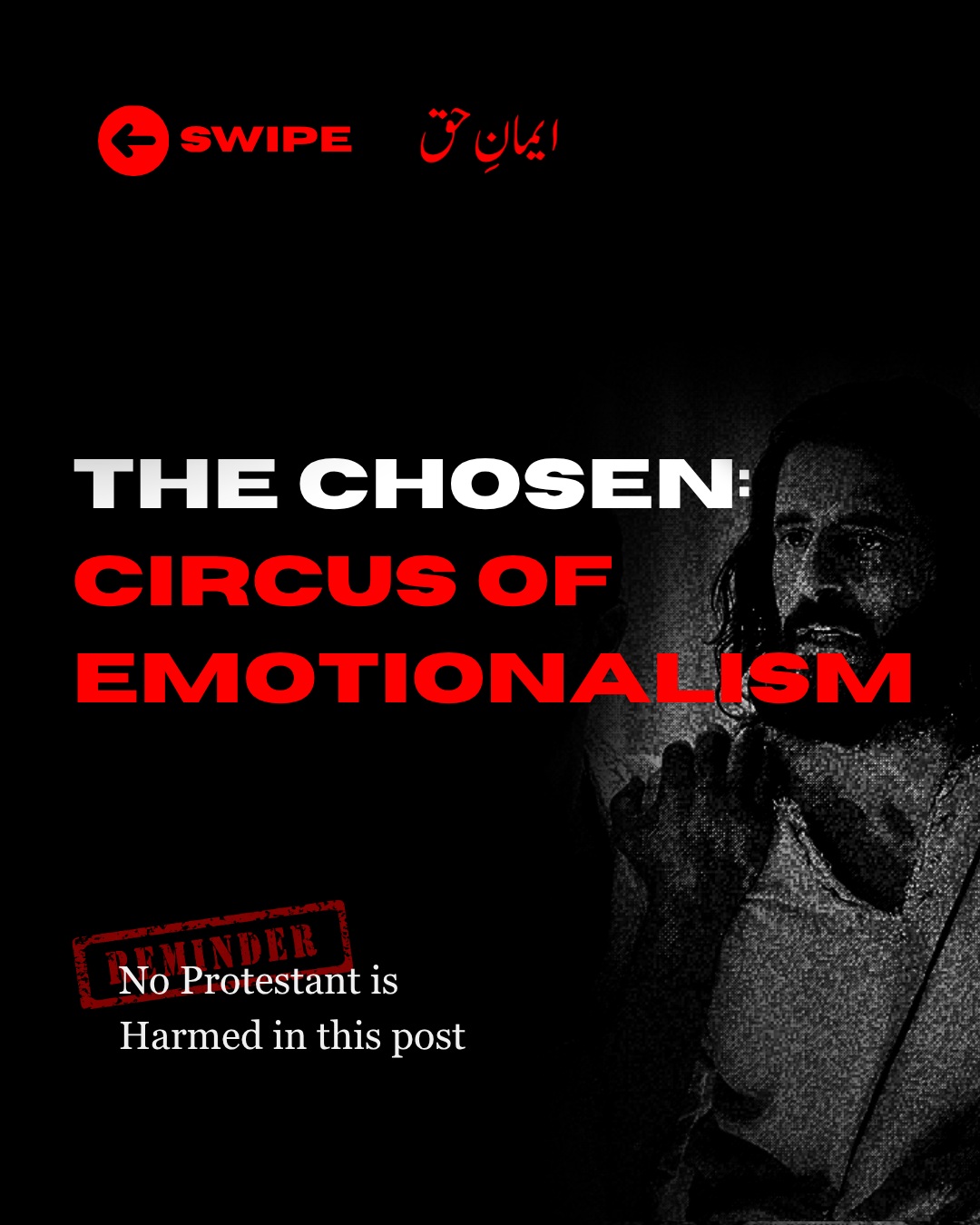
The Chosen's portrayal versus the Rule of Faith

The post addresses the television series The Chosen and its depiction of Jesus Christ. It argues that the series presents a portrayal that can make emotional experience feel like the foundation of faith. The author states that Christianity is not about reconstructing Jesus according to feelings, personal preferences, or cinematic imagination. Instead, it is about knowing the incarnate Son of God as revealed in Scripture, confessed by the…

The post addresses the television series The Chosen and its depiction of Jesus Christ. It argues that the series presents a portrayal that can make emotional experience feel like the foundation of faith. The author states that Christianity is not about reconstructing Jesus according to feelings, personal preferences, or cinematic imagination.

Instead, it is about knowing the incarnate Son of God as revealed in Scripture, confessed by the Apostles, and preserved in the Holy Tradition of the Orthodox Church. The Rule of Faith safeguards the truth about Christ. Theosis calls believers beyond emotional attachment toward genuine transformation and communion with God. The central question is not whether a portrayal moves someone emotionally, but whether it faithfully directs toward the Christ whom the Church confesses, worships, and receives in her sacramental life.

  • The Chosen makes emotional experience the foundation of faith
  • Christianity is knowing the incarnate Son of God revealed in Scripture and Tradition
  • The Rule of Faith safeguards the truth about Christ
  • Theosis calls beyond emotion toward transformation and communion with God
  • The test is whether a portrayal directs to the Christ the Church confesses and receives sacramentally
Disgruntled Docs with MaximosPTO Instagram discussion

Speaker links denial of ethnic distinctions in resurrection to Originist heresy

The speaker notes that every tribe, tongue, nation, and people group have members in the eschaton. He questions whether this means distinctions are wiped away in the resurrection, making people "grey goo." He asks if males become non-male in the eternal state. He identifies the erasure of identity and biology as the Originist heresy. He warns that claiming resurrection biology does not matter is Gnostic and Docetic. He connects this to…

The speaker notes that every tribe, tongue, nation, and people group have members in the eschaton. He questions whether this means distinctions are wiped away in the resurrection, making people "grey goo." He asks if males become non-male in the eternal state. He identifies the erasure of identity and biology as the Originist heresy.

He warns that claiming resurrection biology does not matter is Gnostic and Docetic. He connects this to Nestorianism by noting Christ assumed human nature through a specific Hebrew ethnicity. He argues that if ethnic distinctions vanish, the prophecies regarding every tribe and nation cannot be fulfilled.

He concludes this line of thought easily moves into Gnosticism. The original post affirms that ethnicities and people groups are real and that denying this has dangerous outcomes, stating this was not an issue until very recently.

Key moments

  1. The speaker notes that every tribe, tongue, nation, and people group have members in the eschaton.
  2. He questions whether this means distinctions are wiped away in the resurrection, making people "grey goo."
  3. He asks if males become non-male in the eternal state.
  4. He identifies the erasure of identity and biology as the Originist heresy.
  5. He warns that claiming resurrection biology does not matter is Gnostic and Docetic.
  6. He connects this to Nestorianism by noting Christ assumed human nature through a specific Hebrew ethnicity.
  7. He argues that if ethnic distinctions vanish, the prophecies regarding every tribe and nation cannot be fulfilled.
  8. He concludes this line of thought easily moves into Gnosticism.
19 opinions in the discussion The replacement of Whites in their native countries will be looked back on in history as one of the greatest evils of all time. Knowing the church has a responsibility to call this out and… Read the discussion

Saint Yared's angelic chant system endures unchanged for 1,500 years

The post addresses why Ethiopian and Eritrean Orthodox Tewahedo worship relies on sacred drums (Kebero), sistrums (Tsenatsel), and prayer staffs (Mekwamiya) rather than contemporary gospel music. Internet commentators, particularly Protestants, question this practice. The answer lies in sixth-century history: Saint Yared (505-571 AD) codified the Zema sacred music system after being caught up into heaven to hear angelic worship. When the…

The post addresses why Ethiopian and Eritrean Orthodox Tewahedo worship relies on sacred drums (Kebero), sistrums (Tsenatsel), and prayer staffs (Mekwamiya) rather than contemporary gospel music. Internet commentators, particularly Protestants, question this practice. The answer lies in sixth-century history: Saint Yared (505-571 AD) codified the Zema sacred music system after being caught up into heaven to hear angelic worship.

When the faithful sway with the Mekwamiya and strike the Kebero, they join the four living creatures and twenty-four elders surrounding the Throne of God. Deacon Mihret of the Burning Bush Podcast explains why Saint Yared's angelic chant system remains the direct continuation of Apostolic worship. The video summary adds that Yared founded the Mezmure or Mahlet tradition, combining a cappella singing with instruments such as the sistrum, the janh, and the prayer staff.

Born in 505, Yared struggled for seven years under his uncle, the priest Gideon, until a caterpillar's seventh successful climb inspired him to complete his studies. He was later caught up to heaven, witnessed angelic worship, and composed the hymn Wazedima, which translates as a praise of God's glory filling heaven and earth.

Key moments

  1. Saint Yared the Axumite established the musical notation and hymnography used by the Ethiopian Orthodox Church in the sixth century.
  2. He founded the Mezmure or Mahlet tradition, combining a cappella singing with instruments like the sistrum, the janh, and the prayer staff.
  3. Yared was born in 505.
  4. As a boy he studied with his uncle, the priest Gideon, but failed to learn the Old and New Testament for seven years.
  5. A caterpillar climbing a tree seven times, succeeding on the seventh attempt, encouraged him to finish his studies in the seventh year.
  6. By the grace of God he was caught up to heaven and saw how the angels worshipped.
  7. Upon returning he created the hymn Wazedima, inspired by the Holy Spirit.
  8. Wazedima translates to: "Oh the melody which I heard in heaven from the angels, as they said, Holy, Holy, Holy is God, your glory fills heaven and earth."
Read more
Prayer Orthodoxy ® with The National Herald Instagram

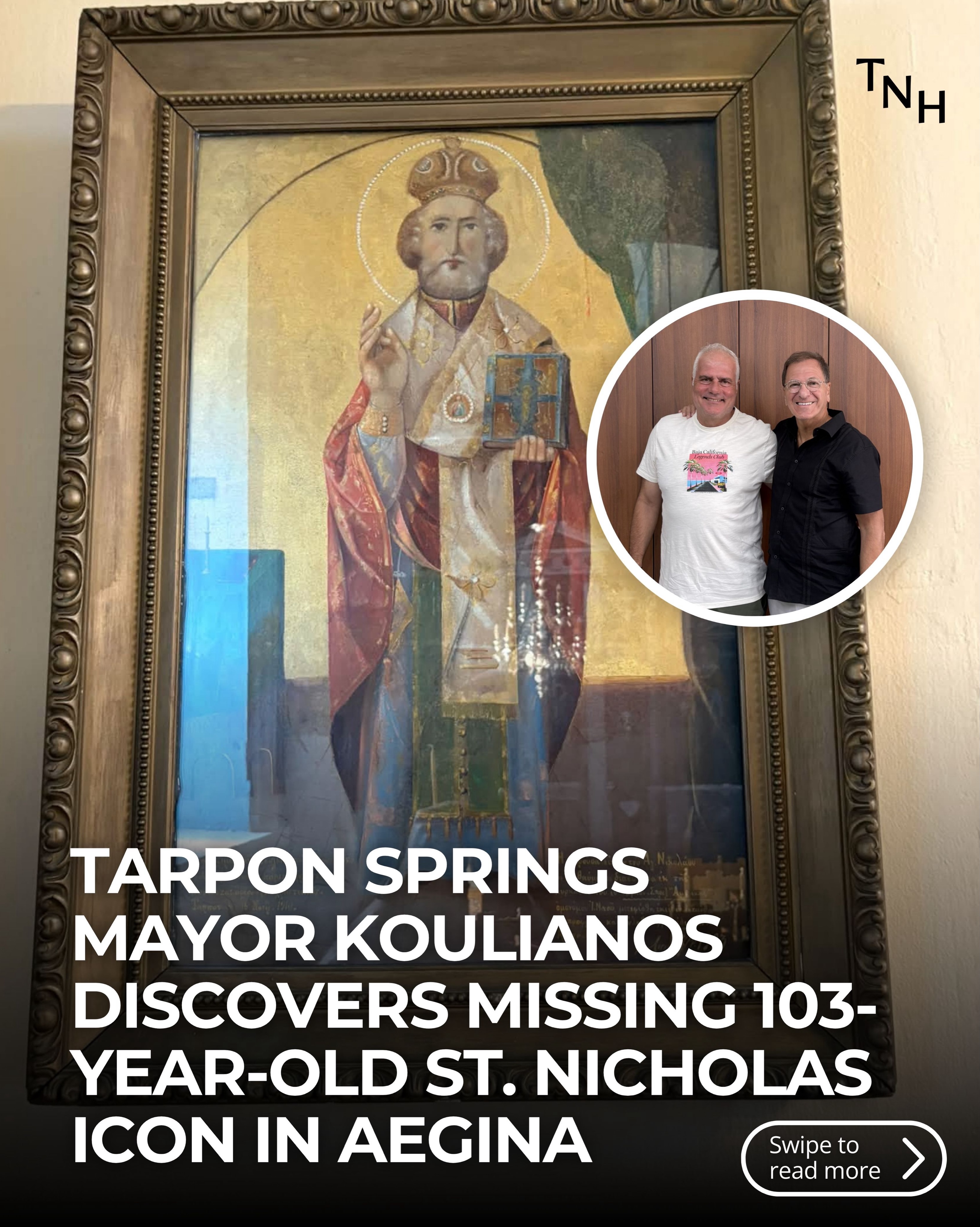
Tarpon Springs Mayor Finds Lost 1910 St. Nicholas Icon in Greece

Mayor John Koulianos of Tarpon Springs, Florida, located an icon of St. Nicholas that had been missing from the city's Greek Orthodox community for 103 years. The icon was originally presented to St. Nicholas Greek Orthodox Church in 1910 by a group of immigrants. After a fire damaged the church, the icon was sent to Greece in 1923 for restoration and was not seen again. Before a summer trip to Greece, Koulianos spoke with a university professor…

Mayor John Koulianos of Tarpon Springs, Florida, located an icon of St. Nicholas that had been missing from the city's Greek Orthodox community for 103 years. The icon was originally presented to St. Nicholas Greek Orthodox Church in 1910 by a group of immigrants. After a fire damaged the church, the icon was sent to Greece in 1923 for restoration and was not seen again.

Before a summer trip to Greece, Koulianos spoke with a university professor who told him about the missing icon. During the trip, he and his family visited Aegina, the island connected to his wife's family. At a church there, a priest pointed to an icon in the back right-hand corner and said it might be the one from Tarpon Springs.

In an interview with The National Herald, Koulianos said, "I'm not Indiana Jones: I didn't go through scorpions and snakes to find the icon, it was pretty simple." He described the icon as concealed by glass in a frame and beautiful in its simplicity. The icon bears inscriptions that include the 1923 return date and the words "Tarpon Springs" and "St. Nicholas." The full story is reported by The National Herald.

  • Mayor John Koulianos recovered a St. Nicholas icon missing since 1923
  • Icon originally gifted by immigrants to Tarpon Springs church in 1910
  • Fire damage led to icon being sent to Greece for restoration
  • Professor informed mayor about missing icon before Greece trip
  • Priest in Aegina identified icon with inscriptions confirming origin
Read more
George Instagram discussion

Saint Porphyrios: children learn from parents' life, not lectures

The video presents Saint Porphyrios' teaching that children are formed by the daily life of their parents in the home rather than by rules, lectures, or discipline. He states that children's behavior improves through love, harmony, and understanding between parents, not through reprimands or strictness. Children observe how their parents speak to each other, how they react when tired, and whether they actually pray. The speaker recounts that his…

The video presents Saint Porphyrios' teaching that children are formed by the daily life of their parents in the home rather than by rules, lectures, or discipline. He states that children's behavior improves through love, harmony, and understanding between parents, not through reprimands or strictness. Children observe how their parents speak to each other, how they react when tired, and whether they actually pray.

The speaker recounts that his grandfather never lectured about God but simply prayed the Our Father with the family each night, a practice that left a lasting impression. Saint Porphyrios urges parents to become saints in their relationship to their children through mildness, patience, and love. The teaching concludes with the direct statement that if you want your children to love God, you must start with yourself.

Key moments

  1. Most parents think they raise good children by telling them what to do.
  2. Saint Porphyrios says what saves children is the life of the parents in the home, not rules or lectures.
  3. Children's behavior is not improved by reprimands, disciplining, or strictness.
  4. Children need love, harmony, and understanding between the parents.
  5. Children learn from what they see: how parents speak to each other, react when tired, and whether they pray.
  6. The speaker's grandfather never gave a lecture about God but prayed the Our Father with them every night.
  7. Saint Porphyrios says parents need to become saints through mildness, patience, and love.
  8. If you want your children to love God, start with yourself.
6 opinions in the discussion My parents divorced when I was young, but through the Grace of God I found my Faith. My parents taught me right from wrong and to respect my elders, but God blessed me with His love and… Read the discussion
Hellenic College Holy Cross Instagram

Fr. Eugen Pentiuc on Hosea's Promise of Restoration

Fr. Eugen J. Pentiuc, Dean of Holy Cross, shares a message for October 17 drawn from the Prophet Hosea. He addresses those whose lives and relationships feel broken, urging them not to despair but to return to the Lord. The priest cites Hosea 2:19, where God promises unfaithful Israel: "I will betroth you to myself forever." Fr. Pentiuc emphasizes that this is not merely reconciliation or remarriage but a new betrothal, a new beginning. He…

Fr. Eugen J. Pentiuc, Dean of Holy Cross, shares a message for October 17 drawn from the Prophet Hosea. He addresses those whose lives and relationships feel broken, urging them not to despair but to return to the Lord. The priest cites Hosea 2:19, where God promises unfaithful Israel: "I will betroth you to myself forever."

Fr. Pentiuc emphasizes that this is not merely reconciliation or remarriage but a new betrothal, a new beginning. He states that God does not simply repair what is broken but makes it new again. The message connects the ancient prophetic word to contemporary struggles with broken marriages, family ties, and friendships, presenting divine restoration as a creative act that brings beauty from ashes.

  • Fr. Eugen Pentiuc offers a message of hope for October 17 based on the Prophet Hosea
  • He addresses broken lives and relationships, urging a return to the Lord
  • The priest quotes Hosea 2:19: "I will betroth you to myself forever"
  • He explains this promise as a new betrothal, not merely reconciliation
  • God makes broken things new rather than simply repairing them

Archived recording of Third Hour Kathisma by Cathedral Choir of Mary

The post shares an archived recording of the Kathisma for the Third Hour chanted by the Cathedral Choir of Mary. The Kathisma is a fixed portion of the Psalter appointed for reading at specific hours in the Horologion. In this recording, the choir chants a prayer that addresses God as destiny and asks for mercy before Him with tears. The text requests deliverance from the captivity of evil. It references one who had grace and witnessed events…

The post shares an archived recording of the Kathisma for the Third Hour chanted by the Cathedral Choir of Mary. The Kathisma is a fixed portion of the Psalter appointed for reading at specific hours in the Horologion. In this recording, the choir chants a prayer that addresses God as destiny and asks for mercy before Him with tears.

The text requests deliverance from the captivity of evil. It references one who had grace and witnessed events yet sold the Lord for love of silver, a reference to Judas Iscariot. The prayer concludes by giving glory to God's compassion. The video is categorized under Byzantine chant, Antiochian tradition, and Byzantine music. The recording comes from the archive of the Cathedral Choir of Mary, which serves a cathedral in the Antiochian tradition.

The chant follows the Byzantine musical system used in the Orthodox Church of Antioch and other Greek Orthodox jurisdictions. The Third Hour corresponds to 9:00 AM in the traditional monastic reckoning and commemorates the descent of the Holy Spirit at Pentecost as well as the trial of Christ before Pilate. The Kathisma texts vary by day and season according to the liturgical typikon.

The post includes hashtags for Byzantine chant, Antioch, Byzantine music, and explore, indicating the content is presented for liturgical and educational interest.

Key moments

  1. The prayer addresses God as destiny and asks for mercy before Him with tears.
  2. It requests deliverance from the captivity of evil.
  3. It references one who had grace and witnessed events but sold the Lord for love of silver.
  4. The prayer concludes by giving glory to God's compassion.
Read more
Disgruntled Docs with TimothyNegrete Instagram

Confession to a priest: the biblical basis explained

The speaker explains that Christians confess sins to a priest because Jesus gave the apostles authority to forgive sins. The Bible instructs believers to confess sins to one another for salvation. This practice has continued throughout all Christian history. The speaker argues that if anyone calls this unbiblical, they should be asked why Jesus would grant such authority to the apostles and expect them not to use it. The argument rests on the…

The speaker explains that Christians confess sins to a priest because Jesus gave the apostles authority to forgive sins. The Bible instructs believers to confess sins to one another for salvation. This practice has continued throughout all Christian history.

The speaker argues that if anyone calls this unbiblical, they should be asked why Jesus would grant such authority to the apostles and expect them not to use it. The argument rests on the connection between the apostolic commission and the ongoing practice of the church. The speaker presents the authority to forgive sins as a gift Jesus gave directly to the apostles, and the instruction to confess to one another as a biblical command for salvation.

Historical continuity is cited as evidence that the early church understood and acted on this authority. The rhetorical challenge to critics focuses on the logic of granting authority without the expectation of its use.

Key moments

  1. Christians confess their sins to a priest
  2. Jesus gave the apostles authority to forgive sins
  3. The Bible tells believers to confess sins to one another for salvation
  4. All Christian history has practiced this
  5. If someone says this is unbiblical, ask why Jesus would give the authority and expect the apostles not to use it
Read more
☦️An Orthodox Blog☦️ with Orthodoxy ☦︎ Instagram

Great Doxology chanted for the feast of Apostle Luke

The video presents a chant of the Great Doxology recorded on 18 October, the commemoration of the Apostle and Evangelist Luke. The speaker begins in English with the opening line "Glory be to you who has shown the light" and continues with the Trinitarian praises: "Glory in the highest to God, and on earth peace, goodwill among men." The English section continues with the invocation "O Lord God, Lamb of God, Son of the Father, who takes away the…

The video presents a chant of the Great Doxology recorded on 18 October, the commemoration of the Apostle and Evangelist Luke. The speaker begins in English with the opening line "Glory be to you who has shown the light" and continues with the Trinitarian praises: "Glory in the highest to God, and on earth peace, goodwill among men."

The English section continues with the invocation "O Lord God, Lamb of God, Son of the Father, who takes away the sin of the world, have mercy on us." At 0:34 the chant shifts to Greek, citing the biblical canticle from Daniel. The Greek verses begin with the refrain "Κύριον υμείτε και υπερυψούτε εις πάντα τους αιώνας. Ευλογείτε ήλιος και σελήνη, άστρα του ουρανού των Κυρίου."

The refrain repeats as the canticle calls on light and darkness, nights and days, all men and Israel to bless the Lord: "Τον Κύριον υμείτε και υπερυψούτε εις πάντα τους αιώνας. Ευλογείτε φως και σκότος, νύκτες και ημέρε τον Κυρίου. Τον Κύριον υμείτε και υπερυψούτε εις πάντα τους αιώνας. Ευλογείτε οι τον άνθρωπον, ευλογείτω Ισραήλ τον Κυρίου. Τον Κύριον υμείτε και υπερυψούτε εις πάντα τους αιώνας."

The final section at 1:39 concludes with a Trinitarian doxology in Greek: "Ευλογούμεν Πατέρα, Υιόν και Άγιον Πνεύμα τον Κύριον. Τον Κύριον υμνούμεν και υπερυψούμενοι εις πάντα τους αιώνας." The recording captures the transition between languages and the structure of the Great Doxology as used in Orthodox worship on the feast of the Evangelist.

Key moments

  1. 0:00 Opening English doxology: "Glory be to you who has shown the light. Glory in the highest to God, and on earth peace, goodwill among men."
  2. 0:34 Continuation in English: "O Lord God, Lamb of God, Son of the Father, who takes away the sin of the world, have mercy on us." Then Greek: "Κύριον υμείτε και υπερυψούτε εις πάντα τους αιώνας. Ευλογείτε ήλιος και σελήνη, άστρα του ουρανού των Κυρίου."
  3. 1:09 Greek verses calling on light and darkness, nights and days, all men and Israel to bless the Lord: "Τον Κύριον υμείτε και υπερυψούτε εις πάντα τους αιώνας. Ευλογείτε φως και σκότος, νύκτες και ημέρε τον Κυρίου. Τον Κύριον υμείτε και υπερυψούτε εις πάντα τους αιώνας. Ευλογείτε οι τον άνθρωπον, ευλογείτω Ισραήλ τον Κυρίου. Τον Κύριον υμείτε και υπερυψούτε εις πάντα τους αιώνας."
  4. 1:39 Final Trinitarian doxology in Greek: "Ευλογούμεν Πατέρα, Υιόν και Άγιον Πνεύμα τον Κύριον. Τον Κύριον υμνούμεν και υπερυψούμενοι εις πάντα τους αιώνας."