
 Orthodox Life
Instagram
Orthodox Life
Instagram
October 17: The Synaxis of the Holy Unmercenaries, Healers Without Silver
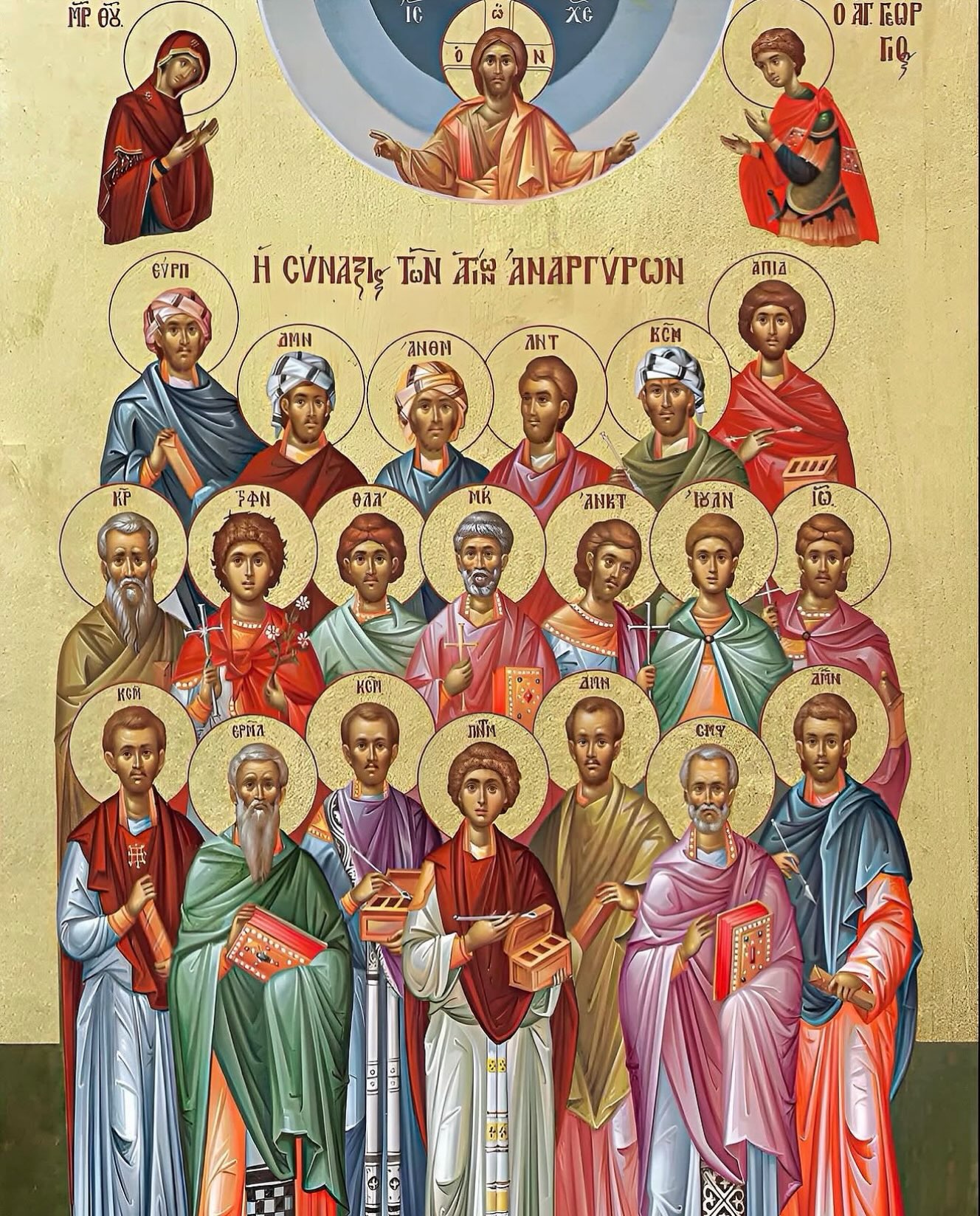
October 17 marks the Synaxis of All the Holy and Wonderworking Unmercenaries, a collective feast of the Eastern Orthodox Church honoring saints who practiced medicine without accepting payment. Known in Greek as the Anargyroi, meaning 'without silver', these saints combined medical skill with divine grace to treat the sick. The post ties their ministry to Christ's command to His disciples: 'Heal the sick, cleanse the lepers...
Freely you have received, freely give' (Matthew 10:8). By refusing financial reward, their charity opposed the commercial medical practices of their day. They treated believers and non-believers alike, asking nothing except faith in Jesus Christ, from whom they understood all healing to flow. The group is traditionally numbered at twenty saints, or twenty-one with Saint Photios, called a 'phalanx' or choir of mercy.
Prominent figures include the Great Martyr Panteleimon, Saint Sampson the Hospitable, and three pairs of brother-physicians named Cosmas and Damian, from Asia, Rome, and Arabia. The synaxis also honors Saints Cyrus, John, Tryphon, Diomedes, and Hermolaus. Their free clinics and healings converted thousands to Christianity, which drew hostility from pagan authorities and envious secular doctors.
Many were arrested during imperial Roman persecutions, tried, and tortured. Refusing to renounce their faith, most of these physicians ended their ministries in martyrdom.
Main points
- The Synaxis of the Holy Unmercenaries is kept on October 17 and honors saints who healed without payment, the Anargyroi or 'without silver'.
- Their ministry follows Matthew 10:8: 'Freely you have received, freely give'.
- The group numbers twenty saints, or twenty-one with Saint Photios, including Panteleimon, Sampson the Hospitable, and three pairs of brothers named Cosmas and Damian from Asia, Rome, and Arabia.
- Also honored are Saints Cyrus, John, Tryphon, Diomedes, and Hermolaus.
- Their free healings converted thousands, and most of them died as martyrs under Roman persecution.