WeOrthodox
EN UA

Појединац, Породица и Друштво

Instagram ↗ 209 discussions

Ова страница је посвећена ПРАВОСЛАВЉУ и ДОБРОТОЉУБЉУ🫒

Metropolitan Fotije Announces Repose of Archbishop Irinej of Novi Sad

Metropolitan Fotije of Montenegro announced the repose of Archbishop Irinej of Novi Sad and Metropolitan of Bačka with the words "Earth mourns, and heavens rejoice." In a video message, Metropolitan Fotije described Archbishop Irinej as a great theologian and teacher of Serbian Orthodoxy, a father and teacher to many. He stated that the only appropriate response for the faithful is to weep and prayerfully accompany his soul to the heavenly…

Metropolitan Fotije of Montenegro announced the repose of Archbishop Irinej of Novi Sad and Metropolitan of Bačka with the words "Earth mourns, and heavens rejoice." In a video message, Metropolitan Fotije described Archbishop Irinej as a great theologian and teacher of Serbian Orthodoxy, a father and teacher to many. He stated that the only appropriate response for the faithful is to weep and prayerfully accompany his soul to the heavenly kingdom.

Metropolitan Fotije expressed his conviction that heaven now rejoices at the archbishop's arrival. He specifically named Saint Porphyrios the Kausokalyvite, who was Archbishop Irinej's spiritual father during his postgraduate studies in Greece. He also mentioned Saint Justin Popović and Saint Nikolaj Velimirović, saying they have received Archbishop Irinej as a father of fathers.

The announcement reflects the Orthodox understanding of death as a passage where the Church on earth mourns while the Church in heaven celebrates the entry of a faithful hierarch into eternal rest.

Key moments

  1. The speaker announces the day when Archbishop Irinej of Novi Sad and Metropolitan of Bačka was taken from them, calling him a great teacher, father, theologian, and teacher of Serbian Orthodoxy.
  2. The only response in this moment is to weep and prayerfully accompany his soul to the heavenly kingdom.
  3. The speaker believes heaven now rejoices, especially Saint Porphyrios the Kausokalyvite, who was Irinej's spiritual father during his postgraduate studies in Greece.
  4. The speaker also believes Saint Justin Popović and Saint Nikolaj Velimirović rejoice, having received Irinej as a father of fathers.
Read more

Elder Paisios: preparation for Communion matters more than frequency

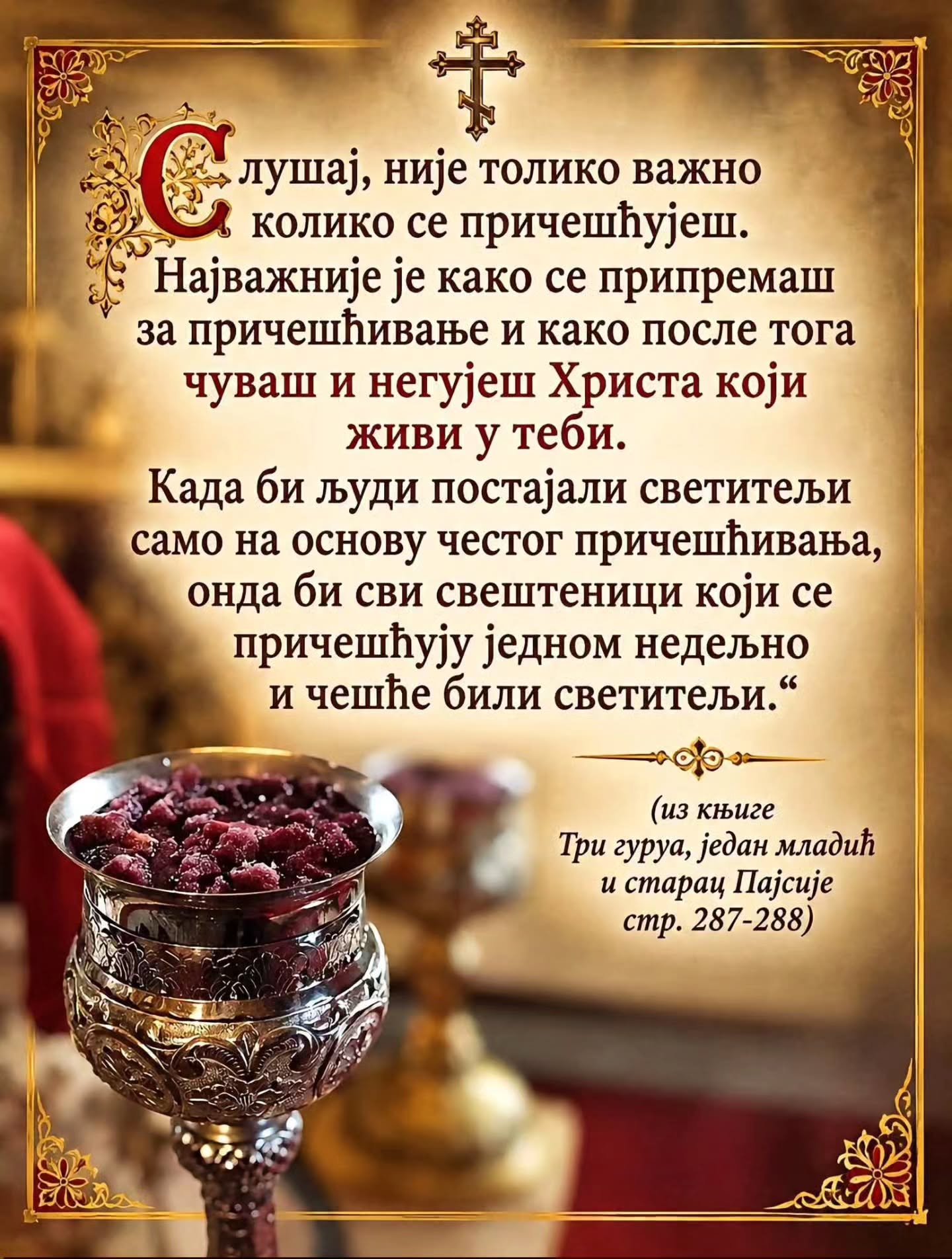
The quote from the book "Three Gurus, One Youth and Elder Paisios" (pages 287-288) conveys Elder Paisios's teaching that the frequency of receiving Holy Communion is not the most important factor. He emphasizes that proper preparation before Communion and preserving Christ within oneself afterward are what truly matter. The elder notes that if frequent Communion alone made people saints, then all priests who commune weekly or more often would…

The quote from the book "Three Gurus, One Youth and Elder Paisios" (pages 287-288) conveys Elder Paisios's teaching that the frequency of receiving Holy Communion is not the most important factor. He emphasizes that proper preparation before Communion and preserving Christ within oneself afterward are what truly matter. The elder notes that if frequent Communion alone made people saints, then all priests who commune weekly or more often would already be saints.

The passage highlights the spiritual discipline required around the sacrament rather than mere regularity.

  • Elder Paisios teaches that preparation for Communion and preserving grace afterward are more important than frequency.
  • He states that if frequent Communion alone conferred sainthood, all priests who commune weekly would be saints.
  • The quote comes from the book "Three Gurus, One Youth and Elder Paisios," pages 287-288.
  • The teaching focuses on spiritual disposition rather than ritual regularity.
  • The passage underscores the need for conscious cooperation with grace after receiving the sacrament.
Read more

St. John Chrysostom: From Antioch to Exile and Enduring Legacy

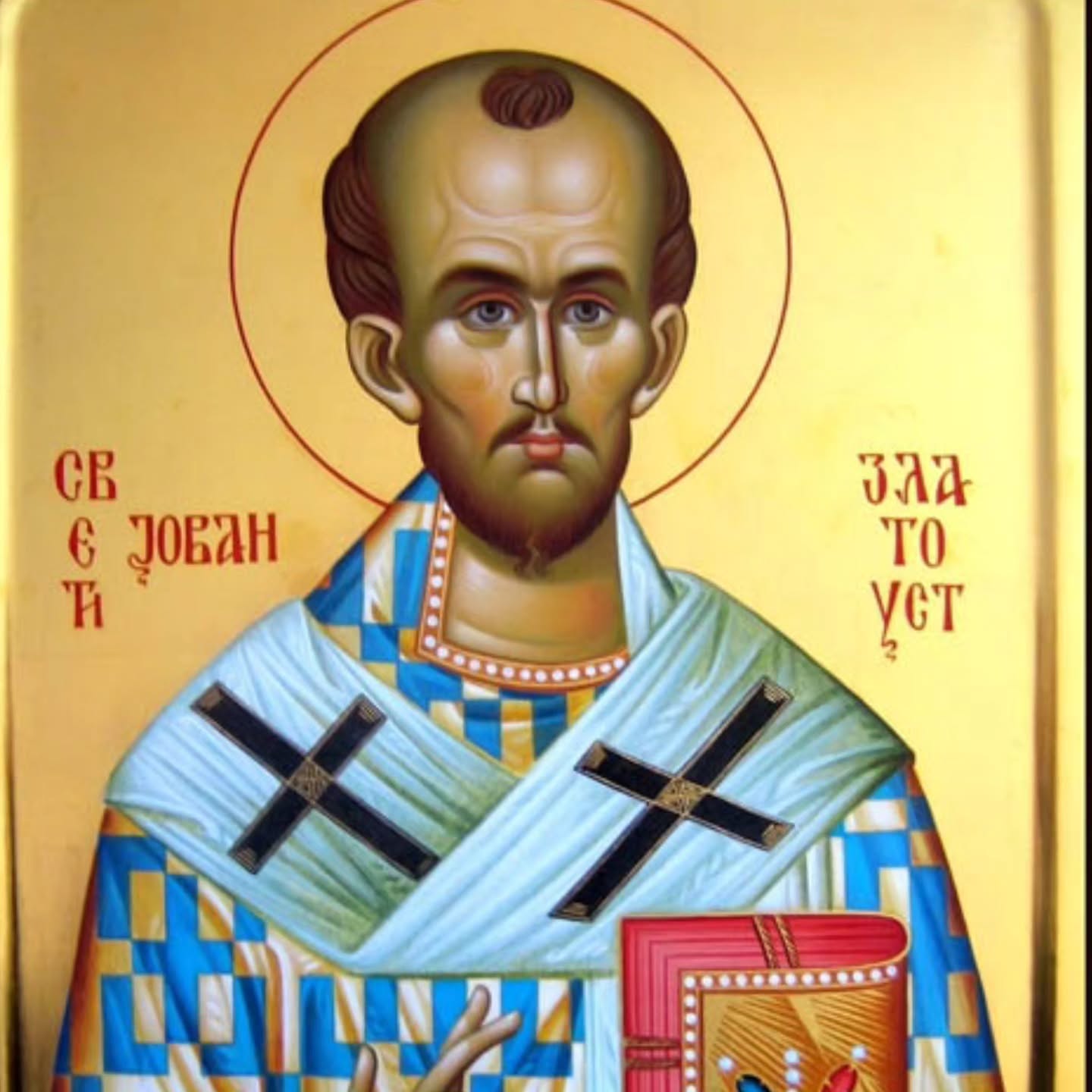
The text presents a biographical account of St. John Chrysostom, Archbishop of Constantinople, likely composed for his feast day. It begins with his birth around 347 in Antioch to Secundus and Anthusa, noting his early education in philosophy and rhetoric under the pagan teacher Libanius, who reportedly said on his deathbed that John would have been his successor had the Christians not taken him. After his mother's death, John distributed his…

The text presents a biographical account of St. John Chrysostom, Archbishop of Constantinople, likely composed for his feast day. It begins with his birth around 347 in Antioch to Secundus and Anthusa, noting his early education in philosophy and rhetoric under the pagan teacher Libanius, who reportedly said on his deathbed that John would have been his successor had the Christians not taken him.

After his mother's death, John distributed his possessions to the poor and entered monastic life, devoting himself to prayer, fasting, and study of Scripture, especially the Pauline epistles. He returned to Antioch, was ordained deacon and then priest, and gained renown for sermons on repentance, mercy, justice, and love for neighbor, while denouncing injustice, greed, and hypocrisy.

His eloquence earned him the epithet Chrysostom (Golden-mouthed). In 397 or 398 he was elected Patriarch of Constantinople. As archpastor he cared for the poor, regulated church life, and demanded worthy conduct from clergy and laity alike, rebuking even the highest officials for injustice. His uncompromising stance led to persecution, deposition, and exile.

He died in 407 in Comana, exhausted by travel and suffering. The text notes his vast theological legacy: scriptural commentaries, homilies, treatises on the priesthood, and instructions on Christian living. His name is attached to the Divine Liturgy most frequently celebrated in the Orthodox Church.

The account emphasizes his formation in both classical rhetoric and ascetic discipline, the directness of his pastoral preaching, and the cost of his prophetic witness against corruption. It also highlights the enduring liturgical tradition that bears his name, marking his lasting influence on Orthodox worship.

  • Born c. 347 in Antioch to Secundus and Anthusa; educated by Libanius.
  • Entered monastic life after mother's death; studied Pauline epistles extensively.
  • Ordained deacon and priest in Antioch; renowned for sermons on repentance, justice, and mercy.
  • Elected Patriarch of Constantinople in 397/398; cared for poor, reformed clergy, confronted power.
  • Exiled and died in 407 at Comana; left commentaries, homilies, and the Divine Liturgy bearing his name.
Read more

St. Nikolai Velimirovich on saints' foreknowledge of death and almsgiving

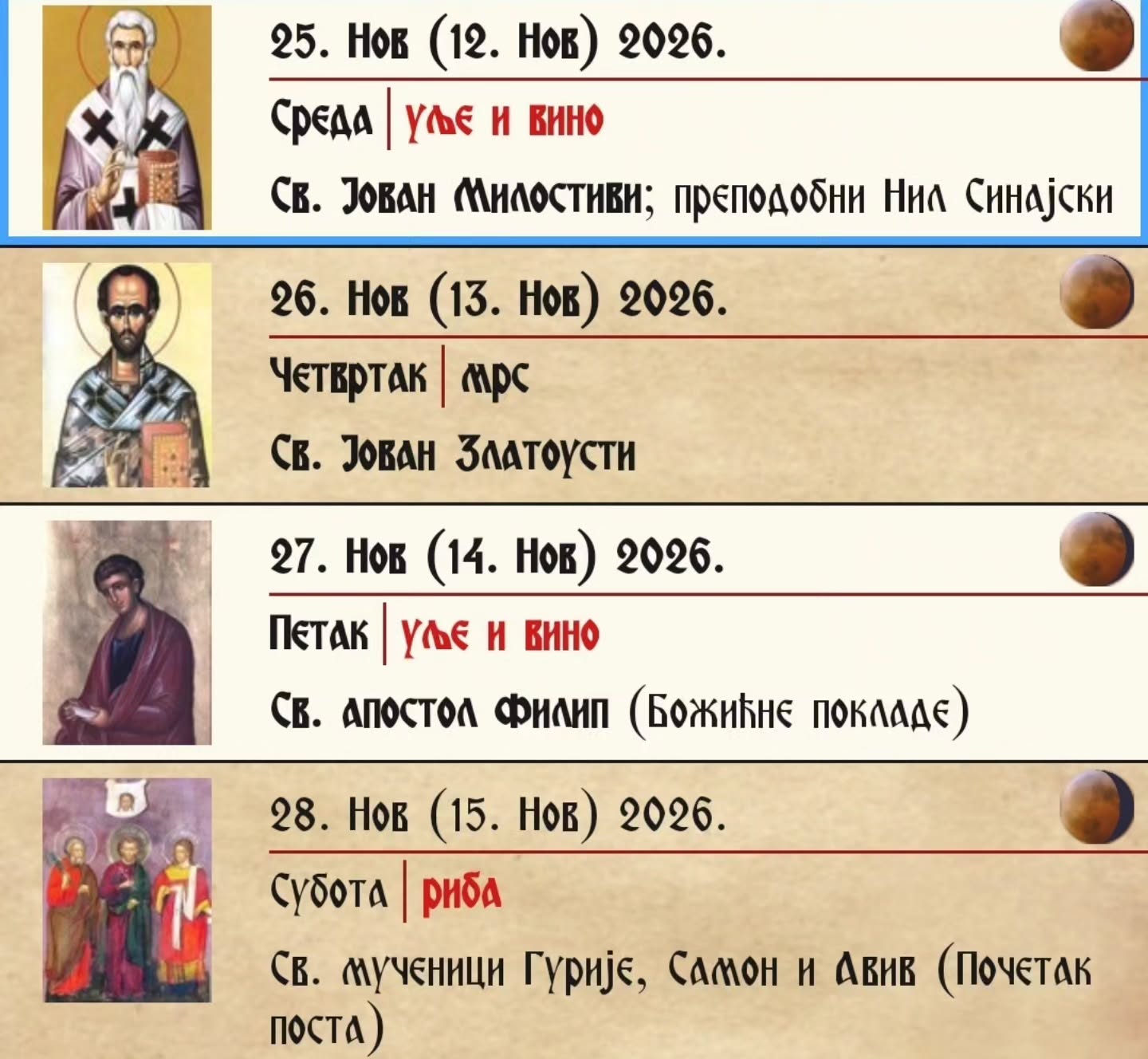
St. Nikolai Velimirovich writes in the Ohrid Prologue for November 25 that many holy men and women are revealed beforehand when they will die and change their life. This is a great gift from heaven. However, not waiting for this gift, we unworthy ones must prepare every day through repentance for our departure. From people one can flee, but from God never. He gives two examples. St. John the Merciful was fleeing the Persians from Egypt. On the…

St. Nikolai Velimirovich writes in the Ohrid Prologue for November 25 that many holy men and women are revealed beforehand when they will die and change their life. This is a great gift from heaven. However, not waiting for this gift, we unworthy ones must prepare every day through repentance for our departure. From people one can flee, but from God never. He gives two examples.

St. John the Merciful was fleeing the Persians from Egypt. On the ship a radiant man with a golden scepter appeared to him and said, 'The King of Kings calls you to Himself.' John understood these words and began to prepare for death, which soon followed. From the immeasurable wealth he possessed as patriarch of the Church of Alexandria, at his death he had only a third of one dinar, and he ordered that it be given to the poor.

St. King Stefan Dečanski was often visited by his beloved St. Nicholas, who also appeared to him before death and said, 'Stefan, prepare for your departure, soon you will stand before the Lord.' While Stefan was in the Pantokrator Monastery in Constantinople, a Serbian noble secretly sent him a considerable sum of money. Stefan told the messenger, 'I thank the good lord for his love, but he would give me greater joy if the money intended for me were distributed to the poor.' By their mercy these two saints were very similar.

  • Many saints receive foreknowledge of their death as a heavenly gift.
  • The faithful should prepare daily for death through repentance, since one cannot flee from God.
  • St. John the Merciful was warned by a radiant figure on a ship and prepared for his imminent death.
  • St. John died possessing only a third of a dinar, which he gave to the poor.
  • St. Stefan Dečanski was visited by St. Nicholas before death and also gave away money sent to him to the poor.
Read more

Schema-nun Varsanufia on the Jesus Prayer as a scalpel for the soul

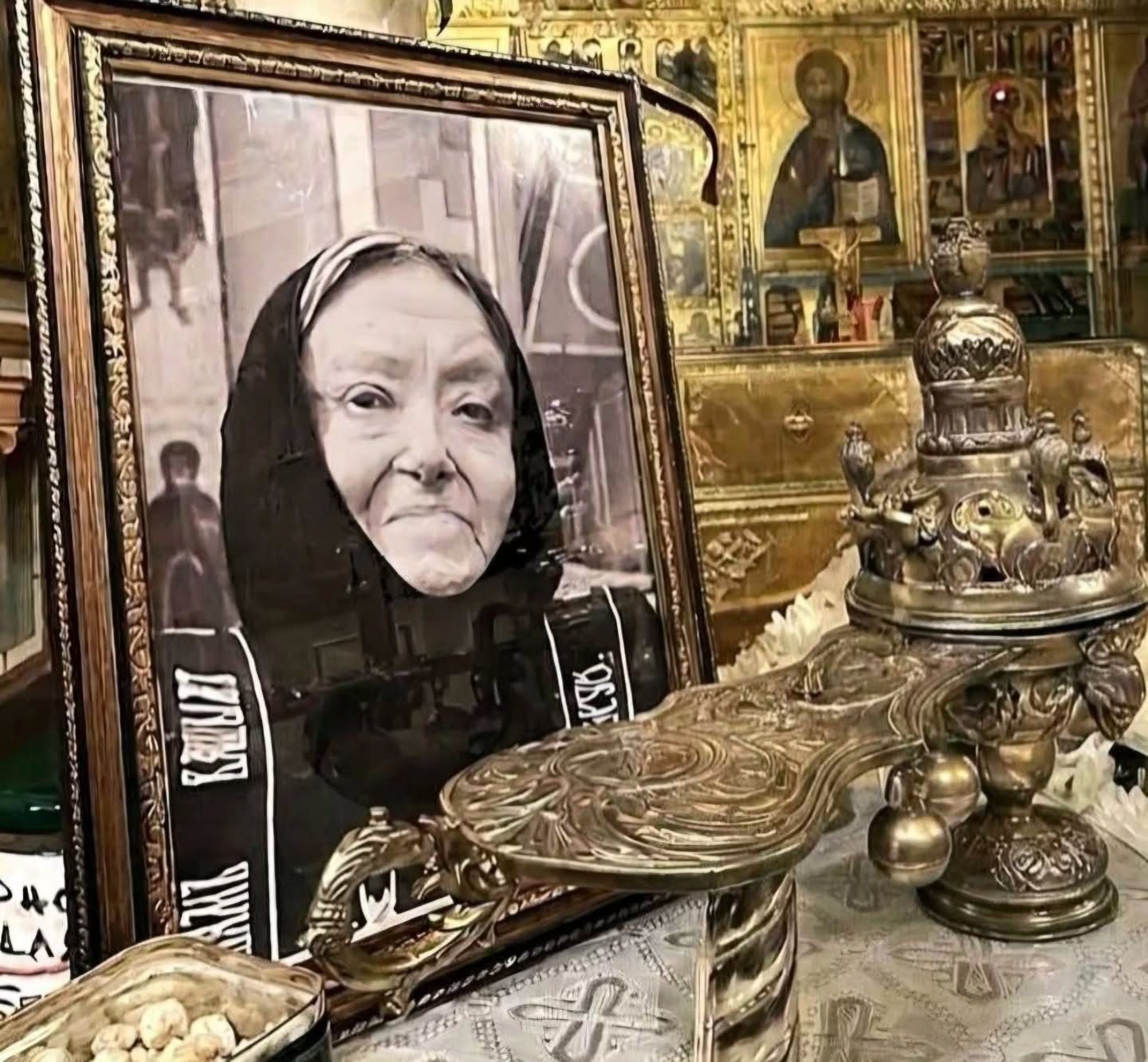
Schema-nun Varsanufia (Kozlova), who lived from 1943 to 18 November 2026, describes the Jesus Prayer as the instrument of hesychasm. She compares the prayer to a scalpel in the hands of a surgeon: it is a tool, but its purpose is to be used to repair a defect in the body. The Jesus Prayer serves as that scalpel. Hesychasm, silence, and stillness, she says, provide the occasion to allow God to change us, so that the Holy Spirit may remove our…

Schema-nun Varsanufia (Kozlova), who lived from 1943 to 18 November 2026, describes the Jesus Prayer as the instrument of hesychasm. She compares the prayer to a scalpel in the hands of a surgeon: it is a tool, but its purpose is to be used to repair a defect in the body. The Jesus Prayer serves as that scalpel. Hesychasm, silence, and stillness, she says, provide the occasion to allow God to change us, so that the Holy Spirit may remove our repulsive qualities and restore at least some of the good qualities that Christ himself possessed.

The statement presents the Jesus Prayer not as an end in itself but as a means for inner healing, and it frames hesychasm as the receptive state in which divine transformation occurs. The schema-nun's words link the traditional practice of the Jesus Prayer with the therapeutic aim of removing passions and acquiring Christlike virtues through the action of the Holy Spirit.

  • The Jesus Prayer is the instrument of hesychasm.
  • It functions like a scalpel: a tool used to heal spiritual defects.
  • Hesychasm, silence, and stillness create the opportunity for God to change a person.
  • The Holy Spirit removes repulsive traits and restores Christlike qualities.
  • Attributed to Schema-nun Varsanufia (Kozlova), 1943-18 November 2026.
Read more

A spiritual father's rule: ten minutes of the Jesus Prayer each evening

The speaker explains that the Jesus Prayer, "Lord Jesus Christ, have mercy on me," is a rule for all Christians living in the world, not only for monastics. Though brief, its five words contain great depth and require a set time and a prepared atmosphere to become a true encounter with God. He advises turning off television and entertainment in the evening, for example from 8 to 10 PM, because a scattered mind cannot easily settle into prayer.…

The speaker explains that the Jesus Prayer, "Lord Jesus Christ, have mercy on me," is a rule for all Christians living in the world, not only for monastics. Though brief, its five words contain great depth and require a set time and a prepared atmosphere to become a true encounter with God. He advises turning off television and entertainment in the evening, for example from 8 to 10 PM, because a scattered mind cannot easily settle into prayer.

Using the analogy of preparing to visit a host for a Slava, he says we must prepare for the meeting with the Lord who constantly knocks on the heart. As a spiritual father, he tells his spiritual children to begin with ten minutes of careful prayer in the evening before sleep, speaking the words slowly and semi-aloud so the ear hears them and the mind gathers.

This practice collects the scattered energy of the soul, bringing a sense of one's own presence and the Lord's presence, a sacred moment best kept even when tired.

Key moments

  1. 0:00 The Jesus Prayer is a rule for lay people in the world, not only for monks, and its five words contain great depth.
  2. 0:31 Watching entertainment shows in the evening scatters the mind and makes it difficult to enter prayer calmly.
  3. 1:02 Prayer requires both practice and a prepared atmosphere to invoke an encounter, just as one prepares to visit a host.
  4. 1:32 The Lord constantly calls us to be with Him and knocks on the heart, so we must set aside a specific time each day, such as ten minutes.
  5. 1:32 The speaker instructs his spiritual children who confess to pray carefully for ten minutes in the evening.
  6. 2:11 If the mind is scattered, one should speak the prayer words slowly and semi-aloud so the hearing connects with the speech.
  7. 2:41 This gathers the scattered energy of the soul into collected attention, producing a sense of one's own presence and the Lord's presence.
  8. 3:14 One should stand for prayer especially when most tired, as shown by the spiritual father.
Read more

Mount Athos: The Cross as Anchor and Ladder to God

The author reflects on Mount Athos, where stone peaks rise above the Aegean Sea and touch the vault of heaven. In that place a person stands stripped before eternity and alone before the face of God. The cross worn in the heart and signed in prayer is not only a remembrance of sacrifice but a firm anchor amid the restless sea of this world and a silent ladder by which the soul ascends toward uncreated light. When the waves striking the rocks and…

The author reflects on Mount Athos, where stone peaks rise above the Aegean Sea and touch the vault of heaven. In that place a person stands stripped before eternity and alone before the face of God. The cross worn in the heart and signed in prayer is not only a remembrance of sacrifice but a firm anchor amid the restless sea of this world and a silent ladder by which the soul ascends toward uncreated light.

When the waves striking the rocks and the storm of thoughts within grow still, in the gathered silence the voice of God is heard, the One who holds both the depths of the sea and the summits of the mountains, calling us to a peace and love that never cease.

Key moments

  1. The hymn opens by declaring the kingdom of the Lord blessed and calling for the Lord to be praised and exalted to all ages.
  2. It summons light and darkness, nights and days to bless the Lord.
  3. It calls upon humanity and Israel to bless the Lord.
  4. The faithful bless Father, Son, and Holy Spirit as the Lord.
  5. The hymn concludes with the faithful praising, blessing, worshipping, hymning, and glorifying the Lord to all ages.
Read more

Metropolitan Justin of Žiča: pastoral presence and trust

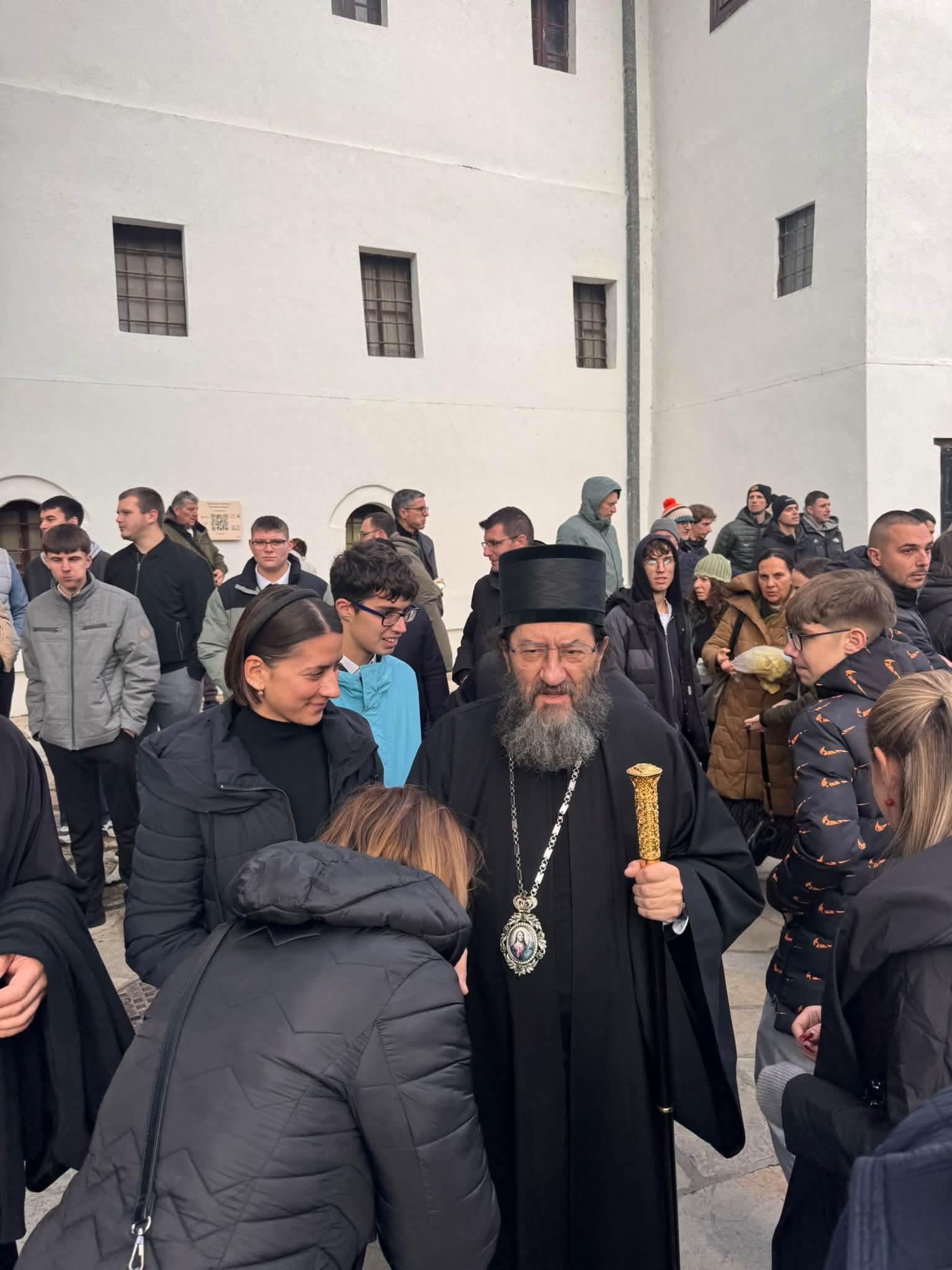
The post reflects on the relationship between a bishop and his flock. When faithful approach their pastor, simple gestures suffice, a look, a blessing, an extended hand, sincere prayer. A bishop is called not to be distant from the people but to be with them, to listen, comfort, encourage, and show the way to Christ. Trust is not demanded; love is not forced. Both are born through deeds, sacrifice, presence, and care for each person. Where…

The post reflects on the relationship between a bishop and his flock. When faithful approach their pastor, simple gestures suffice, a look, a blessing, an extended hand, sincere prayer. A bishop is called not to be distant from the people but to be with them, to listen, comfort, encourage, and show the way to Christ.

Trust is not demanded; love is not forced. Both are born through deeds, sacrifice, presence, and care for each person. Where people approach their pastor with open hearts, the importance of closeness, love, and spiritual trust becomes visible. The author asks the Lord to strengthen Metropolitan Justin of Žiča in his archpastoral service and grant him strength to continue being with his people.

The accompanying image references Saint Sava, founder of the Serbian state and church (1193-1236).

  • A bishop's ministry is presence, listening, comfort, and guidance to Christ
  • Trust and love arise from deeds, sacrifice, and personal care, not demand
  • Open-hearted approach of the faithful reveals the value of spiritual closeness
  • Prayer for Metropolitan Justin of Žiča to be strengthened in his service
  • Image references Saint Sava as founder of Serbian state and church
Read more

St. Justin Popović: Non-Fasting as the First Sin and Cause of Death

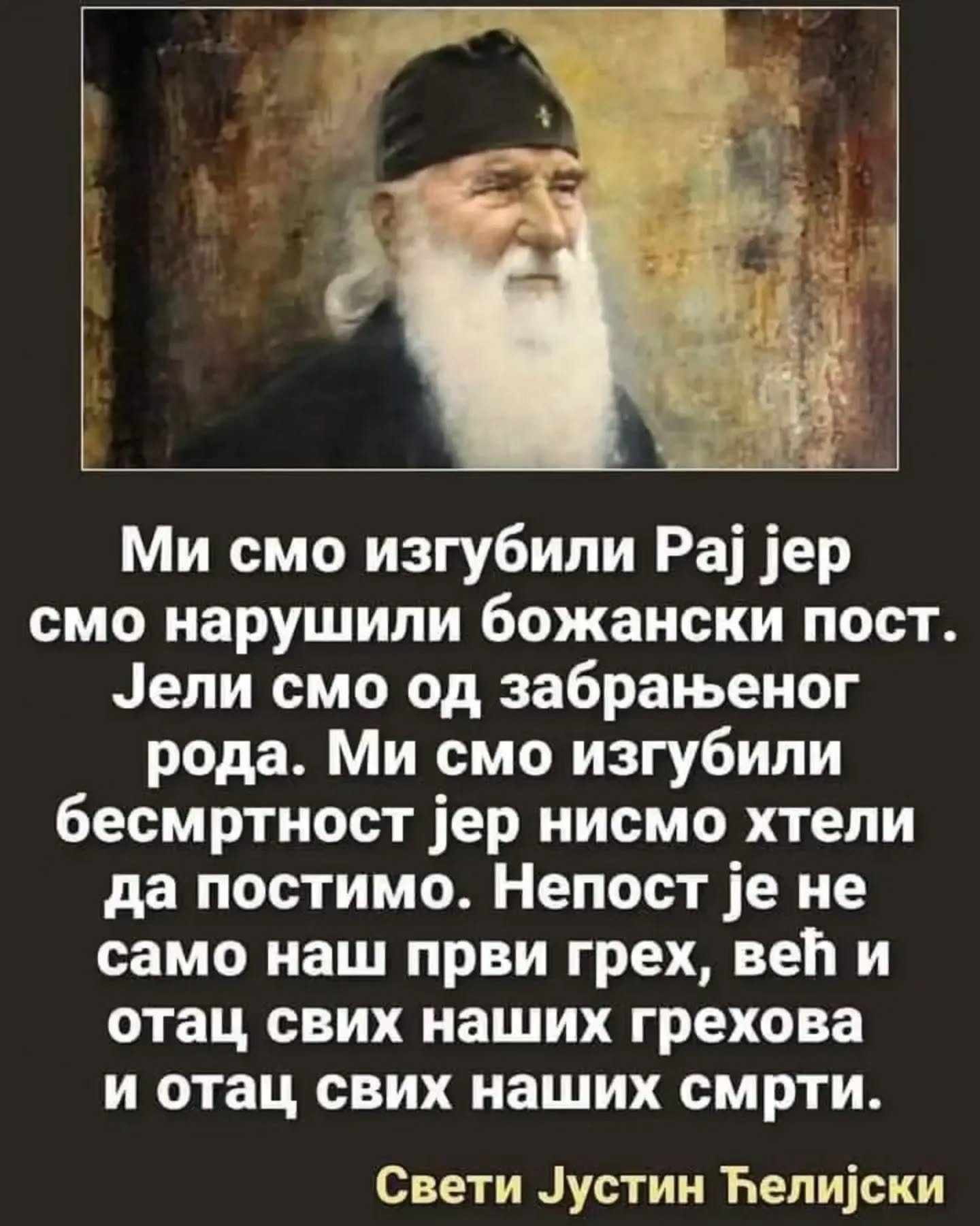
The post consists of an image with a portrait of St. Justin Popović and a Serbian text. The saint explains that the fall began with a violation of the fast God gave in Paradise. By eating from the forbidden tree, Adam and Eve broke the fast and lost Paradise. Because they refused to keep the fast, they also lost immortality. St. Justin calls non-fasting not merely the first sin but the progenitor of every subsequent sin and of death itself. The…

The post consists of an image with a portrait of St. Justin Popović and a Serbian text. The saint explains that the fall began with a violation of the fast God gave in Paradise. By eating from the forbidden tree, Adam and Eve broke the fast and lost Paradise.

Because they refused to keep the fast, they also lost immortality. St. Justin calls non-fasting not merely the first sin but the progenitor of every subsequent sin and of death itself. The quote underscores the spiritual gravity of fasting as obedience to God and the catastrophic consequences of rejecting it.

The language is Serbian in Cyrillic script. The teaching connects the original disobedience to the ongoing struggle with fasting, presenting the refusal to fast as the root of human sinfulness and mortality. The portrait shows the saint in his later years, wearing a dark cap and with a white beard.

  • Humanity lost Paradise by breaking the divine fast and eating forbidden food.
  • Humanity lost immortality by refusing to fast.
  • Non-fasting is the first sin.
  • Non-fasting is the father of all sins.
  • Non-fasting is the father of all deaths.
Read more

Metropolitan Justin of Žiča: True faith requires love and action toward the suffering

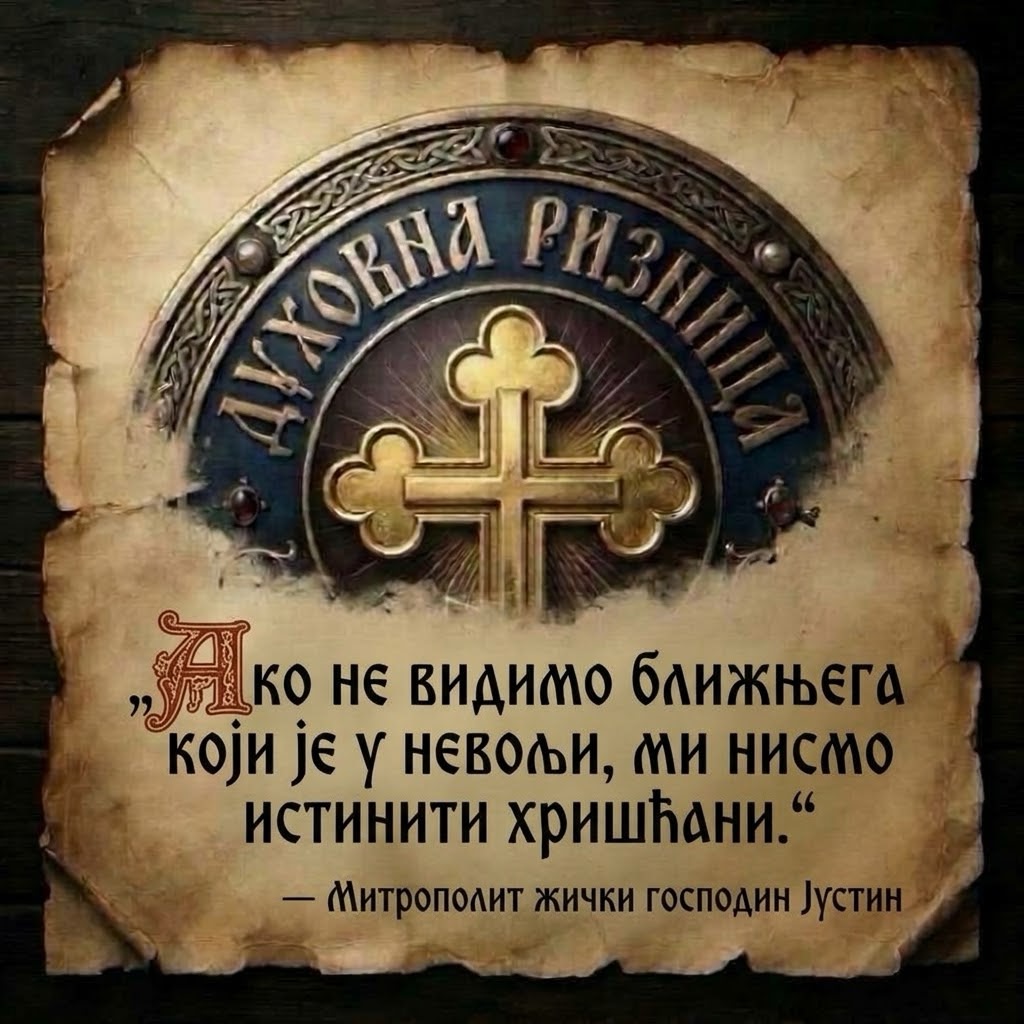
The post presents a teaching from Metropolitan Justin of Žiča, stating that true faith is not demonstrated only through words and prayer but also through love, mercy, and willingness to help one's neighbor in distress. The metropolitan is quoted directly: "If we do not see the neighbor who is in distress, we are not true Christians." The text emphasizes that authentic Christian identity is inseparable from concrete compassion and practical…

The post presents a teaching from Metropolitan Justin of Žiča, stating that true faith is not demonstrated only through words and prayer but also through love, mercy, and willingness to help one's neighbor in distress. The metropolitan is quoted directly: "If we do not see the neighbor who is in distress, we are not true Christians."

The text emphasizes that authentic Christian identity is inseparable from concrete compassion and practical assistance to those who suffer. No additional commentary, discussion, or context beyond this statement is provided in the source.

  • Metropolitan Justin of Žiča teaches that true faith manifests in love, mercy, and help for the suffering
  • He states directly: "If we do not see the neighbor who is in distress, we are not true Christians"
  • Words and prayer alone are insufficient without practical compassion
  • The quote comes from a source labeled "Spiritual Treasury"
Read more

When there seems no way out, keep faith instead of asking why

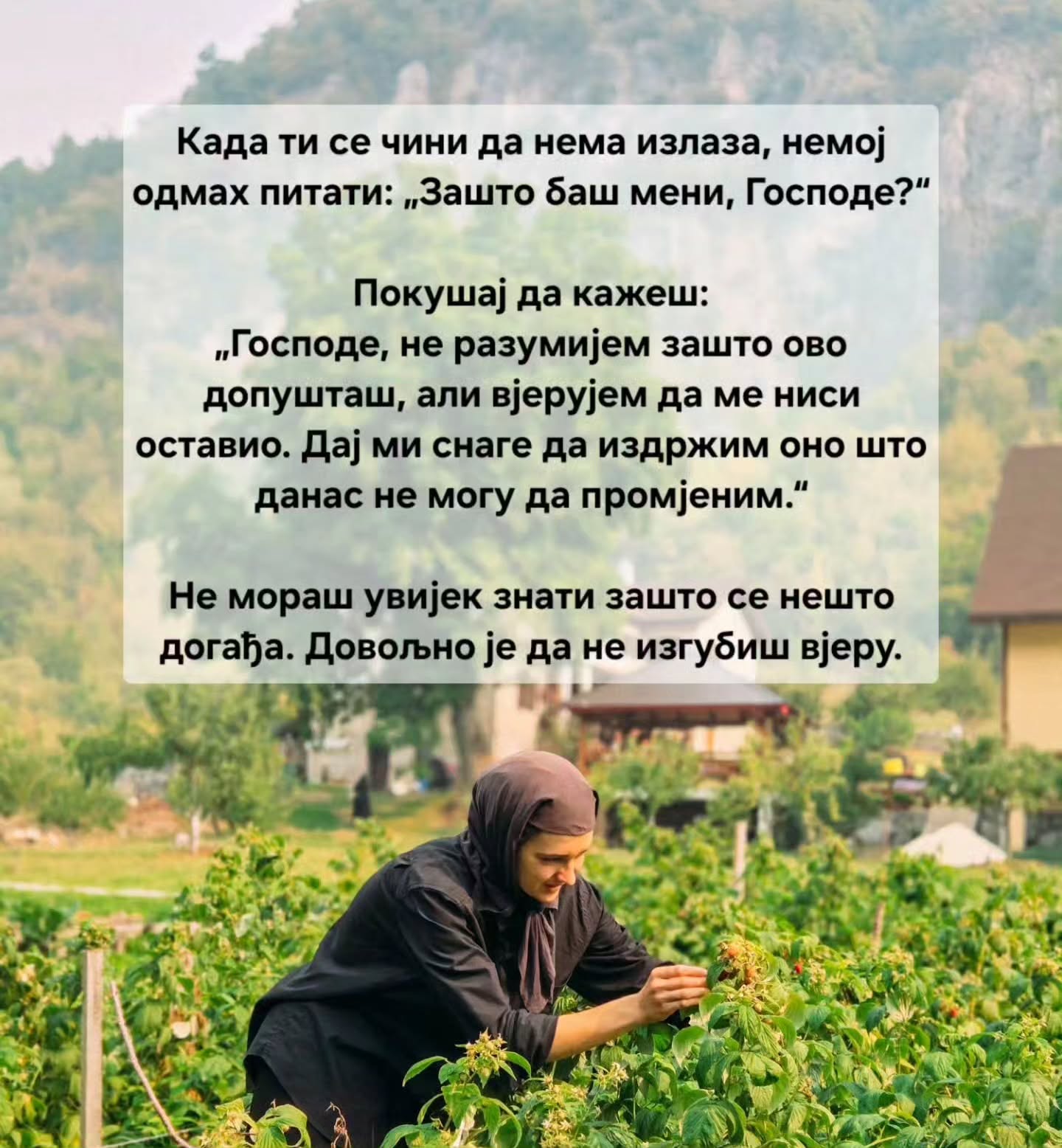
The post offers a short spiritual direction for moments when circumstances feel hopeless. It advises against the immediate reaction of asking "Why me, Lord?" and suggests a different prayer: acknowledging that one does not understand why God permits the trial, yet affirming trust that He has not abandoned the person, and asking for strength to endure what cannot be changed today.

The final line states that understanding the reason is not required; what matters is not losing faith.

  • Replace "Why me?" with a prayer of trust and a request for endurance.
  • Acknowledge lack of understanding while affirming God has not left you.
  • Ask for strength to bear what cannot be changed today.
  • Knowing the reason for suffering is not necessary; keeping faith is enough.
Read more

St. Seraphim of Vyritsa on entrusting all to God's will

The post presents a saying of St. Seraphim of Vyritsa (1866-1949), a Russian saint canonized in 2000. The text, given in Serbian Cyrillic, teaches that one should never pray to the Lord for anything earthly because God knows better than we do what is truly beneficial. Instead, the saint directs the faithful to pray always with a prayer of entrustment: "I entrust, O Lord, myself, my children, and all relatives and neighbors to Thy Holy Will."…

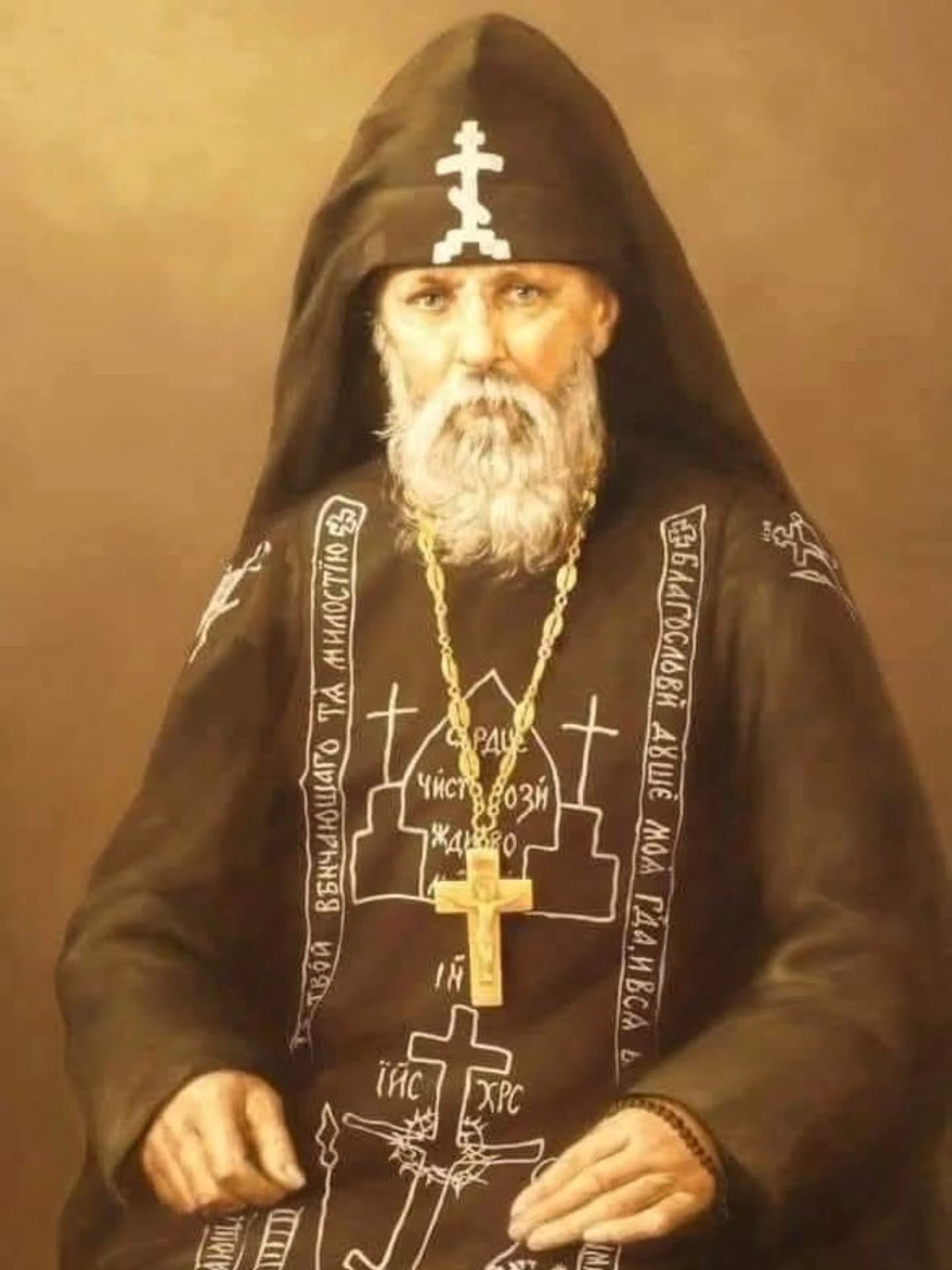
The post presents a saying of St. Seraphim of Vyritsa (1866-1949), a Russian saint canonized in 2000. The text, given in Serbian Cyrillic, teaches that one should never pray to the Lord for anything earthly because God knows better than we do what is truly beneficial. Instead, the saint directs the faithful to pray always with a prayer of entrustment: "I entrust, O Lord, myself, my children, and all relatives and neighbors to Thy Holy Will."

This formulation reflects the Orthodox spiritual emphasis on surrender to divine providence rather than petition for specific temporal outcomes. The accompanying image shows the saint in monastic attire: an elderly bearded monk wearing a black klobuk and an embroidered mantle bearing Church Slavonic inscriptions and crosses, with a pectoral cross around his neck.

The embroidered text on the mantle is not fully legible in the portrait. The post offers the saint's words without additional commentary or discussion.

  • St. Seraphim of Vyritsa advises against praying for earthly things
  • God knows better what is truly beneficial for us
  • The saint provides a prayer of entrustment to God's holy will
  • The prayer commends oneself, children, relatives, and neighbors
  • Image depicts the saint in traditional monastic vestments with klobuk and embroidered mantle
Read more

Saints Thaddeus and Porphyrios warn against speaking ill of children

The speaker warns that speaking badly about one's children, whether they are young or grown, immediately creates distance and widens the gap between parent and child. This teaching appears in the writings of Saint Thaddeus and Saint Porphyrios of Kavsokalyvia. Saint Porphyrios explains that the devil, who watches a person like a guardian angel but for evil, takes advantage of such words to lead the speaker into evil. As soon as a parent speaks…

The speaker warns that speaking badly about one's children, whether they are young or grown, immediately creates distance and widens the gap between parent and child. This teaching appears in the writings of Saint Thaddeus and Saint Porphyrios of Kavsokalyvia. Saint Porphyrios explains that the devil, who watches a person like a guardian angel but for evil, takes advantage of such words to lead the speaker into evil.

As soon as a parent speaks badly about a child, the devil transmits those words and uses them to draw the parent further into evil. The guardian angel watches to lead toward good, while the devil watches to lead toward evil, and the parent's own words become the tool the devil employs.

Key moments

  1. Speaking badly about your children, whether small or grown, immediately distances you from them and creates a greater gap.
  2. This teaching is found in both Saint Thaddeus and Saint Porphyrios of Kavsokalyvia.
  3. Saint Porphyrios says the devil, the enemy of salvation, is always near us and watches what we do, just as a guardian angel watches, but the devil leads to evil while the angel leads to good.
  4. As soon as we speak badly about our children, the devil transmits those words and uses them to draw us into evil.
Read more

Father Milan Kadijević: Trust God, not people, and love enemies as neighbors

Father Milan Kadijević teaches that many people give gifts while secretly expecting to receive more in return, placing excessive trust in other people instead of in God. He says we should trust and thank God daily for everything we have, beginning with the gift of one another. This gratitude expresses itself through praying for each other, forgiving each other, correcting each other, and helping carry each other's crosses rather than…

Father Milan Kadijević teaches that many people give gifts while secretly expecting to receive more in return, placing excessive trust in other people instead of in God. He says we should trust and thank God daily for everything we have, beginning with the gift of one another. This gratitude expresses itself through praying for each other, forgiving each other, correcting each other, and helping carry each other's crosses rather than discouraging those closest to us.

The term "neighbor" extends beyond blood relatives and godparents to include enemies, who are also God's children and therefore our neighbors.

Key moments

  1. Many people when giving a gift already expect in advance to receive more than they gave.
  2. People place too much trust in other people instead of trusting God who gave us everything.
  3. We should thank God daily for everything we have, and the first thing we have is each other.
  4. We must pray for one another, forgive one another, and correct one another.
  5. We should help carry each other's cross rather than discourage people, especially those closest to us.
  6. Our neighbors include not only blood relatives and godparents but also our enemies.
  7. Enemies are our neighbors because they too are God's children.

Repentance and confession: God's light reveals sin, pride is the root

The speaker teaches that repentance and confession are necessary for salvation because without them no one can be saved. When God's light shines on a person, they see themselves as the worst of sinners, just as light reveals everything in darkness. Pride is the first and greatest sin; it turned a whole order of angels into demons, and a lawyer from Danilovgrad lost all his learning in an instant because of pride. All gifts come from God, so we…

The speaker teaches that repentance and confession are necessary for salvation because without them no one can be saved. When God's light shines on a person, they see themselves as the worst of sinners, just as light reveals everything in darkness. Pride is the first and greatest sin; it turned a whole order of angels into demons, and a lawyer from Danilovgrad lost all his learning in an instant because of pride.

All gifts come from God, so we should thank Him rather than blaspheme; those who blaspheme suffer terribly, as the speaker knows from hearing millions of confessions. Confession renews baptism and allows entry into the Kingdom of Heaven; a baptized child who falls into sin must repent and confess or be lost. The speaker warns against working on feast days dedicated to local saints such as Sava, Stefan, Petar, and Arsenije, and on Sundays, because Sunday is a weekly celebration of the Resurrection; working on Sundays brings family problems, death, and no benefit from material gain.

He recounts a Muslim man who entered a church, saw divine light descending on Christians during the priest's blessing, converted, was baptized, and married in the Church. Because people cannot give up bacon, ham, lard, and meat, they are deprived of the grace of Holy Communion, the greatest holy thing a person can receive on earth.

At the altar, spiritual eyes see the Lord, the Theotokos, saints, and angels, and light so intense it cannot be believed; the priesthood is a grace not given even to angels, and man is the seal of God's creation.

Key moments

  1. 0:34 When God's light shines on a person, they see themselves as the worst of sinners, just as light reveals everything in darkness.
  2. 1:11 Pride is the greatest and first sin; it turned a whole order of angels into demons, and a lawyer from Danilovgrad lost all his learning in an instant because of pride.
  3. 1:44 All we have comes from God, so we should thank Him rather than blaspheme; those who blaspheme suffer terribly, as the speaker knows from confessing millions.
  4. 2:16 Confession renews baptism and allows entry into the Kingdom of Heaven; a baptized child who falls into sin must repent and confess or be lost.
  5. 3:21 Do not work on feast days dedicated to local saints (Sava, Stefan, Petar, Arsenije) or on Sundays, because Sunday is a weekly Resurrection; working on Sundays brings family problems, death, and no benefit from material gain.
  6. 4:31 A Muslim man entered a church, saw divine light descending on Christians during the priest's blessing, converted, was baptized and married in the Church.
  7. 5:42 Because we cannot give up bacon, ham, lard, and meat, we are deprived of the grace of Holy Communion, the greatest holy thing a person can receive on earth.
  8. 6:14 At the altar, spiritual eyes see the Lord, the Theotokos, saints, and angels, and light so intense it cannot be believed; the priesthood is a grace not given even to angels, and man is the seal of God's creation.
Read more

Saint Nektarios on despair and returning to God after sin

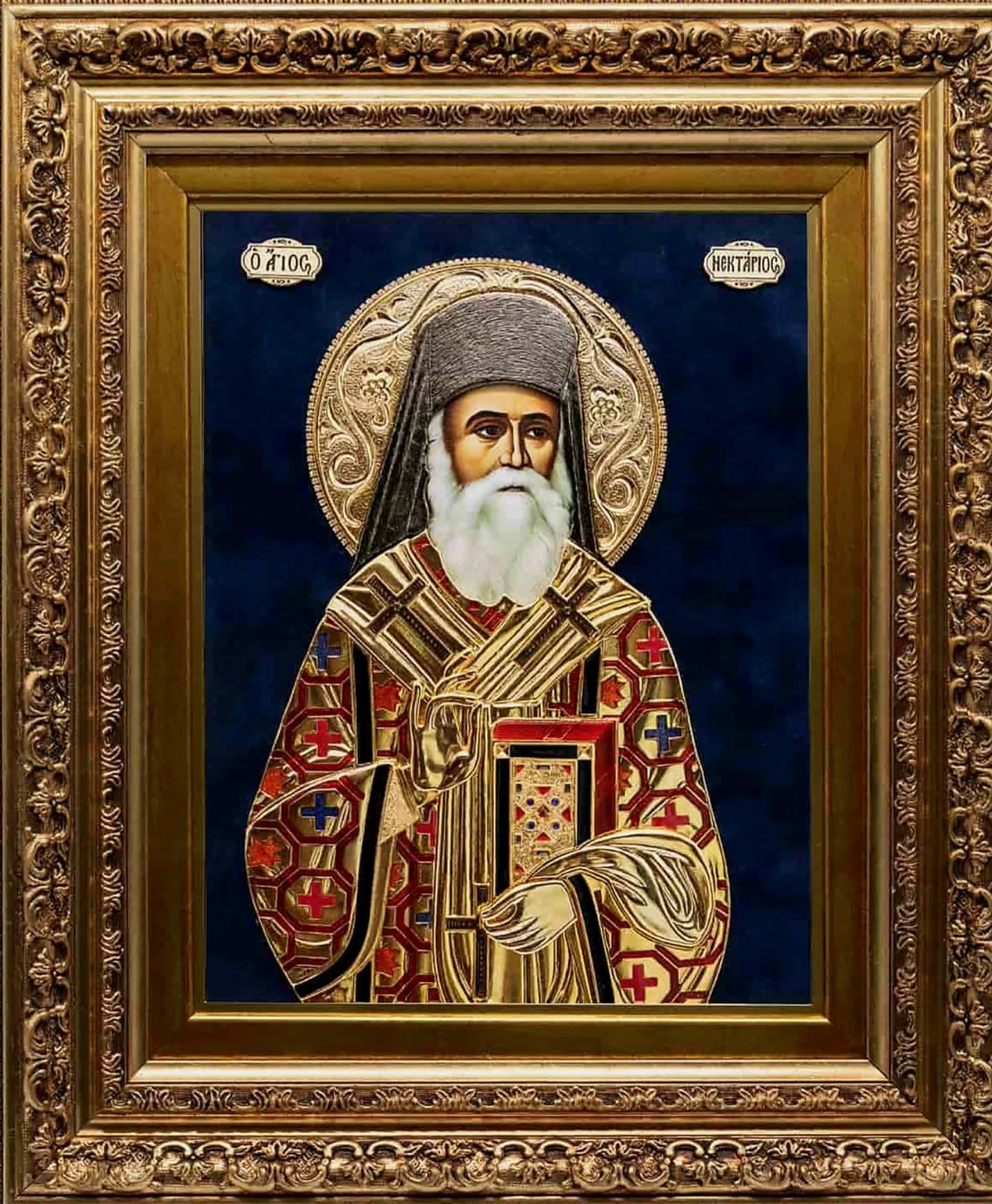
The post shares a saying attributed to Saint Nektarios of Aegina. The saint advises not to despair if one falls again into old sins, but to arise immediately and run to God, not allowing anything to take away hope. The text ends with a prayer request to Saint Nektarios. The image identifies the saint in Greek as "Ο ΑΓΙΟΣ ΝΕΚΤΑΡΙΟΣ". There is no further discussion or commentary in the post.

  • Saint Nektarios urges not to despair when falling into repeated sins
  • He counsels immediate return to God
  • He warns against letting anything remove hope
  • The post includes a prayer to Saint Nektarios
  • The image labels the saint in Greek
Read more

Why Personal Prayer Alone Is Not Enough: The Necessity of Liturgy and Eucharist

The speaker addresses the question of why modern people should attend church when many claim that personal prayer is sufficient. He begins by asking how to explain to a contemporary person the necessity of going to church, noting that many believers argue they do not need an institution to reach God. He distinguishes two kinds of prayer: personal prayer done alone in one's room, and communal prayer. He describes the Divine Liturgy as the place…

The speaker addresses the question of why modern people should attend church when many claim that personal prayer is sufficient. He begins by asking how to explain to a contemporary person the necessity of going to church, noting that many believers argue they do not need an institution to reach God. He distinguishes two kinds of prayer: personal prayer done alone in one's room, and communal prayer.

He describes the Divine Liturgy as the place where individual prayer becomes communal, and insists that both personal and communal prayer are necessary; neither can be omitted. He references the saying "If you know these things, blessed are you if you do them," pointing out that knowing without doing brings no blessing. He notes that one can know the truth well yet act contrary to it, and cites Christ's command to be wise as serpents and innocent as doves.

The speaker then states that the church provides not only communal prayer but also the mystery (sacrament) of the body and blood of Christ, which Protestantism does not have. He explains that while Protestants see bread and wine, Christ's words "This is my body, this is my blood" make it truly his body and blood for Orthodox Christians.

He emphasizes the necessity of participating in this mystery, and warns that those who know this truth but do not act on it have no excuse and are responsible to themselves. The discussion turns on the distinction between personal and liturgical prayer, the reality of the Eucharist, and the responsibility that comes with knowing the truth.

Key moments

  1. 0:00 The speaker asks how to explain to modern man why he should go to church, noting that many believers say they do not need an institution to reach God.
  2. 0:00 He distinguishes two kinds of prayer: personal prayer done alone in one's room, and communal prayer.
  3. 0:31 He describes the liturgy as the place where individual prayer becomes communal, and insists that both personal and communal prayer are necessary; neither can be omitted.
  4. 0:31 He references the saying "If you know these things, blessed are you if you do them," pointing out that knowing without doing brings no blessing.
  5. 1:03 He notes that one can know the truth well yet act contrary to it, and cites Christ's command to be wise as serpents and innocent as doves.
  6. 1:34 He states that the church provides not only communal prayer but also the mystery (sacrament) of the body and blood of Christ, which Protestantism does not have.
  7. 1:34 He explains that while Protestants see bread and wine, Christ's words "This is my body, this is my blood" make it truly his body and blood for Orthodox Christians.
  8. 2:05 He emphasizes the necessity of participating in this mystery, and warns that those who know this truth but do not act on it have no excuse and are responsible to themselves.
Read more

Reflection on Proverbs 28-29: righteousness shapes family and community

The post shares a brief reflection on Proverbs chapters 28 and 29. It states that righteousness, humility, wisdom, and faithfulness to God's law shape not only the life of the individual but also affect the whole family and community. In contrast, injustice, ungodliness, and abuse of power bring suffering to many. The post also includes a video of the Trisagion prayer recited in Church Slavonic, following the usual order: the Trisagion twice,…

The post shares a brief reflection on Proverbs chapters 28 and 29. It states that righteousness, humility, wisdom, and faithfulness to God's law shape not only the life of the individual but also affect the whole family and community. In contrast, injustice, ungodliness, and abuse of power bring suffering to many. The post also includes a video of the Trisagion prayer recited in Church Slavonic, following the usual order: the Trisagion twice, the doxology, "Holy Immortal, have mercy on us," and a final Trisagion without the concluding petition for mercy.

Key moments

  1. The Trisagion prayer "Holy God, Holy Mighty, Holy Immortal, have mercy on us" is recited twice at the beginning.
  2. The doxology "Glory to the Father and the Son and the Holy Spirit, now and ever and unto ages of ages, amen" follows.
  3. The prayer continues with "Holy Immortal, have mercy on us" and ends with "Holy God, Holy Mighty, Holy Immortal" without the final petition for mercy.

Nine Angelic Orders in St. Dionysius' Celestial Hierarchy

The post presents St. Dionysius the Areopagite's teaching on the nine orders of angels arranged in three hierarchies, drawn from his work "On the Celestial Hierarchy" (chapters VI-IX). The first hierarchy, nearest to God, comprises Seraphim ("the burning ones"), characterized by ceaseless movement toward God, flaming love, purity, and illumination; Cherubim ("fullness of knowledge and wisdom"), distinguished by contemplation of God, reception of…

The post presents St. Dionysius the Areopagite's teaching on the nine orders of angels arranged in three hierarchies, drawn from his work "On the Celestial Hierarchy" (chapters VI-IX). The first hierarchy, nearest to God, comprises Seraphim ("the burning ones"), characterized by ceaseless movement toward God, flaming love, purity, and illumination; Cherubim ("fullness of knowledge and wisdom"), distinguished by contemplation of God, reception of divine illumination, and transmission of wisdom; and Thrones, signifying immovability, constancy, and exalted orientation toward God, with readiness to receive divine presence.

The second hierarchy contains Dominions (Lordships), signifying exaltation above all lowly subjection and perfect self-governance according to divine order; Powers (Forces), associated with courage, constancy, and strength in executing divine works; and Authorities, signifying ordered authority and ability to preserve divine order.

The third hierarchy consists of Principalities, heavenly powers entrusted with governing and leading service in the sacred order; Archangels, who have special ministry in proclaiming and conveying divine revelations, mediating between higher orders and angels; and Angels, in the lowest order of the celestial hierarchy, most directly connected to the human world, conveying divine messages and revelations.

St. Dionysius emphasizes that divine illumination passes through the celestial orders according to their sacred order; higher orders participate in the properties of lower ones, while divine gifts descend from God toward the lower orders. This hierarchy is not a depiction of struggle for power or dominance but a sacred order of service to God, reception of divine light, and its transmission.

The post concludes with 1 Corinthians 14:33: "God is not a God of confusion but of peace."

Key moments

  1. I'm telling you there's no way you're going to lose.
  2. It was designed for speed and power. Everything about it is perfect.
  3. You'll be first to cross it. I promise you, it's a win. You're going to be a legend. Go win now.
Read more

Archimandrite Tadej Vitovnički on World Opposition as Sign of Grace

The late Archimandrite Tadej Vitovnički (1914-2003) taught that when the whole world rises against a small people, it indicates they remain in God's grace. He observed that such universal opposition against one small nation has no precedent in history. This circumstance confirms they are still God's people and that the Lord protects them; otherwise they would have been swallowed up and ceased to exist. The elder presented this as a reassurance of divine preservation amid persecution.

Key moments

  1. The whole world rising against us means we are in God's grace.
  2. The whole world rising against one small people has never happened before, showing we are still God's people and the Lord protects us, or else we would have been swallowed up so that we would not exist.
Read more