WeOrthodox
EN UA

Orthodox posts, videos and discussions

We follow Orthodox channels, communities and blogs across the web, summarise every post and video, and highlight the conversations with real substance.

Fr.TEDTalks Instagram

Three Faithful Actions for When Life Collapses

The post recounts how Carollynn Xavier, after her life fell apart, turned to Fr. Ted's book Bunker Jiu Jitsu and asked him for a concrete set of rules. Fr. Ted replied with three directives: go to church, take care of your son, move your body. Carollynn followed these for nearly a year. She found that the combination of spiritual practice, family responsibility, and physical activity pulled her out of despair, not because they fixed everything…

The post recounts how Carollynn Xavier, after her life fell apart, turned to Fr. Ted's book Bunker Jiu Jitsu and asked him for a concrete set of rules. Fr. Ted replied with three directives: go to church, take care of your son, move your body. Carollynn followed these for nearly a year. She found that the combination of spiritual practice, family responsibility, and physical activity pulled her out of despair, not because they fixed everything overnight, but because they remained true actions when she felt unclear, unmotivated, or weak.

The post contrasts this simplicity with Jordan Peterson's 12 Rules for Life and credits the Orthodox Health Podcast episode 79, "Why Do We Laugh When Life Is Hard?" featuring Carollynn Xavier, as the source of the conversation. The framework comes from Fr. Ted's book Bunker Jiu Jitsu: Faith, Friendship & Fortitude on the Mats.

Key moments

  1. Finances are destroyed, no career, absolutely nothing; the speaker says he needs a bunker, a set of rules to orient his life.
  2. He does not do ambiguity well and asks to be told exactly what to do.
  3. The response: go to church, take care of your son, and move your body.
  4. Those three things are identified as the only things to worry about.
  5. He follows the advice: goes to work, goes to church, moves his body for almost a whole year.
  6. After a year he states that the combination of spiritual, family community, and moving the body are the basic tenets to pull out of the pit of despair.
  7. He notes that moving the body is in equal peace with the other two elements.
Read more

Fr. Alexey Uminsky: Faith Beyond Rules and Rituals

Fr. Alexey Uminsky: Faith Beyond Rules and Rituals 1:03:13

In this conversation, Fr. Alexey Uminsky responds to a letter from a lifelong Orthodox Christian who, challenged by non-Christian friends, finds herself unable to articulate the meaning of the Trinity, Christ's divinity, or the Eucharist. Her crisis reveals a widespread problem: many 'churched' people have reduced faith to moral compliance and ritual observance — worrying about cross-shaped drains or lists of permissions and prohibitions — while…

In this conversation, Fr. Alexey Uminsky responds to a letter from a lifelong Orthodox Christian who, challenged by non-Christian friends, finds herself unable to articulate the meaning of the Trinity, Christ's divinity, or the Eucharist. Her crisis reveals a widespread problem: many 'churched' people have reduced faith to moral compliance and ritual observance — worrying about cross-shaped drains or lists of permissions and prohibitions — while missing the living God.

Fr. Alexey argues that such religion mistakes tradition for faith and behavioral conformity for a relationship with the invisible, incomprehensible God who is infinitely greater than human categories.

The core of Christianity, he insists, is not a moral code but the revelation that God is eternal, self-giving love (1 John 4:8). This love explains the Holy Trinity not as a mathematical puzzle but as a communion of Persons: the Father eternally begets the Son, the Spirit eternally proceeds, three hypostases consubstantial and united in one will.

The Incarnation is God's union with humanity; the Son takes on sin and death, destroys hell by divine love, rises as the God-man, and grants deification through Baptism and the Eucharist. The talk concludes with a testimony of a child's direct encounter with the living God as love, illustrating that true faith begins not with rules but with a personal meeting with the One who is Love itself.

Key moments

  1. 0:00 Opening critique: reducing faith to lists of what is allowed or forbidden (e.g., a cross-shaped drain) empties Christianity of its content; the true God is invisible, incomprehensible, and infinitely greater than human categories.
  2. 1:03 Introduction of the letter from Yulia, a cradle Orthodox Christian whose conversations with friends of other faiths exposed her inability to explain the Trinity, Christ's unique divinity, or the meaning of Communion, leading her to avoid prayers to Jesus and the Theotokos.
  3. 8:23 Diagnosis: many 'churched' people mistake religious tradition and behavioral conformity for faith; they have not entered into a personal relationship with the living God who is invisible, intangible, and infinitely greater than human consciousness.
  4. 10:27 Two inadequate concepts of God: (1) a generic higher intelligence, and (2) a moralistic lawgiver of 'allowed/forbidden' common to all religions; Christian faith transcends both by revealing God as self-giving love.
  5. 13:07 Critique of popular clergy media that answer casuistic questions (bathtub drains, euthanasia, interfaith communion) as if they were the heart of faith; if the Son of God became man for such trivialities, 'it is a very strange faith indeed.'
  6. 16:47 The core of Christian faith: 'God is love' (1 John 4:8). This love is eternal, unconditional, and the source of all dogma; the Trinity is not a mathematical puzzle but the fullness of divine love—Father, Son, and Holy Spirit as three personal expressions of one divine essence.
  7. 18:20 Patristic explanation of the Trinity from love: the Father is eternally Father only if He eternally begets the Son; the Spirit eternally proceeds. The three hypostases are consubstantial, equal in glory, and united in one will—unity in threeness, not tritheism.
  8. 42:57 Salvation through the Incarnation: the Son of God becomes man to unite humanity with God, takes on sin and death, destroys hell by divine love, rises as the God-man, and grants deification (theosis) through Baptism (death/resurrection with Christ) and the Eucharist (union with His Body and Blood).
8 opinions in the discussion Dear Father Alexei. I'm about your age, a psychiatrist, and for years I've been surrounded by deprived, suffering people. I know well the helplessness and burnout that come with it. I… Read the discussion
radioimlemesou Instagram

Are You Healthy? A Bishop's Test: Do You Hunger for God?

Metropolitan Athanasios of Limassol offers a brief but searching teaching on what true spiritual health means, using the analogy of physical illness and appetite. Just as a sick person loses the desire to eat and drink, a person who feels no hunger or thirst for God is, spiritually speaking, unwell—even if outwardly respectable. True health, he says, is thirsting for Christ, the bread of life, and hungering for the grace of the Holy Spirit; and…

Metropolitan Athanasios of Limassol offers a brief but searching teaching on what true spiritual health means, using the analogy of physical illness and appetite. Just as a sick person loses the desire to eat and drink, a person who feels no hunger or thirst for God is, spiritually speaking, unwell—even if outwardly respectable. True health, he says, is thirsting for Christ, the bread of life, and hungering for the grace of the Holy Spirit; and God gives Himself to the one who truly thirsts.

The bishop is careful to note that a person may avoid every obvious sin—robbery, fraud, immorality—and still lack any appetite for the spiritual life. The absence of wrongdoing is not the same as the presence of longing. If the soul does not move within you with hunger and thirst for God, and the reality of God does not interest you, then something is going wrong, something is not well.

Without that inner thirst, he adds, the spiritual life becomes very difficult, for God responds to those who genuinely seek Him. The post is a short quotation from the bishop's preaching, shared with hashtags linking it to Orthodox faith and his own diocese. There is no discussion thread attached; the card reflects the text and its message alone.

The teaching is a gentle diagnostic rather than a condemnation: it invites readers to examine not their moral record but their desires—to ask whether they want God at all, and if not, to recognize that this indifference is itself the illness that needs healing through prayer, repentance, and grace.

Key moments

  1. A sick person has no appetite; likewise, lacking desire for God is a sign of spiritual illness.
  2. True health is hungering and thirsting for Christ, the bread of life, and for the grace of the Holy Spirit.
  3. God gives to the one who truly thirsts; without thirst, the spiritual life becomes very difficult.
  4. One may not commit obvious sins—robbery, fraud, immorality—yet still have no appetite for the spiritual life.
  5. If your soul does not move with hunger and thirst for God, something is going wrong.
Read more
F Fr. Barnabas Powell Substack

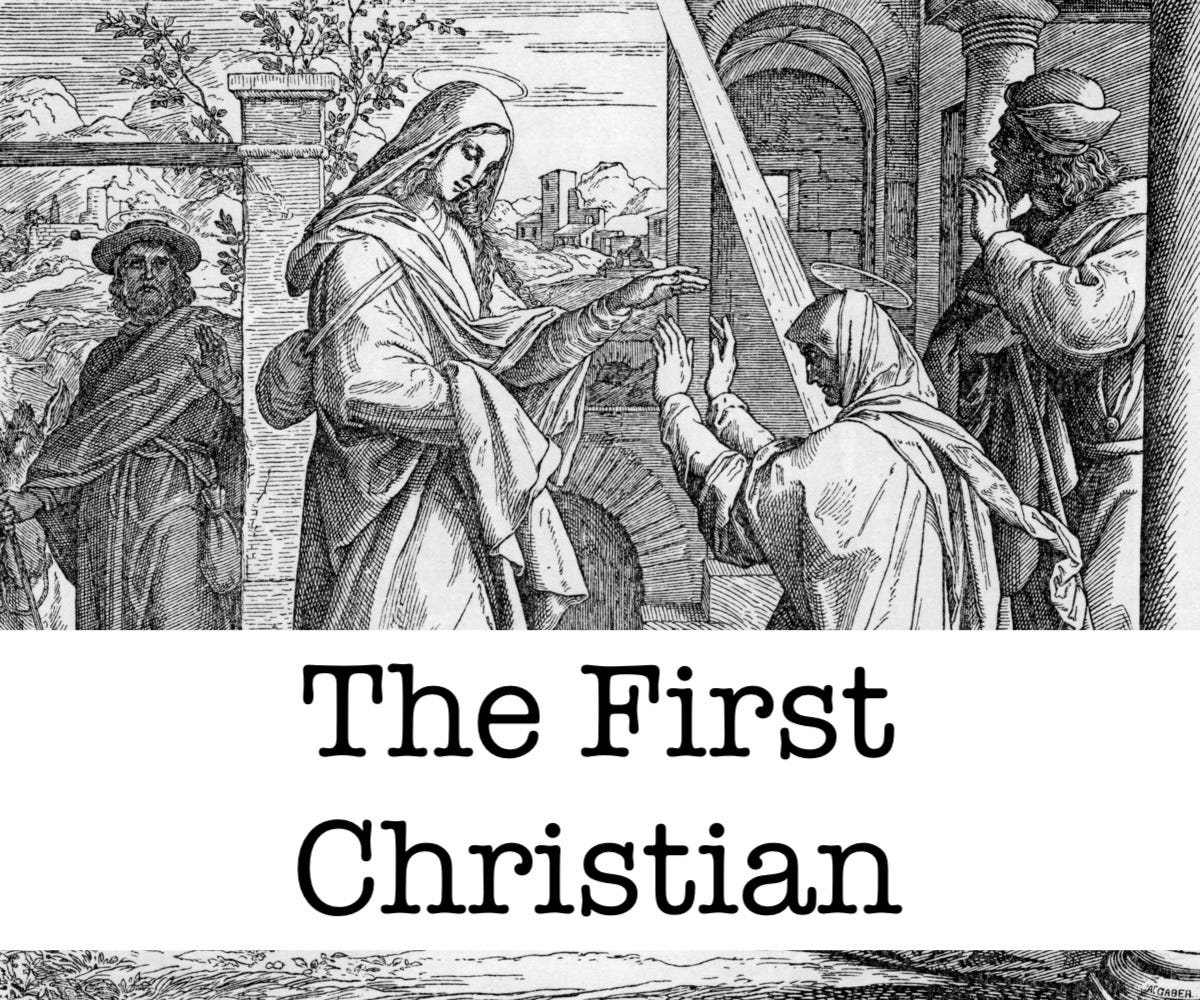
The First Christian: Mary's Visit to Elizabeth and the Scriptural Case for Theotokos

This reflection on Luke 1:39-49, 56 examines the Visitation, when the Theotokos visits her cousin St. Elizabeth shortly after the Annunciation. The author highlights the extraordinary moment of Mary's arrival: the infant John leaps in Elizabeth's womb, and Elizabeth, filled with the Holy Spirit, cries out, "Blessed are you among women, and blessed is the fruit of your womb!" and asks why "the mother of my Lord" should come to her. The post…

This reflection on Luke 1:39-49, 56 examines the Visitation, when the Theotokos visits her cousin St. Elizabeth shortly after the Annunciation. The author highlights the extraordinary moment of Mary's arrival: the infant John leaps in Elizabeth's womb, and Elizabeth, filled with the Holy Spirit, cries out, "Blessed are you among women, and blessed is the fruit of your womb!" and asks why "the mother of my Lord" should come to her.

The post argues that this greeting provides direct scriptural grounding for the Church's title Theotokos, Mother of God. For a devout first-century Jewish woman, calling someone "mother of my Lord" carried immense theological weight, and the title protects the truth of Christ's identity: from conception He was fully God and fully man, not merely a gifted human raised by Mary.

To get that identity wrong, the author warns, is to unravel the whole Gospel. The reflection then turns to Mary's own words, the Magnificat, and especially the prophecy "henceforth all generations will call me blessed," which the author presents as the scriptural foundation for the Church's veneration of the Theotokos since the beginning.

Mary is honored as the first Christian, the first human being to say a complete yes to God's invitation, carrying that yes in her body before anyone else. She models a life oriented toward bringing others to Christ not first through preaching, but through total surrender of her will: "let it be to me according to your word." The post also commemorates the miraculous icon of the Theotokos Myrtidiotissis, "of the Myrtle Tree," discovered on the island of Kythira and remembered for healing a paralyzed man.

This feast, the author says, shows God using ordinary created things to reveal His works, and reminds readers that every healing through her icons exists to draw people closer to Christ. The reflection closes with a call to action: each reader is invited to say their own yes to God and to become a living icon of Christ, reflecting His love and grace in ordinary daily life, since every human being was made for genuine glory and for the likeness of God.

  • Elizabeth's Spirit-inspired greeting, "mother of my Lord," is presented as direct scriptural grounding for the title Theotokos, Mother of God.
  • The title safeguards Christ's identity: from conception He was fully God and fully man, and error here unravels the Gospel.
  • Mary's prophecy "all generations will call me blessed" grounds the Church's veneration of her as the first Christian, the first to say a complete yes to God.
  • The post commemorates the miraculous icon of the Theotokos Myrtidiotissis of Kythira, remembered for healing a paralyzed man.
  • Readers are challenged to say their own yes and become living icons of Christ in ordinary daily life.
Holy Resurrection YouTube

From Judgment to Compassion: Abba Dorotheos on Not Judging Others

From Judgment to Compassion: Abba Dorotheos on Not Judging Others 5:29

The post presents a passage from Abba Dorotheos of Gaza (Instructions VI, v. 8–11) on the spiritual danger of judging one’s neighbor. The elder teaches that only God can judge, because He alone sees the hidden struggles, anguish, and repentance of each person. To judge or despise a brother is to burden one’s own soul and to cooperate with the devil; by contrast, love covers a multitude of sins and aligns us with the angels. The saints model this…

The post presents a passage from Abba Dorotheos of Gaza (Instructions VI, v. 8–11) on the spiritual danger of judging one’s neighbor. The elder teaches that only God can judge, because He alone sees the hidden struggles, anguish, and repentance of each person. To judge or despise a brother is to burden one’s own soul and to cooperate with the devil; by contrast, love covers a multitude of sins and aligns us with the angels.

The saints model this truth: they do not hate sinners but suffer with them, admonishing and healing gently, like a mother or a fisherman drawing souls to repentance through long‑suffering and compassion. A godly person, seeing another’s fall, says, “Woe is me, I will sin tomorrow,” placing himself below the sinner out of fear for his own weakness.

The text warns that indiscriminate condemnation and gossip destroy souls and spread harm. The post also includes a brief appeal for monthly or one‑time donations to support the building of a parish church, framing the offering as a quiet work of grace.

Key moments

  1. 0:11 Only God knows all judgments; we cannot judge others because we do not see their struggles or repentance.
  2. 0:44 God may show mercy to a sinner whose fall is nearly justified due to unseen anguish, while our condemnation loses our own soul.
  3. 1:16 Despising a sinner—turning away in disgust—is worse than judgment and far more destructive.
  4. 1:49 A godly person, seeing a brother sin, says 'Woe is me, I will sin tomorrow' and places himself below the sinner, fearing his own weakness.
  5. 2:21 We often condemn and despise without distinction, spreading gossip that harms others and cooperates with the devil.
  6. 3:24 Harming a soul cooperates with demons; benefiting a soul cooperates with holy angels.
  7. 3:55 Love covers a multitude of sins; the saints do not hate sinners but suffer with them, admonish and heal them gently.
  8. 4:26 Like fishermen or a mother, the saints draw sinners to correction through long-suffering and love, not disgust.
Read more
Orthodox Sound YouTube

St. Gregory of Nyssa: Purity as the Gathering of the Whole Person Toward God

St. Gregory of Nyssa: Purity as the Gathering of the Whole Person Toward God 27:29

This video presents St. Gregory of Nyssa's treatise On Virginity, in which he defines purity as more than abstinence. For Gregory, virginity restores order to a soul scattered by passions and gathers the whole person toward God with an undivided heart. He uses several images to make this point: the soul as a bride whose bridegroom is Christ, a house that must be put in order, and water scattered through many channels that is gathered back into…

This video presents St. Gregory of Nyssa's treatise On Virginity, in which he defines purity as more than abstinence. For Gregory, virginity restores order to a soul scattered by passions and gathers the whole person toward God with an undivided heart. He uses several images to make this point: the soul as a bride whose bridegroom is Christ, a house that must be put in order, and water scattered through many channels that is gathered back into one strong stream.

Gregory warns against extremes in asceticism and insists that the body is not the enemy. He compares a person who conquers one passion while leaving the rest unguarded to a soldier wearing armor on only half his body, leaving one place through which death can enter. The soul, he says, should use prosperity and hardship without becoming enslaved to either, like a traveler who does not mistake the landscape for the destination.

Gregory also treats the incarnation: Christ was born of the Virgin Mary, showing that divine life does not come through the passions of the flesh, and the soul becomes a place where God is received. He names anger, greed, envy, pride, and the hunger for recognition as rivals that wound the soul's fidelity to Christ. Gregory states plainly that marriage is not evil but blessed by God; he compares the two ways of life and explains the spiritual freedom of consecrated virginity.

On practice, he says the spiritual life should not be attempted alone. Like a patient seeking a physician or a student learning a language, one should find a trustworthy guide, since zeal without guidance can become dangerous. The treatise ends with virginity as an anticipation of the resurrection life, a source of spiritual fruitfulness, and the promise that the pure in heart shall see God.

Key moments

  1. 0:00 Purity is not merely the absence of something but the presence of something greater: the soul becoming free from what scatters it so it can turn with an undivided heart toward God.
  2. 1:03 Gregory presents virginity as a way of gathering the whole person into one direction, like water scattered through many channels being gathered back into one strong stream.
  3. 2:04 Christ's incarnation through the Virgin Mary shows that divine life is not generated through the passions of the flesh, and the soul becomes a place where God is received.
  4. 3:37 The soul is a bride and Christ the bridegroom; anger, greed, envy, pride, and the hunger for recognition can all become rivals that wound fidelity to him.
  5. 4:09 A soldier with armor on only half his body leaves one unprotected place through which death enters; conquering one passion while leaving the rest unguarded is not enough.
  6. 6:43 Like a traveler who does not mistake the landscape for the destination, the soul should use prosperity and hardship without becoming enslaved to either, keeping its eyes fixed on God.
  7. 10:23 Gregory explicitly says marriage is not evil but blessed by God; he compares two ways of life and explains the spiritual freedom of consecrated virginity.
  8. 19:13 The spiritual life should not be invented alone; like a physician or language student, one should seek a trustworthy guide, since zeal without guidance can become dangerous.
Read more
Saint Wisdom Instagram

Saint Maximus the Confessor: What Destroys Friendship

The video quotes Saint Maximus the Confessor on friendship. He names what destroys friendship: envy, suspicion, insults, being hurt, and constantly remembering what another person has done against us. He tells the listener to guard against these things, because the fault separating you from your friend may not be in him but hidden within your own heart. The video presents this teaching with the hashtags love, orthodox, saints, bible, and…

The video quotes Saint Maximus the Confessor on friendship. He names what destroys friendship: envy, suspicion, insults, being hurt, and constantly remembering what another person has done against us. He tells the listener to guard against these things, because the fault separating you from your friend may not be in him but hidden within your own heart.

The video presents this teaching with the hashtags love, orthodox, saints, bible, and christianity, placing the words of Saint Maximus in the context of Orthodox Christian teaching on love and the inner life. The teaching is addressed to the listener as a warning: the things that break friendship are not only the visible actions of the other person, but also what a person carries and repeats inside himself.

Saint Maximus points to the memory of wrongs as a specific danger, since constantly remembering what another person has done against us keeps a separation alive that may come from our own heart rather than from the friend. The video stays close to this single teaching and does not add other material.

Key moments

  1. Saint Maximus the Confessor lists what destroys friendship: envy, suspicion, insults, being hurt, and constantly remembering what another person has done against us.
  2. He warns that the fault separating you from your friend is sometimes not in him, but hidden within your own heart.
Read more
M mysteries_of_christendom Instagram

Three Optina monks murdered on Easter morning 1993

On Easter morning 1993, April 18, three monks at Optina Pustyn Monastery in Russia were killed on the monastery grounds. Hieromonk Vasily Roslyakov, Monk Ferapont Pushkarev, and Monk Trofim Tatarnikov had walked out before dawn to ring the bells announcing the Resurrection. Ferapont and Trofim were in the bell tower after the Paschal Liturgy when a man entered and stabbed them both. Ferapont died at the scene. Trofim survived only briefly. The…

On Easter morning 1993, April 18, three monks at Optina Pustyn Monastery in Russia were killed on the monastery grounds. Hieromonk Vasily Roslyakov, Monk Ferapont Pushkarev, and Monk Trofim Tatarnikov had walked out before dawn to ring the bells announcing the Resurrection. Ferapont and Trofim were in the bell tower after the Paschal Liturgy when a man entered and stabbed them both.

Ferapont died at the scene. Trofim survived only briefly. The attacker then fled toward the skete and stabbed hieromonk Vasily in the back as he walked to hear confessions. Vasily remained alive for several hours before dying. Investigators found the weapons were specially made with markings linked to the satanic occult. Nikolai Averin was identified as the accused. The three monks are buried together at Optina Pustyn, where their memory continues to be honored more than thirty years later.

The account presents the events as they occurred and notes how the monks' lives, shaped by prayer and repentance, have led many Orthodox Christians to remember them not only as victims of a crime but as men prepared for death.

Key moments

  1. Easter morning 1993, April 18, three Eastern Orthodox monks murdered at Optina Pustyn monastery in Russia
  2. Monks Ferapont and Trofim at bell tower ringing bells after Paschal Liturgy
  3. Attacker stabbed both; Ferapont died at scene, Trofim survived briefly
  4. Attacker fled to skete, attacked hieromonk Vasily from behind, stabbed in back
  5. Vasily remained alive several hours before dying
  6. Weapons specially made with markings connecting to satanic occult
  7. Nikolai Averin identified as accused
  8. Three monks buried together at Optina Pustyn, memory honored more than 30 years later
Read more
Orthodox Christian TV YouTube

Addiction Is a Treatable Disease: An Orthodox Priest-Clinician on Recovery, Shame, and the Parish as Hospital

Addiction Is a Treatable Disease: An Orthodox Priest-Clinician on Recovery, Shame, and the Parish as Hospital 35:19

This episode of Direct & Unapologetic features Fr. Dimitrios Moraitis, an Orthodox priest and trained addiction clinician, in conversation with Fr. Chris Metropulos about how the Church can respond to addiction. Fr. Dimitrios frames addiction as a recognized, treatable disease—yet stigma and a 'cult of secrecy' in parishes mean the vast majority of those struggling never seek help. He advocates a biopsychosocial-spiritual approach that accounts…

This episode of Direct & Unapologetic features Fr. Dimitrios Moraitis, an Orthodox priest and trained addiction clinician, in conversation with Fr. Chris Metropulos about how the Church can respond to addiction. Fr. Dimitrios frames addiction as a recognized, treatable disease—yet stigma and a 'cult of secrecy' in parishes mean the vast majority of those struggling never seek help.

He advocates a biopsychosocial-spiritual approach that accounts for genetic predisposition, co-occurring mental illness, social environment, and spiritual life. The discussion highlights research showing that clergy are among the most common sources of help for addicts, and that clergy involvement in recovery strongly correlates with long-term retention in the faith community.

The parish, he argues, should function as a 'hospital of the soul.' The conversation also addresses how addiction sickens entire families through enabling and codependency, the role of Al-Anon and structured interventions, and the parallels between the 12 Steps and Orthodox confession—particularly the fourth and fifth steps' resemblance to repentance and the twelfth step's spiritual awakening.

Relapse, he notes, is often part of recovery rather than its failure. Recovery is likened to the journey of the Prodigal Son: hitting rock bottom, returning, and being restored to both God and community. The episode closes with reflections on wholeness in Christ as restored freedom, connection, and awe, and on the Cross as the symbol of reconnection—vertical to God and horizontal to neighbor.

Key moments

  1. 0:43 Addiction is a widespread crisis affecting families in parishes; Father Demetrios Moresus, an Orthodox priest and trained clinician, introduces faith-centered recovery.
  2. 1:46 Addiction is a recognized disease (per AMA 1950s), yet stigma causes 94% of addicts to never seek treatment; denial and shame are major barriers.
  3. 4:21 A biopsychosocial-spiritual assessment reveals genetic predisposition, high rates of co-occurring mental illness (70% anxiety/depression/PTSD), social environment, and spiritual background as key factors.
  4. 9:05 The parish is the 'hospital of the soul'; clergy are the second most common source of help after treatment centers, but a 'cult of secrecy' in the church prevents many from seeking help.
  5. 12:46 Study of 1,100 people with 1+ year sobriety: 85% had a faith background but only 20% remained connected; clergy involvement in recovery correlated with 90% retention in the faith community.
  6. 14:22 Addiction sickens the whole family; enabling and codependency must be addressed through Al-Anon and structured interventions that help the addict hit 'rock bottom' (like the Prodigal Son).
  7. 20:03 Recovery involves high relapse rates (average 5 treatments, 15 relapses) but centers on spiritual awakening (12th Step); the 12 Steps mirror confession (4th/5th Steps) and making amends brings restoration.
  8. 25:46 Wholeness in Christ means regaining the ability to choose, connect, grow, and experience awe; the 'rat park' study shows connection prevents addiction, and the Cross symbolizes vertical (God) and horizontal (community) reconnection.
Kyle YouTube discussion

Do Jews, Muslims, and Christians Worship the Same God? An Orthodox Case for Saying No

Do Jews, Muslims, and Christians Worship the Same God? An Orthodox Case for Saying No 7:47

This video challenges the popular notion of 'Abrahamic faiths' worshiping one and the same God, arguing that this framing amounts to a denial of the gospel. The speaker proposes a simple test: point to an icon of Christ and ask whether that is your God. Since whoever denies the Son does not have the Father (citing 1 John 2), he concludes that those who reject Christ's divinity do not worship the God Christians worship. He then examines rabbinic…

This video challenges the popular notion of 'Abrahamic faiths' worshiping one and the same God, arguing that this framing amounts to a denial of the gospel. The speaker proposes a simple test: point to an icon of Christ and ask whether that is your God. Since whoever denies the Son does not have the Father (citing 1 John 2), he concludes that those who reject Christ's divinity do not worship the God Christians worship.

He then examines rabbinic Judaism, describing it as a later development from Pharisaic tradition rather than the religion of the Old Testament, and rejects dual-covenant theology, holding that the Church is the new Israel. Turning to Islam, he argues that the Quran describes Allah in anthropomorphic terms, never as Father, and denies Christ's divinity and crucifixion—placing it, in his view, alongside Arianism, which the First Ecumenical Council condemned.

He claims trinitarian theology is already present in Old Testament theophanies, such as the angel of the Lord and Daniel 7. Finally, he extends the argument to Mormonism (a revival of tritheism) and the Bahá'í faith (which treats Jesus as one manifestation among many). The comment section became a lively debate. Supporters cited St. John of Damascus, Galatians 1:8, and Vatican II's Lumen Gentium—some noting that Rome's declaration that Muslims 'adore the one God' illustrates the very error being critiqued.

Critics pushed back on philosophical grounds, arguing that calling Arians 'wrong about Christ' presupposes a shared referent, so error about God still implies reference to the same God. Others raised the Hebraic concept of agency (shlichut) regarding the Angel of the Lord, objected to harsh language about the Jewish people—pointing to the Theotokos and the saints who were Jews—or cautioned the speaker to examine whether pride, not Christ, motivated the video.

Key moments

  1. 0:00 The 'Abrahamic religions worship the same God' idea is false and a denial of the gospel; the test is asking whether the icon of Christ is one's God.
  2. 1:01 Whoever denies the Son does not have the Father (John 2); modern Jews who reject Christ do not worship the same God as Christians.
  3. 1:33 There is no dual covenant theology; the old covenant was preparatory and fulfilled in Christ, and the Church is the new Israel, not modern rabbinic Judaism (invented in the 600s).
  4. 2:35 In John 8, Jesus tells the Pharisees their father is the devil; rabbinic Judaism follows the Pharisees' tradition.
  5. 3:06 Islam, arising 600 years after Christianity, describes Allah with body parts (a shin, two right hands, one eye), never as Father, and denies Jesus's divinity and crucifixion—so it worships a different God.
  6. 4:39 Denying Christ's divinity is Arianism, condemned at the First Ecumenical Council; the church fathers held that Arians do not worship the one God.
  7. 5:11 Old Testament theophanies (the angel of the Lord, Daniel 7, the 'two powers in heaven' idea) show trinitarian theology was present in the Old Testament.
  8. 6:45 Mormonism reinvents tritheism (three beings united in purpose, not essence), and the Bahá'í faith treats Jesus as merely one manifestation among many—none worship the same God.
22 opinions in the discussion Mormonism is pure heresy. I grew up in that faith but eventually escaped during a semester abroad in Russia, where I encountered Eastern Orthodoxy — partly through reading Dostoevsky. In my… Read the discussion
The Burning Bush Instagram

After a Debate on the Eucharist, an Invitation to Talk Again

The speaker reflects on a past debate with Stewart Knechtle, in which the central issue was the Eucharist. He admits that he had always regarded the Eucharist as purely symbolic, but through the debate he came to see that there is also a mysterious middle view—one in which the Holy Spirit is present within communion—and he now believes there is something real to it. He notes that Knechtle, after reflecting on their conversation, likewise…

The speaker reflects on a past debate with Stewart Knechtle, in which the central issue was the Eucharist. He admits that he had always regarded the Eucharist as purely symbolic, but through the debate he came to see that there is also a mysterious middle view—one in which the Holy Spirit is present within communion—and he now believes there is something real to it.

He notes that Knechtle, after reflecting on their conversation, likewise concluded that the Eucharist may not be as simply symbolic as he had thought. The speaker takes this openness to change as evidence of Knechtle's humility and intellectual consistency. The video ends with a direct invitation to Knechtle to join the speaker's podcast, not for another debate but for a friendly discussion on Christian unity, evangelism, and the nature of apologetics.

Viewers are asked to tag Knechtle in the comments and share the reel so the invitation reaches him. The discussion is notable for its tone: rather than treating the exchange as a victory, the speaker emphasizes what he learned and praises his interlocutor's willingness to reconsider his views. The Eucharist—its meaning, symbolism, and the question of Christ's real presence—remains the theological heart of the exchange, and the proposed follow-up conversation would broaden the topic to how Christians of different traditions can pursue unity and engage in apologetics together.

Key moments

  1. The main issue in the debate was the Eucharist, which the speaker had always taken as symbolic.
  2. The debate partner was an expert in the history and theological conceptualization of the Eucharist.
  3. The speaker learned there is a middle, mysterious view of the Eucharist, beyond just symbolic and literal, involving the Holy Spirit's presence in communion.
  4. Stewart Connelly reflected on their previous conversation and concluded the Eucharist may not be as cut-and-dry symbolic as he previously thought.
  5. The speaker sees Stewart's willingness to change his mind as a testament to his humility, intellectual consistency, and good character.
  6. A direct invitation to Stewart to join the speaker's podcast for a friendly discussion (not a debate) on Christian unity, evangelism, and apologetics.
  7. Viewers are asked to tag Stewart Connelly in comments and stories so he sees the invitation.
Read more

Saint Paisios on Curses, the Evil Eye, and the Power of Parental Words

Saint Paisios on Curses, the Evil Eye, and the Power of Parental Words 13:54

The post presents Saint Paisios of Mount Athos's teaching on the spiritual reality of curses and the evil eye, countering modern rationalist dismissal of these as superstition. According to the saint, a curse takes effect only when injustice exists; an unjust curse rebounds upon the one who uttered it. Spiritual protection comes not from fear or talismans but from a life of repentance, sacramental confession, and trust in divine providence. The…

The post presents Saint Paisios of Mount Athos's teaching on the spiritual reality of curses and the evil eye, countering modern rationalist dismissal of these as superstition. According to the saint, a curse takes effect only when injustice exists; an unjust curse rebounds upon the one who uttered it. Spiritual protection comes not from fear or talismans but from a life of repentance, sacramental confession, and trust in divine providence.

The video emphasizes the particular weight of parental words: anger or bitter speech toward a child can give the adversary a foothold, while a parent's blessing and humility are the greatest inheritance. Saint Paisios warns that reliance on human logic alone blinds a person to spiritual reality and drives away grace; the remedy is humility, good thoughts (logismoi), and prayer of the heart.

The post also offers a free prayer guide of Saint Arsenios the Cappadocian for anxiety and mentions an icon of the 6th-century Christ Pantocrator from Saint Catherine's Monastery for the home prayer corner.

Key moments

  1. 0:00 Evil eye and curses are real spiritual dangers, not superstitions; a curse takes effect only when there is injustice, and God permits it, but an unjust curse returns to the one who uttered it.
  2. 0:30 Cursing is akin to murder and stems from malice; Christians must never curse, not even say "May God deal with him," but respond with gentleness, kindness, and forgiveness.
  3. 1:02 Saint Paisios warns that many unexplained illnesses and family tragedies come from curses, injustice, or witchcraft; the cursed person suffers in this life if at fault, but the curser suffers in this life and the next unless they repent and confess.
  4. 1:33 A parent's curse or indignation toward a child carries immense spiritual weight and can cause lifelong suffering; saying "Go to the devil" gives Satan rights over the child; the greatest inheritance is a parent's blessing, and freedom from curses comes through sincere repentance and confession.
  5. 2:34 Worldly logic and pride blind modern man to spiritual reality; absolute reliance on logic restricts a person, moves them away from God, and often conceals egoism, making intelligent people defenseless against evil.
  6. 4:06 Human logic and judgment are obstacles to spiritual progress and drive away divine grace; the remedy is to empty the mind and cultivate good thoughts, placing the heart above dry intellectual reasoning.
  7. 4:38 Even unintentional harm can occur through the evil eye when envy or malice is present, or when a person receives a compliment with pride, causing God to withdraw grace; the solution is to process life through the heart, see God in one's neighbor, and submit to God's will.
  8. 9:12 Reliance on logic has shaken faith; miracles happen only through faith, not logic; Saint Paisios forbids using evil-eye charms on babies—only the Cross should be used—and warns that parental pride when showing off children can cause them suffering.
Read more

Orthodox Approach to World Religions: Dialogue, Discernment, and Witness

Orthodox Approach to World Religions: Dialogue, Discernment, and Witness 3:03

Fr. Brandon Gallaher reflects on how Orthodox Christians should engage with other world religions. He emphasizes that dialogue is not a denial of the Gospel but a way to prepare peace so others may encounter Christ, the incarnate Word. Drawing on St. Justin the Philosopher, he notes that seeds of the Logos are present throughout human conscience, culture, and religious longing. However, discernment is essential: the Orthodox Christian looks for…

Fr. Brandon Gallaher reflects on how Orthodox Christians should engage with other world religions. He emphasizes that dialogue is not a denial of the Gospel but a way to prepare peace so others may encounter Christ, the incarnate Word. Drawing on St. Justin the Philosopher, he notes that seeds of the Logos are present throughout human conscience, culture, and religious longing.

However, discernment is essential: the Orthodox Christian looks for Christ's presence without ignoring distortion, falsehood, or serious theological contradictions. Using Islam as an example, he points out that while Christ is revered as a prophet, the Holy Trinity, the Incarnation, and the Cross are denied. True dialogue meets people where they are while witnessing to the fullness of truth found in the Orthodox Church.

The reflection also references the Ecumenical Patriarch's emphasis on peace at a recent theological congress in Athens and Metropolitan George Hatter's call to seek Christ in all religions like the widow searching for her lost coin. Ultimately, the Word implanted in conscience points to the living Christ present in the Orthodox Church, and the Christian task is pastoral witness to that fullness.

Key moments

  1. 0:00 Desire for peace so others can know the Gospel and Christ; the Word of God incarnate is scattered everywhere (St. Justin the Philosopher).
  2. 0:30 The Church witnesses to the truth of Jesus Christ; the Ecumenical Patriarch stressed upbuilding peace at an international congress of theologians in Athens.
  3. 1:01 Everything contains a seed of the Word of life; Orthodox Christians are called to look within world religions for Jesus Christ (Metropolitan George Hatter).
  4. 1:31 Analogy of the widow searching for a lost coin marked with the sign of the Word; each person bears this sign, so we must find Christ's truth in world religions.
  5. 1:31 Must also acknowledge falsehood and distortion existing within religions.
  6. 2:01 Example of Islam: honors Jesus as a prophet and figure at the Last Judgment, but denies the Holy Trinity, the Incarnation, and the Cross.
  7. 2:01 Called to meet people where they are and pastorally witness the fullness of truth.
  8. 2:33 The Word is implanted in conscience; conscience points to Jesus Christ whose body is the living Christ, the Orthodox Church.
Robel࿇🕊️ Instagram

Saint Constantine the Great: The Emperor Who Stood for Christians

This post is a short devotional tribute to Saint Constantine the Great, the Roman emperor remembered in the Orthodox Church as a defender of Christianity. The author identifies him simply as 'the emperor who stood for Christians' and tags the post for an Orthodox Christian audience, also reaching toward broader Christian readers with Catholic and general Christianity tags. The intent is clearly catechetical and inspirational: to remind viewers…

This post is a short devotional tribute to Saint Constantine the Great, the Roman emperor remembered in the Orthodox Church as a defender of Christianity. The author identifies him simply as 'the emperor who stood for Christians' and tags the post for an Orthodox Christian audience, also reaching toward broader Christian readers with Catholic and general Christianity tags.

The intent is clearly catechetical and inspirational: to remind viewers of a ruler whose support proved decisive for the Church in the early fourth century. Historically, Constantine is honored for ending the era of persecution, most notably through the Edict of Milan in 313, which granted religious tolerance to Christians throughout the empire.

He is also remembered for convening the First Ecumenical Council at Nicaea in 325, a gathering that addressed the Arian controversy and produced the Nicene Creed, and for founding Constantinople, the 'New Rome,' which became the heart of the Byzantine Christian world. In Orthodox tradition he is venerated as Saint Constantine, Equal-to-the-Apostles, together with his mother, Saint Helen, celebrated on June 3 (May 21 on the old calendar).

The accompanying video excerpt, however, appears to contain unrelated content: it describes a moment of personal anxiety in which an inner voice urged the speaker to be cautious about a man's intentions and financial situation. No comments appear on the post, so there is no discussion to report. Readers interested in the history of the Church's emergence from persecution, the imperial support that shaped early Christianity, or the lives of the saints commemorated in the Orthodox calendar will find this post a simple entry point into the legacy of Constantine the Great.

Key moments

  1. The speaker felt their heart racing and suddenly took fright at an inner voice telling them they were overthinking things.
  2. The inner voice warned that the man was not born yesterday and was broke, casting doubt on him.
Read more
Hellenic College Holy Cross Instagram

A Late 14th-Century Byzantine Euchologion Finds a Home at Holy Cross

Hellenic College Holy Cross (HCHC) has announced the acquisition of a remarkable medieval Greek manuscript for the Archbishop Iakovos Library and Learning Resource Center. The manuscript, formally presented on the evening of September 13th during the school's official Convocation, was handed over by His Eminence Archbishop Elpidophoros of America to Menios Papadimitriou, the newly appointed Director of the Archbishop Iakovos Library. The…

Hellenic College Holy Cross (HCHC) has announced the acquisition of a remarkable medieval Greek manuscript for the Archbishop Iakovos Library and Learning Resource Center. The manuscript, formally presented on the evening of September 13th during the school's official Convocation, was handed over by His Eminence Archbishop Elpidophoros of America to Menios Papadimitriou, the newly appointed Director of the Archbishop Iakovos Library.

The manuscript is a late 14th-century Euchologion, a liturgical prayer book of the Orthodox Church. Based on initial research, it was most likely produced in Constantinople or Thrace. Running to nearly 400 pages, it gathers texts written by several different hands, and includes prayers, decorative elements, and marginal notes.

These features offer a glimpse into the literary and scribal traditions of the Byzantine world, since manuscripts of this kind often reflect the working practices of scribes and the liturgical life of the communities that used them.

The acquisition was made possible through the efforts of Fr. Bartholomew Mercado, who serves as Interim Dean of Students, Professor of Canon Law, and Holy Cross Chaplain. His work brought the manuscript into the HCHC collection, where it will now serve both formation and scholarship.

The significance of the addition lies in what it makes possible: students and visiting academics will be able to work directly with an original medieval text rather than a reproduction, conducting hands-on research in paleography, liturgics, Byzantine history, and manuscript studies. For a seminary and college rooted in the Greek Orthodox tradition, holding a surviving Euchologion from the late Byzantine period connects contemporary theological education with the living liturgical inheritance it studies.

The announcement closes with anticipation for the learning and discovery the manuscript will enable, and notes those present at the presentation: Fr. Bartholomew Mercado, Hillary Rogler (Assistant Director of the Library), and Menios Papadimitriou.

  • HCHC acquired a late 14th-century Euchologion, likely produced in Constantinople or Thrace.
  • Archbishop Elpidophoros formally presented the manuscript at the September 13th Convocation to new library director Menios Papadimitriou.
  • The nearly 400-page manuscript contains texts by multiple hands, with prayers, decoration, and marginal notes from the Byzantine world.
  • Fr. Bartholomew Mercado's efforts made the acquisition possible.
  • Students and scholars will now be able to research an original medieval text directly.
Read more
F Fr. Barnabas Powell Substack

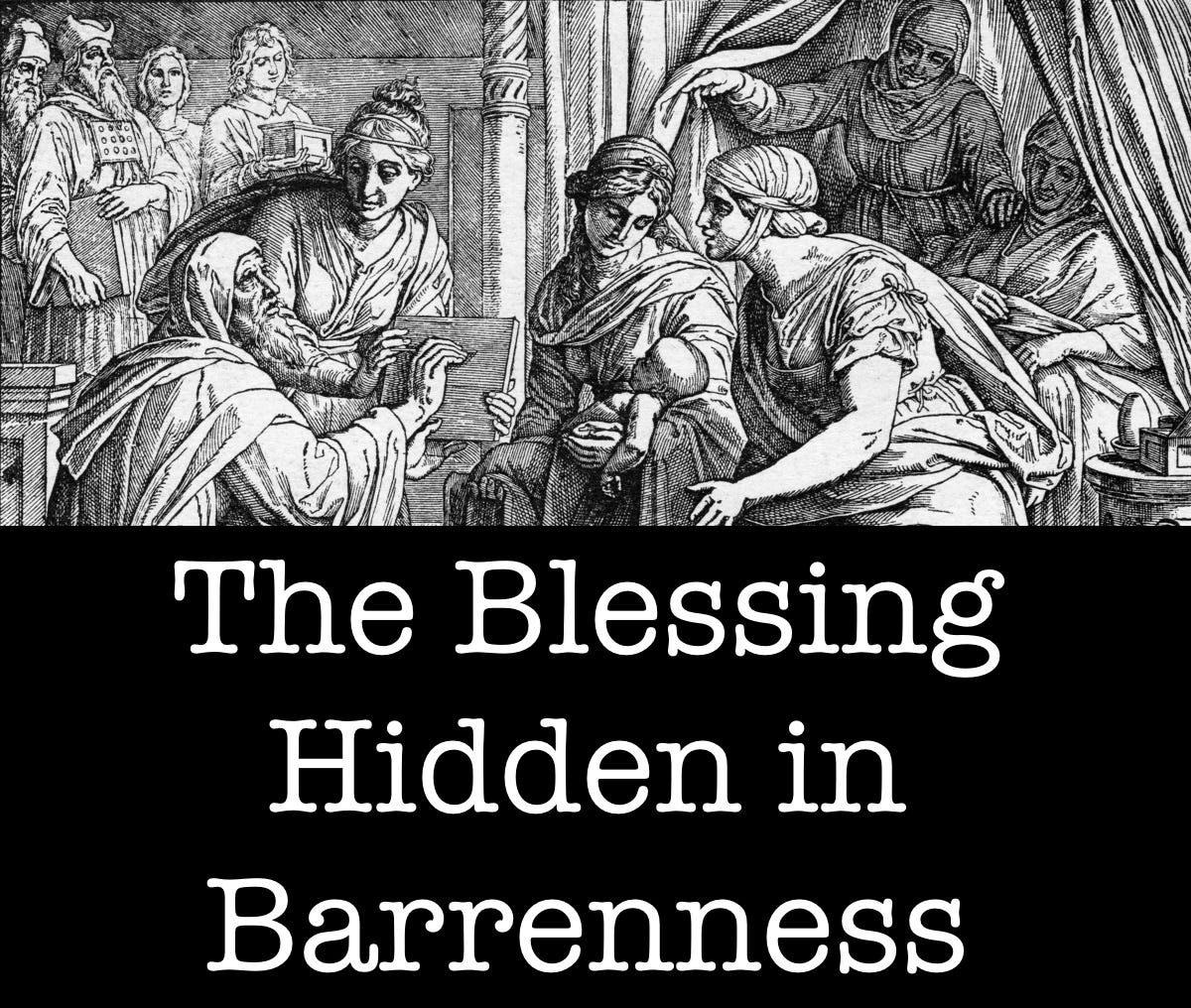
The Blessing Hidden in Barrenness: Lessons from the Conception of St. John the Baptist

This reflection, written for the feast of the Conception of St. John the Baptist (Luke 1:5-25), explores how the Church reads the story of St. Zacharias and St. Elizabeth as more than a miracle birth narrative. In the ancient world, barrenness carried deep social shame and was often mistaken for divine punishment—a slander the author insists was never true. Scripture repeatedly tells of God answering the desperate prayers of barren women: Sarah,…

This reflection, written for the feast of the Conception of St. John the Baptist (Luke 1:5-25), explores how the Church reads the story of St. Zacharias and St. Elizabeth as more than a miracle birth narrative. In the ancient world, barrenness carried deep social shame and was often mistaken for divine punishment—a slander the author insists was never true.

Scripture repeatedly tells of God answering the desperate prayers of barren women: Sarah, Joachim and Anna, and now Zacharias and Elizabeth, whose son would become the Forerunner of the Messiah. The author draws three lessons from the passage. First, Zacharias's enforced silence was not punishment but an invitation into healing through the medicine of silence, becoming a sign to his family and nation; too often we assume God is punishing us when He is actually inviting us into deeper healing, which is precisely the enemy's favorite lie.

Second, God works through the unexpected to rouse us from spiritual blindness and self-sufficiency, planting seeds of light in the middle of our struggles. Third, when we wake to God's presence—'everywhere present and filling all things'—we find His provision waiting where we least expected it. The feast shows that God's answer to one couple's private grief became the doorway through which the whole world was prepared to receive its Savior.

The post closes with a pastoral application: identify where your own life feels barren, pray, immerse yourself in the Church's rhythm of life, and trust that no tear is wasted and no trouble is without purpose. It ends with a short prayer to Christ, the Healer of barrenness in body and soul, and the exhortation that being Orthodox on purpose means refusing to accept barrenness as the final word.

  • The feast of the Conception of St. John the Baptist shows God answering decades of prayerful barrenness in Zacharias and Elizabeth
  • Barrenness was never divine punishment, despite ancient assumptions; it signals a need for healing
  • Zacharias's silence was an invitation to healing, not punishment—doubting God's goodness is the enemy's oldest trick
  • God works through the unexpected to wake us from spiritual blindness and self-reliance
  • Where your life feels barren, bring it to God in prayer; no tear is wasted and no struggle is without purpose
Holy Resurrection YouTube

True Prayer Makes One a Theologian: St. Nilus on the Heart's Temple

True Prayer Makes One a Theologian: St. Nilus on the Heart's Temple 4:27

The post shares excerpts from St. Nilus of Sinai's 'Ascetical Instructions' in the Philokalia (Vol. II, chapters 62–72 on prayer). The saint teaches that every temple is first built in the heart, and true prayer begins when the mind, inflamed with longing for God, detaches from sensory impressions and bodily passions. The Holy Spirit aids even the impure by dispersing distracting thoughts, while the Lord directly illuminates the mind — unlike…

The post shares excerpts from St. Nilus of Sinai's 'Ascetical Instructions' in the Philokalia (Vol. II, chapters 62–72 on prayer). The saint teaches that every temple is first built in the heart, and true prayer begins when the mind, inflamed with longing for God, detaches from sensory impressions and bodily passions. The Holy Spirit aids even the impure by dispersing distracting thoughts, while the Lord directly illuminates the mind — unlike other spirits that operate through the body.

St. Nilus warns against anger and resentment, which hinder prayer, and insists that one must approach the immaterial God without forming any mental image or shape. The enemy seeks to deceive by presenting false visions during prayer, suggesting God has form and leading to pride. Demons may also manipulate bodily humors to produce fantasies mistaken for divine light.

Vigilance, inner peace, and freedom from worldly cares are essential, for a mind enslaved to passions cannot attain spiritual prayer. The post also includes appeals for material support to build a parish church, framing a small monthly offering as a quiet work of grace.

Key moments

  1. 0:12 The mind inflamed with longing for God, detaching from flesh and sensory thoughts, filled with reverence and joy, draws near the threshold of prayer.
  2. 0:42 The Holy Spirit comes to the sincere mind even before purification, dispersing thoughts and disposing it toward spiritual prayer.
  3. 1:15 Other spirits influence the mind through the body, but the Lord directly illuminates the mind, imparting knowledge and subduing the body's lack of self-control.
  4. 1:47 Anger and resentment are incompatible with true prayer; one must do nothing contrary to prayer so God may walk with them.
  5. 1:47 During prayer, one must not ascribe any form or image to the divinity, but approach the immaterial God immaterially.
  6. 2:20 The enemy may present strange images during pure prayer to suggest God has form, leading to pride and deception.
  7. 2:51 Demons can manipulate bodily humors to produce alien fantasies, which the mind mistakes for divine light.
  8. 3:22 One must guard the mind from thoughts, maintain inner peace, and lay aside worldly cares, for a mind enslaved to passions cannot attain spiritual prayer.
Read more
Saint Wisdom Instagram

St. John Chrysostom on the Treasure of True Friendship

The post shares St. John Chrysostom's teaching on friendship. The saint declares that no treasure is comparable to a genuine friend, asserting that neither wealth nor possessions can equal such friendship. He then describes four characteristics of a true friend. First, a true friend rejoices when he sees you. Second, a true friend remembers you when you are absent. Third, a true friend prays for you as he prays for himself. Fourth, a true friend…

The post shares St. John Chrysostom's teaching on friendship. The saint declares that no treasure is comparable to a genuine friend, asserting that neither wealth nor possessions can equal such friendship. He then describes four characteristics of a true friend. First, a true friend rejoices when he sees you.

Second, a true friend remembers you when you are absent. Third, a true friend prays for you as he prays for himself. Fourth, a true friend would willingly suffer for your sake. The presentation offers these points as a list without further elaboration, scriptural citation, or historical context. The original title includes hashtags for love, orthodox, saints, bible, and Christianity, indicating the intended audience and theme.

The video summary condenses the saint's words into two sentences. The first sentence establishes friendship's supreme value over material goods. The second sentence enumerates the four marks of true friendship.

The post does not include discussion, comments, or additional voices. It presents the saint's teaching directly and briefly. The language of the post is English.

Key moments

  1. No treasure is comparable to a genuine friend.
  2. Neither wealth nor possessions can equal such friendship.
  3. A true friend rejoices when he sees you.
  4. A true friend remembers you when you are absent.
  5. A true friend prays for you as he prays for himself.
  6. A true friend would willingly suffer for your sake.
Read more
Hellenic College Holy Cross Instagram

Panegyri at Hellenic College Holy Cross Opens the Fall Semester

This post describes the celebration of the beginning of the Fall Semester at Hellenic College Holy Cross, the Greek Orthodox graduate school and seminary in Brookline, Massachusetts. In the days following the feast of the Holy Cross (September 14), the school community held a traditional Panegyri — a festive gathering with food, music, and fellowship — as a way to conclude the week's festivities marking the start of the academic year. The author…

This post describes the celebration of the beginning of the Fall Semester at Hellenic College Holy Cross, the Greek Orthodox graduate school and seminary in Brookline, Massachusetts. In the days following the feast of the Holy Cross (September 14), the school community held a traditional Panegyri — a festive gathering with food, music, and fellowship — as a way to conclude the week's festivities marking the start of the academic year.

The author notes that it was a particular joy to welcome guests from the neighboring St. John's Seminary, a Roman Catholic institution also located in the Boston area, underscoring the friendly ties between the two seminaries. The post closes with gratitude to the many volunteers who, together with the Student Government Association and the Campus Activities Board, made the celebration possible.

There are no comments in the thread, so the discussion is limited to the announcement itself. The post highlights the rhythm of Orthodox campus life, where the academic calendar is framed by the liturgical calendar — the semester begins under the sign of the Elevation of the Holy Cross — and where community-building through shared meals and hospitality is treated as an essential part of seminary formation alongside classroom learning.

It also offers a small window into student-led ministry: the event was organized by student bodies with volunteer help, reflecting a culture of service and cooperation within the school.

  • Hellenic College Holy Cross celebrated the start of the Fall Semester with a traditional Panegyri.
  • The celebration took place in the days following the feast of the Holy Cross, concluding the week's festivities.
  • Guests from the neighboring St. John's Seminary joined for food and fellowship.
  • The Student Government Association and Campus Activities Board organized the event with help from many volunteers.
  • The post emphasizes community, hospitality, and gratitude as part of seminary life.
Read more
Orthodox Sound YouTube

St. Seraphim Shows Motovilov the Grace of the Holy Spirit

St. Seraphim Shows Motovilov the Grace of the Holy Spirit 11:01

The post recounts the 1831 conversation between St. Seraphim of Sarov and Nikolai Motovilov in a snowy forest near Sarov Monastery. Motovilov asks how a person can know he is in the grace of the Holy Spirit. Seraphim replies that the difficulty lies in not seeking the divine knowledge that leads to God, which is filled with love and builds up for salvation. Seraphim then takes Motovilov by the shoulders, tells him to look, and after a silent…

The post recounts the 1831 conversation between St. Seraphim of Sarov and Nikolai Motovilov in a snowy forest near Sarov Monastery. Motovilov asks how a person can know he is in the grace of the Holy Spirit. Seraphim replies that the difficulty lies in not seeking the divine knowledge that leads to God, which is filled with love and builds up for salvation.

Seraphim then takes Motovilov by the shoulders, tells him to look, and after a silent prayer Motovilov sees the elder's face shining brighter than the sun with eyes flashing like lightning. Seraphim explains he prayed for Motovilov to see the descent of the Holy Spirit with bodily eyes, and the Lord answered immediately. Seraphim asks how Motovilov feels. Motovilov describes an indescribable peace, an extraordinary sweetness, an unspeakable joy, and a warmth like a bathhouse despite the winter cold.

Seraphim identifies each as a manifestation of the Holy Spirit: the peace Christ gives, the sweetness of God's delight, the joy no one can take away, and the divine warmth that clothed the ascetics. Seraphim says this joy is only a small foretaste of what God has prepared for those who love Him. He states the purpose of the Christian life is to acquire the grace of the Holy Spirit, and a heart filled with love becomes a dwelling place for God.

Seraphim tells Motovilov the experience was given so he would remember it and others would know God's mercy, for God hears the monk and the layman alike when they love Him from the heart.

Key moments

  1. 0:00 Motovilov asks Seraphim how a person can know he is in the grace of the Holy Spirit.
  2. 0:31 Seraphim says the difficulty is that we do not seek the divine knowledge that leads to God, which is filled with love and builds up for salvation.
  3. 1:01 Seraphim takes Motovilov by the shoulders, tells him to look, and Motovilov sees Seraphim's face brighter than the sun, eyes flashing like lightning.
  4. 1:33 Seraphim says he prayed for Motovilov to see the descent of the Holy Spirit with bodily eyes, and the Lord answered immediately.
  5. 2:35 Seraphim asks how Motovilov feels; Motovilov describes peace, sweetness, joy, and warmth, which Seraphim identifies as gifts of the Holy Spirit.
  6. 5:12 Seraphim says this joy is only a small foretaste of what God has prepared for those who love Him.
  7. 6:43 Seraphim states the purpose of Christian life is to acquire the grace of the Holy Spirit, and a heart filled with love becomes a dwelling place for God.
  8. 9:52 Seraphim tells Motovilov the experience was given so he would remember it and others would know God's mercy; the Christian life is about acquiring the Holy Spirit.
Read more