
The Blessing Hidden in Barrenness: Lessons from the Conception of St. John the Baptist
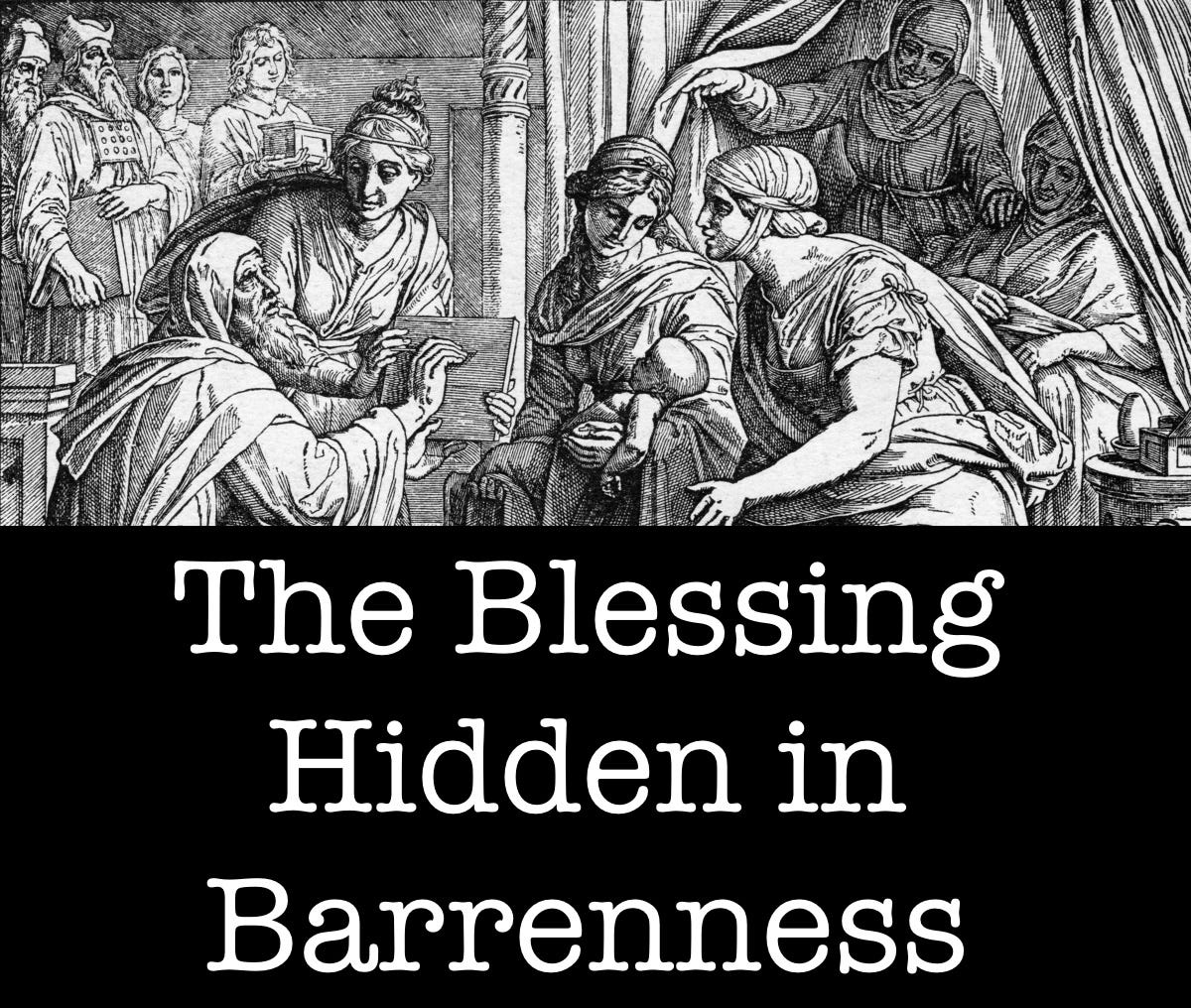
This reflection, written for the feast of the Conception of St. John the Baptist (Luke 1:5-25), explores how the Church reads the story of St. Zacharias and St. Elizabeth as more than a miracle birth narrative. In the ancient world, barrenness carried deep social shame and was often mistaken for divine punishment—a slander the author insists was never true.
Scripture repeatedly tells of God answering the desperate prayers of barren women: Sarah, Joachim and Anna, and now Zacharias and Elizabeth, whose son would become the Forerunner of the Messiah. The author draws three lessons from the passage. First, Zacharias's enforced silence was not punishment but an invitation into healing through the medicine of silence, becoming a sign to his family and nation; too often we assume God is punishing us when He is actually inviting us into deeper healing, which is precisely the enemy's favorite lie.
Second, God works through the unexpected to rouse us from spiritual blindness and self-sufficiency, planting seeds of light in the middle of our struggles. Third, when we wake to God's presence—'everywhere present and filling all things'—we find His provision waiting where we least expected it. The feast shows that God's answer to one couple's private grief became the doorway through which the whole world was prepared to receive its Savior.
The post closes with a pastoral application: identify where your own life feels barren, pray, immerse yourself in the Church's rhythm of life, and trust that no tear is wasted and no trouble is without purpose. It ends with a short prayer to Christ, the Healer of barrenness in body and soul, and the exhortation that being Orthodox on purpose means refusing to accept barrenness as the final word.
Main points
- The feast of the Conception of St. John the Baptist shows God answering decades of prayerful barrenness in Zacharias and Elizabeth
- Barrenness was never divine punishment, despite ancient assumptions; it signals a need for healing
- Zacharias's silence was an invitation to healing, not punishment—doubting God's goodness is the enemy's oldest trick
- God works through the unexpected to wake us from spiritual blindness and self-reliance
- Where your life feels barren, bring it to God in prayer; no tear is wasted and no struggle is without purpose