
The First Christian: Mary's Visit to Elizabeth and the Scriptural Case for Theotokos
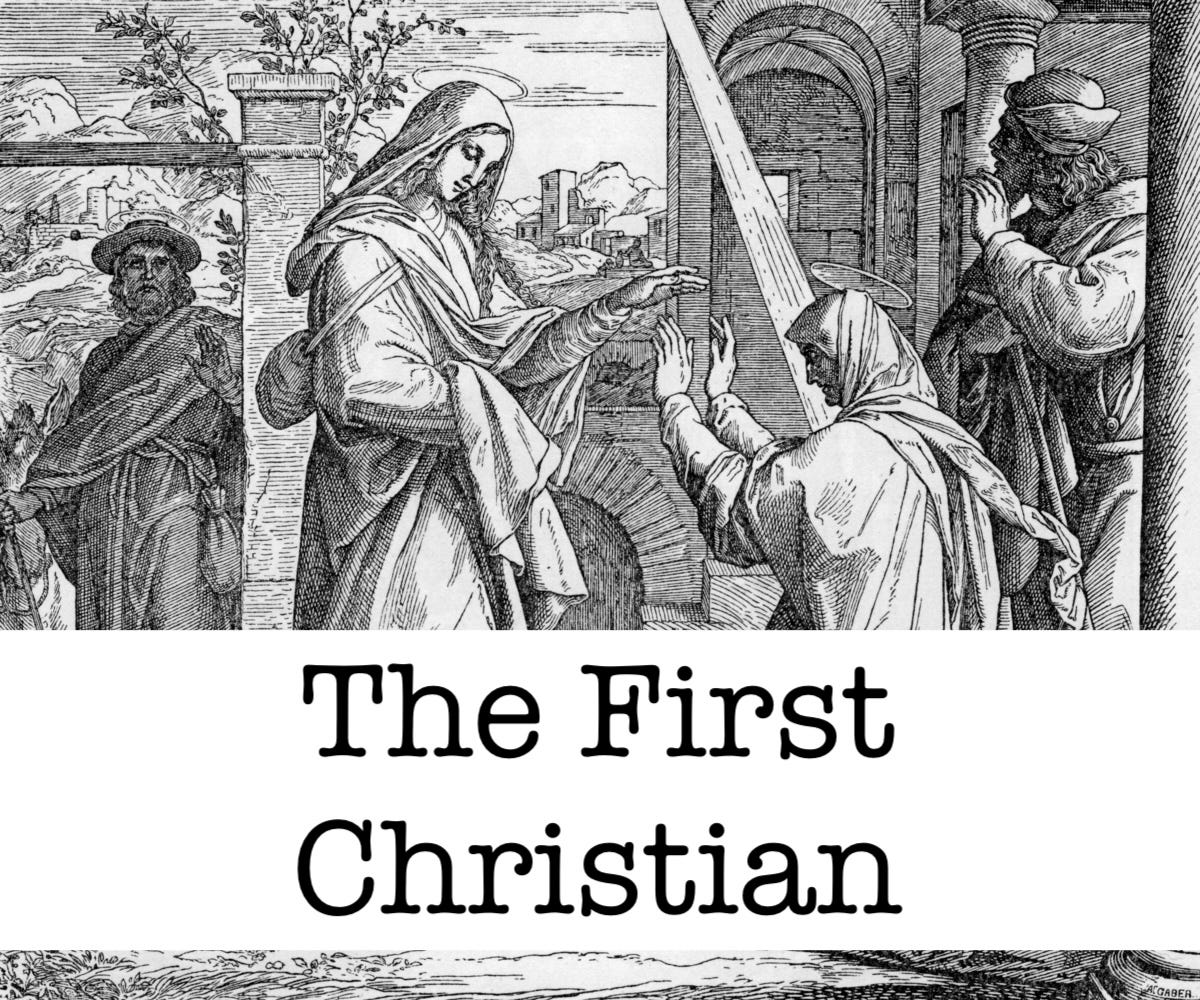
This reflection on Luke 1:39-49, 56 examines the Visitation, when the Theotokos visits her cousin St. Elizabeth shortly after the Annunciation. The author highlights the extraordinary moment of Mary's arrival: the infant John leaps in Elizabeth's womb, and Elizabeth, filled with the Holy Spirit, cries out, "Blessed are you among women, and blessed is the fruit of your womb!" and asks why "the mother of my Lord" should come to her.
The post argues that this greeting provides direct scriptural grounding for the Church's title Theotokos, Mother of God. For a devout first-century Jewish woman, calling someone "mother of my Lord" carried immense theological weight, and the title protects the truth of Christ's identity: from conception He was fully God and fully man, not merely a gifted human raised by Mary.
To get that identity wrong, the author warns, is to unravel the whole Gospel. The reflection then turns to Mary's own words, the Magnificat, and especially the prophecy "henceforth all generations will call me blessed," which the author presents as the scriptural foundation for the Church's veneration of the Theotokos since the beginning.
Mary is honored as the first Christian, the first human being to say a complete yes to God's invitation, carrying that yes in her body before anyone else. She models a life oriented toward bringing others to Christ not first through preaching, but through total surrender of her will: "let it be to me according to your word." The post also commemorates the miraculous icon of the Theotokos Myrtidiotissis, "of the Myrtle Tree," discovered on the island of Kythira and remembered for healing a paralyzed man.
This feast, the author says, shows God using ordinary created things to reveal His works, and reminds readers that every healing through her icons exists to draw people closer to Christ. The reflection closes with a call to action: each reader is invited to say their own yes to God and to become a living icon of Christ, reflecting His love and grace in ordinary daily life, since every human being was made for genuine glory and for the likeness of God.
Main points
- Elizabeth's Spirit-inspired greeting, "mother of my Lord," is presented as direct scriptural grounding for the title Theotokos, Mother of God.
- The title safeguards Christ's identity: from conception He was fully God and fully man, and error here unravels the Gospel.
- Mary's prophecy "all generations will call me blessed" grounds the Church's veneration of her as the first Christian, the first to say a complete yes to God.
- The post commemorates the miraculous icon of the Theotokos Myrtidiotissis of Kythira, remembered for healing a paralyzed man.
- Readers are challenged to say their own yes and become living icons of Christ in ordinary daily life.