WeOrthodox
EN UA

Orthodox posts, videos and discussions

We follow Orthodox channels, communities and blogs across the web, summarise every post and video, and highlight the conversations with real substance.

Monk Chariton (1960-1999): Kidnapped and Martyred in Kosovo
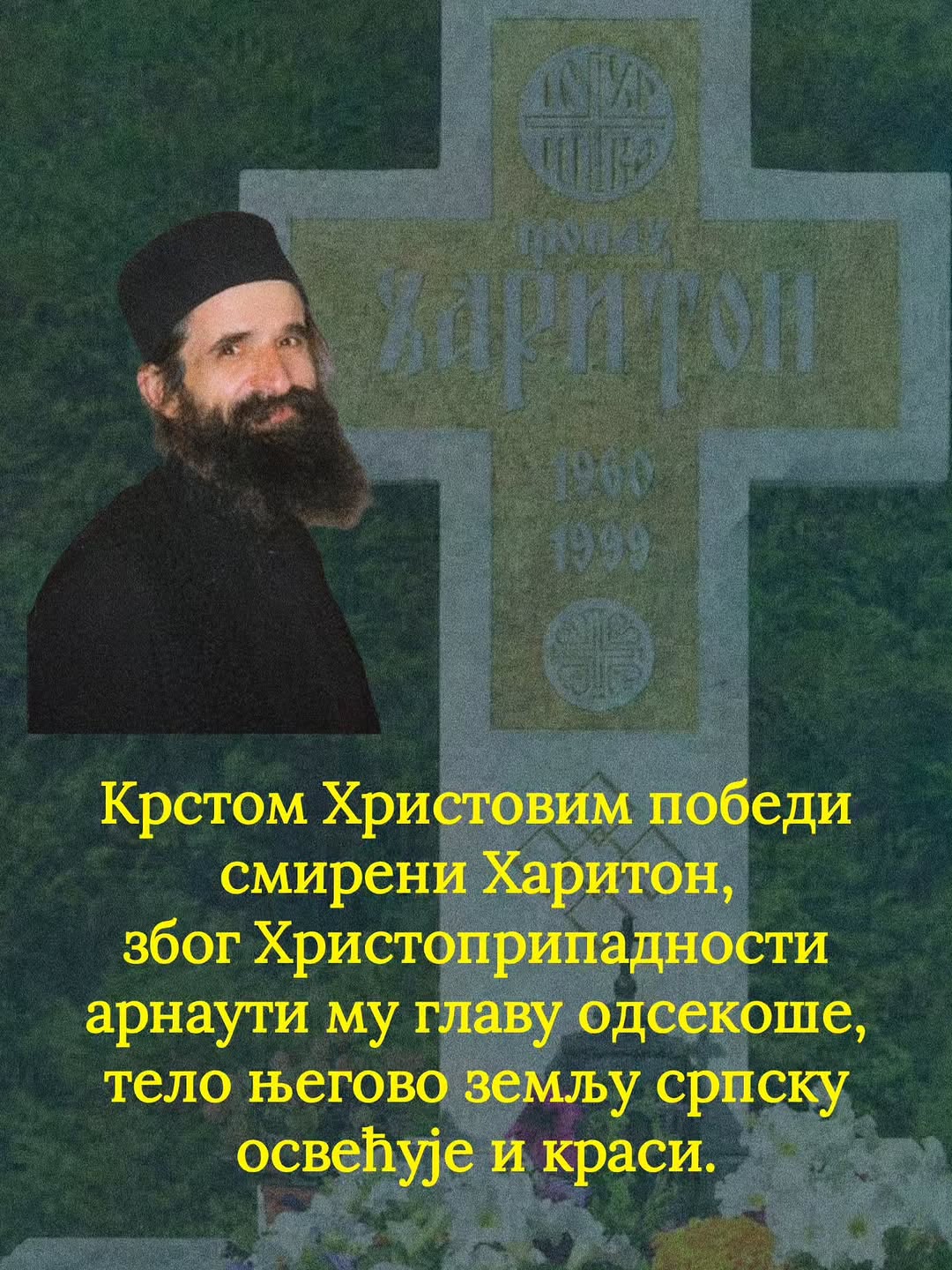
The post presents the biography of Monk Chariton, who was born as Radoslav Lukic in 1960. He was tonsured a monk under the name Chariton and served in the monasteries of Crna Reka and the Holy Archangels near Prizren. His devotion to the monastic life and his help to others were recognized throughout the community. During the turbulent period in Kosovo in 1999, he was kidnapped and suffered a martyr's death, leaving behind an example of…

The post presents the biography of Monk Chariton, who was born as Radoslav Lukic in 1960. He was tonsured a monk under the name Chariton and served in the monasteries of Crna Reka and the Holy Archangels near Prizren. His devotion to the monastic life and his help to others were recognized throughout the community.

During the turbulent period in Kosovo in 1999, he was kidnapped and suffered a martyr's death, leaving behind an example of unwavering faith and sacrifice. The post also includes a poetic text that begins with the lines: "Through the ages the same fate is unchangeable; whoever is born here must be tested. Over the covenant, by a firm word, indelible. Before ancestors, descendants, and all the beloved."

A refrain follows: "From the earth rises the scent of frankincense; heaven opens above Kosovo. To which kingdom do you now approach? To it you belong. Do you attach yourself to the passing or to the eternal?" The verses continue: "There is no one who has spent a long earthly life, adorned himself with shame, sold his soul.

But the one who has remained faithful to Christ with Christ has found eternal glory, joy, peace, and life." The poem reflects on the enduring destiny of those born in Kosovo and the choice between temporal and eternal allegiance. The post is written in Serbian using Cyrillic script and does not record any subsequent discussion.

  • Born Radoslav Lukic in 1960, tonsured as Monk Chariton.
  • Served in Crna Reka and Holy Archangels monasteries near Prizren.
  • Recognized for dedication to monastic life and helping others.
  • Kidnapped and martyred in 1999 during Kosovo conflict.
  • Post includes a poetic hymn about Kosovo, frankincense, heaven, and faithfulness to Christ bringing eternal glory, joy, peace, and life.
Read more

A Monk on Mount Athos Compares Church Life to a Child in the Womb

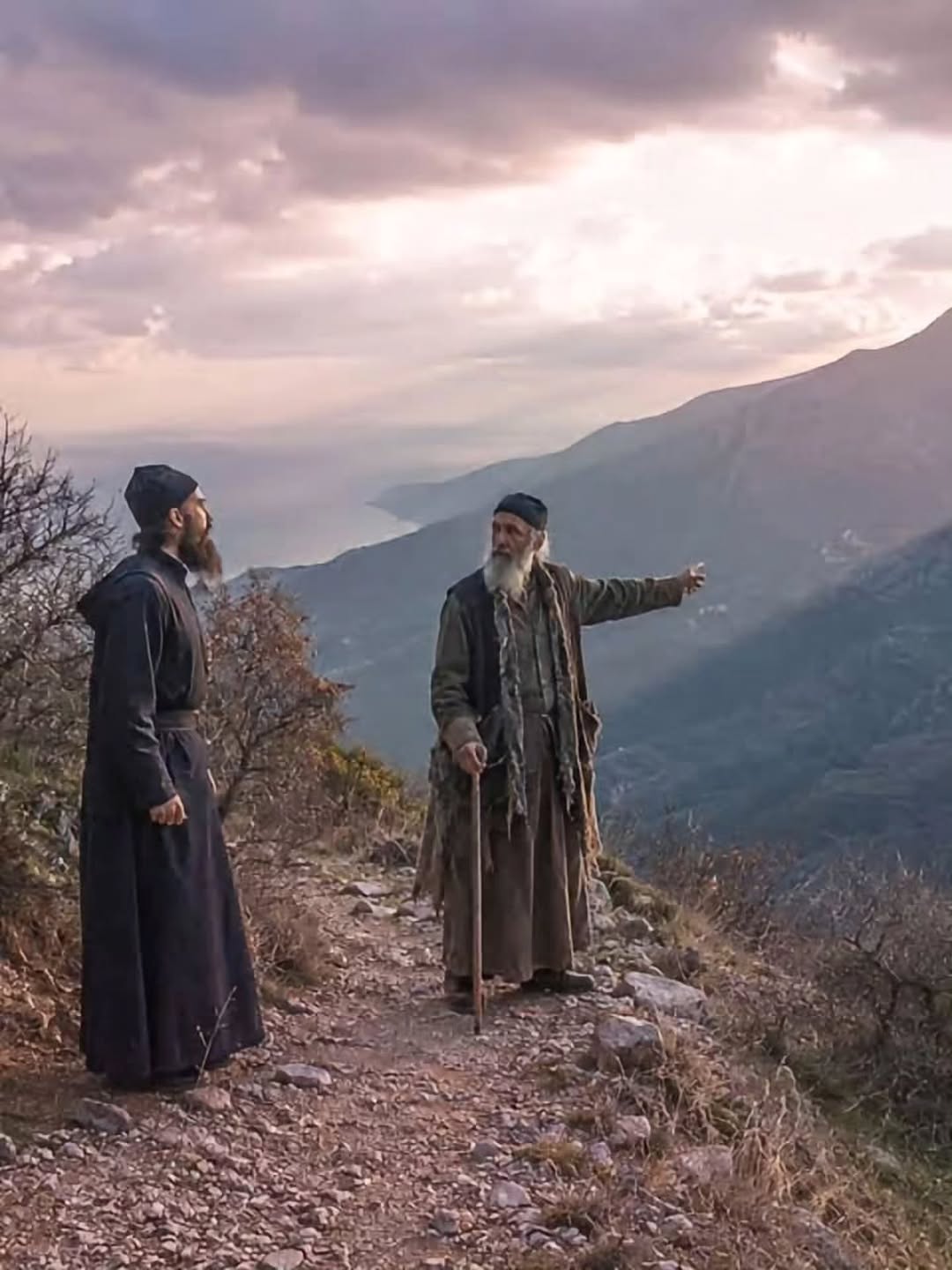
The post recounts a dialogue between a visitor and a monk on Mount Athos. When asked what monks do in church, the monk answers "Nothing." Pressed for an explanation, he likens the Christian life in the Church to a child in its mother's womb. The child does not act; it simply remains there, feeds, and grows until birth. In the same way, Christians abide in the Church, pray, and are nourished through the Holy Mysteries. By the grace of God they…

The post recounts a dialogue between a visitor and a monk on Mount Athos. When asked what monks do in church, the monk answers "Nothing." Pressed for an explanation, he likens the Christian life in the Church to a child in its mother's womb.

The child does not act; it simply remains there, feeds, and grows until birth. In the same way, Christians abide in the Church, pray, and are nourished through the Holy Mysteries. By the grace of God they grow and develop until the time comes to be born into eternal life.

The exchange presents the Orthodox understanding of spiritual life as primarily receptive and contemplative rather than activist. The metaphor emphasizes that transformation occurs through presence, prayer, and sacramental grace, not through human effort alone. Discussion around such a saying typically touches on the nature of theosis, the role of the sacraments, the distinction between spiritual passivity and quiet growth, and the eschatological orientation of monastic and parish life.

  • A monk on Mount Athos answers "Nothing" when asked what monks do in church.
  • He compares church life to a child in the womb that only feeds and grows.
  • Christians abide in church, pray, and are nourished through the Holy Mysteries.
  • Growth occurs by God's grace until birth into eternal life.
  • The metaphor illustrates the receptive, contemplative character of Orthodox spiritual life.
Read more
Orthodox Life Instagram

Sunday of the Seventh Ecumenical Council: Icons and the Incarnation

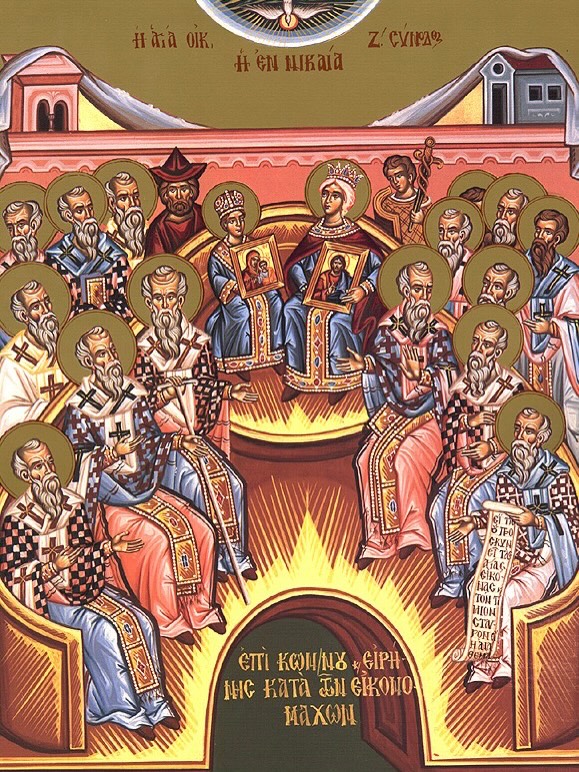
The post explains the commemoration of the Seventh Ecumenical Council, observed annually on October 11 or the nearest Sunday. The Sunday of the Holy Fathers of the Seventh Ecumenical Council is a major liturgical commemoration in the Orthodox Church. The historical council convened at Nicaea in 787 AD with 350 bishops and theologians gathered under Empress Irene and Patriarch Tarasius of Constantinople. They met to settle a century-long dispute…

The post explains the commemoration of the Seventh Ecumenical Council, observed annually on October 11 or the nearest Sunday. The Sunday of the Holy Fathers of the Seventh Ecumenical Council is a major liturgical commemoration in the Orthodox Church. The historical council convened at Nicaea in 787 AD with 350 bishops and theologians gathered under Empress Irene and Patriarch Tarasius of Constantinople.

They met to settle a century-long dispute over sacred images, the Iconoclast heresy that sought to destroy all icons. Guided by the theological writings of St. John of Damascus, the council decisively rejected iconoclasm. It affirmed that the material world is inherently good and that sacred art is a necessary component of Christian worship.

The foundational teaching rests on the Incarnation: because the invisible God truly became a visible man in Jesus Christ, He can be physically depicted. To deny the validity of holy icons is viewed as a denial that God took on real, tangible human flesh to redeem humanity. The council established a vital distinction between the honor given to icons and the worship due to God alone.

It decreed that icons receive veneration and relative honor, called proskynisis, but not absolute worship, called latreia, which belongs strictly to the divine nature. When a believer kisses or bows before an icon, the reverence passes directly to the prototype, the person depicted. During the Divine Liturgy for this Sunday, special hymns praise the Holy Fathers as earthly luminaries who guided the Church to the true faith.

The day traditionally features the scripture reading from the Gospel of Luke regarding the Parable of the Sower, encouraging the faithful to cultivate hearts of good soil to hold fast to the orthodox doctrines passed down through the centuries.

  • Commemorates 350 bishops at Second Council of Nicaea (787 AD)
  • Council rejected Iconoclast heresy under Empress Irene and Patriarch Tarasius
  • Affirmed icons based on Incarnation: God became visible in Christ
  • Defined veneration (proskynisis) distinct from worship (latreia)
  • Sunday liturgy includes hymns to the Fathers and Luke's Parable of the Sower
Read more
Prayer Orthodoxy ® Instagram discussion

What brought you closer to the Orthodox Church?

I am asking what drew you nearer to the Orthodox Church. Was it the Divine Liturgy, the saints, Holy Tradition, the sacraments, prayer, or something else? Please share your story in the comments.

Τι σας έφερε πιο κοντά στην Ορθόδοξη Εκκλησία; Ήταν η Θεία Λειτουργία, οι Άγιοι, η Ιερά Παράδοση, τα Μυστήρια, η προσευχή ή κάτι άλλο; Μοιραστείτε την ιστορία σας στα σχόλια.

5 opinions in the discussion The theology. Without Orthodoxy I couldn't understand how Jesus could be God when all through the bible he's clearly and explicitly calling on God, with some verses that really troubled me.… Read the discussion

Geronda Damaskinos Neoskiotis chants the Jesus Prayer with his synodia

The video shows Geronda Damaskinos Neoskiotis chanting the Greek prayer "Ὦ ἀγαθὲ καὶ φιλάνθρωπε Δέσποτα, οἰκτῖραι ἡμᾶς" (O good and philanthropic Master, have mercy on us) together with his synodia. The chant begins at the start of the recording and continues without variation for seven minutes and thirty seconds. The prayer repeats continuously from 0:00 through the end at 7:30. No other hymns, readings, or spoken words appear in the recording.…

The video shows Geronda Damaskinos Neoskiotis chanting the Greek prayer "Ὦ ἀγαθὲ καὶ φιλάνθρωπε Δέσποτα, οἰκτῖραι ἡμᾶς" (O good and philanthropic Master, have mercy on us) together with his synodia. The chant begins at the start of the recording and continues without variation for seven minutes and thirty seconds. The prayer repeats continuously from 0:00 through the end at 7:30. No other hymns, readings, or spoken words appear in the recording.

The original post title in Romanian reads "Duhul Sfânt pe toate le dăruiește" (The Holy Spirit bestows all things) and identifies the chanter as gheronda Damaschin Neoskitiotul with his synodia.

Key moments

  1. 0:00 The prayer "Ὦ ἀγαθὲ καὶ φιλάνθρωπε Δέσποτα, οἰκτῖραι ἡμᾶς" begins and repeats.
  2. 0:30 The same prayer continues without change.
  3. 1:30 Repetition of the prayer persists.
Read more
Holy Resurrection YouTube

St. Nikolaj Velimirović on Mercy as Initiative and Loving Enemies

St. Nikolaj Velimirović on Mercy as Initiative and Loving Enemies 7:22

The post presents an excerpt from St. Nikolaj Velimirović's homily for the 19th Sunday after Pentecost, based on Luke 6:31-36 (Pericope 26). The homily, from Homilies Volume 5 published by "Glas Crkve" in Valjevo in 1996 and later posted at Svetosavlje.org in 2006, teaches that mercy is not passive but takes initiative, rooted in God's mercy which first awakened mercy in humanity. Without divine mercy, the world would not even know the concept.…

The post presents an excerpt from St. Nikolaj Velimirović's homily for the 19th Sunday after Pentecost, based on Luke 6:31-36 (Pericope 26). The homily, from Homilies Volume 5 published by "Glas Crkve" in Valjevo in 1996 and later posted at Svetosavlje.org in 2006, teaches that mercy is not passive but takes initiative, rooted in God's mercy which first awakened mercy in humanity.

Without divine mercy, the world would not even know the concept. Velimirović distinguishes mercy from pity, forgiveness, and earthly justice: pity may pass by, forgiveness covers only the first half of the response, while justice alone would condemn all. Mercy brings new life. The Gospel places the command to love enemies at its most prominent position, expressed in the Golden Rule.

The saint urges that enmity must be uprooted from one's own heart first, because being no one's enemy matters more for salvation than having no enemies. If individuals, nations, and states practiced this command universally, malice, hatred, and wars would cease, and there is no other remedy. The homily emphasizes that remembering God's daily mercy toward us would make us merciful toward one another, while the belief that no one shows mercy renders a person merciless.

God's mercy moves first; people become merciless when they wait for others to act. Mercy is described as a stroke that kindles a spark, where both giver and receiver sense God between them, fulfilling the beatitude that the merciful shall obtain mercy.

Key moments

  1. 0:03 If people remembered God's mercy toward them every day, they would be merciful toward one another; the belief that no one shows mercy makes a person merciless.
  2. 0:33 God's mercy is more important than the mercy of men; people become merciless while waiting for others to show mercy first, but mercy takes the initiative.
  3. 1:05 God's mercy awakened mercy in men; without God's mercy the world would not even have known the word mercy.
  4. 1:36 Mercy is a stroke that kindles a spark; both giver and receiver feel God between them, fulfilling 'Blessed are the merciful, for they shall obtain mercy.'
  5. 2:07 Mercy is greater than pity (which may pass by), greater than forgiving offenses (forgiveness is the first half, mercy the second), and greater than earthly justice (without mercy all would perish).
  6. 3:08 Today's gospel speaks of the highest mercy: love for enemies as a commandment, not advice, raised to the most prominent place in the gospel.
  7. 4:13 If you do not want enemies, do not be an enemy; uproot enmity from your own heart first, and the fewer enemies you will count.
  8. 5:47 Christ's command to do to others as you would have them do to you applies to individuals, nations, and states; if universally adopted, malice, hatred, and wars would cease.

Athonite Guard attends Liturgy at Saint George Monastery with Bishop Iakovos

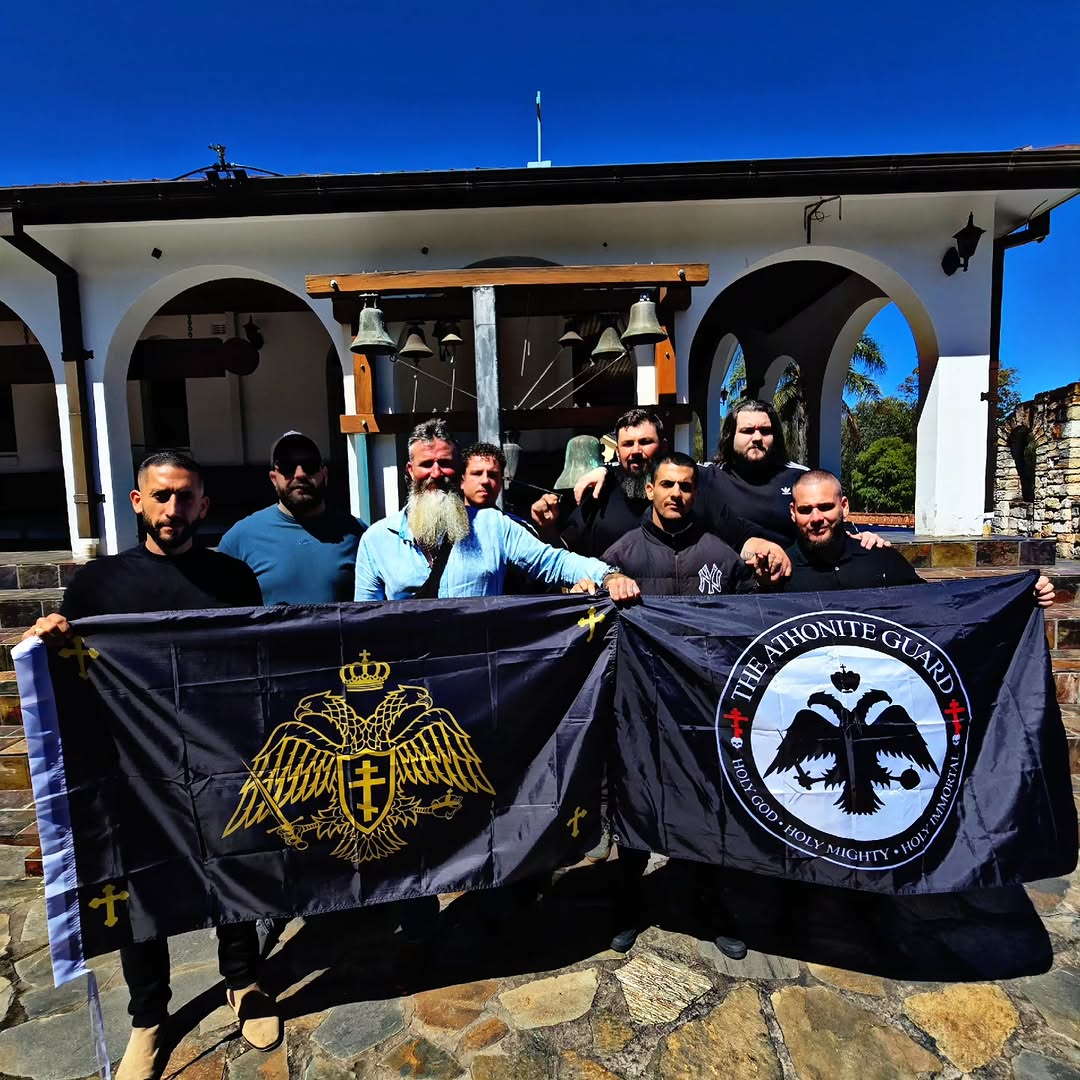
The Athonite Guard attended Divine Liturgy at Saint George Monastery in Yellow Rock this morning. His Grace Bishop Iakovos celebrated the service. The post expresses gratitude for the blessing of being present and asks for the Theotokos's protection and Christ's strength. A video accompanying the post presents a sequence of Orthodox Christian hymns to the Theotokos chanted in Greek. The opening prayer asks: "Open my mouth and fill it with…

The Athonite Guard attended Divine Liturgy at Saint George Monastery in Yellow Rock this morning. His Grace Bishop Iakovos celebrated the service. The post expresses gratitude for the blessing of being present and asks for the Theotokos's protection and Christ's strength.

A video accompanying the post presents a sequence of Orthodox Christian hymns to the Theotokos chanted in Greek. The opening prayer asks: "Open my mouth and fill it with spirit, and I will hymn the Queen Mother and appear as a celebrant, and unconfusedly her wonders." The refrain "Most Holy Theotokos, save us" recurs throughout.

The hymns address her with scriptural and liturgical titles: Christ's living book sealed in the Spirit; the great archangel cries "Rejoice, vessel of joy"; the curse of the first mother is loosed; "Rejoice, restoration of Adam, virgin bride; rejoice, heir of Adam; rejoice, throne of the King of all, the Almighty." A doxology to the Trinity follows: "Glory to Father and Son and Holy Spirit."

Then titles continue: "Unfading rose, rejoice, only one that blossomed; my fragrant apple, rejoice, you who budded; seal of the King of all, rejoice, unwedded, salvation of the world. Now and ever and unto ages of ages amen. Rejoice, purity of the breeze; through the fall we rose, rejoice, the breath; Lady lily, gladden the faithful; incense of precious fragrance."

A petition asks: "The hymns of the Theotokos, as an abundant divine source, having composed them, strengthen me spiritually. And in your divine glory, make me worthy of crowns of glory." This petition repeats twice. The final refrain returns to "Most Holy Theotokos, save us" with closing titles: "Ear of corn that sprouted God, as heaven blamelessly; rejoice living table, providing bread of life."

Key moments

  1. 0:00 Opening prayer: "Open my mouth and fill it with spirit, and I will hymn the Queen Mother and appear as a celebrant, and unconfusedly her wonders."
  2. 0:48 First refrain: "Most Holy Theotokos, save us." Titles follow: Christ's living book sealed in the Spirit; the great archangel cries "Rejoice, vessel of joy"; the curse of the first mother is loosed; "Rejoice, restoration of Adam, virgin bride; rejoice, heir of Adam; rejoice, throne of the King of all, the Almighty."
  3. 1:36 Doxology: "Glory to Father and Son and Holy Spirit." Then: "Unfading rose, rejoice, only one that blossomed; my fragrant apple, rejoice, you who budded; seal of the King of all, rejoice, unwedded, salvation of the world. Now and ever and unto ages of ages amen. Rejoice, purity of the breeze; through the fall we rose, rejoice, the breath; Lady lily, gladden the faithful; incense of precious fragrance."
  4. 2:24 Petition: "The hymns of the Theotokos, as an abundant divine source, having composed them, strengthen me spiritually. And in your divine glory, make me worthy of crowns of glory." Repeated twice.
  5. 3:12 Final refrain: "Most Holy Theotokos, save us." Closing titles: "Ear of corn that sprouted God, as heaven blamelessly; rejoice living table, providing bread of life."
Read more
Orthodox Life Instagram

Saints Zenais and Philonella: first Holy Unmercenary Physicians

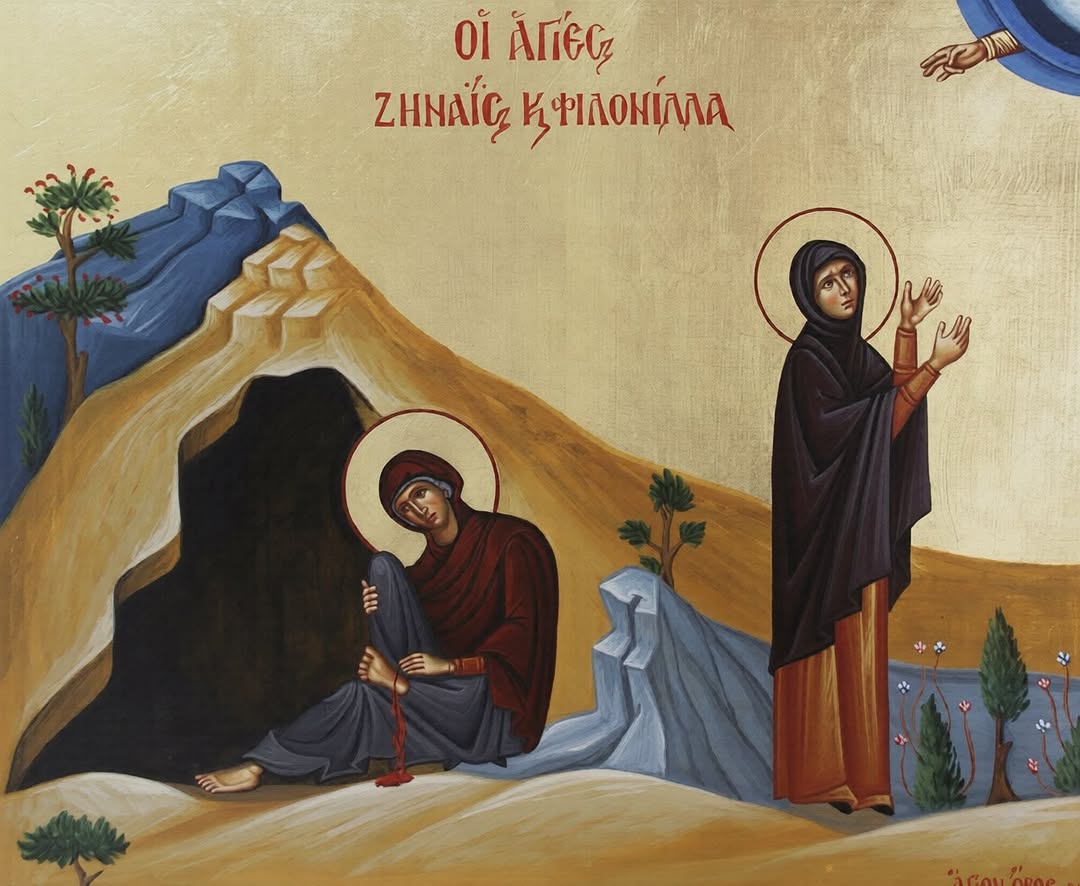
The post commemorates Saints Zenais and Philonella on October 11. They were first-century Christian sisters from Tarsus, recognized as the first Christian physicians after Luke the Evangelist. They are also known as Zenaida and Philonilla. Born into a well-educated Jewish family, they were reportedly cousins of Paul the Apostle and were baptized by their brother Jason, the Bishop of Tarsus. The sisters studied medicine and philosophy at the…

The post commemorates Saints Zenais and Philonella on October 11. They were first-century Christian sisters from Tarsus, recognized as the first Christian physicians after Luke the Evangelist. They are also known as Zenaida and Philonilla. Born into a well-educated Jewish family, they were reportedly cousins of Paul the Apostle and were baptized by their brother Jason, the Bishop of Tarsus.

The sisters studied medicine and philosophy at the philosophical academy in Tarsus, defying patriarchal norms of an era when those fields were dominated by men. Driven by faith, they relocated to the mountains around Pelion near Demetriada in Thessaly, a region known for mineral healing springs. Local pagan physicians exploited the wealthy with high fees and magical charms.

In opposition, Zenais and Philonella moved into a cave with a natural spring and established a chapel, living quarters, and a free clinic. They refused payment, becoming the first to hold the title Holy Unmercenary Physicians. They combined physical healthcare with spiritual treatment, using scientific methods while teaching that true healing comes through Christ.

The sisters divided work according to their strengths. Philonella dedicated herself to experimental medicine, using systematic approaches that mirror modern medical science to separate effective healthcare from pagan superstition. Zenais focused on pediatrics and early psychiatric medicine, pioneering recognition and treatment of mental illnesses such as clinical depression.

She also became a respected spiritual guide, attracting men and women to her counsel, which inspired her male disciples to build a nearby monastery.

  • First-century sisters from Tarsus, cousins of Paul the Apostle, baptized by their brother Jason, Bishop of Tarsus.
  • Studied medicine and philosophy at the Tarsus academy, defying male-dominated norms.
  • Moved to mountains near Demetriada, established a free clinic in a cave with a spring, refused payment, becoming the first Holy Unmercenary Physicians.
  • Philonella practiced experimental medicine with systematic methods; Zenais pioneered pediatrics and early psychiatric care including clinical depression.
  • Zenais served as a spiritual guide, attracting disciples who built a nearby monastery.
Read more
Prayer Orthodoxy ® with ICXC☦︎NIKA Instagram

Divine Liturgy at Saint George Monastery, Yellow Rock

The author reflects on attending Divine Liturgy at Saint George Monastery in Yellow Rock. The post opens with the statement that without the Church there is no brotherhood. The author describes the liturgy as a blessing shared alongside brothers in Christ.

The text concludes with a prayer to the Panagia for protection beneath her holy veil and the doxology "Glory to God for all things." The post includes religious emojis but contains no extended discussion or thread.

  • The author attended Divine Liturgy at Saint George Monastery, Yellow Rock
  • The post states that without the Church there is no brotherhood
  • Worshipping alongside brothers in Christ is described as a blessing
  • The Panagia is invoked for protection beneath her holy veil
  • The post ends with "Glory to God for all things"
Read more

Coldest Sayings from the Orthodox Nous challenges modern Christianity

The post introduces a collection titled "The Coldest Sayings from the Orthodox Nous" featuring words from Orthodox fathers, saints, and elders. These sayings challenge modern Christianity, expose theological contradictions, and call believers back to the faith once delivered to the saints. The text makes three assertions: not every truth is comfortable, not every popular teaching is apostolic, and not every claim to follow Scripture represents a…

The post introduces a collection titled "The Coldest Sayings from the Orthodox Nous" featuring words from Orthodox fathers, saints, and elders. These sayings challenge modern Christianity, expose theological contradictions, and call believers back to the faith once delivered to the saints. The text makes three assertions: not every truth is comfortable, not every popular teaching is apostolic, and not every claim to follow Scripture represents a continuation of the early Church's faith.

The post poses a central question: whether what we believe has been received, preserved, and lived within the Holy Tradition of the One, Holy, Catholic, and Apostolic Church. A supporting quote states: "The Church is not a museum of dead doctrines, but the living Body of Christ." The post identifies its themes as Holy Tradition, Apostolic Faith, and the Orthodox Mind.

  • Collection of sayings from Orthodox fathers, saints, and elders
  • Sayings challenge modern Christianity and expose theological contradictions
  • Not every popular teaching is apostolic or continues early Church faith
  • Central question: whether beliefs are received and lived within Holy Tradition
  • Quote: "The Church is not a museum of dead doctrines, but the living Body of Christ"
Read more
Orthodox Sound YouTube

St. Tikhon of Zadonsk on the Struggle Between Flesh and Spirit

St. Tikhon of Zadonsk on the Struggle Between Flesh and Spirit 19:32

The post presents St. Tikhon of Zadonsk's teaching from Journey to Heaven on the inner conflict between flesh and spirit. It draws on patristic sources including St. Hesychios the Priest, St. Maximos the Confessor, St. John of Kronstadt, St. Mark the Ascetic, St. John Cassian, St. Paisios of Mount Athos, St. Isaac the Syrian, St. Diadochos of Photiki, St. Ignatius Brianchaninov, and St. Ephraim the Syrian. Scripture references include John 3:6,…

The post presents St. Tikhon of Zadonsk's teaching from Journey to Heaven on the inner conflict between flesh and spirit. It draws on patristic sources including St. Hesychios the Priest, St. Maximos the Confessor, St. John of Kronstadt, St. Mark the Ascetic, St. John Cassian, St. Paisios of Mount Athos, St. Isaac the Syrian, St. Diadochos of Photiki, St. Ignatius Brianchaninov, and St. Ephraim the Syrian.

Scripture references include John 3:6, Matthew 26:41, Galatians 5:17, Mark 7:20-23, John 15:5, Luke 9:23, and Romans 6:4. St. Tikhon exposes the contradiction of confessing Christ while refusing obedience and surrendering to passions such as pride, resentment, greed, and pleasure. The teaching distinguishes two births: the flesh seeks comfort, the spirit seeks God's will.

Christ's warning to watch and pray is cited, noting good intentions are insufficient without watchfulness and God's strength. St. Maximos teaches Christ assumed human nature to heal it, not destroy it; the body is not to be despised but restored through union with Christ. Outward restraint alone fails if the heart nourishes sinful thoughts.

Elder Paisios emphasizes Christ helps those who struggle, but passive waiting for grace while feeding passions is wrong; participation comes through repentance, prayer, and practical effort. The measure of Christian life is engagement in the struggle, not perfection; when falling, one confesses, seeks mercy, and returns to the fight.

Key moments

  1. The Christian life is a continuous battle within the heart where the desires of the flesh contend against the spirit; old inclinations do not disappear at conversion but must be resisted and healed by grace.
  2. St. Tikhon of Zadonsk exposes the contradiction of confessing Christ while refusing to obey him, knowing the commandments yet surrendering to passions such as pride, resentment, greed, and pleasure.
  3. There are two births: the flesh seeks its own comfort, the spirit seeks God's will; the new birth calls us to seek God's will and turn from sin.
  4. Christ warns "Watch and pray that ye enter not into temptation; the spirit indeed is willing, but the flesh is weak", good intentions alone are insufficient without watchfulness and God's strength.
  5. St. Maximos the Confessor teaches that Christ assumed human nature to make it a means of healing, not destruction; the body is not to be despised but our fallen way of life restored through union with Christ.
  6. Outward restraint is insufficient if the heart still nourishes sinful thoughts, rehearsing grievances, feeding impure imagination, enjoying superiority in almsgiving, for Christ teaches that evil thoughts from within defile the person.
  7. Elder Paisios emphasizes that Christ helps those who struggle, but we must not wait passively for grace while feeding the passions; we take part through repentance, prayer, and practical effort.
  8. The measure of the Christian life is not perfection but engagement in the struggle against sin, continually turning toward Christ; when we fall we neither defend sin nor despair but confess, seek mercy, and return to the fight.
Hellenic College Holy Cross with Orthodox Observer Instagram

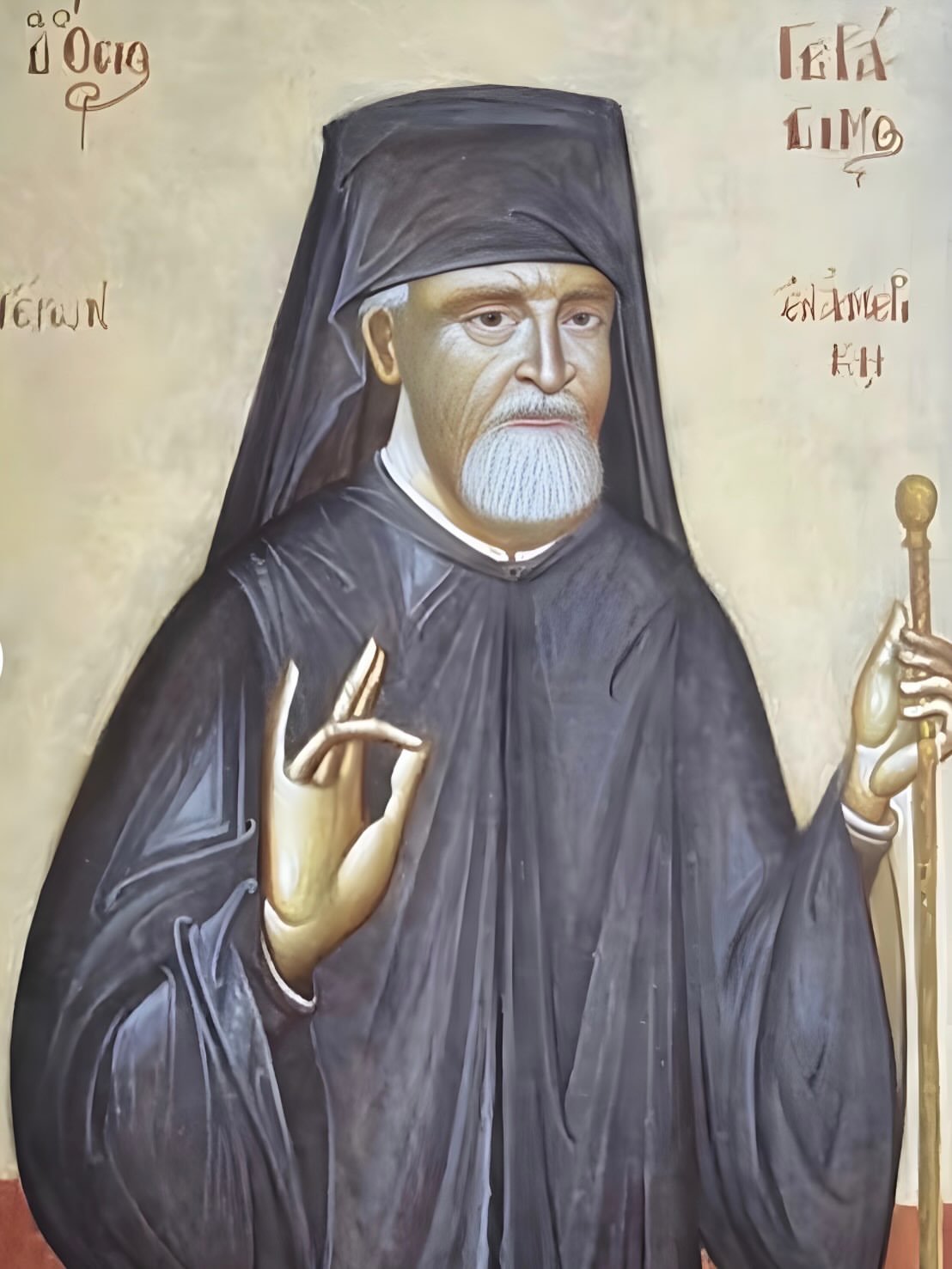
Relics of Bishop Gerasimos translated to Holy Cross Chapel

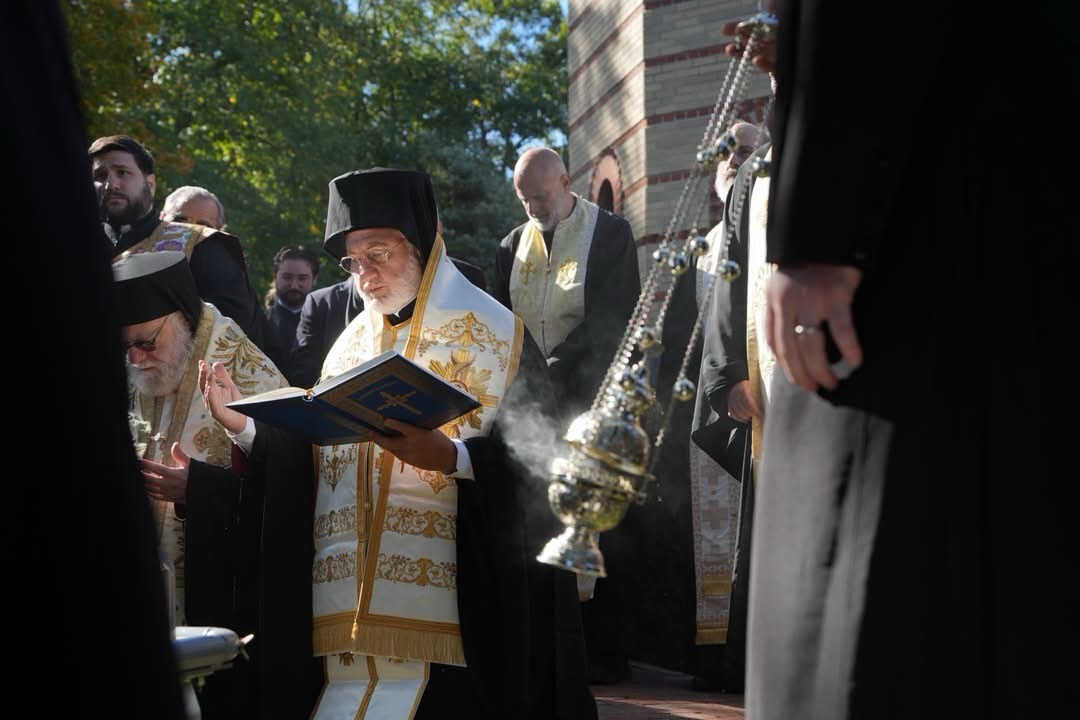
Hundreds of faithful and the full student body of Hellenic College Holy Cross Greek Orthodox School of Theology gathered for the translation of the sacred relics of Venerable Father Gerasimos, Bishop of Abydos. The hierarch reposed on June 12, 1995, the Feast of the Holy Spirit, more than three decades ago. His relics were brought from their burial place into Holy Cross Chapel for public veneration for the first time. Archbishop Elpidophoros of…

Hundreds of faithful and the full student body of Hellenic College Holy Cross Greek Orthodox School of Theology gathered for the translation of the sacred relics of Venerable Father Gerasimos, Bishop of Abydos. The hierarch reposed on June 12, 1995, the Feast of the Holy Spirit, more than three decades ago. His relics were brought from their burial place into Holy Cross Chapel for public veneration for the first time.

Archbishop Elpidophoros of America presided, joined by Metropolitan Savas of Pittsburgh. The occasion marks a local recognition of the bishop's holiness and spiritual legacy as a teacher and spiritual father. The announcement clarifies that this recognition does not constitute a formal canonization or universal proclamation of sainthood, which remains the prerogative of the Holy and Sacred Synod of the Ecumenical Patriarchate. Photos were provided by Orthodox Observer.

  • Relics of Bishop Gerasimos translated to Holy Cross Chapel after 30 years
  • Archbishop Elpidophoros presided with Metropolitan Savas
  • Hundreds of faithful and full student body attended
  • Local recognition of holiness, not formal canonization
  • Canonization remains prerogative of Ecumenical Patriarchate's Holy Synod
Read more
T timotheos.orthodoxy Instagram discussion

Catechumen introduces Orthodox journey, fitness, business background

0:44

The post is a concise self-introduction published by Tim, who identifies himself as a catechumen of the Greek Orthodox Church. He writes that he is sharing his learnings and obstacles as he progresses toward full communion in the Orthodox Church. The opening phrase "Spiritual Warfare Ps:" serves as a topical marker, suggesting that the phenomenon of spiritual warfare, understood in Orthodox theology as the struggle against demonic temptation and…

The post is a concise self-introduction published by Tim, who identifies himself as a catechumen of the Greek Orthodox Church. He writes that he is sharing his learnings and obstacles as he progresses toward full communion in the Orthodox Church. The opening phrase "Spiritual Warfare Ps:" serves as a topical marker, suggesting that the phenomenon of spiritual warfare, understood in Orthodox theology as the struggle against demonic temptation and passions, may be a recurring subject in his posts.

This topical marker corresponds to the context described in the accompanying metadata, which indicates that a user had submitted a question about whether spiritual warfare intensifies as one draws nearer to the Orthodox Church, although no video transcript or detailed response was provided. In addition to his religious journey, Tim notes that he has been involved in fitness for almost twenty years, with some of that experience at a competitive level.

He also states that he has built a successful business. He frames these three areas, Orthodox Christian formation, physical training, and entrepreneurship, as a combined project for mutual growth and explicitly asks readers to follow his account so that they can grow together across these domains. The post does not elaborate on the specific obstacles he encounters in the catechumenate, the nature of his competitive fitness background, or the details of his business venture.

It ends with a brief liturgical closing: "Thank you All praise to the Lord Amen." No discussion threads, replies, or additional explanatory content are present in the supplied text. The post functions primarily as an invitation to an audience interested in the intersection of Orthodox spirituality, long-term fitness discipline, and business ownership.

  • Tim is a catechumen in the Greek Orthodox Church sharing his journey and obstacles
  • He has nearly 20 years of fitness experience, including competitive involvement
  • He has built a successful business
  • The post references "Spiritual Warfare" as a likely thematic focus
  • He invites followers to his account for combined growth in Orthodoxy, fitness, and business
8 opinions in the discussion Car problems. More stress at work. Marriage issues resurfacing. Health getting worse. But my wife and I will be baptized into Holy Orthodoxy together, hand in hand. Read the discussion
T timotheos.orthodoxy Instagram

Catechumen Describes Shift from Solo Bible Reading to Desert Fathers' Wisdom

1:27

Tim, a catechumen in the Greek Orthodox Church, introduces himself and describes his religious background. Before Orthodoxy, he was involved in Protestant charismatic Christianity. He read the Bible and interpreted everything by himself. His first Christian touch points came through Philip Anthony Mitchell on YouTube. He describes that experience as emotionally inflated, leaving many questions because everything was personal and emotional with…

Tim, a catechumen in the Greek Orthodox Church, introduces himself and describes his religious background. Before Orthodoxy, he was involved in Protestant charismatic Christianity. He read the Bible and interpreted everything by himself. His first Christian touch points came through Philip Anthony Mitchell on YouTube.

He describes that experience as emotionally inflated, leaving many questions because everything was personal and emotional with no direction, system, or real understanding. Since becoming a catechumen and walking the path in Orthodoxy, he started reading monastic wisdom: books from the desert fathers and stories of the saints. These are people who dedicated their entire life to Christ and lived in asceticism, repentance, prayer, and fasting in the desert.

He says we can learn from them. To not use this wisdom and be so ignorant as to say, "I can do everything by myself. I interpret it. I'm same level," makes no sense anymore. The speaker is happy to have found Orthodoxy. He also mentions his background in fitness, spanning almost two decades with some competitive experience, and that he built his own successful business. He invites followers to grow together.

Key moments

  1. Before becoming an Orthodox catechumen, the speaker read the Bible and interpreted everything by themselves.
  2. They were in the Protestant charismatic direction, watching Philip Anthony Mitchell on YouTube as their first Christian touch points.
  3. That experience was emotionally inflated, leaving many questions because everything was personal and emotional with no direction, system, or real understanding.
  4. Since becoming a catechumen and walking the path in Orthodoxy, they started reading monastic wisdom: books from the desert fathers and stories of the saints.
  5. These are people who dedicated their entire life to Christ and lived in asceticism, repentance, prayer, fasting, in the desert.
  6. We can learn from them.
  7. To not use this wisdom and be so ignorant as to say, "I can do everything by myself. I interpret it. I'm same level," makes no sense anymore.
  8. The speaker is happy to have found Orthodoxy.
T timotheos.orthodoxy Instagram

A catechumen's shock at the gap between cultural Protestantism and Orthodoxy

1:03

Tim, a catechumen of the Greek Orthodox Church, writes that he grew up in a culturally Protestant area where most people do not practice Christianity. His ideas about the faith came from movies, school, parents, and others with fixed mindsets. As he studies Orthodox belief, he is shocked by the gap between his former assumptions and the reality of Orthodoxy. The deeper he looks, the more he sees the difference between what he thought…

Tim, a catechumen of the Greek Orthodox Church, writes that he grew up in a culturally Protestant area where most people do not practice Christianity. His ideas about the faith came from movies, school, parents, and others with fixed mindsets. As he studies Orthodox belief, he is shocked by the gap between his former assumptions and the reality of Orthodoxy.

The deeper he looks, the more he sees the difference between what he thought Christianity and Orthodoxy are and what they really are. He says he is falling in love with Orthodoxy as he learns and understands more. He thinks many more people would feel the same if they truly understood what Christianity, church, and Orthodoxy are really about.

In the same post, Tim notes that he has been involved in fitness for almost two decades, some of it competitive, and that he has built his own successful business. He invites readers to follow his account for content on Orthodoxy, fitness, and business.

Key moments

  1. The speaker grew up in a nominally Protestant area where most people are not practicing Christians.
  2. Their perception of Christianity was shaped by movies, school, parents, and others with fixed mindsets.
  3. The deeper they look into Orthodox belief, the more shocked they are at the difference between what they thought Christianity and Orthodoxy are and what they really are.
  4. They are falling in love with Orthodoxy as they learn and understand more.
  5. They think many more people would feel the same if they truly understood what Christianity, church, and Orthodoxy are really about.
Read more
Mount Athos Legacy Facebook

Elder Joseph's prayer to Christ as Savior, Light, Truth, and Love

The post presents a prayer attributed to Elder Joseph addressed to Jesus Christ. The prayer opens by naming Christ as Lord, God, Bridegroom of the soul, and Redeemer. The author declares love for Christ because he is the Savior who wills, knows, can, and saves from every danger of body and soul, from the sinful self, from the hateful devil, from evil people, and from eternal death that comes from persistent sin. The prayer continues by naming…

The post presents a prayer attributed to Elder Joseph addressed to Jesus Christ. The prayer opens by naming Christ as Lord, God, Bridegroom of the soul, and Redeemer. The author declares love for Christ because he is the Savior who wills, knows, can, and saves from every danger of body and soul, from the sinful self, from the hateful devil, from evil people, and from eternal death that comes from persistent sin.

The prayer continues by naming Christ as the Light, true, sweet, life-giving, that shines within and around, beautifies the formation and the faces of loved people, and gives the ability to walk with safety, to run, to climb, to compare, to prefer. Christ is then named as the Truth, pure, honorable, hopeful, life-giving, redemptive, the truth for all things yesterday, today, tomorrow, and into the ages.

Finally, Christ is named as Love, greatest, warmest, wisest, strongest, truest, most personal, the Love that was crucified for the author. The text is a direct devotional address structured in four movements, each beginning with "I love you, my Christ, because you are" followed by a title and a series of descriptors and effects. There is no discussion or commentary accompanying the prayer in the source.

  • Prayer attributed to Elder Joseph addresses Christ as Lord, God, Bridegroom of the soul, and Redeemer
  • Christ loved as Savior who delivers from dangers of body and soul, sinful self, devil, evil people, eternal death
  • Christ loved as Light that shines within and around, beautifies creation and loved ones, enables safe movement and discernment
  • Christ loved as Truth that is pure, honorable, hopeful, life-giving, redemptive for all time
  • Christ loved as Love that is greatest, warmest, wisest, strongest, truest, most personal, crucified for the author
Read more

Saints teach repentance, sacrifice, perseverance, prayer as essential to Christian life

The post presents a brief teaching on the struggle of the Christian life in both English and Greek. It states that the Saints teach repentance, sacrifice, perseverance, and prayer as essential elements. The heart is purified through spiritual struggle, and each day offers a new opportunity to turn away from what separates a person from Christ and to return to Him. The text is attributed as an original production of Prayer Orthodoxy® and carries…

The post presents a brief teaching on the struggle of the Christian life in both English and Greek. It states that the Saints teach repentance, sacrifice, perseverance, and prayer as essential elements. The heart is purified through spiritual struggle, and each day offers a new opportunity to turn away from what separates a person from Christ and to return to Him.

The text is attributed as an original production of Prayer Orthodoxy® and carries hashtags for Orthodox, Repentance, Prayer, Saints, and Christ. No further discussion or commentary is included in the source.

  • The Saints identify repentance, sacrifice, perseverance, and prayer as essential to the Christian life
  • The heart is purified through spiritual struggle
  • Each day provides a new opportunity to turn from what separates from Christ and return to Him
  • The message appears in English and Greek
  • Attributed to Prayer Orthodoxy® as an original production
Read more

Simonopetra Monastery: founded on a cliff by Saint Simon the Myrrh-streamer

The post presents the Holy Monastery of Simonopetra on Mount Athos through bilingual text and a video summary. The English and Greek descriptions state that the monastery rises from the cliffs of Mount Athos and has stood for centuries as a place of prayer, sacrifice, and devotion to Christ. It was founded by Saint Simon the Myrrh-streamer in the 13th century, and the brotherhood continues its life of prayer above the Aegean Sea. The video…

The post presents the Holy Monastery of Simonopetra on Mount Athos through bilingual text and a video summary. The English and Greek descriptions state that the monastery rises from the cliffs of Mount Athos and has stood for centuries as a place of prayer, sacrifice, and devotion to Christ. It was founded by Saint Simon the Myrrh-streamer in the 13th century, and the brotherhood continues its life of prayer above the Aegean Sea.

The video summary adds that Saint Simon saw a brilliant star above a rock and heard a voice telling him to build a monastery there as a beacon of salvation. The cliff was steep and the task seemed impossible, but his faith did not falter. With his disciples he built Simonopetra, meaning Simon's Rock, upon the cliff overlooking the Aegean.

Through earthquakes, fires, and centuries of change, the monastery still stands, a witness to faith. At dawn the sound of the bells carries across the sea, calling the world once more to prayer. The post is credited as an original production of Prayer Orthodoxy and includes hashtags for Orthodox, Mount Athos, Simonopetra, Monasticism, and Prayer.

Key moments

  1. Saint Simon saw a brilliant star above a rock and heard a voice say, "Build your monastery here and it shall be a beacon of salvation."
  2. The cliff was steep and the task seemed impossible, yet his faith did not falter.
  3. With his disciples he built Simonopetra, meaning Simon's Rock, upon the cliff overlooking the Aegean.
  4. Through earthquakes, fires, and centuries of change, the monastery still stands as a witness of faith.
  5. At dawn the sound of the bells carries across the sea, calling the world once more to prayer.
Read more
Orthodox Life Instagram

Translation of Bishop Gerasimos' relics at Holy Cross Chapel

The post announces the first commemoration of the translation of relics of Bishop Gerasimos of Abydos on October 10, 2026. Bishop Gerasimos was born Elias Papadopoulos in Bouzi, Corinth, on October 10, 1910. He was ordained deacon on June 17, 1935 by Metropolitan Damaskinos of Corinth and presbyter in May 1941 by Metropolitan Michael of Corinth, who later became Archbishop of America. He graduated from the Theological School of Athens in 1944…

The post announces the first commemoration of the translation of relics of Bishop Gerasimos of Abydos on October 10, 2026. Bishop Gerasimos was born Elias Papadopoulos in Bouzi, Corinth, on October 10, 1910. He was ordained deacon on June 17, 1935 by Metropolitan Damaskinos of Corinth and presbyter in May 1941 by Metropolitan Michael of Corinth, who later became Archbishop of America.

He graduated from the Theological School of Athens in 1944 and served as deacon at the Church of St. Dionysios the Areopagite in Athens. He was chancellor of the Metropolis of Corinth from 1945 to 1947, then went to West Germany to serve as a priest in Munich. In 1952 Archbishop Michael urged him to come to the United States.

On May 20, 1962 he was elected titular Bishop of Abydos and served as auxiliary bishop of the Archdiocese of America. From 1962 to 1967 he was Archiepiscopal Vicar in Boston, and from 1967 to 1977 he had pastoral oversight of the Archdiocesan District of Pittsburgh. He retired on June 19, 1977 and settled at Holy Cross Greek Orthodox School of Theology as spiritual father and groundskeeper, continuing pastoral mentorship until his repose on June 12, 1995.

On Saturday, October 10, 2026, his incorrupt relics were exhumed from behind Holy Cross Chapel in Boston and transferred to the chapel for veneration. The author is attending college at the school. The bishop is soon to be canonized a saint.

  • First commemoration of relic translation held October 10, 2026
  • Bishop Gerasimos born Elias Papadopoulos in Bouzi, Corinth, 1910
  • Served in Greece, Germany, and United States as priest and bishop
  • Retired to Holy Cross School of Theology in 1977, reposed 1995
  • Incorrupt relics exhumed and transferred to chapel for veneration
Read more