WeOrthodox
EN UA

Orthodox posts, videos and discussions

We follow Orthodox channels, communities and blogs across the web, summarise every post and video, and highlight the conversations with real substance.

George Instagram discussion

Theotokos: Why the Council of Ephesus Defended the Title

1:21

The speaker explains that Theotokos combines the Greek words Theos and Tokos to mean "the one who gave birth to God." In 431, Bishop Nestorius objected to the title, arguing Mary should be called only the mother of Christ to avoid saying God was born. The Council of Ephesus rejected Nestorius because if Jesus were merely a man, God would not have truly become human and could not have saved humanity. The bishops reasoned that the child Mary held…

The speaker explains that Theotokos combines the Greek words Theos and Tokos to mean "the one who gave birth to God." In 431, Bishop Nestorius objected to the title, arguing Mary should be called only the mother of Christ to avoid saying God was born. The Council of Ephesus rejected Nestorius because if Jesus were merely a man, God would not have truly become human and could not have saved humanity.

The bishops reasoned that the child Mary held must be truly God and truly man for salvation to be real. The title confesses this union of natures in one person, not that Mary is a goddess or pre-exists God. The Gospel supports this when Elizabeth greets Mary as "the mother of the Lord." The speaker concludes by asking the audience whether they knew what the name means.

Key moments

  1. Theotokos combines Theos (God) and Tokos (giving birth) to mean the one who gave birth to God.
  2. Bishop Nestorius said Mary should be called only the mother of Christ because he did not want to say God was born.
  3. The Council of Ephesus in 431 condemned Nestorius's view.
  4. The bishops reasoned that if the child were only a man, God never really became one of us and never really saved us.
  5. Calling Mary Theotokos does not make her a goddess or imply she existed before God.
  6. The title is a confession that Jesus is truly God and truly man.
  7. Elizabeth's greeting in the Gospel, "Why is this granted to me that the mother of the Lord should come to me?", supports the title.
  8. The speaker asks the audience whether they knew what the name means.
6 opinions in the discussion I already knew what it meant, but I really enjoy hearing all the background, how they understood it back then, and how much care went into the decision before it was made. Read the discussion

The priesthood as terrible beauty: bearing Christ's weight

The speaker describes the priesthood as terrible and beautiful, not a career but a bearing of Christ's priesthood that is fearful. God help us, the majority never understand the weight priests carry. In the Orthodox faith the priest hears confessions, baptizes children, buries the dead, and leads souls to Christ while carrying grief and helping with marriages and family life. The priest then goes home to love his wife as Christ loved the church,…

The speaker describes the priesthood as terrible and beautiful, not a career but a bearing of Christ's priesthood that is fearful. God help us, the majority never understand the weight priests carry. In the Orthodox faith the priest hears confessions, baptizes children, buries the dead, and leads souls to Christ while carrying grief and helping with marriages and family life.

The priest then goes home to love his wife as Christ loved the church, lead his family, account for his own soul, and navigate his own struggles. St. John Chrysostom said the priesthood is exercised on earth but ranks among heavenly ordinances. The speaker thanks priests for hearing confessions, serving the liturgy, answering calls, fielding questions, and helping solve problems, and asks everyone to pray for priests.

Key moments

  1. It's a terrible thing to be a priest. It's beautiful, you know, in some sense.
  2. It's not a career. It's something you just bear... the priesthood is Christ's, and so, you know, it's a fearful thing to be a priest.
  3. The majority of us will never understand the weight that our priests carry.
  4. The priest isn't just a guy who stands in front of the congregation and gives a weekly TED talk. He hears your most abhorrent confessions. He baptizes your children into the faith. He buries you when you die...
  5. ...and he does all of this to lead souls to Christ, whilst carrying our grief, dealing with our sins, and helping us maintain our own marriages and our family life.
  6. Then he goes home and still has his own wife that he needs to love like Christ loved the church, his own family that he needs to lead, his own soul that he needs to account for, and his own struggles that he needs to navigate.
  7. St. John Chrysostom said, the priesthood is exercised on Earth but ranks among heavenly ordinances.
  8. To every priest quietly hearing confessions, serving the liturgy, answering our phone calls, fielding our questions, helping us solve our problems, thank you, and to everyone else, pray for your priests. They're carrying more than we will ever know. All glory to God.
13 opinions in the discussion Brother, this video broke something in me when it started. Now it makes me angry how much in Protestantism priests get looked down on, like what they do is nothing. And confession, such an… Read the discussion
☦️An Orthodox Blog☦️ with Orthodoxy ☦︎ Instagram

Martyrs Carpus, Papylus, Agathadorus, and Agathonica commemorated October 13

0:30

The post marks the 13 October commemoration of four martyrs, Carpus, Papylus, Agathadorus, and Agathonica, who suffered at Pergamum. The accompanying video presents the Great Doxology, opening with "Glory be to you who have shown the light" and continuing with the angelic hymn: "Glory in the highest to God, and on earth peace, goodwill among men." The speaker then offers a sequence of liturgical acts directed toward God: praise, blessing,…

The post marks the 13 October commemoration of four martyrs, Carpus, Papylus, Agathadorus, and Agathonica, who suffered at Pergamum. The accompanying video presents the Great Doxology, opening with "Glory be to you who have shown the light" and continuing with the angelic hymn: "Glory in the highest to God, and on earth peace, goodwill among men."

The speaker then offers a sequence of liturgical acts directed toward God: praise, blessing, worship, glorification, and thanksgiving for God's great glory. The text follows the traditional order of the Great Doxology as used in Orthodox morning services. No additional commentary or historical details about the martyrs are provided in the source material.

Key moments

  1. Glory be to you who have shown the light.
  2. Glory in the highest to God.
  3. On earth peace, goodwill among men.
  4. We praise you.
  5. We bless you.
  6. We worship you.
  7. We glorify you.
  8. We give thanks to you for your great glory.
Kyle YouTube discussion

Orthodox View: Good Works Are Universal, Holiness Is the Goal

Orthodox View: Good Works Are Universal, Holiness Is the Goal 7:09

The speaker argues that good works such as hospitals, universities, and scientific advances are not unique to Western Christianity but appear across religions and non-religious groups because all people bear God's image. He notes that the Eastern Church and Byzantine Empire, citing St. Basil, originated many of these institutions. Charitable acts do not prove doctrinal truth, and the same "good fruit" argument could be made by Buddhists, Hindus,…

The speaker argues that good works such as hospitals, universities, and scientific advances are not unique to Western Christianity but appear across religions and non-religious groups because all people bear God's image. He notes that the Eastern Church and Byzantine Empire, citing St. Basil, originated many of these institutions.

Charitable acts do not prove doctrinal truth, and the same "good fruit" argument could be made by Buddhists, Hindus, or Muslims about their ancestors. The speaker references Gavin Ortlund and Reem Zumer, who make exclusive claims about Christianity's societal benefits; he points out that only 28% of the world is Christian, and that Calvinist regions historically cited by Zumer are now among the most atheistic.

He observes that every religious group makes exclusive claims, and a Buddhist, Hindu, or Muslim could mirror Ortlund's argument. The goal of Orthodoxy, he says, is holiness through repentance and transfiguration in Christ, not a political utopia. He cites the harrowing of Hades from 1 Peter 3, 1 Peter 4, and Acts 2, which shows Christ preached to the dead and offered salvation to those who lived before him.

Righteous pagans such as Abel, Enoch, Noah, Job, and Greek philosophers Plato, Socrates, and Aristotle possessed seeds of the Logos. St. Justin Martyr's logos theology allows positive enculturation: Christianity baptizes cultures, fulfilling what is good and removing what is bad. Orthodox missions historically used vernacular languages, as with Cyril and Methodius among the Slavs and St. Herman among the Aleuts, unlike Latin missionaries who imposed Latin.

The Catholic Church historically required Latin liturgy and only recently shifted, while Orthodoxy has always used the vernacular. The Orthodox Church in America continues this pattern, developing local expressions such as Appalachian chant. The speaker invites visiting an Orthodox parish and reading Scripture and the saints.

Key moments

  1. Good fruits such as hospitals, universities, and science originated in the Eastern Church and Byzantine Empire (e.g., St. Basil), not solely in Western Christianity; charitable acts by non-Christians do not prove doctrinal truth.
  2. People of other faiths or no faith can do good because they are made in God's image; Orthodox Christians acknowledge this, noting only 28% of the world is Christian, and the same exclusive-claim argument used by Gavin Ortlund and Reem Zumer would condemn ancestors of other religions.
  3. Every religious group makes exclusive claims; a Buddhist, Hindu, or Muslim could mirror Ortlund's argument. Reem Zumer credits Calvinism for societal success, yet historically Calvinist regions are now among the most atheistic.
  4. The Orthodox goal is holiness through repentance and transfiguration, not a political utopia; the harrowing of Hades (1 Peter 3, 1 Peter 4, Acts 2) provides a path for pre-Christian righteous to be saved.
  5. Righteous pagans (Abel, Enoch, Noah, Job, Plato, Socrates, Aristotle) had seeds of the Logos; St. Justin Martyr's logos theology holds that truth in any system points to Christ.
  6. Positive enculturation: Christianity fulfills and baptizes cultures, keeping the good and discarding the bad; Cyril and Methodius used Church Slavonic, while Latin missionaries imposed Latin.
  7. The Catholic Church historically required Latin liturgy (cultural supremacy) and only recently shifted; Orthodoxy has always used the vernacular, exemplified by St. Herman living with the Aleuts and translating Scripture.
  8. The Orthodox Church in America is developing a unique character (e.g., Appalachian chant), continuing the pattern of making the good full and removing the bad; the speaker invites visiting an Orthodox parish and reading Scripture and the saints.
6 opinions in the discussion The seeds of truth are scattered everywhere…… Buddhism had plenty of them, and practicing Buddhism in my 20s actually helped me grasp hesychasm,…. But it falls short. What it lacks is… Read the discussion

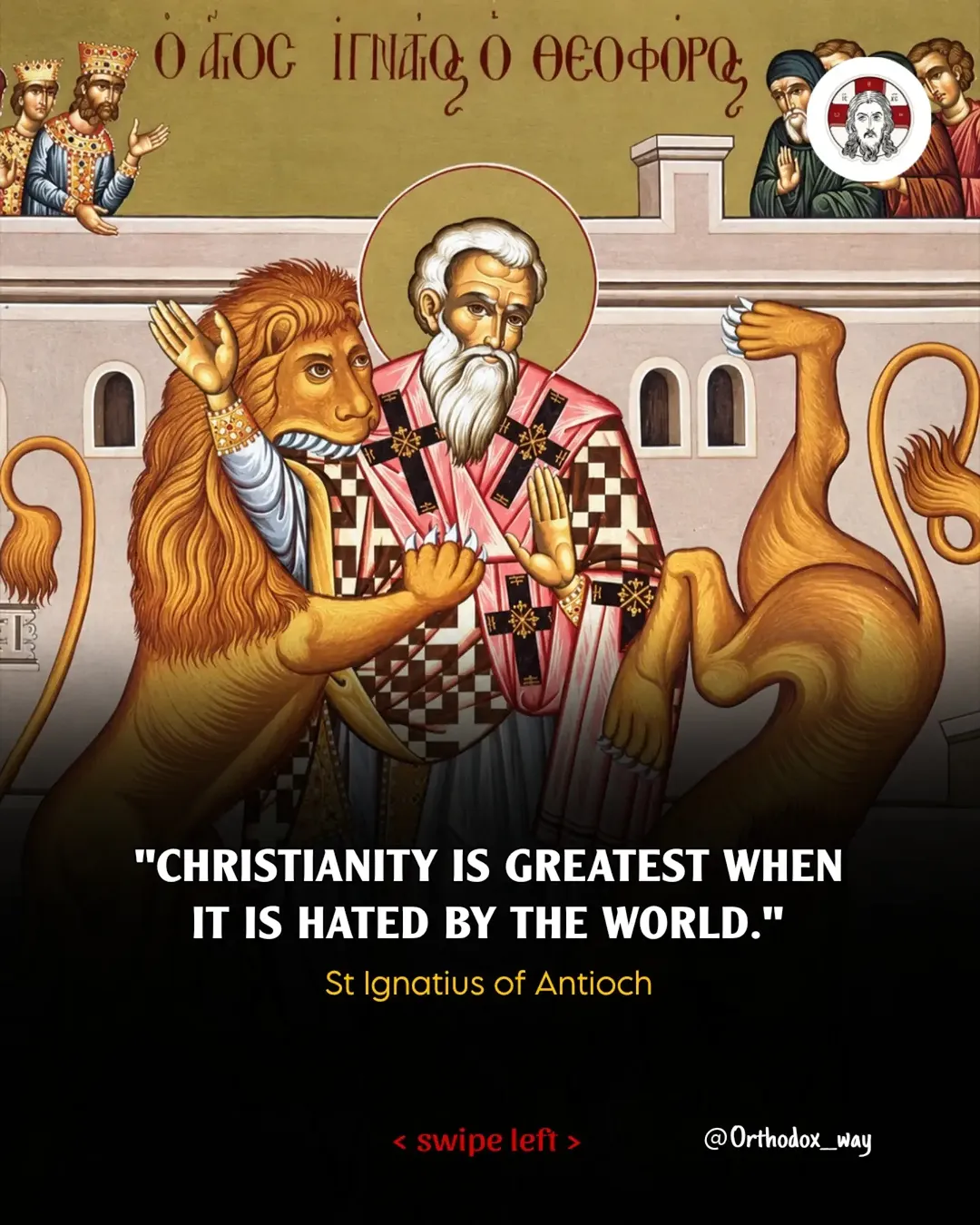
St Ignatius of Antioch on witness through persecution

St Ignatius of Antioch, the third bishop of Antioch, wrote his Letter to the Romans around 107 AD while being marched under guard to Rome for execution by wild beasts in the arena. In the letter he argues that Christian faith does not rest on political power, smooth propaganda, or worldly approval. Instead, he writes that true Christian witness shines brightest when tested by persecution and rejection, mirroring the suffering of Jesus.

  • St Ignatius was the third bishop of Antioch
  • He wrote the Letter to the Romans around 107 AD
  • He was being marched to Rome under guard for execution by wild beasts
  • He argued faith is not about political power, propaganda, or worldly approval
  • True Christian witness shines brightest under persecution, mirroring Christ's suffering
Read more
T timotheos.orthodoxy Instagram

Catechumen shares quiet Sunday before Divine Liturgy

0:21

Tim, a catechumen in the Greek Orthodox Church, introduces himself as someone who has spent nearly two decades in fitness, including competitive experience, and has built a successful business. He explains that he recorded a video the previous day but does not post on Sundays, so he shares it on Monday. In the video, he describes the stillness of a Sunday morning before Divine Liturgy, noting empty streets and a slow, peaceful atmosphere while…

Tim, a catechumen in the Greek Orthodox Church, introduces himself as someone who has spent nearly two decades in fitness, including competitive experience, and has built a successful business. He explains that he recorded a video the previous day but does not post on Sundays, so he shares it on Monday. In the video, he describes the stillness of a Sunday morning before Divine Liturgy, noting empty streets and a slow, peaceful atmosphere while he waits for the bus.

He recorded the short clip to wish viewers a blessed Divine Liturgy. His account focuses on his journey toward Orthodoxy, including learnings and obstacles, alongside fitness and business content.

Key moments

  1. Sunday morning before Divine Liturgy feels special with empty streets and a slow vibe.
  2. The speaker is waiting for the bus.
  3. They recorded the video to wish a blessed Divine Liturgy.
Read more
George Instagram discussion

40,000 followers in 27 days: pride and God's work

1:34

The speaker announces reaching 40,000 followers in 27 days with over 4.2 million views. He states the achievement is not due to personal talent but entirely about what God is doing in his life. He identifies pride as his biggest struggle and the first sin in the world. He explains that pride caused the devil's fall when the devil wanted to be like God, and the same temptation was offered to Adam and Eve. He cites St. John Climacus who calls…

The speaker announces reaching 40,000 followers in 27 days with over 4.2 million views. He states the achievement is not due to personal talent but entirely about what God is doing in his life. He identifies pride as his biggest struggle and the first sin in the world.

He explains that pride caused the devil's fall when the devil wanted to be like God, and the same temptation was offered to Adam and Eve. He cites St. John Climacus who calls pride a denial of God because it claims self-sufficiency, saying "I don't need you." He notes that pride hides and can grow from good deeds like prayer, fasting, and helping others.

To fight pride, he recommends humility: thanking God for every good thing, accepting corrections without defense, going to confession, and remembering that without God one could fall like anyone else. He ends by asking viewers where pride shows up in their lives today.

Key moments

  1. The speaker hit 40,000 followers in 27 days and more than 4.2 million views.
  2. He says the success is not about him but about God working in his life.
  3. Pride is his biggest struggle and the first sin in the world.
  4. The devil fell because he wanted to be like God; the same temptation was given to Adam and Eve.
  5. St. John Climacus calls pride a denial of God because it says "I don't need you."
  6. Pride hides and can grow from good deeds such as praying, fasting, and helping more.
  7. He suggests fighting pride with humility: thank God for every good thing, accept corrections without defending yourself, go to confession, remember that without God you could fall.
  8. He asks viewers where pride shows up in their lives today.
6 opinions in the discussion I always pray that God keeps my heart humble, that He reminds me every blessing comes from Him, and that real greatness isn't about being above anyone but about treating everyone with… Read the discussion

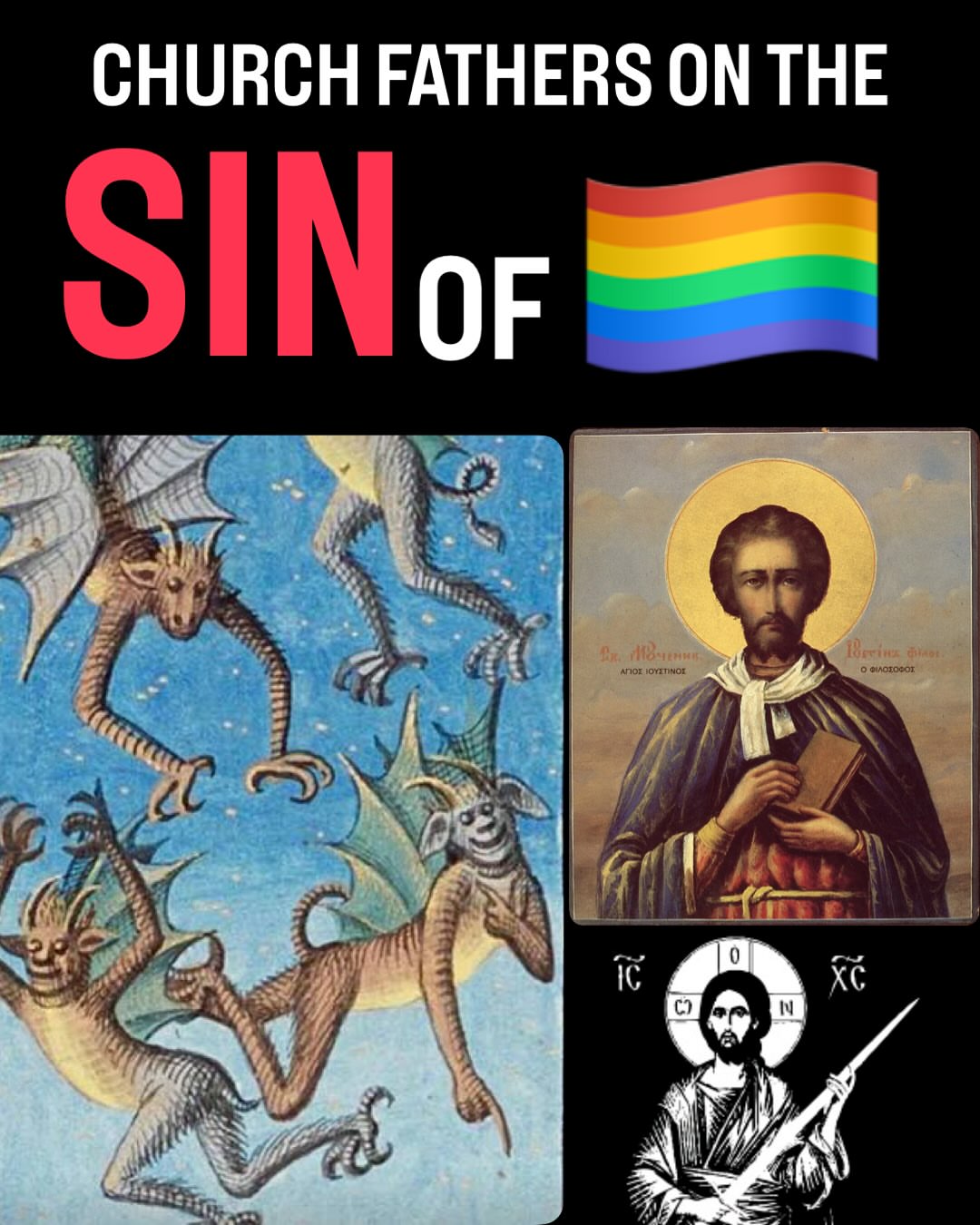
Post cites Church Fathers on homosexuality with Orthodox hashtags

The source text consists of a single line: "Church Fathers on the Sin of 🏳️‍🌈" followed by hashtags for Orthodox Christianity, apologetics, saints, and Christian quotes. No further content, quotations, discussion, or commentary is present in the provided material. The rainbow flag emoji indicates the subject is homosexuality or LGBTQ+ matters. The hashtags suggest the post is framed within Orthodox Christian apologetics and patristic…

The source text consists of a single line: "Church Fathers on the Sin of 🏳️‍🌈" followed by hashtags for Orthodox Christianity, apologetics, saints, and Christian quotes. No further content, quotations, discussion, or commentary is present in the provided material. The rainbow flag emoji indicates the subject is homosexuality or LGBTQ+ matters.

The hashtags suggest the post is framed within Orthodox Christian apologetics and patristic authority. Because the source contains only this title and tags, there is no discussion to summarize, no arguments to outline, and no specific patristic references to report.

  • Title references Church Fathers on the sin represented by the rainbow flag emoji
  • Hashtags identify the post as Orthodox, apologetic, saint-focused, and quote-oriented
  • No patristic quotations, names, or arguments appear in the source text
  • No discussion thread or commentary is included in the provided material
12 opinions in the discussion St. Justinian the Great made it a crime in his empire to be a homosexual. The penalty was death by fire. We have a lot to learn from our ancestors ways Read the discussion

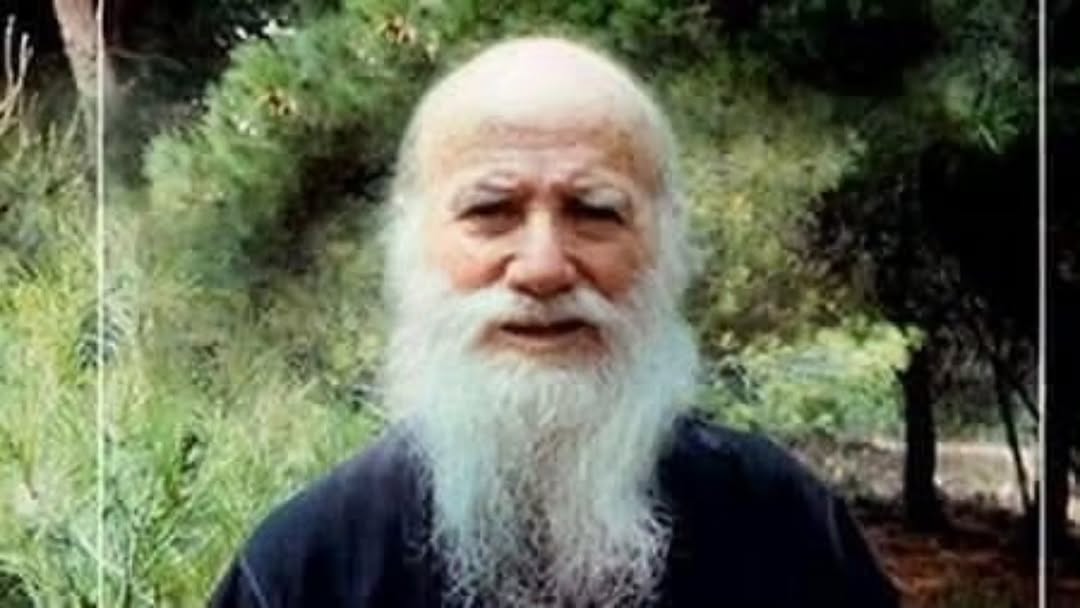
Elder Porphyrios on how bad thoughts mystically harm others

The post shares a teaching from Elder Porphyrios of Kafsokalyvia. He explains that when we think badly of someone, a force proceeds from us and passes to the other person like sound waves, and the other truly suffers evil. This happens as a kind of lesson when a person has bad thoughts for others. It proceeds from our anger. We mystically transmit our evil. God does not cause evil; human malice does. God does not punish; rather our disposition…

The post shares a teaching from Elder Porphyrios of Kafsokalyvia. He explains that when we think badly of someone, a force proceeds from us and passes to the other person like sound waves, and the other truly suffers evil. This happens as a kind of lesson when a person has bad thoughts for others.

It proceeds from our anger. We mystically transmit our evil. God does not cause evil; human malice does. God does not punish; rather our disposition mystically passes to the soul of another and does evil. Christ never wills evil but told us to bless our enemies.

  • Bad thoughts transfer like sound waves and cause real harm to others
  • This transmission stems from human anger, not divine action
  • God neither causes evil nor punishes; human malice mystically affects another's soul
  • Christ commands blessing enemies, never willing evil
  • The teaching comes from Elder Porphyrios of Kafsokalyvia

Elder Ephraim of Arizona on two graces in spiritual struggle

Elder Ephraim of Arizona describes two kinds of grace that come when a person struggles for God. The first is the consolation of the Holy Spirit, which fills the soul with joy, peace, and sweetness, but this grace comes and goes. The second is the experience of temptation, which is impressed indelibly on the soul and does not leave the heart because it is united with the heart that has experientially lived through temptation. During temptation,…

Elder Ephraim of Arizona describes two kinds of grace that come when a person struggles for God. The first is the consolation of the Holy Spirit, which fills the soul with joy, peace, and sweetness, but this grace comes and goes. The second is the experience of temptation, which is impressed indelibly on the soul and does not leave the heart because it is united with the heart that has experientially lived through temptation.

During temptation, the second grace, experience, is more useful because it enlightens the soul with knowledge of how to pass through temptations. Since experience comes from temptation itself, it knows how to deliver the soul from perdition whenever temptation appears. Temptations that are endured with patience reward a person with the wisdom of temptation, and in this way one becomes a true philosopher.

If a person does not humble themselves, the lessons that come through temptation will not cease. Egoism creates temptation, but for that very reason temptation restrains egoism. The elder urges his children to humble themselves if they want to humble the demons that torment them.

He tells them to throw themselves before everyone's feet and say, "I am the worst person in the world and everything is my fault!"

  • Two graces come in spiritual struggle: Holy Spirit's consolation and experience of temptation
  • Consolation brings joy and peace but comes and goes; experience of temptation remains indelibly in the heart
  • Experience of temptation is more useful during trials because it teaches how to pass through them
  • Patience in temptation brings wisdom and makes one a true philosopher
  • Humility stops demonic torment; the elder advises confessing to be the worst and at fault for everything
Read more
Athonite Audio YouTube

St. Gregory Palamas on St. John the Theologian: Virgin Disciple and Teacher of Divine Love

St. Gregory Palamas on St. John the Theologian: Virgin Disciple and Teacher of Divine Love 19:10

St. Gregory Palamas delivers a homily honoring St. John the Theologian as the virgin disciple whom Jesus loved, the son of the Theotokos by grace, and the "son of thunder" who proclaimed the divine Logos. Gregory presents John as surpassing the other apostles in theology and purity, chosen as leader among the twelve and witness to the Transfiguration. The homily centers on John's teaching that God is love and that love for God and neighbor are…

St. Gregory Palamas delivers a homily honoring St. John the Theologian as the virgin disciple whom Jesus loved, the son of the Theotokos by grace, and the "son of thunder" who proclaimed the divine Logos. Gregory presents John as surpassing the other apostles in theology and purity, chosen as leader among the twelve and witness to the Transfiguration.

The homily centers on John's teaching that God is love and that love for God and neighbor are inseparable, proven by keeping Christ's commandments and walking as He walked. Gregory urges obedience to spiritual fathers, visible works of mercy, and endurance of persecution following the example of Christ and John. True love shows itself in giving up one's will, bearing others' burdens, praying for enemies, and dispersing possessions for the needy, for one cannot serve God and mammon.

Gregory warns that love of the world buries the soul under gold and silver, while love of God raises it to eternal life. The homily draws parallels between John and the patriarchs, presenting the twelve apostles as spiritual wells and stones delivering humanity from idolatry and sin. John's unique election included being taken to Mount Tabor, hearing the Father's voice, and becoming a disciple of the Father.

His singular virginity of soul and body made him almost sinless and the beloved disciple, with a relationship to the Theotokos as son by grace and brother of Christ. As "son of thunder," John proclaimed the Logos, the Word made flesh, and recorded Christ's works, passion, resurrection, and ascension for salvation. John's life mirrored Christ's through enduring mockery, stripes, stoning, trials before tyrants, and exile to Patmos, delivering himself to death daily out of love.

Key moments

  1. 0:32 John as patriarch of those born of God, parallel to Jacob's twelve patriarchs; the twelve apostles as spiritual wells and stones delivering humanity from idolatry and sin.
  2. 2:38 John's unique election: leader among the chosen, equal to Peter and James, taken to Mount Tabor, heard the Father's voice, made a disciple of the Father.
  3. 3:42 John's singular virginity of soul and body, making him almost sinless and the beloved disciple; his relationship to the Theotokos as son by grace and brother of Christ.
  4. 5:48 John as "son of thunder" proclaiming the Logos, the Word made flesh, and recording Christ's works, passion, resurrection, and ascension for salvation.
  5. 7:24 John's doctrine of love: God is love; love for God and neighbor are one energy divided without separation; the sign of love for God is keeping His commandments.
  6. 9:28 John's life mirrored Christ's: he endured mockery, stripes, stoning, trials before tyrants, and exile to Patmos, delivering himself to death daily out of love.
  7. 11:02 Call to obey spiritual fathers as obedience to God; the Lord supplies grace for deficiencies when we are humbled, not conceited.
  8. 15:41 Love requires dispersing possessions; one cannot have both love and money; love of the world is enmity to God and buries the soul under gold and silver.
Lives of the Saints 🙏 Instagram

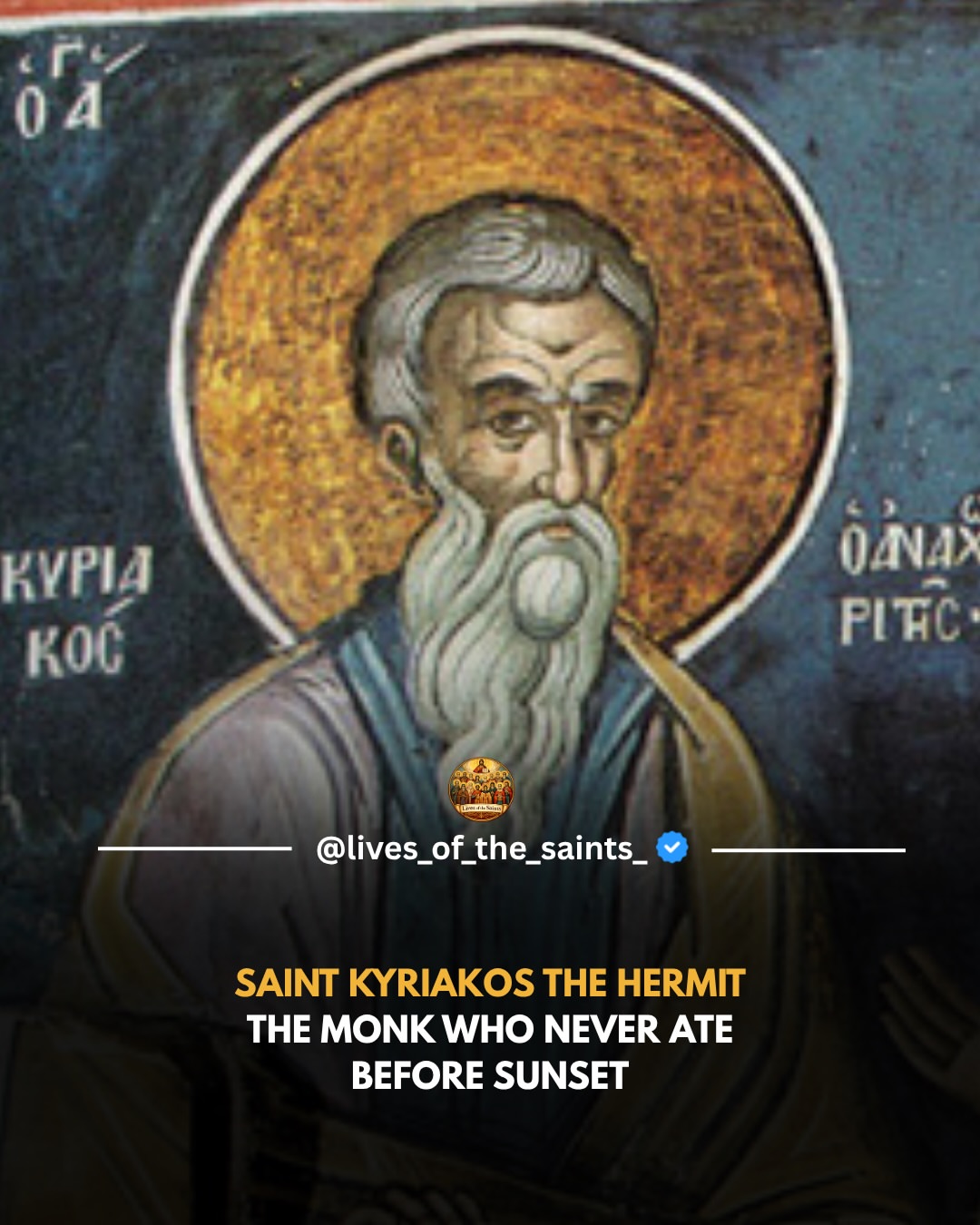
Saint Kyriakos the Hermit: 109 years of desert asceticism

The post recounts the life of Saint Kyriakos, born in Corinth to John and Eudokia, whose father served as a priest. As a youth he was appointed a reader in the Church, and as he read the Holy Scriptures his heart burned with the desire to dedicate his life completely to God. At eighteen he traveled to Jerusalem, where he embraced the monastic life. He was guided by great saints of the desert, including Saint Euthymius and Saint Gerasimus,…

The post recounts the life of Saint Kyriakos, born in Corinth to John and Eudokia, whose father served as a priest. As a youth he was appointed a reader in the Church, and as he read the Holy Scriptures his heart burned with the desire to dedicate his life completely to God. At eighteen he traveled to Jerusalem, where he embraced the monastic life.

He was guided by great saints of the desert, including Saint Euthymius and Saint Gerasimus, spending decades in prayer, silence, fasting, and obedience. Throughout his life he continually moved from one place to another, fleeing human praise and seeking only God. Saint Kyriakos lived to the remarkable age of 109. Despite his advanced years and strict ascetic life, he remained physically strong.

At times he survived for years eating only wild herbs found in the desert. He was a fearless defender of the Orthodox Faith, boldly exposing heresies and remaining faithful to the truth of Christ. He once said of himself: "The sun never saw me eating, nor angry with anyone."

His monks followed a strict rule, eating only once each day after sunset. God glorified His faithful servant with the gift of miracles, healing the sick, comforting the sorrowful, and strengthening countless souls through his holy example. The post concludes that holiness is built through humility, prayer, self-control, and perseverance, and that those who seek only God are never forgotten by Him.

  • Born in Corinth to priest John and Eudokia; appointed reader in youth
  • Entered monastic life in Jerusalem at eighteen under Saints Euthymius and Gerasimus
  • Lived to 109, maintaining physical strength on a diet of wild herbs
  • Defended Orthodoxy against heresies; monks ate once daily after sunset
  • Remembered for miracles of healing and the saying about the sun never seeing him eat or angry
Read more
Lives of the Saints 🙏 Instagram

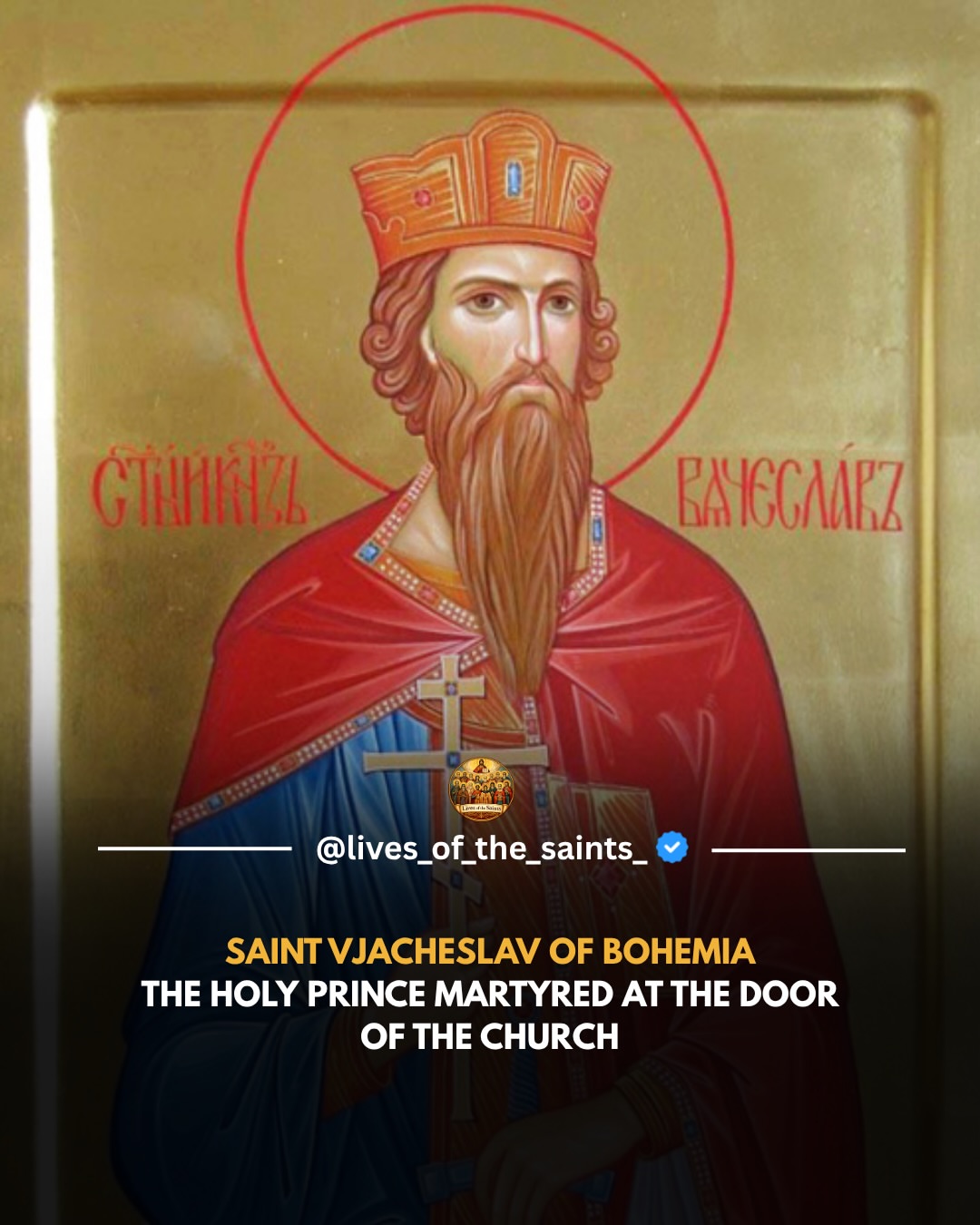
Saint Vjacheslav of Bohemia: Prince, Martyr, and Builder of Churches

The post recounts the life of Saint Vjacheslav, also known as Wenceslaus or Václav, the holy prince of the Czech lands. His grandmother Saint Ludmila raised him in the Christian faith. The priest Paul, a disciple of Saint Methodius, educated him in Slavic, Latin, and Greek. He became prince at eighteen after his father died. He ruled with wisdom and justice, caring deeply for the Christian enlightenment of his people. He honored the clergy,…

The post recounts the life of Saint Vjacheslav, also known as Wenceslaus or Václav, the holy prince of the Czech lands. His grandmother Saint Ludmila raised him in the Christian faith. The priest Paul, a disciple of Saint Methodius, educated him in Slavic, Latin, and Greek.

He became prince at eighteen after his father died. He ruled with wisdom and justice, caring deeply for the Christian enlightenment of his people. He honored the clergy, adorned churches, helped the poor, and redeemed children who had been sold into slavery, giving them a Christian upbringing. He also brought the relics of Saint Vitus to Prague and built a great church in his honor.

But envy and political hatred rose against him. Some nobles turned his younger brother Boleslav against him and plotted to take his throne. Boleslav invited him to the consecration of a church. Though warned by his servants, Saint Vjacheslav refused to believe evil of his brother. He went to the church for morning prayer, and there, at the very door of the temple, he was killed by his brother and his companions in the year 935. His blood could not be easily washed from the church doors, and the people soon began to honor him as a martyr.

The post states that Saint Vjacheslav reminds us that true power is not found in violence, pride, or ambition, but in justice, mercy, faith, and love for Christ.

  • Grandson of Saint Ludmila, educated by priest Paul in Slavic, Latin, and Greek
  • Became prince at eighteen, ruled with justice and promoted Christian enlightenment
  • Redeemed enslaved children, brought Saint Vitus relics to Prague, built church in his honor
  • Brother Boleslav conspired with nobles and killed him at church door in 935
  • Blood remained on church doors; people honored him as martyr
Read more
Lives of the Saints 🙏 Instagram

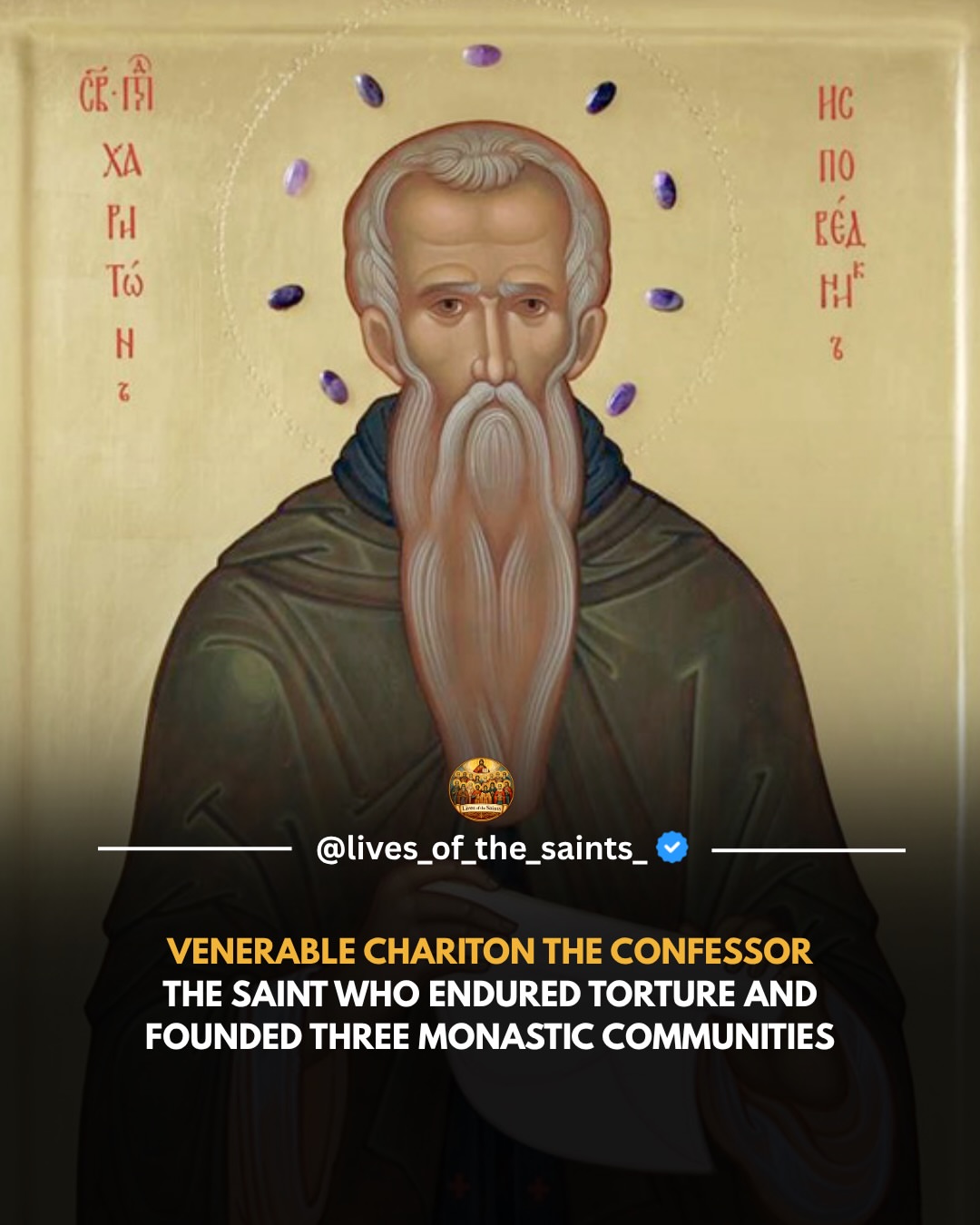
Saint Chariton the Confessor: torture, wilderness, and three monasteries

The post recounts the life of Saint Chariton, a respected and devout Christian from the city of Iconium. Inspired by the courage of Saint Thekla, he openly confessed the name of Christ. During the persecution under Emperor Aurelian, Chariton was brought before the governor and ordered to worship the idols. He boldly confessed his faith in the one living God, the Creator of all, and in the Lord Jesus Christ, the Savior of mankind. For this…

The post recounts the life of Saint Chariton, a respected and devout Christian from the city of Iconium. Inspired by the courage of Saint Thekla, he openly confessed the name of Christ. During the persecution under Emperor Aurelian, Chariton was brought before the governor and ordered to worship the idols.

He boldly confessed his faith in the one living God, the Creator of all, and in the Lord Jesus Christ, the Savior of mankind. For this confession he was beaten and tortured so severely that his whole body became like one wound. After the death of Aurelian, Saint Chariton was released from prison and set out for Jerusalem.

On the way he was captured by robbers, but by the providence of God he was delivered. Instead of returning to Iconium, he withdrew into the wilderness of Pharan, where he founded a monastery and gathered many monks. After giving them a rule of life, he left in order to avoid human praise and went deeper into the desert near Jericho, where another monastery was later founded.

Finally he founded a third monastery, known as the Souka or the Old Lavra. Saint Chariton reposed in deep old age on September 28, 350, and entered the glory of his Lord. The post notes that his suffering for Christ became the beginning of a life filled with prayer, humility, and spiritual fruit for generations.

  • Confessed Christ under Aurelian and was tortured until his body was one wound
  • Released after Aurelian's death, captured by robbers, delivered by providence
  • Founded first monastery in the wilderness of Pharan and gave monks a rule
  • Left to avoid praise, founded second monastery near Jericho
  • Founded third monastery, the Souka or Old Lavra, and reposed in 350
☦️An Orthodox Blog☦️ with Orthodoxy ☦︎ Instagram

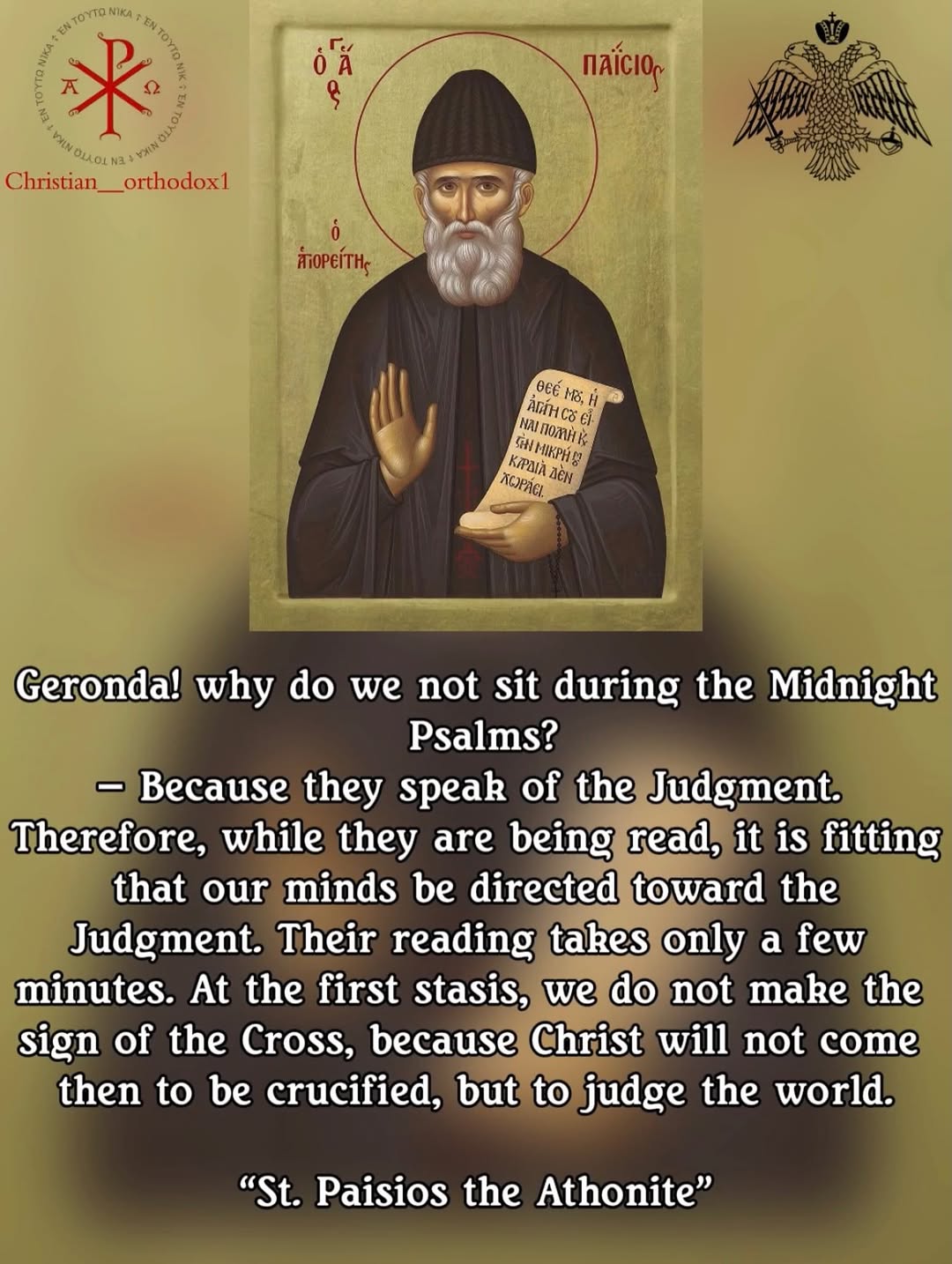
St. Paisios on standing for the Midnight Psalms and the sign of the Cross

The post relays a question addressed to St. Paisios the Athonite: why the faithful do not sit during the Midnight Psalms. The elder answers that these psalms speak of the Judgment, so the mind should be directed toward the Judgment while they are read. He notes the reading takes only a few minutes. He adds that at the first stasis the sign of the Cross is not made, because Christ will come not to be crucified again but to judge the world.

  • St. Paisios explains that standing during the Midnight Psalms directs the mind toward the Judgment.
  • The reading of these psalms lasts only a few minutes.
  • At the first stasis the sign of the Cross is omitted.
  • The reason given: Christ will come next not to be crucified but to judge the world.
Read more
Prayer Orthodoxy ® Instagram

Holy Trinity Clearwater rebuilds after 2015 fire, opens Christmas Eve 2019

1:14

Holy Trinity Greek Orthodox Church in Clearwater, Florida, carries a story of resilience and renewal after a devastating fire in 2015 severely damaged the sanctuary. The parish worshipped in its gymnasium while a new Byzantine-style church was built. The rebuilt church opened on Christmas Eve 2019, exactly fifty years after the original church's first Divine Liturgy in 1969. After the opening, the interior was adorned with extensive sacred…

Holy Trinity Greek Orthodox Church in Clearwater, Florida, carries a story of resilience and renewal after a devastating fire in 2015 severely damaged the sanctuary. The parish worshipped in its gymnasium while a new Byzantine-style church was built. The rebuilt church opened on Christmas Eve 2019, exactly fifty years after the original church's first Divine Liturgy in 1969.

After the opening, the interior was adorned with extensive sacred iconography by artists from Greece. Iconographer Achilles Tourlas was among those artists, and his work helped transform the new sanctuary into a richly traditional Orthodox space. The post presents this narrative in both English and Greek. The English text describes the fire, the temporary worship location, the construction of the Byzantine-style church, the opening date, the fiftieth anniversary connection, and the iconography project.

The Greek text mirrors this information. The post is identified as an original production of Prayer Orthodoxy and includes hashtags for Orthodox, Church, Iconography, Faith, and Florida. No further discussion or commentary is included in the source text.

  • 2015 fire severely damaged the original sanctuary
  • Parish worshipped in gymnasium during reconstruction
  • New Byzantine-style church opened Christmas Eve 2019, 50 years after first 1969 liturgy
  • Interior iconography completed by artists from Greece including Achilles Tourlas
  • Post presented in English and Greek by Prayer Orthodoxy
Read more
Discover Orthodox Christianity Facebook

Relics of Saint Chryse identified near Edessa castle ruins

The Holy Metropolis of Edessa, Pella and Almopia announced the discovery of the holy relics of Saint Chryse, the New and Great Martyr, near the ruins of the old Church of the Dormition of the Theotokos at the castle of Chryse. The relics were examined by the Forensic Medicine Service of Thessaloniki and two specialised scientific laboratories in Germany. The examinations determined that the bones belonged to a young woman approximately seventeen…

The Holy Metropolis of Edessa, Pella and Almopia announced the discovery of the holy relics of Saint Chryse, the New and Great Martyr, near the ruins of the old Church of the Dormition of the Theotokos at the castle of Chryse. The relics were examined by the Forensic Medicine Service of Thessaloniki and two specialised scientific laboratories in Germany.

The examinations determined that the bones belonged to a young woman approximately seventeen years of age and that the year of her death was 1795, which matches the account in her Life. The Metropolis noted that even an ordinary observer can see signs of terrible torture on the ribs and skull. A fragrance continually emanates from the relics, which the Metropolis cited as a clear sign of her sanctity.

In its concluding statement, the Holy Metropolis glorified God for the blessing bestowed two centuries after the saint's martyrdom, at a time described as one of great spiritual challenges and temptations, and exhorted the faithful to have recourse with faith to her holy intercessions and the grace of her relics.

  • Holy Metropolis of Edessa, Pella and Almopia announced discovery of Saint Chryse's relics near castle ruins
  • Forensic analysis in Thessaloniki and two German labs confirmed bones of a young woman aged about seventeen
  • Year of death determined as 1795, consistent with her Life
  • Visible torture marks on ribs and skull; fragrance emanates from relics
  • Metropolis calls faithful to seek her intercessions and venerate her relics
Orthodox Life Instagram

Saint Dismas, the Wise Thief, enters Paradise on October 12

The post commemorates Saint Dismas, known in Orthodox tradition as the Wise Thief, on October 12. Dismas was one of two criminals crucified alongside Jesus. While the other thief mocked Christ, Dismas acknowledged his own guilt and Christ's innocence, rebuked his companion, and prayed, "Remember me, Lord, when You come into Your Kingdom." Jesus answered that Dismas would be in Paradise that same day. Through this promise, Dismas became the first…

The post commemorates Saint Dismas, known in Orthodox tradition as the Wise Thief, on October 12. Dismas was one of two criminals crucified alongside Jesus. While the other thief mocked Christ, Dismas acknowledged his own guilt and Christ's innocence, rebuked his companion, and prayed, "Remember me, Lord, when You come into Your Kingdom."

Jesus answered that Dismas would be in Paradise that same day. Through this promise, Dismas became the first person to enter heaven after the Resurrection. In Eastern Orthodox theology and liturgy, the Wise Thief is a model of repentance.

He appears prominently during Holy Week, especially on Holy Thursday and Good Friday. His conversion shows that a lifetime of sin can be washed away in a moment of genuine confession. Icons traditionally depict him holding a large wooden cross, standing at the gates of Paradise or beside Christ.

The Church's prayers, including the pre-Communion prayer, cite his confession to remind believers that no one is beyond redemption. He remains a symbol of hope that it is never too late to turn to God.

  • Commemorated on October 12 as the Wise Thief
  • Rebuked the mocking thief and prayed for Christ's remembrance
  • Received Christ's promise of Paradise that day
  • First to enter heaven after the Resurrection
  • Central figure in Holy Week services and Orthodox iconography
Read more

Illiterate monk's stairway prayer on Mount Athos

The post shares a YouTube video from the channel of the Holy Church of Saint Demetrios. The video features Gerontas Filimon, a righteous monk of the Pantokratoros Skete of Prophet Elijah on Mount Athos, recounting a story about an illiterate grandfather in a monastery. The grandfather climbs many stairs while saying the Jesus Prayer. He speaks directly to Christ and answers himself as if Christ replies, "What do you want?" He asks Christ to help…

The post shares a YouTube video from the channel of the Holy Church of Saint Demetrios. The video features Gerontas Filimon, a righteous monk of the Pantokratoros Skete of Prophet Elijah on Mount Athos, recounting a story about an illiterate grandfather in a monastery. The grandfather climbs many stairs while saying the Jesus Prayer.

He speaks directly to Christ and answers himself as if Christ replies, "What do you want?" He asks Christ to help him reach Paradise. Christ asks whether he fasts, prays, and keeps vigil; the grandfather answers, "Whatever I can." On the next floor he addresses the Theotokos as Most Holy Theotokos and answers himself with her voice calling him "my little bird."

He then calls her Mother and asks her to intercede with her Son so he may go to Paradise. The grandfather knows no patristic writings or holy Scriptures. His simple daily conversation with Christ is described as fruitful.

One heartfelt word and a sigh from the heart equal ten patristic sayings. Living this way is enough.

Key moments

  1. An illiterate grandfather in a monastery climbs many stairs while saying "Lord Jesus Christ" and answering himself as if Christ replies, "What do you want?"
  2. He asks Christ to help him reach Paradise; Christ asks whether he fasts, prays, and keeps vigil; he answers, "Whatever I can."
  3. On the second floor he addresses the Theotokos, "Most Holy Theotokos," and answers himself, "What is it, my little bird?"
  4. He then calls her "Mother" and asks her to intercede with her Son so he may go to Paradise.
  5. He knows no patristic writings or holy Scriptures.
  6. His simple, daily conversation with Christ is described as fruitful.
  7. One heartfelt word and a sigh from the heart equal ten patristic sayings.
  8. It is enough to live this way.
Read more

Vainglory and the trap of social media approval

0:52

The post examines vainglory, an ancient passion the Orthodox Church Fathers identified as the desire for admiration and recognition from others. Social media has made this temptation more accessible by encouraging users to post content and then monitor likes, views, and comments, fostering comparison and a sense of living before an invisible audience. Saint John Climacus, in The Ladder of Divine Ascent, warned that vainglory is deceptive and can…

The post examines vainglory, an ancient passion the Orthodox Church Fathers identified as the desire for admiration and recognition from others. Social media has made this temptation more accessible by encouraging users to post content and then monitor likes, views, and comments, fostering comparison and a sense of living before an invisible audience.

Saint John Climacus, in The Ladder of Divine Ascent, warned that vainglory is deceptive and can nullify the spiritual value of good deeds when they are performed to be seen. Christ's words in Matthew 6:1 caution against doing charitable deeds before men to be seen by them. The speaker illustrates how even prayer, giving, and speaking about Christ can become acts of vainglory when motivated by a desire for praise.

There is nothing inherently wrong with sharing life or faith online; the danger begins when identity and self-worth depend on the approval of others. The central question posed is whether one would still perform these actions if nobody were watching. The discussion turns on the distinction between sharing faith online and allowing self-worth to depend on external approval, urging readers to seek God's approval rather than the world's applause.

Key moments

  1. Vainglory is defined as the obsession with being seen, admired, praised, and recognized.
  2. Social media has turned this ancient passion into an epidemic, training users in it every day.
  3. The mechanism involves posting content, then checking who liked, viewed, or commented, and comparing one's life to others.
  4. This creates a condition of living with an invisible audience watching everything one does.
  5. St. John Climacus warned that vainglory is incredibly deceptive.
  6. A person can do something good and immediately destroy its spiritual benefit by wanting to show the world what they have done.
  7. Examples include praying to be seen praying, giving to be seen giving, and talking about God to be admired.
  8. The speaker asks the decisive question: if nobody saw it, would I still do it?
Read more