WeOrthodox
EN UA

Orthodox posts, videos and discussions

We follow Orthodox channels, communities and blogs across the web, summarise every post and video, and highlight the conversations with real substance.

Orthodox Sound YouTube

Faith and Doubt: Orthodox Wisdom on the Struggle to Believe

Faith and Doubt: Orthodox Wisdom on the Struggle to Believe 25:44

The video opens with the Gospel account of a father who brings his afflicted son to Christ after the disciples fail to heal him. When Jesus says all things are possible to the one who believes, the father cries out, "Lord, I believe; help my unbelief," and Christ heals the boy. This prayer remains in the Church because it names the struggle of faith coexisting with troubling uncertainty. The ascetic fathers distinguish between an involuntary…

The video opens with the Gospel account of a father who brings his afflicted son to Christ after the disciples fail to heal him. When Jesus says all things are possible to the one who believes, the father cries out, "Lord, I believe; help my unbelief," and Christ heals the boy. This prayer remains in the Church because it names the struggle of faith coexisting with troubling uncertainty.

The ascetic fathers distinguish between an involuntary troubling thought and a settled decision to reject God. Questions about the resurrection or God's existence may rise against a person's will without constituting unbelief. St. Nikolai Velimirovich warns that tolerated doubt acts like a poisonous serpent beside genuine belief, while St. John Climacus links fearfulness to the instability of trusting in oneself rather than in God.

In the Gospel scene of Christ walking on the sea, Peter walks toward Jesus but sinks when his attention shifts from the Lord to the wind, and Christ's hand saves him before the question "why did you doubt?" Thomas refuses to believe without seeing Christ's wounds, yet remains with the disciples, and the risen Lord comes to him in that company, showing his wounds and saying "Do not be unbelieving, but believing."

The remedy for doubt is not intellectual certainty but acquaintance with the person who is Truth, Jesus Christ. St. Silouan the Athonite teaches that God is known by the Holy Spirit through keeping the commandments, not by study alone, and St. Basil compares this knowledge to tasting honey rather than hearing it described. Christ promises that whoever does God's will shall know the doctrine, and the pure in heart shall see God.

When faith feels thin, the tradition counsels trusting the testimony of the saints who have seen God, remaining within the Church's life, and praying the humble prayer St. Silouan gives: "Lord, if you exist, illumine me and I will serve you." The Jesus Prayer anchors the struggler in turning toward Christ even without consolation, and the Gospel itself shows the risen Lord meeting disciples who worshiped yet doubted, promising his presence to the end of the age.

Key moments

  1. 0:00 The father's cry "Lord, I believe. Help my unbelief" becomes a permanent prayer of the church because it names the coexistence of faith and troubling uncertainty.
  2. 1:33 The ascetic fathers distinguish between experiencing a tempting thought and consenting to it, so that a question rising involuntarily does not equal a decision to reject God.
  3. 4:10 St. Nikolai Velimirovich warns that Christians who confess the risen Lord yet tolerate doubt keep it "like a poisonous serpent" that poisons daily life and buries it in eternal darkness.
  4. 6:16 In the gospel scene of Christ walking on the sea, Peter walks toward Jesus but sinks when his attention shifts from the Lord to the wind, and Christ's hand saves him before the question "why did you doubt?"
  5. 8:54 St. Nikolai Velimirovich directs the search for certainty to its true object: "Truth is a person," and for the Christian this person is Jesus Christ who says "I am the way, the truth, and the life."
  6. 10:28 St. Silouan the Athonite teaches that it is impossible to know God unless one lives according to his commandments, because God is known by the Holy Spirit, not by study alone.
  7. 17:16 Thomas refuses to believe without seeing Christ's wounds, yet remains with the disciples, and the risen Lord comes to him in that company, showing his wounds and saying "Do not be unbelieving, but believing."
  8. 19:53 For the person whose own effort has run out, St. Silouan gives the prayer "Lord, if you exist then illumine me and I will serve you with all my heart and soul," promising that the Lord will immediately illumine such a humble soul.
Prayer Orthodoxy ® with Holy Orthodoxy Instagram

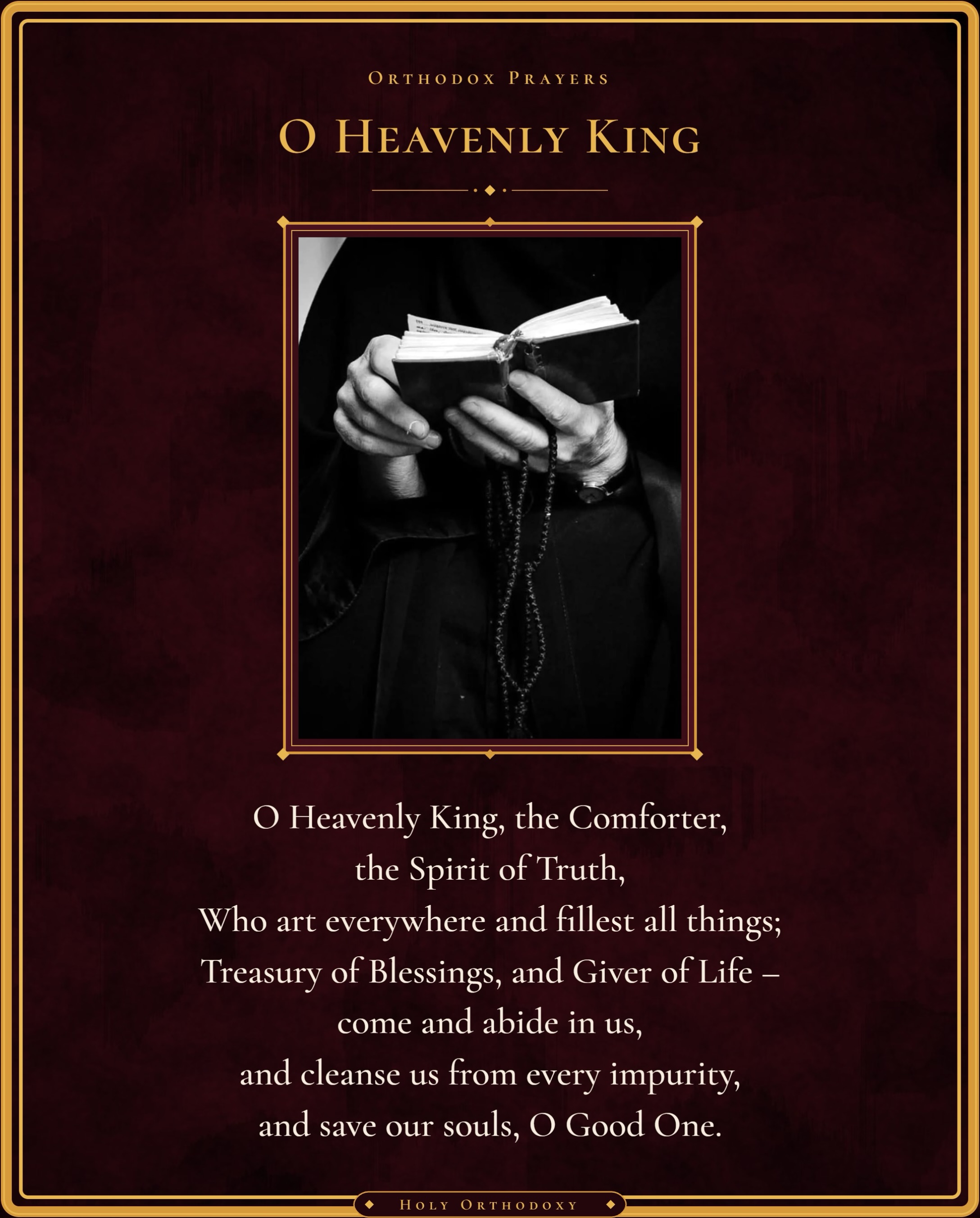
The Prayer That Opens Orthodox Life: O Heavenly King

The post presents the prayer "O Heavenly King" as the foundational invocation that begins nearly every aspect of Orthodox Christian life, morning and evening prayers, the divine services, and the start of any task. Before petitioning God for specific needs, the faithful first call upon the Holy Spirit to come and dwell within them. The full text of the prayer is provided, addressing the Spirit as the Comforter, the Spirit of Truth, who is…

The post presents the prayer "O Heavenly King" as the foundational invocation that begins nearly every aspect of Orthodox Christian life, morning and evening prayers, the divine services, and the start of any task. Before petitioning God for specific needs, the faithful first call upon the Holy Spirit to come and dwell within them.

The full text of the prayer is provided, addressing the Spirit as the Comforter, the Spirit of Truth, who is everywhere present and fills all things, the Treasury of Blessings and Giver of Life. The petition asks the Spirit to come and abide in us, cleanse us from every impurity, and save our souls. The author encourages readers to memorize the prayer within a week and to recite it slowly before beginning the day or reading Scripture.

The practice is to be undertaken in accordance with the guidance of one's spiritual father.

  • "O Heavenly King" is the standard opening prayer for Orthodox services, daily rule, and undertakings
  • The prayer invokes the Holy Spirit as Comforter, Spirit of Truth, everywhere present, Treasury of Blessings, Giver of Life
  • It asks the Spirit to come, abide, cleanse from impurity, and save the soul
  • The author recommends memorizing it and saying it slowly before the day or Scripture reading
  • The practice should follow the advice of one's spiritual father
Read more

Do Christians and Muslims worship the same God? Orthodoxy says no

The author argues that Christians and Muslims do not worship the same God. He cites Vatican II's Lumen Gentium 16 and Catechism 841, which state that Muslims adore the one merciful God together with Christians, but he rejects this as ecumenical relativism. Orthodoxy teaches that God is one in essence and three in persons, Father, Son, and Holy Spirit, from all eternity. Citing 1 John 2:23, the author notes that whoever denies the Son does not…

The author argues that Christians and Muslims do not worship the same God. He cites Vatican II's Lumen Gentium 16 and Catechism 841, which state that Muslims adore the one merciful God together with Christians, but he rejects this as ecumenical relativism. Orthodoxy teaches that God is one in essence and three in persons, Father, Son, and Holy Spirit, from all eternity.

Citing 1 John 2:23, the author notes that whoever denies the Son does not have the Father. Islam denies the Son, the Incarnation, the Crucifixion, and the Trinity; therefore it worships a different deity, which he describes as demonic. He references St. Mark of Ephesus, who refused union without truth, and St. Justin Popovich, who called ecumenism the heresy of all heresies.

The author concludes that monotheism alone is not Christianity, since demons are also monotheists, and Christians worship the Trinity alone.

Key moments

  1. 0:00 The speaker asserts that Christians and Muslims do not worship the same God.
  2. 0:00 He references Catechism 841 which states Muslims adore the one God with Christians, but calls this ecumenism relativism.
  3. 0:00 Orthodoxy rejects this view; God is one in essence, three in persons, Father, Son, and Holy Spirit, from all eternity.
  4. 0:00 The Father and Son cannot be split; denying the Son means denying the Father.
  5. 0:00 Islam denies the Son, the Incarnation, the Crucifixion, and the Trinity, which constitutes a different deity and is demonic.
  6. 0:00 St. Mark of Ephesus refused union without truth.
  7. 0:00 St. Justin Popovich called ecumenism the heresy of all heresies.
  8. 0:00 Monotheism alone is not Christianity; demons are monotheists too; Christians worship the Trinity and nothing else.

Three Signs Your Prayers Are Working Even in Silence

The post begins by acknowledging the experience of praying repeatedly without feeling heard. The author identifies three signs that prayer is effective even when God seems silent. First, a peace that cannot be explained guards the heart while problems remain, as described in Philippians 4:7: the peace of God which surpasses all understanding guards hearts and minds through Jesus Christ even when circumstances have not changed and problems…

The post begins by acknowledging the experience of praying repeatedly without feeling heard. The author identifies three signs that prayer is effective even when God seems silent. First, a peace that cannot be explained guards the heart while problems remain, as described in Philippians 4:7: the peace of God which surpasses all understanding guards hearts and minds through Jesus Christ even when circumstances have not changed and problems remain.

Second, the content of prayer shifts from personal desires toward seeking God's will, echoing Christ's words in Gethsemane: "Nevertheless, not My will, but Yours, be done" (Luke 22:42). Prayers become less about what the person wants and more about what God wants. Third, the person continues to pray despite discouragement and apparent silence, reflecting the perseverance Christ teaches in the parable of Luke 18:1, where disciples should always pray and not lose heart.

Continuing to pray when tired, discouraged, or facing apparent silence reflects this perseverance. In Orthodox Christianity, prayer is not simply about receiving what we ask for. It is about repentance, humility, perseverance and communion with God.

The Orthodox Church teaches that prayer transforms the person praying, not merely circumstances. The Jesus Prayer, "Lord Jesus Christ, Son of God, have mercy on me, a sinner", draws the heart toward Christ when prayed with humility, repentance, and attention. Sometimes the greatest miracle is not that God changes your circumstances, but that through His grace He begins transforming your heart.

The author encourages readers not to mistake silence for absence and to keep praying, repenting, and trusting Christ.

Key moments

  1. The peace of God which surpasses all understanding guards hearts and minds through Jesus Christ even when circumstances have not changed and problems remain (Philippians 4:7).
  2. Prayers become less about what the person wants and more about what God wants, echoing Christ's prayer in Gethsemane: "Nevertheless, not my will but yours be done" (Luke 22:42).
  3. The Orthodox Church teaches that prayer transforms the person praying, not merely circumstances, and the Jesus Prayer, "Lord Jesus Christ, Son of God, have mercy on me the sinner", draws the heart toward Christ when prayed with humility, repentance, and attention.
  4. Continuing to pray when tired, discouraged, or facing apparent silence reflects the perseverance Christ teaches in the parable of Luke 18:1, where disciples should always pray and not lose heart.
Read more
Orthodox Life Instagram

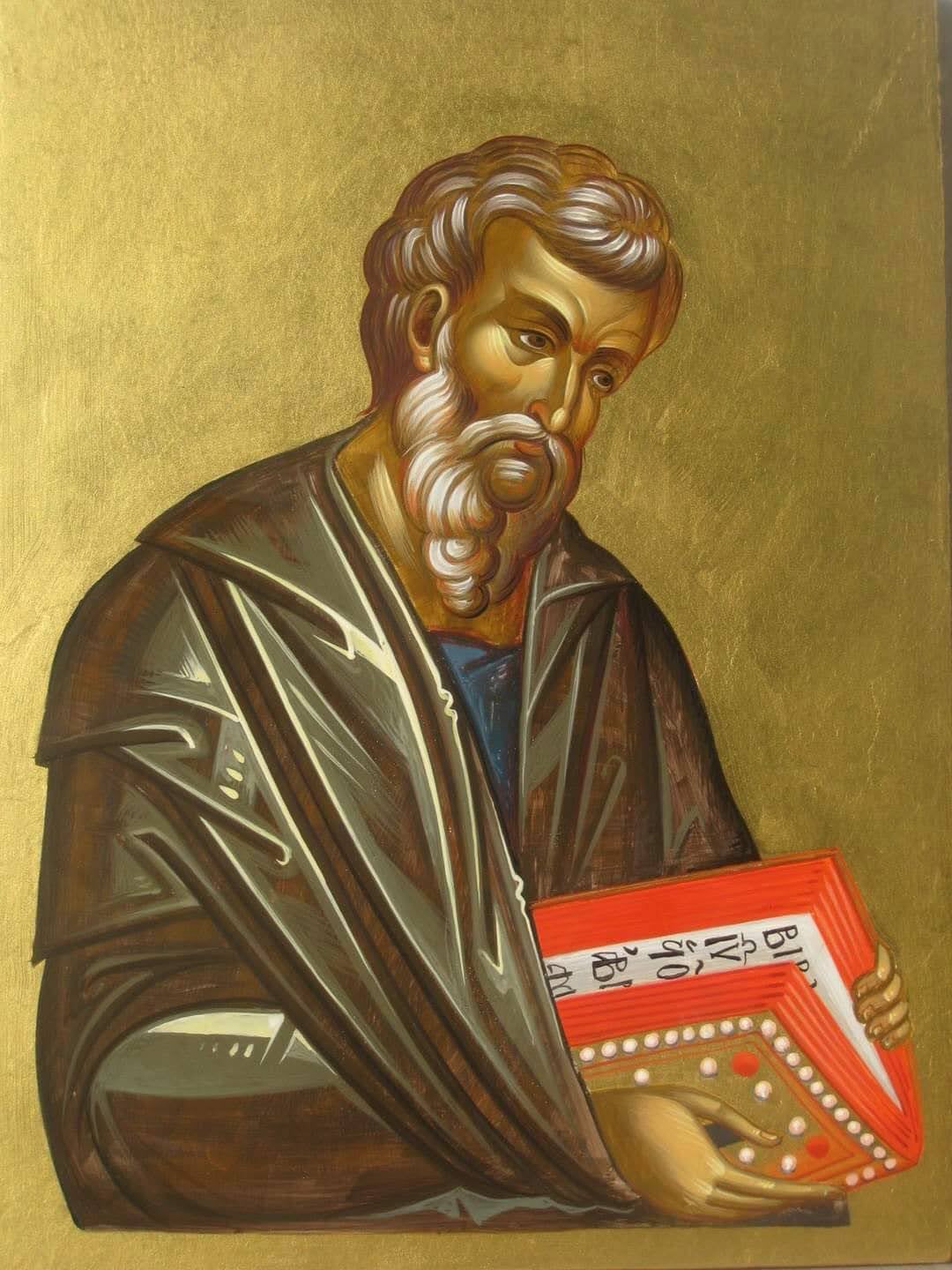
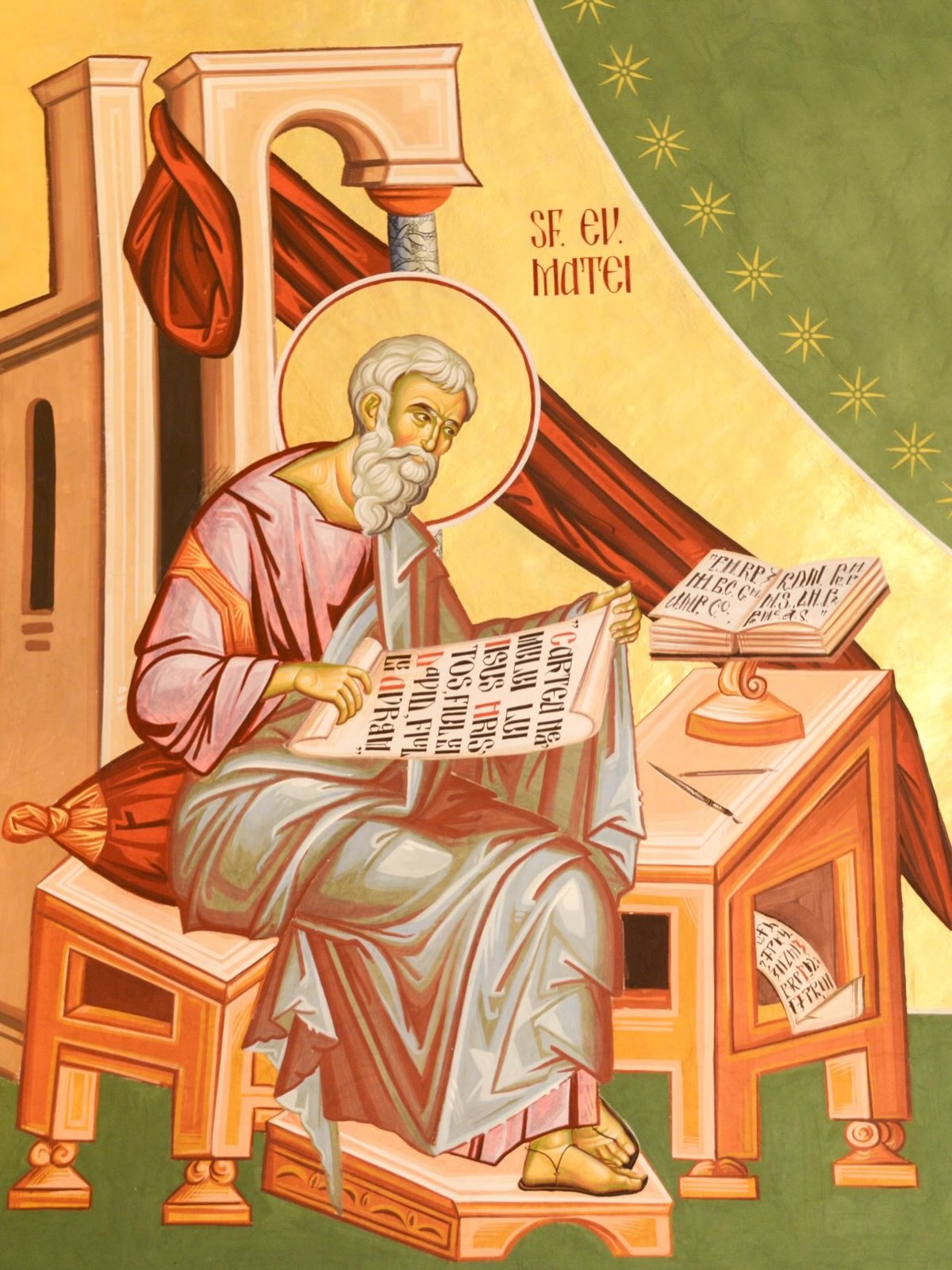
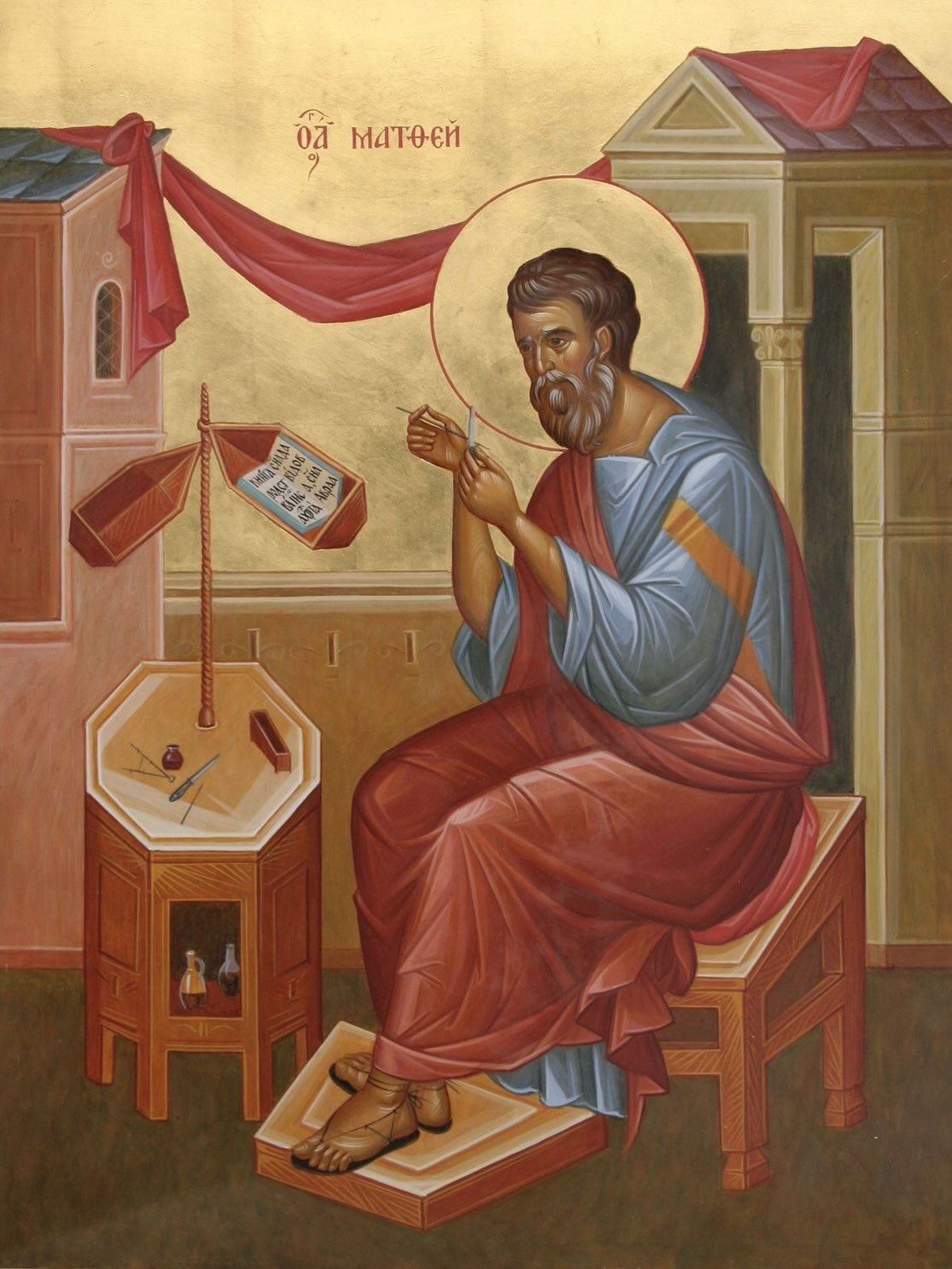
Saint Matthew the Apostle and Evangelist: life, Gospel, and martyrdom

The post commemorates Saint Matthew on November 16. He was originally named Levi, a wealthy Jewish tax collector living in Capernaum. Because he worked for the Roman Empire, his countrymen despised him and viewed him as a public sinner. When Jesus Christ passed his customs booth and said, "Come, follow Me," Matthew immediately left his wealth to become one of the Twelve Disciples. He hosted a farewell feast where Christ ate with fellow tax…

The post commemorates Saint Matthew on November 16. He was originally named Levi, a wealthy Jewish tax collector living in Capernaum. Because he worked for the Roman Empire, his countrymen despised him and viewed him as a public sinner. When Jesus Christ passed his customs booth and said, "Come, follow Me," Matthew immediately left his wealth to become one of the Twelve Disciples.

He hosted a farewell feast where Christ ate with fellow tax collectors and sinners, demonstrating God's mercy and call to repentance. After Pentecost, Matthew preached the Gospel first among Jews in Palestine. According to Orthodox tradition, he was the first to write down the Gospel, composing it in Aramaic or Hebrew to prove that Jesus was the promised Messiah.

His missionary journeys took him through Syria, Persia, and Parthia to Ethiopia, where he founded churches and worked miracles. In the Ethiopian city of Myrmene, he converted many pagans to Christianity, angering the local ruler Fulvian. Matthew was placed in a pit of fire surrounded by twelve golden idols, but the flames did not harm him; instead they flared toward Fulvian while the idols melted like wax.

The frightened Fulvian begged Matthew for forgiveness, and by the martyr's prayers the flame went out. His body still unharmed, Saint Matthew surrendered his soul to the Lord. The commemoration is accompanied by icons bearing inscriptions in Greek, Church Slavonic, and Romanian, depicting the saint writing his Gospel, holding a Gospel book, and scenes of his burial and veneration.

  • Originally Levi, a tax collector in Capernaum, called by Jesus to follow Him
  • Hosted a feast where Christ dined with tax collectors and sinners
  • First to write the Gospel, in Aramaic or Hebrew, to prove Jesus as Messiah
  • Preached in Palestine, Syria, Persia, Parthia, and Ethiopia
  • Martyred in Myrmene, Ethiopia, surviving a fiery pit with idols and converting the ruler Fulvian
Read more

Bishop Jeremidri on the Nativity Fast: Body, Heart, and Soul

Bishop Jeremidri, the Greek Orthodox bishop of Egypt, announces the beginning of the 40-day Nativity Fast on November 15. He notes the arrival of November and the feeling of Christmas approaching, describing how people decorate homes with trees and lights and listen to Christmas music that evokes fraternity and childhood memories. He states that the Orthodox Church prepares for the Nativity not only with decorations but with a 40-day fast that…

Bishop Jeremidri, the Greek Orthodox bishop of Egypt, announces the beginning of the 40-day Nativity Fast on November 15. He notes the arrival of November and the feeling of Christmas approaching, describing how people decorate homes with trees and lights and listen to Christmas music that evokes fraternity and childhood memories.

He states that the Orthodox Church prepares for the Nativity not only with decorations but with a 40-day fast that prepares body, soul, and spirit to celebrate the feast of the Lord's Nativity fully. The bishop explains that because the Word became flesh and dwelt among us, Christians have the best news: Christ teaches the way back to the Father and to our true nature, which is union with God.

He details the fast: abstaining from animal products, meat, and dairy for 40 days starting November 15, and also preparing the heart with works of mercy. He recommends acts of kindness, love, and mercy, a good examination of conscience, and the sacrament of reconciliation (confession) to receive the feast worthily. He invites the faithful to prepare their souls, bodies, and spirits as they prepare their homes, to receive the advent of Christ in the most beautiful, proper, and dignified way, and to go in peace glorifying God with their lives.

Key moments

  1. 0:07 Bishop Jeremidri introduces himself as the sacred bishop of all the Greek Orthodox in Egypt and notes the arrival of November and the feeling of Christmas approaching.
  2. 0:40 He describes how people begin decorating homes with trees and lights and listening to Christmas music that evokes fraternity and childhood memories.
  3. 1:15 He states that the Orthodox Church prepares for the Nativity not only with decorations but with a 40-day fast that prepares body, soul, and spirit to celebrate the feast of the Lord's Nativity fully.
  4. 1:57 He explains that because the Word became flesh and dwelt among us, Christians have the best news: Christ teaches the way back to the Father and to our true nature, which is union with God.
  5. 2:30 He details the fast: abstaining from animal products, meat, and dairy for 40 days starting November 15, and also preparing the heart with works of mercy.
  6. 3:07 He recommends acts of kindness, love, and mercy, a good examination of conscience, and the sacrament of reconciliation (confession) to receive the feast worthily.
  7. 3:38 He invites the faithful to prepare their souls, bodies, and spirits as they prepare their homes, to receive the advent of Christ in the most beautiful, proper, and dignified way, and to go in peace glorifying God with their lives.
Archim. Christódoulos Papadeas Instagram

Gheronda Christódoulos: Trials, the Eucharist, and love as the greatest gift

Gheronda Christódoulos teaches that a mature Orthodox disposition accepts trials as permitted by God for our sins, meant to awaken us to trust Him and seek His nourishment. The Divine Liturgy provides Christ's body and blood for this nourishment. We cannot excuse ourselves by claiming sinfulness, because Christ came precisely to save sinners; the just or those who think they are righteous have no need of a savior. We are called to rush to this…

Gheronda Christódoulos teaches that a mature Orthodox disposition accepts trials as permitted by God for our sins, meant to awaken us to trust Him and seek His nourishment. The Divine Liturgy provides Christ's body and blood for this nourishment. We cannot excuse ourselves by claiming sinfulness, because Christ came precisely to save sinners; the just or those who think they are righteous have no need of a savior.

We are called to rush to this nourishment frequently and to live in faith, hope, and love, with love being the greatest, so that we become a pulse of God's love in the world. The elder emphasizes that God allows trials personally, in families, and collectively to help wake us up. He gave us the Divine Liturgy, His very body and blood, to nourish us.

We must rush to be nourished by His body and blood as often as we can. Faith, hope, and love are the three great gifts God has given us, the greatest of which is love. We are to live in His love so that we may serve as a pulse in the world of His love, that it may grow.

Key moments

  1. Our responsible disposition has always been and is that God has allowed these trials to us for our sins.
  2. We accept trials that come upon us personally, our families, and all of us together to help wake us up.
  3. God allows these things so that we will remember to trust him, to rush to him, to receive his nourishment.
  4. It is not a small thing that he gave us and gives us each and every divine liturgy, his very body and blood to nourish us.
  5. We cannot make the excuse that we are sinners, because he came to save sinners; the just or those who think they are righteous have no need of a savior, but we sinners do.
  6. We rush to be nourished by his body and blood as often as we can.
  7. Faith, hope, and love are the three great gifts God has given us, the greatest of which is love.
  8. We are to live in his love so that we may serve as a pulse in the world of his love, so that it may grow.
Read more
Prayer Orthodoxy ® Instagram

The Communion Spoon as Tongs: Isaiah's Coal and the Eucharist

The post explains the meaning behind the Greek name for the Communion spoon, lavida (λαβίδα), which translates as "tongs." This term connects the liturgical implement to the vision of the prophet Isaiah in the sixth chapter of his book. In that vision, Isaiah sees the Lord seated on a high throne, surrounded by seraphim. Aware of his own uncleanness, Isaiah cries out that he is a man of unclean lips. One of the seraphim then flies to him with a…

The post explains the meaning behind the Greek name for the Communion spoon, lavida (λαβίδα), which translates as "tongs." This term connects the liturgical implement to the vision of the prophet Isaiah in the sixth chapter of his book. In that vision, Isaiah sees the Lord seated on a high throne, surrounded by seraphim.

Aware of his own uncleanness, Isaiah cries out that he is a man of unclean lips. One of the seraphim then flies to him with a burning coal taken from the altar with tongs, touches his mouth, and declares that his guilt is taken away and his sin purged. Orthodox tradition reads this burning coal as a type or foreshadowing of Christ himself, who is received in the Holy Eucharist.

The Communion spoon, called lavida because it functions like the tongs in the vision, carries the Body and Blood of Christ to the lips of the faithful. The post presents this connection in both English and Greek, and the accompanying image breaks the explanation into three parts: the name lavida and its link to the Old Testament, the details of Isaiah's vision and the seraph's action, and the Eucharistic fulfillment in which the faithful approach the chalice with repentance, faith, and love to receive Christ's true Body and Blood for the forgiveness of sins and life everlasting.

The discussion centers on this typological interpretation, showing how a moment in the Divine Liturgy recalls and participates in a prophetic revelation of purification and communion with God.

  • The Greek term lavida (λαβίδα) means "tongs" and names the Communion spoon.
  • The name recalls the seraph who used tongs to touch Isaiah's lips with a burning coal (Isaiah 6).
  • Orthodox tradition sees the burning coal as a type of Christ received in the Eucharist.
  • The spoon functions as the tongs that bring the holy gift to the communicant's lips.
  • The faithful receive Christ's true Body and Blood for forgiveness of sins and eternal life.
Read more

Envy of parish choices while I pray secretly at home

Living in a non-English-speaking country outside Greece and the Balkans, I find it hard to watch people here agonize over which parish to join. We have no options at all, not even a second parish to switch to. Most people around us have never heard of Orthodoxy, and we are often mocked for it. This is mostly a vent, but if I were in your place I would simply be thankful to have any parish at all. Our parish has almost no money and very few…

Living in a non-English-speaking country outside Greece and the Balkans, I find it hard to watch people here agonize over which parish to join. We have no options at all, not even a second parish to switch to. Most people around us have never heard of Orthodoxy, and we are often mocked for it. This is mostly a vent, but if I were in your place I would simply be thankful to have any parish at all.

Our parish has almost no money and very few people, so the young adult catechumens end up doing most of the chores and physical work around the church. When I mentioned this to Christians of other denominations, they laughed and asked whether the Orthodox just exploit their members for free labor. They do not understand that, because we literally lack funds and manpower, our community functions like the early Church out of sheer necessity.

Some of you may remember me, I am the one who asked a while back whether it was all right to keep attending the liturgy without being baptized. I am still under intense scrutiny from my family, so I pray in secret every morning and night. I desperately want to become a catechumen and help out at the parish, but my situation at home makes that impossible.

Instead, I make sure to give an offering whenever I go, thank God I have a steady job. Just yesterday I watched another person register as a catechumen, and I stood there feeling a sharp pang of envy.

I will not pretend it is easy. There have been moments when I wanted to give up and walk away. I even resented how small our presence is and hated the tragic, uphill history of Orthodoxy. But after praying in secret and crying my eyes out, I realized that the Lord gives each of us our own path to walk.

Honestly, being in this situation makes the usual advice here, like "just switch parishes" or "ask your priest", feel completely out of reach and futile. Last night I was whispering the Jesus Prayer under my blanket so no one would hear or see me.

  • Having no parish options while others debate which to attend
  • A tiny, poor parish functioning like the early Church out of necessity
  • Family opposition preventing formal entry as a catechumen
  • Frustration and the temptation to abandon the faith
  • Standard advice being inapplicable in isolated circumstances
11 opinions in the discussion You get to do direct work to keep a branch of the one true church standing? That is honestly messed up! Take pride in facing all the challenges in your situation. The devil only goes after… Read the discussion
☦️An Orthodox Blog☦️ Instagram

St. Nektarios: Turn to the Theotokos in difficulty

The post presents a short saying attributed to St. Nektarios of Aegina. He advises that when everything seems difficult, one should lift one's eyes to heaven and say, "Holy Mother of God, help me." The quote appears in English, Greek, and Spanish.

  • St. Nektarios encourages prayer to the Theotokos in times of difficulty.
  • The saying is given in English, Greek, and Spanish.

Elder Paisios and the Cat Healed by Humility

Elder Paisios of Mount Athos recounts that a cat came to his cell in severe pain, twisting like a snake. He made the sign of the cross over it twice, but the animal did not recover. The elder then reproached himself, saying that after so many years as a monk he could not help even a cat. As soon as he humbled himself inwardly, the cat was instantly healed, approached him, licked his feet, and performed a joyful somersault. The elder concludes…

Elder Paisios of Mount Athos recounts that a cat came to his cell in severe pain, twisting like a snake. He made the sign of the cross over it twice, but the animal did not recover. The elder then reproached himself, saying that after so many years as a monk he could not help even a cat.

As soon as he humbled himself inwardly, the cat was instantly healed, approached him, licked his feet, and performed a joyful somersault. The elder concludes that this demonstrates the power of humility, citing the scriptural promise that the Lord remembers us in humility and meekness.

  • A suffering cat comes to Elder Paisios's cell
  • The sign of the cross does not heal the cat
  • The elder rebukes himself for lacking humility
  • The cat recovers immediately when the elder humbles himself
  • The story illustrates the power of humility with a scriptural reference
Read more

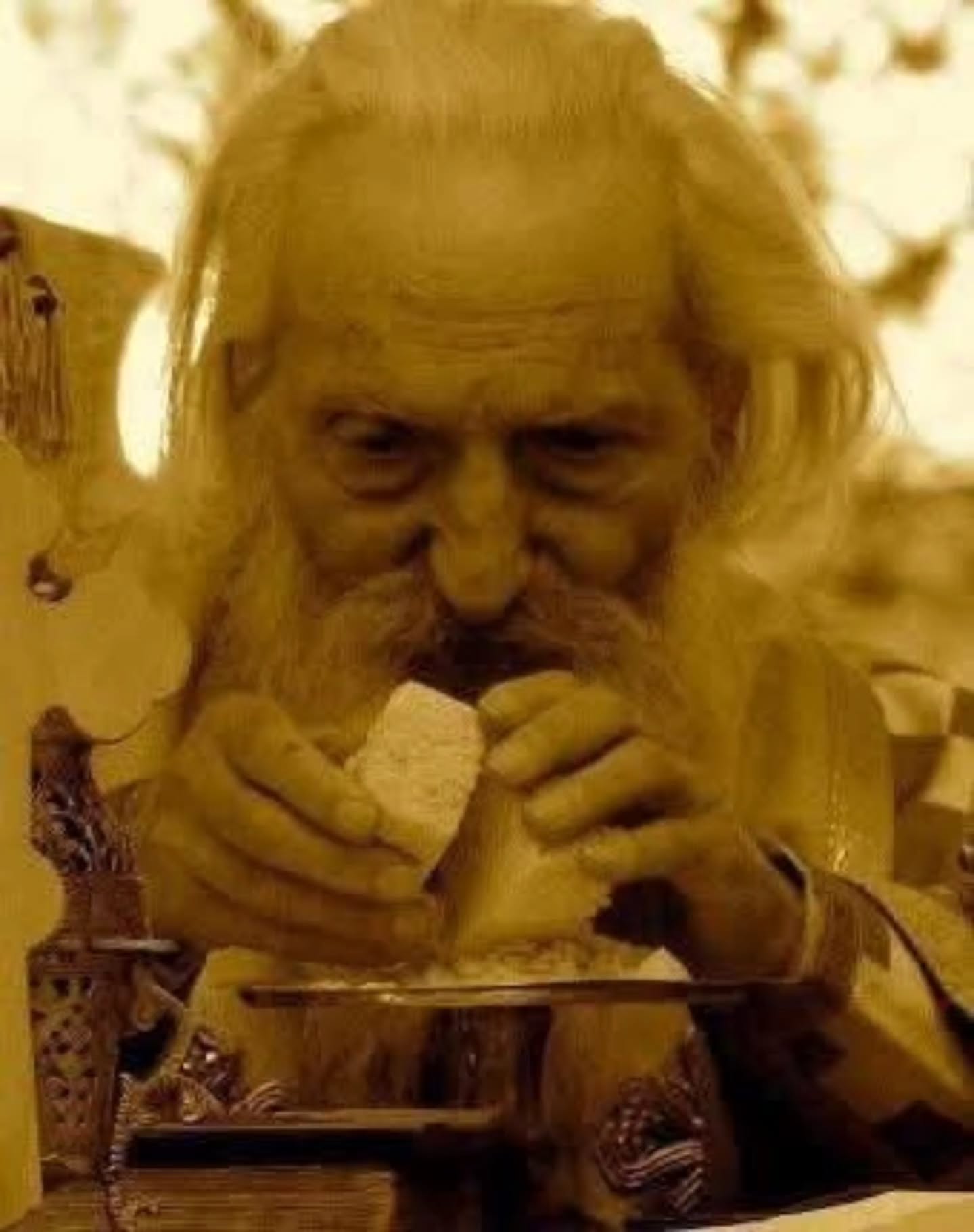
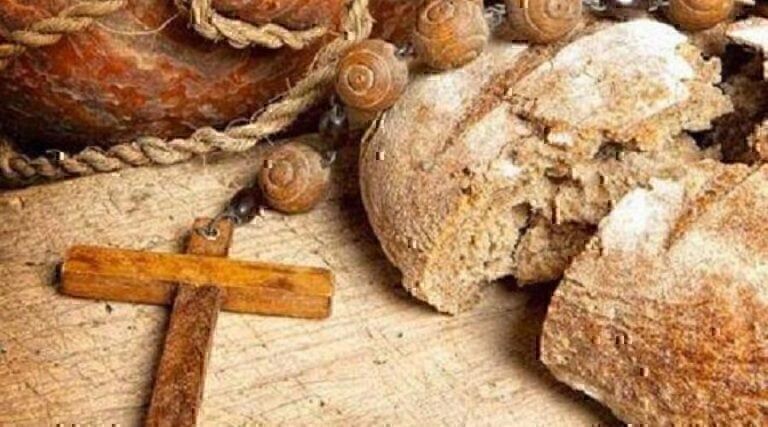
Patriarch Pavle on wasting bread and world hunger

The post shares a quote from the late Serbian Patriarch Pavle addressing children about the meaning of hunger. He contrasts the casual wasting of bread crumbs at the table with the reality of hungry children around the world, particularly in Africa, for whom a single crust can mean life and hope. The patriarch urges remembrance of these children whenever bread is thrown away. The image shows Patriarch Pavle breaking bread over a plate. The text…

The post shares a quote from the late Serbian Patriarch Pavle addressing children about the meaning of hunger. He contrasts the casual wasting of bread crumbs at the table with the reality of hungry children around the world, particularly in Africa, for whom a single crust can mean life and hope. The patriarch urges remembrance of these children whenever bread is thrown away.

The image shows Patriarch Pavle breaking bread over a plate. The text is a direct exhortation against waste and a call to compassion, rooted in the patriarch's known ascetic lifestyle and concern for the poor. No further discussion or commentary accompanies the quote.

  • Patriarch Pavle speaks to children about the reality of global hunger
  • He contrasts wasted bread crumbs with children for whom a crust is life
  • He specifically mentions hungry children in Africa and worldwide
  • He urges remembrance of the hungry when seeing bread thrown away
  • The quote reflects his personal asceticism and care for the poor
Read more

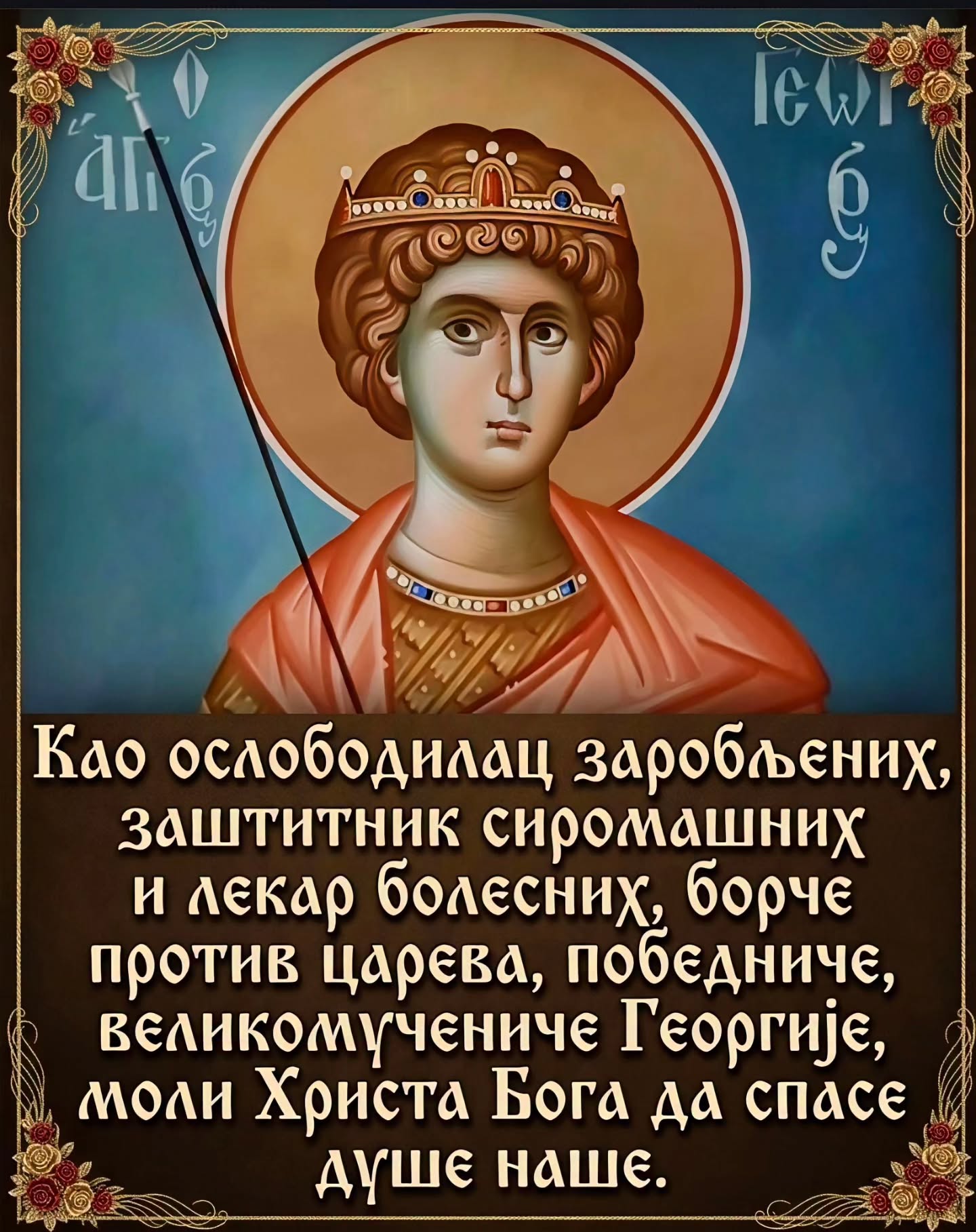
St. Justin Popovich on St. George's Victory Over Diocletian

The post presents a passage from St. Justin Popovich reflecting on the Great-martyr George's triumph over the Roman Emperor Diocletian. St. Justin emphasizes that George, though a youth, conquered the all-powerful emperor not by weapons but by martyrdom. Through his suffering and death, George demonstrated and proved that Christ is truly risen and that He is the Eternal Truth. The accompanying image contains the Greek text of the troparion to…

The post presents a passage from St. Justin Popovich reflecting on the Great-martyr George's triumph over the Roman Emperor Diocletian. St. Justin emphasizes that George, though a youth, conquered the all-powerful emperor not by weapons but by martyrdom. Through his suffering and death, George demonstrated and proved that Christ is truly risen and that He is the Eternal Truth.

The accompanying image contains the Greek text of the troparion to St. George, addressing him as liberator of captives, protector of the poor, physician of the sick, contender against kings, and victor, asking him to intercede with Christ God for the salvation of souls. The passage connects the historical martyrdom under Diocletian's persecution with its theological significance: the martyr's witness becomes the proof of the Resurrection.

St. Justin Popovich, a prominent 20th-century Serbian theologian and ascetic, frames the martyr's victory as the definitive Christian answer to worldly power.

  • St. Justin Popovich describes St. George's martyrdom as a victory over Emperor Diocletian
  • The victory was achieved not by weapons but by martyrdom itself
  • George's martyrdom proves Christ is truly risen and is the Eternal Truth
  • The image includes the Greek troparion to St. George as liberator, protector, physician, and victor
  • The troparion asks St. George to pray to Christ God for the salvation of souls
Read more

The Nativity Fast: Forty Days of Preparation for the Incarnation

The post outlines the Nativity Fast, observed from November 15 to December 24 in the Orthodox Church, as a forty-day period of spiritual preparation for the feast of Christ's Nativity. It explains the theological foundation: the Incarnation of the eternal Son of God, who became man out of love to save humanity from sin, corruption, and death, restoring human nature and opening the path to eternal life. Saint Athanasius the Great is cited: "God…

The post outlines the Nativity Fast, observed from November 15 to December 24 in the Orthodox Church, as a forty-day period of spiritual preparation for the feast of Christ's Nativity. It explains the theological foundation: the Incarnation of the eternal Son of God, who became man out of love to save humanity from sin, corruption, and death, restoring human nature and opening the path to eternal life.

Saint Athanasius the Great is cited: "God became man so that man might become god," referring to theosis, participation in divine life by grace. The purpose of fasting is described as repentance, prayer, humility, and purification of the heart, not merely dietary change. Traditional abstinence from meat, dairy, and eggs is noted, with allowances varying by day and tradition.

The post emphasizes that true fasting includes abstaining from anger, pride, hatred, gossip, and all sinful passions, along with almsgiving, forgiveness, intensified prayer, and participation in church services. It then presents a series of patristic quotations on fasting from Saint Symeon of Thessalonica, Saint Seraphim of Sarov, Saint Tikhon of Zadonsk, Saint Basil the Great, Saint Gregory Palamas, Saint John Chrysostom, Saint Athanasius the Great, Saint Moses the Black, Saint Ignatius Brianchaninov, Saint Abba Dorotheus, Saint Isaac the Syrian, Saint Paisios of Mount Athos, and Christ's words in Matthew 6:16-18. These quotations address the spiritual meaning of fasting, its connection to humility, mercy, reconciliation, and the struggle against passions, and the necessity of combining fasting with prayer and virtues.

The post concludes with a summary statement on why the Orthodox Church fasts: to train the will, weaken passions, and become more receptive to God's grace, with body and soul fasting together.

  • The Nativity Fast runs from November 15 to December 24 as preparation for Christ's birth.
  • The Incarnation is the theological basis: God became man so that humanity might participate in divine life (theosis).
  • Fasting aims at repentance, prayer, humility, and purification, not only dietary abstinence.
  • Patristic quotations stress fasting from passions, almsgiving, forgiveness, and humility.
  • Fasting and prayer together train the will, weaken passions, and open the soul to God's grace.
Read more

Miracle-working St. George icon at Xenophontos survived fire, sword, sea

The post describes the miracle-working icon of the Great Martyr and Victory-Bearer George at the katholikon of the Holy Mountain monastery of Xenophontos. According to tradition, during the period of iconoclasm the icon was in Constantinople. Iconoclasts threw it into a fire, but it remained untouched. They then struck its face with a sword, and blood immediately flowed, to the dismay of the iconoclasts. In a final attempt to destroy it, they…

The post describes the miracle-working icon of the Great Martyr and Victory-Bearer George at the katholikon of the Holy Mountain monastery of Xenophontos. According to tradition, during the period of iconoclasm the icon was in Constantinople. Iconoclasts threw it into a fire, but it remained untouched.

They then struck its face with a sword, and blood immediately flowed, to the dismay of the iconoclasts. In a final attempt to destroy it, they cast it into the sea, but the icon miraculously sailed to the Holy Mountain and the monastery of Xenophontos in the 10th century. This evening a vigil is being held at Zografou and Xenophontos, and numerous Athonite cells are also celebrating the feast.

The accompanying photograph is credited to the Holy Monastery Xenophontos. The image bears the Greek inscription "Ο ΑΓΙΟΣ ΝΙΚΟΛΑΟΣ" (Saint Nicholas).

  • Icon of St. George at Xenophontos Monastery is miracle-working
  • During iconoclasm in Constantinople, icon thrown into fire but unharmed
  • Iconoclasts struck icon's face with sword; blood flowed immediately
  • Thrown into sea, icon miraculously reached Mount Athos in 10th century
  • Tonight vigil celebrated at Zografou and Xenophontos and many Athonite cells
Read more
Mount Athos Legacy Facebook

Nativity Fast begins November 15, a 40-day preparation for Christmas

The post announces the start of the Nativity Fast, the second major fasting period in the Orthodox liturgical year after Great Lent. Known popularly as the Sarantameros (Forty Days), it begins on November 15 and concludes on December 24. The fast serves as a period of spiritual preparation for the feast of the Nativity of Christ. It lasts approximately forty days and is observed with less severity than the fast of Great Lent. The text notes the…

The post announces the start of the Nativity Fast, the second major fasting period in the Orthodox liturgical year after Great Lent. Known popularly as the Sarantameros (Forty Days), it begins on November 15 and concludes on December 24. The fast serves as a period of spiritual preparation for the feast of the Nativity of Christ.

It lasts approximately forty days and is observed with less severity than the fast of Great Lent. The text notes the dates and the character of the fast, emphasizing its role in readying the faithful for the celebration of Christ's birth.

  • The Nativity Fast starts on November 15 and ends on December 24.
  • It is the second long fast after Great Lent, called Sarantameros (Forty Days).
  • The fast lasts about 40 days as spiritual preparation for Christ's Nativity.
  • It is less strict than the Great Lent fast.
  • The post marks today as the beginning of this fasting period.

Orthodox Atonement: Christ Heals Human Nature, Not Penal Substitution

The speaker begins by advising against conversion to Eastern Orthodoxy. He explains that Eastern Orthodox Christians reject penal substitution, the doctrine that Jesus bore the Father's punishment for human sins on the cross. The speaker clarifies that Orthodox theology does not deny the crucifixion but interprets it differently: human nature was corrupted by sin, and Christ assumed that corrupted nature to heal it through his death and…

The speaker begins by advising against conversion to Eastern Orthodoxy. He explains that Eastern Orthodox Christians reject penal substitution, the doctrine that Jesus bore the Father's punishment for human sins on the cross. The speaker clarifies that Orthodox theology does not deny the crucifixion but interprets it differently: human nature was corrupted by sin, and Christ assumed that corrupted nature to heal it through his death and resurrection.

He cites St. Gregory the Theologian's maxim: "What is not assumed is not healed." According to this view, Christ suffered willingly out of love to save humanity from sin and death, not because the Father required punishment. The speaker argues that penal substitution misunderstands the entire purpose of Christ's sacrifice.

He states that Orthodox Christians believe Jesus died on the cross, but not as a penal substitute; rather, Christ's assumption of fallen humanity enables its restoration. The purpose of the incarnation and crucifixion is to heal human nature from within, saving people from sin and death by divine love, not by satisfying divine wrath.

Key moments

  1. The speaker says people should not convert to Orthodoxy.
  2. Eastern Orthodox reject penal substitution, Jesus did not take punishment from the Father for our sins.
  3. Orthodox believe Jesus died on the cross but not as penal substitution.
  4. Penal substitution misunderstands the entire purpose of Christ's sacrifice.
  5. Human nature was corrupted by sin and Christ assumed it to heal it through his death and resurrection.
  6. St. Gregory the Theologian said: what is not assumed is not healed.
  7. Christ willingly suffered out of love, not because the Father needed to punish him.
  8. The purpose was to save us from sin and death.

Fr. Christodoulos Papadeas: Humility as the Foundation of Christian Life

Fr. Christodoulos Papadeas: Humility as the Foundation of Christian Life 3:16

Fr. Christodoulos Papadeas of the Greek Orthodox Metropolis of Denver teaches that humility is not optional but the foundation of prayer, repentance, love, and perseverance. He describes humility as a gift that must be cultivated through obedience, service, confession, and the patient acceptance of life's difficulties. Growing in humility gives a true sense of proportion: remembering that we are one among millions, members of the same human…

Fr. Christodoulos Papadeas of the Greek Orthodox Metropolis of Denver teaches that humility is not optional but the foundation of prayer, repentance, love, and perseverance. He describes humility as a gift that must be cultivated through obedience, service, confession, and the patient acceptance of life's difficulties. Growing in humility gives a true sense of proportion: remembering that we are one among millions, members of the same human family and the same body of Christ.

This awareness does not diminish the person but opens the heart to brotherhood, compassion, and unity. Christ is the supreme image of humility, obedient to the Father and willing to endure the Cross for the life of the world. In marriage, monasticism, or daily service, humility teaches faithfulness, self-giving, and perseverance until the end.

The reflection adds that putting oneself under a spiritual father's guidance, learning to serve others, and recognizing one's place among millions foster humility. Accepting difficulties and illnesses, offering sincere confession before a loving spiritual father, and the daily mutual submission in marriage further develop this virtue.

The priest honors couples married seventy and forty years as examples of enduring humility, while noting that some abandon the path through divorce or leaving monastic life. The goal is to remain faithful until the end.

Key moments

  1. 0:00 Humility is a gift everyone likely has but must cultivate, beginning with putting oneself under a spiritual father's guidance and learning to serve others by putting oneself second.
  2. 0:32 Realizing we are one among millions of people, brothers with every human being, allows us to be one with everyone as Christ desires.
  3. 1:04 Christ showed great humility by being obedient to the Father and accepting crucifixion, and accepting our own life difficulties and illnesses produces humility.
  4. 1:35 Sincere confession before a spiritual father who loves us and does not judge helps us grow in humility, as St. Porphyrios and St. Amphilochios taught.
  5. 2:06 A spiritual father who has gone before us in life's difficulties, with his knowledge and prayer life, helps us grow, just as husband and wife learn humility by giving into each other.
  6. 2:36 The speaker met a couple married 70 years and another married 40 years, honoring their humility in staying together, while noting others drop out through divorce or leaving monastic life, and the goal is to stay in the game until the end.

St. Nikolai Velimirovich: Human praise and punishment versus God's judgment

The post shares a passage from the Missionary Letters of St. Nikolai Velimirovich, a Serbian bishop and theologian of the twentieth century. The text contrasts human and divine responses to good and evil actions. It states that if a person does evil, people may praise them, but God will punish them. If a person does good, people may punish them, but God will reward them. The saint points to Christ as the definitive example: Christ did only good,…

The post shares a passage from the Missionary Letters of St. Nikolai Velimirovich, a Serbian bishop and theologian of the twentieth century. The text contrasts human and divine responses to good and evil actions. It states that if a person does evil, people may praise them, but God will punish them.

If a person does good, people may punish them, but God will reward them. The saint points to Christ as the definitive example: Christ did only good, yet people crucified Him. The passage concludes with a direct exhortation not to look to people for validation or fear their reaction, but to turn toward God. The quote stands alone without additional commentary or discussion in the source.

  • Evil deeds may earn human praise but incur divine punishment
  • Good deeds may incur human punishment but earn divine reward
  • Christ exemplifies this pattern: He did only good and was crucified
  • The faithful should not seek human approval or fear human judgment
  • The proper orientation is to turn toward God
Read more

Speaker contrasts Nostra Aetate with canons forbidding prayer with heretics

The speaker, an Orthodox Christian, argues that the Roman Catholic Church contradicts itself. He notes that Nostra Aetate declares Muslims adore the one God, only years after the same church claimed to expel anyone who departs from its magisterium. He adds that Catholicism now recognizes Orthodox sacraments, apostolic succession and a valid priesthood, yet forbids Orthodox faithful from receiving Eucharist, confessing to Catholic priests or…

The speaker, an Orthodox Christian, argues that the Roman Catholic Church contradicts itself. He notes that Nostra Aetate declares Muslims adore the one God, only years after the same church claimed to expel anyone who departs from its magisterium. He adds that Catholicism now recognizes Orthodox sacraments, apostolic succession and a valid priesthood, yet forbids Orthodox faithful from receiving Eucharist, confessing to Catholic priests or praying with the heterodox.

Against this he sets the canons: any clergyman or layman who enters a synagogue of Jews or heretics to pray is to be deposed and excommunicated, no one may join in prayer with heretics or schismatics, and one must not accept blessings from heretics. He cites Saint Photios the Great, who calls the Filioque a Filioque of godlessness, and Saint Gregory Palamas, who calls it polytheist and demonic, and mentions Saint Paisios, who would not pray with heretics and named the Latin Church as heretical.

The speaker rejects the claim that Muslims and Orthodox worship the same God, arguing that a different ecclesiology amounts to a Nestorian declaration. He also quotes a dialogue in which a saint tells a Muslim that since Christ is the judge of the human race, prayers must be addressed to him as God, which displeased the Muslim, and warns against reading that passage as an affirmation of Islam.

The original post itself is combative, accusing Catholics of pride and urging readers to put the truth first, with 'Ecumenism is death. Lord have mercy.'

Key moments

  1. 0:00 Nostra Aetate states that Muslims adore the one God, and the speaker calls this dogmatic, contrasting it with the same church's earlier claim that those who depart from its magisterium are rebels expelled from her children.
  2. 0:34 The Catholic Church now says the Orthodox possess true sacraments, apostolic succession, and a valid priesthood, yet an Orthodox Christian cannot receive Eucharist, confess to a Catholic priest, or pray with the heterodox.
  3. 1:07 The canons state that any clergyman or layman who enters a synagogue of Jews or heretics to pray is to be deposed and excommunicated, that no one shall join in prayer with heretics or schismatics, and that one must not accept blessings from heretics.
  4. 1:22 Heresy is demonic: Saint Photios the Great calls the Filioque of godlessness, and Saint Gregory Palamas calls it polytheist and demonic.
  5. 1:41 Modern saints such as Saint Paisios also held heresy to be demonic and would not pray with heretics, noting the Latin Church as heretical and departed from the body of Christ.
  6. 1:55 The speaker argues that calling Muslim Trinitarian theology different while claiming Nicene Trinitarianism makes no sense, since the church is the body of Christ and a different ecclesiology is a Nestorian declaration.
  7. 2:11 He quotes a dialogue in which the saint tells a Muslim that since Christ is the judge of all the human race, prayers must be addressed to him as God, inseparable from the Father as his natural Word, and the Muslim was displeased by this.
  8. 2:42 He warns that anyone who reads this passage as affirming the Muslim is lying and misrepresenting the book, and tells them to read it, since it is short.
33 opinions in the discussion Why am I not surprised you'd drop a hate-filled video on the Lord's day? God bless you brother! We love you and we pray for your repentance. Read the discussion