
 Orthodox Life
Instagram
Saint Matthew the Apostle and Evangelist: life, Gospel, and martyrdom


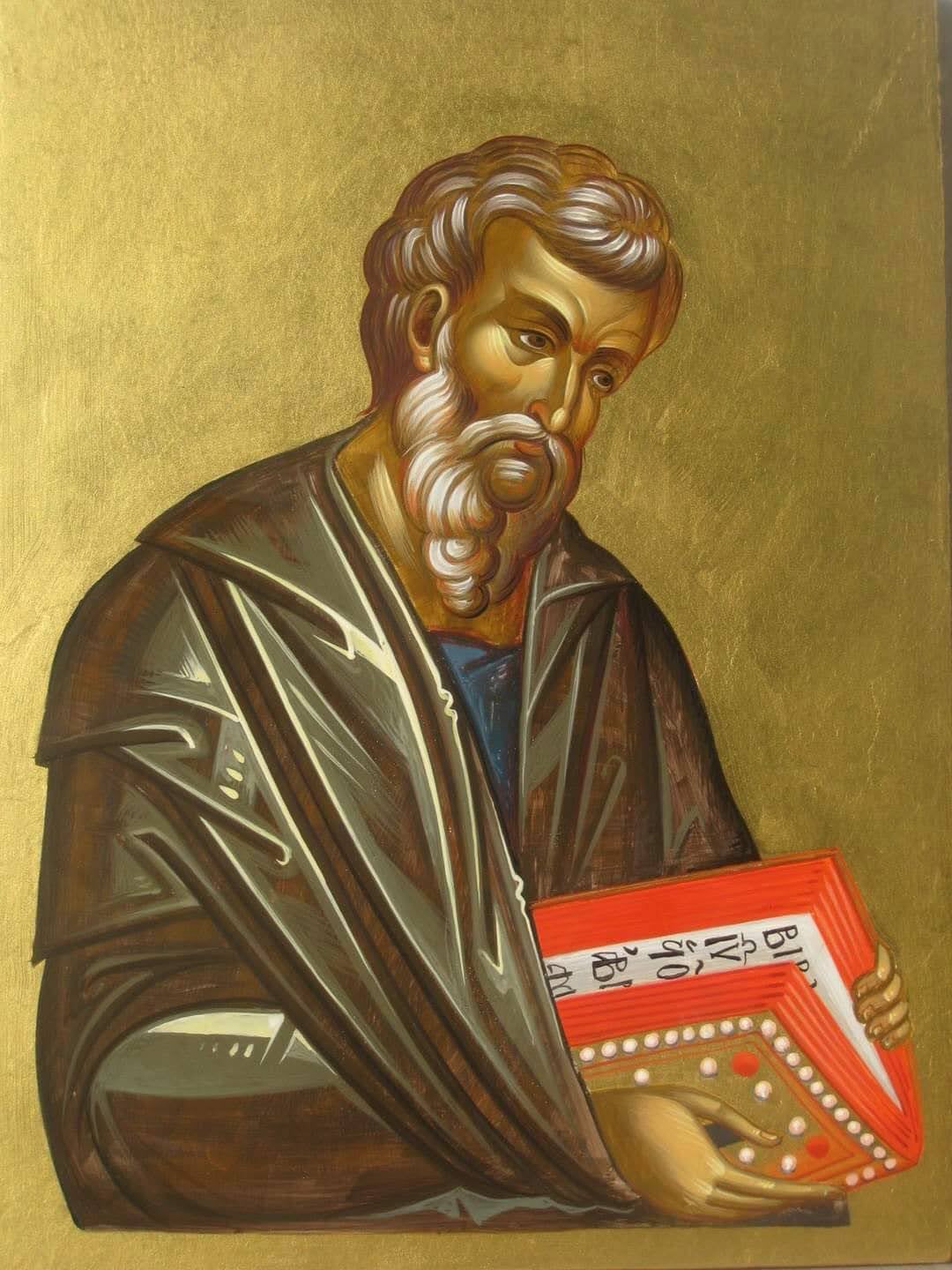
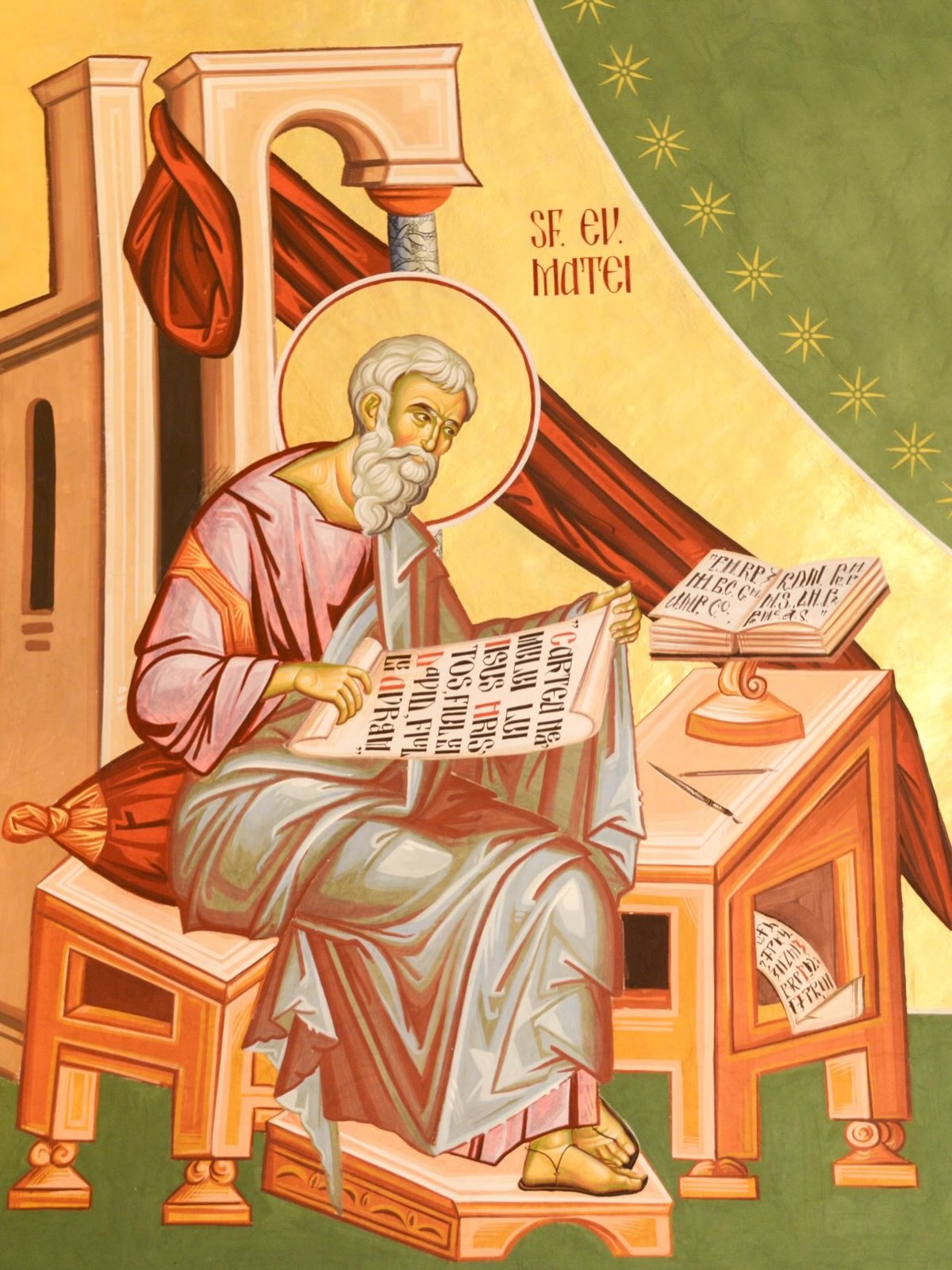
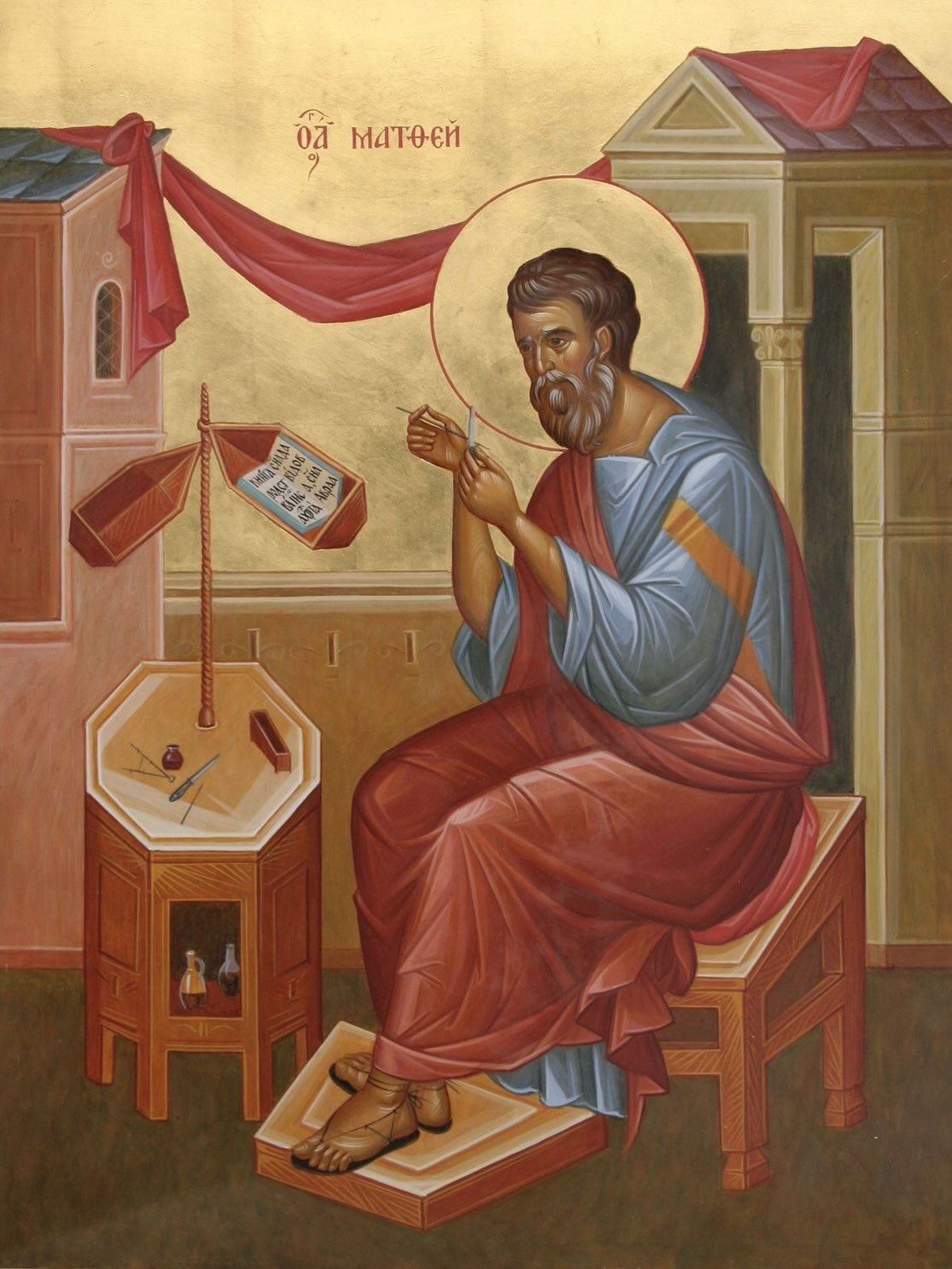


The post commemorates Saint Matthew on November 16. He was originally named Levi, a wealthy Jewish tax collector living in Capernaum. Because he worked for the Roman Empire, his countrymen despised him and viewed him as a public sinner. When Jesus Christ passed his customs booth and said, "Come, follow Me," Matthew immediately left his wealth to become one of the Twelve Disciples.
He hosted a farewell feast where Christ ate with fellow tax collectors and sinners, demonstrating God's mercy and call to repentance. After Pentecost, Matthew preached the Gospel first among Jews in Palestine. According to Orthodox tradition, he was the first to write down the Gospel, composing it in Aramaic or Hebrew to prove that Jesus was the promised Messiah.
His missionary journeys took him through Syria, Persia, and Parthia to Ethiopia, where he founded churches and worked miracles. In the Ethiopian city of Myrmene, he converted many pagans to Christianity, angering the local ruler Fulvian. Matthew was placed in a pit of fire surrounded by twelve golden idols, but the flames did not harm him; instead they flared toward Fulvian while the idols melted like wax.
The frightened Fulvian begged Matthew for forgiveness, and by the martyr's prayers the flame went out. His body still unharmed, Saint Matthew surrendered his soul to the Lord. The commemoration is accompanied by icons bearing inscriptions in Greek, Church Slavonic, and Romanian, depicting the saint writing his Gospel, holding a Gospel book, and scenes of his burial and veneration.
Main points
- Originally Levi, a tax collector in Capernaum, called by Jesus to follow Him
- Hosted a feast where Christ dined with tax collectors and sinners
- First to write the Gospel, in Aramaic or Hebrew, to prove Jesus as Messiah
- Preached in Palestine, Syria, Persia, Parthia, and Ethiopia
- Martyred in Myrmene, Ethiopia, surviving a fiery pit with idols and converting the ruler Fulvian