WeOrthodox
EN UA

Orthodox posts, videos and discussions

We follow Orthodox channels, communities and blogs across the web, summarise every post and video, and highlight the conversations with real substance.

Once a sheep of the world, now His: a short confession of faith

The author writes a short personal confession about leaving behind the desire to fit in with the crowd. They state that they no longer follow the crowd but follow Christ, and that they no longer seek acceptance from people but acceptance from Him. The author adds that they no longer live for this world but live for His Kingdom, and describes their former life as having been a sheep of the world, in contrast to belonging to Christ now. The post…

The author writes a short personal confession about leaving behind the desire to fit in with the crowd. They state that they no longer follow the crowd but follow Christ, and that they no longer seek acceptance from people but acceptance from Him. The author adds that they no longer live for this world but live for His Kingdom, and describes their former life as having been a sheep of the world, in contrast to belonging to Christ now.

The post closes with the word Amen and a set of symbols, including a cross. There is no discussion in the thread; the post is a single statement of personal commitment with no replies, questions, or further context given. The language is direct and declarative throughout, built on a series of contrasts: crowd versus Christ, acceptance by people versus acceptance by Him, this world versus His Kingdom, being the world's sheep versus being His.

  • The author no longer follows the crowd but follows Christ.
  • They seek acceptance from Christ rather than from people.
  • They say they no longer live for this world but for His Kingdom.
  • They describe their former self as a sheep of the world and now as belonging to Christ.
  • The post is a single statement of faith with no discussion or replies.
Read more
☦️An Orthodox Blog☦️ Instagram

Martyrs Eulampius and Eulampia of Nicomedia, with 200 Martyrs: October 10

1:30

The post marks October 10 on the calendar and names the saints commemorated that day: the Martyrs Eulampius and Eulampia at Nicomedia, together with 200 Martyrs who suffered with them. The accompanying video presents the opening verses of Psalm 17 (Psalm 18 in the Hebrew numbering) in Greek. The verse reads: 'I will love You, O Lord, my strength. The Lord is my firm foundation, my refuge and my deliverer, my God, my helper, my hope in Him.' The…

The post marks October 10 on the calendar and names the saints commemorated that day: the Martyrs Eulampius and Eulampia at Nicomedia, together with 200 Martyrs who suffered with them. The accompanying video presents the opening verses of Psalm 17 (Psalm 18 in the Hebrew numbering) in Greek. The verse reads: 'I will love You, O Lord, my strength. The Lord is my firm foundation, my refuge and my deliverer, my God, my helper, my hope in Him.' The verses are then repeated, with the second repetition shortened to the first part: 'I will love You, O Lord, my strength.

The Lord is my firm foundation and my refuge and my deliverer.' The post carries hashtags pointing to Christian and Orthodox themes, including faith, the Church Fathers, and Jesus. The combination of the commemoration notice and the psalm text gives the reader both the day's saints and a verse of Scripture to read or listen to.

Key moments

  1. 'I will love You, O Lord, my strength. The Lord is my firm foundation, my refuge and my deliverer, my God, my helper, my hope in Him.'
  2. The verse is repeated: 'I will love You, O Lord, my strength. The Lord is my firm foundation and my refuge and my deliverer.'

Seventh Council and the distinction between veneration and worship

1:04

The speaker addresses the biblical prohibition against making images for bowing down, found in the Ten Commandments, and contrasts it with the Seventh Ecumenical Council's decree that Christians must bow down to images. He argues that the iconoclastic position commits two category errors. First, the second commandment forbids idolatry, making an image and worshipping it as God, not images in general, since God later commanded golden cherubim for…

The speaker addresses the biblical prohibition against making images for bowing down, found in the Ten Commandments, and contrasts it with the Seventh Ecumenical Council's decree that Christians must bow down to images. He argues that the iconoclastic position commits two category errors. First, the second commandment forbids idolatry, making an image and worshipping it as God, not images in general, since God later commanded golden cherubim for the ark.

Second, veneration differs from worship; Scripture distinguishes acts of honor from the divine adoration owed to God alone. Orthodox Christians venerate the person depicted in an icon without offering sacrifice or divine adoration. The Seventh Council separated honor from true worship due to the divine nature.

The speaker contends that collapsing the distinction between icon and idol or veneration and worship fails to refute iconography and reveals a low view of worship.

Key moments

  1. The speaker references the biblical prohibition against making images to bow down to, found in the Ten Commandments.
  2. The speaker states the Seventh Ecumenical Council said "You must bow down to images."
  3. The iconoclastic argument makes two basic category errors.
  4. First error: the second commandment prohibits idolatry, making an image and worshipping it as God, not images in general; evidenced by God commanding golden cherubim for the ark five chapters later.
  5. Second error: veneration is not worship; Scripture distinguishes acts of honor and reverence from the worship owed uniquely to God.
  6. Orthodox Christians do not offer icons sacrifice or divine adoration; they venerate the person depicted.
  7. The Seventh Ecumenical Council distinguished honor from the true worship owed to the divine nature alone.
  8. Inability to distinguish an icon from an idol or veneration from worship collapses categories Scripture already distinguished and shows a low view of worship.
16 opinions in the discussion They say it's idol worship bc they don't even show God the same honor we show Saints. So ofc to them it looks like worship😂 Read the discussion
George Instagram

Peter and Judas: Same Betrayal, Two Different Endings

1:13

Peter and Judas both betrayed Christ on the same night. Judas sold him for 30 pieces of silver, and Peter, who had said he would never leave him, denied him three times before the rooster crowed. Both fell, and both felt terrible. Judas even brought back the money, saying, "I have sinned." The speaker explains that the original Greek of the gospel uses a different word for what Judas felt: regret, not metanoia, real repentance. Judas looked at…

Peter and Judas both betrayed Christ on the same night. Judas sold him for 30 pieces of silver, and Peter, who had said he would never leave him, denied him three times before the rooster crowed. Both fell, and both felt terrible. Judas even brought back the money, saying, "I have sinned." The speaker explains that the original Greek of the gospel uses a different word for what Judas felt: regret, not metanoia, real repentance.

Judas looked at his sin and lost hope, while Peter wept bitterly and went back to Christ. After the resurrection, Jesus met Peter by the sea and asked him three times, "Do you love me?", one question for each denial, and gave him his place back. The speaker tells viewers not to stay alone with their guilt like Judas but to go back to Christ like Peter, and says going to confession is the best thing they could do. He ends by asking whether guilt has ever kept them away from God.

Key moments

  1. Peter and Judas both betrayed Christ on the same night: Judas sold him for 30 pieces of silver, and Peter denied him three times before the rooster crowed.
  2. Both fell and both felt terrible, and Judas brought back the money saying, "I have sinned."
  3. In the original Greek, the gospel uses a different word for what Judas felt: regret, not metanoia, real repentance.
  4. Judas looked at his sin and lost hope, while Peter wept bitterly but still went back to Christ.
  5. After the resurrection, Jesus met Peter by the sea and asked him three times, "Do you love me?", one for each denial, and gave him his place back.
  6. The speaker tells viewers not to stay alone with their guilt like Judas but to go back to Christ like Peter, and says going to confession is the best thing they could do.
  7. He asks viewers whether guilt has ever kept them away from God.
Read more
Orthodox Life Instagram

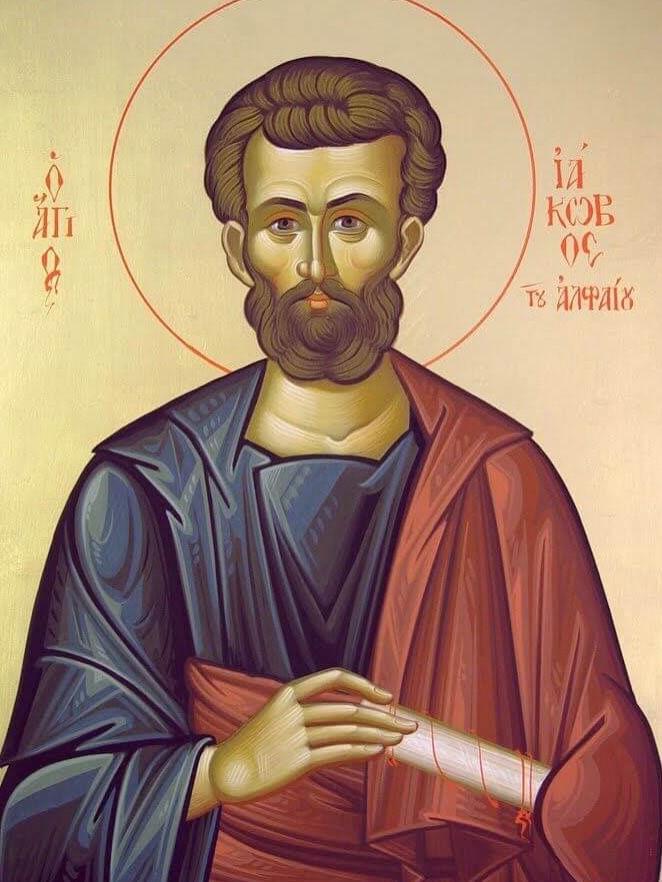
James, Son of Alphaeus: Why the Orthodox Church Separates Him from James the Just

October 9 marks the feast of Saint James the Apostle, son of Alphaeus, whom the Eastern Orthodox Church honors as one of the original Twelve Apostles chosen by Jesus Christ. The author explains that Orthodox Sacred Tradition identifies James as the biological brother of the Holy Evangelist Matthew, who was previously the tax collector Levi, since both are recorded as sons of Alphaeus. The Church commemorates him on October 9 and again on June 30…

October 9 marks the feast of Saint James the Apostle, son of Alphaeus, whom the Eastern Orthodox Church honors as one of the original Twelve Apostles chosen by Jesus Christ. The author explains that Orthodox Sacred Tradition identifies James as the biological brother of the Holy Evangelist Matthew, who was previously the tax collector Levi, since both are recorded as sons of Alphaeus.

The Church commemorates him on October 9 and again on June 30 at the Synaxis of the Twelve Apostles.

The author then turns to a theological distinction in Orthodox Mariology and tradition. James, the son of Alphaeus, is a different person from James the Brother of the Lord, also called James the Just. The author notes that Western traditions often conflate the two, while the Orthodox Church keeps them separate, with different feast days.

James the Just wrote the New Testament Epistle and was the first Bishop of Jerusalem. He is recognized as a son of Saint Joseph the Betrothed from a previous marriage. The son of Alphaeus, by contrast, is counted strictly among the core Twelve.

The author describes James's life during Christ's earthly ministry. He followed the Master closely, heard His words, witnessed His miracles, and beheld His suffering, Resurrection, and Ascension. He was in the Upper Room with the other disciples on the day of Pentecost and received the Holy Spirit in the form of fiery tongues. The author writes that this empowerment transformed him into a bold "fisherman of nations."

After Pentecost, Holy Tradition records that James traveled with fellow disciples, most notably Saint Andrew the First-Called. He preached through Judea, Edessa, Gaza, and Eleutheropolis, proclaiming Christ, destroying pagan idols, and casting out evil spirits. Sentenced to martyrdom in 62 AD, James was crucified, mirroring the passion of his Savior and sealing his earthly testimony with his blood.

  • The Orthodox Church commemorates James, son of Alphaeus, on October 9 and on June 30 at the Synaxis of the Twelve Apostles.
  • Sacred Tradition identifies him as the biological brother of the Evangelist Matthew, since both are recorded as sons of Alphaeus.
  • Orthodox tradition keeps him distinct from James the Just, the Epistle author and first Bishop of Jerusalem, whom it counts as a son of Saint Joseph the Betrothed from a previous marriage.
  • He received the Holy Spirit with the other disciples in the Upper Room on Pentecost, in the form of fiery tongues.
  • He preached with Saint Andrew the First-Called in Judea, Edessa, Gaza, and Eleutheropolis, and was crucified in 62 AD.
Read more
Anthony’s Cell YouTube

Grace and Truth Came Through Jesus Christ: Christ the Lawgiver, Moses the Servant

Grace and Truth Came Through Jesus Christ: Christ the Lawgiver, Moses the Servant 4:30

An audio reading presents an article from the Orthodox Study Bible titled "The Grace of Christ and the Law of Moses," opening with singing and a prayer. The reading takes John 1:17 as its starting point: the law was given through Moses, but grace and truth came through Jesus Christ. From there it argues that the grace of Christ and the law of Moses are complementary parts of one divine plan, not opposites. The pre-incarnate Christ, not Moses,…

An audio reading presents an article from the Orthodox Study Bible titled "The Grace of Christ and the Law of Moses," opening with singing and a prayer. The reading takes John 1:17 as its starting point: the law was given through Moses, but grace and truth came through Jesus Christ. From there it argues that the grace of Christ and the law of Moses are complementary parts of one divine plan, not opposites.

The pre-incarnate Christ, not Moses, gave the law, so Christ is the Lawgiver and Moses his faithful servant. Moses spoke in the name of the Lord rather than his own, while Christ, as the Son of God, brought creation into existence from non-existence and is building his church. At the Transfiguration, Moses and Elijah appeared with Christ, Moses prefiguring the fulfillment of the Law and Elijah the Prophets.

When the Son became incarnate he spoke to Israel directly, no longer through a prophet. Israel refused to believe him, but he gave believing Jews and Gentiles authority to become his children. The reading cites Genesis 12:1-3 and Isaiah 49:5-6 to show the Old Testament promised Gentiles would be included in the promises to Israel; race is not the issue but faith in Christ, and his church is one, of every nation, tongue, and tribe.

The Mosaic law renewed the knowledge of sin that had dulled between Adam and Moses and led mankind to repentance, though it could never remit sins. After his ascension Christ sent the Holy Spirit at Pentecost to convict the world of sin, renew the natural law in conscience, lead into all truth, and make us partakers of the divine nature.

The reading closes with Christ, the incarnate Lawgiver, remitting sins through his precious blood and healing the damage done through sinning.

Key moments

  1. 0:32 John 1:17 says the law was given through Moses, but grace and truth came through Jesus Christ; the grace of Christ and the law of Moses are complimentary, not contradictory.
  2. 1:03 The pre-incarnate Christ gave Moses the law, making Christ the lawgiver and Moses his servant; Moses and Elijah appeared with Christ at the Transfiguration, showing him as the fulfillment of the law and the prophets.
  3. 1:33 Christ is incomparably greater than Moses: as Son of God he brought creation into existence from non-existence and is building his church, while Moses spoke in the name of the Lord, not his own.
  4. 2:05 When the Son became incarnate he spoke to Israel directly, not through a prophet; Israel refused to believe him, but to believing Jews and Gentiles he gave authority to become his children.
  5. 2:39 The Old Testament promised Gentiles would be included in the promises to Israel, citing Genesis 12:1-3 and Isaiah 49:5-6; race is not the issue but faith in Christ, and his church is one, of every nation, tongue, and tribe.
  6. 3:10 Christ is lawgiver in both Testaments; in his incarnation he fulfilled the old law, making it obsolete.
  7. 3:40 The Mosaic law renewed knowledge of sin dulled between Adam and Moses, leading man to repentance; after his ascension Christ sent the Holy Spirit at Pentecost to convict the world of sin, renew the natural law in conscience, lead into all truth, and make us partakers of the divine nature.
  8. 4:11 The old law could never remit sins; Christ, the incarnate lawgiver, offers remission of sins through his precious blood and heals the damage done through sinning.
Kyle YouTube

You're Too Distracted to Know God

You're Too Distracted to Know God 2:15

A speaker argues that most people are too distracted to encounter God, and he proposes a small daily practice of silence. He recommends setting aside five or ten minutes each day with no music and no phones. The goal is attentiveness to God, which he says grows only in quiet. He cites the advice of Father Moses to have no music in the car as a good starting point for beginners. During silent time, the speaker suggests repeating the Jesus Prayer,…

A speaker argues that most people are too distracted to encounter God, and he proposes a small daily practice of silence. He recommends setting aside five or ten minutes each day with no music and no phones. The goal is attentiveness to God, which he says grows only in quiet.

He cites the advice of Father Moses to have no music in the car as a good starting point for beginners. During silent time, the speaker suggests repeating the Jesus Prayer, "Lord, have mercy on me a sinner," to clear the mind of stray thoughts. He states his conviction that God is not encountered in noise or distraction but in watchful silence, where the heart becomes sober and awake.

He admits the practice is hard: thoughts about work and the future keep intruding, and he urges people to try not to think about anything at all. The more silent time a person keeps, the more that person learns to love it, he says. He gives practical settings for the practice: in the car, before bed, and on walks outside.

On walks he suggests taking shoes off and physically grounding the feet as a way to stay present. The post links to a full interview, an Orthodox church directory, and ways to support the speaker, but the content itself is this teaching on silence and prayer.

Key moments

  1. 0:00 Set aside daily quiet time, even 5 or 10 minutes, with no music or phones, to cultivate attentiveness to God.
  2. 0:31 Father Moses talked about having no music in the car, which is a great place to start.
  3. 0:31 The more silent time you have, the more you learn to love it; repeat 'Lord, have mercy on me a sinner' to clear your mind.
  4. 1:03 God is not encountered in noise or distraction but in a watchful silence, where the heart becomes sober and awake.
  5. 1:33 Silence is hard because thoughts about work and the future intrude; try not to think about anything.
  6. 2:04 Practice silence in the car, before bed, and on walks outside; take your shoes off and physically ground your feet.
Read more

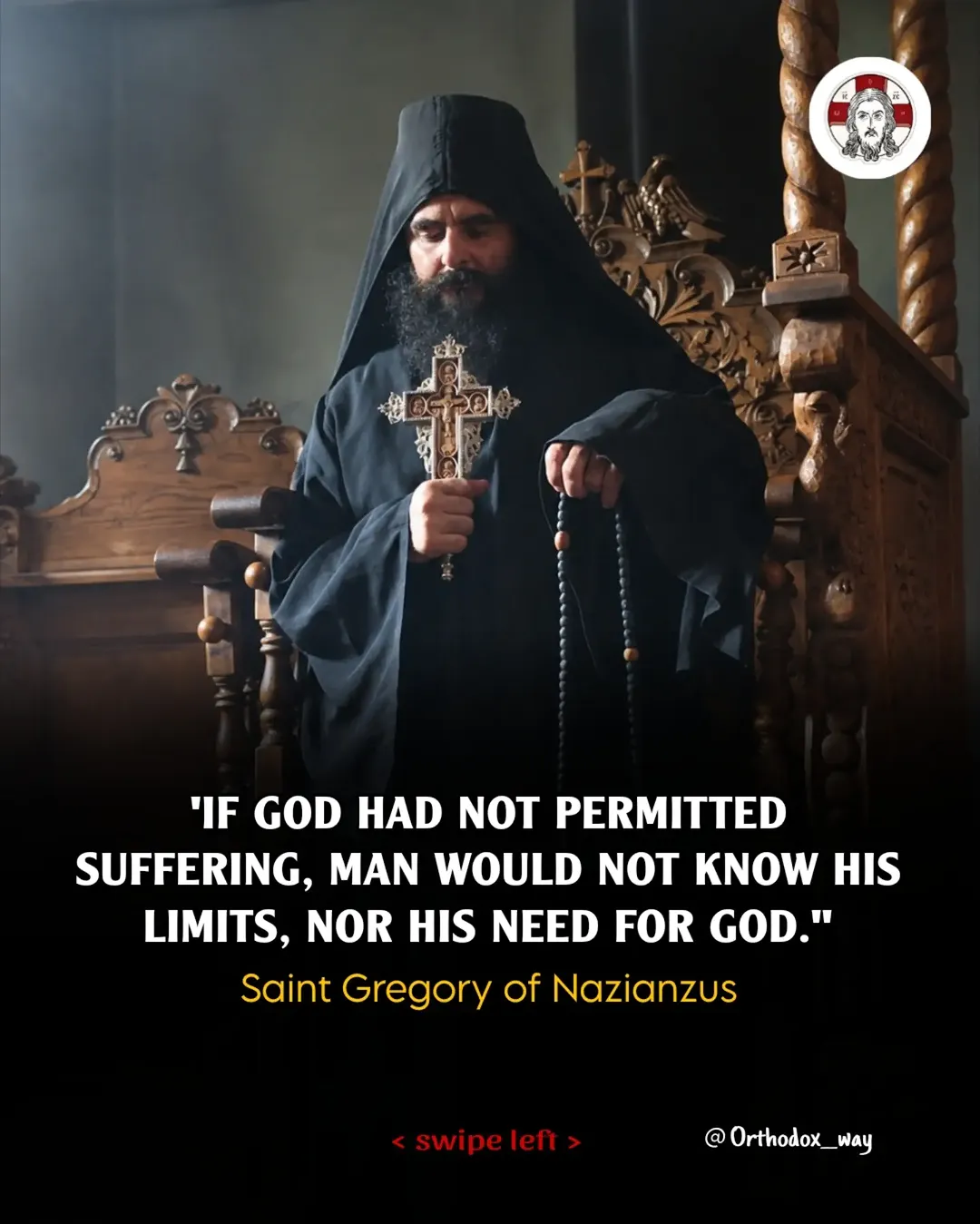
Saint Gregory the Theologian: Defender of the Trinity

Saint Gregory of Nazianzus, known as Gregory the Theologian, lived from approximately 329 to 390 AD. He ranks among the greatest Fathers of the Orthodox Church and is counted among the Three Holy Hierarchs. His reputation rests on profound wisdom, eloquence, and deep knowledge of Scripture. He devoted his life to defending the Orthodox faith against Arianism and proclaiming the divinity of Jesus Christ. His greatest contribution came through the…

Saint Gregory of Nazianzus, known as Gregory the Theologian, lived from approximately 329 to 390 AD. He ranks among the greatest Fathers of the Orthodox Church and is counted among the Three Holy Hierarchs. His reputation rests on profound wisdom, eloquence, and deep knowledge of Scripture.

He devoted his life to defending the Orthodox faith against Arianism and proclaiming the divinity of Jesus Christ. His greatest contribution came through the Five Theological Orations, delivered in Constantinople around 380 AD. In these orations he defended the divinity of the Son and the Holy Spirit and explained the mystery of the Holy Trinity.

His writings, sermons, and theological poetry became foundational to Orthodox theology, earning him the title The Theologian for his exceptional teaching on the Holy Trinity. Despite his great learning and his position as Archbishop of Constantinople, Gregory valued prayer, humility, and the contemplative life. After facing political and ecclesiastical conflicts, he withdrew from public leadership to devote himself to prayer and writing.

His legacy remains that of a faithful defender of the Trinity, whose words continue to illuminate the faith and life of the Orthodox.

  • One of the Three Holy Hierarchs and greatest Fathers of the Orthodox Church
  • Defended Orthodox faith against Arianism and proclaimed Christ's divinity
  • Delivered Five Theological Orations in Constantinople around 380 AD on the Trinity
  • Writings and poetry became foundational to Orthodox theology
  • Withdrew from archiepiscopal office to pursue prayer and contemplative life
Read more
George Instagram

What the Sign of the Cross Actually Means, Finger by Finger

1:07

The speaker observes that most people make the sign of the cross too fast or only halfway, not because they do not care but because nobody taught them what it means. He then explains the gesture part by part. The three pressed fingers stand for the Holy Trinity, Father, Son and Holy Spirit, three persons and one God. The two folded fingers represent Jesus Christ, fully God and fully man, and they point downward because he came down to us. The…

The speaker observes that most people make the sign of the cross too fast or only halfway, not because they do not care but because nobody taught them what it means. He then explains the gesture part by part. The three pressed fingers stand for the Holy Trinity, Father, Son and Holy Spirit, three persons and one God. The two folded fingers represent Jesus Christ, fully God and fully man, and they point downward because he came down to us.

The movement of the hand across the body is also explained as an offering: touching the forehead gives God the mind, touching the stomach gives the heart, and touching the shoulders gives the strength. The speaker says that a person who knows this can no longer brush the cross off like a fly. Instead, the person gives their whole self to God, mind, heart and strength, in the three seconds it takes to make the sign.

He closes by telling viewers to slow down, go all the way, and ask how they were taught to make the cross.

Key moments

  1. Many people make the sign of the cross too fast, only halfway, or like a small wave in front of the chest, because nobody told them what they are doing.
  2. The three pressed fingers are the Holy Trinity: Father, Son and Holy Spirit, three persons, one God.
  3. The two folded fingers are Jesus, fully God and fully man, pointing down because he came down to us.
  4. Forehead: I give him my mind. Stomach: love to my heart. Right and left shoulders: I give him my strength, everything I do.
  5. Knowing the meaning, you give your whole self to God, mind, heart and strength, in three seconds, so slow down, go all the way, and ask how you were taught to make the cross.
Read more
Saint Wisdom Instagram

Saint Anthony the Great: Guard Yourself Today, Not Yesterday

A short teaching attributed to Saint Anthony the Great is presented with the hashtags love, orthodox, saints, bible, and christianity. The speaker delivers it as a warning and an instruction. The warning has two parts: do not trust in your own righteousness, and do not spend your life worrying over what has already passed. The instruction turns attention to the present day. The listener is told to guard himself today by controlling his tongue,…

A short teaching attributed to Saint Anthony the Great is presented with the hashtags love, orthodox, saints, bible, and christianity. The speaker delivers it as a warning and an instruction. The warning has two parts: do not trust in your own righteousness, and do not spend your life worrying over what has already passed. The instruction turns attention to the present day. The listener is told to guard himself today by controlling his tongue, disciplining his desires, keeping God before his eyes, and doing the good that has been placed in front of him.

The teaching moves from what to avoid to what to do: self-trust and regret over the past are set aside in favor of watchfulness over the present. Each command concerns ordinary daily conduct, speech, appetite, attention to God, and the work at hand. The post offers no further commentary or discussion; it presents the words of the saint directly, framed as a call to vigilance in the current day rather than confidence in past achievements or sorrow over past failures.

Key moments

  1. Do not trust in your own righteousness.
  2. Do not spend your life worrying over what has already passed.
  3. Guard yourself today.
  4. Control your tongue and discipline your desires.
  5. Keep God before your eyes and do the good placed in front of you.
Read more
Prayer Orthodoxy ® with Prayer Orthodoxy® Instagram

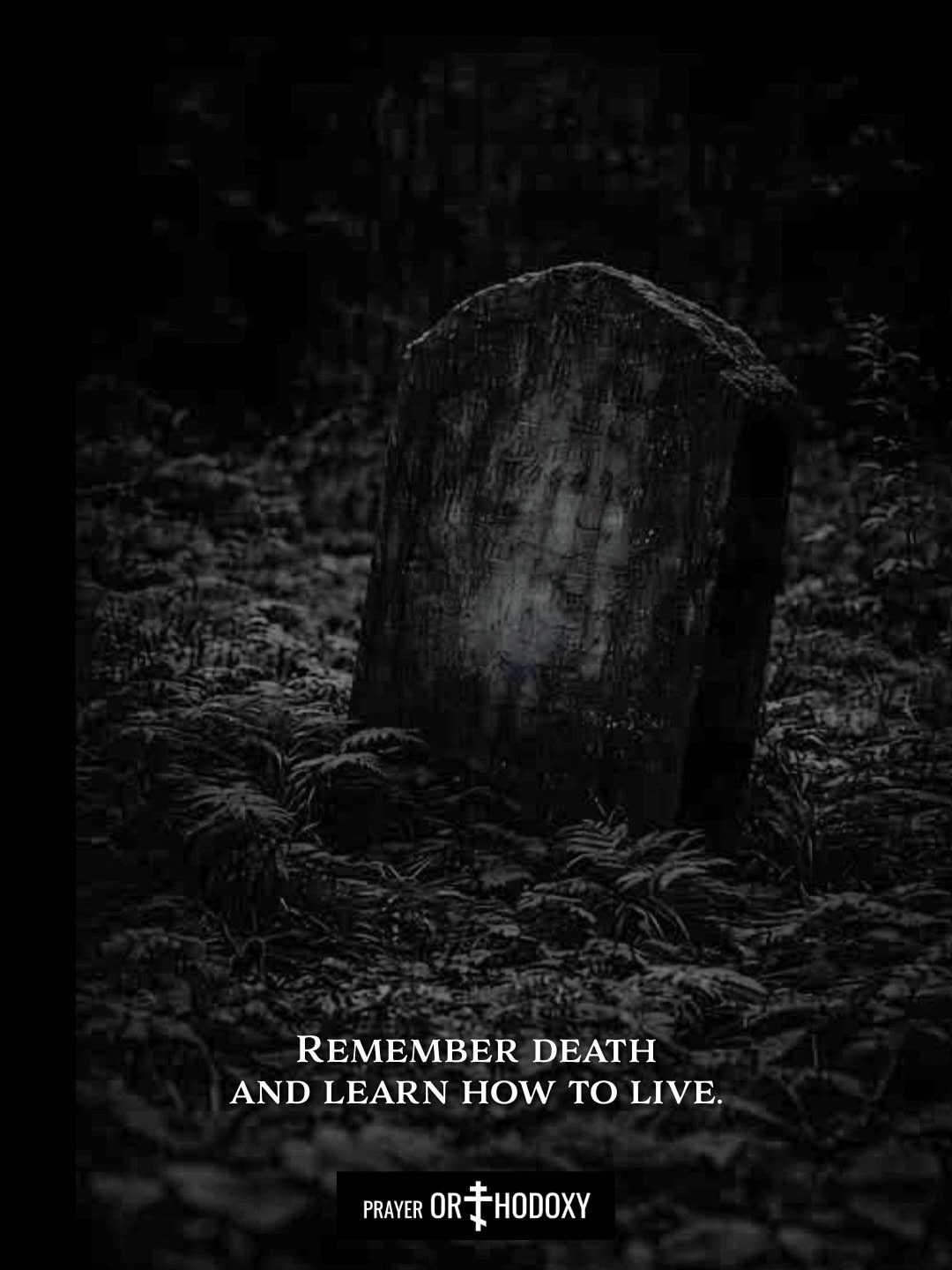
Remember Death, Remember Christ: Scripture on Eternity

The post presents a series of Scripture passages centered on mortality, resurrection, and eternal perspective. It opens with the exhortation to remember death and remember Christ, followed by Hebrews 13:14 on seeking the city to come, Colossians 3:2 on setting the mind on things above, and John 11:25 where Jesus declares himself the resurrection and the life. Each passage appears in English and Greek. The post concludes with the declaration that…

The post presents a series of Scripture passages centered on mortality, resurrection, and eternal perspective. It opens with the exhortation to remember death and remember Christ, followed by Hebrews 13:14 on seeking the city to come, Colossians 3:2 on setting the mind on things above, and John 11:25 where Jesus declares himself the resurrection and the life.

Each passage appears in English and Greek. The post concludes with the declaration that Christ has conquered death and an encouragement to live this life with eternity in the heart. The content is attributed to Prayer Orthodoxy as an original production.

  • Exhortation to remember death and remember Christ
  • Hebrews 13:14 on having no continuing city but seeking the one to come
  • Colossians 3:2 on setting the mind on things above
  • John 11:25 where Jesus identifies as the resurrection and the life
  • Statement that Christ has conquered death, with call to live with eternity in the heart
Read more
Robel࿇🕊️ Instagram

Saint Gregory the Theologian: Heretics Will See Christ Descend as Judge

The video presents a passage from Saint Gregory the Theologian on the glory of Christ. The speaker addresses those who refuse to worship Christ, who is from the beginning, and who refuse to glorify the Lord, who is the last. He calls for the enemies of Christ to be ashamed and tells heretics to keep speaking until their tongues grow weary. The passage acknowledges that they deny Christ now, but it points to a day that will come when they will…

The video presents a passage from Saint Gregory the Theologian on the glory of Christ. The speaker addresses those who refuse to worship Christ, who is from the beginning, and who refuse to glorify the Lord, who is the last. He calls for the enemies of Christ to be ashamed and tells heretics to keep speaking until their tongues grow weary.

The passage acknowledges that they deny Christ now, but it points to a day that will come when they will see him in his glory, descending from heaven as judge of the living and the dead. The post is tagged for Orthodox Christian and Catholic audiences and carries hashtags for orthodoxy and Christianity. The content is a short excerpt of patristic preaching, delivered with the force of a direct rebuke rather than an argument.

It sets the present denial of Christ against his future appearance in glory, and it names the role he will take at that time: judge of the living and the dead. The passage belongs to Saint Gregory the Theologian, one of the fathers honored in the Orthodox Church for his writing on the Trinity and on Christ. The video keeps the structure of the original text: a call to worship Christ as the one from the beginning, a call to glorify the Lord as the last, a summons to shame for enemies, a command to heretics to speak until wearied, and the promise of the coming day of judgment when Christ descends from heaven in glory.

Key moments

  1. Christ is worshiped as the one who is from the beginning, and the Lord is glorified as the last.
  2. The enemies are called to be ashamed, and the heretics are told to speak until their tongues grow weary.
  3. The deniers will one day see Christ in his glory, descending from heaven as judge of the living and the dead.
Read more
Eastern Orthodoxy Daily He/Who/Is Instagram

Fourteen Orthodox Churches and a Catechism That Isn't for Everyone

0:29

The speaker, an Orthodox Christian, opens by saying he is tired of a certain style of Catholic apologetics, which he calls papal slop apologetics. He then makes a structural argument about church organization. In his view there is no single Eastern Orthodox Church; there are 14, one for each patriarch, each with its own structure. He sets this against the Catholic side, where the Catechism of the Catholic Church, promulgated by John Paul II,…

The speaker, an Orthodox Christian, opens by saying he is tired of a certain style of Catholic apologetics, which he calls papal slop apologetics. He then makes a structural argument about church organization. In his view there is no single Eastern Orthodox Church; there are 14, one for each patriarch, each with its own structure.

He sets this against the Catholic side, where the Catechism of the Catholic Church, promulgated by John Paul II, functions as a common reference text. He argues that the book's title is misleading and that it should be called the catechism of the Roman Catholic Church, since it is written for Roman Catholic readers rather than for all Catholics.

The speaker anticipates the objection that Catholics are bound to accept the catechism as authoritative over other sources of teaching, and he answers that this is not how Catholics understand themselves or their own tradition. The discussion therefore turns on two questions: how the Orthodox churches are organized in relation to their patriarchs, and how the authority of a catechism works within Catholicism.

The speaker's point is that comparisons between the two traditions often misstate both sides, treating Orthodoxy as one centralized body and treating the catechism as a universal binding code, when in his account neither description matches the self-understanding of the traditions involved. The post is framed as a complaint about apologetics content that, in his view, keeps repeating these inaccuracies.

Key moments

  1. 0:00 There is no single Eastern Orthodox Church; there are 14, matching the number of patriarchs.
  2. 0:00 The Catechism of the Catholic Church was promulgated by John Paul II and should be called the catechism of the Roman Catholic Church, since it is written for Roman Catholic readers.
  3. 0:00 The speaker expects objections that Catholics must accept the catechism over other things, and says that is not the Catholic self-understanding.
Read more
radioimlemesou Instagram

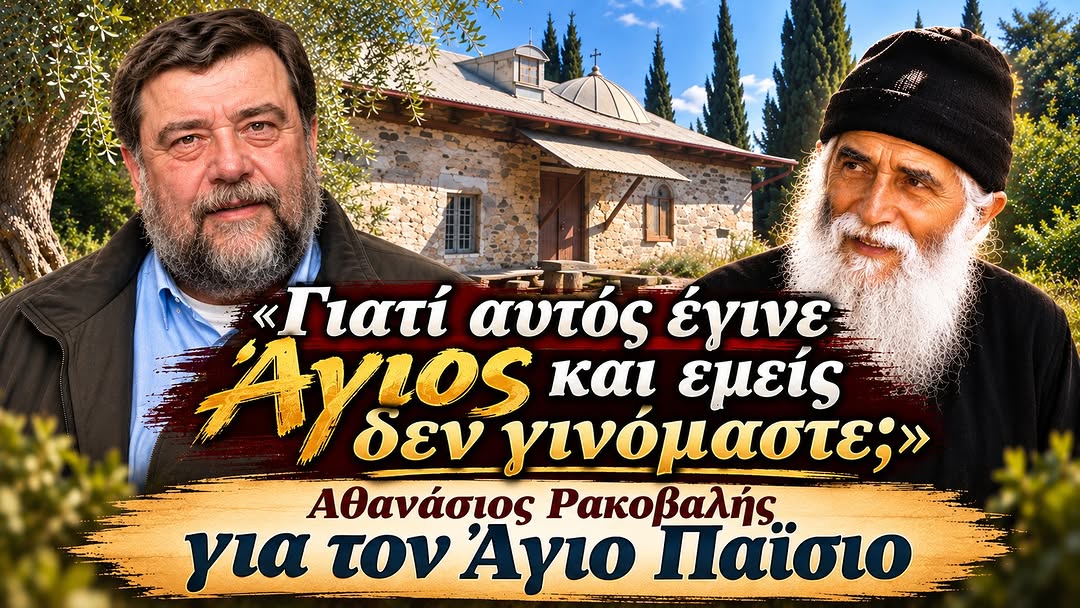
Athanasios Rakovalis on Saint Paisios and personal transformation

On Thursday, October 1, 2026, Athanasios Rakovalis gave a talk at the Events Hall of the Holy Metropolis of Limassol about Saint Paisios the Athonite, whom he knew personally for many years. Rakovalis began by describing his own path and his earlier distance from the Church. Despite his unbelief at the time, he visited Mount Athos, where he met Metropolitan Athanasios of Limassol, who guided him to meet Saint Paisios. From their first meeting,…

On Thursday, October 1, 2026, Athanasios Rakovalis gave a talk at the Events Hall of the Holy Metropolis of Limassol about Saint Paisios the Athonite, whom he knew personally for many years. Rakovalis began by describing his own path and his earlier distance from the Church. Despite his unbelief at the time, he visited Mount Athos, where he met Metropolitan Athanasios of Limassol, who guided him to meet Saint Paisios.

From their first meeting, Rakovalis felt the saint's intense love for him. The acquaintance sparked a deep inner change and led him to re‑examine his worldview and his stance toward faith and the Church. Through frequent visits and fellowship with Saint Paisios, he began to seek answers to fundamental questions: "What is a saint?", "Why did he become a saint and we do not?", "Why did so many people approach Saint Paisios?"

As Rakovalis characteristically states, the saint "is a human like us," yet simultaneously "is a small Christ," a person who reveals Christ to others through his whole life. Rakovalis describes how, through the person and life of Saint Paisios, he saw the Gospel in practice and came to know Christ more deeply. Deeply moved, he recounts personal experiences and miraculous incidents, speaking of the saint's self‑sacrifice and love for every person, his prophetic gift, and the particular humor that marked his communication with people.

He also recalls what Saint Paisios told him about "great events" and Constantinople, passing on those narratives as he heard them from the saint. Finally, he shares with the audience spiritual counsels and words he had received personally from Saint Paisios. The talk is available on the channel's YouTube page.

  • Rakovalis recounts his journey from unbelief to faith through a personal relationship with Saint Paisios.
  • Metropolitan Athanasios of Limassol facilitated their first meeting on Mount Athos.
  • Rakovalis describes Saint Paisios as "a human like us" and "a small Christ" who reveals Christ through his life.
  • He shares personal experiences of the saint's love, prophetic gift, humor, and prophecies about Constantinople.
  • The talk includes spiritual advice Rakovalis received directly from Saint Paisios.
Read more
Citations Orthodoxes ☦ Instagram

St. George's Church in Gogni: 7th-century shrine where doors refuse to stay

The post describes the Church of St. George in Gogni, a village in the Imereti region of western Georgia. The stone church dates from the seventh and eighth centuries and is known locally as Gognis Tsminda Giorgi, Karugdebeli. According to local tradition, an icon of St. George was discovered in a river and placed on a cart pulled by oxen. The animals climbed the hill and stopped at the exact spot where the sanctuary was later built. The church…

The post describes the Church of St. George in Gogni, a village in the Imereti region of western Georgia. The stone church dates from the seventh and eighth centuries and is known locally as Gognis Tsminda Giorgi, Karugdebeli. According to local tradition, an icon of St. George was discovered in a river and placed on a cart pulled by oxen.

The animals climbed the hill and stopped at the exact spot where the sanctuary was later built. The church earned its nickname Karugdebeli, meaning "the place where doors are rejected," because tradition holds that every time doors were installed they fell off mysteriously. The site remains an active pilgrimage destination throughout the year.

On the feast days of St. George, 6 May and 23 November, thousands of faithful ascend the hill to pray, some walking barefoot as a sign of devotion. The post credits Eklesianews.ge for the information and includes a photograph of the church on the hilltop.

  • Church of St. George in Gogni, Imereti, Georgia, dates from 7th-8th centuries
  • Local name Gognis Tsminda Giorgi, Karugdebeli means "place where doors are rejected"
  • Tradition: icon found in river, placed on ox-cart; oxen stopped at church site
  • Doors installed repeatedly fell off, giving rise to the nickname
  • Pilgrims visit year-round; thousands climb hill barefoot on feast days 6 May and 23 November
Read more
Lives of the Saints 🙏 Instagram

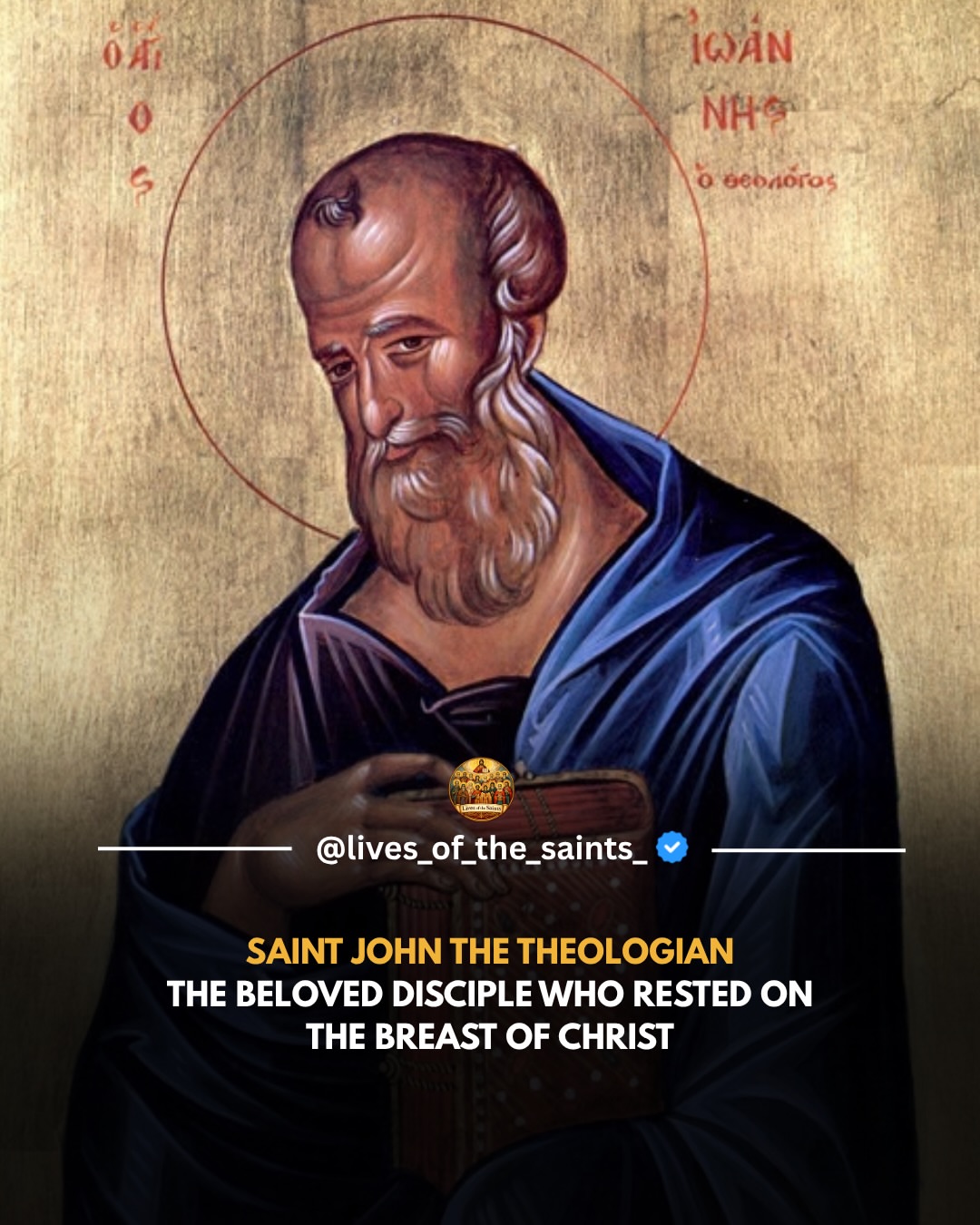
Saint John the Theologian: Apostle, Evangelist, and Witness of Christ's Love

The post recounts the life of Saint John the Theologian, son of Zebedee and Salome. When Jesus called him, John immediately left his father and the fishing nets to follow Him together with his brother James. From that moment he remained close to the Lord until the end. Together with Peter and James, he witnessed the raising of Jairus' daughter and the Transfiguration of Christ on Mount Tabor. At the Mystical Supper, he rested his head upon the…

The post recounts the life of Saint John the Theologian, son of Zebedee and Salome. When Jesus called him, John immediately left his father and the fishing nets to follow Him together with his brother James. From that moment he remained close to the Lord until the end.

Together with Peter and James, he witnessed the raising of Jairus' daughter and the Transfiguration of Christ on Mount Tabor. At the Mystical Supper, he rested his head upon the breast of Jesus. When the other disciples scattered, Saint John remained beneath the Cross with the Most Holy Theotokos.

From the Cross, the Lord entrusted His Mother to John, and from that day he cared for her with love and reverence until her Dormition. After the Dormition of the Theotokos, Saint John went with his disciple Prochorus to preach the Gospel in Asia Minor, especially in Ephesus. Through his preaching and miracles, many were brought to Christ, and paganism was shaken.

He was later taken to Rome and suffered before Emperor Domitian. Neither poison nor boiling oil could harm him, so the emperor exiled him to the island of Patmos. There, Saint John strengthened the Church and wrote the Gospel and the Revelation.

After his exile, he returned to Ephesus and continued guiding the faithful. He lived more than one hundred years and peacefully departed to the Lord. The post states that Saint John reminds us that true theology is born from love, purity, faithfulness, and closeness to Christ.

  • John left his father Zebedee and nets to follow Christ with his brother James
  • He witnessed the raising of Jairus' daughter and the Transfiguration with Peter and James
  • He stood at the Cross with the Theotokos and received Christ's charge to care for her
  • He preached in Ephesus with Prochorus, endured torture under Domitian, and was exiled to Patmos
  • On Patmos he wrote the Gospel and Revelation, later returning to Ephesus where he lived over a hundred years
Read more
Lives of the Saints 🙏 Instagram

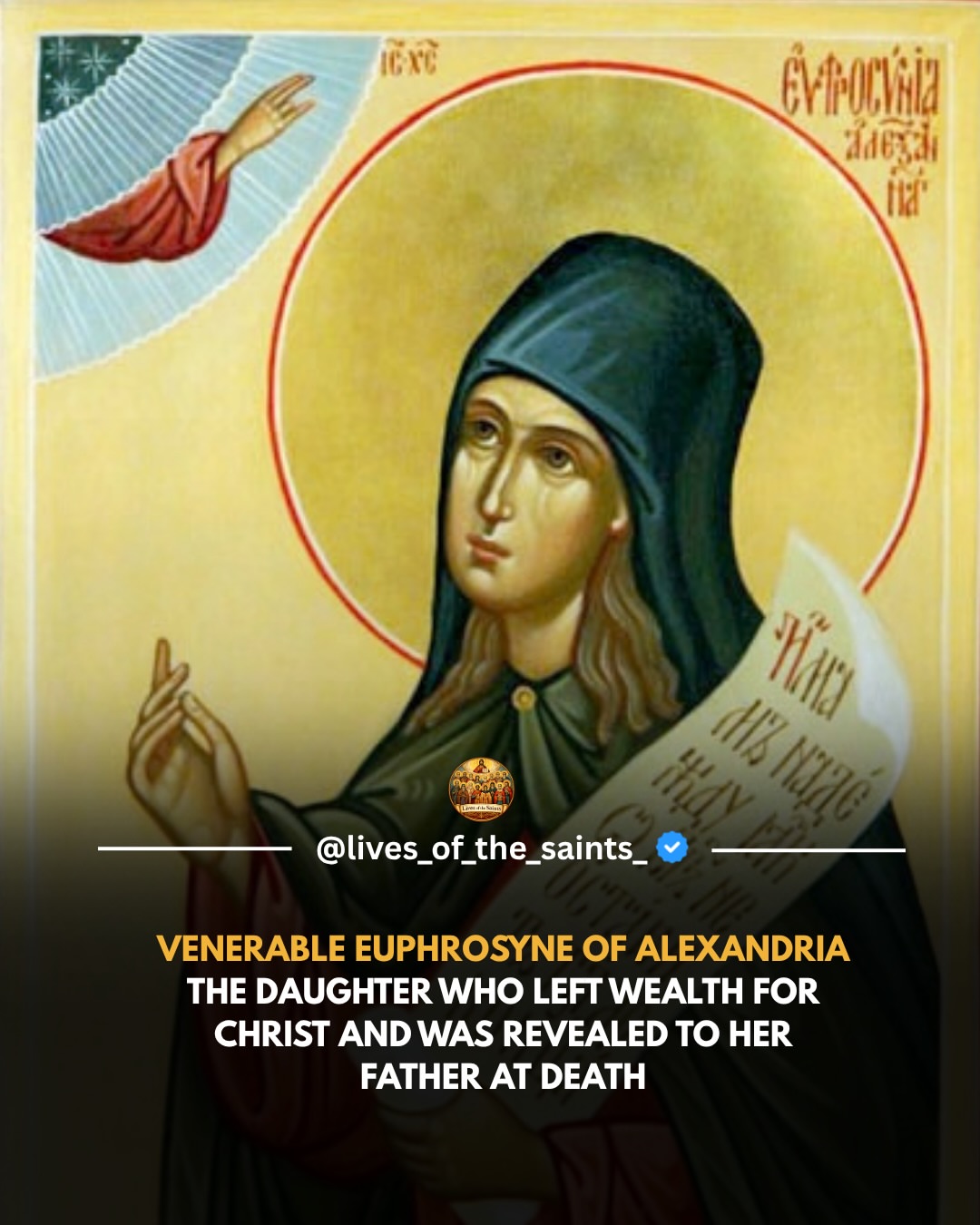
Saint Euphrosyne of Alexandria: Hidden Monastic Life and Revelation to Her Father

The post recounts the life of Saint Euphrosyne of Alexandria. She was the daughter of Paphnutius, a wealthy Alexandrian who had been childless until prayer brought her birth. Raised in the Christian faith, she refused marriage and, to avoid her father's search, dressed as a man and entered a men's monastery under the name Smaragdus. The elder Agapitus guided her in fasting, prayer, humility, and spiritual struggle. Over thirty-eight years her…

The post recounts the life of Saint Euphrosyne of Alexandria. She was the daughter of Paphnutius, a wealthy Alexandrian who had been childless until prayer brought her birth. Raised in the Christian faith, she refused marriage and, to avoid her father's search, dressed as a man and entered a men's monastery under the name Smaragdus.

The elder Agapitus guided her in fasting, prayer, humility, and spiritual struggle. Over thirty-eight years her asceticism surpassed many monks. Paphnutius, still grieving his lost daughter, visited the monastery.

The abbot directed him to Smaragdus for consolation. Euphrosyne recognized her father but remained unknown to him. She comforted him and said he would see his daughter in this life. Three days later he returned to find Smaragdus dying. Euphrosyne then revealed her identity: "I am Euphrosyne, your daughter.

You are my father." She died peacefully. Paphnutius mourned, buried her, entered the same monastery, and lived in her cell until his own death. The post concludes by stating that Saint Euphrosyne shows the love of Christ exceeds wealth, marriage, comfort, and worldly praise.

  • Euphrosyne, daughter of Paphnutius, refuses marriage and enters a men's monastery disguised as the monk Smaragdus.
  • She lives in asceticism for thirty-eight years under Elder Agapitus, surpassing many monks.
  • Her grieving father visits the monastery and is sent to Smaragdus for comfort, not recognizing his daughter.
  • Euphrosyne reveals her identity on her deathbed after three days, then dies.
  • Paphnutius buries her, joins the monastery, and remains in her cell until his death.
Read more

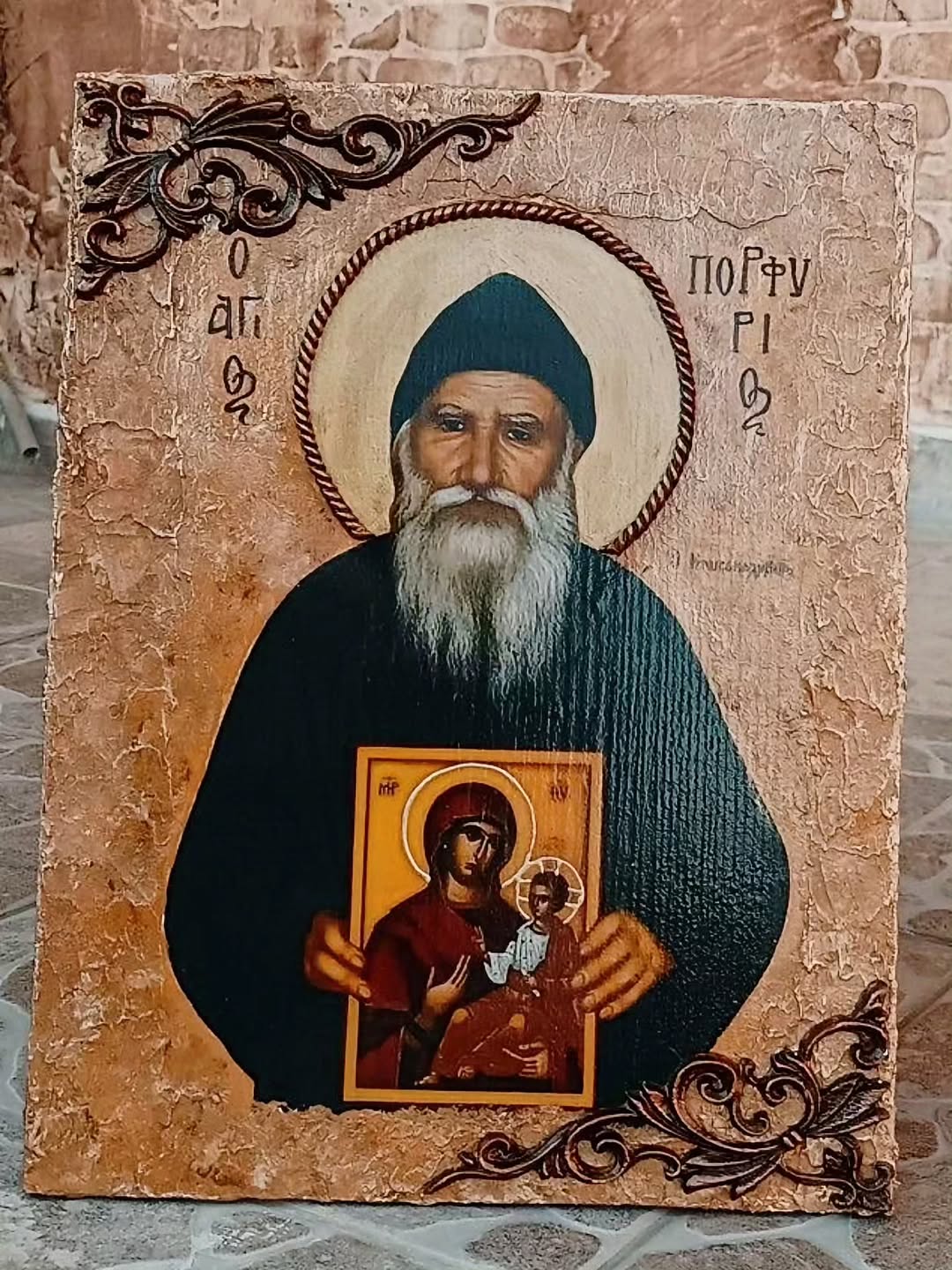
Elder Porphyrios on mental illness as demonic activity

The text presents a teaching attributed to Saint Elder Porphyrios Kavsokalyvitis contrasting psychiatric and spiritual understandings of mental disorders. The elder states that what psychiatrists call mental illnesses are actually demonic operations originating from sin. He explains that acquiring holiness transforms a person and removes all mental traumas. When a person is filled with good and with God, evil and demonic powers come but find no…

The text presents a teaching attributed to Saint Elder Porphyrios Kavsokalyvitis contrasting psychiatric and spiritual understandings of mental disorders. The elder states that what psychiatrists call mental illnesses are actually demonic operations originating from sin. He explains that acquiring holiness transforms a person and removes all mental traumas.

When a person is filled with good and with God, evil and demonic powers come but find no place to remain. Psychiatrists, he says, do not understand these matters deeply; they can treat only disorders of neurological or biological nature, not those with spiritual causes. The devil has succeeded in making himself unnoticed so that people use his works without naming him.

Doctors diagnose neuroses, depression, and anxiety but do not accept that the devil gives power and movement toward egoism in a person. The devil exists as a spirit of evil, is mentioned in the Gospel, and is called Antichrist. The elder recounts seeing people held by demonic emotions, naming a demon of sorrow and a demon of fornication among others.

Demons drain spiritual batteries, turn them from good, redirect them, and these manifest as depression and similar disorders, what psychiatrists call mental illnesses. Consequently, people remain uncured. True healing of the soul comes only by God's grace and an evangelical life.

  • Mental illnesses are demonic operations from sin, not medical conditions
  • Holiness removes mental traumas; evil finds no place in a person filled with God
  • Psychiatrists treat only neurological disorders, not spiritual causes
  • The devil acts unnoticed, directing energy toward egoism and passions
  • True healing comes only by God's grace and evangelical life
Read more

Archimandrite Emilianos on sin's crippling effect on humanity

The post consists of a quotation from Archimandrite Emilianos on the consequences of sin for human nature. The elder writes that sin has made humanity so useless, so sick and weak, that it cannot do anything significant by its own strength. He recalls that Adam and Eve spoke with God, asked Him questions, He answered them, and God called them. By contrast, the present condition has reached a point where people cannot even remember God's name,…

The post consists of a quotation from Archimandrite Emilianos on the consequences of sin for human nature. The elder writes that sin has made humanity so useless, so sick and weak, that it cannot do anything significant by its own strength. He recalls that Adam and Eve spoke with God, asked Him questions, He answered them, and God called them.

By contrast, the present condition has reached a point where people cannot even remember God's name, let alone see Him. The quote states that we have arrived at a stage where we cannot control a single one of our thoughts, our hatred, or our malice. We are subject to this weakness, imprisoned in it, like birds in their cages.

The text offers a sober description of the fallen state, emphasizing the total inability of human will to master the passions or to approach God without divine initiative. It presents the contrast between the original communion with God and the current captivity to disordered thoughts and passions as a measure of what sin has cost.

  • Sin has made humans useless, sick, and weak, incapable of significant action by their own power
  • Adam and Eve conversed directly with God, but now people cannot even remember His name
  • Humans have lost control over their thoughts, hatred, and malice
  • Humanity is imprisoned in this weakness like birds in cages
  • The quote comes from Archimandrite Emilianos
Read more

Father Mihailo of Karulja on salvation, monasticism, and the fear of God

In a conversation on Mount Athos, Father Mihailo of Karulja answers whether laypeople can be saved without becoming monks. He rejects the idea that people in the world occupy a lower spiritual position than monastics, calling that view a great sin that creates divisions in the Church. He compares the monastic and worldly paths to streets, avenues, and alleys that all serve the same basic needs and lead to God. When God calls someone to…

In a conversation on Mount Athos, Father Mihailo of Karulja answers whether laypeople can be saved without becoming monks. He rejects the idea that people in the world occupy a lower spiritual position than monastics, calling that view a great sin that creates divisions in the Church. He compares the monastic and worldly paths to streets, avenues, and alleys that all serve the same basic needs and lead to God.

When God calls someone to monasticism, that person will become a monk; if everyone left cities for monasteries, monasticism itself would vanish. Asked if he ever regretted coming to the Holy Mountain, he answers certainly not, adding that no one survives there alone for a moment but only with God. When questioned whether he has seen God, he notes the question recalls Thomas who demanded to see before believing.

The greater miracle, he says, is that he, poor and wretched, lives as a monk in the desert. He points to the many young people arriving from America, Asia, and Europe, and to the educated who have come, as further miracles. To the question of what to do with such knowledge, he replies that the beginning of wisdom is the fear of the Lord, and that knowledge is useless if God does not dwell in the person.

  • Laypeople are not spiritually inferior to monks; all paths lead to God
  • Monastic vocation comes from God's call, not human preference
  • Life on Mount Athos is sustained only by God's presence
  • The arrival of young and educated people worldwide is a visible miracle
  • Knowledge without the fear of God and His indwelling is useless