
 Orthodox Life
Instagram
Orthodox Life
Instagram
Saint Luke the Evangelist: Physician, Apostle, Historian
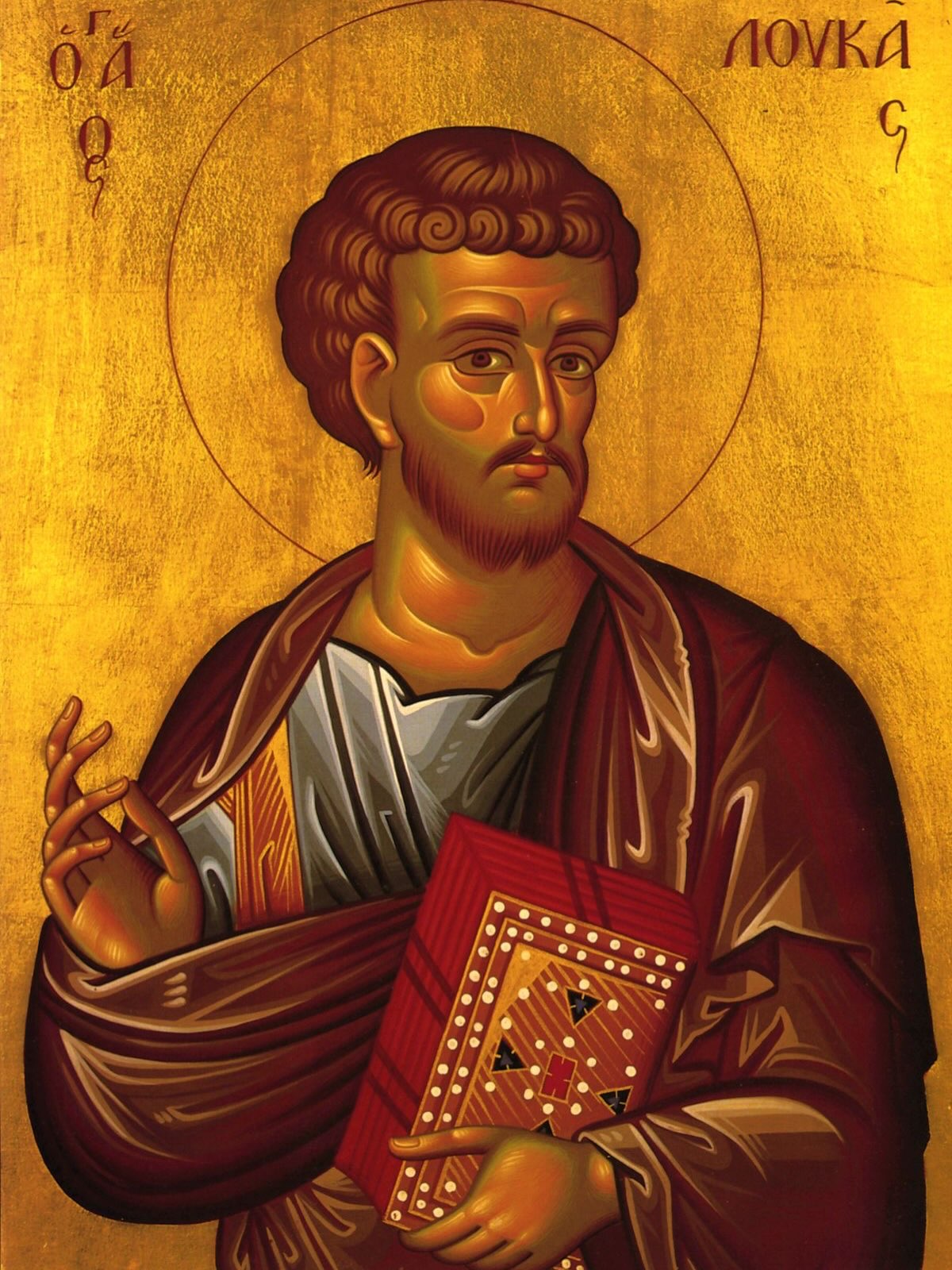
The post commemorates Saint Luke the Evangelist on October 18th. Luke was a native of Syrian Antioch, a highly educated Greek physician enlightened in the medical arts and philosophy. According to Orthodox Holy Tradition, he traveled to Jerusalem during the earthly ministry of Jesus Christ, where he saw the Savior face-to-face, heard His saving teachings, and witnessed His miracles.
Deeply moved, he accepted the preaching of salvation and was numbered among the Seventy Apostles sent out by Christ to prepare the way for the Kingdom of Heaven. Following the Crucifixion, Saint Luke and his companion Cleopas walked the road to Emmaus, becoming eyewitnesses to the Resurrected Christ. After the descent of the Holy Spirit at Pentecost, Luke returned briefly to Antioch before becoming an inseparable fellow-worker and missionary companion to the Holy Apostle Paul.
He accompanied Paul on his second missionary journey and remained loyal to the very end, serving as Paul's personal doctor and remaining his sole companion during his final imprisonment in Rome. At the request of early Christians, Saint Luke utilized his refined education and meticulous historical accuracy to author the Gospel of Luke around 60 A.D. Recognizing his unique focus on Christ's priestly and sacrificial office, the Church designates the calf or ox as his theological emblem, drawing from the prophetic visions of Ezekiel.
Under divine inspiration, Luke also penned the Acts of the Holy Apostles, providing the Church with its definitive chronological and historical baseline of the Apostolic Age and the early operations of the Holy Spirit.
Main points
- Native of Syrian Antioch, educated Greek physician and philosopher
- Witnessed Christ's ministry and Resurrection; numbered among the Seventy Apostles
- Became inseparable companion to Apostle Paul, serving as his doctor until Paul's final imprisonment
- Authored the Gospel of Luke around 60 A.D. at the request of early Christians
- Also wrote Acts of the Holy Apostles, establishing the historical baseline of the Apostolic Age