WeOrthodox
EN UA

St Anthony’s Youth SA ☦︎

Instagram ↗ 37 discussions

☦︎ Youth of St Anthony’s ☦︎ ☦︎ Greek Orthodox Church ☦︎ ☦︎ Prospect, South Australia ☦︎

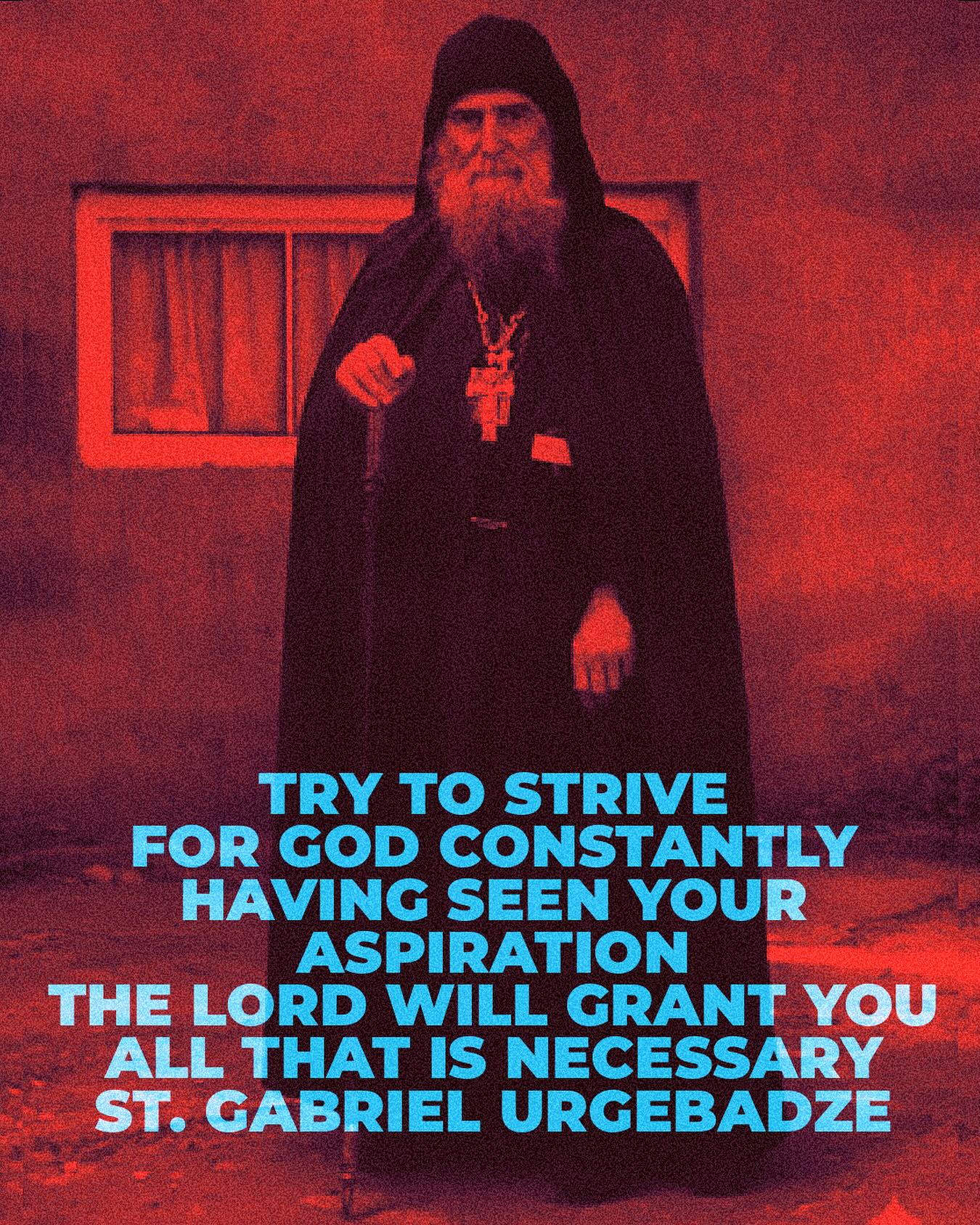
St. Gabriel Urgebadze: Strive for God Constantly

The post shares a saying attributed to St. Gabriel Urgebadze, a Georgian Orthodox saint. The quote reads: "TRY TO STRIVE FOR GOD CONSTANTLY HAVING SEEN YOUR ASPIRATION THE LORD WILL GRANT YOU ALL THAT IS NECESSARY." It encourages believers to maintain continuous effort toward God, with the assurance that God recognizes this aspiration and provides what is needed. No further discussion or commentary is present in the source.

  • Strive for God constantly.
  • The Lord sees your aspiration.
  • He will grant all that is necessary.
  • Attributed to St. Gabriel Urgebadze.
Read more
St Anthony’s Youth SA ☦︎ with Dylan☦️ Instagram

Saint John Chrysostom on spiritual struggle and virtue

The post shares a quotation from Saint John Chrysostom addressing the necessity of spiritual conflict. The saint teaches that virtue cannot exist without struggle, and that faith and love remain unproven until they are tested by adversity. He urges believers not to fear or flee from conflict, because it is through temptation and difficulty that the reality of faith and love is revealed.

The passage presents struggle as the proving ground of Christian character rather than something to be avoided.

  • Virtue requires struggle; without conflict there is no virtue
  • Faith and love are only proven genuine when tempted
  • Adversity reveals whether faith and love are truly present
  • Christians should not fear or flee from spiritual conflict
  • Struggle serves as the test that confirms spiritual reality
Read more

Fr. Josiah Trenham: pride blocks Holy Communion

Fr. Josiah Trenham teaches that the greatest obstacle to Holy Communion is pride. If a person holds anyone in contempt or refuses to forgive, he says, that person dare not approach the chalice. The priest urges the faithful to strive to be worthy of Christ's embrace and to embrace others in turn, making communion the center of life. This means preparing days in advance by reading the pre-communion prayers and giving thanks for days after…

Fr. Josiah Trenham teaches that the greatest obstacle to Holy Communion is pride. If a person holds anyone in contempt or refuses to forgive, he says, that person dare not approach the chalice. The priest urges the faithful to strive to be worthy of Christ's embrace and to embrace others in turn, making communion the center of life.

This means preparing days in advance by reading the pre-communion prayers and giving thanks for days after receiving. Proper preparation also includes avoiding judgment, keeping a regular prayer rule, and confessing regularly according to the counsel of one's spiritual father. Fr. Josiah stresses that the Divine Liturgy is not a stand-alone service but the culmination of the liturgical day.

Therefore, the faithful should attend Vespers and Orthros, sometimes combined as a Vigil, before the Liturgy, and they should come to the Liturgy as often as possible. Above all, one must be reconciled with others, bringing no hatred or lack of forgiveness to the chalice.

Key moments

  1. If we hold anyone in contempt, if we are refusing to forgive anyone, we dare not approach the chalice.
  2. We should strive for being worthy to be in the embrace of Christ and to embrace them ourselves, like that as regularly and frequently, and try to regulate your life such that communion is front and center.
  3. You think of it the days prior, you read the pre-communion prayers, you give thanks for it the days after receiving.
  4. Avoid judgment, be faithful, keep your prayers, make your confession according, regularly according to the counsel of your spiritual father.
  5. Be faithful, don't just show up in the liturgy.
  6. For us, the proper preparation is to come to the Vespers and to come to the Orthros. That's where the content of the daily commemorations are.
  7. The liturgy is not meant to be a stand-alone worship piece. No, it's the culmination of the liturgical day.
  8. So try to come to the Vespers, to the Orthros. Sometimes those are done together in churches and call the Vigil, and then to the liturgy as often as you possibly can and make sure you're reconciled with others. That you don't bring any hatred or lack of forgiveness. This is the top of the list.
Read more

Video repeats Jesus Prayer in Russian; caption mentions St. John of Kronstadt

The post features a video that consists solely of the Jesus Prayer recited continuously in Russian. The prayer text is "Господи Иисусе Христе, Сыне Божий, помилуй мя грешного." Each repetition is identical, and there is no additional speech or explanation in the video. The accompanying text reads "St. John of Kronstadt Quotes" and includes hashtags for orthodox, quotes, saint, john, and kronstadt. The video does not contain any quotations from…

The post features a video that consists solely of the Jesus Prayer recited continuously in Russian. The prayer text is "Господи Иисусе Христе, Сыне Божий, помилуй мя грешного." Each repetition is identical, and there is no additional speech or explanation in the video.

The accompanying text reads "St. John of Kronstadt Quotes" and includes hashtags for orthodox, quotes, saint, john, and kronstadt. The video does not contain any quotations from St. John of Kronstadt; it only presents the prayer. The source material provides no discussion or commentary beyond the video and caption.

Key moments

  1. The Jesus Prayer is recited repeatedly.
Read more

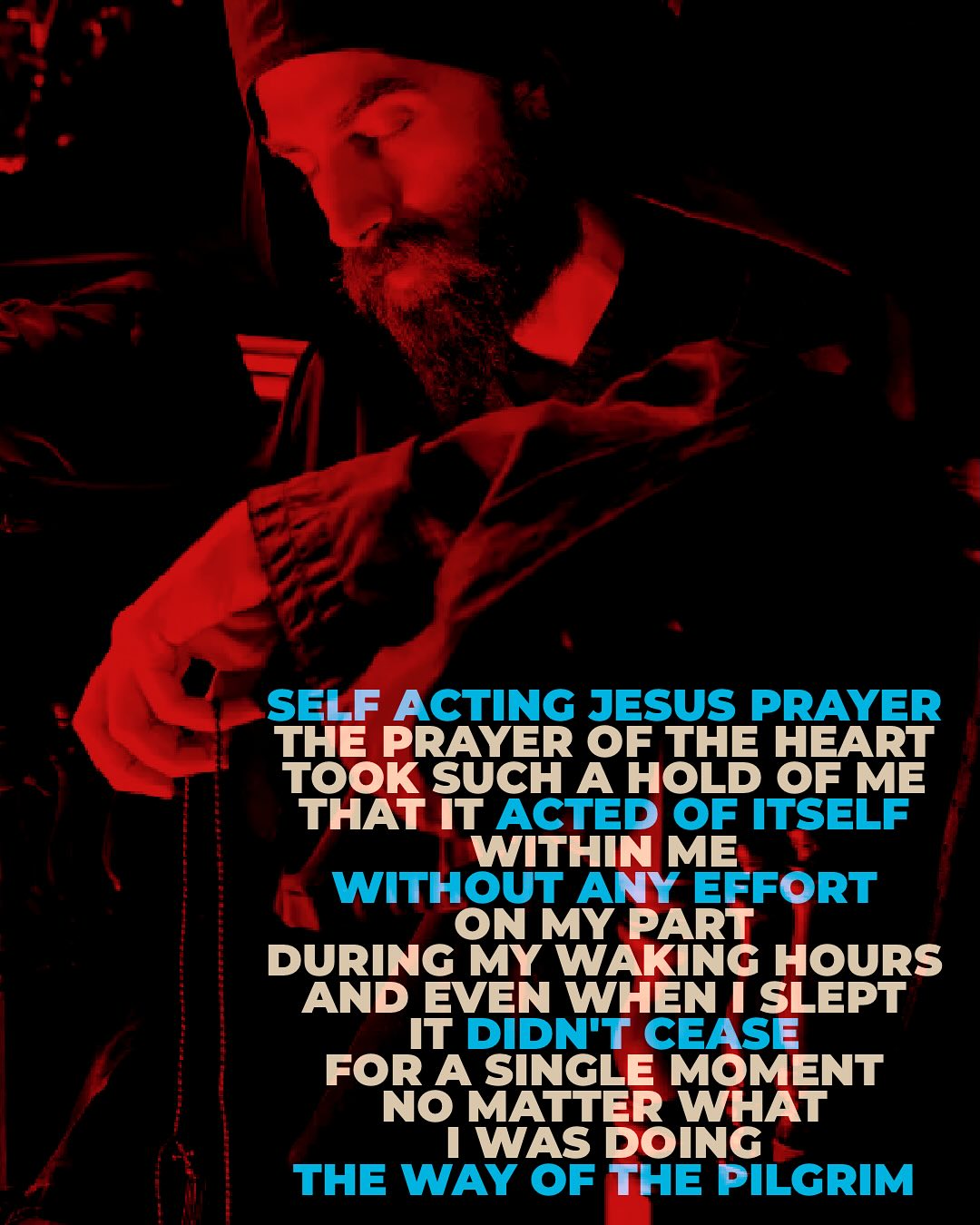
The self-acting Jesus Prayer in The Way of the Pilgrim

The post quotes a passage from The Way of the Pilgrim in which the narrator describes the prayer of the heart taking hold and acting of itself within without any effort on his part. The prayer continued during waking hours and even during sleep, not ceasing for a single moment no matter what he was doing. The accompanying text identifies this phenomenon as the self-active or self-propelling Jesus Prayer within Eastern Christian mysticism,…

The post quotes a passage from The Way of the Pilgrim in which the narrator describes the prayer of the heart taking hold and acting of itself within without any effort on his part. The prayer continued during waking hours and even during sleep, not ceasing for a single moment no matter what he was doing. The accompanying text identifies this phenomenon as the self-active or self-propelling Jesus Prayer within Eastern Christian mysticism, specifically hesychasm.

It explains that this represents an advanced spiritual stage where the prayer transitions from a conscious mental effort into an unceasing, automatic rhythm of the soul. Rather than the practitioner actively pushing to recite the words, the prayer "prays itself" within the heart. This continuous repetition persists even during sleep, work, or conversation.

The post presents both the first-person account from the classic spiritual text and the theological framework that categorizes this experience as a distinct stage of prayer development in the hesychast tradition.

  • The Way of the Pilgrim describes the Jesus Prayer becoming self-acting within the heart
  • The prayer continues without effort during waking hours and sleep
  • In hesychasm this marks an advanced spiritual stage
  • The prayer shifts from conscious recitation to automatic rhythm
  • The prayer "prays itself" continuously through all activities
Read more
St Anthony’s Youth SA ☦︎ with Dylan☦️ Instagram

Father Seraphim Rose on suffering and the Kingdom of Heaven

0:10

The post shares a quotation from Father Seraphim Rose. The quote states that suffering serves as an indication of another Kingdom toward which Christians look. It adds that if being Christian meant being happy in this life, the Kingdom of Heaven would not be needed. The text appears as a standalone statement without additional commentary or discussion thread.

Hashtags attached to the post include soldiersofyeshua, jesuschrist, christianity, orthodoxy, and orthodoxchristian.

  • Father Seraphim Rose identifies suffering as a sign of the Kingdom to come
  • The quote contrasts temporal happiness with the necessity of the Kingdom of Heaven
  • The post presents the quotation without further explanation or dialogue
  • Hashtags associate the content with Orthodox Christian identity
Read more

Saints teach repentance, sacrifice, perseverance, prayer as essential to Christian life

The post presents a brief teaching on the struggle of the Christian life in both English and Greek. It states that the Saints teach repentance, sacrifice, perseverance, and prayer as essential elements. The heart is purified through spiritual struggle, and each day offers a new opportunity to turn away from what separates a person from Christ and to return to Him. The text is attributed as an original production of Prayer Orthodoxy® and carries…

The post presents a brief teaching on the struggle of the Christian life in both English and Greek. It states that the Saints teach repentance, sacrifice, perseverance, and prayer as essential elements. The heart is purified through spiritual struggle, and each day offers a new opportunity to turn away from what separates a person from Christ and to return to Him.

The text is attributed as an original production of Prayer Orthodoxy® and carries hashtags for Orthodox, Repentance, Prayer, Saints, and Christ. No further discussion or commentary is included in the source.

  • The Saints identify repentance, sacrifice, perseverance, and prayer as essential to the Christian life
  • The heart is purified through spiritual struggle
  • Each day provides a new opportunity to turn from what separates from Christ and return to Him
  • The message appears in English and Greek
  • Attributed to Prayer Orthodoxy® as an original production
Read more

Knocking on the door of the Theotokos after life's disappointments

The author describes a lifetime of knocking on various doors. Many opened, yet most resulted in disappointment. The author lists specific contrasts: where joy was expected, sorrow came; where strength was sought, weakness was given; where light was anticipated, darkness filled the space; where hope was desired, despair flooded in. After this catalog of failed doors, the author proposes a final door: that of the Panagia. The author states she…

The author describes a lifetime of knocking on various doors. Many opened, yet most resulted in disappointment. The author lists specific contrasts: where joy was expected, sorrow came; where strength was sought, weakness was given; where light was anticipated, darkness filled the space; where hope was desired, despair flooded in.

After this catalog of failed doors, the author proposes a final door: that of the Panagia. The author states she will open and save. The condition is knocking warmly, with faith and persistence, with warm prayer on the lips. The text ends with a direct address to the Theotokos as blessed, asking her to open the gate of compassion.

  • Life's doors often bring disappointment rather than fulfillment
  • The author contrasts expected gifts with actual outcomes: sorrow for joy, weakness for strength, darkness for light, despair for hope
  • The solution proposed is knocking on the door of the Panagia
  • This requires warm, persistent prayer with faith
  • A short prayer to the Theotokos is quoted asking her to open the gate of compassion
Read more
St Anthony’s Youth SA ☦︎ Instagram

The purpose of pain in Christian life: forgiveness and salvation

The text presents a theological explanation of pain's purpose in Christian life. It identifies a single, unique purpose: the forgiveness of sins here on earth through every kind of illness, distress, and affliction, together with the purification and salvation of the soul. The text draws a sharp distinction between two responses to pain. For those who do not wish to be corrected and do not repent, pain functions as a pledge of eternal torments.…

The text presents a theological explanation of pain's purpose in Christian life. It identifies a single, unique purpose: the forgiveness of sins here on earth through every kind of illness, distress, and affliction, together with the purification and salvation of the soul. The text draws a sharp distinction between two responses to pain.

For those who do not wish to be corrected and do not repent, pain functions as a pledge of eternal torments. For those who receive pain with patience and gratitude toward God while living in repentance, pain acts as the best road toward correction and forgiveness of their sins, because through it they are redeemed from the eternal afflictions of hell.

  • Pain's purpose for Christians is forgiveness of sins and the soul's salvation
  • Illnesses, distresses, and afflictions are the means
  • For the unrepentant, pain is a pledge of eternal torment
  • For the patient and grateful, pain leads to correction and forgiveness
  • Acceptance with repentance redeems from hell's eternal afflictions
Read more
St Anthony’s Youth SA ☦︎ Instagram

Saint Paul's conversion shows no sin exceeds God's mercy

The post presents Saint Paul's transformation from persecutor of Christians to apostle as evidence that God's mercy surpasses any sin when met with true repentance. It cites 1 Timothy 1:15 where Paul describes himself as the chief of sinners. The message states that a person's past does not have the final word and urges readers to repent, turn to Christ, and let Him transform them.

The post is tagged with hashtags identifying it as an Orthodox Christian message about Jesus saving and calling sinners.

  • Saint Paul persecuted Christians before becoming an apostle
  • His life demonstrates God's mercy exceeds any sin with true repentance
  • Quote from 1 Timothy 1:15: "Christ Jesus came into the world to save sinners, of whom I am chief"
  • Call to repent and turn to Christ for transformation
  • Statement that one's past does not have the final word
Read more

The Bible belongs to the Church, not to private interpretation

0:14

Christ did not hand us a Bible and tell each person to interpret it as he sees fit. He founded His Church, entrusted authority to the Apostles, and pledged that the Holy Spirit would lead her into all truth (John 16:13). The New Testament itself arose from inside the life of this Church. Long before the New Testament was completely written, copied, gathered, and acknowledged, Christians were already worshipping, baptizing, celebrating the…

Christ did not hand us a Bible and tell each person to interpret it as he sees fit. He founded His Church, entrusted authority to the Apostles, and pledged that the Holy Spirit would lead her into all truth (John 16:13).

The New Testament itself arose from inside the life of this Church. Long before the New Testament was completely written, copied, gathered, and acknowledged, Christians were already worshipping, baptizing, celebrating the Eucharist, ordaining bishops, and guarding the apostolic faith.

That is why Saint Paul describes the Church as "the pillar and foundation of the truth" (1 Timothy 3:15). He also urges believers to "stand firm and hold to the traditions" they received, whether "by word of mouth or by letter" (2 Thessalonians 2:15). The apostolic faith was therefore passed down both in writing and through the living Tradition of the Church.

We see this same principle in Scripture itself. When the Ethiopian eunuch was reading Isaiah and was asked if he understood it, he replied, "How can I, unless someone guides me?" (Acts 8:31). And when a serious doctrinal disagreement arose in the early Church, Christians did not simply tell everyone to read the Bible and decide for themselves.

The Apostles and elders met together in Jerusalem, discerned the truth, and announced, "It seemed good to the Holy Spirit and to us" (Acts 15:28).

This does not mean Scripture is unimportant or that Christians should not read the Bible. The Orthodox Church honors Holy Scripture as the inspired Word of God. But Scripture was never meant to be cut off from the Church, the Apostolic Tradition, the Fathers, the Councils, and the worshiping life in which it was received and preserved.

The issue is not "Bible or Church." The Bible belongs to the Church.

Christ gave us neither private interpretation nor thousands of contradictory versions of Christianity. He gave us one Church, one faith, one baptism (Ephesians 4:4-5), and within that Church the Scriptures are read according to the apostolic faith handed down from generation to generation.

  • Christ established the Church with apostolic authority and promised the Holy Spirit's guidance, not private Bible interpretation.
  • The New Testament emerged from within the Church's life, which already worshipped, baptized, celebrated the Eucharist, and ordained bishops before the canon was settled.
  • Scripture itself shows the need for guidance (Ethiopian eunuch) and conciliar decision-making (Jerusalem Council).
  • The Orthodox Church venerates Scripture as inspired but insists it cannot be separated from the Church, Tradition, Fathers, Councils, and worship.
  • Christ gave one Church, one faith, one baptism, within which Scripture is read according to the apostolic faith handed down.
12 opinions in the discussion Where does it say he gave us the church to interpret the bible. Or did the orthodox interpret that the church is the only one who can interpret the bible? Read the discussion
St Anthony’s Youth SA ☦︎ Instagram
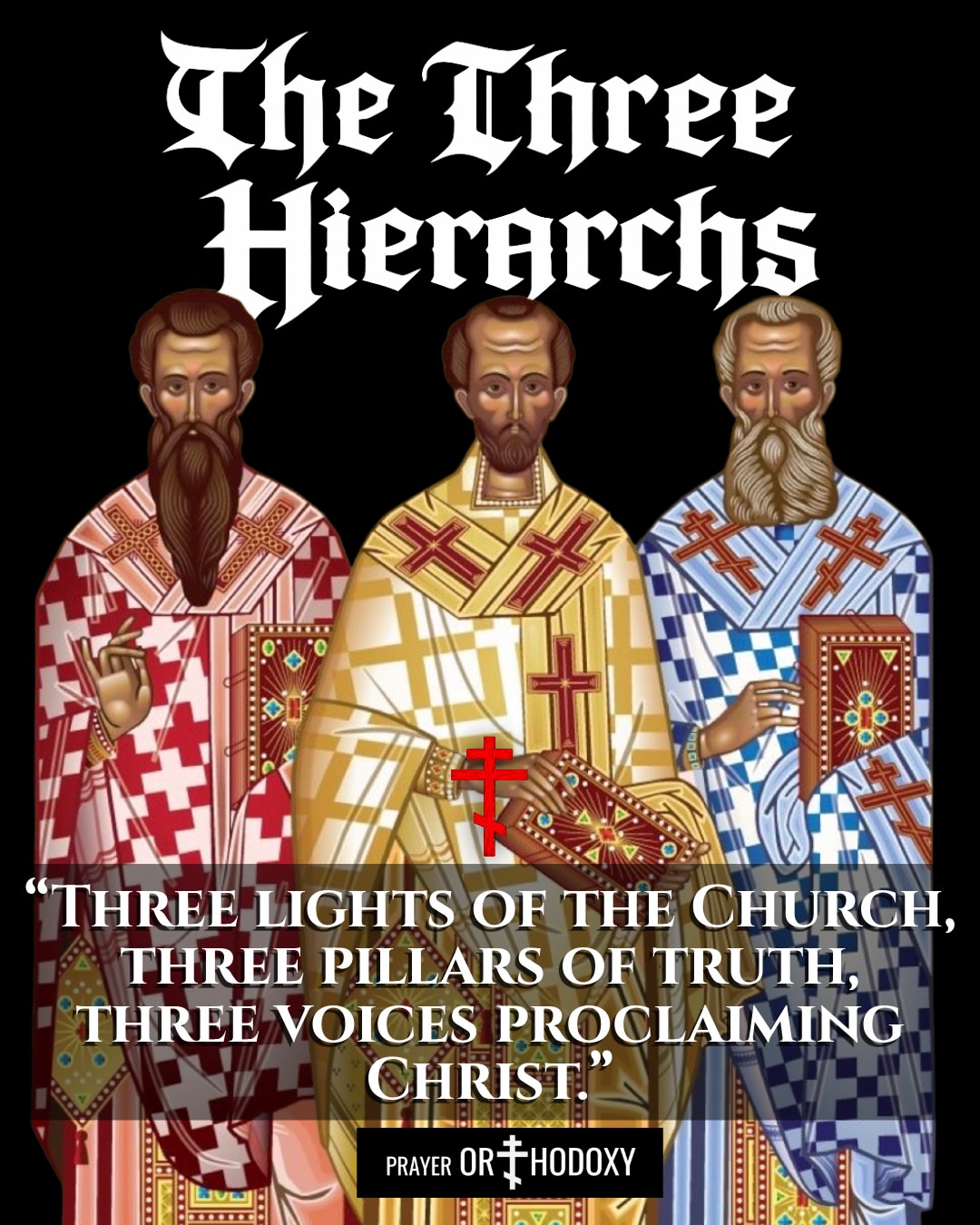
Life's purpose is union with God; all actions gain meaning in Christ

The post opens by declaring that the purpose of this life is union with God. It then lists the main areas of human activity: all actions, marriage, the raising of children, work, and relationships among people. These areas acquire meaning only when they are carried out in Christ. The text specifies that in marriage there are three participants: the two spouses and Christ. Regarding children, it says they are known in Christ; they have a father…

The post opens by declaring that the purpose of this life is union with God. It then lists the main areas of human activity: all actions, marriage, the raising of children, work, and relationships among people. These areas acquire meaning only when they are carried out in Christ.

The text specifies that in marriage there are three participants: the two spouses and Christ. Regarding children, it says they are known in Christ; they have a father and a mother, but they pray the Our Father, addressing God directly as Father. The post concludes with a reference to the Apostle Paul, who saw that Christ is all and in all.

The overall message is that Christ is the center and the meaning of every dimension of life. Marriage is not a merely human contract but a reality that includes Christ. Parenthood is not only biological or social but is grounded in the child's own prayer to God.

Work and daily relationships are not secular spheres separate from faith; they are the context in which union with God is lived out. The citation of Paul places this vision within the apostolic witness. The post does not provide further exposition or application; it states the principle that all of life finds its significance in Christ.

  • Purpose of life is union with God
  • All actions gain meaning when done in Christ
  • Marriage includes the two spouses and Christ
  • Children are known in Christ and pray the Our Father
  • Apostle Paul saw Christ as all and in all
Read more
St Anthony’s Youth SA ☦︎ Instagram
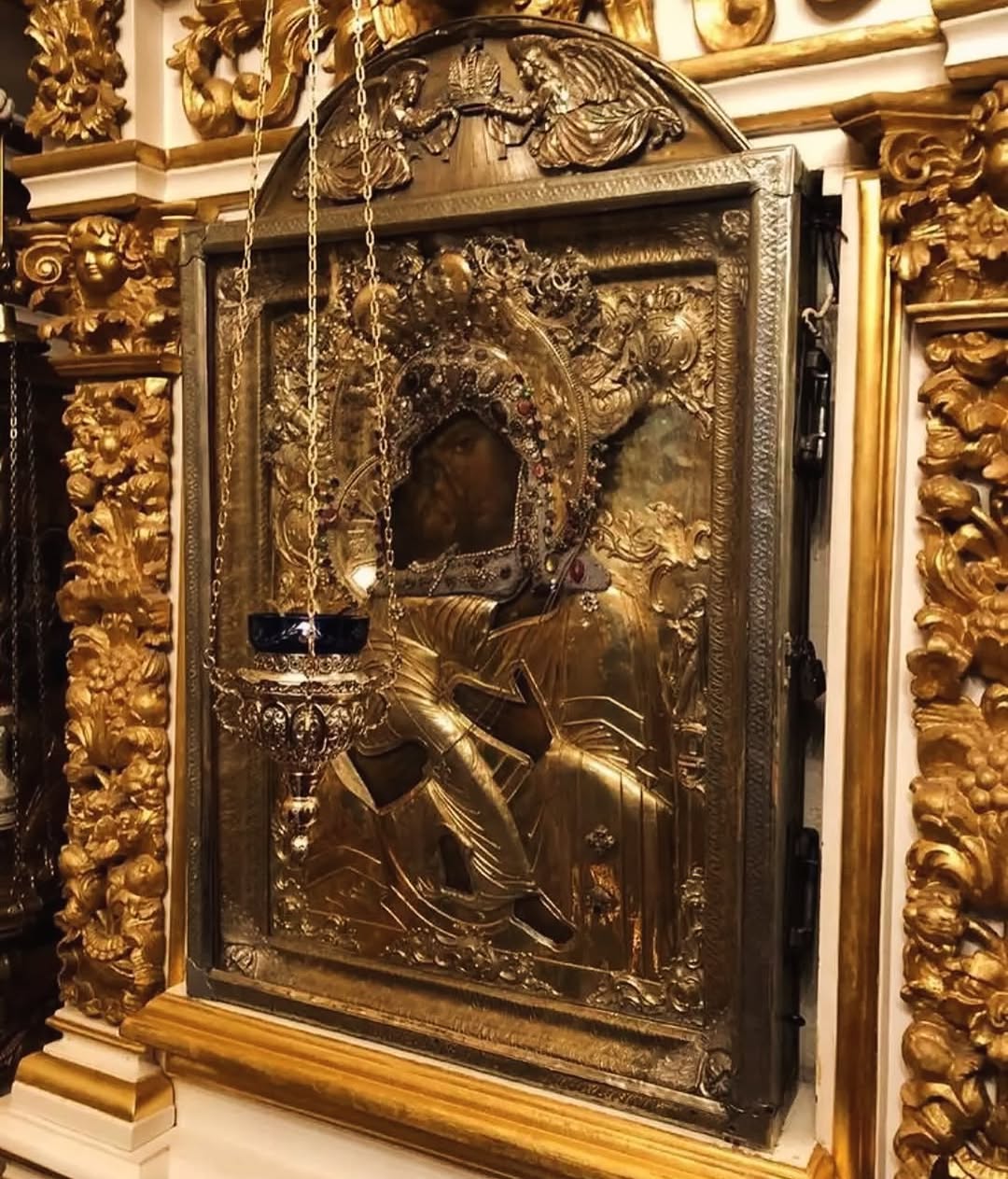
Why the Devil Works Hardest to Keep Us From Prayer

A priest explains that the devil does not want people to pray, because prayer draws them closer to God. He says the enemy will try to distract us, make us tired, fill our minds with worries, or convince us that prayer can wait until later. The answer to these obstacles is not to pray less but to pray even more at exactly those moments. He cites the words of Christ from the Gospel: 'Watch and pray, lest you enter into temptation' (Matthew 26:41).…

A priest explains that the devil does not want people to pray, because prayer draws them closer to God. He says the enemy will try to distract us, make us tired, fill our minds with worries, or convince us that prayer can wait until later. The answer to these obstacles is not to pray less but to pray even more at exactly those moments.

He cites the words of Christ from the Gospel: 'Watch and pray, lest you enter into temptation' (Matthew 26:41). Prayer, he says, is not only words. It is communion with God, strength in temptation, and a weapon in spiritual warfare. God, who desires our salvation, calls each of us by name to pray every day, and a day without prayer must be meaningless to us. The message ends with a call to resist the enemy's work and seek union with God.

Key moments

  1. The devil does not want us to pray.
  2. God, who desires our salvation, calls each of us by name to pray every day.
  3. A day without prayer must be meaningless to us.
  4. Resist the enemy's work and seek union with God.
Read more
St Anthony’s Youth SA ☦︎ Instagram
Video tagged as Orthodox history repeats a Hindu mantra throughout

0:13

The video carries hashtags about Orthodox history, Byzantium and Saint George, but its audio content is something else. From the first seconds to the end, the only sound is the repeated chanting of the mantra 'ॐ नमः शिवाय' (Om Namah Shivaya), a mantra addressed to Shiva. There is no other spoken content, no narration and no explanation of the hashtags. Each repetition cycle lasts about thirty seconds and contains five recitations of the mantra.…

The video carries hashtags about Orthodox history, Byzantium and Saint George, but its audio content is something else. From the first seconds to the end, the only sound is the repeated chanting of the mantra 'ॐ नमः शिवाय' (Om Namah Shivaya), a mantra addressed to Shiva. There is no other spoken content, no narration and no explanation of the hashtags.

Each repetition cycle lasts about thirty seconds and contains five recitations of the mantra. The chanting begins at the start of the video and continues without interruption. A viewer opening the post expecting material on Orthodox or Byzantine history will find only this continuous chant.

The summary lists a single point: the chanting of 'ॐ नमः शिवाय' begins and continues throughout the video. Nothing in the summary connects the audio to Saint George, Byzantine history or any Orthodox subject, and no names, dates or events are mentioned.

Key moments

  1. 0:04 The chanting of 'ॐ नमः शिवाय' begins and continues throughout the video.
St Anthony’s Youth SA ☦︎ Instagram
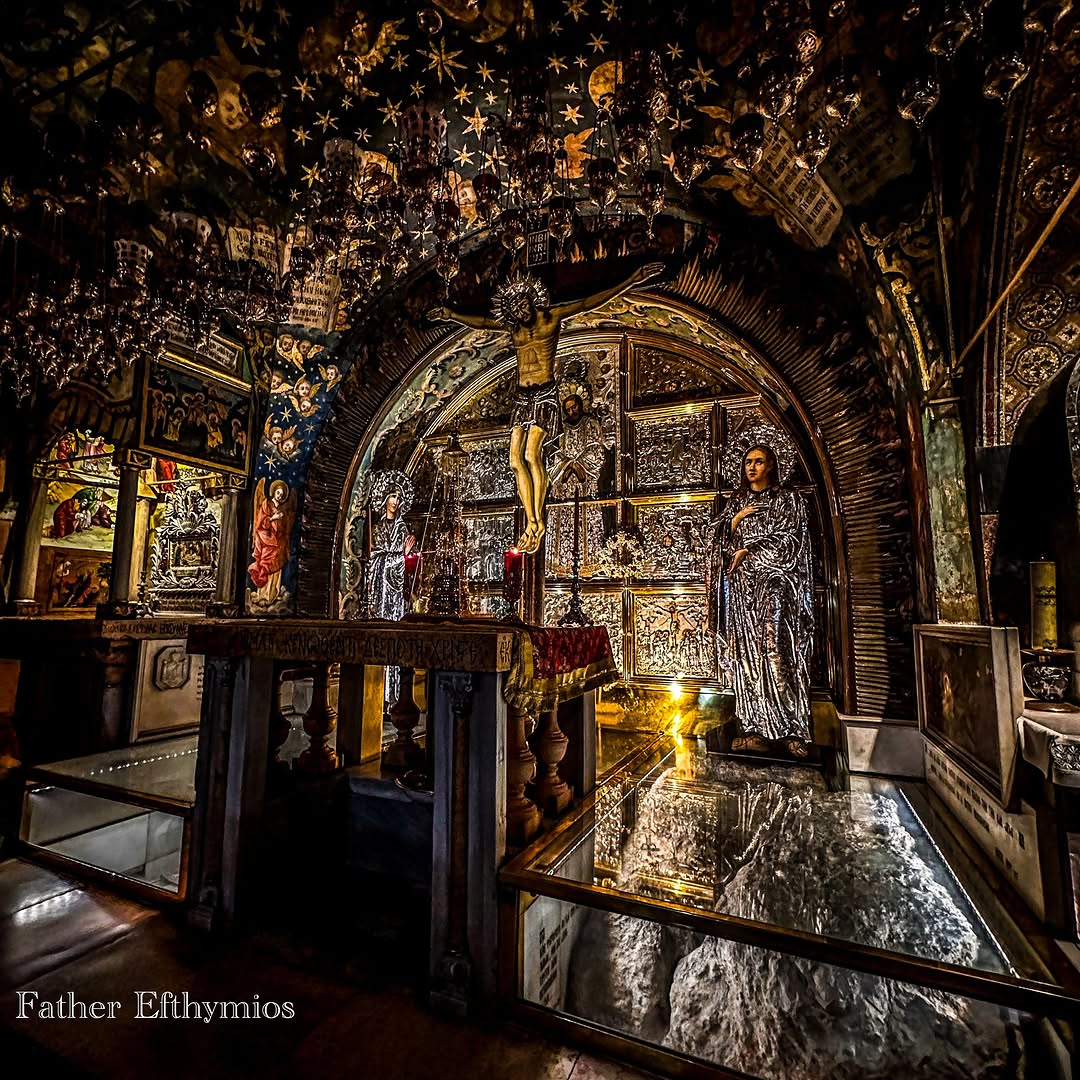
Apolytikion Chant for Saint Paisios on His Feast Day

A chanter sings the apolytikion for Saint Paisios, whose feast is celebrated on this day. The hymn asks the saint to accept the struggle of the athlete and to imitate the equal-to-the-apostles ones. It calls the faithful to honour Saint Paisios as a protection of gifts and a shield against all sorrows. The chant includes the triple doxology: glory to him who gave you strength, glory to him who crowned you, glory to him who works healings through…

A chanter sings the apolytikion for Saint Paisios, whose feast is celebrated on this day. The hymn asks the saint to accept the struggle of the athlete and to imitate the equal-to-the-apostles ones. It calls the faithful to honour Saint Paisios as a protection of gifts and a shield against all sorrows.

The chant includes the triple doxology: glory to him who gave you strength, glory to him who crowned you, glory to him who works healings through you. The chanter is congratulated with the words 'Bravo, Antonis, many years', and the hymn ends with the doxology: 'Blessed is our God, always, now and ever, and unto the ages of ages.'

Key moments

  1. The chanter sings the apolytikion for Saint Paisios on his feast day, asking him to receive the struggle of the athlete and the innocent cry.
  2. The hymn calls the faithful to honour Saint Paisios as a protection of gifts and a shield against all sorrows.
  3. The faithful cry out: glory to him who gave you strength, glory to him who crowned you, glory to him who works healings through you.
  4. The chanter is congratulated ('Bravo, Antonis, many years'), and the hymn concludes with 'Blessed is our God, always, now and ever, and unto the ages of ages.'
Read more

Fifteen saintly quotes condemn ecumenism as betrayal of Christ and Orthodoxy

I have gathered fifteen quotes from the saints on ecumenism. They show how the movement places unity with heretics above truth and amounts to a betrayal of Christ and Orthodox doctrine. This comes as the Ecumenical Patriarch moves toward reunion with Rome.

Read all fifteen passages, then take them to your clergy and metropolitans who have not studied what the Church has taught on ecumenism, beginning with Canon 33. You cannot erase the boundaries of Orthodoxy and still call it Orthodoxy.

  • Fifteen quotes from saints condemn ecumenism
  • Ecumenism prioritizes unity with heretics over truth
  • Ecumenism is called a betrayal of Christ and Orthodox doctrine
  • Recent news: Ecumenical Patriarch plans reunion with Rome
  • Urges readers to confront clergy and metropolitans starting with Canon 33
35 opinions in the discussion When we stand before God and He asks why His bride was divided, are we going to answer, "but they used a different number of fingers to make the sign of the cross! How could your grace… Read the discussion