WeOrthodox
EN UA

Orthodox posts, videos and discussions

We follow Orthodox channels, communities and blogs across the web, summarise every post and video, and highlight the conversations with real substance.

F Fr. Barnabas Powell Substack

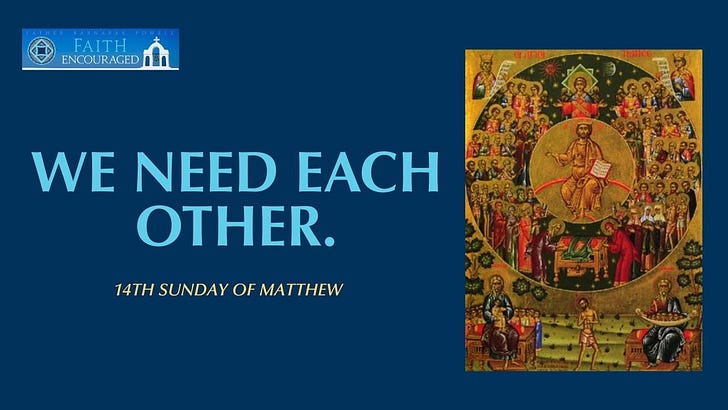
Christianity Requires Community for Spiritual Health and Salvation

The author of Faith Encouraged presents a conversation on why Christianity cannot be an individual pursuit. The discussion examines how community, relationships, humility, and participation in the life of the Church are necessary for spiritual health and salvation. Faith Encouraged operates as a reader-supported publication and the author invites readers to become free or paid subscribers to receive new posts and support the work.

  • Christianity is not meant to be an individual pursuit.
  • Community, relationships, humility, and Church life are essential to spiritual health.
  • These elements are ultimately essential to salvation.
  • Faith Encouraged is a reader-supported publication.
  • The author invites readers to subscribe for free or paid to support the work.
radioimlemesou Instagram

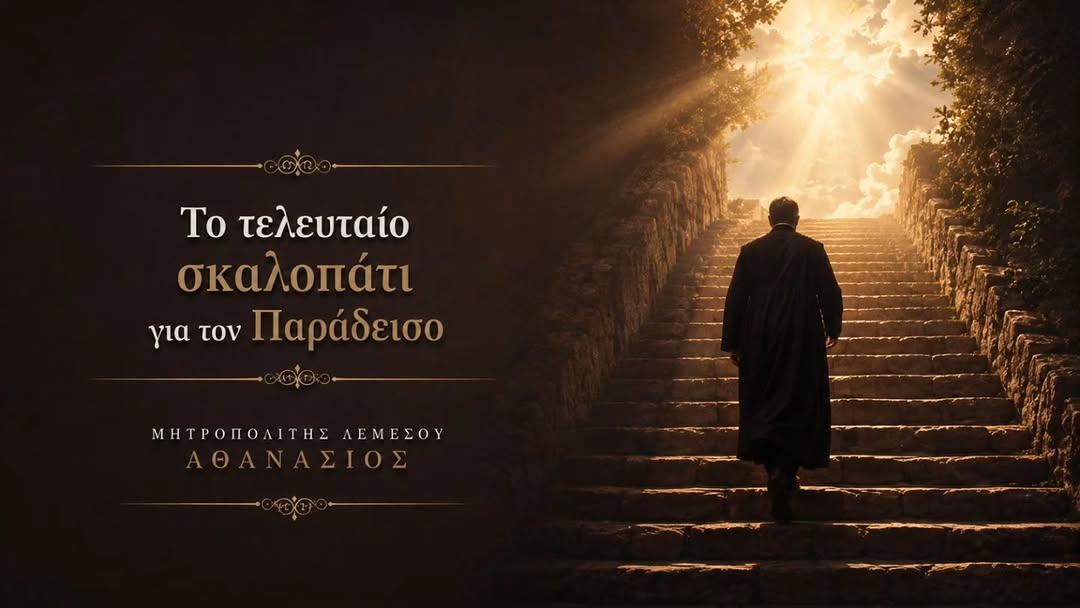
Metropolitan Athanasios of Limassol shares vision of almsgiving as path to Paradise

Metropolitan Athanasios of Limassol recounts a vision described in an excerpt from one of his homilies. A man saw an obstacle blocking his path to Paradise. The obstacle was identified as the lack of almsgiving. The metropolitan uses this account to illustrate the necessity of charitable giving. The post directs viewers to the channel's YouTube page to watch the full video.

  • Metropolitan Athanasios of Limassol recounts a vision from a homily excerpt
  • A man sees an obstacle on his path to Paradise
  • The obstacle is identified as lack of almsgiving
  • The story illustrates the importance of almsgiving
  • The full video is available on the channel's YouTube page

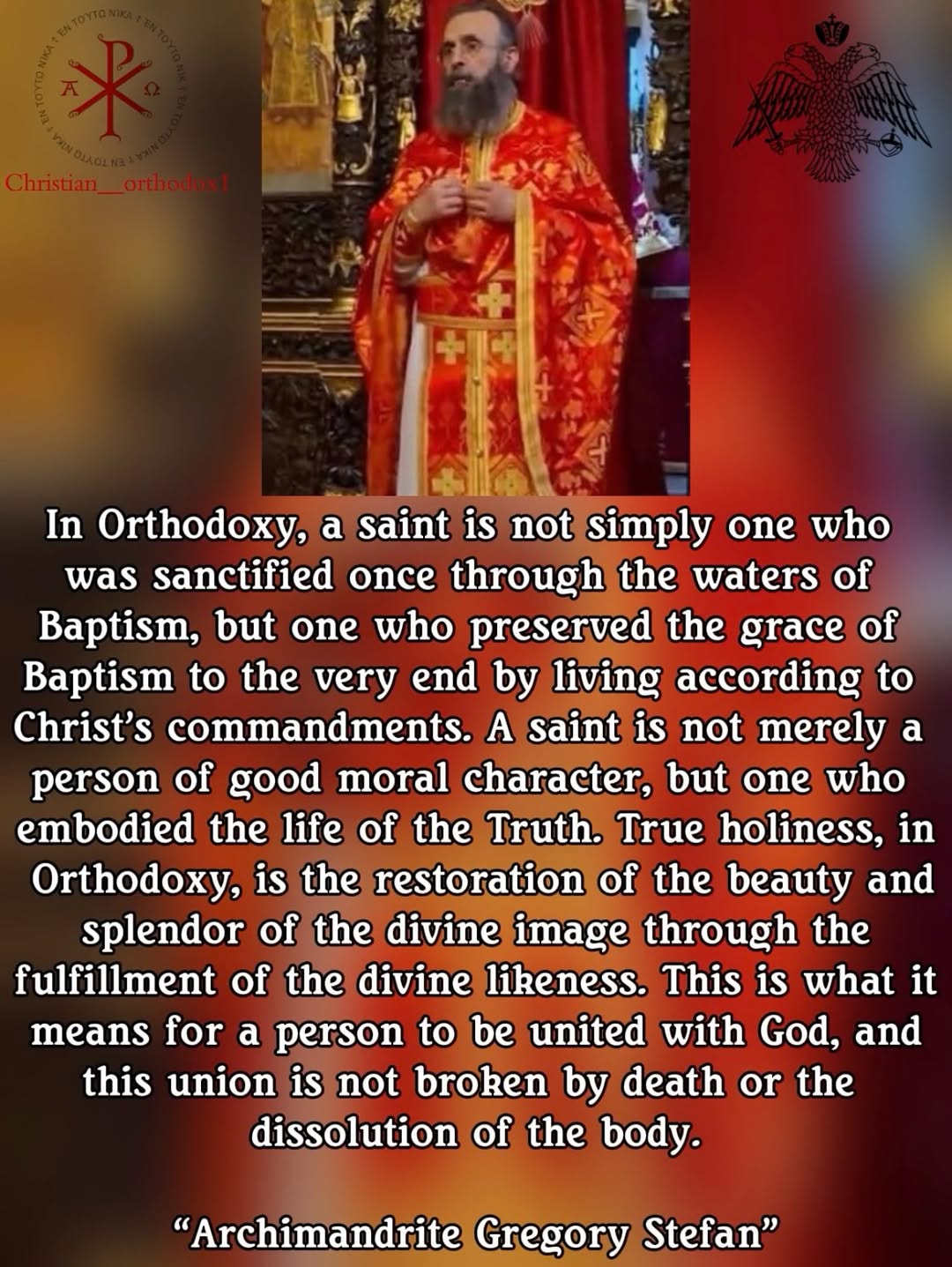
Archimandrite Gregory Stefan on preserving baptismal grace to the end

Archimandrite Gregory Stefan defines sainthood in Orthodoxy as the preservation of baptismal grace to the end of life through obedience to Christ's commandments. He distinguishes a saint from a person of good moral character by stating that a saint embodies the life of Truth. True holiness, he says, is the restoration of the beauty and splendor of the divine image through the fulfillment of the divine likeness.

This union with God, once achieved, is not broken by death or the dissolution of the body.

  • A saint preserves baptismal grace to the end by living Christ's commandments
  • Sainthood means embodying the life of Truth, not merely good morals
  • Holiness restores the divine image through fulfilling the divine likeness
  • Union with God remains unbroken by death or bodily dissolution
  • Teaching attributed to Archimandrite Gregory Stefan
Read more
Orthodox Life Instagram

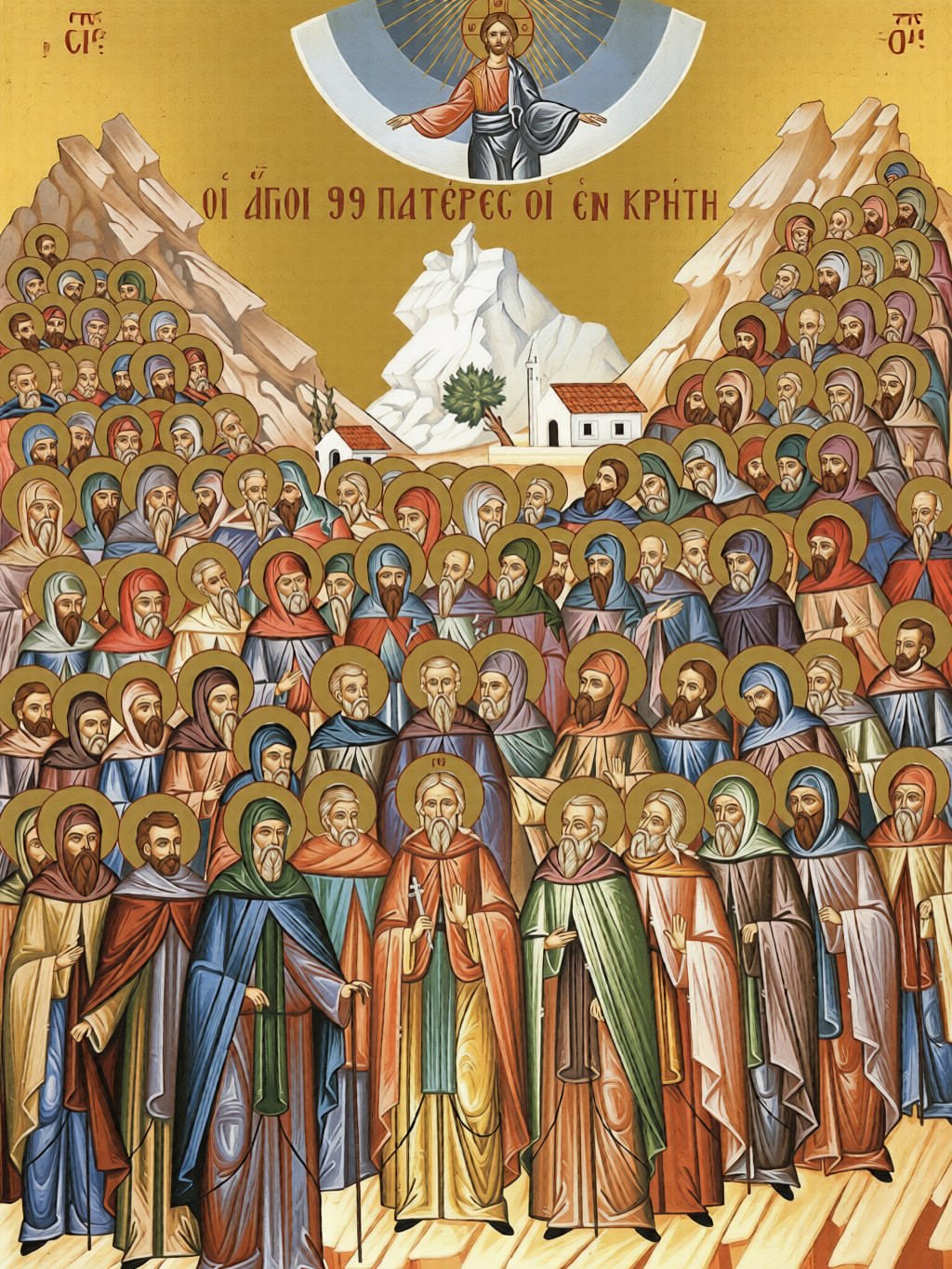
Saint John the Hermit and the 98 Fathers of Crete commemorated October 7

The post commemorates Saint John the Hermit and the 98 Fathers of Crete on October 7. These 14th-century ascetics came from Egypt, Cyprus, and Asia Minor to live a life of prayer and solitude on the Greek island of Crete. Led by Saint John, the group traveled together by sea toward Crete. When a bad storm forced them to stop on the nearby island of Gavdos, a miraculous event occurred. Saint John was left behind by mistake when he became…

The post commemorates Saint John the Hermit and the 98 Fathers of Crete on October 7. These 14th-century ascetics came from Egypt, Cyprus, and Asia Minor to live a life of prayer and solitude on the Greek island of Crete. Led by Saint John, the group traveled together by sea toward Crete. When a bad storm forced them to stop on the nearby island of Gavdos, a miraculous event occurred.

Saint John was left behind by mistake when he became temporarily unseen. He then crossed the open sea to Crete by standing on his cloth tunic. Once they arrived safely on Crete, the ascetics settled into caves near the village of Azogires.

Saint John later moved to a more remote cave in the Akrotiri peninsula. The rest of the fathers stayed together in Azogires under a large plane tree, building a life of deep quiet and continuous prayer. Tragedy struck when a local farmer or hunter mistook Saint John for a wild animal and shot him with an arrow.

According to tradition, the other 98 fathers in Azogires died at that exact same moment. Their shared death reflected their deep spiritual bond and life of prayer. Visitors can still travel to Azogires to see the Holy Fathers' Monastery and the caves where these remarkable men lived and prayed.

  • 14th-century ascetics from Egypt, Cyprus, and Asia Minor settled on Crete
  • Saint John crossed the sea on his tunic after being left behind on Gavdos
  • The group lived in caves near Azogires under a large plane tree
  • Saint John was shot by a farmer who mistook him for a wild animal
  • All 98 fathers died at the same moment as Saint John
Read more
☦️An Orthodox Blog☦️ Instagram

St. John Chrysostom: A Beautiful Woman Without Virtue Is Like a Painted Coffin

0:03

The post quotes St. John Chrysostom on beauty and virtue. The saint asks his listener not to speak to him of female beauty, but rather of the virtues of the soul. He states that a beautiful woman who has not decorated herself with virtue is like a painted coffin. The quotation is offered under Orthodox hashtags, including tags for Orthodox saints, female beauty, and virtue. The post is brief and consists of the quotation alone, with no further…

The post quotes St. John Chrysostom on beauty and virtue. The saint asks his listener not to speak to him of female beauty, but rather of the virtues of the soul. He states that a beautiful woman who has not decorated herself with virtue is like a painted coffin. The quotation is offered under Orthodox hashtags, including tags for Orthodox saints, female beauty, and virtue.

The post is brief and consists of the quotation alone, with no further commentary from the author. The contrast the saint draws is between outward appearance and inward adornment: the body may be beautiful, but without virtue it is like a coffin that has been painted on the outside while holding death within. The image places the value of a woman not in her physical appearance but in the state of her soul, and it names virtue as the true decoration a person should seek.

The hashtags suggest the author shares the quote for an Orthodox audience interested in the sayings of the saints and in the topic of female beauty as the Church Fathers treated it. No discussion, replies, or additional sources appear in the post itself; it stands as a single patristic quotation on the priority of the soul's virtues over bodily beauty.

Key moments

  1. 0:00 The Kyrie eleison and Christe eleison open the Mass, asking the Lord and Christ for mercy.
Read more
radioimlemesou Instagram

Limassol Metropolis announces 4th Cypriot Tradition Festival on Oct 24-25

The Holy Metropolis of Limassol has announced the fourth Festival of Cypriot Tradition, scheduled for October 24 and 25. The event will run from 10:30 in the morning until 8:00 in the evening on both days. It will be held in the forecourt of the Metropolitan Church of Panagia Pantanassa Katholiki. The program features shadow theater performances, traditional songs, traditional dances, games for children, demonstrations of traditional crafts,…

The Holy Metropolis of Limassol has announced the fourth Festival of Cypriot Tradition, scheduled for October 24 and 25. The event will run from 10:30 in the morning until 8:00 in the evening on both days. It will be held in the forecourt of the Metropolitan Church of Panagia Pantanassa Katholiki. The program features shadow theater performances, traditional songs, traditional dances, games for children, demonstrations of traditional crafts, traditional foods served in clay vessels, and exhibitions of weaving and embroidery. The Metropolis states that admission to the festival is free.

  • 4th Festival of Cypriot Tradition announced by Holy Metropolis of Limassol
  • Dates: October 24-25, 10:30 AM to 8:00 PM
  • Location: forecourt of Metropolitan Church of Panagia Pantanassa Katholiki
  • Program includes shadow theater, traditional songs and dances, children's games, traditional crafts, traditional foods in clay vessels, weaving and embroidery exhibitions
  • Free admission
F Fr. Barnabas Powell Substack

St. Paul's imprisonment spreads the gospel to the praetorian guard

The author begins by contrasting days when every traffic light is green and a parking spot appears at the door with days when every light is red and everything takes longer. He then turns to Philippians 1:12-20, where St. Paul writes from prison that what has happened to him has served to advance the gospel. The passage reports that Paul's imprisonment became known throughout the praetorian guard and to all the rest as imprisonment for Christ,…

The author begins by contrasting days when every traffic light is green and a parking spot appears at the door with days when every light is red and everything takes longer. He then turns to Philippians 1:12-20, where St. Paul writes from prison that what has happened to him has served to advance the gospel. The passage reports that Paul's imprisonment became known throughout the praetorian guard and to all the rest as imprisonment for Christ, and that most of the brethren were made confident in the Lord and became much more bold to speak the word of God without fear.

Some preach Christ from envy and rivalry, others from good will, but Paul declares that in every way, whether in pretense or in truth, Christ is proclaimed, and in that he rejoices. The author draws three lessons. First, circumstances always invite a perspective check; an eternal perspective sees God's purpose in good times, bad times, and in-between times, and attentiveness to repentance as a change of perspective is at the heart of faithful Orthodox Christian life.

Second, hard circumstances test whether confidence is real; Paul cares not for his comfort, reputation, or retaliation, but only that Christ is proclaimed, and he expects deliverance through the prayers of the church and the help of the Spirit of Jesus Christ. Third, troubles become an opportunity for the whole community to grow in faith; Paul's imprisonment made the brethren bolder and he looks for deliverance through their prayers, showing that no one suffers alone and no suffering is wasted in the Body of Christ.

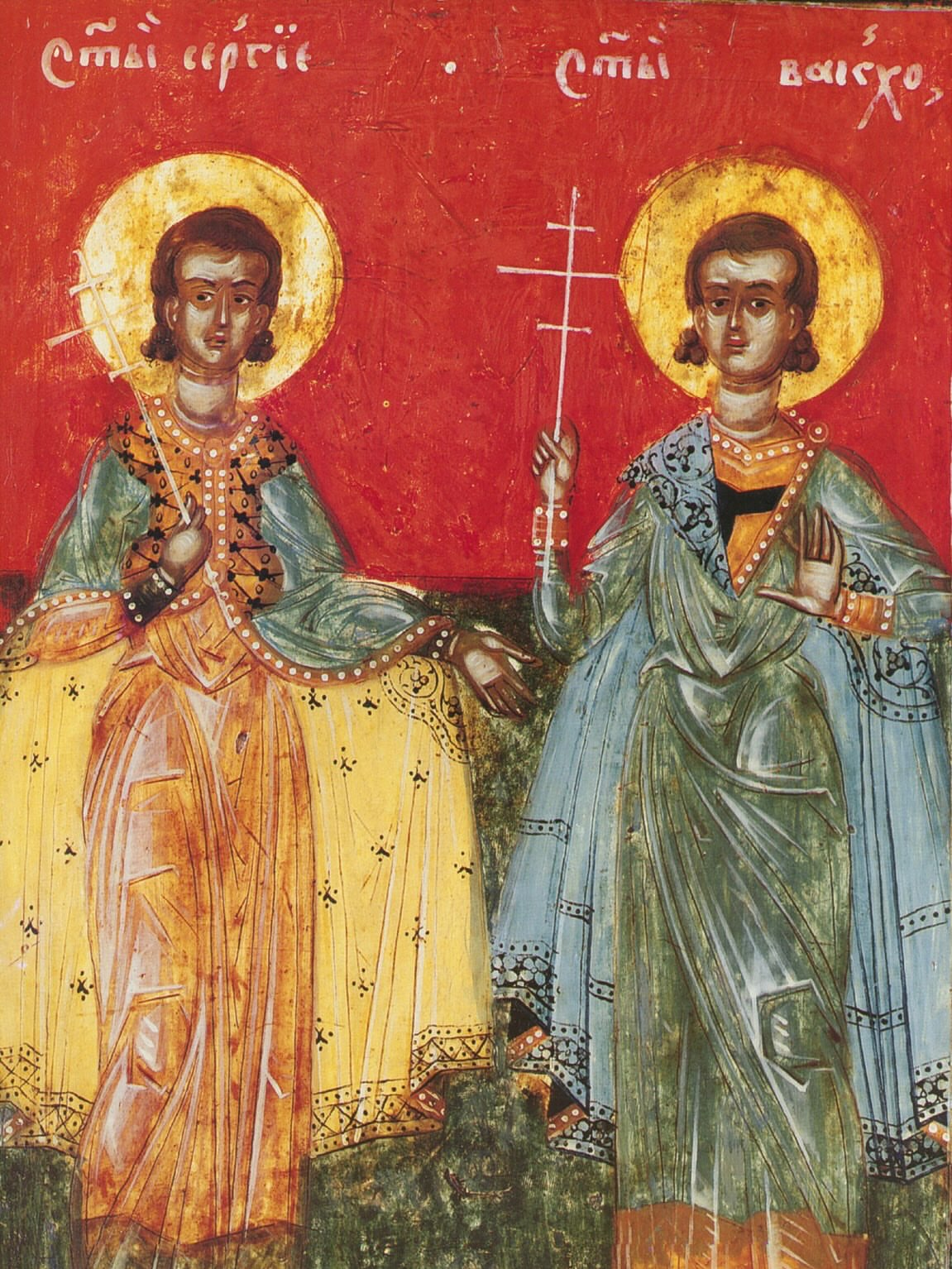
The post then commemorates Sts. Sergius and Bacchus, high-ranking Roman officers in the early fourth century who refused pagan sacrifice, were stripped of honors, paraded in women's clothing, and martyred, St. Bacchus beaten to death, St. Sergius beheaded at Resafa in Syria, yet their martyrdom became a great pilgrimage site, illustrating how God turns intended shame into blessing.

The author concludes with questions for personal reflection on how God might use present hardships.

  • St. Paul's imprisonment made the gospel known throughout the praetorian guard.
  • Most brethren grew confident and bold to speak the word without fear.
  • Paul rejoices that Christ is proclaimed even by those preaching from envy.
  • Hardship tests real confidence and calls the community to prayer and boldness.
  • The martyrdom of Sts. Sergius and Bacchus became a pilgrimage site, showing God turns shame into blessing.

Elder Philemon: Christ Turns Water into Wine, Wine into Blood, Blood into Resurrection

Elder Philemon, Dikaios of the Coenobitic Skete of the Prophet Elias (Pantokratoros) on Mount Athos, speaks about the joy of life in Christ. He describes a chain of transformations that Christ performs: water into wine, wine into His blood, and that blood into resurrection, life, and paradise. The elder applies this sequence to the Christian life today. In our era, he says, there should also be this trained, incorruptible light. He admits this…

Elder Philemon, Dikaios of the Coenobitic Skete of the Prophet Elias (Pantokratoros) on Mount Athos, speaks about the joy of life in Christ. He describes a chain of transformations that Christ performs: water into wine, wine into His blood, and that blood into resurrection, life, and paradise. The elder applies this sequence to the Christian life today.

In our era, he says, there should also be this trained, incorruptible light. He admits this is not easy, but he says it at least shows us a solution. He sets a boundary for how a Christian should relate to this light: a Christian should not be deified by it, but should know that this is our path, see it, and hold on to it so as not to become discouraged.

The post shares a video from the channel Kiriakos Agio Oros, where the full talk can be watched, and lists hashtags on Christ, joy, life, faith, Christianity, and Orthodoxy. The discussion in the source stays with the elder's own words: the transformation of water into wine, wine into blood, and blood into resurrection and paradise; the presence of a trained, incorruptible light in our era; the difficulty of this; the solution it points to; and the counsel that a Christian should see this path and hold on to it in order to avoid disappointment.

The post is in Greek, with English hashtags alongside the Greek ones, and identifies the speaker by name and by his office in the Holy Skete of the Prophet Elias on Mount Athos.

Key moments

  1. Christ turned water into wine, the wine into His blood, and that blood into resurrection, life, and paradise.
  2. In our era there should also be this trained, incorruptible light; it is not easy, but it shows a solution.
  3. A Christian should not be deified by it, but know this is our path, see it, and hold on to it so as not to be disappointed.
Read more
Holy Resurrection YouTube

St. John of Kronstadt on prayer, faith, and the Eucharist

St. John of Kronstadt on prayer, faith, and the Eucharist 7:01

The post shares excerpts from St. John of Kronstadt's My Life in Christ, Volume I, pages 29-35. The speaker contrasts prayer built on sand, cold, distracted, without faith, with prayer built on rock, where the eyes remain fixed on the living and present Lord. The word of grace, the writings of the holy fathers, and the hypostatic Word himself are described as living water that gives the soul peace, joy, compunction, and contrition. Fruitful…

The post shares excerpts from St. John of Kronstadt's My Life in Christ, Volume I, pages 29-35. The speaker contrasts prayer built on sand, cold, distracted, without faith, with prayer built on rock, where the eyes remain fixed on the living and present Lord. The word of grace, the writings of the holy fathers, and the hypostatic Word himself are described as living water that gives the soul peace, joy, compunction, and contrition.

Fruitful prayer requires remembering past answers to prayer and attributing them firmly to God's grace, not chance. The speaker addresses the objection that God already knows our needs: petitions are necessary to strengthen faith, through which alone we are saved, just as Christ strengthened the Canaanite woman's faith by making her plead.

The heart must burn with desire for spiritual blessings and love for God, even for enemies, and we must watch over it to discern what separates us from God, chiefly the evil one working through the lust of the flesh, the lust of the eyes, and the pride of life. On the Eucharist, the mystery is that Christ becomes present in the same body once assumed, not incarnated anew; this mystery exists though incomprehensible, just as the soul sustains the body while God sustains the universe without being contained by it.

Key moments

  1. 0:12 Prayer without faith builds on sand; prayer with eyes fixed on the Lord builds on rock; the word of grace and the hypostatic Word are living water for the soul.
  2. 1:13 Hope in prayer rests on faith in God's goodness and mercy, recalling His past manifestations in Scripture, the lives of the saints, and personal experience.
  3. 1:45 Fruitful prayer requires remembering previous answers to prayer and firmly believing they come from God's grace, not chance.
  4. 2:16 Petitions are necessary to strengthen faith, through which alone we are saved; Christ made the Canaanite woman plead to awaken and strengthen her faith.
  5. 3:16 The heart must burn with desire for spiritual blessings and love for God; God desires all men to be saved, and we must desire the same even for enemies.
  6. 4:17 Watch over the heart throughout life, discerning what unites or separates from God; the evil one stands between heart and God through the passions.
  7. 4:48 Christ becomes present in the Eucharist in the same body once assumed, not incarnated anew; the mystery exists though incomprehensible to reason.
  8. 5:52 The soul bears the body as God bears the universe; the spirit of the Lord fills the world without being limited or enclosed by it.
Read more
CHRISTIANITY UNITED with Prayer Orthodoxy ® Instagram

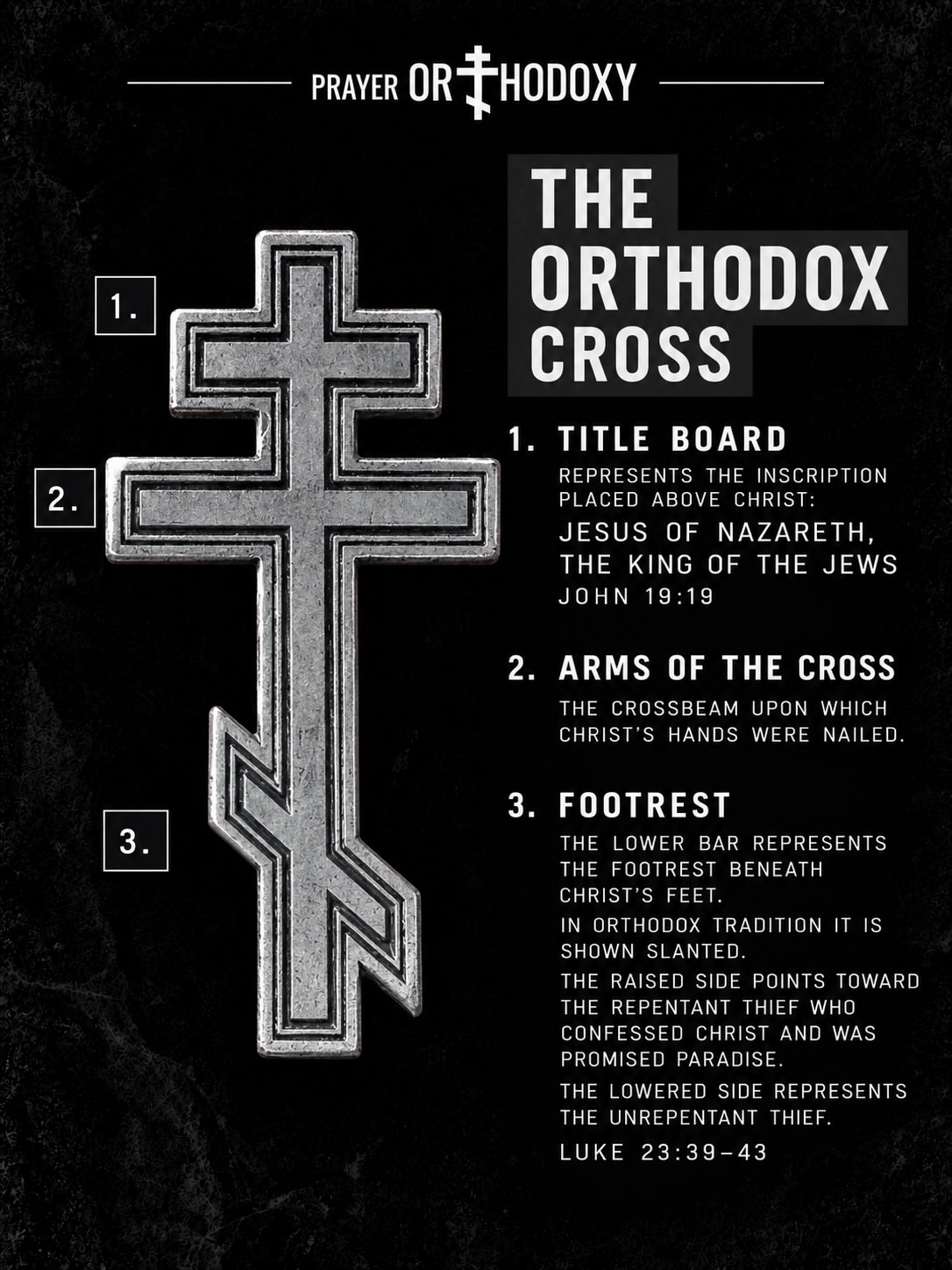
Why Orthodox Christians wear the cross: confession, remembrance, call to follow Christ

The post explains the reasons Orthodox Christians wear a cross. It states the cross serves as a visible confession of belonging to Christ. It reminds the wearer of Christ's Crucifixion and Resurrection, of Baptism into His death and new life, and of His command to take up one's own cross and follow Him. The cross also functions as a constant call to repentance, humility, prayer, and faithfulness. A section titled "THE CROSS BEFORE US" expands…

The post explains the reasons Orthodox Christians wear a cross. It states the cross serves as a visible confession of belonging to Christ. It reminds the wearer of Christ's Crucifixion and Resurrection, of Baptism into His death and new life, and of His command to take up one's own cross and follow Him.

The cross also functions as a constant call to repentance, humility, prayer, and faithfulness. A section titled "THE CROSS BEFORE US" expands that the Orthodox Cross calls to a life of repentance, humility, sacrifice, and hope. It reminds that suffering is never the final word. Through Christ, the Cross became the path to life, victory, and the Kingdom of Heaven.

To venerate the Cross is to remember what Christ has done and to ask whether one is willing to carry one's own cross faithfully. The same content appears in Greek. The post is attributed as an original production of Prayer Orthodoxy.

  • The cross is worn as a visible confession of belonging to Christ.
  • It recalls Christ's Crucifixion, Resurrection, and the wearer's Baptism into His death and new life.
  • It represents Christ's command to take up one's own cross and follow Him.
  • It serves as a constant call to repentance, humility, prayer, and faithfulness.
  • Venerating the Cross means remembering Christ's work and examining one's willingness to carry one's cross faithfully.
Read more
Orthodox Life Instagram

Saints Sergius and Bacchus: Officers Who Refused to Sacrifice to Jupiter

The post commemorates the Holy Great Martyrs Sergius and Bacchus, fourth-century Roman military officers and court nobles who served with distinction on the Syrian frontier under Emperor Maximian. The emperor favored them for their bravery and skill until he learned they were Christians. Their faith became known when they refused to enter a pagan temple to offer sacrifices to Jupiter, declaring that their loyalty belonged only to the one God.…

The post commemorates the Holy Great Martyrs Sergius and Bacchus, fourth-century Roman military officers and court nobles who served with distinction on the Syrian frontier under Emperor Maximian. The emperor favored them for their bravery and skill until he learned they were Christians. Their faith became known when they refused to enter a pagan temple to offer sacrifices to Jupiter, declaring that their loyalty belonged only to the one God.

Maximian stripped them of their military insignia, belts, and rings, then ordered them dressed in heavy feminine clothing and paraded through the streets in iron chains while crowds mocked them. The two remained steadfast, refuting the emperor's arguments and showing the emptiness of idol worship. They were sent to Eastern Syria to face Antiochus, a governor and fierce persecutor of Christians who had risen to power with their help.

When he urged them to sacrifice to the Roman gods, they answered, "For us life is Christ, and to die is gain." Antiochus had Bacchus beaten with raw ox-hides until he died. Sergius was then forced to march in iron sandals lined with upward-pointing spikes that pierced his feet.

After enduring this torture without renouncing Christ, he was beheaded with a sword in the Syrian town of Resapha in 303 AD.

  • Sergius and Bacchus were high-ranking Roman officers on the Syrian frontier under Emperor Maximian, favored until their Christian faith was discovered.
  • They refused to offer sacrifice to Jupiter, saying their loyalty belonged only to the one God.
  • The emperor humiliated them by dressing them in feminine clothing and parading them in chains through the city.
  • Before Governor Antiochus they said, "For us life is Christ, and to die is gain"; Bacchus died under beating with ox-hides.
  • Sergius was marched in spiked iron sandals and beheaded at Resapha in Syria in 303 AD.
Read more
CHRISTIANITY UNITED Instagram

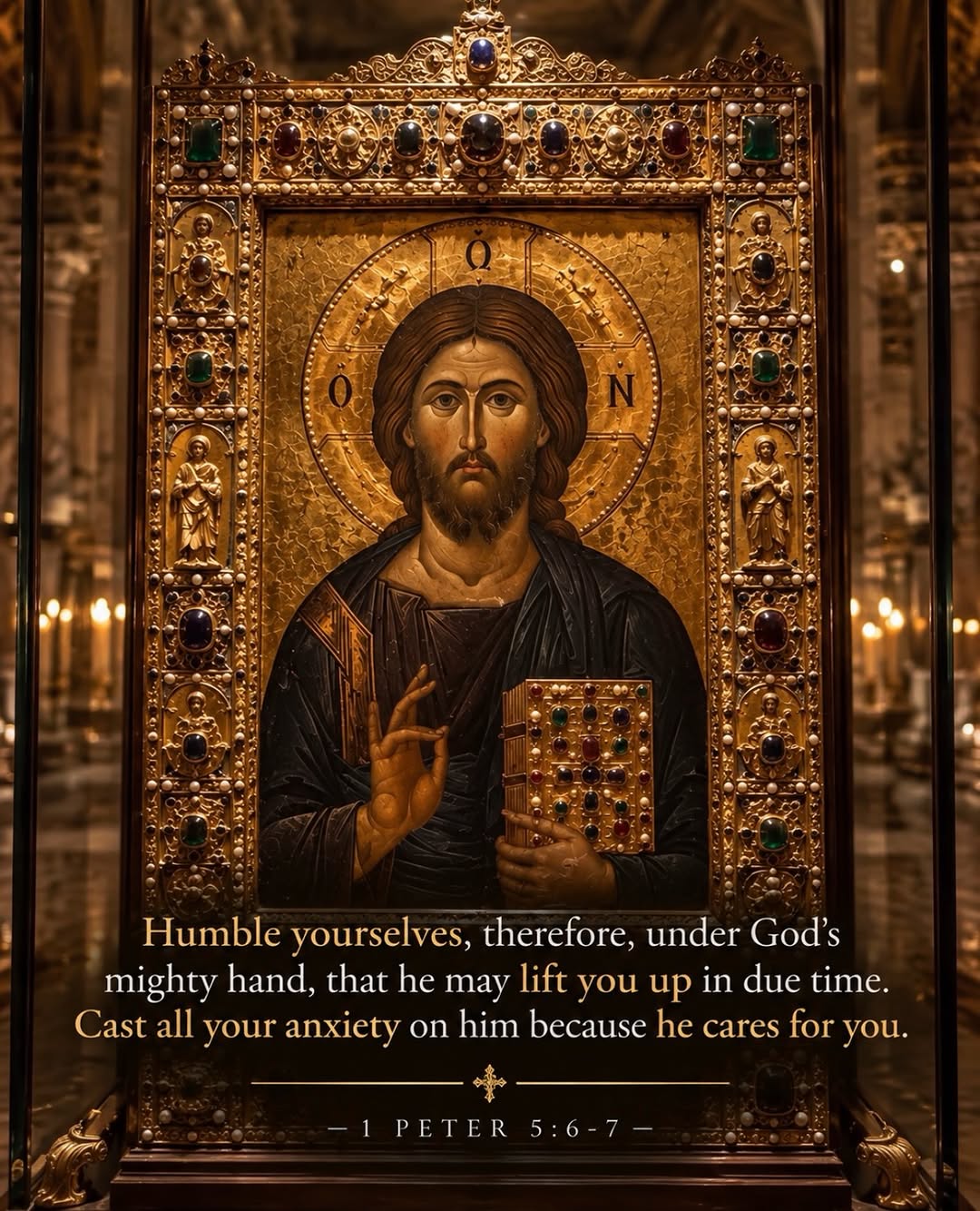
Saint Peter: cast your cares on God who cares

The post opens with a call to give God what cannot be carried alone. It identifies the weight of daily worries: tomorrow, families, money, work, health, decisions, things beyond control, and situations that may never happen. The author observes that before we realize it, the mind lives everywhere except the present moment. Saint Peter is cited as giving a different way: humble yourself before God and place what is troubling you into His hands.…

The post opens with a call to give God what cannot be carried alone. It identifies the weight of daily worries: tomorrow, families, money, work, health, decisions, things beyond control, and situations that may never happen. The author observes that before we realize it, the mind lives everywhere except the present moment.

Saint Peter is cited as giving a different way: humble yourself before God and place what is troubling you into His hands. Humility means accepting that we cannot control everything, we do not know what tomorrow brings, we do not always know which road is best, and sometimes after doing everything we possibly can, there is nothing left except to pray and trust God.

The post clarifies that this does not mean ignoring responsibilities or expecting God to solve everything without us doing our part. It means doing what we can and then refusing to let fear control what we cannot. The reason Saint Peter gives is quoted: "Because He cares for you."

The post emphasizes that this is not because every problem will disappear immediately or because life will always go according to our plans, but because whatever comes, we are not carrying it alone. The final exhortation: pray about it, do what is in your hands today, leave tomorrow with God. He knows what you need, He knows what you fear, and He has not forgotten you.

  • Saint Peter's call to humble oneself and cast anxieties on God
  • Common burdens listed: future, family, finances, health, decisions, uncontrollable events
  • Humility defined as accepting lack of control and limited knowledge
  • Trust involves doing one's part today while releasing fear over outcomes
  • Assurance that God cares, knows needs, and has not forgotten the believer
Athonite Audio YouTube

Evergetinos, Vol. 3, Hypothesis 23: No Commandment Broken for Bodily Need or Fear

Evergetinos, Vol. 3, Hypothesis 23: No Commandment Broken for Bodily Need or Fear 5:59

This reading presents Hypothesis 23 of the third book of the Evergetinos: one should not violate even the least commandment on account of bodily necessity, however pressing, or on account of human fear. The hypothesis is illustrated with an account from the Life of St. John the Merciful, patriarch of Alexandria during a famine, and with counsel from St. Ephrem. Refugees from the Persian onslaught fled to Alexandria, where food was scarce because…

This reading presents Hypothesis 23 of the third book of the Evergetinos: one should not violate even the least commandment on account of bodily necessity, however pressing, or on account of human fear. The hypothesis is illustrated with an account from the Life of St. John the Merciful, patriarch of Alexandria during a famine, and with counsel from St. Ephrem.

Refugees from the Persian onslaught fled to Alexandria, where food was scarce because the Nile had not risen. St. John borrowed 1,000 lb of gold for the people, and when that was spent he asked God for a way out that would not violate the divine laws and sacred canons. A wealthy reader in lower orders, though he had contracted a second marriage, sought ordination as a deacon and offered 5,000 bushels of corn and 150 lb of gold, citing Hebrews 7:12 about a change of the law.

John told him privately that the offer had a blemish and was unacceptable, comparing it to blemished sacrificial sheep and to Cain's rejected offering in Genesis 4:5, and quoted James 2:10: whoever keeps the whole law but offends in one point is guilty of all. He said that God, who had fed the poor to that day, would provide as long as His commandments were kept unaltered, and asked how He who multiplied the five loaves could not bless the 10 pecks in John's granary.

The cleric left with nothing accomplished, and before he reached home two church ships arrived from Sicily carrying many thousands of bushels of corn. John knelt and thanked God, saying that those who keep His commandments shall not be deprived of any good thing and that God had not allowed His servant to sell His grace for money.

St. Ephrem's teaching follows: show no partiality to anyone to the detriment of your soul, be he unimportant, important, or ruler, for no one can rescue you from the unquenchable fire (Ecclesiasticus 4:22; Matthew 16:26). Do not forfeit your boldness before God for human honor, glory, food, drink, clothing, or any necessity; these are perishable, while each man's deeds, good or bad, are recorded and abide forever.

Think on heavenly things to obtain what the Father has promised and enjoy the glory of the saints.

Key moments

  1. 0:01 Hypothesis 23: one should not violate even the least commandment on account of bodily necessity, however pressing, or on account of human fear.
  2. 0:01 Refugees from the Persian onslaught fled to Alexandria where food was scarce because the Nile had not risen; St. John the Merciful borrowed 1,000 lb of gold, and when that was used up he besought God for a way out without violating the divine laws and sacred canons.
  3. 1:04 A wealthy lower clergyman, a reader who had contracted a second marriage and wanted to become a deacon, offered 5,000 bushels of corn and 150 lb of gold in exchange for ordination, citing Hebrews 7:12 about a change of the law.
  4. 2:07 John told him privately that his offer had a blemish and was unacceptable, comparing it to blemished sacrificial sheep and to Cain's rejected offering (Genesis 4:5), and quoted James 2:10: whoever keeps the whole law but offends in one point is guilty of all.
  5. 3:08 John said God, who fed the poor to that day, would provide for them as long as His commandments were kept unaltered, and asked how He who multiplied the five loaves could not bless the 10 pecks in his granary.
  6. 3:39 The cleric was dismissed with nothing accomplished, and before he reached home two church ships arrived from Sicily with many thousands of bushels of corn; John knelt and thanked God, saying those who keep His commandments shall not be deprived of any good thing and that God had not allowed His servant to sell His grace for money.
  7. 5:14 St. Ephrem: be vigilant, show no partiality to anyone to the detriment of your soul, be he unimportant, important, or ruler, for no one can rescue you from the unquenchable fire (Ecclesiasticus 4:22; Matthew 16:26).
  8. 5:44 Do not forfeit your boldness before God for human honor, glory, food, drink, clothing, or any necessity; these are perishable, while each man's deeds, good or bad, are recorded and abide forever. Think on heavenly things to obtain what the Father has promised and enjoy the glory of the saints.
harmony YouTube

Svetitskhoveli Cathedral and the story of Christ's seamless chiton

Svetitskhoveli Cathedral and the story of Christ's seamless chiton 17:33

The video recounts the tradition surrounding Svetitskhoveli Cathedral in Mtskheta, Georgia, which is said to house the body of a woman buried grasping Christ's seamless chiton. The narrative begins with Elias, a Georgian in Jerusalem during Passover, who witnesses Jesus' entry and hears of his miracles. At his mother's urging, Elias purchases the robe from a Roman soldier casting lots for it after the crucifixion and brings it to Mtskheta. His…

The video recounts the tradition surrounding Svetitskhoveli Cathedral in Mtskheta, Georgia, which is said to house the body of a woman buried grasping Christ's seamless chiton. The narrative begins with Elias, a Georgian in Jerusalem during Passover, who witnesses Jesus' entry and hears of his miracles. At his mother's urging, Elias purchases the robe from a Roman soldier casting lots for it after the crucifixion and brings it to Mtskheta.

His sister Sidonia dies embracing the robe, which cannot be removed from her grasp, and she is buried with it. Elias's mother hears the sound of the crucifixion nails, proclaims judgment on those who killed the Messiah, and dies quoting Ecclesiastes. Centuries later, Saint Nino arrives from Cappadocia, converts the Jewish priest Abiathar and his daughter Sidonia, heals Empress Nana, and leads King Mirian to Christianity after a miraculous darkness on Mount Coti.

A cypress tree is felled to provide seven pillars for the church; the seventh pillar will not move until a youth in uncreated light raises it twelve cubits high, and myrrh flows from its base, healing the sick. Bishop John arrives with relics from Constantinople; King Mirian, Queen Nana, and the people are baptized. Saint Nino reveals that the robe of Christ is already in the city, buried with Sidonia under the cypress stump.

Later, a wonder-working tree is cut down to form three crosses; a fiery cross vision guides their placement on Kote Mountain, Ujarma, and a rocky hill at the confluence of the Aragvi and Mtkvari rivers.

Key moments

  1. 0:01 Svetitskhoveli is a major pilgrimage site in Georgia; beneath its floors lies the body of a woman holding a garment worn by Christ.
  2. 1:07 Elias, a Georgian in Jerusalem during Passover, witnesses Jesus' entry and hears of his miracles; his mother urges him to bring back a piece of the Messiah's robe.
  3. 3:14 Elias buys Christ's seamless chiton from a Roman soldier casting lots for it and returns to Mtskheta with the robe.
  4. 3:53 Elias's mother hears the crucifixion nails, proclaims judgment on those who killed the Messiah, and dies quoting Ecclesiastes.
  5. 5:36 Saint Nino arrives in Georgia, converts the Jewish priest Abiathar and his daughter Sidonia, heals Empress Nana, and leads King Mirian to Christianity after a miraculous darkness on Mount Coti.
  6. 9:12 A cypress tree is felled for seven church pillars; the seventh pillar will not move until a youth in uncreated light raises it 12 cubits high, and myrrh flows from its base, healing the sick.
  7. 10:46 Bishop John arrives with relics from Constantine; King Mirian, Queen Nana, and the people are baptized; Nino reveals the robe of Christ is already in the city, buried with Sidonia under the cypress stump.
  8. 14:25 A wonder-working tree is cut down to form three crosses; a fiery cross vision guides their placement on Kote Mountain, Ujarma, and a rocky hill at the river confluence.
Read more
St Anthony’s Youth SA ☦︎ Instagram

Saint Paul's conversion shows no sin exceeds God's mercy

The post presents Saint Paul's transformation from persecutor of Christians to apostle as evidence that God's mercy surpasses any sin when met with true repentance. It cites 1 Timothy 1:15 where Paul describes himself as the chief of sinners. The message states that a person's past does not have the final word and urges readers to repent, turn to Christ, and let Him transform them.

The post is tagged with hashtags identifying it as an Orthodox Christian message about Jesus saving and calling sinners.

  • Saint Paul persecuted Christians before becoming an apostle
  • His life demonstrates God's mercy exceeds any sin with true repentance
  • Quote from 1 Timothy 1:15: "Christ Jesus came into the world to save sinners, of whom I am chief"
  • Call to repent and turn to Christ for transformation
  • Statement that one's past does not have the final word
Read more
Athonite Audio YouTube

Evergetinos, Vol. 3, Hypothesis 22: When Hope in Christ Is Imprudent

Evergetinos, Vol. 3, Hypothesis 22: When Hope in Christ Is Imprudent 5:04

This reading presents Hypothesis 22 from the third book of the Evergetinos, drawn from Abba Isaac the Syrian, on the difference between true and false hope in God. The text distinguishes a hope born of discernment and knowledge from a hope that proceeds from foolishness and sluggishness. A man who gives no thought to perishable things and serves God night and day may rightly hope that the Lord will furnish what he needs, even while he neglects…

This reading presents Hypothesis 22 from the third book of the Evergetinos, drawn from Abba Isaac the Syrian, on the difference between true and false hope in God. The text distinguishes a hope born of discernment and knowledge from a hope that proceeds from foolishness and sluggishness. A man who gives no thought to perishable things and serves God night and day may rightly hope that the Lord will furnish what he needs, even while he neglects care of his body.

God provides unstintingly for such a servant, who keeps the commandment 'Seek ye first the kingdom of God' (Matthew 6:33), and all of creation nourishes him like the birds of the air without his toil or worry (Matthew 6:26). By contrast, the man whose mind is fixed on the earth, who is idle and indulges in vain talk while saying 'I trust that God will provide for my needs,' will hear God's rebuke: 'Thou drawest nigh unto me with thy mouth, but thy heart is far from me' (Isaiah 29:13).

James the brother of God tells such a man that faith without works is dead, for the demons also believe and tremble (James 2:19-20). Toil and sweat in the cultivation of the virtues precede hope in God; when one's works match his faith, God provides without effort and delivers him from every peril. The text adds that God has commanded most people to manage their own affairs with discretion, but the man who has dedicated his entire life to God possesses faith in place of such knowledge, transcending nature and armed with the invincible power of the spirit.

The post also notes that the book is available for home, parish, library, or monastery directly from the publisher, and mentions a listener support fundraiser for the fall of 2026.

Key moments

  1. 0:00 Abba Isaac the Syrian distinguishes a true hope in God spawned by discernment and knowledge from a distorted hope proceeding from foolishness and sluggishness.
  2. 0:31 The man who neglects perishable things and serves God night and day rightly hopes the Lord will furnish his needs, even while neglecting care of his body.
  3. 1:01 God should provide unstintingly for such a genuine servant, who keeps the commandment 'Seek ye first the kingdom of God' (Matthew 6:33).
  4. 1:32 All of creation should serve the man who stands continually before God, nourishing him like the birds of the air without his toil or worry (Matthew 6:26).
  5. 2:04 But the man whose mind is fixed on the earth, idle and indulging in vain talk, who says 'I trust that God will provide for my needs,' will hear God's rebuke: 'Thou drawest nigh unto me with thy mouth, but thy heart is far from me' (Isaiah 29:13).
  6. 3:06 James the brother of God will tell him that faith without works is dead, for the demons also believe and tremble (James 2:19-20).
  7. 3:37 Toil and sweat for God's sake in the cultivation of the virtues precede hope in him; if one's works match his faith, God will provide without effort and deliver him from every peril.
  8. 4:07 God has commanded others to manage their affairs with discretion, but the man who has dedicated his entire life to God possesses faith in place of such knowledge, transcending nature and armed with the invincible power of the spirit.
Orthodox Sound YouTube

Overcoming Anger and Resentment: Teachings of Orthodox Saints and Fathers

Overcoming Anger and Resentment: Teachings of Orthodox Saints and Fathers 19:34

A video on overcoming anger and resentment draws on Scripture and the Orthodox ascetic tradition. Christ's words in Matthew 5 and 6 tie our own forgiveness to forgiving others, and James teaches to be slow to wrath because human anger does not produce the righteousness of God. Saint Theophan the Recluse names the hidden force behind irritation as the feeling of self-importance, the demand that everything happen according to our own will. Saint…

A video on overcoming anger and resentment draws on Scripture and the Orthodox ascetic tradition. Christ's words in Matthew 5 and 6 tie our own forgiveness to forgiving others, and James teaches to be slow to wrath because human anger does not produce the righteousness of God. Saint Theophan the Recluse names the hidden force behind irritation as the feeling of self-importance, the demand that everything happen according to our own will.

Saint John Climacus, in Step 8 of The Ladder of Divine Ascent, describes the stages of freedom from anger: silence of the lips, silence of the thoughts, and finally imperturbable calm. Saint Maximus the Confessor instructs the mind to be cleansed from anger, remembrance of evil, and shameful thoughts. Saint Mark the Ascetic says it is better to pray with goodwill for a neighbor than to denounce him, and that he who judges another strengthens his own evil deeds against himself.

Saint Isaac the Syrian counsels laying aside rage and warns against correcting others in anger; Saint John Chrysostom teaches that the mouth must also fast, since it is useless to abstain from food while biting and devouring others through speech. Saint Silouan the Athonite connects murmuring against circumstances with pride that has taken away gratitude, and the remedy of asking God for a humble spirit.

Elder Ephraim of Philotheou teaches avoidance of condemnation and excusing the faults of others. The video closes with practical steps: refuse the first impulse, do not answer or send the message, name the deeper demand for control, pray simply for a humble spirit, separate justice from vengeance, examine your own part, and leave judgment to God.

The video also notes a correction: a passage on judging attributed to St. Macarius belongs to St. Mark the Ascetic.

Key moments

  1. 1:03 Saint Theophan the Recluse identifies the feeling of self-importance behind irritation: everything should be as we wish, and when it is not, we grow annoyed and even complain to God.
  2. 2:36 Saint John Climacus teaches that the beginning of freedom from anger is silence of the lips when the heart is agitated, the middle is silence of the thoughts, and the end is imperturbable calm.
  3. 3:39 Saint Maximus the Confessor says to cleanse the mind from anger, remembrance of evil, and shameful thoughts, and then you will find how Christ dwells in you.
  4. 4:09 Saint Mark the Ascetic says it is better to pray with goodwill for our neighbor than to denounce him for every sin; Saint John Chrysostom adds that one who strictly prosecutes others' faults will not find condescension toward his own.
  5. 5:11 Saint Isaac the Syrian says he who judges another strengthens his own evil deeds against himself, while he who seeks forgiveness of his sins loves humility.
  6. 7:17 Saint Silouan the Athonite says murmuring against circumstances or offenders shows pride has taken away gratitude toward God; the remedy is to trust firmly in the Lord and ask for a humble spirit.
  7. 10:28 Practical steps when anger rises: refuse the first impulse, do not answer or send the message, name the deeper demand for control, and pray simply, 'Lord, have mercy. Give me a humble spirit.'
  8. 15:08 Righteous anger is dangerous because it gives the ego a halo; 'Vengeance is mine, I will repay,' says the Lord, and your task is to guard your heart.
George Instagram discussion

A grandfather's nightly sign of the cross: a Cretan village childhood and a return to Orthodoxy

1:34

The speaker marks three weeks of the account, which has grown to more than 30,000 people, and begins telling his life story. He grew up in a small village in the mountains of Crete, and his grandfather was the one who brought him close to God. Every night his grandfather made the sign of the cross over him and his sister and prayed the Our Father. The children would not go to bed until he came, and they called him to come and cross them. On…

The speaker marks three weeks of the account, which has grown to more than 30,000 people, and begins telling his life story. He grew up in a small village in the mountains of Crete, and his grandfather was the one who brought him close to God. Every night his grandfather made the sign of the cross over him and his sister and prayed the Our Father.

The children would not go to bed until he came, and they called him to come and cross them. On Sundays the children of the village met at church, helped in the liturgy, wore little church robes, and entered the altar where the priest prepares Holy Communion. As a child he believed without doubt; when he was told that paradise exists, it was as real to him as life in the village.

He left home at 16 and lost a little of his faith for many years, but he never forgot those nights with his grandfather or the time spent helping in church. He says that memory is a big part of why he returned to Orthodoxy, and he named his son Manuel after his grandfather. He closes by asking viewers whether they remember the first person who taught them to pray.

Key moments

  1. The speaker notes the account reached more than 30,000 people in three weeks and begins sharing his life story.
  2. He grew up in a small village in the mountains of Crete, and his grandfather brought him close to God.
  3. Every night his grandfather made the sign of the cross over him and his sister and prayed the Our Father; they would not go to bed until he came and they called him to come and cross them.
  4. On Sundays the children of the village met at church, helped in the liturgy, wore little church robes, and went inside the altar where the priest prepares Holy Communion.
  5. As a child he believed without doubt; when told paradise exists, it was as real to him as life in the village.
  6. He left home at 16 and lost a little of his faith for many years, but never forgot the nights with his grandfather or helping in church.
  7. That memory is a big part of why he returned to Orthodoxy and why he named his son Manuel after his grandfather.
  8. He asks viewers: do you remember the first person who taught you to pray?
5 opinions in the discussion Yes. For me it was my uncle. As a kid I honestly hated the liturgy because it was so long and I barely understood anything (the language is Ge'ez), but afterwards he would always take me to… Read the discussion
Fr.TEDTalks Instagram

The Church Is a Hospital: Why We Go When We Are Sick

A speaker in a clip from Fr. Ted Talks, streaming on Logos Cinema, compares the church to a spiritual hospital. He begins with the way hospitals work: people go to a hospital when they are sick, not when they are well, and no one seeks advice from a doctor, nurse or paramedic unless something is wrong. In the same way, we go to the church and relate to a spiritual father because all of us are spiritually sick. He stresses that we do not go to a…

A speaker in a clip from Fr. Ted Talks, streaming on Logos Cinema, compares the church to a spiritual hospital. He begins with the way hospitals work: people go to a hospital when they are sick, not when they are well, and no one seeks advice from a doctor, nurse or paramedic unless something is wrong. In the same way, we go to the church and relate to a spiritual father because all of us are spiritually sick.

He stresses that we do not go to a hospital to stay there forever, and the goal in the spiritual life should not be that we remain sick but that we get better. He then describes the process a patient goes through: at a hospital a person is triaged, diagnosed, given the proper medication, and discharged when they get better. The clip is presented as a short promotional post inviting viewers to comment to receive where to watch.

Key moments

  1. The church is a spiritual hospital, and people go to a hospital when they are sick, not when they are well.
  2. We do not go to the hospital to stay forever, and we do not seek advice from a doctor, nurse or paramedic unless something is wrong.
  3. We go to the church and relate to a spiritual father because all of us are spiritually sick.
  4. The goal should not be that we remain sick but that we get better.
  5. At the hospital a person is triaged, diagnosed, given the proper medication, and discharged when they get better.
Read more

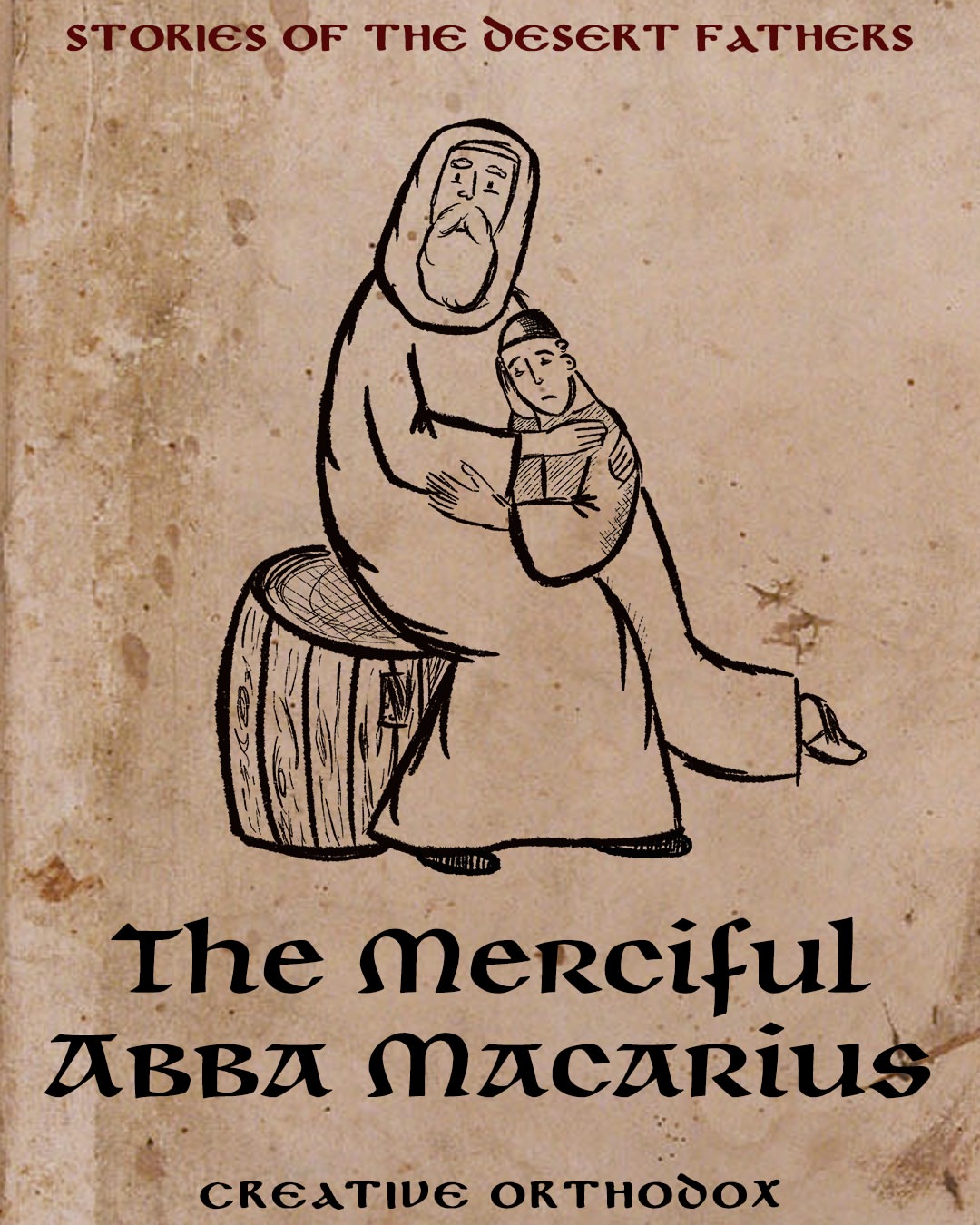
A Story of Saint Macarius in the Desert Fathers: Oral and Written Tradition Differ

The author points to a story found in "The Sayings of the Desert Fathers" under Abba Ammonas, saying number 10, and notes a case where oral tradition and written tradition conflict. According to the author, the saying appears in the written collection under Abba Ammonas, yet the monastery of Saint Macarius has accepted the same story as an account of Saint Macarius himself. The author treats this discrepancy without alarm. In their words, at the…

The author points to a story found in "The Sayings of the Desert Fathers" under Abba Ammonas, saying number 10, and notes a case where oral tradition and written tradition conflict. According to the author, the saying appears in the written collection under Abba Ammonas, yet the monastery of Saint Macarius has accepted the same story as an account of Saint Macarius himself.

The author treats this discrepancy without alarm. In their words, at the end of the day it does not really matter who the saying is attributed to: the account could be anonymous and the truth in it would remain. The author adds that they can easily picture Abba Macarius doing what the story describes, and then asks where he would have learned to act that way.

The answer they give is Christ, citing the words "if any of you is without sin let him cast the first stone." The post is brief and does not retell the story itself, so a reader would need to open saying number 10 under Abba Ammonas to see what Macarius is imagined doing. What the post offers is a small example of how the same narrative can circulate under different fathers' names in the desert tradition, and how communities that preserve these stories handle such conflicts in practice.

The monastery of Saint Macarius keeps the story under Macarius's name even though the written collection places it under Ammonas. The author's conclusion is that the attribution is secondary to the content: the teaching stands whether the story is anonymous, Ammonas's, or Macarius's. The reference to Christ's words in the Gospel frames the story's lesson as one the author sees coming directly from Christ's own response to those ready to stone a sinner.

  • The story appears in "The Sayings of the Desert Fathers" under Abba Ammonas, saying number 10.
  • The monastery of Saint Macarius accepts the same story as an account of Saint Macarius.
  • The author says the attribution does not matter: the story could be anonymous and its truth would remain.
  • The author says they can picture Abba Macarius doing what the story describes.
  • The author connects the story to Christ's words: "if any of you is without sin let him cast the first stone."
Read more