WeOrthodox
EN UA

Orthodox posts, videos and discussions

We follow Orthodox channels, communities and blogs across the web, summarise every post and video, and highlight the conversations with real substance.

The Theotokos prayer with its scriptural foundations

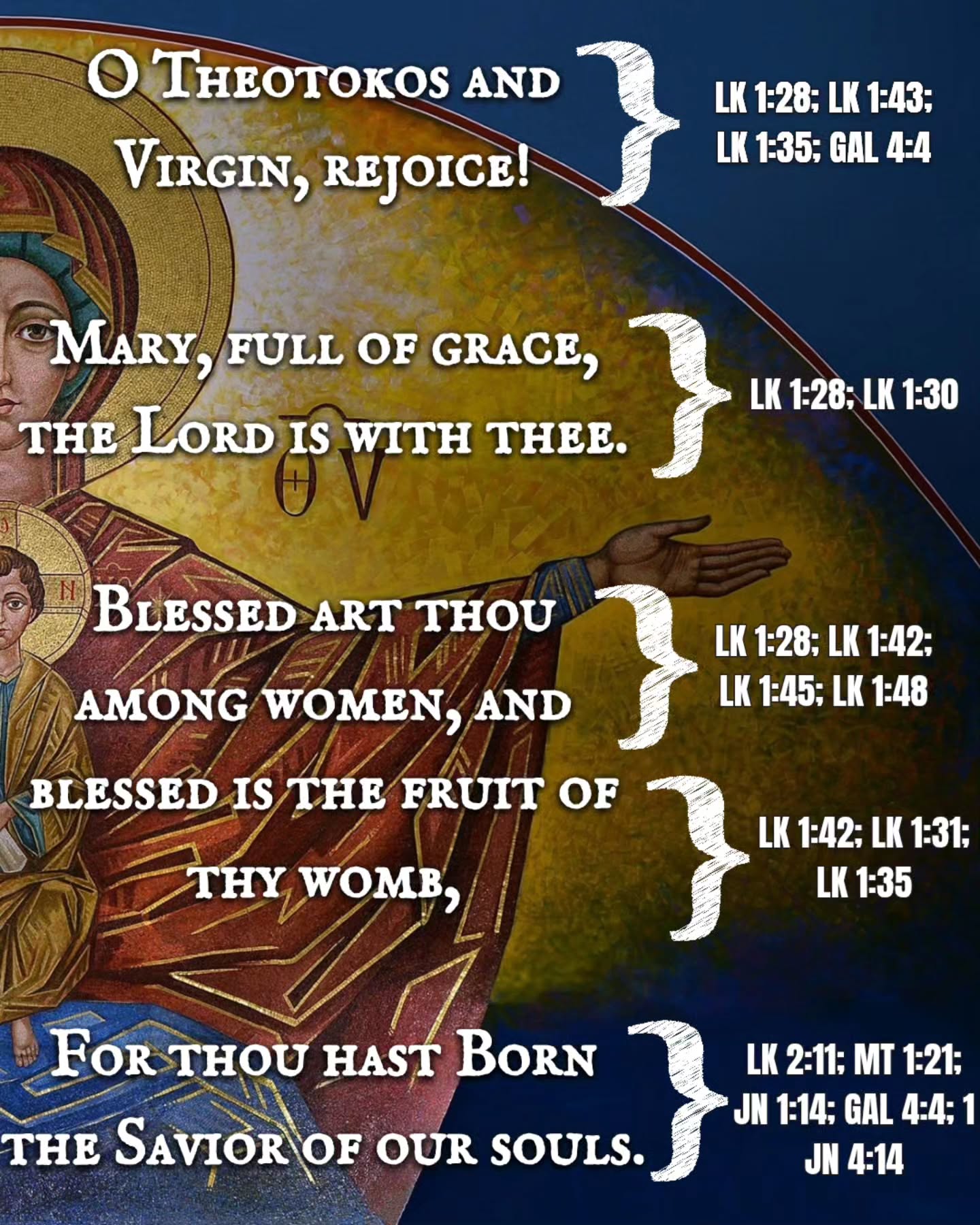
The post presents the hymn "O Theotokos and Virgin, rejoice" alongside the biblical verses that form each phrase. The prayer combines Gabriel's greeting (Luke 1:28), Elizabeth's words (Luke 1:42), the angel's explanation of the Incarnation (Luke 1:35), and Paul's statement on the Son born of a woman (Galatians 4:4). The conclusion "For thou hast borne the Savior of our souls" draws from Luke 2:11, Matthew 1:21, John 1:14, Galatians 4:4, and 1…

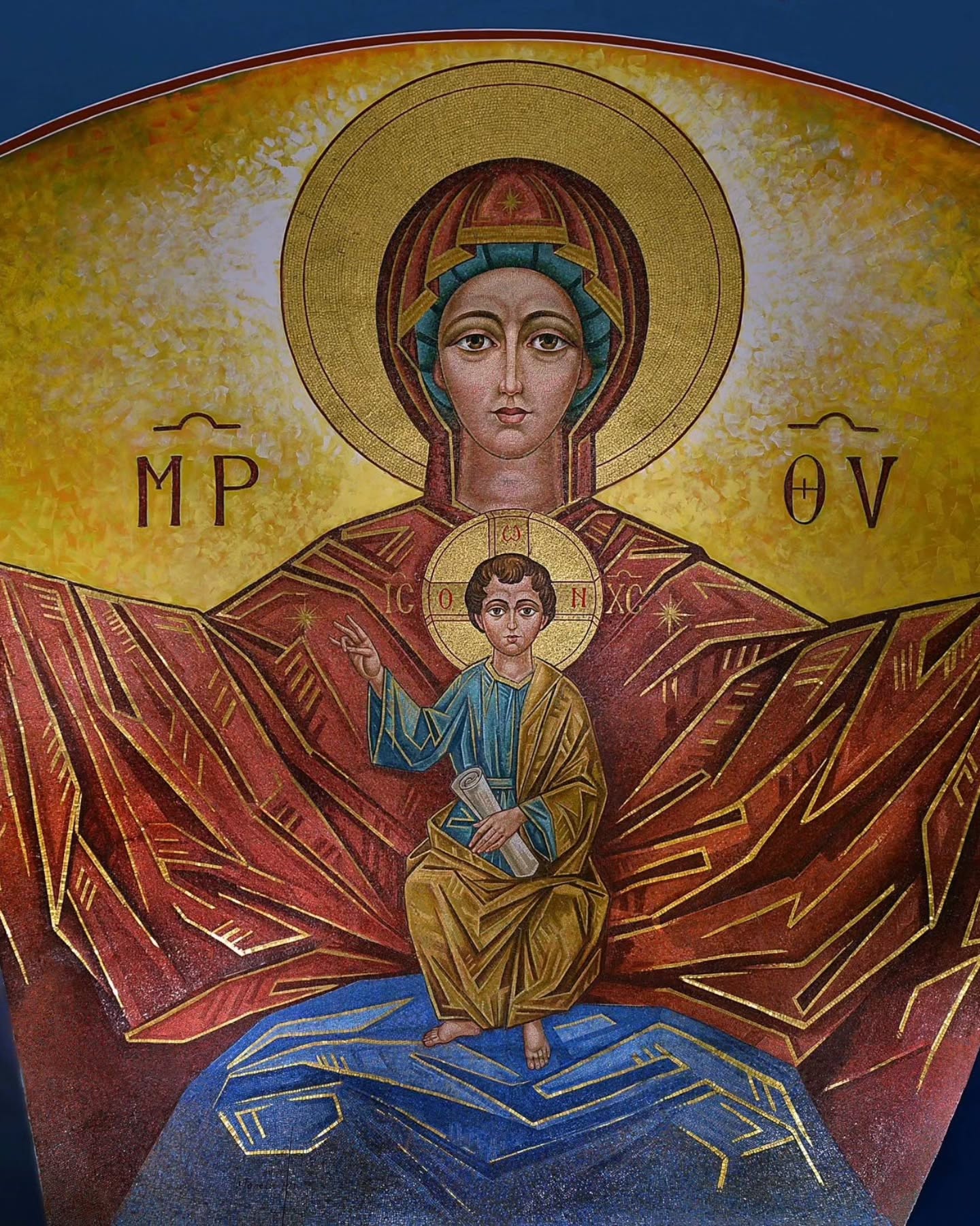
The post presents the hymn "O Theotokos and Virgin, rejoice" alongside the biblical verses that form each phrase. The prayer combines Gabriel's greeting (Luke 1:28), Elizabeth's words (Luke 1:42), the angel's explanation of the Incarnation (Luke 1:35), and Paul's statement on the Son born of a woman (Galatians 4:4). The conclusion "For thou hast borne the Savior of our souls" draws from Luke 2:11, Matthew 1:21, John 1:14, Galatians 4:4, and 1 John 4:14. The image also shows the standard icon inscriptions MP OV (Mother of God) and IC XC (Jesus Christ).

  • The prayer joins the Annunciation and Visitation greetings with a Christological ending
  • Each phrase is linked to its scriptural source in Luke, Matthew, John, Galatians, and 1 John
  • Icon abbreviations MP OV and IC XC appear in the image
  • The text shows the biblical basis for calling Mary "full of grace" and "Theotokos"
  • The final line summarizes the Incarnation as the reason for the Virgin's veneration
Read more

Forefeast of the Entry of the Theotokos into the Temple

1:48

The post notes the commemoration on 20 November of the Forefeast of the Entry into the Temple of the Most Holy Theotokos. It presents a hymn addressing the Virgin Mary as the Pure and Holy Theotokos, calling her to rejoice. The hymn names her the Bride Unwedded, Queen, and Virgin Mother who covers all.

It describes her as surpassing both heavenly and earthly beings, as the hypostasis of joy, and as exceeding the angels in holiness. The hymn concludes by naming her Heavenly and holier than all.

Key moments

  1. The hymn addresses Mary as the Pure and Holy Theotokos and calls her to rejoice.
  2. She is named the Bride Unwedded, Queen, and Virgin Mother who covers all.
  3. She is described as surpassing both heavenly and earthly beings.
  4. She is called the hypostasis of joy and said to exceed the angels.
  5. The hymn concludes by naming her Heavenly and holier than all.
Mount Athos Legacy Facebook

Elder Gabriel of Mount Athos lists seven practices for God's blessing

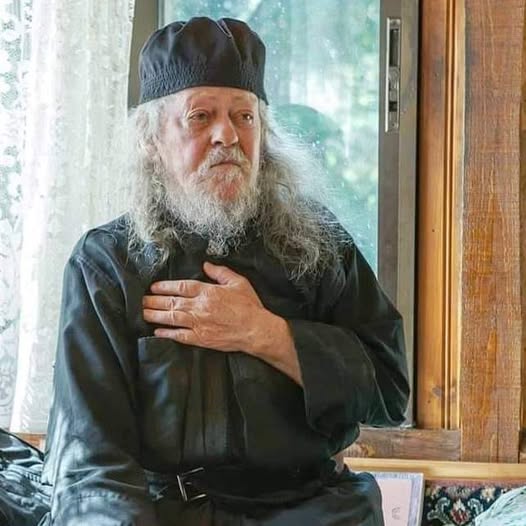
Elder Gabriel of Mount Athos advises that for individuals, families, and nations to receive God's blessing, they should carefully observe seven practices. First, regular confession to a spiritual father. Second, regular church attendance. Third, frequent Holy Communion with the blessing of one's spiritual father. Fourth, fasting on Wednesdays and Fridays without oil, and on the other days appointed by the Church. Fifth, almsgiving to poor…

Elder Gabriel of Mount Athos advises that for individuals, families, and nations to receive God's blessing, they should carefully observe seven practices. First, regular confession to a spiritual father. Second, regular church attendance. Third, frequent Holy Communion with the blessing of one's spiritual father.

Fourth, fasting on Wednesdays and Fridays without oil, and on the other days appointed by the Church. Fifth, almsgiving to poor families and good works. Sixth, daily study of Holy Scripture, even if only five to ten minutes each day. Seventh, unceasing prayer, specifically the Jesus Prayer, "Lord Jesus Christ, have mercy on me", and the invocation "Most Holy Theotokos, save us."

The elder presents these as a comprehensive rule of life for spiritual growth and divine favor.

  • Regular confession and church attendance
  • Frequent communion with spiritual father's blessing
  • Fasting on Wednesdays, Fridays, and other church-appointed days
  • Almsgiving to poor families and good works
  • Daily Scripture reading and unceasing Jesus Prayer
radioimlemesou Instagram

Metropolitan Athanasios of Limassol begins teaching on the Didache

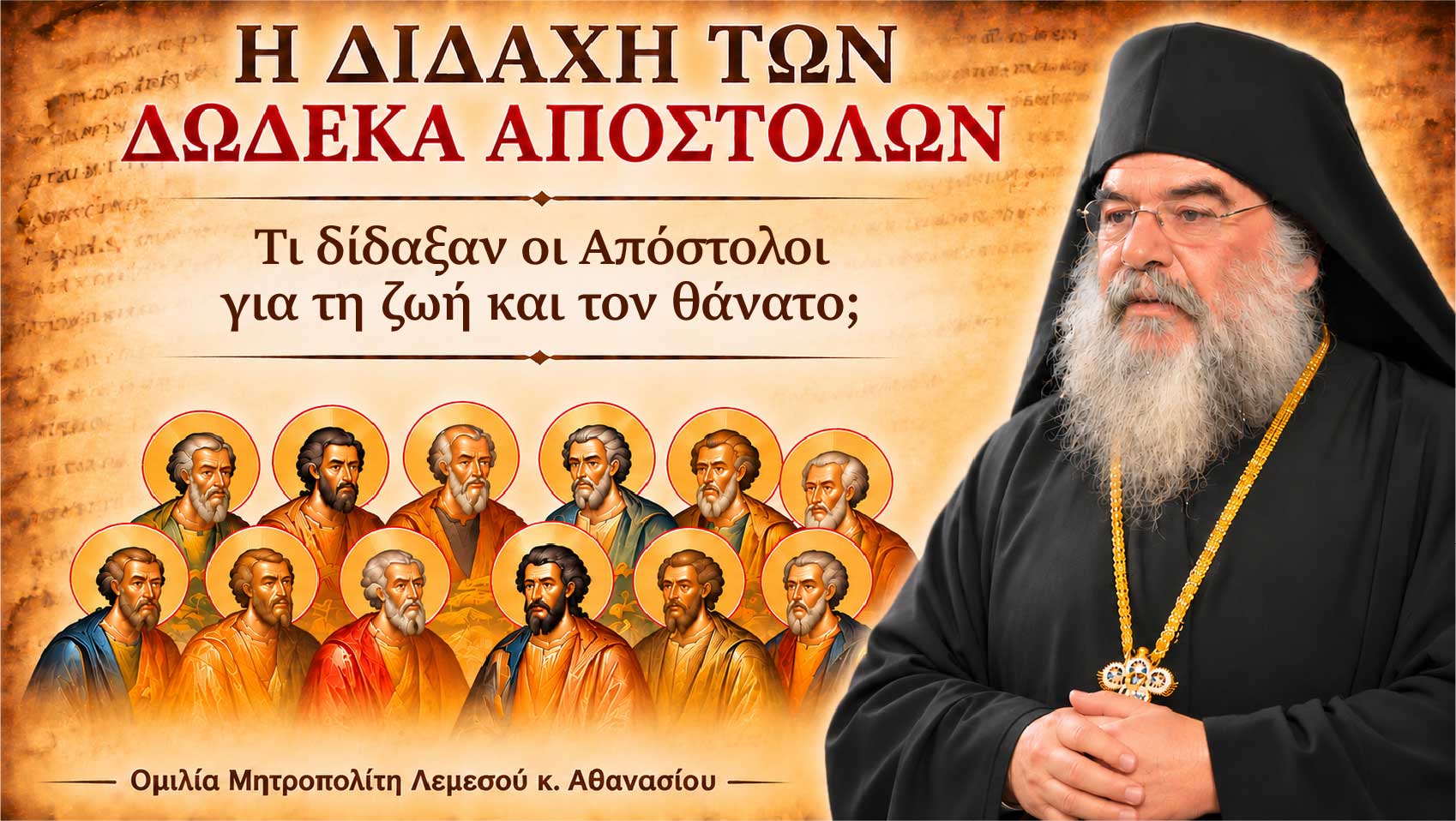
Metropolitan Athanasios of Limassol delivered a homily on Thursday, 12 November 2026, opening a study of the Didache, one of the earliest Christian writings. He began by recalling the apostolic proclamation of Christ and the unbroken continuity of the Church from the Apostles to the present, stressing the necessity of belonging to the One, Holy, Catholic and Apostolic Church. He contrasted the Orthodox Church with Jehovah's Witnesses and other…

Metropolitan Athanasios of Limassol delivered a homily on Thursday, 12 November 2026, opening a study of the Didache, one of the earliest Christian writings. He began by recalling the apostolic proclamation of Christ and the unbroken continuity of the Church from the Apostles to the present, stressing the necessity of belonging to the One, Holy, Catholic and Apostolic Church.

He contrasted the Orthodox Church with Jehovah's Witnesses and other groups he described as human inventions. The metropolitan then introduced the Didache's opening teaching on the two ways, the way of life and the way of death, and explained what choices and behaviours lead a person toward life and what separates a person from God.

  • Metropolitan Athanasios of Limassol began a series on the Didache on 12 November 2026
  • He emphasised apostolic continuity and membership in the One, Holy, Catholic and Apostolic Church
  • He distinguished the Orthodox Church from Jehovah's Witnesses and other groups called human inventions
  • The Didache's opening presents two ways: the way of life and the way of death
  • He interpreted the choices and behaviours that lead to life or separation from God
Orthodox Life Instagram

Saint Philaret of Moscow: translator, catechist, and defender of Church autonomy

The post commemorates Saint Philaret, Metropolitan of Moscow, born Vasily Drozdov in 1782 in Kolomna to a clerical family. He excelled in seminary, took monastic vows in 1808 at the Holy Trinity-St. Sergius Lavra, was consecrated bishop in 1817, became Archbishop of Moscow in 1821, and was elevated to Metropolitan in 1826. During his forty-year leadership he defended the Church's spiritual autonomy from state interference and became known for…

The post commemorates Saint Philaret, Metropolitan of Moscow, born Vasily Drozdov in 1782 in Kolomna to a clerical family. He excelled in seminary, took monastic vows in 1808 at the Holy Trinity-St. Sergius Lavra, was consecrated bishop in 1817, became Archbishop of Moscow in 1821, and was elevated to Metropolitan in 1826. During his forty-year leadership he defended the Church's spiritual autonomy from state interference and became known for his eloquent preaching, earning the title "the new Chrysostom."

Saint Philaret spearheaded a fifty-year project to translate the Holy Scriptures into modern Russian, overcoming strong opposition so ordinary people could read the Word of God. He authored the influential 1823 Christian Catechism and supported the elders of Optina Monastery in publishing patristic texts. Known for deep humility, unceasing prayer, and quiet charity, he donated personal resources to orphans and impoverished clergy families.

He also contributed to Russian society by helping draft the 1861 manifesto emancipating the serfs. Having served the Divine Liturgy one final time, Saint Philaret reposed peacefully on November 19, 1867, at the age of eighty-five.

  • Born Vasily Drozdov in 1782, became Metropolitan of Moscow in 1826 after monastic vows at Trinity-Sergius Lavra
  • Defended Church autonomy from state interference for forty years, renowned for preaching
  • Led fifty-year translation of the Bible into modern Russian despite opposition
  • Authored the 1823 Christian Catechism and supported Optina elders' patristic publications
  • Helped draft the 1861 serf emancipation manifesto; reposed November 19, 1867 at age eighty-five
Read more

Holy Prophet Obadiah: Protector of Prophets and Voice of Judgment

The post presents the Holy Prophet Obadiah, commemorated on November 19, as one of the Twelve Minor Prophets of the Old Testament. It recounts that Obadiah served in the household of King Ahab and acted to protect one hundred prophets from the persecution initiated by Queen Jezebel. He hid these prophets in caves and supplied them with food and water. The post then turns to the content of Obadiah's prophetic book, stating that it condemns pride,…

The post presents the Holy Prophet Obadiah, commemorated on November 19, as one of the Twelve Minor Prophets of the Old Testament. It recounts that Obadiah served in the household of King Ahab and acted to protect one hundred prophets from the persecution initiated by Queen Jezebel. He hid these prophets in caves and supplied them with food and water.

The post then turns to the content of Obadiah's prophetic book, stating that it condemns pride, injustice, and betrayal, while proclaiming the coming judgment of God and the ultimate triumph of His Kingdom. A specific verse is quoted from Obadiah 1:15: "For the day of the Lord upon all the nations is near; as you have done, it shall be done to you."

  • Commemorated on November 19 as one of the Twelve Minor Prophets
  • Served in King Ahab's household and protected 100 prophets from Queen Jezebel's persecution
  • Hid the prophets in caves and provided them with food and water
  • His prophetic book condemns pride, injustice, and betrayal
  • Proclaims God's coming judgment and the triumph of His Kingdom, citing Obadiah 1:15

Accepting the Canon While Rejecting the Church That Witnessed It

The speaker argues there is no factual historical evidence that John wrote the Gospel attributed to him. He directs the listener to early church history and apostolic succession, the chain of disciples who learned from John and taught others, as the basis for the text's authority. The speaker then criticizes a figure known as "The God Logic" for appealing to the early church to defend the Bible while rejecting its teaching on the real presence…

The speaker argues there is no factual historical evidence that John wrote the Gospel attributed to him. He directs the listener to early church history and apostolic succession, the chain of disciples who learned from John and taught others, as the basis for the text's authority. The speaker then criticizes a figure known as "The God Logic" for appealing to the early church to defend the Bible while rejecting its teaching on the real presence in the Eucharist and the authority of bishops.

He contends that if the apostolic church was wrong about its doctrines, there is no reason to trust its testimony about Scripture. The argument concludes that one cannot reject the very church whose witness undergirds the canon.

Key moments

  1. The speaker states there is no factual historical evidence that John wrote the Gospel attributed to him.
  2. The speaker directs the listener to early church history and the concept of apostolic succession, those who knew the disciples and their disciples.
  3. The speaker describes apostolic succession as people who learned from John becoming teachers themselves.
  4. The speaker accuses "The God logic" of relying on the early church to defend the Bible but rejecting it when it contradicts his theology.
  5. The speaker notes that "The God logic" appeals to apostolic succession but dismisses the church's teaching on the real presence in the Eucharist and episcopal authority.
  6. The speaker argues that if the apostolic church was wrong about its teachings, one cannot be certain it was right about the Bible.
  7. The speaker concludes that you cannot reject the very church whose testimony you depend on to defend your scripture.
10 opinions in the discussion Only leans on apostolic succession when convenient, tosses it when it's not Read the discussion
Kyle YouTube discussion

Saints See the World as a Hospital, Not a Courtroom

Saints See the World as a Hospital, Not a Courtroom 17:54

The speaker explains that Orthodox saints view the world as a cauldron boiling with sin but see it as a hospital rather than a courtroom. Where ordinary people condemn sinners, saints recognize them as spiritually sick people in need of the divine physician, Christ. The closer a person draws to God, the more clearly he sees his own sinfulness and the less he condemns others. This paradox is illustrated by Saint Sisoes the Great, who on his…

The speaker explains that Orthodox saints view the world as a cauldron boiling with sin but see it as a hospital rather than a courtroom. Where ordinary people condemn sinners, saints recognize them as spiritually sick people in need of the divine physician, Christ. The closer a person draws to God, the more clearly he sees his own sinfulness and the less he condemns others.

This paradox is illustrated by Saint Sisoes the Great, who on his deathbed said he had not even begun to repent. Such spiritual clarity produces compassion rather than judgment. Saint Isaac the Syrian describes a merciful heart that grieves for all creation, unable to endure the suffering of another creature without being moved to prayer.

Saint Silouan the Athonite taught that love for enemies is an essential sign of the Holy Spirit's presence. The battle against evil must begin within one's own heart, since the same passions that corrupt the world exist in every human heart. True change comes through repentance and cooperation with divine grace rather than outrage at society's sins.

The Church functions as a spiritual hospital with Christ as the divine physician, and the sacraments, prayer, fasting, confession, repentance, and ascetic struggle are the means by which his healing grace works within us.

Key moments

  1. 0:10 The world is like a great cauldron constantly boiling with sin, temptation, suffering, and spiritual warfare, consumed by passions such as pride, lust, envy, greed, anger, vanity, and hatred.
  2. 0:41 Saints do not look upon the world with disgust and condemnation but see a world wounded by sin filled with people who desperately need healing, viewing sinners as sick patients needing a physician rather than wicked people deserving punishment.
  3. 1:13 The closer a person draws to God, the more clearly he sees the tragedy of sin and the less inclined he becomes to condemn his neighbor, because the world is a hospital, not a courtroom, and sin is a sickness that wounds the soul and separates us from communion with God.
  4. 2:15 The church is a spiritual hospital with Christ as the divine physician, and the sacraments, prayer, fasting, confession, repentance, and ascetic struggle are the means by which his healing grace works within us, not to earn salvation but to be cured of our sickness.
  5. 3:50 Sisoes the Great on his deathbed said, "I have not even begun to repent," demonstrating that the greater the saint, the greater his awareness of his own sin, a paradox where holiness brings spiritual clarity like sunlight revealing dust in a dark room.
  6. 6:26 Saint Isaac the Syrian describes a merciful heart that burns with love for all creation, grieving for sinners and even those who oppose God, unable to endure the suffering of another creature without being moved to prayer.
  7. 8:28 Saint Silouan the Athonite taught that love for enemies is an essential sign of the Holy Spirit's presence, and that Christian love cannot be restricted to those we consider deserving, or we are no different from the world.
  8. 10:29 The cauldron of sin is within us as well; Christ teaches that evil thoughts proceed from the human heart, so the battle against evil must begin within, and the Jesus Prayer, "have mercy on me", directs us to repent of our own wickedness rather than condemn the world's.
6 opinions in the discussion It is so hard not to hate the wicked, those who blaspheme or act against God. I'm ashamed to admit that when I heard a certain powerful and corrupt politician had died, a big part of me was… Read the discussion
Fr. Seraphim Rose on UFOs as demonic deception

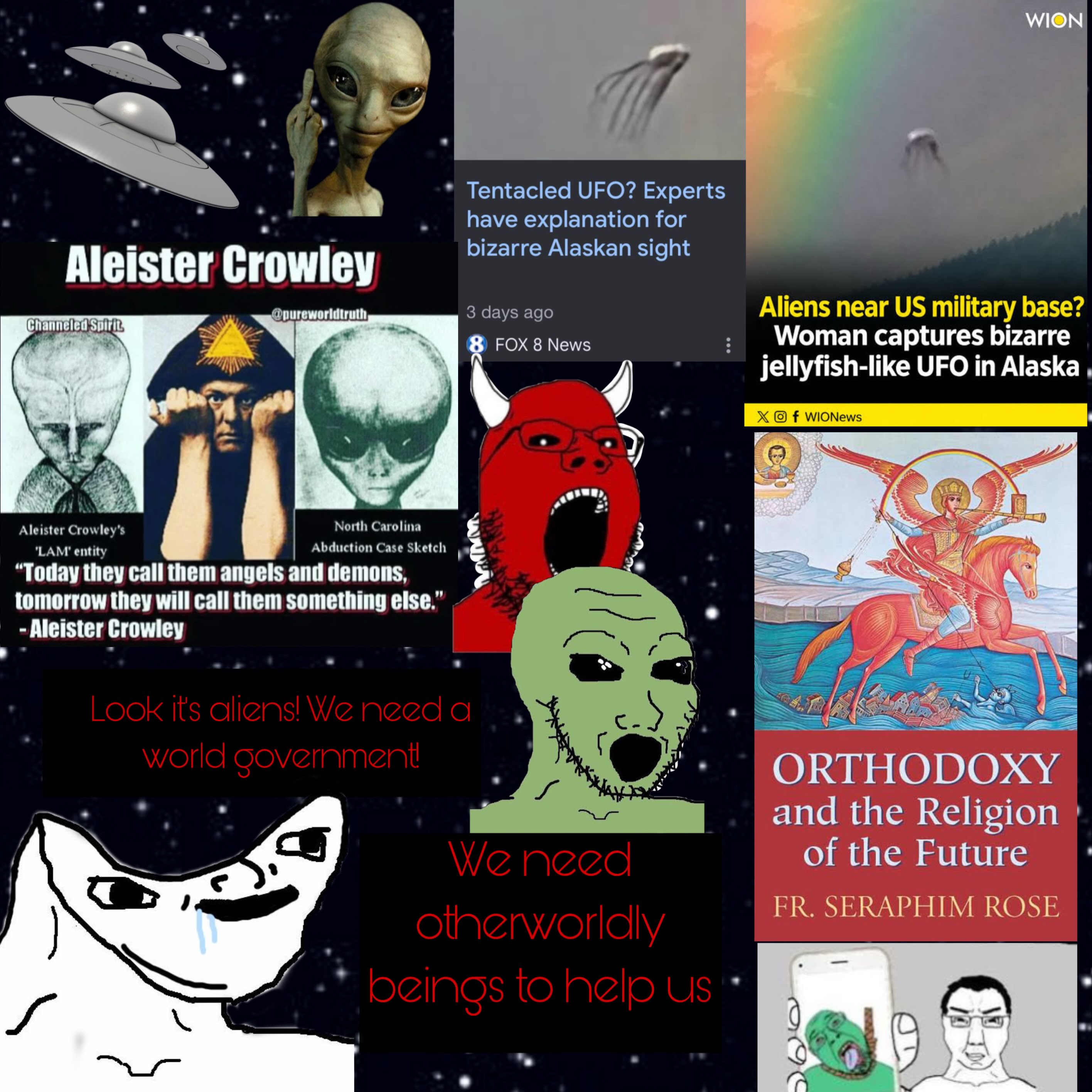
The post presents a series of images connecting modern UFO phenomena to occult practices and Fr. Seraphim Rose's critique in "Orthodoxy and the Religion of the Future." It begins with Aleister Crowley, the influential occultist who claimed contact with an entity called LAM, depicted in a drawing that resembles later "grey alien" imagery. News screenshots show recent jellyfish-like UFO sightings near military bases in Alaska. A sketch from a…

The post presents a series of images connecting modern UFO phenomena to occult practices and Fr. Seraphim Rose's critique in "Orthodoxy and the Religion of the Future." It begins with Aleister Crowley, the influential occultist who claimed contact with an entity called LAM, depicted in a drawing that resembles later "grey alien" imagery.

News screenshots show recent jellyfish-like UFO sightings near military bases in Alaska. A sketch from a North Carolina abduction case and the caption "Channelled Spirit" link alien encounters to spirit channeling. A quote attributed to Crowley states: "Today they call them angels and demons, tomorrow they will call them something else."

The final image displays the cover of Fr. Seraphim Rose's book alongside text suggesting a false alien disclosure could be used to justify world government. The author's caption asserts that aliens are "fake gay and demonic" and that New Age occultists promote them as intelligent helpers. The discussion centers on the Orthodox view that UFOs and alien encounters are demonic deceptions preparing humanity for a counterfeit spirituality and globalist control, a theme Fr. Seraphim developed from patristic teaching on prelest (spiritual deception).

  • Aleister Crowley's LAM entity resembles modern grey alien imagery
  • Recent UFO sightings in Alaska shown near military installations
  • Abduction sketches and channeling linked to occult spirit contact
  • Crowley quote suggests rebranding of demons as aliens
  • Fr. Seraphim Rose's work frames UFOs as end-times deception for world government
Read more

Christ's Establishment of the Church as Institution in Matthew 18

A dialogue examines whether Christ established an institution. One speaker argues that religious systems and institutions kill the spirit of God and questions whether Christ founded an institution. The other responds that God established a way of salvation. The first speaker then cites Matthew 18 as explicit evidence that Christ did establish an institution. He outlines the three-step process Jesus gives for dealing with a sinning brother: first…

A dialogue examines whether Christ established an institution. One speaker argues that religious systems and institutions kill the spirit of God and questions whether Christ founded an institution. The other responds that God established a way of salvation. The first speaker then cites Matthew 18 as explicit evidence that Christ did establish an institution.

He outlines the three-step process Jesus gives for dealing with a sinning brother: first confront him privately, then bring two or three witnesses, and finally bring the matter to the church. The speaker argues that this third step, bringing the matter to the church, demonstrates an institution that transcends the body of believers, concluding that the church is both a body and an institution.

Key moments

  1. The first speaker claims that religious systems and institutions are the things that kill the spirit of God in the world.
  2. The first speaker asks whether Christ established an institution.
  3. The second speaker answers that God established a way of salvation.
  4. The first speaker argues that Christ established an institution, pointing to Matthew chapter 18 as explicit evidence.
  5. The first speaker outlines the steps in Matthew 18: go to the brother privately, then bring two or three witnesses, which constitutes a church, and if they refuse to listen, bring them to the church.
  6. The first speaker concludes that this third category demonstrates an institution transcending just the body, affirming that the church is both a body and an institution.
4 opinions in the discussion This argument doesn't get enough credit. Any kind of church discipline that actually does anything requires being the exclusive church. Read the discussion

Orthodox arguments against papacy, purgatory, predestination, and ecumenism

The author presents a multi-part polemic against Roman Catholic doctrine from an Orthodox perspective. In section 2, the author cites Irenaeus of Lyons (Against Heresies III.12.15) and John Chrysostom's commentary on Galatians 2:9 to argue that the apostles held equal authority and fellowship, rejecting papal primacy. Section 3 references Neilos Kabasilas's work "On the Authority of the Roman Pope" to claim Peter's temporary shepherding role did…

The author presents a multi-part polemic against Roman Catholic doctrine from an Orthodox perspective. In section 2, the author cites Irenaeus of Lyons (Against Heresies III.12.15) and John Chrysostom's commentary on Galatians 2:9 to argue that the apostles held equal authority and fellowship, rejecting papal primacy. Section 3 references Neilos Kabasilas's work "On the Authority of the Roman Pope" to claim Peter's temporary shepherding role did not confer supreme authority.

Section 4 describes the Catholic doctrine of purgatory as a cleansing fire for believers who retain an intention to sin. Section 5 asserts that both Scripture and Tradition are equally infallible and cannot contradict, citing 1 Timothy 3:15, 2 Timothy 3:16, and 2 Thessalonians 2:15. Section 6 lists biblical passages Catholic theologians use for purgatory (Matthew 12:32, Luke 12:42-48, Matthew 5:25-26, 1 Corinthians 3:10-15, 2 Maccabees 12:42-46) and passages the author says refute it (Ephesians 4:8-10, Psalm 68:18, Psalm 49:15, Hosea 13:14, Psalm 107:14-16, Isaiah 45:2, Zechariah 9:11, Psalm 16:10, Isaiah 61:1, Psalm 107:10, Isaiah 49:9).

Section 7 quotes Augustine (City of God 21.24 and Enchiridion 67) and argues his view contradicts Scripture on Christ liberating captives from Hades. Section 8 cites Ambrose of Milan (De Bono Mortis) describing death as a haven of safety. Section 9 addresses 2 Maccabees 12, explaining Orthodox memorial prayers as pleas for mercy, not purgatory, referencing Romans 8:38-39 and Ephesians 5:30. Section 10 quotes Chrysostom's Homily IX on 1 Corinthians 3, stating the fire tests works, not the person.

Section 11 introduces predestination, citing Ephesians 1:4-5,11; Romans 8:28-29,33; John 6:37,44. The author distinguishes God's natural will (desiring good for all) from gnomic will, and argues unconditional predestination leads to Monophysitism and Monothelitism. Section 12 claims denying unconditional predestination is necessary to avoid heresy, citing synergy and autonomy (autexousion).

Section 13 lists early fathers (Ignatius of Antioch, Irenaeus, Theophilus, Athenagoras, Hippolytus, Justin Martyr) as opposing predestination/fatalism, and links predestination to the Monothelite controversy and Maximus the Confessor. Section 14 criticizes Vatican II's Nostra Aetate, particularly paragraphs 3, 4, 7, and 9, for stating Hindus, Jews, Muslims, and Buddhists worship the same God.

Section 15 quotes Nostra Aetate paragraph 5 and rejects it as heretical, citing 1 Corinthians 8:6. Section 16 condemns the document and recent popes who affirm it. Section 17 opposes ecumenism (Unitas Redintegratio) citing Basil the Great's Letter 226. Section 18 cites Apostolic Canons 45 and 64 (65) against prayer with heretics.

  • Argues apostolic equality and fellowship refute papal primacy, citing Irenaeus and Chrysostom.
  • Rejects purgatory as unbiblical, citing Augustine, Ambrose, and Chrysostom on fire testing works not persons.
  • Distinguishes Orthodox predestination (conditional, synergistic) from unconditional predestination, linking the latter to Monothelitism.
  • Condemns Nostra Aetate's teaching on non-Christian religions as heretical and contrary to apostolic faith.
  • Opposes ecumenical prayer with heretics, citing Basil the Great and Apostolic Canons 45 and 64.

St. John Chrysostom: Forgive to Become Like God

The post shares a passage from St. John Chrysostom on forgiveness and brotherly love. He argues that insulting a brother contradicts the prayer "Our Father," since the word "our" shows God is Father of all, making everyone brothers. One cannot call the all-good God Father while treating a brother as an enemy. Chrysostom uses vivid comparisons: charging like a bull, kicking like a donkey, howling like a wolf, stinging like a scorpion, such…

The post shares a passage from St. John Chrysostom on forgiveness and brotherly love. He argues that insulting a brother contradicts the prayer "Our Father," since the word "our" shows God is Father of all, making everyone brothers. One cannot call the all-good God Father while treating a brother as an enemy.

Chrysostom uses vivid comparisons: charging like a bull, kicking like a donkey, howling like a wolf, stinging like a scorpion, such behavior means a person is not truly human, for a true human bears the image of the Creator. He notes that predatory beasts can be tamed, but humans, who are naturally gentle, become beasts through anger.

To become true sons of God, one must become like Him, and nothing makes us more like God than forgiving those who wrong us, doing good to those who harm us, praising those who accuse us, and answering insults with gentleness.

  • Insulting a brother contradicts calling God "Our Father" because we share the same Father.
  • Aggressive, animal-like behavior shows a person is not truly human nor a son of God.
  • Humans are naturally gentle but become beasts through anger, unlike wild beasts that can be tamed.
  • Becoming like God requires forgiving those who have wronged us.
  • Doing good to enemies, praising accusers, and meeting insults with gentleness makes us like God.
Read more

Elder Macarius of Optina: Sorrow Driven Away by Conversation with the Wise

The post shares a saying attributed to Elder Macarius of Optina. He states that when the heart is filled with sorrow, troubling thoughts can be dispelled through peaceful conversation with a skilled and virtuous person. The quote highlights the spiritual value of wise counsel in times of grief.

  • Elder Macarius of Optina says sorrowful thoughts can be driven away.
  • This happens through peaceful conversation with a skilled and virtuous person.
  • The post associates the elder with Orthodox asceticism and Russian literature.
Read more

Father Ostojа Knežević on God's boundless love for humanity

Father Ostojа Knežević teaches that divine love is the only boundless love. God created the world out of love and descended into it to restore humanity's lost sonship to God. This event reflects divine love and testifies that God is not indifferent to any tear, suffering, or injustice humans face. The priest explains that the event confirms every pain, wound, and tear will be healed before the Lord in His eternal, imperishable kingdom. The…

Father Ostojа Knežević teaches that divine love is the only boundless love. God created the world out of love and descended into it to restore humanity's lost sonship to God. This event reflects divine love and testifies that God is not indifferent to any tear, suffering, or injustice humans face.

The priest explains that the event confirms every pain, wound, and tear will be healed before the Lord in His eternal, imperishable kingdom. The teaching centers on God's active care for humanity motivated by love, from creation through incarnation to final restoration.

Key moments

  1. Divine love is the only boundless love.
  2. God created the world out of love.
  3. God descended into the world out of love to restore humanity's lost sonship to God.
  4. God cares for humanity out of love.
  5. This event is a reflection of divine love for creation.
  6. The event testifies that God is not cold to any tear.
  7. The event testifies that God is not cold to any suffering or injustice.
  8. The event confirms that every suffering, pain, wound of the heart, and tear will be healed before the Lord in His eternal and imperishable kingdom.
Read more
Athonite Audio YouTube

Desert Fathers on Humility: Anthony, Arsenius, and Macarius

Desert Fathers on Humility: Anthony, Arsenius, and Macarius 51:34

The post presents Chapter 15 from a new thematic English edition of The Sayings of the Desert Fathers published by Saint Anthony's Greek Orthodox Monastery Press. The chapter collects sayings that treat humility as the foundation of monastic life and the means to overcome demonic power. Abba Anthony learns that questioning God's judgments is not profitable; a voice tells him to attend to himself. He also teaches that the great task is to…

The post presents Chapter 15 from a new thematic English edition of The Sayings of the Desert Fathers published by Saint Anthony's Greek Orthodox Monastery Press. The chapter collects sayings that treat humility as the foundation of monastic life and the means to overcome demonic power. Abba Anthony learns that questioning God's judgments is not profitable; a voice tells him to attend to himself.

He also teaches that the great task is to acknowledge one's guilt before God and to expect temptation until death. When he tests young monks on Scripture, only Abba Joseph, who answers "I do not know," is said to have found the way. Abba Arsenius exemplifies humility by leaving imperial splendor for the desert, learning from an uneducated Egyptian monk, and refusing offense when excluded from a gift of figs.

He cries out to God for a beginning, saying he has done no good. An Ethiopian woman sends him back to his cell with the words of Genesis 8:9 about the dove returning to the ark. Abba Macarius accepts a false accusation of fathering a child, works to support the woman, and flees when she confesses.

The devil tells Macarius that he imitates his fasting and vigils but cannot prevail against his humility. Abba Poemen teaches that humility is the atmosphere a monk must breathe, that one should be like a pilgrim who does not value his own words, and that silence and self-accusation are tools of the soul. The elders relate that humility drives out demons, turns away angelic deception, and reconciles brothers, while pride loses the fruit of all labor.

Key moments

  1. 0:01 Abba Anthony asks God why some die young and others live long, why some are poor and others rich, why the wicked prosper and the righteous suffer; a voice tells him to attend to himself because it is not to his advantage to understand all the judgments of God.
  2. 0:35 Abba Anthony says the great task of a person is to acknowledge his guilt before God and to expect temptation until his last breath; he saw all the snares of the devil spread across the world and heard a voice say "Humility."
  3. 1:07 Abba Anthony tests some young monks with Scripture; each offers an interpretation but he says they have not discovered it; when Abba Joseph says "I do not know," Anthony declares that Joseph has found the way because he admitted ignorance.
  4. 1:40 Demons greatly trouble Abba Arsenius in his cell; he cries out to God, "Lord, do not abandon me. I have done no good in thy sight, but of thy great mercy show me how to make a beginning."
  5. 2:11 When someone marvels that Arsenius, learned in Greek and Latin, seeks advice from an uneducated Egyptian monk, Arsenius replies, "A command of Greek and Latin learning I have, but I have not even learned the alphabet of this rustic."
  6. 3:15 Arsenius leaves his cell and falls ill; an Ethiopian woman tells him, "If you are a monk, go back to the mountain"; he returns to his disciples, who are reconciled to him with the words of Genesis 8:9 about the dove returning to the ark.
  7. 17:47 Abba Macarius recounts being falsely accused of fathering a child; he is dragged through town with bags of excrement, accepts a secular man as guarantor, works night and day to support the woman, and flees to Scetis when she confesses the lie.
  8. 20:26 The devil meets Macarius with a scythe but cannot prevail; he admits that he imitates Macarius's fasting and vigils, but says, "It is one single thing of yours which defeats me: your humility."

Orthodox Delegations Arrive in Moscow for Patriarch Kirill's 80th Birthday

Delegations from across the Eastern Orthodox Church arrived in Moscow on November 19, ahead of the official celebrations on November 20 honoring the 80th birthday of His Holiness Patriarch Kirill of Moscow and All Rus'. From the Church of Antioch: His Beatitude Patriarch John of Antioch and All the East, His Eminence Metropolitan Elijah of Tyre and Sidon, His Eminence Metropolitan Ephraim of Aleppo, and His Eminence Bishop Paul of Tarsus. From…

Delegations from across the Eastern Orthodox Church arrived in Moscow on November 19, ahead of the official celebrations on November 20 honoring the 80th birthday of His Holiness Patriarch Kirill of Moscow and All Rus'.

From the Church of Antioch: His Beatitude Patriarch John of Antioch and All the East, His Eminence Metropolitan Elijah of Tyre and Sidon, His Eminence Metropolitan Ephraim of Aleppo, and His Eminence Bishop Paul of Tarsus.

From the Church of Jerusalem: His Most Divine Beatitude Patriarch Theophilos of Jerusalem and All Palestine, and His Eminence Metropolitan Isychiy of Capitoliad.

From the Church of Georgia: His Eminence Metropolitan Theodore of Akhaltsikhe and Tao-Klarjeti, His Eminence Metropolitan Gerasim of Zugdidi and Tsaishi, His Eminence Metropolitan Andrey of Gori and Ateni, and His Eminence Bishop Vakhtang of Nikortsmind.

From the Church of Bulgaria: His Eminence Bishop Isaac of Velbuzhd.

From the Church of Albania: His Eminence Bishop Ignatius of Amantios.

From the Church of the Czech Lands and Slovakia: His Beatitude Metropolitan Rastislav of the Czech Lands and Slovakia.

From the Church of Macedonia/Ohrid: His Eminence Metropolitan George of Debar and Kichevo, and His Eminence Bishop Clement of Heraclea.

From the Japanese Orthodox Church: His Eminence Metropolitan Seraphim of All Japan.

  • Delegations from multiple autocephalous Orthodox Churches have arrived in Moscow for Patriarch Kirill's 80th birthday.
  • The Church of Antioch is represented by Patriarch John and three hierarchs.
  • The Church of Jerusalem is represented by Patriarch Theophilos and Metropolitan Isychiy.
  • The Church of Georgia sends four metropolitans and one bishop.
  • Other Churches represented include Bulgaria, Albania, Czech Lands and Slovakia, Macedonia/Ohrid, and Japan.
11 opinions in the discussion so there's nobody from Jerusalem, Greece, Romania or Serbia sending anyone? Read the discussion
Athonite Audio YouTube

Obedience as Supreme Monastic Virtue in Desert Fathers' Sayings

Obedience as Supreme Monastic Virtue in Desert Fathers' Sayings 19:13

The video presents Chapter 14 of the thematically arranged Sayings of the Desert Fathers from Saint Anthony's Greek Orthodox Monastery Press. It collects stories that show obedience as the highest monastic virtue, above fasting, poverty, and charity. Abba Arsenios tests Abba Alexander by telling him to finish all his palm fronds before eating; Alexander works past the normal mealtime, and Arsenios marvels at his exact compliance. Abba Ares…

The video presents Chapter 14 of the thematically arranged Sayings of the Desert Fathers from Saint Anthony's Greek Orthodox Monastery Press. It collects stories that show obedience as the highest monastic virtue, above fasting, poverty, and charity. Abba Arsenios tests Abba Alexander by telling him to finish all his palm fronds before eating; Alexander works past the normal mealtime, and Arsenios marvels at his exact compliance.

Abba Ares imposes a year of waiting until after vespers to eat bread and salt, then a year of eating every other day, on a brother who comes "in the name of God" and obeys diligently. Abba John the Dwarf waters a dry stick daily for three years at his elder's command until it bears fruit, which the elder calls the fruit of obedience.

Abba Paul sends his disciple John to fetch hyena droppings; when John meets the hyena he ties it up as instructed, though Paul then strikes him to teach humility. Abba Sylvanus demonstrates Mark the scribe's obedience by knocking on all disciples' doors; only Mark comes instantly, leaving a manuscript mid-letter. Abba Poemen declares a brother with 22 years of continuous obedience greater than those excelling in fasting, poverty, or charity, because the others obtained their virtues by their own will while he mortified his will.

A man seeking monastic life obeys Abba Sisois's command to throw his son in the river; when another brother says the abba sent him to stop, the man immediately desists and becomes an exemplary monk. Abba Or recounts a vision of four heavenly orders where those who gave themselves in obedience to spiritual fathers wear golden crowns and exceed the others in glory because they denied their own will and depended solely on God.

Key moments

  1. 0:01 Abba Arsenios tells Abba Alexander to come eat only after using all his palm fronds, and Alexander works past the usual mealtime to finish them, amazing Arsenios with his exact obedience.
  2. 1:03 Abba Ares imposes a year of waiting until after vespers to eat bread and salt, then another year of eating every other day, on a brother who comes in God's name and obeys diligently, saying he speaks God's word to such a one.
  3. 2:05 Abba John the Dwarf obeys a yanda of thieves who plants a dry stick and commands him to water it daily until it bears fruit; after three years it thrives, and the yanda calls it the fruit of obedience.
  4. 3:06 Abba Paul sends his disciple John to bring hyena droppings from tombs; when John meets the hyena he ties it up as Paul had said, though Paul then strikes him to teach humility and calls the hyena a ridiculous dog.
  5. 4:39 Abba Sylvanus demonstrates Mark's obedience by knocking on all his disciples' doors; only Mark comes instantly, leaving a manuscript mid-letter O, causing visiting elders to confess he is beloved of God.
  6. 7:21 Abba Poemen declares the brother with 22 years of continuous obedience greater than those excelling in fasting, poverty, or charity, because the others obtained their virtues by their own will while he mortified his will.
  7. 8:22 A man seeking monastic life obeys Abba Sisois's command to throw his son in the river; when another brother says the abba sent him to stop, the man immediately desists and becomes an exemplary monk through that obedience.
  8. 17:46 Abba Or recounts a vision of four heavenly orders where those who gave themselves in obedience to spiritual fathers wear golden crowns and exceed the others in glory because they denied their own will and depended solely on God.

Why are Orthodox parishes in America less accessible than Catholic churches?

It appears that parishes in this country are not very active. Several parishes are near me, yet each offers only vespers and a single Divine Liturgy on Sunday at a set time. My work schedule prevents me from attending most Liturgies. I have noticed that Catholic churches remain open daily, with at least one Mass each day or some form of adoration, making the church accessible. Why is the Orthodox Church never accessible?

18 opinions in the discussion Catholic priests are basically monks in practice. Their only responsibility is the parish, they often have several priests plus paid staff who can be at the building outside service times.… Read the discussion

Synaxis of Archangel Michael and the Bodiless Powers

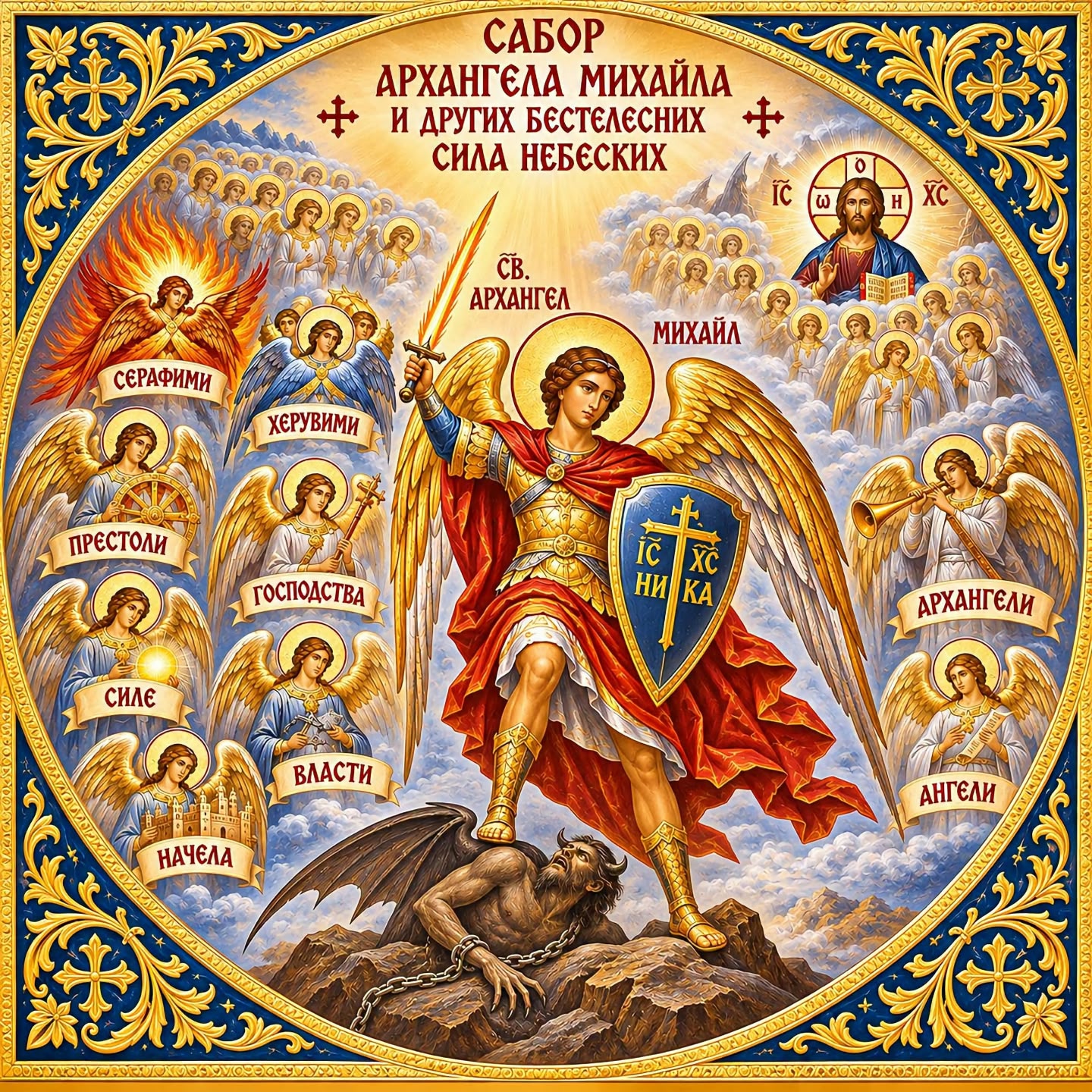
The image displays the traditional text for the feast of the Synaxis of the Archangel Michael and the Other Bodiless Powers of Heaven, celebrated on November 8/21. The inscription names the feast and the chief archangel, then lists the nine ranks of the angelic hierarchy in their traditional order: Seraphim, Cherubim, Thrones, Dominions, Powers, Authorities, Principalities, Archangels, and Angels. The Christogram IC XC with the abbreviation NI…

The image displays the traditional text for the feast of the Synaxis of the Archangel Michael and the Other Bodiless Powers of Heaven, celebrated on November 8/21. The inscription names the feast and the chief archangel, then lists the nine ranks of the angelic hierarchy in their traditional order: Seraphim, Cherubim, Thrones, Dominions, Powers, Authorities, Principalities, Archangels, and Angels.

The Christogram IC XC with the abbreviation NI KA (Jesus Christ Conquers) appears at the center, signifying that the angelic hosts serve the incarnate Lord. The layout reflects the iconographic program for this feast, where the heavenly orders are shown gathered around the throne of God under the leadership of Michael, the commander of the bodiless hosts.

  • Feast title: Synaxis of Archangel Michael and the Other Bodiless Powers
  • Archangel Michael named as the chief of the heavenly hosts
  • Nine angelic ranks listed in traditional Dionysian order
  • Christogram IC XC NI KA placed at the center
  • Text represents standard icon inscription for the November 8/21 feast
Read more
radioimlemesou Instagram

Metropolitan Athanasios of Limassol on the husband's headship as love, not rule

The post presents a quotation from Metropolitan Athanasios of Limassol concerning the husband's role as head of the wife. The metropolitan draws on the creation narrative, stating that because the woman was formed from the man's side, the man remains the head of the woman. He clarifies that this headship is not intended for domination but for love, guidance, protection, help, sustenance, and cherishing.

The metropolitan concludes by calling the husband to show great and immeasurable love for his wife.

Key moments

  1. Just as the woman was formed from the side of the man and the man remained the head of the woman, so in marriage the head of the woman is the man, not to dominate her but to love her, to guide her, to protect her, to help her, to sustain her, to cherish her, and to show his great and immeasurable love for his wife.
Read more