

Another question for Protestants: who decided which books are Scripture?
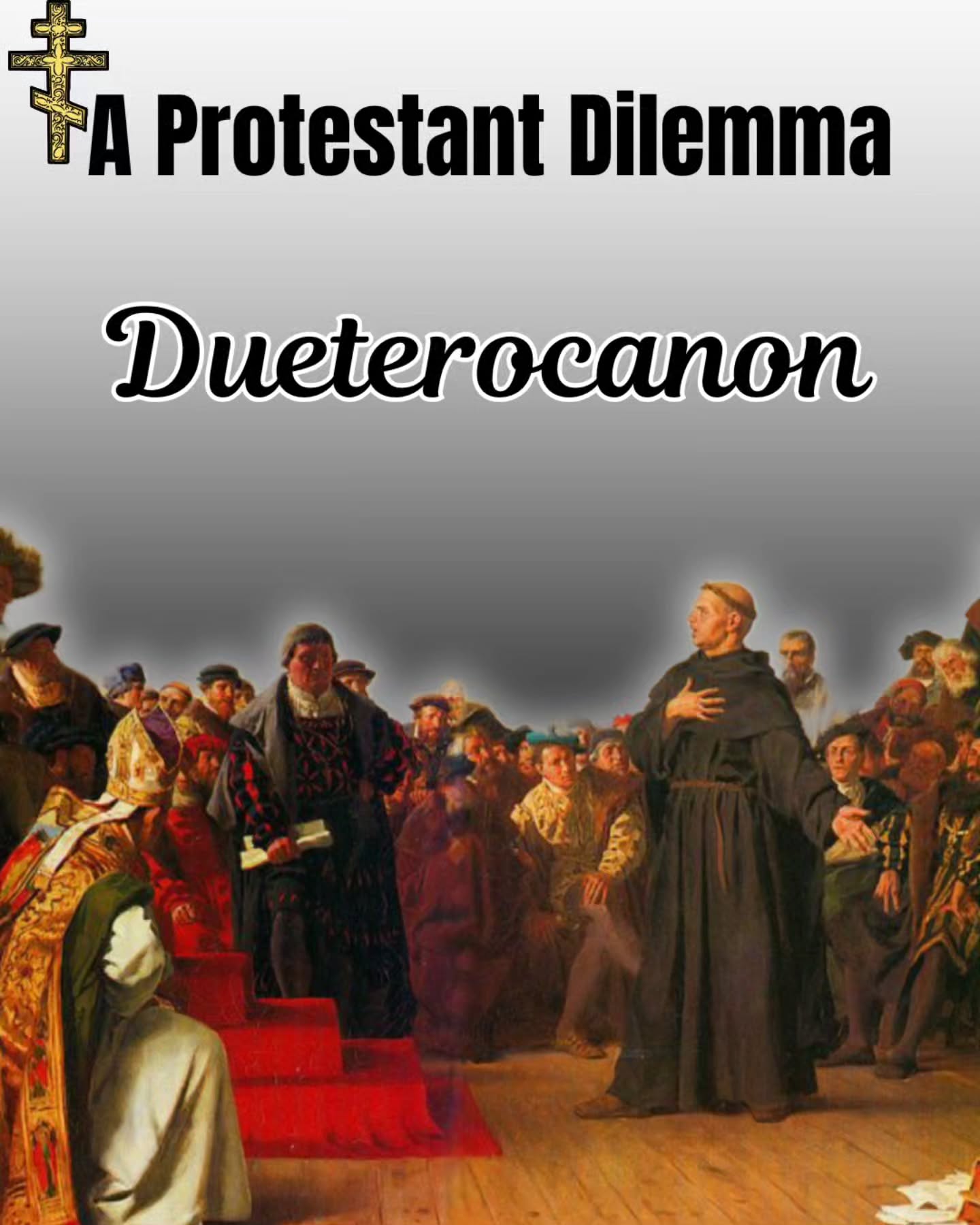
The author raises a familiar but persistent objection to the Protestant rejection of the Deuterocanon, the books such as Tobit, Judith, Wisdom, and the Maccabees that Catholics and Orthodox receive as Scripture but that Protestants place in the Apocrypha. The author notes this is not a first attempt at the topic; they have written on it several times before.
What they want to press this time is not the usual historical argument about whether those books belonged in the canon, but an epistemological one: a question about how anyone knows which books are Scripture in the first place. The framing points to the historical Church, the formation of the biblical canon, and the authority that was used to determine which writings count as Scripture.
The implied challenge is that a Protestant who rejects the Deuterocanon must appeal to some standard for making that rejection, and the author suggests that standard deserves examination. If the canon is not self-evident, then some authority, whether the early Church's discernment, councils, or individual judgment, had to settle the list of books, and that authority question cuts against a position that sets Scripture against Church tradition.
The post is short and framed as a prompt for discussion rather than a developed argument, tagged for a general Christian audience. It invites readers to consider how the canon was recognized in the early Church and what that means for the Protestant position on the Deuterocanon.
Main points
- The author has critiqued the Protestant rejection of the Deuterocanon several times before and returns to the topic again.
- This critique focuses on an epistemological question rather than the usual historical arguments.
- The question concerns how anyone knows which books are Scripture.
- The author points to the historical Church, the biblical canon, and the authority used to determine Scripture.
- The post is framed as a prompt for discussion, not a developed argument.