WeOrthodox
EN UA

Orthodox posts, videos and discussions

We follow Orthodox channels, communities and blogs across the web, summarise every post and video, and highlight the conversations with real substance.

Fr.TEDTalks with Ally ☦︎ Instagram

Conversion as lifelong transformation of the whole person in Orthodoxy

The post presents Orthodox conversion as a lifelong transformation of the whole person rather than a single moment or a change of belief alone. The author, a priest, describes conversion across four dimensions. Conversion of the heart is not simply feeling closer to God but learning to love what He loves through repentance, forgiveness, humility, and purity, so the heart is slowly softened and reordered toward Christ. Conversion of the mind…

The post presents Orthodox conversion as a lifelong transformation of the whole person rather than a single moment or a change of belief alone. The author, a priest, describes conversion across four dimensions. Conversion of the heart is not simply feeling closer to God but learning to love what He loves through repentance, forgiveness, humility, and purity, so the heart is slowly softened and reordered toward Christ.

Conversion of the mind means we stop asking the world to define truth, goodness, success, and freedom, and allow Christ to renew our understanding of them. Conversion of the soul means prayer becomes more than something we do when we need God; through the sacramental life, repentance, and communion with Him, our entire life begins to be directed toward union with God.

Conversion of the body acknowledges that the body is not separate from spiritual life: we fast, bow, make prostrations, guard our senses, and receive the Eucharist, worshiping God with our bodies because they belong to Him. The post concludes that Orthodoxy is not simply something you believe but something you become; the goal is not to look Orthodox but to be transformed into the likeness of Christ in heart, mind, soul, and body.

A quotation from St. Irenaeus of Lyons is included: "For the glory of God is a living man; and the life of man consists in beholding God." The author also notes that the accompanying photograph is a recent picture of himself.

  • Conversion is a lifelong transformation of heart, mind, soul, and body, not a single moment or mere belief change.
  • Conversion of the heart involves learning to love what God loves through repentance, forgiveness, humility, and purity.
  • Conversion of the mind means allowing Christ to renew our understanding of truth, goodness, success, and freedom.
  • Conversion of the soul directs one's entire life toward union with God through the sacramental life and prayer.
  • Conversion of the body includes fasting, bows, prostrations, guarding the senses, and receiving the Eucharist as worship.
Read more

Debate on Scripture's authority and the Church

0:23

A debate examines the foundation for knowing truth when discussing the canon of Scripture. One participant asks what foundational truth the other holds and how they know what is true. Another cites John 17:17 as the standard if the Church is rejected. A third argues that appealing to Scripture to prove Scripture is circular reasoning. A fourth counters that Jesus, as God, declares truth by his own authority, not by appealing to Scripture. The…

A debate examines the foundation for knowing truth when discussing the canon of Scripture. One participant asks what foundational truth the other holds and how they know what is true. Another cites John 17:17 as the standard if the Church is rejected.

A third argues that appealing to Scripture to prove Scripture is circular reasoning. A fourth counters that Jesus, as God, declares truth by his own authority, not by appealing to Scripture. The exchange centers on whether Scripture authenticates itself or requires the Church's witness, and whether Christ's divine authority makes his words self-authenticating.

Key moments

  1. The speaker asks what the other's foundational truth is and how they know what is true.
  2. Another speaker says that if the church is rejected, John 17:17 states what is true.
  3. A participant responds that this appeal uses scripture to prove scripture.
  4. Another replies that Jesus did the same.
  5. A different voice disagrees, stating that Jesus is God and his word is true because he is God, not because he appeals to scripture.
Read more

St. John Chrysostom on almsgiving and surplus

The post shares a quote from St. John Chrysostom's homily on fasting and almsgiving. He teaches that Christians are not called to voluntary poverty but to give their surplus to the poor, so that their abundance becomes a foundation for salvation.

  • St. John Chrysostom distinguishes between becoming poor and giving from surplus
  • Almsgiving transforms personal abundance into a means of salvation
  • The teaching comes from his homily on fasting and almsgiving
George Instagram discussion

The Liturgy as Journey: Why Arrival Time Matters for Communion

1:21

The video outlines the opening movements of the Divine Liturgy and explains a common pastoral teaching about late arrival. It begins with the priest's exclamation, "Blessed is the Kingdom of the Father, and of the Son, and of the Holy Spirit," which places the faithful at the doorway of God's Kingdom. The great litany follows, "In peace, let us pray to the Lord", where the congregation intercedes for the whole world, the sick, travelers, and all…

The video outlines the opening movements of the Divine Liturgy and explains a common pastoral teaching about late arrival. It begins with the priest's exclamation, "Blessed is the Kingdom of the Father, and of the Son, and of the Holy Spirit," which places the faithful at the doorway of God's Kingdom. The great litany follows, "In peace, let us pray to the Lord", where the congregation intercedes for the whole world, the sick, travelers, and all who suffer.

Then the Gospel book is carried out and read, and Christ speaks directly to the people. Many priests teach that arriving after the Gospel reading means one should not receive Holy Communion that day, because the Liturgy is a single journey from its beginning to the chalice, and hearing Christ's word precedes receiving His body and blood.

The video adds a pastoral note: those with small children, work obligations, or circumstances beyond their control should simply do their best, because God sees their situation.

Key moments

  1. The liturgy begins with the priest saying "Blessed is the Kingdom of the Father, and of the Son, and of the Holy Spirit," and from that moment the faithful stand at the doorway of the Kingdom of God.
  2. The great prayer of the church follows, "In peace, let us pray to the Lord", where the congregation prays for the whole world, the sick, travelers, and those who suffer as one family.
  3. The gospel book is carried out and the gospel is read, and Christ speaks to the people.
  4. Many priests say that if you come after the gospel, you should not receive communion that day because you have missed the part where we hear Christ before we receive him.
  5. The liturgy is a journey that the faithful work together from the beginning to the end, to the chalice.
  6. If you have little children, work, or something you cannot control, God sees that, so just do your best.
21 opinions in the discussion I grew up Lutheran and converted to Orthodoxy later in life. For me the thought of not being at liturgy from the beginning is unacceptable; also, the way people come and go during it is… Read the discussion

Christ in the Hungry and the Stranger

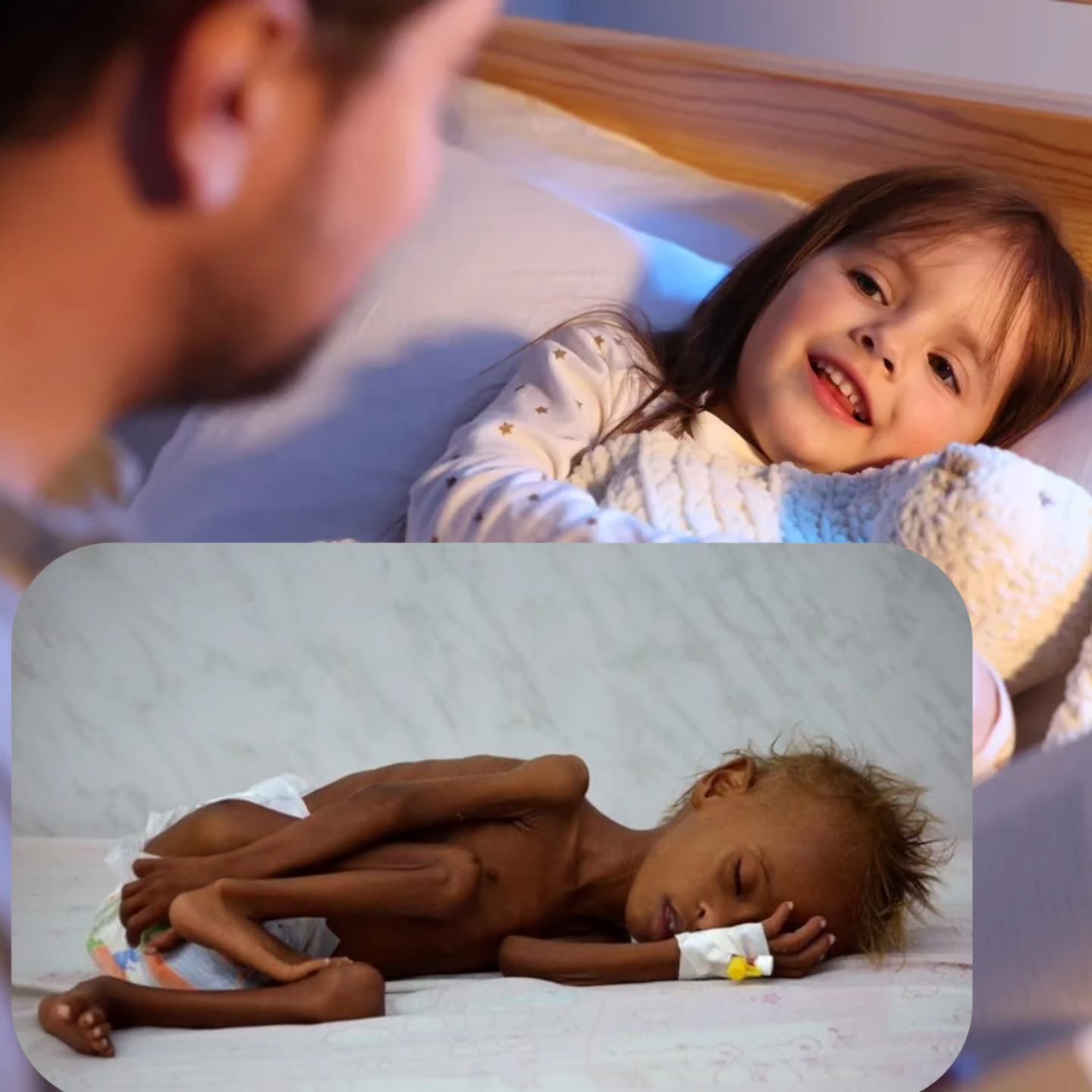
The post presents Matthew 25:35 in Serbian Cyrillic: "For I was hungry and you gave me food, I was thirsty and you gave me drink, I was a stranger and you welcomed me." The verse is Christ's description of the final judgment, where he identifies himself with those in need. The accompanying image description contrasts two scenes: a healthy child smiling in bed, and a severely malnourished child lying in bed.

This visual pairing illustrates the Gospel's call to recognize and serve Christ in the suffering and marginalized.

  • Matthew 25:35 quoted in Serbian Cyrillic
  • Christ identifies himself with the hungry, thirsty, and stranger
  • Two contrasting images described: healthy child and severely malnourished child
  • Visual illustration of the Gospel call to serve the needy
  • No additional commentary or discussion provided
Read more

Love means sharing what we need, not just our surplus

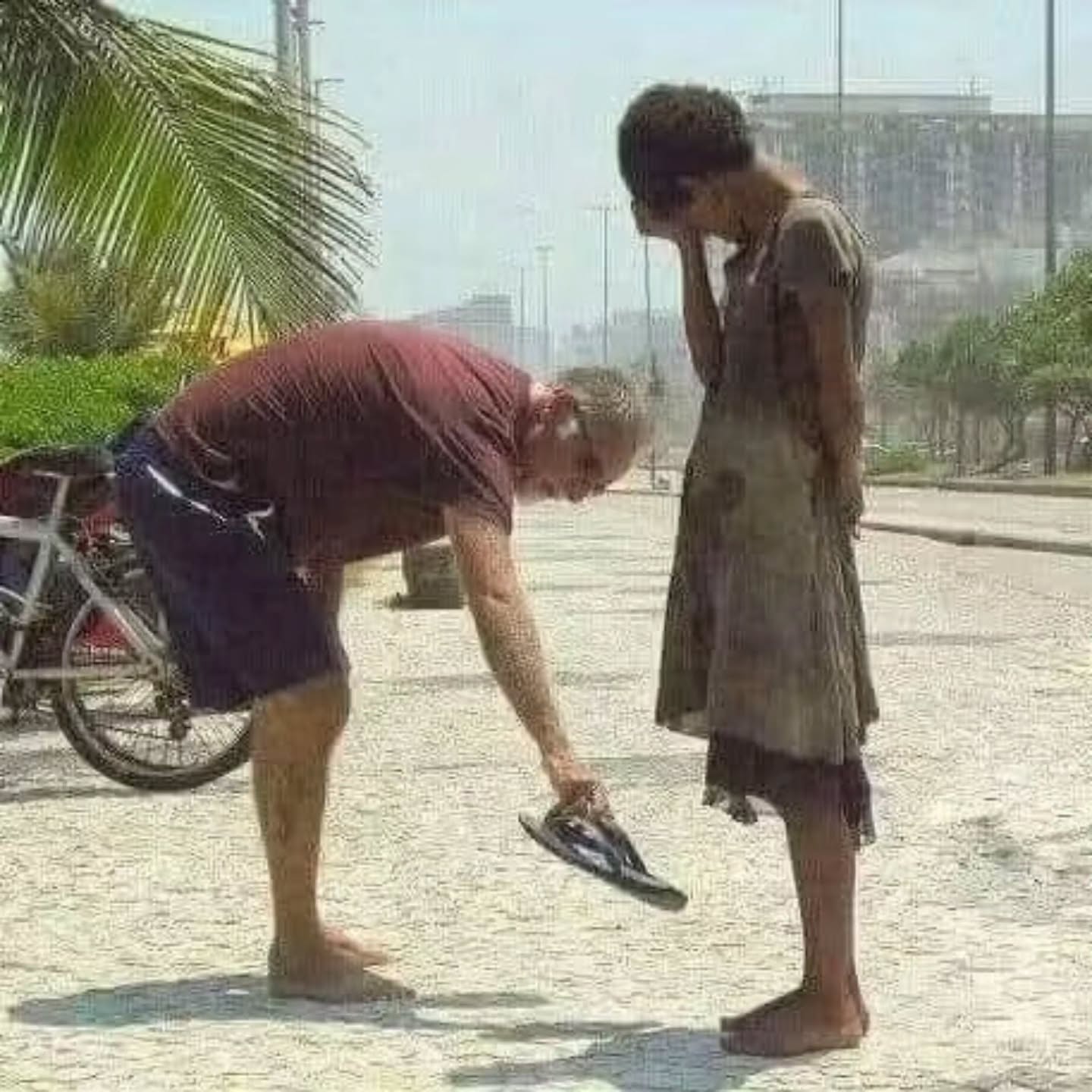
A quote states that love is not giving what is superfluous but being willing to share even what one needs oneself. An image shows a man offering a sandal to a person in need, illustrating the principle of sacrificial giving.

  • Love defined as willingness to share necessities, not just surplus
  • Image illustrates the principle with a man offering a sandal
Prayer Orthodoxy ® with Richard (Jonah) Instagram

Hagia Sophia Thessaloniki: 8th-century church history and architecture

0:16

The post presents historical and architectural information about the Cathedral of Hagia Sophia in Thessaloniki, drawn from the Byzantine Legacy website. The church was built on the ruins of the five-aisled episcopal Basilica of Saint Mark after its destruction in the early 7th century. Although the church now stands freestanding at the center of a city block, in the Middle Ages it was surrounded by buildings, including the putative remains of…

The post presents historical and architectural information about the Cathedral of Hagia Sophia in Thessaloniki, drawn from the Byzantine Legacy website. The church was built on the ruins of the five-aisled episcopal Basilica of Saint Mark after its destruction in the early 7th century. Although the church now stands freestanding at the center of a city block, in the Middle Ages it was surrounded by buildings, including the putative remains of the medieval episcopal residence to the north.

Scholars have proposed dates ranging from the mid-6th to the mid-8th century; comparative architectural analysis suggests construction in the third quarter of the 8th century, at the end of the First Iconoclastic period. In its current form, the building is a nearly square concrete cubic structure with a tripartite sanctuary projecting eastward.

The interior features a square cruciform nave measuring approximately 31 by 29 meters, covered by a large dome supported by four barrel vaults of unequal length and slightly different heights (14.75-15.00 meters). Lateral aisles and a narthex surround the nave, forming an ambulatory with three galleries above. The galleries are earlier than the west gallery, which was added in the 10th century.

Excavations in the north and west galleries uncovered building debris and amphoras used to raise the floor level without overloading the domed supports. Numerous lead seals bearing the names of bishops and ecclesiastical officials were found in the southwest corner of the west gallery, indicating that space served for church administration.

The post concludes with a verse from Psalm 64 (65):5 in the Septuagint: "Blessed is he whom You choose and help; He shall dwell in Your courts. We shall be filled with the good things of Your house; Holy is your temple, wondrous in righteousness."

  • Built on ruins of Basilica of Saint Mark after 7th-century destruction
  • Likely constructed in late 8th century, end of First Iconoclastic period
  • Nearly square cubic plan with tripartite sanctuary, cruciform nave, large dome on four barrel vaults
  • Ambulatory with galleries; west gallery added in 10th century; excavations reveal amphoras for floor leveling
  • Lead seals of bishops found in west gallery indicate administrative use
Read more

Saint Porphyrios on loving Christ as the path to holiness

The post presents the life and teaching of Saint Porphyrios of Kavsokalyvia (1906-1991), a monk of Mount Athos recognized as a saint in the Eastern Orthodox Church. From childhood he sought to give himself entirely to Christ. On Athos he pursued prayer, repentance, and humility while enduring physical illness. He devoted himself to spiritual guidance and comfort for many who came to him. The elder taught that Christians draw near to God not by…

The post presents the life and teaching of Saint Porphyrios of Kavsokalyvia (1906-1991), a monk of Mount Athos recognized as a saint in the Eastern Orthodox Church. From childhood he sought to give himself entirely to Christ. On Athos he pursued prayer, repentance, and humility while enduring physical illness. He devoted himself to spiritual guidance and comfort for many who came to him.

The elder taught that Christians draw near to God not by battling darkness directly but by turning the heart toward Christ, who is the Light. He said the Christian life should be rooted in love for Christ rather than fear of sin. Genuine repentance, prayer, and humility gradually transform the heart. He encouraged a living relationship with Christ through Scripture, the mysteries of the Church, and unceasing prayer, especially the Jesus Prayer.

Saint Porphyrios insisted that holiness comes not through pride, judgment, or outward appearances but through a heart filled with divine love. Love for Christ naturally overflows into love for every person. Prayer offered with faith and humility brings peace to troubled souls. He summarized his message: "The more you love Christ, the less you fear sin, and the more your heart is transformed by His grace."

The post includes nine direct quotations. Among them: "You won't become saints by hounding after evil. Ignore evil. Look towards Christ and He will save you." "Somebody who is Christ's must love Christ, and when he loves Christ he is delivered from the Devil, from hell and from death." "Whoever wants to become a Christian must first become a poet."

"With humility you attract the grace of God... even if you do all in the world, you achieve nothing if you haven't acquired humility." He described Christ as friend, brother, and everything good and beautiful. He taught that all created things, flowers, for example, are little loves through which we attain the great Love that is Christ.

He noted that what is not expressed often has greater power than words. The post also references the book "Wounded by Love: The Life and the Wisdom of Saint Porphyrios."

  • Saint Porphyrios (1906-1991) lived as a monk on Mount Athos and became a spiritual father to many despite chronic illness.
  • He taught that turning toward Christ as Light, not fighting darkness, is the path to God.
  • Love for Christ, not fear of sin, should root the Christian life; humility attracts divine grace.
  • The Jesus Prayer, Scripture, and the Church's mysteries nurture a living relationship with Christ.
  • Nine direct quotations illustrate his emphasis on love, humility, and poetic sensitivity to God's presence.
Read more
Kyle YouTube

Orthodox response to attention economy foreseen in 1997 film

Orthodox response to attention economy foreseen in 1997 film 12:10

The video analyzes the 1997 film The Fifth Element, specifically the character Ruby Rhod, a flamboyant radio host who turns everything into spectacle. The film satirized entertainment culture, but modern streaming has made this satire ordinary. People now earn millions broadcasting daily existence, with attention replacing talent as the primary commodity. Algorithms reward emotional intensity over substance, encouraging performers to exaggerate…

The video analyzes the 1997 film The Fifth Element, specifically the character Ruby Rhod, a flamboyant radio host who turns everything into spectacle. The film satirized entertainment culture, but modern streaming has made this satire ordinary. People now earn millions broadcasting daily existence, with attention replacing talent as the primary commodity.

Algorithms reward emotional intensity over substance, encouraging performers to exaggerate personalities until the character consumes the person. In 2026, Ruby Rhod's behavior is practically the job description of every successful live streamer. A new type of celebrity has emerged whose personality is the product, whose reactions are the entertainment, and whose daily existence is the content.

People increasingly experience their own lives as potential entertainment, turning meals, emotional breakdowns, disagreements, marriages, and even tragedy into content. Streamers begin performing increasingly exaggerated versions of themselves until personality becomes a character that consumes the person. Millions watch strangers live because of loneliness and fragmentation, seeking bonding through parasocial relationships and hyperreality.

The Orthodox tradition offers a countercultural alternative. Christ warns against performing righteousness for public recognition in Matthew 6, condemning those who give alms, pray, and fast primarily to be seen by others; the problem is the desire to be witnessed. The saints frequently fled worldly recognition because they understood how dangerous the desire for human praise could become; holiness often grows where nobody is watching.

The greatest rebellion against the attention economy is cultivating a quiet life of prayer, hidden good deeds, and genuine relationships known only to God. Anxiety stems from constantly asking what everyone thinks, while spiritual life asks what happens within the soul and submits to God's will.

Key moments

  1. 0:32 In 2026, Ruby Rhod's behavior is practically the job description of every successful live streamer.
  2. 1:34 A new type of celebrity has emerged whose personality is the product, whose reactions are the entertainment, and whose daily existence is the content.
  3. 2:37 People increasingly experience their own lives as potential entertainment, turning meals, emotional breakdowns, disagreements, marriages, and even tragedy into content.
  4. 4:10 Streamers begin performing increasingly exaggerated versions of themselves until personality becomes a character that consumes the person.
  5. 4:42 Millions watch strangers live because of loneliness and fragmentation, seeking bonding through parasocial relationships and hyperreality.
  6. 6:45 Christ in Matthew 6 condemns those who give alms, pray, and fast primarily to be seen by others; the problem is the desire to be witnessed.
  7. 7:47 The saints frequently fled worldly recognition because they understood how dangerous the desire for human praise could become; holiness often grows where nobody is watching.
  8. 9:20 Anxiety stems from constantly asking what everyone thinks about me, while the spiritual life asks what is happening within my soul and submits to God's will.
Read more
George Instagram

Why Orthodox Christians Call Priests 'Father' Despite Matthew 23:9

1:20

The video addresses the common objection to Orthodox Christians calling priests "father" based on Jesus' words in Matthew 23:9. It explains that the same passage also forbids the title "teacher," yet people universally use that word for educators and call their biological fathers "father." This shows Jesus was not issuing a blanket ban on vocabulary but warning religious leaders who sought honor, titles, and the best seats out of pride. The…

The video addresses the common objection to Orthodox Christians calling priests "father" based on Jesus' words in Matthew 23:9. It explains that the same passage also forbids the title "teacher," yet people universally use that word for educators and call their biological fathers "father." This shows Jesus was not issuing a blanket ban on vocabulary but warning religious leaders who sought honor, titles, and the best seats out of pride.

The apostles themselves employed father language. Paul writes to the Corinthians that though they may have many teachers, they have not many fathers, adding, "In Christ Jesus I became your father through the gospel." He also calls Timothy "my true son in the faith." This pattern establishes spiritual fatherhood as a biblical concept.

Orthodox Christians call their priest "father" not because he stands above God but because, like Paul, he gives birth to them in the faith. The priest baptizes, hears confession, and feeds the faithful with the body and blood of Christ, acting as a spiritual father. A good priest knows the title is not about himself; the only true Father is in heaven.

Key moments

  1. 0:00 Jesus said "Call no one on earth your father" in Matthew 23, but the same chapter also says "Do not be called teacher," yet people call teachers teacher and their own dad father, showing Jesus was not banning a word.
  2. 0:00 Jesus was warning religious leaders who loved titles, honor, and the best seats; he was talking about pride.
  3. 0:30 The apostles used father language; Paul writes to the Corinthians that they may have many teachers but not many fathers, and says "In Christ Jesus I became your father through the gospel."
  4. 0:30 Paul calls Timothy "my true son in the faith."
  5. 0:30 That is why Orthodox call priests father: not because he is above God, but because like Paul he gives birth to them in the faith.
  6. 1:04 The priest baptizes, hears confession, and feeds with the body and blood of Christ; he is a spiritual father.
  7. 1:04 A good priest knows the title is not about him; the only true father is in heaven.
Read more
☦️An Orthodox Blog☦️ with Orthodoxy ☦︎ Instagram

St. Paisios on uprooting passions and cleansing the heart

0:10

The post shares a saying attributed to St. Paisios the Athonite urging believers to uproot passions and psychological shortcomings that fill the heart. He describes these as beasts of the world gathered within, and calls for daily effort to cleanse the heart of them.

  • St. Paisios urges uprooting passions and psychological shortcomings
  • He compares these to beasts of the world gathered in the heart
  • Daily cleansing of the heart is necessary
Orthodox Life Instagram

Saint Hilarion the Great, Founder of Palestinian Monasticism

The post commemorates Saint Hilarion the Great on October 21. Born in 291 AD to pagan parents in Thabatha near Gaza, he traveled to Alexandria for education, converted to Christianity, was baptized, and learned of Saint Anthony the Great. Inspired, he sought Anthony in the Egyptian desert and became his disciple. Because massive crowds visited Anthony for healings and blessings, Hilarion returned to his homeland to find quiet solitude. Finding…

The post commemorates Saint Hilarion the Great on October 21. Born in 291 AD to pagan parents in Thabatha near Gaza, he traveled to Alexandria for education, converted to Christianity, was baptized, and learned of Saint Anthony the Great. Inspired, he sought Anthony in the Egyptian desert and became his disciple. Because massive crowds visited Anthony for healings and blessings, Hilarion returned to his homeland to find quiet solitude.

Finding his parents dead, he distributed his inheritance to the poor and withdrew into the desert near Maiuma at age fifteen. He wore sackcloth and a leather coat, ate figs, lentils, and dry bread, and fought intense temptations, physical passions, and demonic phantoms through continuous labor, fasting, and fervent prayer. God granted him spiritual discernment and the power to cast out unclean spirits and heal the sick free of charge.

As thousands of pilgrims flocked to his cell, shattering his solitude, numerous monasteries sprang up across Palestine under his guidance, establishing a structured, strict ascetic life. As Anthony was to Egypt, Hilarion became to Palestine. To escape fame, he spent his later years fleeing to Egypt, Sicily, and Dalmatia, where he reposed around 371 AD at age eighty.

The post also includes descriptions of frescoes and icons depicting Hilarion, a gathering of bishops in a cave, Saints Theopatores, Andrew, Anna, the Theotokos, Christ, Constantine, and Saint Stephen.

  • Born 291 AD in Thabatha, converted in Alexandria, disciple of Saint Anthony.
  • Lived as anchorite near Maiuma from age fifteen, extreme asceticism.
  • Granted gifts of discernment, exorcism, and healing without charge.
  • Founded monasteries across Palestine, establishing monasticism there.
  • Fled fame to Egypt, Sicily, Dalmatia; reposed c. 371 AD at age eighty.
Read more
radioimlemesou Instagram

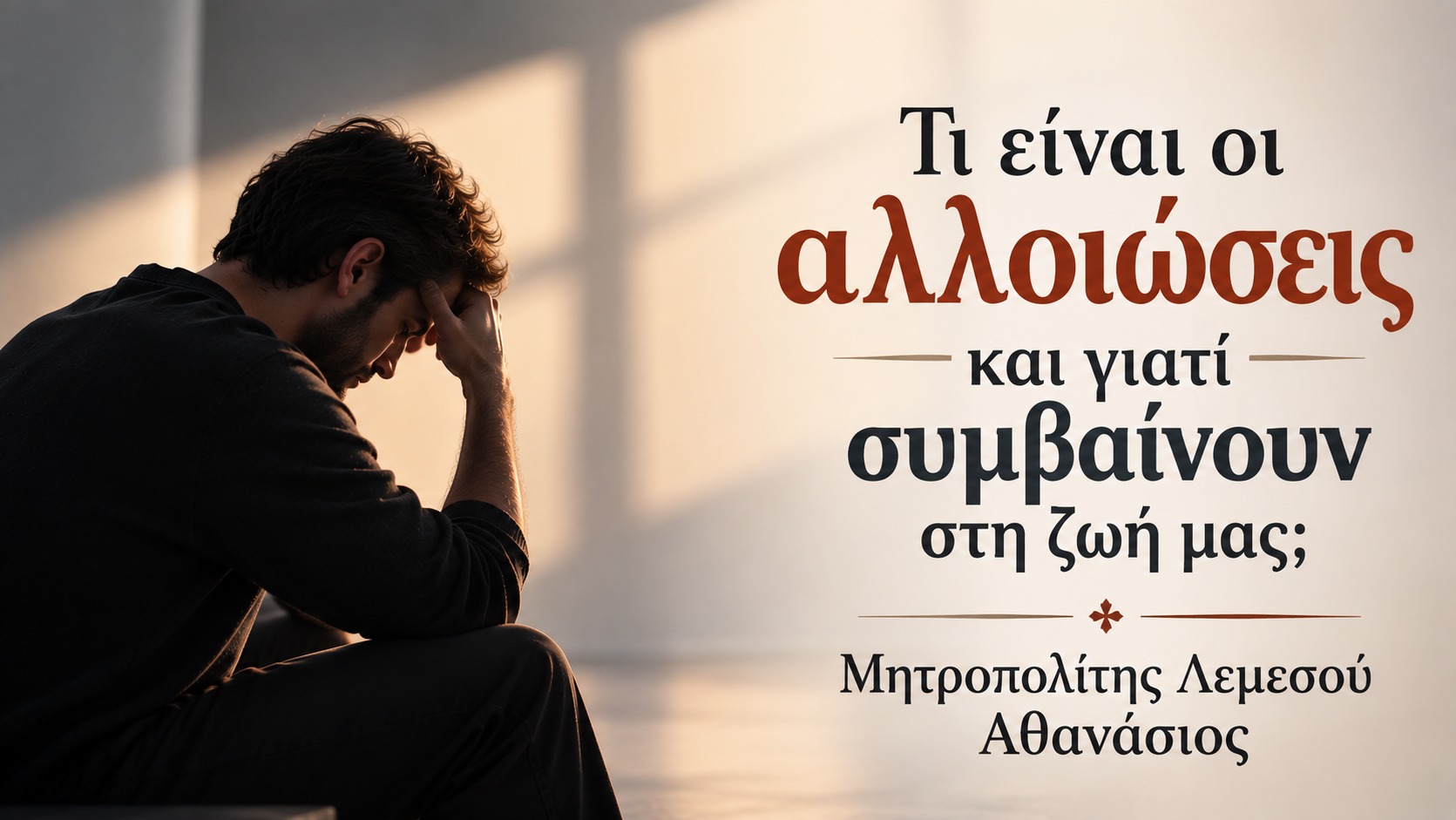
Metropolitan Athanasios of Limassol explains spiritual alterations and their causes

Metropolitan Athanasios of Limassol, in an excerpt from one of his talks, explains what alloioseis are. He describes them as changes that take place in a person's psychic or spiritual world. The metropolitan analyzes the reasons these alterations happen and illustrates his explanation with real-life incidents. The post directs viewers to the full excerpt on the channel's YouTube page.

  • Metropolitan Athanasios of Limassol defines alloioseis as changes in the psychic or spiritual world of a person.
  • He analyzes the reasons why these alterations occur.
  • He provides real-life incidents as examples.
  • The excerpt is from a talk and is posted on YouTube.
CHRISTIANITY UNITED Instagram

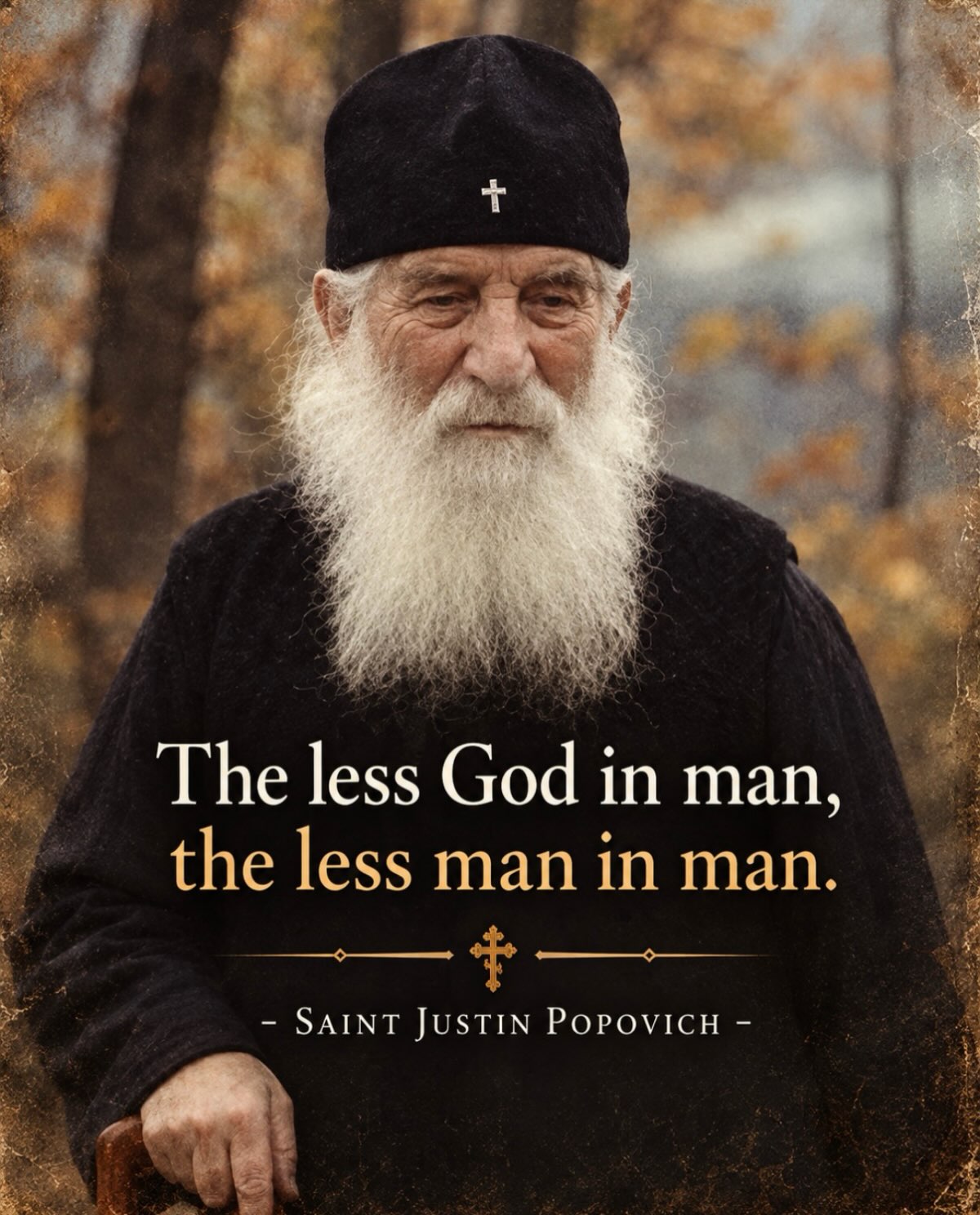
Saint Justin Popović: The less God in man, the less man in man

The post presents a reflection on a saying by Saint Justin Popović: "The less God in man, the less man in man." It explains that humans were created for communion with God, not merely for worldly success. The author notes that even when people achieve wealth, recognition, or comfort, they may still feel empty because the soul's purpose is to grow in holiness and become like Christ. The further one moves from God, the more pride, selfishness,…

The post presents a reflection on a saying by Saint Justin Popović: "The less God in man, the less man in man." It explains that humans were created for communion with God, not merely for worldly success. The author notes that even when people achieve wealth, recognition, or comfort, they may still feel empty because the soul's purpose is to grow in holiness and become like Christ.

The further one moves from God, the more pride, selfishness, greed, anger, and hatred can take hold. The post clarifies that this does not mean non-believers are less human; every person bears God's image and deserves love and dignity. Rather, the fullness of humanity is found in Jesus Christ. Biographical details are given: Saint Justin Popović (1894-1979) was a Serbian Orthodox monk, priest, and theologian born in Vranje, Serbia.

He spent much of his later life at Ćelije Monastery, devoted to prayer, spiritual guidance, and writing. He taught that Christ, the God-Man, reveals what humanity was meant to become. He was glorified as a saint by the Serbian Orthodox Church in 2010.

The post ends with a question for self-examination: whether one is becoming more like Christ or allowing the world to pull away from Him. The discussion in the comments likely centers on the quote's meaning, the saint's theology of the God-Man, and practical application of his teaching to daily spiritual life.

  • Saint Justin Popović's saying: "The less God in man, the less man in man."
  • Humans created for communion with God, not worldly success.
  • Moving from God leads to emptiness and passions like pride, greed, anger.
  • Every person bears God's image; fullness of humanity found in Christ.
  • Saint Justin's life: Serbian Orthodox monk, priest, theologian (1894-1979), glorified 2010.
Read more
Prayer Orthodoxy ® Instagram

How one Orthodox Christian ends daily prayer with holy water, antidoron, and myrrh

1:21

The speaker shares three traditions observed after concluding daily prayers in the prayer corner. This is the fifth installment in a series called Tips from the Prayer Corner. First, a sip of holy water, or agiasmos, received from the Orthodox Church, is taken with reverence for God's blessing, purification, and sanctification of soul and body. The water is blessed through the prayers of the church. Second, three small pieces of antidoron, the…

The speaker shares three traditions observed after concluding daily prayers in the prayer corner. This is the fifth installment in a series called Tips from the Prayer Corner. First, a sip of holy water, or agiasmos, received from the Orthodox Church, is taken with reverence for God's blessing, purification, and sanctification of soul and body.

The water is blessed through the prayers of the church. Second, three small pieces of antidoron, the blessed bread from the Divine Liturgy, are consumed. This antidoron comes from the Panagia Vlahernon Greek Orthodox Monastery in Williston, Florida, and is preserved by drying so it lasts through the week, a traditional practice for keeping it in the prayer corner.

The term antidoron means "instead of the gifts." The pieces are eaten with thanksgiving. Third, holy myrrh oil is applied in the form of a cross, touching the forehead, chin, right cheek, and left cheek. While anointing, the speaker asks Jesus Christ for mercy, healing, and protection, making the sign of the cross in the name of the Father, Son, and Holy Spirit.

These practices help end the prayer time with gratitude and carry the remembrance of God into daily life. The post includes both English and Greek text describing the same traditions.

Key moments

  1. After prayers, the speaker takes a small sip of holy water (ayasmos) received from the Orthodox Church.
  2. The holy water is blessed through the prayers of the church and partaken with reverence for God's blessing, purification, and sanctification of soul and body.
  3. The speaker then takes three small pieces of antidoron, the blessed bread from the Divine Liturgy, specifically from the Panagia Vlahernon Greek Orthodox monastery in Williston, Florida.
  4. The antidoron is preserved by drying, a traditional practice to keep it in the prayer corner for consumption throughout the week.
  5. Antidoron means "instead of the gifts."
  6. The speaker consumes the three pieces with thanksgiving and reverence.
  7. The speaker takes holy myrrh oil and anoints in the form of the cross, touching forehead, chin, right cheek, and left cheek.
  8. While anointing, the speaker asks Jesus Christ for mercy, healing, and protection, making the sign of the cross in the name of the Father, Son, and Holy Spirit.
Read more
r/OrthodoxChristianity Reddit discussion

Unwelcome at a ROCOR parish, questioning ethnic focus

My wife and I are Orthodox. One Sunday we visited a ROCOR parish on a whim instead of our usual church, and the experience was rough. Everyone stared at us constantly. Even when we bought candles it was obvious they did not want us there, and they made us feel very unwelcome. They commented on our children. I get the feeling this is just how Russians are in general? Is ROCOR like this? We have never been treated this way by anyone. When we were…

My wife and I are Orthodox. One Sunday we visited a ROCOR parish on a whim instead of our usual church, and the experience was rough. Everyone stared at us constantly. Even when we bought candles it was obvious they did not want us there, and they made us feel very unwelcome. They commented on our children.

I get the feeling this is just how Russians are in general? Is ROCOR like this? We have never been treated this way by anyone. When we were Catholic everyone was quite happy to have us at their parish. It makes me wary to try any other parish besides our usual one, honestly. I do not understand why everything has to be so ethnically focused.

Sometimes it makes me remember and yearn for when we were Catholic and never had to worry about visiting any parish, or about suspicions directed at me and my family.

  • Visited a ROCOR parish and felt stared at and unwelcome
  • Treated poorly even when purchasing candles
  • Comments made about their children
  • Asks if this is typical of Russians or ROCOR specifically
  • Contrasts with Catholic parishes where they felt welcome; questions ethnic focus in Orthodoxy
19 opinions in the discussion Just last week a priest gave a very brief sermon in our monastery: a woman with two children came into the church wearing pants with her hair uncovered, and one of the older women… Read the discussion

Gerontas Philimon on the beauty of the end and the Resurrection

Gerontas Philimon, a righteous elder of the Holy Monastic Pantokratoros Skete of Prophet Elias on Mount Athos, delivers a farewell message. He wishes his listeners happy holidays and quotes a song attributed to Odysseus that describes long years of wandering, hunger, and pain, together with the hope of forgetting those hardships upon reaching what he calls the beauty of the end. The elder says he remains with his audience for this year and…

Gerontas Philimon, a righteous elder of the Holy Monastic Pantokratoros Skete of Prophet Elias on Mount Athos, delivers a farewell message. He wishes his listeners happy holidays and quotes a song attributed to Odysseus that describes long years of wandering, hunger, and pain, together with the hope of forgetting those hardships upon reaching what he calls the beauty of the end.

The elder says he remains with his audience for this year and expresses the wish that they not be separated next year. He adds that if they are lost to each other, they will meet again at the resurrection. He concludes by saying they will sleep until the trumpet of the Resurrection feast sounds.

Key moments

  1. The speaker says goodbye and wishes happy holidays.
  2. He shares a song lyric attributed to Odysseus describing years of wandering and the desire to see the smoke of his house again.
  3. He states that he is with the audience this year and wishes not to lose each other next year, but if they do, they will meet up above.
  4. He says they will sleep until the trumpet of the Resurrection feast sounds.
Read more

Gerontas Filimon's parable of the sleeping town and the watchful driver

The post shares a video from the YouTube channel of the Holy Church of St. Demetrios titled "The beauty of the end (2nd part)" in memory of Gerontas Filimon, a righteous monk of the Holy Coenobitic Pantokratoros Skete of Prophet Elias on Mount Athos. The video presents an allegory told by Gerontas Filimon: a driver describes a strange place where inhabitants sleep all year in their beds, waking only before festivals to repair roads, roofs, and…

The post shares a video from the YouTube channel of the Holy Church of St. Demetrios titled "The beauty of the end (2nd part)" in memory of Gerontas Filimon, a righteous monk of the Holy Coenobitic Pantokratoros Skete of Prophet Elias on Mount Athos. The video presents an allegory told by Gerontas Filimon: a driver describes a strange place where inhabitants sleep all year in their beds, waking only before festivals to repair roads, roofs, and prepare the choir.

During festivals they celebrate with tables, wine, love, kisses, songs, bells, and fireworks, but afterward numbness returns and they go back to sleep. The driver's role is to pass through keeping watch so no one oversleeps, no fountain stays open, and no fire starts. He is headed to Athens to deliver a load; his home is the national highway, not a house, and his friends are those he chooses to pick up along the way.

The driver also says he has swallowed his tongue but something eats at him. The post includes links to two YouTube videos: the full talk on the church's channel, and another video on the "Nectar of the Soul" channel titled "Fr. Filimon bids farewell to Dionysis Savvopoulos."

Key moments

  1. 0:00 The driver explains that the people in this place sleep all year in their beds and wake only before festivals to fix roads, roofs, and prepare the choir.
  2. 0:35 The driver describes the festival as a time of tables set with wine, love, kisses, songs, bells, fireworks, and organs, after which the people fall back into numbness and sleep.
  3. 1:06 The driver says his role is to pass through and watch that no one oversleeps, no fountain is left open, and no fire starts, and he must reach Athens to deliver a load.
  4. 1:06 The driver reveals he has swallowed his tongue but something eats at him, and when asked about family, home, and friends, he answers that his home is the national highway.
  5. 1:36 The driver says his family is the national highway, his friends make him τοστοπ, but he chooses who to pick up, and tells the passenger to stop at Rapsani where they sell μούστο if he needs anything.
Read more

Elder Paisios on the world's deceit and the need for spiritual readiness

The post presents a quote from Elder Paisios of Mount Athos, a recognized saint in the Orthodox Church. He warns that malice has crossed all boundaries and that people now seek to deceive one another, viewing deception as success. He laments that the world has become false because sin has become fashionable and injustice is regarded as wisdom. The worldly spirit, he says, sharpens the mind for evil, so that whoever commits injustice against his…

The post presents a quote from Elder Paisios of Mount Athos, a recognized saint in the Orthodox Church. He warns that malice has crossed all boundaries and that people now seek to deceive one another, viewing deception as success. He laments that the world has become false because sin has become fashionable and injustice is regarded as wisdom.

The worldly spirit, he says, sharpens the mind for evil, so that whoever commits injustice against his neighbor considers it an achievement. In response, Elder Paisios calls for character, courage, and bravery. He urges his listeners to take care that they are not caught unprepared when difficulties arise.

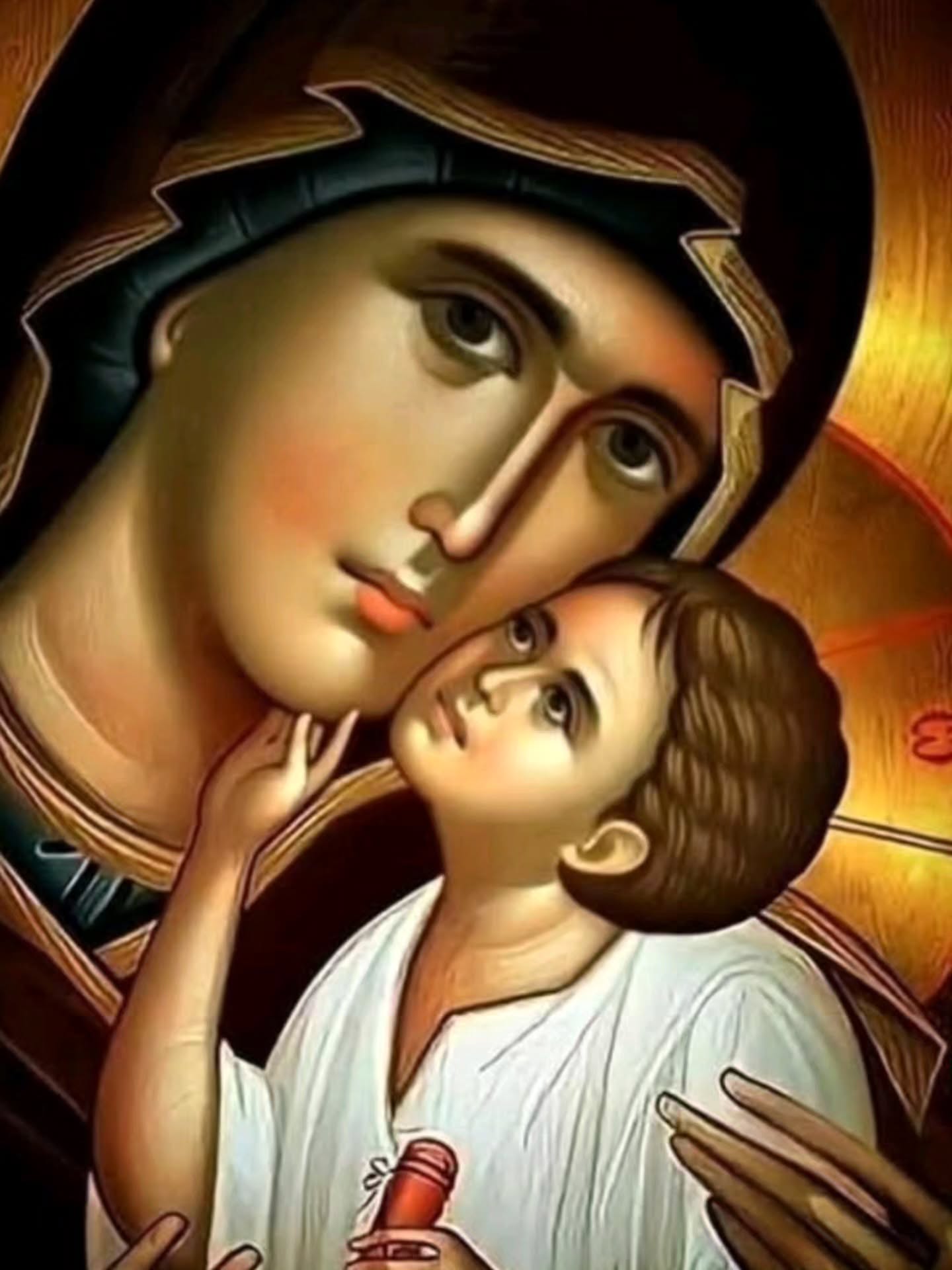
They should begin preparing now so they can withstand hardships. Living in complicated times, he insists that we must be not only ready but three times ready, at the very least. The quote is accompanied by an icon of the Virgin Mary embracing the Child Jesus.

  • Malice and deceit have become widespread and are praised as success.
  • Sin is treated as fashion and injustice as wisdom.
  • The worldly spirit sharpens the mind for evil.
  • Character, courage, and bravery are necessary responses.
  • Believers must prepare now to withstand future difficulties, being three times ready.
Read more
Holy Resurrection YouTube

St. Gregory of Sinai on Living Faith and the Knowledge of God

St. Gregory of Sinai on Living Faith and the Knowledge of God 4:58

The post presents excerpts from chapters 12-28 of St. Gregory of Sinai's "Most Profitable Chapters," translated from Greek by Bishop Benjamin (Milov) and published by Novospassky Monastery in 1999. St. Gregory, a 13th-14th century Hesychast father of Mount Athos, teaches that spiritual growth comes through the pure milk of grace rather than intellectual study alone. The purified mind beholds God directly and receives divine thoughts, with the…

The post presents excerpts from chapters 12-28 of St. Gregory of Sinai's "Most Profitable Chapters," translated from Greek by Bishop Benjamin (Milov) and published by Novospassky Monastery in 1999. St. Gregory, a 13th-14th century Hesychast father of Mount Athos, teaches that spiritual growth comes through the pure milk of grace rather than intellectual study alone.

The purified mind beholds God directly and receives divine thoughts, with the spirit replacing books and light replacing ink. True faith manifests in the heart and produces self-control, love, and God-given humility. The summit of Orthodoxy is the confession of the Trinity as unity without confusion and the Dyad as two natures in the one person of Christ.

St. Gregory warns that many now hold only a dead faith of words instead of living grace-filled faith expressed through keeping the commandments in the spirit. The accompanying video summary and points restate these themes, emphasizing that the law of the commandments is faith manifesting directly in the heart, and that those who seek the meaning of the commandments apart from their fulfillment imagine a shadow instead of the truth.

Key moments

  1. 0:05 He who desires to increase the body of the commandments should labor with intense longing for the pure rational milk of motherly grace, and everyone who seeks growth unto the measure of Christ is nourished by this milk.
  2. 0:36 By milk Solomon signified the nurturing power of the spirit and by honey its purifying power, and the apostle fed babes with milk not solid food.
  3. 1:07 He who seeks the meaning of the commandments apart from their fulfillment is like one imagining a shadow instead of the truth, and those who do not partake of truth borrow it from foolish wisdom.
  4. 1:40 The purified mind beholds God and receives divine thoughts from him, having the spirit in place of a book, the faculty of thought in place of a reed pen, and light in place of ink.
  5. 2:10 The mind immerses its thought in light and through the spirit inscribes words upon pure hearts, and then understands how all shall be taught by God.
  6. 2:42 By the law of the commandments understand faith that manifests directly in the heart, from which every commandment flows bringing enlightenment, and its fruits are self-control, love, and God-given humility.
  7. 3:13 The summit of Orthodoxy is pure contemplation of the Trinity as unity without confusion or division and the Dyad as two natures in the one person of Christ glorified without confusion in two wills.
  8. 4:14 For salvation grace-filled faith expressed through keeping the commandments in the spirit would have been sufficient, but ignorance has taught devout people to have a dead faith of words instead.
Read more