
 Orthodox Life
Instagram
Orthodox Life
Instagram
Saint Paraskeva of Epivato: 11th-century ascetic who became protector of the sick
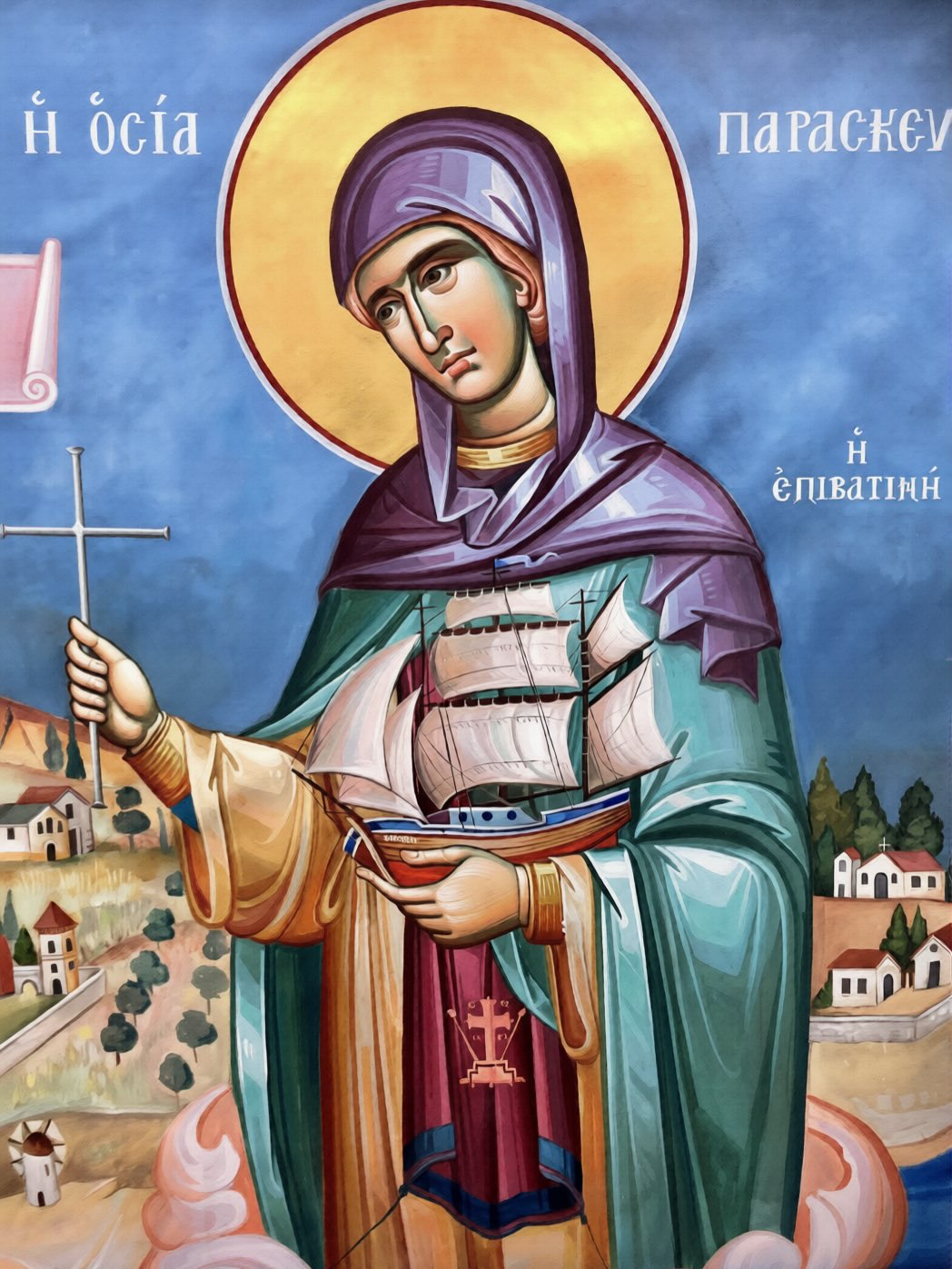
The post commemorates Saint Paraskeva of Epivato on October 14. Born in Epivates near modern Istanbul to a wealthy pious family, she gave away expensive clothing to the poor from a young age, angering her parents. Her older brother Euthymius later became Bishop of Madytos. After her parents died, the fifteen-year-old Paraskeva distributed her inheritance and entered monastic life.
She fled to Constantinople, spent five years at a monastery in Heraclea Pontica, then made a pilgrimage to Jerusalem and lived as a hermit in the Jordanian desert enduring temptations and deprivation. At age twenty-five an angel appeared in a vision and commanded her to return to her homeland to surrender her body to the earth. She obeyed, spent her final two years in Epivato in secrecy, fasting, and continuous prayer, and reposed at twenty-seven.
Buried near the sea as an ordinary stranger, her uncorrupted sweet-scented body was discovered years later after divine dreams revealed its location to villagers. Her relics were placed in the Church of the Holy Apostles in Epivato and became a source of physical and spiritual healings for over a century. Because of the extensive miracles attributed to her, she became one of the most beloved and widely venerated protectors of the sick and marginalized throughout the Balkans.
Main points
- Born in Epivates to wealthy parents; gave away clothing to the poor from youth
- Brother Euthymius became Bishop of Madytos
- Entered monastic life at fifteen after parents' death; lived in Constantinople, Heraclea Pontica, Jerusalem, and the Jordanian desert
- Angelic vision at twenty-five commanded return to Epivato; died at twenty-seven
- Incorrupt relics discovered after divine dreams; placed in Church of the Holy Apostles; source of healings for over a century