
 Orthodox Life
Instagram
Orthodox Life
Instagram
Saint Dionysios the Areopagite: judge, bishop, and the writings that shaped Christian mysticism
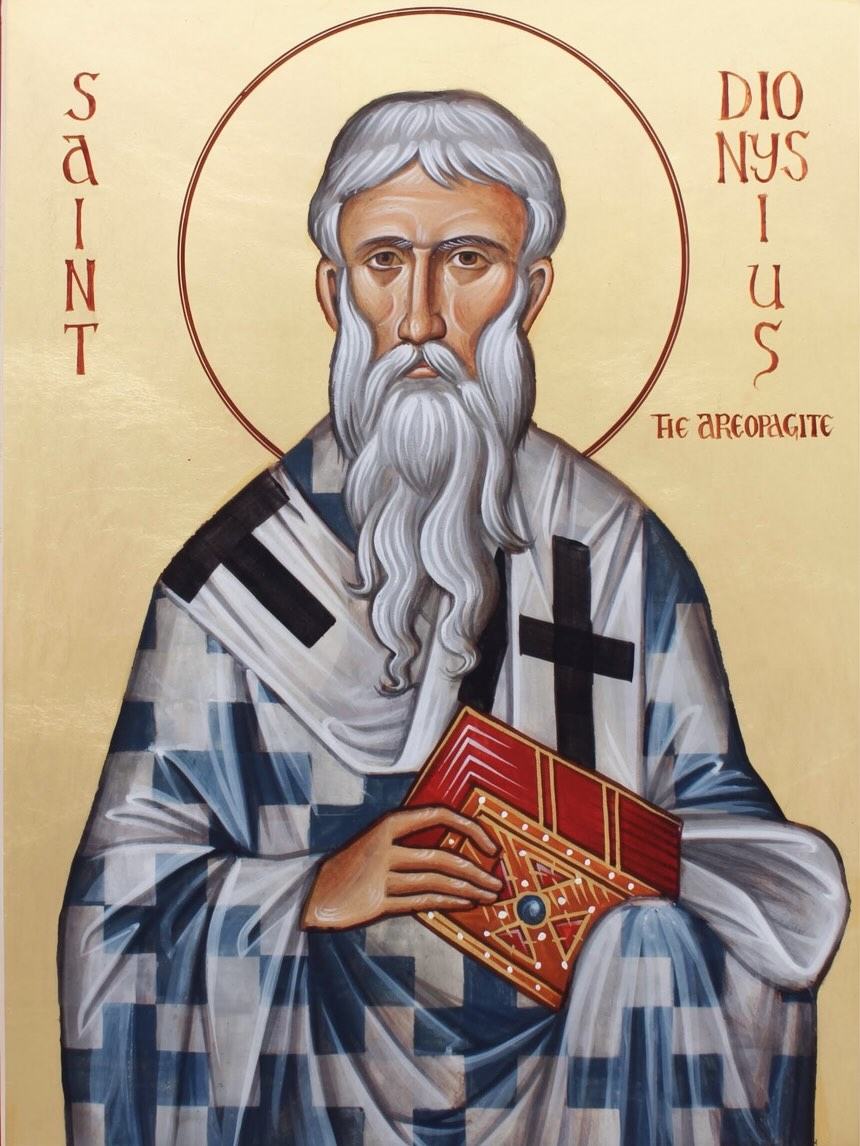
The post commemorates Saint Dionysios the Areopagite on October 3rd. Dionysios was a 1st-century Athenian judge who converted after hearing the Apostle Paul preach at the Areopagus. The Book of Acts names him as one of the few prominent citizens of Athens to accept the faith during Paul's visit, and later Christian tradition holds that he became the first bishop of Athens.
The post then turns to the Corpus Areopagiticum, a collection of influential theological writings that appeared under his name in the early 6th century. Modern scholars agree these texts were written centuries later by an anonymous author, called Pseudo-Dionysios. Even with the pseudonymous origin, the works permanently shaped Christian thought.
They connected Neoplatonic philosophy with Christian theology: the author used the frameworks of thinkers like Proclus to explain the nature of God, the celestial realms, and the soul's path toward the divine, giving early Christian mysticism an intellectual language. The post closes with a pious legend about the saint's death. It says he was beheaded around 96 AD, after which his headless body stood up, picked up the severed head, and walked several miles preaching a sermon of repentance.
He collapsed at the feet of a Christian woman named Catula, who buried his body. The discussion a reader will find is the combination of the biblical figure, the later pseudonymous writings attributed to him, and the martyrdom legend, all presented together in one commemoration.
Main points
- Dionysios the Areopagite was a 1st-century Athenian judge who converted after hearing Paul preach at the Areopagus, as recorded in the Book of Acts.
- Later tradition holds he became the first bishop of Athens.
- The Corpus Areopagiticum appeared in the early 6th century under his name; scholars attribute it to an anonymous author known as Pseudo-Dionysios.
- The writings used Neoplatonic philosophy, drawing on thinkers like Proclus, to describe God, the celestial realms, and the soul's path toward the divine.
- A pious legend says he was beheaded around 96 AD, carried his head while preaching repentance, and was buried by a woman named Catula.