WeOrthodox
EN UA

Orthodox posts, videos and discussions

We follow Orthodox channels, communities and blogs across the web, summarise every post and video, and highlight the conversations with real substance.

Patristic Case Against Filioque: Spirit Proceeds from Father Alone

The author presents a polemical argument against Roman Catholicism, listing six doctrinal errors: the Filioque, papacy, purgatory, predestination, and two Vatican II documents (Nostra Aetate and Unitatis Redintegratio). The bulk of the text focuses on the Filioque, asserting that the Holy Spirit proceeds eternally from the Father alone. The author cites numerous Old Testament passages (Psalm 32:6, Psalm 103:30, Psalm 113:25, Psalm 138:7-8,…

The author presents a polemical argument against Roman Catholicism, listing six doctrinal errors: the Filioque, papacy, purgatory, predestination, and two Vatican II documents (Nostra Aetate and Unitatis Redintegratio). The bulk of the text focuses on the Filioque, asserting that the Holy Spirit proceeds eternally from the Father alone.

The author cites numerous Old Testament passages (Psalm 32:6, Psalm 103:30, Psalm 113:25, Psalm 138:7-8, Isaiah 11:2-3, Isaiah 61:1) and New Testament passages (Matthew 10:19-20, Matthew 12:28, John 14:16, John 15:26, John 16:13-15, John 20:22, Acts 2, Romans 8:11, 1 Corinthians 2:11-12, Galatians 4:6). For each, extensive patristic quotations are provided from figures such as Basil the Great, Gregory of Nyssa, Gregory Nazianzen, Cyril of Alexandria, Ambrose, Augustine, John Chrysostom, and others, interpreting these verses as teaching the Spirit's procession from the Father.

The author also addresses John 14:16 ("I will ask the Father to send the Spirit") as evidence that the Son is not a cause of the Spirit's procession. Gregory Palamas is cited to distinguish eternal manifestation through the Son from eternal procession from the Son. The post concludes that the Filioque introduces two causes in the Trinity, subordinates the Holy Spirit, and contradicts the monarchy of the Father (Sola Arche).

The work is framed as a second volume in a series, opening with a prayer invoking saints such as Gregory Palamas, Photios the Great, and Mark of Ephesus.

  • Argues Catholicism has corrupted original doctrine, listing six errors including Filioque and Vatican II documents.
  • Contends the Holy Spirit proceeds eternally from the Father alone, citing Old and New Testament passages.
  • Provides extensive patristic commentary on Psalm 32:6 and Psalm 103:30 from Basil, Gregory of Nyssa, Gregory Nazianzen, Cyril, Ambrose, Augustine, Chrysostom.
  • Uses John 14:16 ("I will ask the Father") to refute the Son as a cause of the Spirit's procession.
  • Cites Gregory Palamas on the distinction between eternal manifestation through the Son and procession from the Father, warning that Filioque subordinates the Spirit.
20 opinions in the discussion the Spirit's procession from the Son isn't solely economic, there's an eternal procession of the Spirit from the Son as well Read the discussion
Athonite Audio YouTube

Sayings of the Desert Fathers on the Monastic Way of Life

Sayings of the Desert Fathers on the Monastic Way of Life 8:57

The post presents Chapter 1 of "The Sayings of the Desert Fathers" from Saint Anthony's Greek Orthodox Monastery Press. It introduces the monastic way of life through collected sayings of early desert ascetics who pursued hesychia, deep inner stillness leading to union with God. Abba Anthony gives a threefold rule: keep God before your eyes, apply Scripture to everything, and do not move away hastily. Abba John the Dwarf lists virtues for daily…

The post presents Chapter 1 of "The Sayings of the Desert Fathers" from Saint Anthony's Greek Orthodox Monastery Press. It introduces the monastic way of life through collected sayings of early desert ascetics who pursued hesychia, deep inner stillness leading to union with God. Abba Anthony gives a threefold rule: keep God before your eyes, apply Scripture to everything, and do not move away hastily.

Abba John the Dwarf lists virtues for daily practice including patience, fear of God, generosity, love of God, alertness, humility, circumspection, heartfelt prayer, purity of tongue, custody of eyes, bearing injuries without anger, and seeking peace without returning evil. St. Gregory the Theologian states God requires three things of the baptized: Orthodox faith from the soul, truth from the tongue, and self-control in the body.

Abba Zacharias tells Abba Macarius that the monk's work is to constrain himself in everything. Abba John the abbot, on his deathbed, leaves the legacy that he never followed his own will and never enjoined on others what he had not first done himself. Abba Neisterios the Great notes God was with Abraham in charity, Elijah in solitude, and David in humility, advising each to follow what they perceive in their soul as a way to God while preserving the heart in peace.

Abba Poemen names poverty, tribulation, and discernment as the three works of the solitary life, personified by Noah, Job, and Daniel, saying God dwells with whoever practices these. An elder advises begging God for light and humility, keeping one's sins in mind, judging no one, being subject to all, avoiding familiarity with women, boys, and heretics, guarding tongue and stomach, abstaining from wine, and not arguing when quarreled with.

Key moments

  1. 0:01 Aba Anthony's rule: keep God continually before your eyes, apply Scripture to everything, and do not be in a hurry to move away.
  2. 0:32 Aba John the Dwarf says to make a new beginning each morning with all virtues, listing patience, fear, generosity, love of God, alertness, humility, circumspection, heartfelt prayer, purity of tongue, custody of eyes, bearing injuries without anger, and seeking peace without returning evil.
  3. 1:33 St. Gregory the Theologian states God asks three things of the baptized: Orthodox faith from the soul, truth from the tongue, and self-control in the body.
  4. 2:33 Aba Zacharias tells Aba Macarios that the work of a monk is to constrain himself in everything.
  5. 3:36 Aba John the abbot, on his deathbed, leaves as his legacy that he never followed his own will and never enjoined on others what he had not first done himself.
  6. 4:39 Aba Neisterio the Great says not all works are the same but God was with Abraham in charity, Elijah in solitude, and David in humility; therefore do what you perceive in your soul as a way of following God and preserve your heart in peace.
  7. 5:11 Aba Pomman names poverty, tribulation, and discernment as the three works of the solitary life, personified by Noah, Job, and Daniel, and says if anyone practices these three, God dwells with him.
  8. 8:46 An elder advises to beg God for light and humility, keep your sins in mind, judge no one, be subject to all, avoid familiarity with women, boys, and heretics, guard tongue and stomach, abstain from wine, and not argue when quarreled with.

Jesus Prayer as spiritual weapon: scriptural roots and desert fathers' practice

The speaker urges using the Jesus Prayer with a prayer rope during spiritual attack. He says that when attacked, one should take up the prayer rope and say the Jesus Prayer patiently until the Lord draws near. He cites Saint Paisius the Athonite, who called each knot ammunition and the large knots heavy artillery, and said the name of Jesus causes demons to erupt in fire. He also cites Saint Anthony the Great, who saw devils scorched by the sign…

The speaker urges using the Jesus Prayer with a prayer rope during spiritual attack. He says that when attacked, one should take up the prayer rope and say the Jesus Prayer patiently until the Lord draws near. He cites Saint Paisius the Athonite, who called each knot ammunition and the large knots heavy artillery, and said the name of Jesus causes demons to erupt in fire.

He also cites Saint Anthony the Great, who saw devils scorched by the sign of the cross and the name of Jesus. The speaker introduces the Jesus Prayer for those unfamiliar and explains that each phrase comes directly from Scripture: "Lord Jesus Christ" reflects Romans 10:9, "Son of God" reflects Matthew 16:16, and "have mercy on me a sinner" reflects Luke 18:13. He traces the practice to fourth-century Egyptian desert fathers who used short repeated prayers to fulfill Paul's command to pray without ceasing.

This developed into the Jesus Prayer, later formalized with prayer ropes. The rope moves one knot per prayer to keep the mind contemplative. The prayer is not empty repetition but Scripture, repentance, and remembrance of Christ condensed.

Saint John Climacus advises uniting the remembrance of Jesus to every breath to know the value of stillness. The speaker also mentions a partnership with Theoria for Church Fathers' writings.

Key moments

  1. 0:00 Take up the prayer rope when attacked and say the Jesus prayer patiently until the Lord draws near; Saint Paisius the Athonite called each knot ammo and his large knots heavy artillery, and the name of Jesus causes demons to erupt in fire; Saint Anthony the Great saw devils scorched by the sign of the cross and the name of Jesus.
  2. 0:36 Fight back by calling on God's name; the Jesus prayer is introduced for those unfamiliar, and each part is drawn from Scripture.
  3. 1:07 The scriptural sources are identified: "Lord Jesus Christ" from Romans 10:9, "Son of God" from Matthew 16:16, and "have mercy on me a sinner" from Luke 18:13.
  4. 1:42 Fourth-century Egyptian desert fathers used short repeated prayers to fulfill Paul's command to pray without ceasing, which developed into the Jesus prayer; the prayer rope moves one knot per prayer to keep the mind contemplative; the prayer is not empty repetition but Scripture, repentance, and remembrance of Christ condensed; Saint John Climacus says to unite the remembrance of Jesus to every breath to know the value of stillness; the speaker mentions a partnership with Theoria for Church Fathers' writings.
8 opinions in the discussion The Jesus Prayer is an ICBM on the Demons. I challenge anyone to grab a prayer rope, throw your phone across the room and go for a 20 minute walk saying it while you count the beads like… Read the discussion

Ancient Stephen stone at Milișăuți holds prayers of those before us

The author reflects on places that stay with a person long after a visit. At Milișăuți, an old stone from the time of Stephen the Great still keeps the prayers of earlier generations.

  • Some places are carried in the heart after leaving.
  • Milișăuți has an ancient stone dating to Stephen the Great.
  • The stone preserves the prayers of those who came before.

St. John Chrysostom on the Authority of Holy Tradition

The post presents two passages from St. John Chrysostom on the nature and authority of ecclesiastical Tradition. In the first, Chrysostom states that the Apostles transmitted their teaching both through epistles and oral instruction, and that both forms deserve equal belief. He concludes that when something is from Tradition, no further inquiry is needed. The second passage comes from his commentary on Galatians 1:9, where he emphasizes the…

The post presents two passages from St. John Chrysostom on the nature and authority of ecclesiastical Tradition. In the first, Chrysostom states that the Apostles transmitted their teaching both through epistles and oral instruction, and that both forms deserve equal belief. He concludes that when something is from Tradition, no further inquiry is needed.

The second passage comes from his commentary on Galatians 1:9, where he emphasizes the Apostle's warning against accepting even the smallest deviation from what was received. Chrysostom reads Paul as anathematizing anyone who preaches anything contrary to the received Tradition, or even introduces the smallest new element not handed down.

Both excerpts are drawn from the book "The Orthodox Faith and Baptist Evangelicals" by Archimandrite Gregorios Estefan.

Key moments

  1. 0:00 Give thanks to the Lord, for He is good, Alleluia, for His mercy endures forever, Alleluia. Give thanks to the God of heaven, Alleluia, for His mercy endures forever, Alleluia.
  2. 0:32 To Him who made the heavens with understanding.

Fr. Seraphim Rose and Saints: UFOs Are Demonic Deceptions

The post gathers Orthodox teaching on UFO phenomena, identifying them as demonic deceptions rather than extraterrestrial visitations. It begins with a meme that contrasts an imagined atheist expectation of Christian panic with an actual Orthodox response: "Children, according to the continuous teaching of the Church these aliens are demons. Now get your prayer ropes and burn these demons in the name of Christ! Kyrie Eleison." The core of the…

The post gathers Orthodox teaching on UFO phenomena, identifying them as demonic deceptions rather than extraterrestrial visitations. It begins with a meme that contrasts an imagined atheist expectation of Christian panic with an actual Orthodox response: "Children, according to the continuous teaching of the Church these aliens are demons.

Now get your prayer ropes and burn these demons in the name of Christ! Kyrie Eleison." The core of the post consists of quotations from recognized elders and saints. Father Seraphim Rose, an American Orthodox monk whose glorification process was blessed by ROCOR on May 5, 2026, devoted a chapter of his 1975 book "Orthodoxy and the Religion of the Future" to UFOs.

He writes that case histories of people drawn into contact with UFOs reveal characteristics of involvement with demons in the occult realm, and that each close encounter has the specific purpose of deceiving the individual and leading him to spiritual confusion and disorientation. His conclusion is direct: "The manifestations of today's flying saucers are quite within the technology of demons.

Indeed, nothing else can explain them as well." Father Seraphim compares modern UFO sightings to demonic apparitions described in the lives of saints, noting the same pattern of solid-looking beings and objects that materialize and dematerialize, always aiming to awe, confuse, and seduce the soul away from Christ. Saint Gabriel Urgebadze of Georgia (reposed 1995) warns that during the time of the Antichrist the strongest temptation will be anticipation of salvation from the cosmos, from humanoid extraterrestrials that are actually demons, and advises rarely looking up at the sky because the signs might be deceptive.

Saint Paisios the Athonite states: "You should know that these are all demonic things, which take various forms. There is no life on another planet!" The discussion turns on the Orthodox understanding of spiritual warfare, the interpretation of modern phenomena through patristic demonology, and the authority of contemporary saints in discerning the signs of the times.

  • The post presents a meme contrasting atheist and Orthodox Christian reactions to the hypothetical discovery of alien life.
  • Fr. Seraphim Rose (glorification process blessed by ROCOR in 2026) teaches in "Orthodoxy and the Religion of the Future" that UFOs are demonic phenomena, not extraterrestrial spacecraft.
  • Fr. Seraphim compares modern UFO encounters to demonic apparitions in saints' lives, noting identical patterns of materialization and deception.
  • St. Gabriel Urgebadze warns that in the Antichrist era the greatest temptation will be false salvation from cosmic humanoids, which are demons.
  • St. Paisios the Athonite affirms that UFO phenomena are demonic and that there is no life on other planets.
Read more
Prayer Orthodoxy ® with Prayer Orthodoxy® Instagram

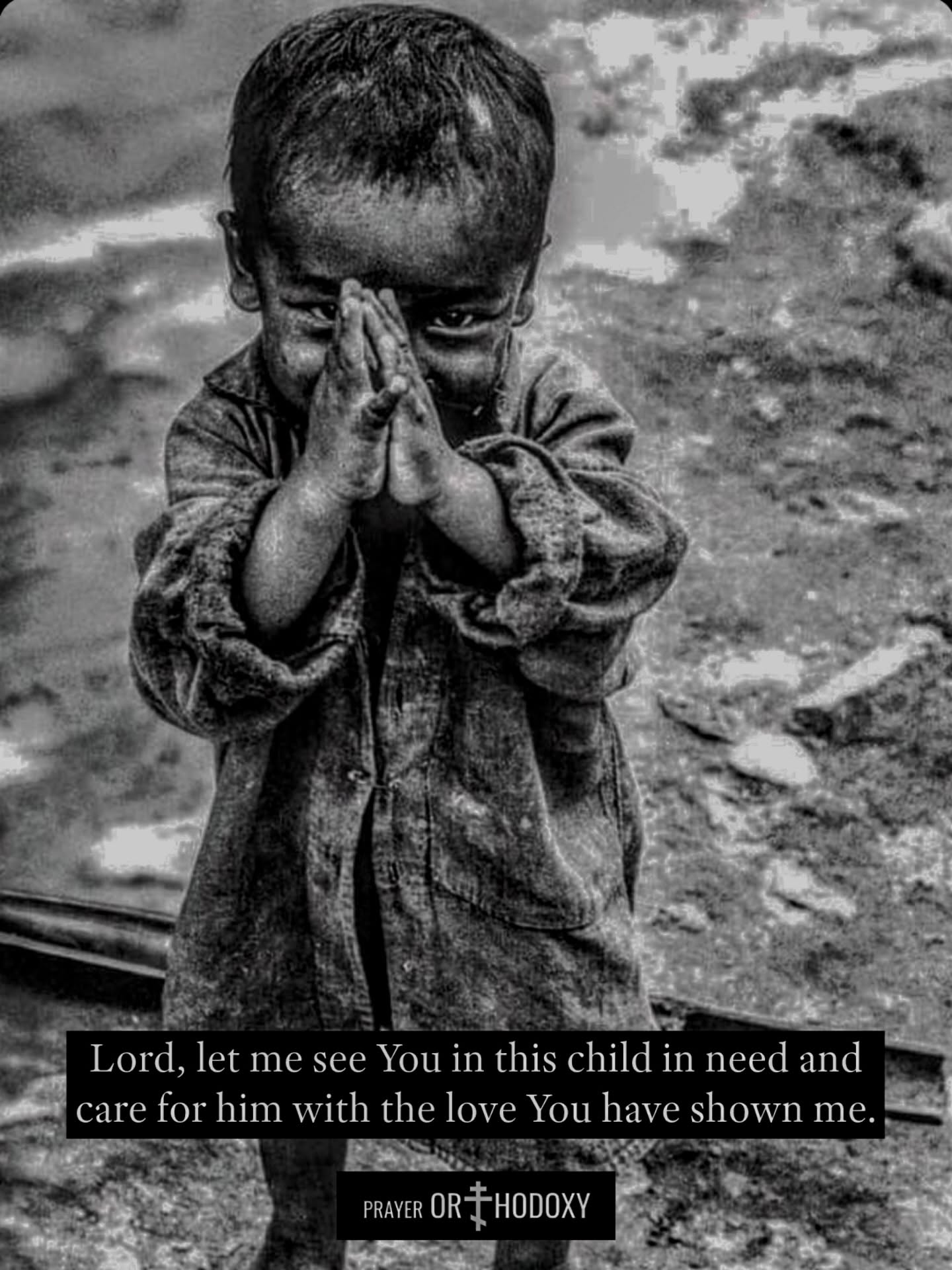
Prayer to see Christ in a child in need

The post presents a prayer asking God to help the one praying see Christ in a child in need and care for that child with the love God has shown. The prayer cites Matthew 25:40, where Jesus says that whatever is done for the least of his brothers and sisters is done for him.

  • Prayer asking to see Christ in a needy child
  • Based on Matthew 25:40 about serving the least
  • Presented in English and Greek
  • Attributed to Prayer Orthodoxy production
Read more
radioimlemesou Instagram

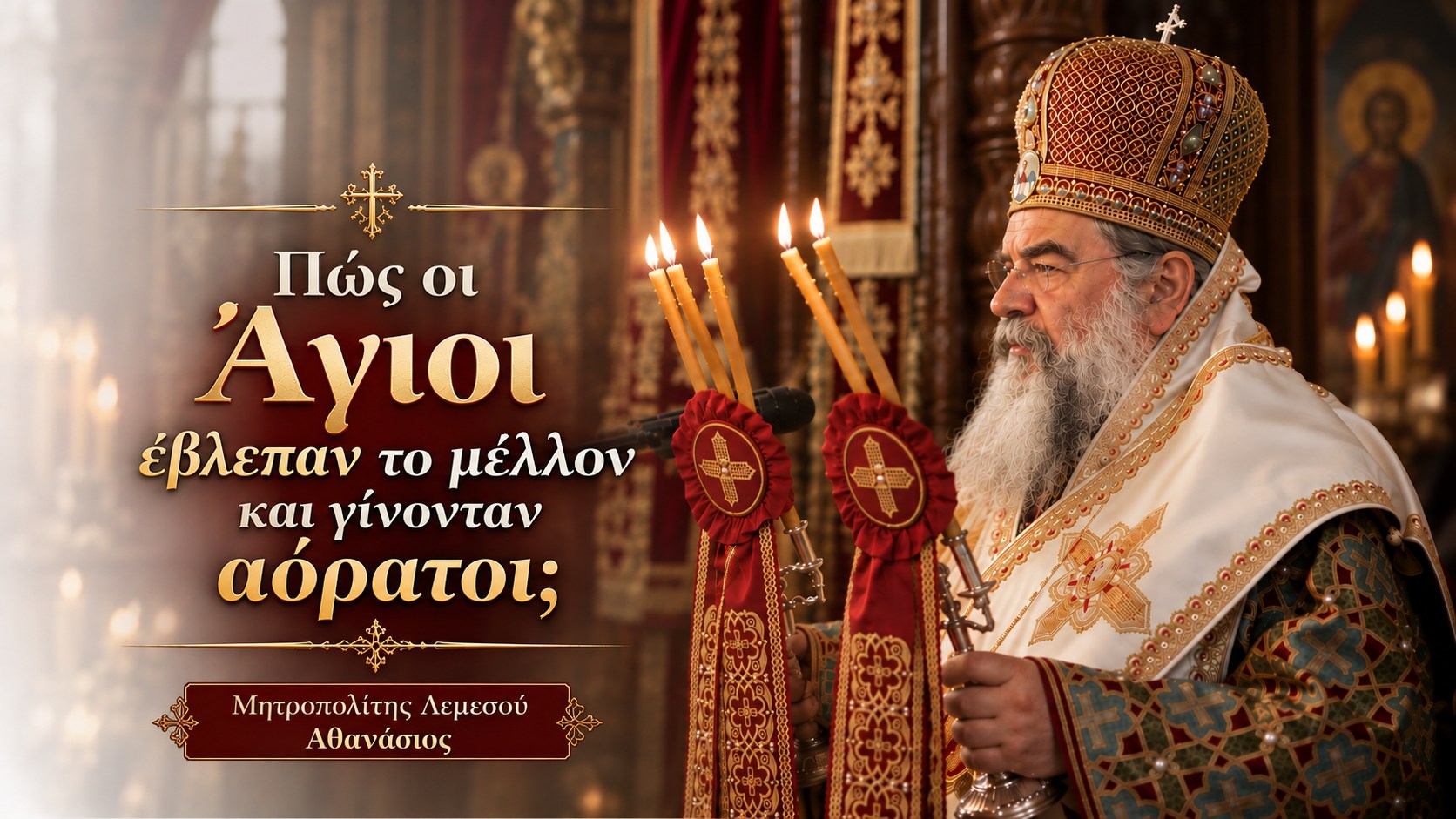
Metropolitan Athanasios of Limassol on the Holy Spirit and saints' gifts

Metropolitan Athanasios of Limassol speaks about the Holy Spirit in an excerpt from a talk. He explains the position and presence of the Holy Spirit in the life of the Church and the way it acts in human souls. The Metropolitan analyzes the significance of the grace of the Holy Spirit in spiritual life, stating that the Holy Spirit sanctifies, illumines, and transforms a person, leading him to deeper communion with God. He makes particular…

Metropolitan Athanasios of Limassol speaks about the Holy Spirit in an excerpt from a talk. He explains the position and presence of the Holy Spirit in the life of the Church and the way it acts in human souls. The Metropolitan analyzes the significance of the grace of the Holy Spirit in spiritual life, stating that the Holy Spirit sanctifies, illumines, and transforms a person, leading him to deeper communion with God.

He makes particular reference to the saints of the Church, who through the grace and energy of the Holy Spirit were deemed worthy to receive special spiritual gifts and to perform wonderful deeds. Through characteristic narratives and incidents from the lives of the saints, he refers to supernatural events such as foreknowledge of future events, the miraculous suspension of the flow of time, invisibility, and other unusual experiences, which, according to the relevant testimonies, took place by the grace of the Holy Spirit.

  • Metropolitan Athanasios of Limassol discusses the role of the Holy Spirit in the Church and in human souls.
  • He states that the Holy Spirit sanctifies, illumines, and transforms a person, leading to deeper communion with God.
  • He highlights saints who received special spiritual gifts and performed wonders through the Holy Spirit.
  • He gives examples of supernatural phenomena: foreknowledge, suspension of time, invisibility.
  • The excerpt is from a talk.
Prayer Orthodoxy ® with PSALTIKON Instagram

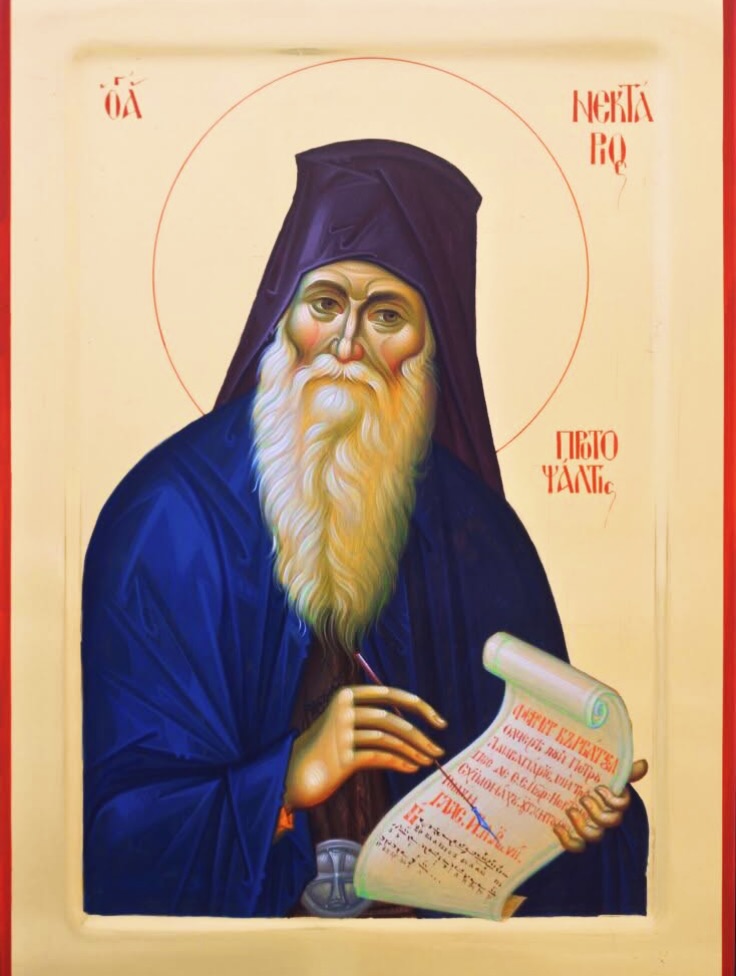
Venerable Nectarios the Protopsaltes of Prodromou commemorated November 18

The post commemorates Venerable Nectarios the Protopsaltes of Prodromou, whose feast day falls on November 18. It gives his name in Greek (Ὅσιος Νεκτάριος ὁ Πρωτοψάλτης τοῦ Προδρόμου), English (Venerable Nectarios the Protopsaltes of Prodromou), and Romanian (Sfântul Cuvios Nectarie Protopsaltul de la Prodromu). The title Protopsaltes indicates he served as chief cantor. No further biographical details, hymns, or teachings are provided in the text.

  • Feast day: November 18
  • Name given in Greek, English, and Romanian
  • Title Protopsaltes denotes chief cantor role
  • Commemoration post with Orthodox and Byzantine tags
Read more
CHRISTIANITY UNITED Instagram

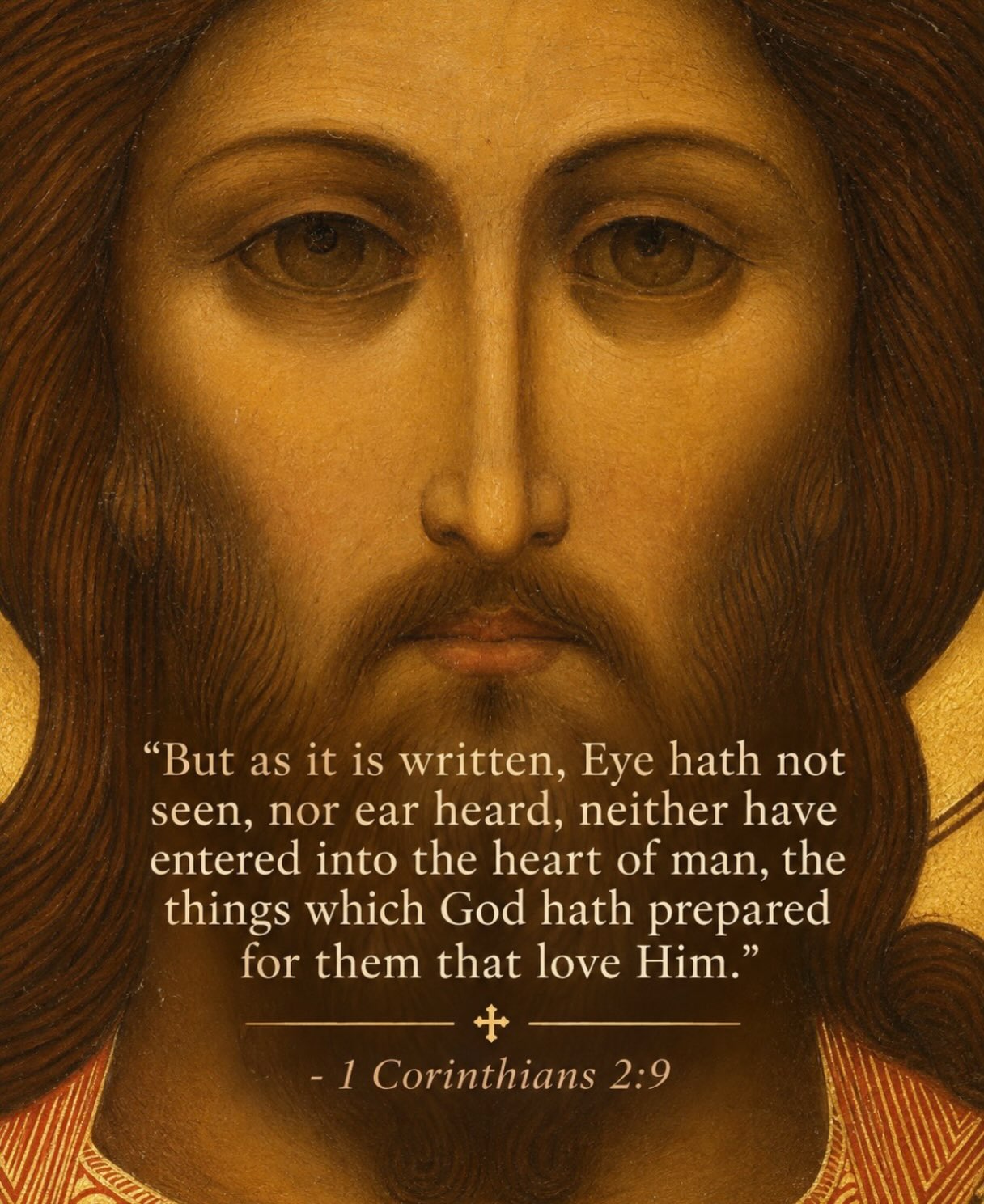
What God prepares for those who love Him exceeds imagination

The post reflects on 1 Corinthians 2:9, which states that eye has not seen, nor ear heard, nor has it entered the human heart what God has prepared for those who love Him. It addresses the worry that consumes daily life, future, problems, possessions, achievements, and difficulties, and the question of whether struggles to remain faithful to Christ are truly worth it. Saint Paul contrasts divine wisdom with the wisdom of this world's rulers, who…

The post reflects on 1 Corinthians 2:9, which states that eye has not seen, nor ear heard, nor has it entered the human heart what God has prepared for those who love Him. It addresses the worry that consumes daily life, future, problems, possessions, achievements, and difficulties, and the question of whether struggles to remain faithful to Christ are truly worth it.

Saint Paul contrasts divine wisdom with the wisdom of this world's rulers, who failed to recognize the Lord of Glory and crucified Him. What appeared as defeat on the Cross became the victory through which salvation was offered. God's wisdom is not limited by human understanding, and His plans are not measured by earthly expectations.

In the Orthodox Church, the Christian life is not simply waiting for Heaven; through prayer, repentance, the Holy Mysteries, and the grace of the Holy Spirit, believers are already invited into communion with God. Yet the fullness of what awaits those who love Him remains beyond present understanding. The saints endured persecution, poverty, and suffering because they understood that nothing in this temporary world could compare to eternal life in Christ.

Loving God is not merely about receiving a future reward; it is about desiring Him above everything else. When faith is tested, prayers seem unanswered, or the road ahead becomes uncertain, the post urges not to lose hope. We may not understand everything God permits, but we can trust His goodness and remain faithful.

The greatest treasure awaiting us is not something God will give us, but eternal communion with God Himself. The post concludes with a prayer: "Lord, teach us to love You above all things. Lord, for Your glory, not mine."

  • 1 Corinthians 2:9: what God prepares for those who love Him surpasses human imagination
  • Divine wisdom exceeds worldly wisdom; the Cross appeared as defeat but became victory
  • Orthodox life includes present communion with God through prayer, repentance, and the Mysteries
  • Saints endured suffering because eternal life in Christ outweighs all temporal things
  • Loving God means desiring Him above all, not seeking reward; trust His goodness in trials
Read more

Elder Ephraim: Catch Temptation Early, Like an Ant Before It Becomes a Lion

Elder Ephraim teaches that sin starts with one thought we let stay a little too long. The devil's method is to introduce a tiny thought or fantasy that appears harmless, like a little ant. If a person does not chase away and kill that small thought while it is easy to do so, it grows slowly and unnoticed. The small thought eventually becomes like a wild, large lion that is very difficult and dangerous to fight. The moment to deal with temptation…

Elder Ephraim teaches that sin starts with one thought we let stay a little too long. The devil's method is to introduce a tiny thought or fantasy that appears harmless, like a little ant. If a person does not chase away and kill that small thought while it is easy to do so, it grows slowly and unnoticed.

The small thought eventually becomes like a wild, large lion that is very difficult and dangerous to fight. The moment to deal with temptation is at the very start, while it is still easy to brush away. Leave it, and it grows quietly until the fight is much harder.

The teaching urges striking at evil from the beginning, because once it becomes a lion it can inflict serious harm. This Nativity Fast, the post encourages trying to catch the small thoughts early and saying the Jesus Prayer the moment one arrives. When a person ignores a minor sinful thought or fantasy instead of rejecting it immediately, that thought grows imperceptibly from an ant into a lion.

By the time the person tries to confront it, the struggle has become difficult and dangerous. The teaching urges striking at evil from the very beginning while it is still small and easy to overcome.

Key moments

  1. The devil's method is to introduce a tiny thought or fantasy that appears harmless, like a little ant.
  2. If a person does not chase away and kill that small thought while it is easy to do so, it grows slowly and unnoticed.
  3. The small thought eventually becomes like a wild, large lion that is very difficult and dangerous to fight.
  4. One must strike at the evil from the beginning, because once it becomes a lion it can inflict serious harm.
Read more

St. Nektarios: Pure heart finds God in the Church's grace

The post shares a saying attributed to St. Nektarios the Wonderworker. It states that a person impelled by a pure heart discovers God in the world of grace of the Church, while the evil man remains far from that grace.

  • St. Nektarios teaches that a pure heart leads to discovering God in the Church's grace.
  • The evil man is far removed from that grace.

Trusting God when He seems silent: faith tested by suffering

The speaker asks how anyone knows they truly trust God if their faith has never been tested. It is easy to believe when life goes well, but faith is proven when prayers go unanswered, loved ones are lost, and God seems silent. James 1:2-3 teaches that trials produce patience, and the Orthodox Church sees suffering endured with faith as spiritual purification, like gold refined by fire. Job lost everything yet declared, "Though he slay me, yet I…

The speaker asks how anyone knows they truly trust God if their faith has never been tested. It is easy to believe when life goes well, but faith is proven when prayers go unanswered, loved ones are lost, and God seems silent. James 1:2-3 teaches that trials produce patience, and the Orthodox Church sees suffering endured with faith as spiritual purification, like gold refined by fire.

Job lost everything yet declared, "Though he slay me, yet I will trust him," showing trust based on who God is, not on understanding circumstances. The speaker distinguishes believing God exists from remaining faithful to Him, noting even demons believe, as James 2:19 states. He admits his own faith is still being refined through humility, obedience, and repentance, but he has no doubt Christ is real and loves him; his struggle is learning to love Christ and stay faithful when life does not make sense.

Key moments

  1. 0:00 Faith is only truly tested when life falls apart, when prayers go unanswered, loved ones are lost, and God seems silent.
  2. 0:37 James 1:2-3 says to count trials as joy because the testing of faith produces patience, and the Orthodox Church teaches that suffering endured with faith becomes spiritual purification, like gold refined by fire.
  3. 1:09 Job lost his possessions, children, and health, yet declared, "Though he slay me, yet I will trust him," trusting God because of who He is, not because he understood his suffering.
  4. 1:09 There is a difference between believing God exists and remaining faithful to Him; even demons believe God exists, as James 2:19 states.
  5. 1:40 The speaker acknowledges his faith is still being refined through humility, obedience, and repentance, but he has no doubt Jesus Christ is real and loves him.
  6. 1:40 His greatest struggle is not believing Christ exists, but learning to love Him and remain faithful when carrying a cross he never asked for.
Read more
CHRISTIANITY UNITED with Atanasij Instagram

Saint Paisios of Mount Athos: Life at Panagouda Cell

The post describes the life of Saint Paisios at Panagouda, his humble cell on Mount Athos where he lived from 1979 until 1993. It notes his dedication to prayer, fasting, humility, and love for others. Despite poor health and personal struggles, he welcomed thousands of pilgrims who came for his blessing, spiritual guidance, and comfort. The text emphasizes that he owned very little yet gave much, presenting his life as an example of faith,…

The post describes the life of Saint Paisios at Panagouda, his humble cell on Mount Athos where he lived from 1979 until 1993. It notes his dedication to prayer, fasting, humility, and love for others. Despite poor health and personal struggles, he welcomed thousands of pilgrims who came for his blessing, spiritual guidance, and comfort.

The text emphasizes that he owned very little yet gave much, presenting his life as an example of faith, sacrifice, and love for God. Saint Paisios reposed on July 12, 1994, and his spiritual legacy continues to touch millions worldwide. The post includes his saying: "The more a person forgets himself, the more God remembers him."

  • Lived at Panagouda cell on Mount Athos from 1979 to 1993
  • Known for prayer, fasting, humility, and compassion toward pilgrims
  • Welcomed thousands despite poor health and personal struggles
  • Owned little but gave much; example of faith and sacrifice
  • Died July 12, 1994; legacy continues worldwide with his words remembered
Read more

The Theotokos as Model and Protectress of Mount Athos

The post presents the Orthodox Church's veneration of the Most Holy Theotokos as the model of purity, obedience, and complete devotion to God for nearly two thousand years. It states the ancient tradition that Mount Athos became her inheritance and is known as the Garden of the Panagia. For over a thousand years, monks have lived and prayed on the Holy Mountain under her protection, continually invoking her intercession with the prayer "Most Holy Theotokos, save us" (Υπεραγία Θεοτόκε, σώσον ημάς).

  • The Church has honored the Theotokos as model of purity, obedience, and devotion for nearly 2000 years
  • Ancient tradition holds Mount Athos as the Theotokos's inheritance, called the Garden of the Panagia
  • Monks have lived and prayed on Mount Athos under her protection for over 1000 years
  • The continual monastic prayer is "Most Holy Theotokos, save us" in Greek and English
  • The post presents this teaching in both English and Greek
Read more
Anthony’s Cell YouTube

Archbishop Seraphim Warns Against Paganized Christmas, Urges Orthodox Nativity Observance

Archbishop Seraphim Warns Against Paganized Christmas, Urges Orthodox Nativity Observance 5:29

Archbishop Seraphim of Chicago, who reposed in 1987, contrasts the secular American Christmas with the Orthodox celebration of the Nativity in a pastoral message translated by Alexander Morin. He warns that the December holiday has become increasingly pagan and commercial, centered on unnecessary shopping and the figure of Santa Claus, whom he calls a blasphemous caricature of Saint Nicholas the Wonderworker of Myra, noting that Roman Catholics…

Archbishop Seraphim of Chicago, who reposed in 1987, contrasts the secular American Christmas with the Orthodox celebration of the Nativity in a pastoral message translated by Alexander Morin. He warns that the December holiday has become increasingly pagan and commercial, centered on unnecessary shopping and the figure of Santa Claus, whom he calls a blasphemous caricature of Saint Nicholas the Wonderworker of Myra, noting that Roman Catholics removed Saint Nicholas from their calendar of saints.

The kind image of Christ is supplanted by this secular figure, and the God-Child Christ is hardly given any thought. The Archbishop urges the faithful to observe the remaining days of the Nativity Fast, attend the beautiful church services on the eve of the feast, and take leave from work or school on the feast day itself, even at the cost of a day's wages.

He encourages visiting clergy, family, and friends to reinforce the joy of the festival, and inviting the poor and lonely to share the Nativity meal to warm them with kindness. Celebration should be marked by spiritual joy rather than uncontrolled drunken parties; he notes that the Holy Gospels mention joy nearly twenty times but gladness only once, and even then joined with joy.

He proposes a practical division of customs: on the American Christmas, give gifts to family and friends; on the Orthodox Nativity, perform charitable deeds by sending care packages to the needy, churches, and charitable organizations. The message concludes that blessed are those who maintain fasting and prayer throughout the entire Nativity Fast, leaving aside all celebration until the Orthodox Nativity.

The reading cites Luke 1:13-14 regarding the birth of Saint John the Baptist as a scriptural anchor for true spiritual joy.

Key moments

  1. 0:32 American Christmas is acquiring a more pagan character, wasting time on unnecessary shopping while inner spiritual concerns are forgotten and the Nativity of Christ is hardly given any thought.
  2. 1:04 The kind image of Christ is supplanted by Santa Claus, a blasphemous caricature of St. Nicholas the Wonderworker of Myra, whom Roman Catholics removed from their calendar of saints.
  3. 1:34 The faithful should prepare spiritually in the Orthodox way for the Nativity feast: fast for the remainder of Lent, attend church on the holy eve, and take leave from work or school on the feast day even at the cost of a day's wages.
  4. 2:38 Sanctify the whole day of the Incarnation; visit clergy, family, and friends to reinforce the joy of the festival, and invite the poor and lonely to the Nativity dinner to warm them with kindness.
  5. 3:09 Celebrate spiritually, not with uncontrolled drunken parties; the Holy Gospels mention joy nearly twenty times but gladness only once, and even then joined with joy.
  6. 4:11 Gift-giving customs can be divided: on American Christmas give gifts to family and friends; on the Orthodox Nativity perform good deeds by sending care packages to the needy, churches, and charitable organizations.
  7. 4:41 Blessed are those who maintain fasting and prayer throughout the entire Nativity fast, leaving aside all celebration until the Orthodox Nativity.
Francesco Hasibra Instagram

Why Orthodox Christians Pray Facing East

St. John of Damascus wrote a whole chapter on the question of why Christians pray facing East. He drew on several scriptural foundations. In Genesis, God placed the garden of paradise in the East, making the East the location of humanity's original communion with God. The prophet Malachi spoke of a sun that would rise with healing in its wings, and Christians have identified that sun as Christ, the Sun of Righteousness who brings salvation.…

St. John of Damascus wrote a whole chapter on the question of why Christians pray facing East. He drew on several scriptural foundations. In Genesis, God placed the garden of paradise in the East, making the East the location of humanity's original communion with God. The prophet Malachi spoke of a sun that would rise with healing in its wings, and Christians have identified that sun as Christ, the Sun of Righteousness who brings salvation.

Christ himself said that his return would be like lightning flashing from the East and shining to the West, linking the direction of the East with the parousia. Because of these scriptural witnesses, Orthodox churches are traditionally built with their altars facing East. The altar represents the throne of God, and the congregation faces the same direction as the priest, together looking toward the coming Lord.

This architectural orientation is not merely symbolic; it expresses the eschatological hope of the Church. Orthodox Christians also pray facing East in their homes, turning their bodies toward the rising sun as a daily enactment of watching for Christ. The practice is not random or cultural; it is a deliberate turning toward Christ and an expression of waiting for his return in glory.

By facing East, the faithful align themselves with the biblical narrative that begins in the garden of Eden, continues through the prophets, and culminates in the promise of the second coming. The direction thus serves as a constant reminder of where Christ has been revealed and where he will appear again.

Key moments

  1. St. John of Damascus wrote a whole chapter on the question of why Christians pray facing East.
  2. Genesis describes God making a garden in the East, which is paradise.
  3. The prophet Malachi said a sun would rise and bring healing, and Christians believe that sun is Christ.
  4. Christ said his return would be like lightning flashing from the East.
  5. Orthodox churches are traditionally built with altars facing East.
  6. Orthodox Christians pray facing East even at home.
  7. Christians face East not randomly but to face Christ and wait for his return.
Read more

Four Saints on Prayer, Humility, Forgiveness, and Fasting

The post collects four quotations from Orthodox saints that address aspects of spiritual life. St. Barsanuphius of Optina speaks to the experience of prayer becoming inattentive and mechanical. He advises against discouragement and points out that at the hour of prayer with the name of the Lord Jesus Christ, even the mouth is sanctified. St. Isaac the Syrian, a seventh-century father, describes a pattern in which God allows greater temptations…

The post collects four quotations from Orthodox saints that address aspects of spiritual life. St. Barsanuphius of Optina speaks to the experience of prayer becoming inattentive and mechanical. He advises against discouragement and points out that at the hour of prayer with the name of the Lord Jesus Christ, even the mouth is sanctified.

St. Isaac the Syrian, a seventh-century father, describes a pattern in which God allows greater temptations to come upon a person who begins to have great ideas about himself. The purpose of these temptations is to defeat the person so that he is humbled and seeks God's help again. St. Silouan the Athonite formulates a law connecting the forgiveness of others to the forgiveness of God.

He states that if you forgive, it means God has forgiven you, but if you do not forgive your brother, it means your sin remains with you. St. Basil the Great redefines true fasting as more than abstinence from food. He lists estrangement from evil, temperance of tongue, abstinence from anger, separation from desires, slander, falsehood, and perjury, and says that privation of these is true fasting.

  • St. Barsanuphius of Optina: inattentive prayer should not discourage; invoking Jesus' name sanctifies the mouth
  • St. Isaac the Syrian: God permits greater temptations to humble those who think highly of themselves
  • St. Silouan the Athonite: forgiveness of others is the sign of God's forgiveness; withholding forgiveness retains sin
  • St. Basil the Great: true fasting is abstinence from evil, anger, slander, falsehood, and perjury, not only from food
Read more

Children of the Resurrection: Light Overflows in Jerusalem

The post consists of an Arabic declaration, "We are children of the resurrection and salt of this earth", paired with a video description of Paschal celebration in Jerusalem. The video portrays bells ringing and light flooding the Old City, summoning Jerusalem to rejoice because this is the day the Lord has made. The light of Christ, which knows no evening, dispels darkness as a sign of Jesus Christ's resurrection from the dead. The bells of all…

The post consists of an Arabic declaration, "We are children of the resurrection and salt of this earth", paired with a video description of Paschal celebration in Jerusalem. The video portrays bells ringing and light flooding the Old City, summoning Jerusalem to rejoice because this is the day the Lord has made. The light of Christ, which knows no evening, dispels darkness as a sign of Jesus Christ's resurrection from the dead.

The bells of all churches join in the celebration. The text and imagery together affirm the identity of Christians as participants in the resurrection and as salt preserving the world, while grounding that identity in the historic and liturgical reality of Jerusalem's churches proclaiming the feast.

Key moments

  1. The bells ring and light overflows, calling the old city Jerusalem to rejoice on the day the Lord has made.
  2. Darkness dissipates in the light of Christ, which knows no evening, as a sign of Christ's resurrection, and all church bells ring in celebration.
Read more
Prayer Orthodoxy ® Instagram

Why Orthodox Christians ask saints to pray for them

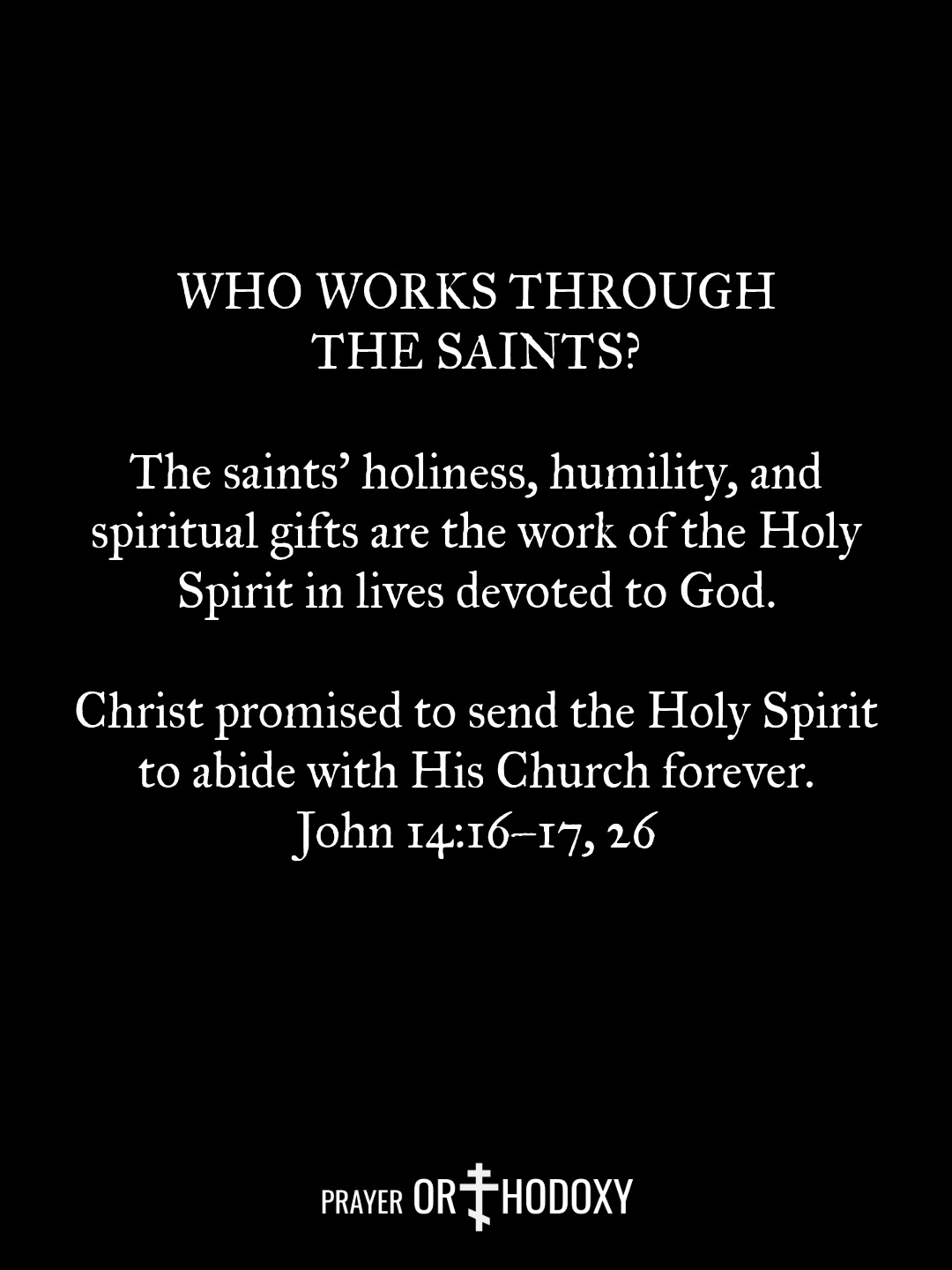
The post explains the Orthodox understanding of the communion of saints and why believers ask for their prayers. It begins with Christ's words that God is not the God of the dead but of the living, showing that saints remain alive in Christ and members of His Body. Their holiness and spiritual gifts are the work of the Holy Spirit, whom Christ promised to send to abide with the Church forever. Scripture lists gifts such as prophecy, healing, and…

The post explains the Orthodox understanding of the communion of saints and why believers ask for their prayers. It begins with Christ's words that God is not the God of the dead but of the living, showing that saints remain alive in Christ and members of His Body. Their holiness and spiritual gifts are the work of the Holy Spirit, whom Christ promised to send to abide with the Church forever.

Scripture lists gifts such as prophecy, healing, and discernment given by the Spirit according to God's will. To honor the saints is to honor the grace of God at work in them. The same apostolic faith that gave the Church its Scriptures calls believers to prayer, fasting, repentance, confession, and Eucharistic communion, as described in Acts 2:42. Asking saints to pray does not replace Christ's unique mediation; 1 Timothy 2:1-5 affirms both Christ's sole mediatorship and the Christian duty to intercede for one another.

The saints pray with and for the faithful. Worship belongs to God alone. The post concludes by listing the practices Christ and the Apostles command, prayer, fasting, repentance, mercy, forgiveness, as the way to respond to God's grace and follow the example of the saints.

  • Saints are alive in Christ, not dead, based on Mark 12:27
  • Their holiness and gifts are the Holy Spirit's work, promised in John 14:16-17, 26
  • Spiritual gifts such as prophecy and healing come through the Spirit, per 1 Corinthians 12:7-11
  • Asking saints to pray aligns with 1 Timothy 2:1-5 on Christian intercession
  • Apostolic life includes prayer, fasting, repentance, confession, and the Eucharist (Acts 2:42)
Read more