

Repentance as rebirth from God and the narrow path to peace
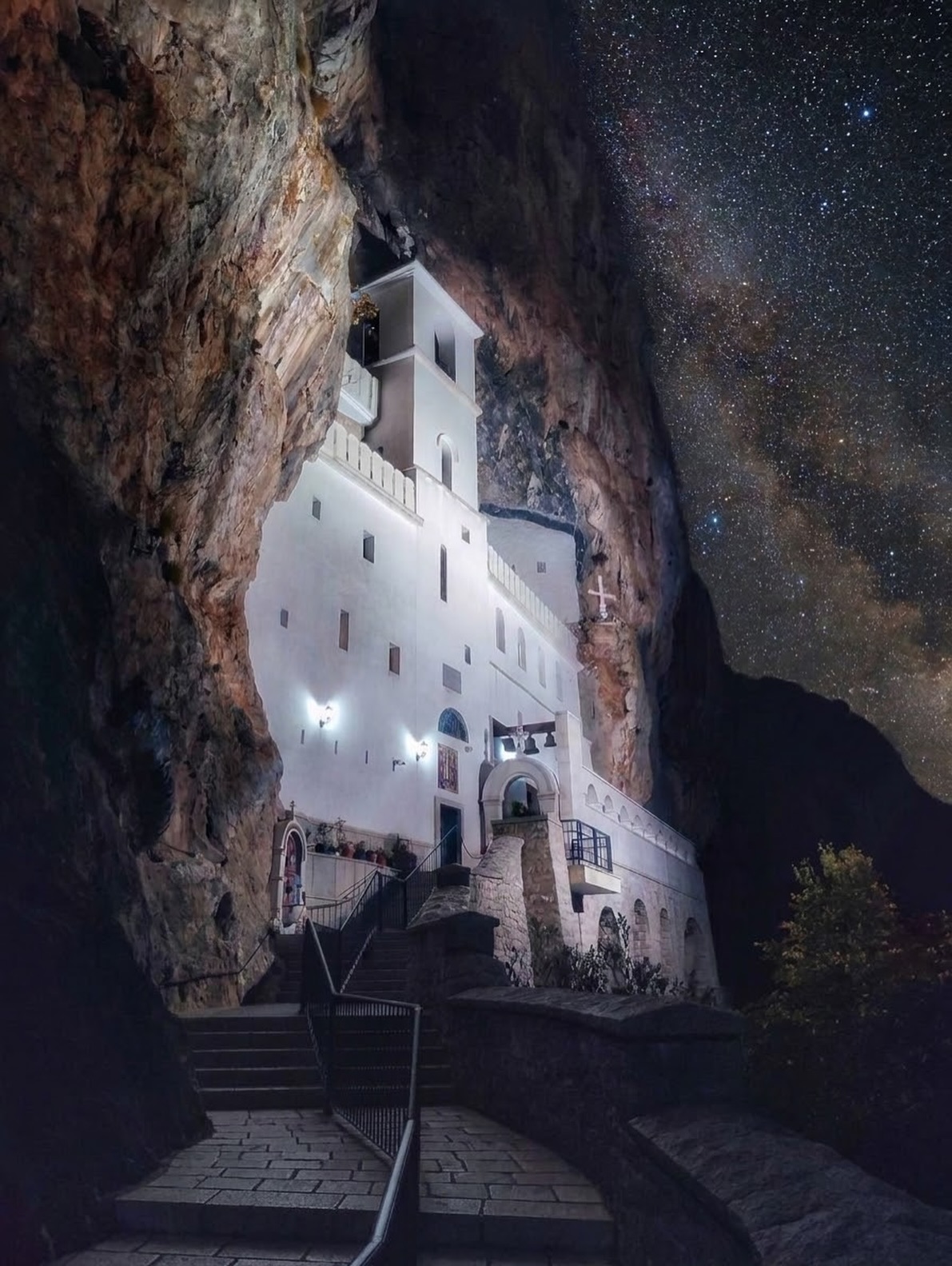
The author reflects on repentance as a spiritual rebirth from God and the soul's return to true freedom. Repentance is described as the mortification of sin and the beginning of innocence, bringing peace to heart and soul. The text portrays the moment when the soul casts off earthly burdens and, in the silence of the heart, cries out to the Lord.
In response, stones open before it and divine light illuminates the paths leading to the heavenly kingdom. The author contrasts the broad road traveled by many with the narrow, steep path of the heart that loves God. On this path, a person remains alone with the Creator, finding a peace that the world can neither give nor take away.
The reflection presents repentance not merely as regret but as a fundamental reorientation of the soul toward God, framed as a divine gift that restores the soul to its true liberty. The language of mortification and innocence echoes patristic theology, where repentance kills the old man and restores the baptismal garment. The image of the soul shedding earthly burdens in the silence of the heart recalls the hesychast tradition of inner stillness.
The opening of stones and illumination by divine light evokes both the resurrection narrative and the transformative power of grace. The narrow path is explicitly identified with the heart that loves God, a path of solitude with the Creator rather than worldly company. The peace found there is distinguished from worldly peace by its inviolability.
The final metaphor of the heart as a temple and prayer as incense draws on liturgical and biblical imagery, while the closing reference to the Lord's nearness to the brokenhearted cites Psalm 34:19 (LXX 33:19) / Psalm 51:19. The post is accompanied by a photograph credited to @vaske13 and tagged with references to Ostrog monastery in Nikšić, Montenegro.
Main points
- Repentance defined as rebirth from God, return to true freedom, mortification of sin, beginning of innocence, and peace of heart and soul.
- The soul that casts off earthly burdens and cries to God in silence encounters opened stones and divine light on the path to the heavenly kingdom.
- The narrow, steep path of the heart that loves God is contrasted with the broad road; on it one stands alone with the Creator, finding peace the world cannot give or take.
- The heart is urged to become a temple and prayer to rise as incense to the heavenly stars.
- The reflection closes with the scriptural assurance that the Lord is near to the brokenhearted and humble in spirit (Psalm 34:19 / 51:19).