WeOrthodox
EN UA

Појединац, Породица и Друштво

Instagram ↗ 209 discussions

Ова страница је посвећена ПРАВОСЛАВЉУ и ДОБРОТОЉУБЉУ🫒

Seeking the Kingdom First: True Good Beyond Material Success

The speaker explains that every person seeks what is good for his life, but without understanding what is truly good he brings harm to himself and others because he does not see how his actions serve real benefit. When a person understands the essence of life, he realizes true good both spiritually and materially by seeking first the Kingdom of God, and the Lord adds all other things. External goods such as wealth and career do not give peace or…

The speaker explains that every person seeks what is good for his life, but without understanding what is truly good he brings harm to himself and others because he does not see how his actions serve real benefit. When a person understands the essence of life, he realizes true good both spiritually and materially by seeking first the Kingdom of God, and the Lord adds all other things.

External goods such as wealth and career do not give peace or joy if the conscience is not in order; departing from the path of truth means material success brings nothing good. The teaching draws on the Gospel principle that seeking God's Kingdom first reorders all other pursuits. The speaker contrasts the pursuit of external goods with the inner state of a properly ordered conscience, noting that wealth and career advancement cannot produce genuine peace or joy when a person has strayed from the way of truth.

Material arrangements and professional achievements do not benefit someone who has left the path of true life; they bring nothing good. The message emphasizes that spiritual orientation determines whether material things become a blessing or remain empty.

Key moments

  1. 0:00 Every person seeks the good of his life, but without awareness of what is truly good he brings only harm to himself because he does not understand how his actions serve his own benefit, others, and society.
  2. 0:38 If a person understands the essence of life, he truly realizes himself and receives true good both spiritually and materially by seeking first the Kingdom of God.
  3. 0:38 The Lord adopts his good and adds everything else, but this is not connected to peace of soul that can come from abundance or wealth.
  4. 1:19 When a person pursues external goods, his conscience is not in order, and he has no peace or joy because those goods do not let him truly feel joy and peace in life.
  5. 1:49 When a person departs from the way of truth, he cannot walk the path of true life, and career or material arrangement does not benefit him, it brings nothing good.
Read more

Icon of the Theotokos at Dečani and a Child's Joy

The post presents an icon of the Mother of God, the patroness of Dečani Monastery. The icon was painted to revive a historical fresco of the Theotokos who, according to tradition, protected the monastery during difficult times from many temptations and attacks. The author shares the icon with joy and gratitude, describing a child's heart full of joy before the image. A hymn titled "Theotokos Rejoice" was composed for the occasion, matching the…

The post presents an icon of the Mother of God, the patroness of Dečani Monastery. The icon was painted to revive a historical fresco of the Theotokos who, according to tradition, protected the monastery during difficult times from many temptations and attacks. The author shares the icon with joy and gratitude, describing a child's heart full of joy before the image.

A hymn titled "Theotokos Rejoice" was composed for the occasion, matching the spirit of the scene and the joy it conveys. The post reflects on the gift of God's love as seen through a child's sincere love.

  • Icon of the Theotokos as protector of Dečani Monastery
  • Painted to revive a historical fresco
  • Tradition of the Theotokos guarding the monastery in hard times
  • A child's joy before the icon shared with gratitude
  • Accompanying hymn "Theotokos Rejoice" composed for the icon
Read more

Four spiritual maxims from the book "Jasika"

The post shares four numbered passages from the Serbian Orthodox book "Jasika". The first states that wherever the light of God is not bound in a stance, thought, word, or deed, there is darkness. The second says a soul that loves God does not trust itself but trusts Him. The third is a prayer: "Lord make me good! Let love be both my form and essence." The fourth declares that when one does not resemble God, one is nothing and walks no one's path.

  • Where God's light is absent in thought, word, or deed, there is darkness
  • A soul that loves God trusts Him, not itself
  • Prayer for goodness and for love to become one's form and essence
  • Without resemblance to God, a person is nothing and walks no path
Read more

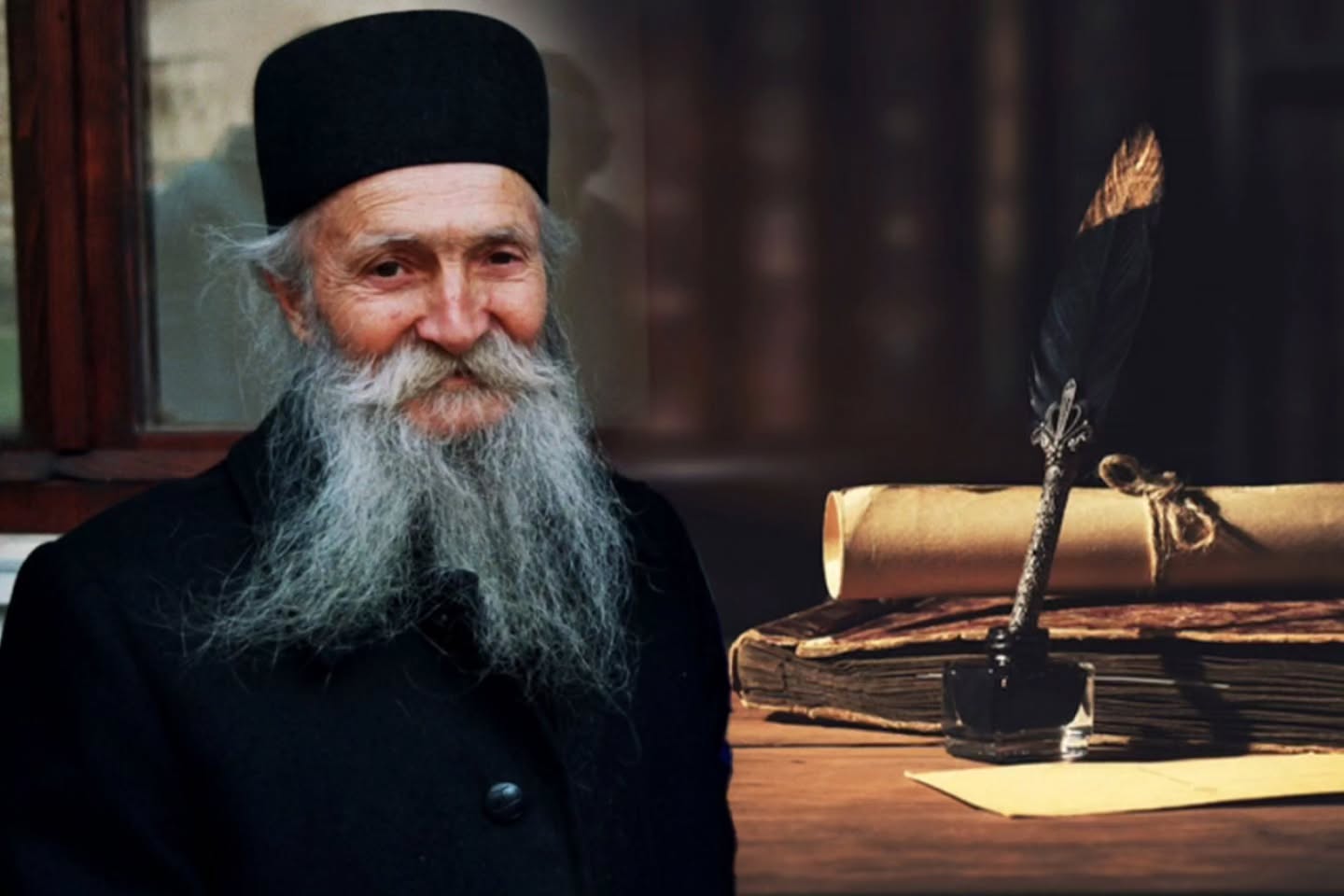
Father Tadej: Good Thoughts Heal Family Discord

Father Tadej teaches that human thought possesses great power for good or destruction. People are often unaware of the influence of their positive and negative thoughts. Family discord, quarrels, illnesses, and major misfortunes stem from the rusty thoughts of family members. The first and only condition for changing a corrupt family climate is a change of mind in its leading members. He urges consciously sending good thoughts, thoughts of love…

Father Tadej teaches that human thought possesses great power for good or destruction. People are often unaware of the influence of their positive and negative thoughts. Family discord, quarrels, illnesses, and major misfortunes stem from the rusty thoughts of family members.

The first and only condition for changing a corrupt family climate is a change of mind in its leading members. He urges consciously sending good thoughts, thoughts of love and good wishes, to those who hate, insult, or do not love you. Through personal example one can verify the power of good thoughts.

Sick and unruly children are so because of their parents and the discord between them. The same dynamic occurs in workplaces, factories, schools, and hospitals. He advises stopping evil thoughts about one's boss or colleague and turning them into good thoughts, which will change the behavior of those considered enemies.

If even one person in a family is devoted to God, everything in that family changes. That person acts as a catalyst: soothing embittered spirits and transforming disharmony into harmony. The measure of his divine grace determines his humble mission in the family.

  • Human thought has power to do good or destroy
  • Family discord and illness result from negative thoughts of members
  • Changing family climate requires leading members to change their thoughts
  • Sending good thoughts to enemies transforms relationships
  • One God-devoted person in a family acts as a catalyst for harmony
Read more

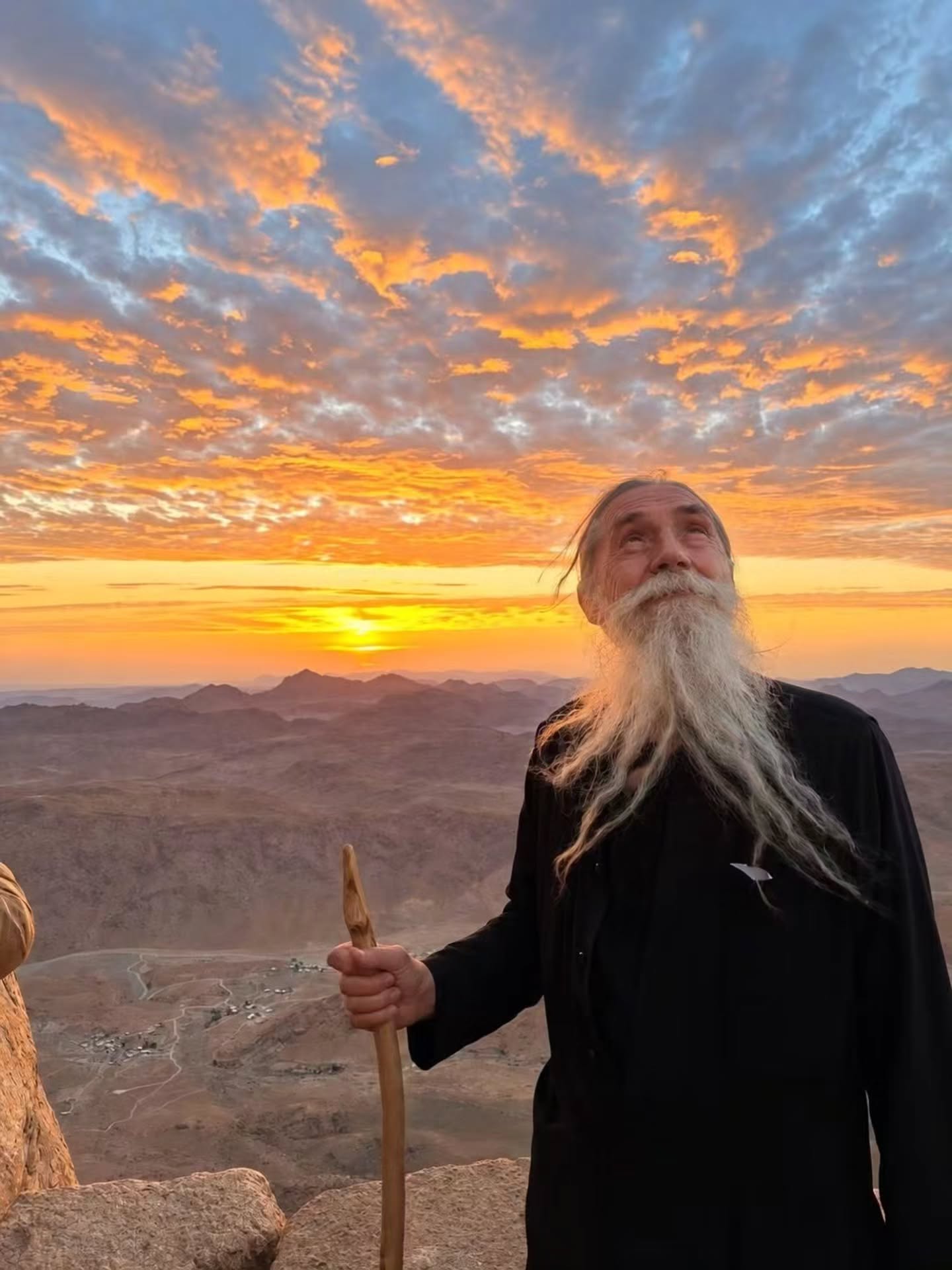
Sinai's spiritual heritage and a monk's silence

The post shows Archimandrite Benedict (Jovanović) standing in silence on Mount Sinai at sunrise. The text explains Sinai's place in biblical and Christian tradition. According to Exodus, Moses received the Ten Commandments on this mountain, and God appeared to him in the burning bush that was not consumed. At the foot of the mountain stands the Orthodox Monastery of St. Catherine, one of the most important centers of ancient Christian…

The post shows Archimandrite Benedict (Jovanović) standing in silence on Mount Sinai at sunrise. The text explains Sinai's place in biblical and Christian tradition. According to Exodus, Moses received the Ten Commandments on this mountain, and God appeared to him in the burning bush that was not consumed.

At the foot of the mountain stands the Orthodox Monastery of St. Catherine, one of the most important centers of ancient Christian monasticism. The monastery preserves valuable Christian icons and manuscripts, as well as the tradition of St. Catherine the Great Martyr. Sinai is also the site of the spiritual struggle of St. John Climacus, who served as abbot of the Sinai monastery and wrote the famous "Ladder", one of the most significant works of Orthodox ascetic literature.

The Sinai spiritual heritage bears witness to centuries of prayer, monastic life, and devotion to God.

  • Photo of Archimandrite Benedict (Jovanović) on Mount Sinai at sunrise
  • Sinai as the mountain where Moses received the Ten Commandments
  • The burning bush theophany at Sinai
  • St. Catherine's Monastery preserves icons, manuscripts, and St. Catherine's tradition
  • St. John Climacus wrote The Ladder while abbot of the Sinai monastery
Read more

Church on Mount Rumija: faith as living tradition and ancestral heritage

The post shares photographs of a church on Mount Rumija in Montenegro, taken at night under a moonlit sky. The accompanying text reflects that faith is not merely a word but a tradition preserved, a prayer offered, and love for the shrines handed down by ancestors. The author thanks Aleksandar and his brother for providing the images. The church sits on a rocky hill, its bell tower and crosses silhouetted against the moon. The reflection…

The post shares photographs of a church on Mount Rumija in Montenegro, taken at night under a moonlit sky. The accompanying text reflects that faith is not merely a word but a tradition preserved, a prayer offered, and love for the shrines handed down by ancestors. The author thanks Aleksandar and his brother for providing the images.

The church sits on a rocky hill, its bell tower and crosses silhouetted against the moon. The reflection connects the physical presence of the church to the continuity of Orthodox practice and reverence for holy places maintained across generations.

  • Photographs show a church on Mount Rumija at night under moonlight
  • Text describes faith as preserved tradition, prayer, and love for ancestral shrines
  • Author credits Aleksandar and his brother for the images
  • Church bell tower with crosses visible against the moon
  • Reflection ties the physical church to continuity of Orthodox heritage
Read more

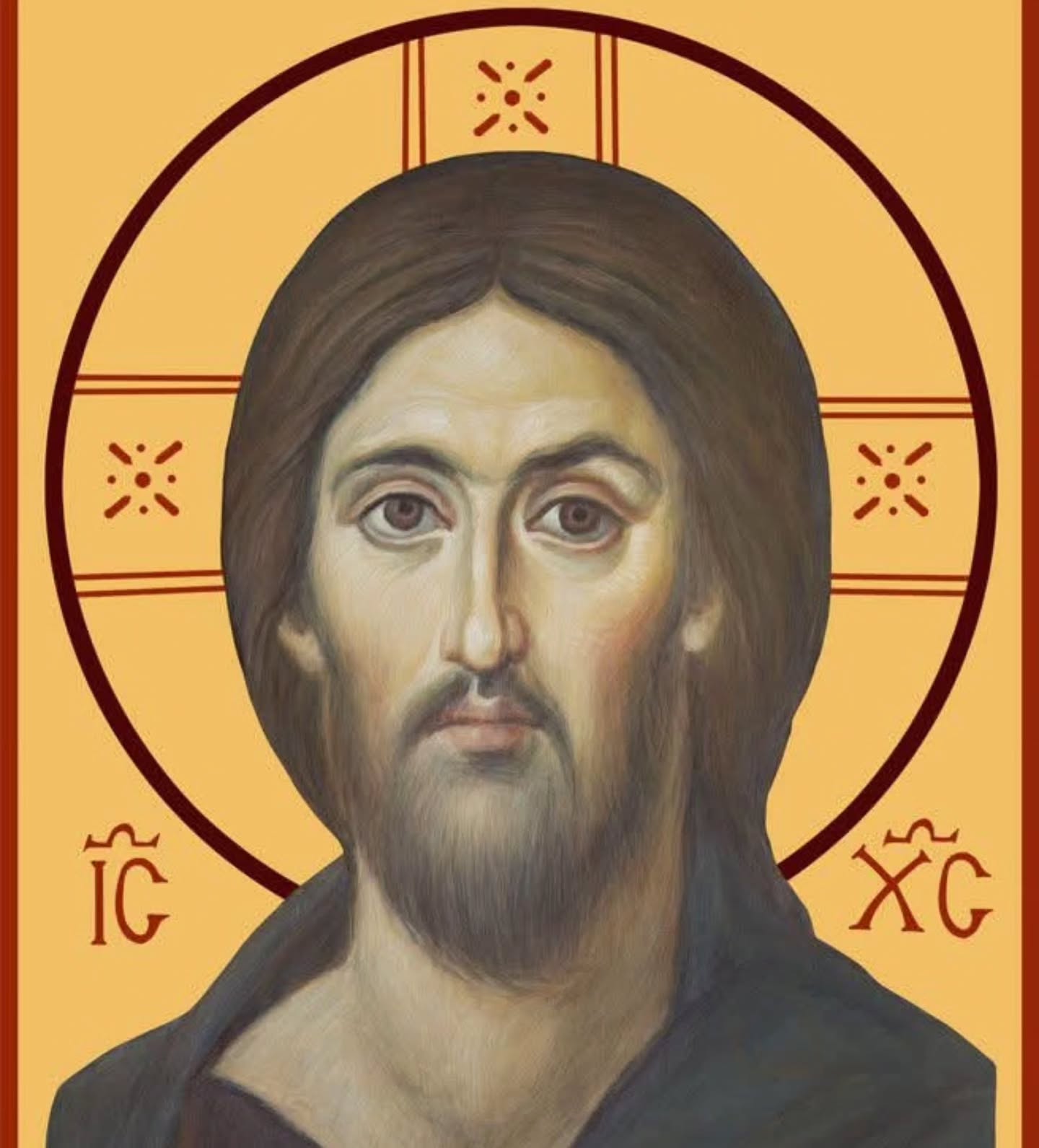
Saint Porphyrios on spiritual health and Christ's light

Saint Porphyrios of Kavsokalyvia contrasts two states of the soul: one marked by gentleness, humility, peace, and love, the other by nervousness, hatred, and constant quarreling. He states plainly that love is the higher state. Those who deny this truth, he says, are spiritually ill. Sin causes a person to become spiritually disturbed, and this imbalance cannot be corrected by any human means. Resolution comes only through the light of Christ.…

Saint Porphyrios of Kavsokalyvia contrasts two states of the soul: one marked by gentleness, humility, peace, and love, the other by nervousness, hatred, and constant quarreling. He states plainly that love is the higher state. Those who deny this truth, he says, are spiritually ill. Sin causes a person to become spiritually disturbed, and this imbalance cannot be corrected by any human means.

Resolution comes only through the light of Christ. The saint describes the process: Christ makes the first move. Then human beings accept this light by their own free will. This acceptance is expressed through love for Christ, through prayer, through participation in the life of the Church, and through participation in the Holy Mysteries.

The teaching presents spiritual health as a cooperation between divine initiative and human response, with the sacramental life of the Church as the concrete setting where this cooperation unfolds.

  • Love, peace, and humility are higher than hatred and quarreling
  • Denial of this truth indicates spiritual illness
  • Sin causes spiritual disturbance that human means cannot fix
  • Christ initiates healing through His light
  • Human acceptance comes through love, prayer, Church life, and the Holy Mysteries
Read more

St. John Chrysostom: Repent While You Still Breathe

St. John Chrysostom addresses those burdened by sin, listing examples: the greedy are reminded of the thief on the cross, the impure of the harlot, blasphemers of the Apostle Paul before his conversion, unbelievers of the magi. He acknowledges that sin leads to despair but urges the fallen to rise, the fornicator to repent, the adulterer to amend. He states that human repentance is small but God's love is great. As long as one breathes, even on…

St. John Chrysostom addresses those burdened by sin, listing examples: the greedy are reminded of the thief on the cross, the impure of the harlot, blasphemers of the Apostle Paul before his conversion, unbelievers of the magi. He acknowledges that sin leads to despair but urges the fallen to rise, the fornicator to repent, the adulterer to amend.

He states that human repentance is small but God's love is great. As long as one breathes, even on a deathbed, one should repent. He notes many spiritual wounds but each has its remedy: the Church brings gifts of the Spirit, the multitude of martyrs and other ranks call one back to righteousness. What was wasted by sin is renewed by grace.

  • St. John Chrysostom reminds sinners of biblical figures who repented: the thief, the harlot, St. Paul, the magi.
  • He urges the fallen to rise, the fornicator to repent, the adulterer to amend.
  • He contrasts small human repentance with God's great love.
  • He insists on repentance as long as one breathes, even on a deathbed.
  • He points to the Church's gifts of the Spirit and the example of martyrs as remedies for spiritual wounds.
Read more

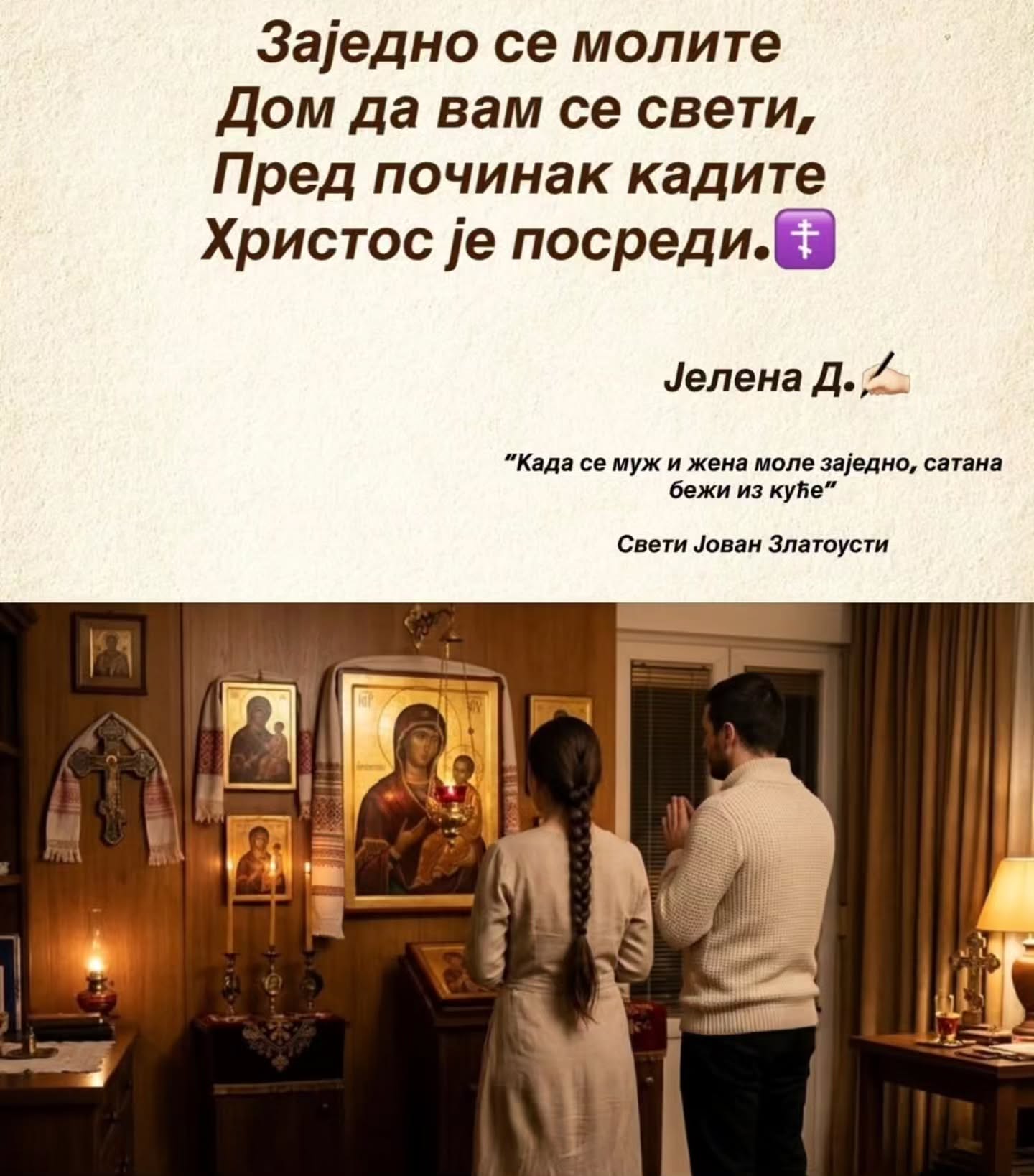
St. John Chrysostom: Joint Prayer of Spouses Drives Satan Away

The post presents a quotation attributed to St. John Chrysostom: "When a husband and wife pray together, Satan flees from the house." The text accompanies an image of a couple standing in prayer before icons. The saying points to the spiritual effect of shared prayer in marriage.

  • St. John Chrysostom is cited on the power of a husband and wife praying together
  • The quote states that Satan leaves the house when spouses pray jointly
  • The accompanying image shows a couple at prayer before icons
Read more

Igumen Gavrilo recounts mother's witness of blasphemer struck by lightning

Igumen Gavrilo Raletinački relates a story his mother told throughout her life. As a young girl returning from garden work, she passed a construction site where a worker had returned for a forgotten bag. The man was furious and cursed God extensively. On a clear, calm, sunny day without any storm warning, a single lightning bolt struck and killed him instantly. The few witnesses, including the narrator's mother, were left frozen in shock and…

Igumen Gavrilo Raletinački relates a story his mother told throughout her life. As a young girl returning from garden work, she passed a construction site where a worker had returned for a forgotten bag. The man was furious and cursed God extensively. On a clear, calm, sunny day without any storm warning, a single lightning bolt struck and killed him instantly.

The few witnesses, including the narrator's mother, were left frozen in shock and fear. The experience left his mother with a lasting horror of blasphemy, particularly cursing directed at God. The account is presented as a firsthand testimony meant to warn against the sin of blasphemy.

  • Igumen Gavrilo Raletinački shares his mother's eyewitness account
  • A construction worker cursed God violently after forgetting his bag
  • On a clear sunny day with no storm, lightning killed the man instantly
  • The mother and other witnesses were terrified and stunned
  • The event caused his mother to fear blasphemy for the rest of her life
Read more

Saints Peter and Fevronia of Murom: Love as a Feat of Fidelity

The post recounts the life of Saints Peter and Fevronia of Murom. Prince Peter fell gravely ill and was healed by Fevronia, the daughter of a poor beekeeper. He promised to marry her but hesitated because of her humble origin. When the illness returned, he fulfilled his promise and married her. The Murom boyars demanded that he abandon his wife; Peter chose her over his princely authority. Together they left the city, accepting uncertainty for…

The post recounts the life of Saints Peter and Fevronia of Murom. Prince Peter fell gravely ill and was healed by Fevronia, the daughter of a poor beekeeper. He promised to marry her but hesitated because of her humble origin.

When the illness returned, he fulfilled his promise and married her. The Murom boyars demanded that he abandon his wife; Peter chose her over his princely authority. Together they left the city, accepting uncertainty for the sake of faithfulness.

The people later called them back, and they continued a life of piety and charity. In old age they received monastic tonsure, taking the names David and Euphrosyne. They wished to be buried together. Tradition says that despite attempts to separate their bodies, they were found together again and were laid in a single grave.

In their hagiography love is not a passing feeling but a feat of fidelity. Peter refused to keep power at the price of renouncing his wife. Fevronia sought neither wealth nor honors, but a love that remains constant when all else changes.

True love does not measure a person by origin, status, or wealth. It is revealed in the willingness to bear each other's burdens, to forgive, to preserve the dignity of the beloved, and to walk the path of salvation together. Love is described as the longest prayer, a prayer lived each day through patience, understanding, tenderness, attention, and sacrifice.

The text concludes with a prayer to Saints Peter and Fevronia for spouses, families, and all who seek true love, that in Christ they may find strength to love, forgive, and remain faithful to their covenant.

  • Prince Peter healed by Fevronia, daughter of a poor beekeeper
  • He married her after initial hesitation; boyars demanded he abandon her
  • He chose her over princely power; they left the city and later returned
  • In old age they took monastic vows as David and Euphrosyne and were buried together
  • Their life shows love as a feat of fidelity, lived through patience, forgiveness, and shared salvation

Hieromonk Isaiah Recounts 2002 Miracle of St. Basil of Ostrog Healing Mute Boy

In a video recording, Hieromonk Isaiah recounts a miracle that occurred in early 2002 at Ostrog monastery in Montenegro. He describes how a mother named Ružica from the town of Danilovgrad brought her six-year-old son Luka to the monastery. The boy had been mute since the age of two. Hieromonk Isaiah read a prayer for health over the child and anointed him with oil from the vigil lamp (kandilo) before noon. According to the account, that very…

In a video recording, Hieromonk Isaiah recounts a miracle that occurred in early 2002 at Ostrog monastery in Montenegro. He describes how a mother named Ružica from the town of Danilovgrad brought her six-year-old son Luka to the monastery. The boy had been mute since the age of two. Hieromonk Isaiah read a prayer for health over the child and anointed him with oil from the vigil lamp (kandilo) before noon.

According to the account, that very afternoon the boy began to run and speak normally. The following day, Luka himself asked to be anointed again with the oil. Hieromonk Isaiah presents this event as a manifestation of the intercession of Saint Basil of Ostrog, the monastery's founder and a renowned wonderworker in the Serbian Orthodox tradition.

Key moments

  1. Hieromonk Isaiah describes a miracle from early 2002 at Ostrog monastery where St. Basil of Ostrog healed a mute child.
  2. Mother Ružica from Danilovgrad brought her son Luka, age six, who had not spoken since he was two.
  3. Isaiah read a short prayer for health and anointed Luka with oil from the kandilo before noon.
  4. That afternoon Luka was running and talking, and the next day he asked to be anointed again with the oil.
Read more

Archimandrite Ephraim recounts Father Nazaro's grace and miracles

Archimandrite Ephraim, abbot of Vatopedi Monastery, speaks about Saint Paisios the Athonite and relates stories concerning Father Nazaro, a priest described as graced with experience of divine grace and divine perception, who could speak with animals. In one account, a woman named Sabra approaches Father Nazaro and declares, "There is God," nodding affirmatively before those present. In another episode, Father Nazaro opens a container of Turkish…

Archimandrite Ephraim, abbot of Vatopedi Monastery, speaks about Saint Paisios the Athonite and relates stories concerning Father Nazaro, a priest described as graced with experience of divine grace and divine perception, who could speak with animals. In one account, a woman named Sabra approaches Father Nazaro and declares, "There is God," nodding affirmatively before those present.

In another episode, Father Nazaro opens a container of Turkish delights that is filled with ants. He takes a single Turkish delight, places it on the ground, and calls the ants to it; the ants leave the container and gather on that one piece. The talk presents these narratives as examples of the spiritual gifts manifested in the lives of Athonite elders.

Key moments

  1. Father Nazaro was graced, had experience of divine grace and divine perception, and spoke with animals.
  2. Sabra comes to him and says "There is God," nodding yes in front of others.
  3. Father Nazaro opens a container of Turkish delights that is full of ants.
  4. He takes one Turkish delight out onto the ground and tells the ants to come, and they all go to that one delight.
Read more

St. Luke of Crimea: Surgeon, Archbishop, Confessor

0:31

The post presents the life of St. Luke of Crimea (1877-1961), born Valentin Voino-Yasenetsky. He was a distinguished surgeon, professor of medicine, and Archbishop of Simferopol and Crimea. His life exemplifies the union of science, faith, and self-sacrifice. In 1921, during severe persecution of the Church, he was ordained a priest and later tonsured a monk. He continued to practice medicine, not separating his medical service from his…

The post presents the life of St. Luke of Crimea (1877-1961), born Valentin Voino-Yasenetsky. He was a distinguished surgeon, professor of medicine, and Archbishop of Simferopol and Crimea. His life exemplifies the union of science, faith, and self-sacrifice.

In 1921, during severe persecution of the Church, he was ordained a priest and later tonsured a monk. He continued to practice medicine, not separating his medical service from his episcopal calling. During World War II he treated wounded soldiers, and his scientific research in purulent surgery earned him the Stalin Prize first degree in 1946, from the same regime that had previously arrested and persecuted him for his faith.

After years of imprisonment and exile, he lost his sight completely in old age. Nevertheless, he continued to serve the Liturgy, preach, and spiritually guide his flock. St. Luke is remembered as a physician who dedicated his life to healing bodies and a hierarch who witnessed to faith in Christ even through suffering.

His life shows that knowledge and faith need not be opposed but can become two paths of service to humanity.

  • Born Valentin Voino-Yasenetsky (1877-1961), became a renowned surgeon and professor.
  • Ordained priest in 1921 and later tonsured a monk during Soviet persecution.
  • Continued medical practice alongside episcopal ministry, treating wounded in WWII.
  • Awarded Stalin Prize first degree in 1946 for research in purulent surgery.
  • Lost sight in later years but kept serving Liturgy, preaching, and guiding faithful.
Read more

Trusting God's answers through uncertainty and rain

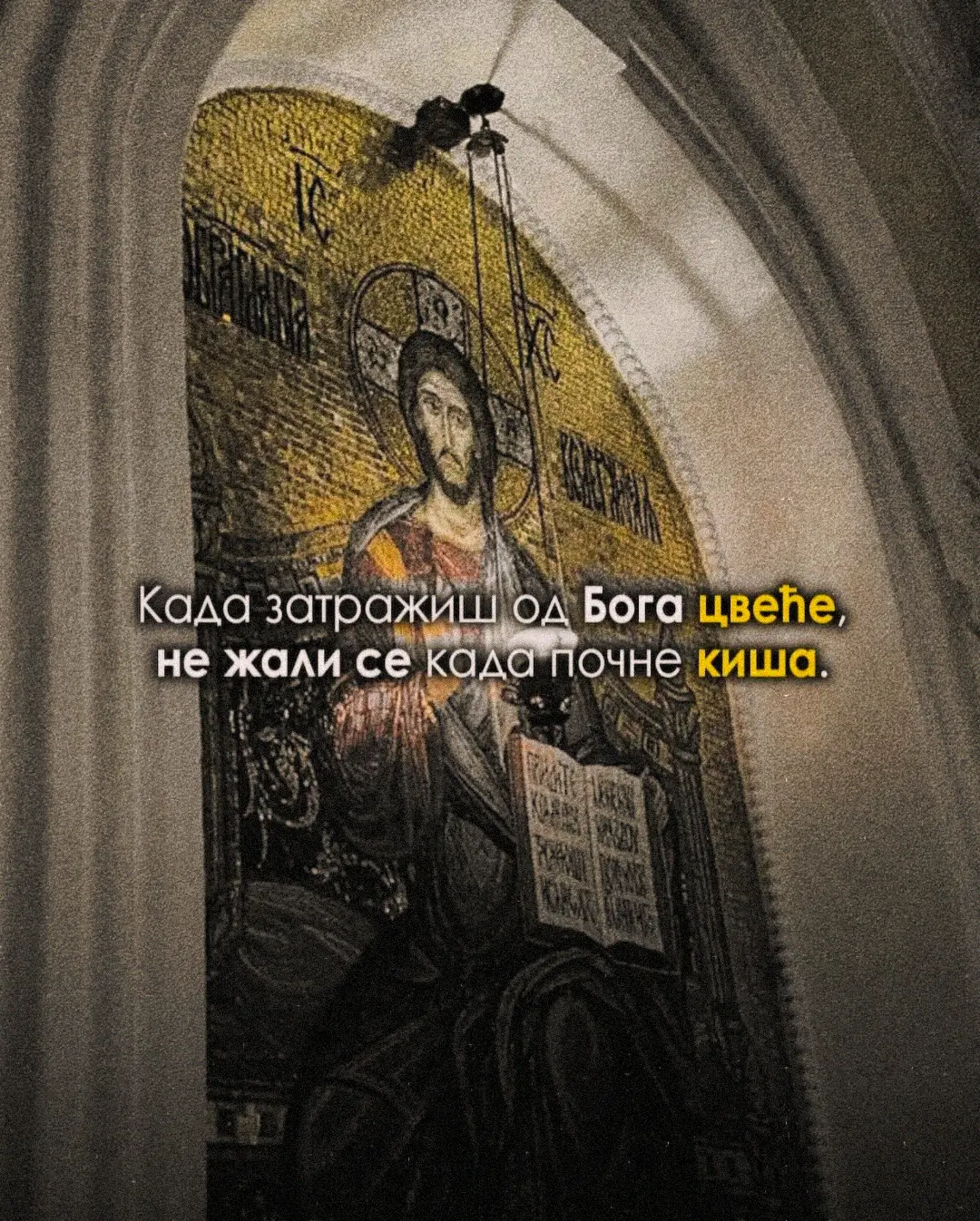
The author reflects on how God's answers to prayer often arrive differently than expected. The text states that not every divine response comes as imagined, and that passing through incomprehensible circumstances may be necessary before their meaning becomes clear. The author encourages belief, patient waiting, and perseverance in hope, asserting that everything will eventually receive its meaning. An accompanying image offers a metaphor: when…

The author reflects on how God's answers to prayer often arrive differently than expected. The text states that not every divine response comes as imagined, and that passing through incomprehensible circumstances may be necessary before their meaning becomes clear. The author encourages belief, patient waiting, and perseverance in hope, asserting that everything will eventually receive its meaning.

An accompanying image offers a metaphor: when someone asks God for flowers, they should not complain when rain begins, since rain is necessary for flowers to grow. The post presents this perspective as spiritual guidance for those experiencing unanswered prayers or difficult seasons.

  • God's answers may not match human expectations
  • Understanding often comes only after enduring confusion
  • The author urges faith, patience, and sustained hope
  • A metaphor compares asking for flowers to accepting necessary rain
  • The post frames difficulties as part of a larger divine purpose
Read more

Ego identified as Satan's nature and root of corruption

The speaker identifies the ego as the nature of Satan and the root of corruption and nihilism. He asks where pride resides and answers that it is within oneself, calling the ego the parasite of the devil. The ego exists only for itself and acknowledges no other. In contrast, Jesus is named as the true creator and elder of all being. The speaker then references the fall of the demons, citing the words "I saw Satan fall like lightning from…

The speaker identifies the ego as the nature of Satan and the root of corruption and nihilism. He asks where pride resides and answers that it is within oneself, calling the ego the parasite of the devil. The ego exists only for itself and acknowledges no other. In contrast, Jesus is named as the true creator and elder of all being.

The speaker then references the fall of the demons, citing the words "I saw Satan fall like lightning from heaven," but rejects this as a lie. He states that it was not Satan's own doing but God who cast him down, precisely to prevent the ego from saying "I." The ego asserts itself; humility does not.

Key moments

  1. The speaker asks where pride is and who the devil is, then answers that the ego himself is the parasite of the devil.
  2. The ego is declared to be the nature of Satan, the nature of loss, and the basis of corruption and nihilism.
  3. Ego exists only for itself; there is no other ego.
  4. Jesus is named as the true creator and the elder of all beings.
  5. A heretical teaching is mentioned that claims to explain how the demons fell.
  6. That teaching quotes "I saw Satan as lightning falling from heaven."
  7. The speaker rejects this as lies: God cast Satan down, not Satan himself.
  8. The purpose of the casting down was so that the ego would not say "I"; the ego commands us.
Read more

Father Nikola Milić: Listen to Christ above the noise of screens

Father Nikola Milić cites the divine command from the Transfiguration: "This is my beloved Son, in whom I am well pleased; listen to him." He observes that people today waste their days consuming internet content, watching mobile phones and various videos, giving attention to everything except the Lord. As a result, Christ remains the least present in their hearts. The priest states that God will ask only about the condition of the heart and…

Father Nikola Milić cites the divine command from the Transfiguration: "This is my beloved Son, in whom I am well pleased; listen to him." He observes that people today waste their days consuming internet content, watching mobile phones and various videos, giving attention to everything except the Lord. As a result, Christ remains the least present in their hearts.

The priest states that God will ask only about the condition of the heart and desires a pure heart. Therefore, he urges the faithful to listen to Christ rather than to human voices, to fears sown by the impure one, or to evil things. Instead, they should focus on what is good and useful for the soul and for salvation.

Key moments

  1. The speaker cites the words: "This is my beloved Son, in whom I am well pleased; listen to him."
  2. He states that people now listen to everything and waste the whole day watching the internet, mobile phones, and various videos, giving attention to all things except the Lord.
  3. He asserts that God will ask only what our heart was like and that God wants us to bring Him a pure heart.
  4. He concludes that we must listen to Christ, not to what other people say, not to fears the impure one sows in our minds, not to what is bad, but to what is good and useful for our souls and salvation.
Read more

Father Vasilije Kostić: Confession beyond avoided sins, the parable of talents

Father Vasilije Kostić addresses a common pattern in confession where people list sins they have avoided rather than good they have failed to do. He draws on Christ's parable of the talents, noting that the third servant was condemned not for stealing or wasting but for burying his talent and returning it unchanged. God asks what good we could have done and did not do. The priest observes that every person can perform at least one good act: say…

Father Vasilije Kostić addresses a common pattern in confession where people list sins they have avoided rather than good they have failed to do. He draws on Christ's parable of the talents, noting that the third servant was condemned not for stealing or wasting but for burying his talent and returning it unchanged. God asks what good we could have done and did not do. The priest observes that every person can perform at least one good act: say a kind and beautiful word, offer a compliment.

The goal set by God is higher than mere avoidance of evil; it is to love enemies, pray for them, and bless those who curse us. He warns that excuses are often covered by false piety, which is rooted in fear of sinning rather than in a living relationship with the living God. Sin can lead a person back to God through repentance, yet a life lived in cramped fear of every mistake freezes the person and everyone around them.

The gifts God gives are not our own property; they are entrusted to us to give to others and multiply.

Key moments

  1. Confession often becomes a list of sins not committed, did not steal, did not kill, but the parable of the third servant shows God asks what good we could have done and failed to do.
  2. Every person can do at least some good: say a kind and beautiful word, offer a compliment.
  3. The perfection God gives and requires is to love enemies, pray for them, and bless those who curse us.
  4. Excuses are often covered by false piety; true piety is not fear of sinning but a living relationship with the living God.
  5. Sin can lead a person back to God through repentance.
  6. A life lived in cramped fear of sinning freezes the person and everyone around them.
  7. The gifts God gives are not our own; they are entrusted to us to give to others and multiply.
Read more

Miracle at Hilandar: Deaf-mute boy healed after Father Kyril's promise

A father brought his deaf-mute son to Hilandar Monastery for a healing prayer from Father Kyril. Due to the large crowd they could not reach him, so Father Kyril told the father to return the following year and the boy would be healed. When the father returned, Father Kyril had already reposed. While sitting on a bench in sorrow, the father noticed his son was missing. After twenty minutes of searching, he found the boy near the sea. The child…

A father brought his deaf-mute son to Hilandar Monastery for a healing prayer from Father Kyril. Due to the large crowd they could not reach him, so Father Kyril told the father to return the following year and the boy would be healed. When the father returned, Father Kyril had already reposed. While sitting on a bench in sorrow, the father noticed his son was missing.

After twenty minutes of searching, he found the boy near the sea. The child ran to him and called out "Tata!", his first word. The boy was completely healed. Asked where he had been, the son said he was with a humble monk who had blessed him on the head.

When shown a photograph of Father Kyril, the boy joyfully exclaimed, "Yes, that is he!" The testimony concludes with a request for Father Kyril's prayers.

  • Father Kyril promised healing for the following year
  • The boy was healed after Father Kyril's repose
  • The child spoke his first word: "Tata!"
  • The boy identified Father Kyril from a photograph
  • The healing occurred through a monk's blessing near the sea
Read more

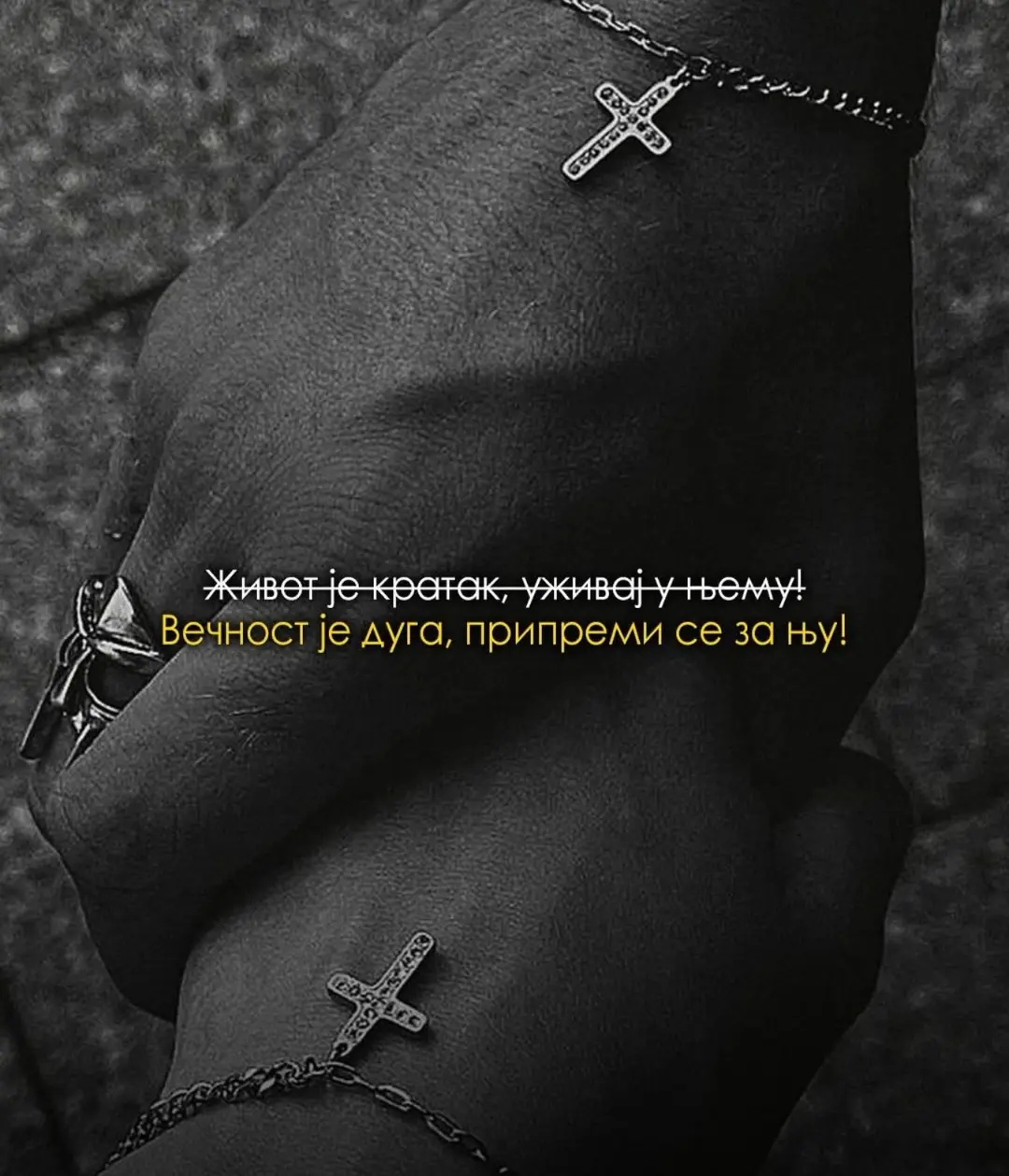
Life Is a Gift, Not the Goal, The Kingdom of Heaven Is

The post contrasts two perspectives on life. The first states that life is a gift but not the ultimate purpose; the purpose is the Kingdom of Heaven. Material possessions remain on earth while the soul proceeds to the place for which it has been prepared. The text warns against losing eternity for the sake of what passes away.

An accompanying image presents an opposing view: life is short so enjoy it, but eternity is long so prepare for it. The post sets these two outlooks against each other without further commentary.

  • Life is a gift but not the final goal; the goal is the Kingdom of Heaven.
  • Earthly acquisitions remain behind; the soul goes where it has been prepared.
  • Warning not to lose eternity because of transience.
  • An image contrasts "enjoy short life" with "prepare for long eternity."
  • The post presents two opposing attitudes toward life and eternity.
Read more