WeOrthodox
EN UA

Orthodox Life

Instagram ↗ 67 discussions

•ᴅᴀɪʟʏ ᴏʀᴛʜᴏᴅᴏx ɪᴄᴏɴᴏɢʀᴀᴘʜʏ, ᴘʀᴀʏᴇʀꜱ, ᴀɴᴅ ꜱᴘɪʀɪᴛᴜᴀʟ ʀᴇꜰʟᴇᴄᴛɪᴏɴꜱ ☦️ •ᴛʜᴇᴏʟᴏɢʏ ɪɴ ᴄᴏʟᴏʀꜱ 🎨 | ᴡɪɴᴅᴏᴡꜱ ᴛᴏ ʜᴇᴀᴠᴇɴ 🪟 •“ᴛʜᴇ ʙᴇᴀᴜᴛʏ ᴏꜰ ᴏʀᴛʜᴏᴅᴏxʏ”🕊️

Orthodox Life Instagram

Saint Philaret of Moscow: translator, catechist, and defender of Church autonomy

The post commemorates Saint Philaret, Metropolitan of Moscow, born Vasily Drozdov in 1782 in Kolomna to a clerical family. He excelled in seminary, took monastic vows in 1808 at the Holy Trinity-St. Sergius Lavra, was consecrated bishop in 1817, became Archbishop of Moscow in 1821, and was elevated to Metropolitan in 1826. During his forty-year leadership he defended the Church's spiritual autonomy from state interference and became known for…

The post commemorates Saint Philaret, Metropolitan of Moscow, born Vasily Drozdov in 1782 in Kolomna to a clerical family. He excelled in seminary, took monastic vows in 1808 at the Holy Trinity-St. Sergius Lavra, was consecrated bishop in 1817, became Archbishop of Moscow in 1821, and was elevated to Metropolitan in 1826. During his forty-year leadership he defended the Church's spiritual autonomy from state interference and became known for his eloquent preaching, earning the title "the new Chrysostom."

Saint Philaret spearheaded a fifty-year project to translate the Holy Scriptures into modern Russian, overcoming strong opposition so ordinary people could read the Word of God. He authored the influential 1823 Christian Catechism and supported the elders of Optina Monastery in publishing patristic texts. Known for deep humility, unceasing prayer, and quiet charity, he donated personal resources to orphans and impoverished clergy families.

He also contributed to Russian society by helping draft the 1861 manifesto emancipating the serfs. Having served the Divine Liturgy one final time, Saint Philaret reposed peacefully on November 19, 1867, at the age of eighty-five.

  • Born Vasily Drozdov in 1782, became Metropolitan of Moscow in 1826 after monastic vows at Trinity-Sergius Lavra
  • Defended Church autonomy from state interference for forty years, renowned for preaching
  • Led fifty-year translation of the Bible into modern Russian despite opposition
  • Authored the 1823 Christian Catechism and supported Optina elders' patristic publications
  • Helped draft the 1861 serf emancipation manifesto; reposed November 19, 1867 at age eighty-five
Read more
Orthodox Life Instagram

Saint Plato of Ancyra: Great Martyr Commemorated November 18

Today the Church commemorates Saint Plato the Great Martyr of Ancyra, a third-century preacher from Galatia. Born into a pious family, he was the brother of the Holy Martyr Antiochus the Physician. While still a youth, Plato traveled from city to city, using his knowledge of Greek learning and persuasive speech to preach the Gospel to pagans. His bold preaching led to his arrest by Roman authorities, who brought him before Governor Agrippinus at…

Today the Church commemorates Saint Plato the Great Martyr of Ancyra, a third-century preacher from Galatia. Born into a pious family, he was the brother of the Holy Martyr Antiochus the Physician. While still a youth, Plato traveled from city to city, using his knowledge of Greek learning and persuasive speech to preach the Gospel to pagans.

His bold preaching led to his arrest by Roman authorities, who brought him before Governor Agrippinus at the temple of Zeus. The governor attempted to persuade Plato through flattery, comparing his intellect to the philosopher Plato and offering his own niece in marriage if he would sacrifice to pagan gods. Plato rejected both offers, declaring that earthly wisdom and life are temporary compared to the eternal truth of Christ.

Enraged, Agrippinus ordered soldiers to beat Plato mercilessly and imprison him. Seven days later, Plato was brought before instruments of torture: boiling cauldrons, red-hot iron, and sharp hooks. Soldiers placed heated iron balls on his body and tore strips of skin from him; Plato urged them to torture him more harshly so his endurance for Christ would be seen more clearly.

After these tortures, guards locked Plato in prison for eighteen days without food or water. When his jailers marveled that he was still alive, he explained that while they were sustained by meat and wine, he was nourished by holy prayer and Christ, the True Vine. Seeing that nothing could break his faith, the authorities made a final offer to spare his life if he would say, "Great is the god Apollo."

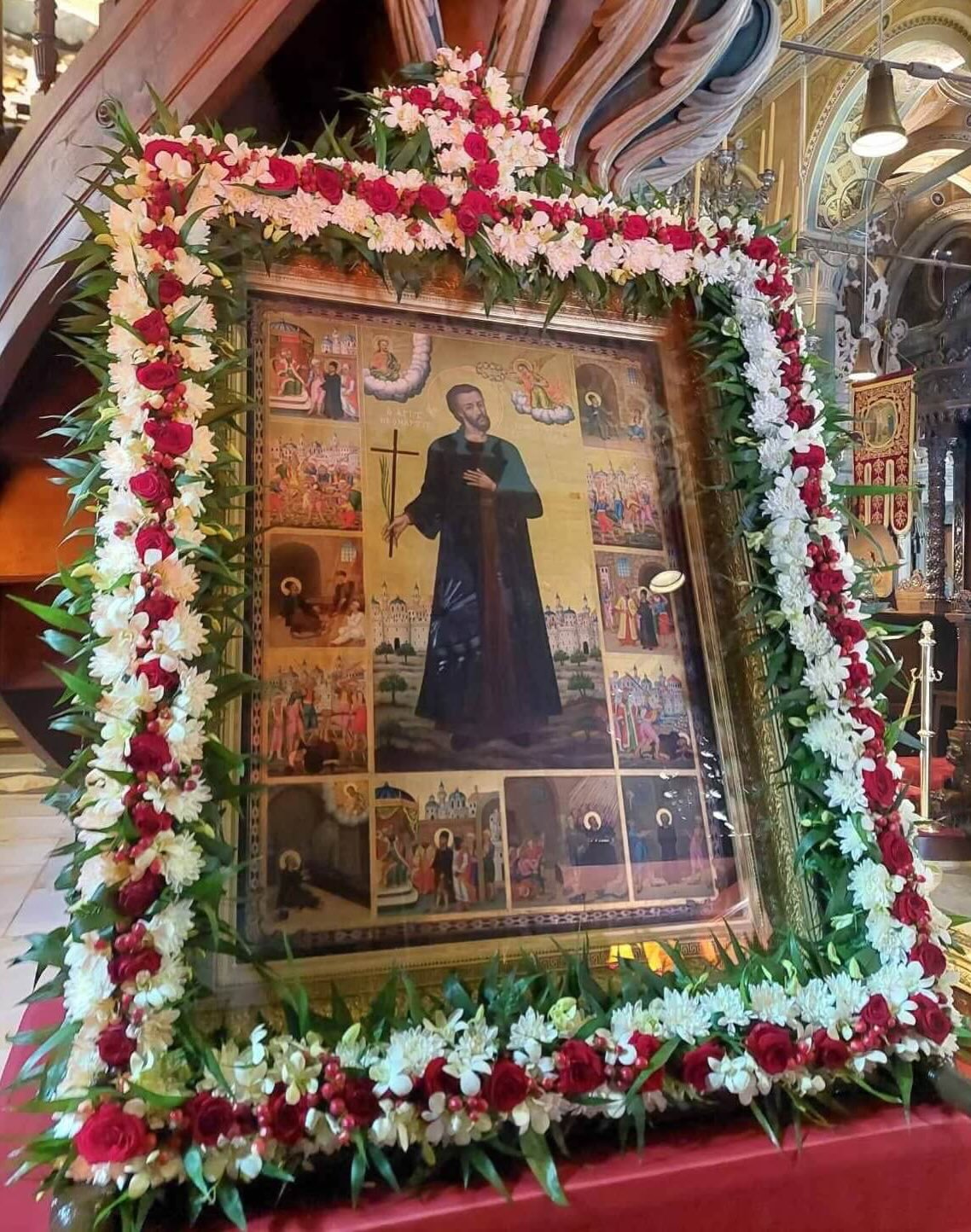
Plato steadfastly refused to worship idols, and Agrippinus ordered his execution by beheading around the year 266. The post includes an image depicting a martyrdom scene with inscriptions in Greek and Slavonic.

  • Commemorated on November 18 as Great Martyr of Ancyra.
  • Youthful preacher from Galatia, brother of Martyr Antiochus the Physician.
  • Arrested and tortured under Governor Agrippinus for refusing to sacrifice to idols.
  • Endured eighteen days in prison without food or water, sustained by prayer.
  • Beheaded around 266 after refusing to proclaim Apollo as god.
Read more
Orthodox Life Instagram

Saint Matthew the Apostle and Evangelist: life, Gospel, and martyrdom

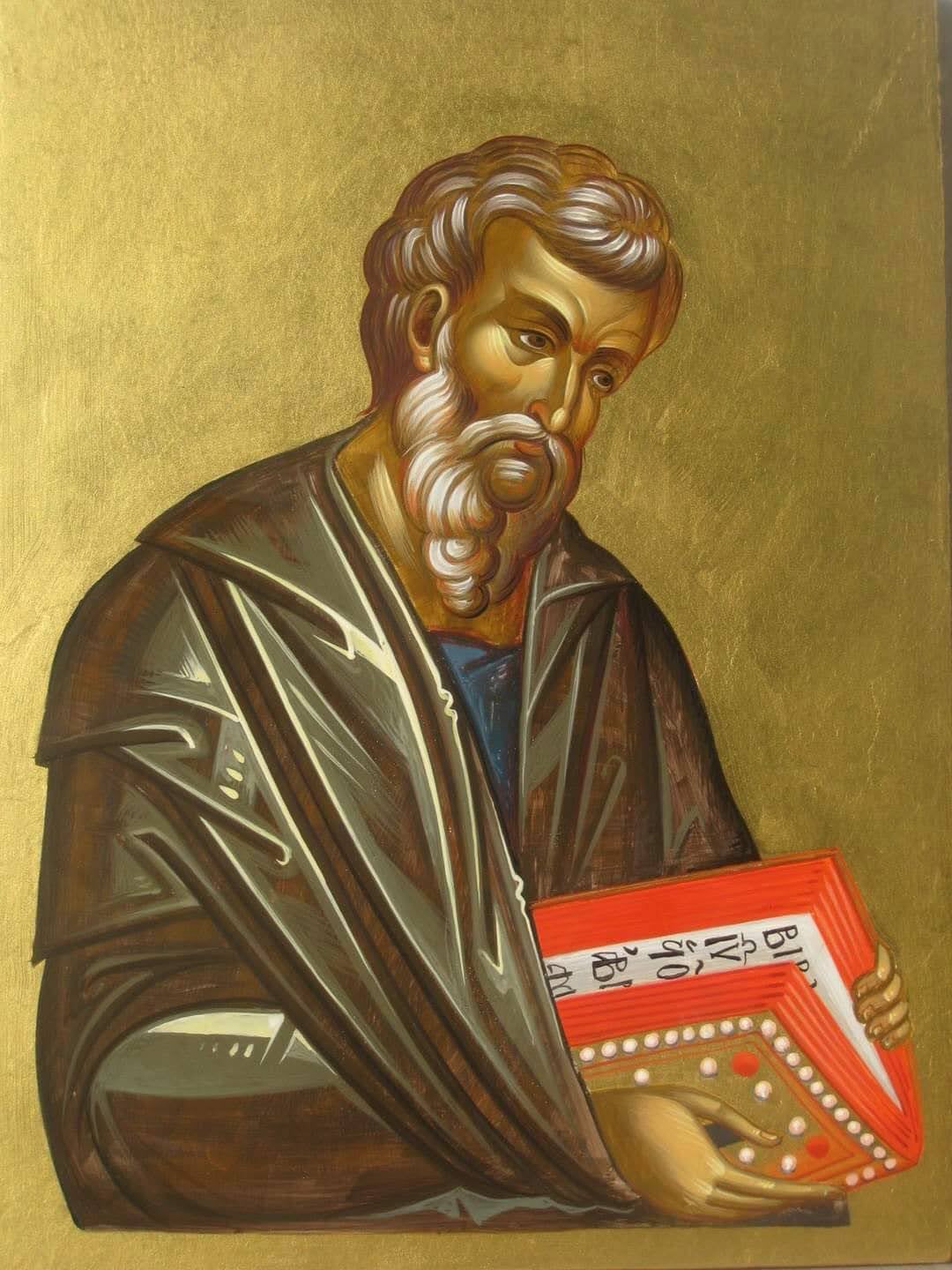
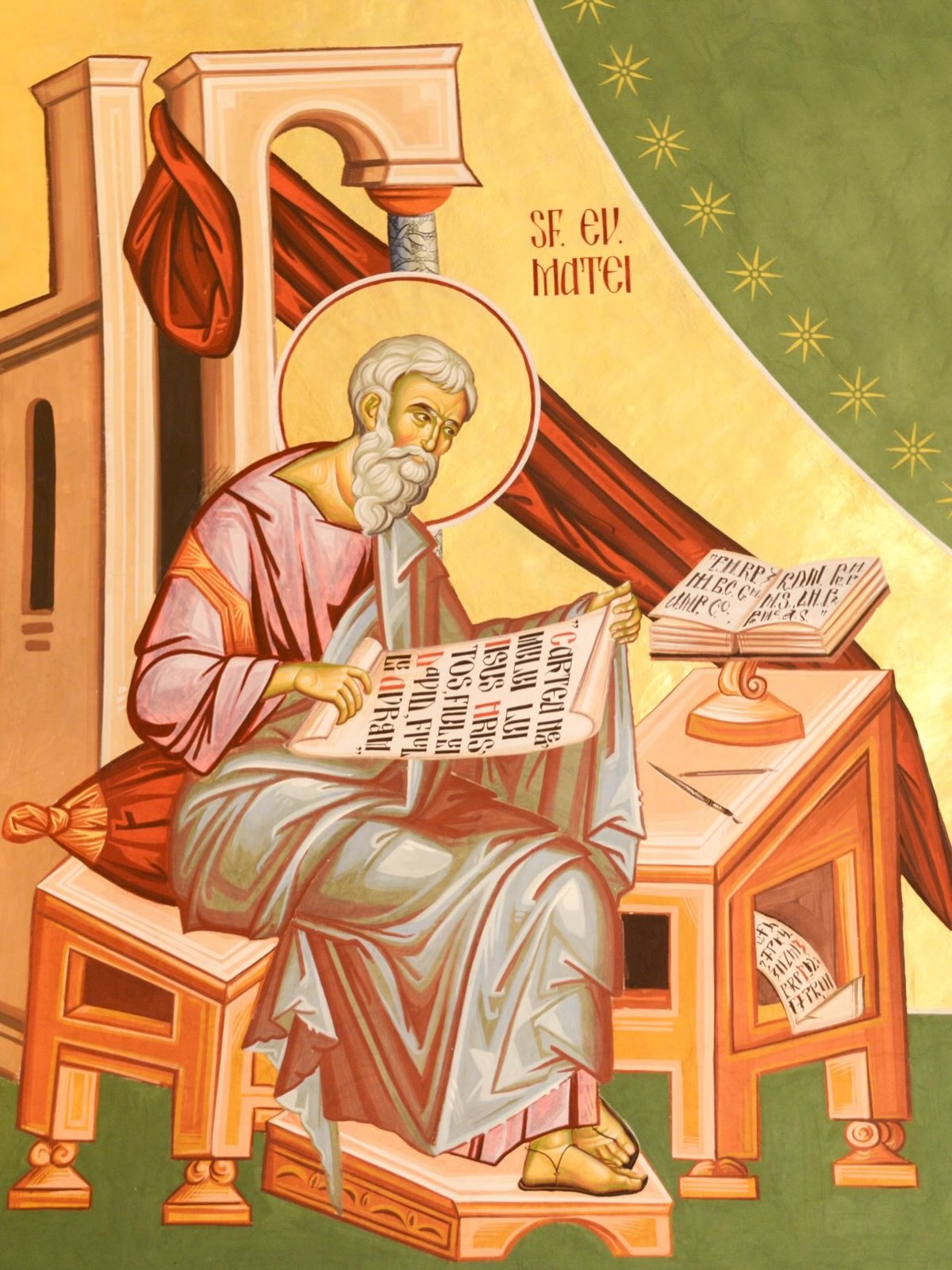
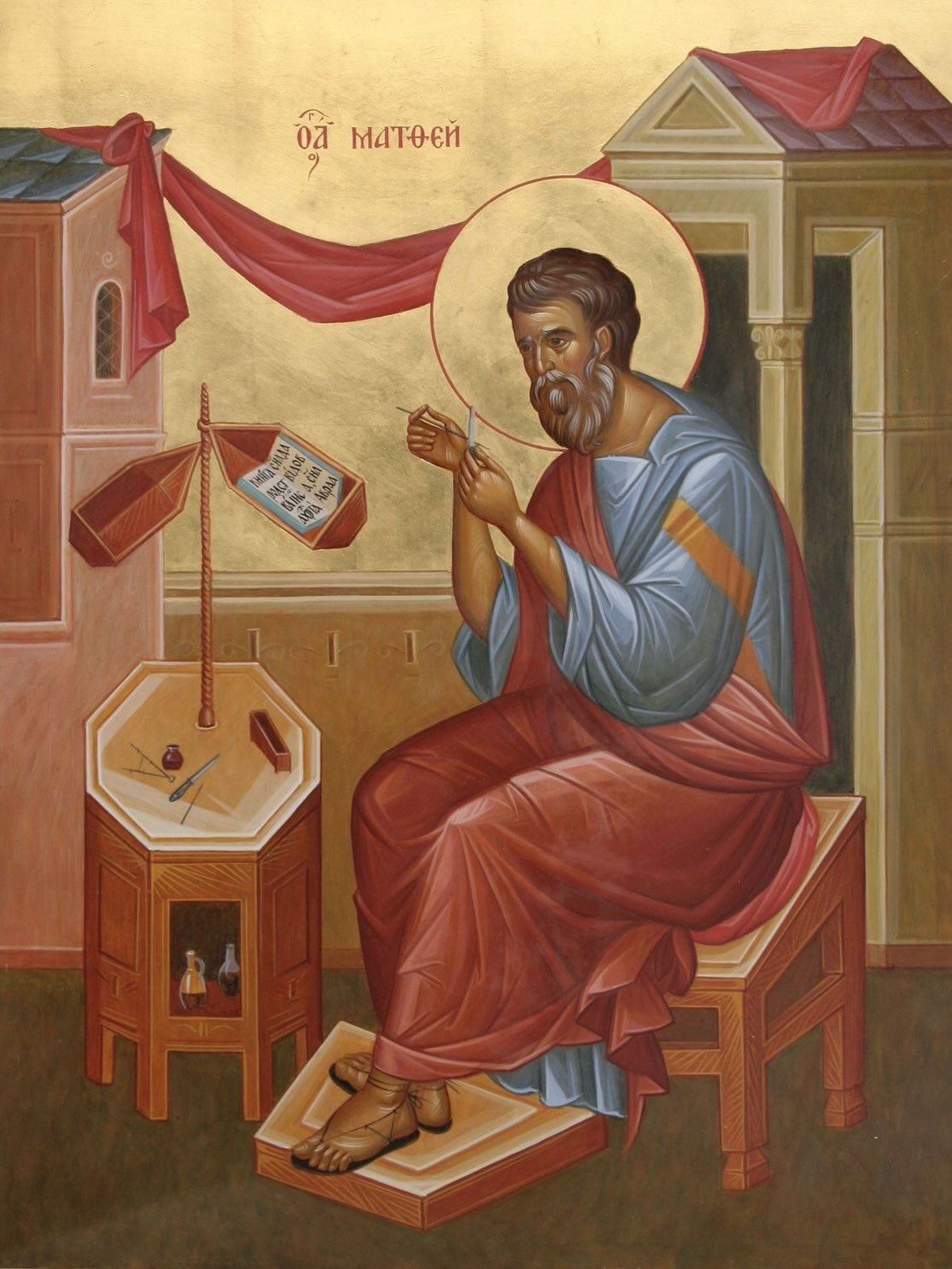
The post commemorates Saint Matthew on November 16. He was originally named Levi, a wealthy Jewish tax collector living in Capernaum. Because he worked for the Roman Empire, his countrymen despised him and viewed him as a public sinner. When Jesus Christ passed his customs booth and said, "Come, follow Me," Matthew immediately left his wealth to become one of the Twelve Disciples. He hosted a farewell feast where Christ ate with fellow tax…

The post commemorates Saint Matthew on November 16. He was originally named Levi, a wealthy Jewish tax collector living in Capernaum. Because he worked for the Roman Empire, his countrymen despised him and viewed him as a public sinner. When Jesus Christ passed his customs booth and said, "Come, follow Me," Matthew immediately left his wealth to become one of the Twelve Disciples.

He hosted a farewell feast where Christ ate with fellow tax collectors and sinners, demonstrating God's mercy and call to repentance. After Pentecost, Matthew preached the Gospel first among Jews in Palestine. According to Orthodox tradition, he was the first to write down the Gospel, composing it in Aramaic or Hebrew to prove that Jesus was the promised Messiah.

His missionary journeys took him through Syria, Persia, and Parthia to Ethiopia, where he founded churches and worked miracles. In the Ethiopian city of Myrmene, he converted many pagans to Christianity, angering the local ruler Fulvian. Matthew was placed in a pit of fire surrounded by twelve golden idols, but the flames did not harm him; instead they flared toward Fulvian while the idols melted like wax.

The frightened Fulvian begged Matthew for forgiveness, and by the martyr's prayers the flame went out. His body still unharmed, Saint Matthew surrendered his soul to the Lord. The commemoration is accompanied by icons bearing inscriptions in Greek, Church Slavonic, and Romanian, depicting the saint writing his Gospel, holding a Gospel book, and scenes of his burial and veneration.

  • Originally Levi, a tax collector in Capernaum, called by Jesus to follow Him
  • Hosted a feast where Christ dined with tax collectors and sinners
  • First to write the Gospel, in Aramaic or Hebrew, to prove Jesus as Messiah
  • Preached in Palestine, Syria, Persia, Parthia, and Ethiopia
  • Martyred in Myrmene, Ethiopia, surviving a fiery pit with idols and converting the ruler Fulvian
Read more
Orthodox Life Instagram

Nativity Fast Begins November 15: 40 Days of Preparation for Christ's Birth

The post announces the start of the Nativity Fast on November 15, a 40-day period leading to the Feast of the Nativity on December 25. It explains that this feast is the second Great Despotic Feast of the Orthodox calendar after Great and Holy Pascha. The Church calls the faithful to abstain from meat, fish, dairy products, olive oil, and wine, and to focus more deeply on prayer and almsgiving. This season mirrors a spiritual journey to the cave…

The post announces the start of the Nativity Fast on November 15, a 40-day period leading to the Feast of the Nativity on December 25. It explains that this feast is the second Great Despotic Feast of the Orthodox calendar after Great and Holy Pascha. The Church calls the faithful to abstain from meat, fish, dairy products, olive oil, and wine, and to focus more deeply on prayer and almsgiving.

This season mirrors a spiritual journey to the cave in Bethlehem, offering time to quiet the heart and prepare for the coming of Jesus. The fast was established to allow believers, through repentance, prayer and abstinence, to cleanse themselves in preparation for the Great Feast. As Christ came into the world to bring His glorious gifts and sacrifice, the faithful must prepare to bring Him a clean heart, soul, and body, and a desire to follow His teachings.

Rather than a commercial countdown, the fast is a period of intentional reflection and repentance. Orthodox Christians use these weeks to step away from everyday distractions and focus closely on the meaning of the Incarnation. The dietary guidelines involve abstaining from meat, dairy, and, on many days, fish, wine, and oil.

Fish, wine, and oil are typically allowed on weekends and certain weekdays during the first part of the fast, while the final days become more strict. Fasting of the body is always paired with fasting of the soul through deeper prayer, reading scripture, and acts of mercy. Families and individuals practice forgiveness, charity, and caring for others rather than treating the season like a simple grocery list.

The fast ends on December 24 (Paramony) with a day of strict observance before the fast is joyfully broken at the Nativity services. The post concludes with a call to be prepared for the birth of the Lord Jesus Christ and to remember the Incarnation that saves from death.

  • The Nativity Fast begins annually on November 15 and lasts 40 days through December 24.
  • Fasting includes abstaining from meat, dairy, fish, wine, and oil, with allowances on weekends and certain weekdays early in the period.
  • The fast is paired with increased prayer, Scripture reading, almsgiving, and acts of mercy.
  • It prepares the faithful for the Feast of the Nativity, the second Great Despotic Feast after Pascha.
  • The fast concludes on December 24 (Paramony) with strict observance before the Nativity services.
Read more
Orthodox Life Instagram

Saint Constantine of Hydra: Apostasy, Repentance, and Martyrdom

Saint Constantine of Hydra, a New Martyr commemorated on November 14, was born in the late eighteenth century to pious Orthodox parents Michael and Marina on the Greek island of Hydra. Driven by poverty and lack of work, he left home at eighteen for Rhodes to earn a living and support his family. There he entered the service of the local Ottoman governor, Hasan Kapetan. Through deceit and social pressure, he abandoned his Christian faith,…

Saint Constantine of Hydra, a New Martyr commemorated on November 14, was born in the late eighteenth century to pious Orthodox parents Michael and Marina on the Greek island of Hydra. Driven by poverty and lack of work, he left home at eighteen for Rhodes to earn a living and support his family. There he entered the service of the local Ottoman governor, Hasan Kapetan.

Through deceit and social pressure, he abandoned his Christian faith, converted to Islam, and took his master's name, Hasan. For three years he lived in comfort and enjoyed high honors in the governor's household. Overwhelmed by remorse for denying Christ, Constantine sought forgiveness and began giving alms to poor Christians.

When his own family and community rejected him for his apostasy, he traveled to Mount Athos. There he confessed to a spiritual father at the Iveron Monastery and prepared himself through strict fasting and prayer to atone for his sin through martyrdom. Constantine returned to Rhodes and boldly appeared before Hasan Kapetan, openly renouncing Islam and declaring himself a Christian.

Furious at his former servant's defiance, the governor had him thrown into prison and subjected to severe tortures. Throughout his ordeal, Constantine remained steadfast in his faith and prayed continually to God. By order of the Sultan, Constantine was executed by hanging in Rhodes on November 14, 1800, at the age of thirty.

His mother later recovered his relics and brought them back to Hydra, where he is venerated as the island's patron saint on his feast day, November 14.

  • Born on Hydra, left for Rhodes at eighteen to work for Hasan Kapetan
  • Converted to Islam under pressure, lived as Hasan for three years
  • Repented, confessed at Iveron Monastery on Mount Athos
  • Returned to Rhodes, publicly renounced Islam before the governor
  • Executed by hanging in 1800; relics brought to Hydra
Read more
Orthodox Life Instagram

November 14: Saint Philip the Apostle, from Bethsaida to martyrdom in Hierapolis

The feast of Saint Philip the Apostle is commemorated on November 14. Philip was one of the Twelve, born in Bethsaida of Galilee, the same town as Saints Peter and Andrew. Well versed in the Law and the Prophets, he recognized Jesus as the promised Messiah when called, and brought his friend Nathanael (Bartholomew) to Christ with the words "come and see". The Gospels show his practical mindset and sincere curiosity: he calculated the cost of…

The feast of Saint Philip the Apostle is commemorated on November 14. Philip was one of the Twelve, born in Bethsaida of Galilee, the same town as Saints Peter and Andrew. Well versed in the Law and the Prophets, he recognized Jesus as the promised Messiah when called, and brought his friend Nathanael (Bartholomew) to Christ with the words "come and see".

The Gospels show his practical mindset and sincere curiosity: he calculated the cost of feeding the five thousand, helped Greek seekers approach Jesus, and at the Last Supper asked the Lord to show the disciples the Father, which drew Christ's answer that whoever has seen the Son has seen the Father. After Pentecost he preached in Asia Minor and Greece, traveling with his sister Saint Mariamne and the Apostle Bartholomew through Syria, Lydia and Phrygia.

They converted multitudes, healed the sick and raised the dead, while enduring stonings, beatings and imprisonment. In Hierapolis in Phrygia, pagans worshiped a large viper in a temple. Philip slew the serpent through prayer and healed many, including the wife of the city's governor.

The governor, enraged by his wife's conversion and the loss of the pagan cult, ordered Philip and Bartholomew to be crucified upside down. As Philip hung on the cross, an earthquake struck the city and swallowed the governor and the pagan priests, while Philip prayed for the salvation of the frightened crowd. Bartholomew was rescued alive, and Philip gave up his soul, receiving the crown of martyrdom.

  • Saint Philip, born in Bethsaida like Peter and Andrew, recognized Christ immediately and brought Nathanael to Him with "come and see"
  • At the Last Supper he asked to see the Father, and Christ answered that whoever has seen the Son has seen the Father
  • After Pentecost he preached in Asia Minor and Greece with Saint Mariamne and Apostle Bartholomew
  • In Hierapolis he slew a worshiped viper by prayer and converted the governor's wife
  • The governor ordered him crucified upside down; an earthquake killed the governor and priests, and Philip died a martyr
Read more
Orthodox Life Instagram

Saint Gregory Palamas: the monk who defended the experience of God

The post commemorates Saint Gregory Palamas, Archbishop of Thessaloniki, on November 14. Born in Constantinople in 1296 to an aristocratic family, he was educated in philosophy and classical studies at the imperial court before choosing monasticism at about twenty years of age. He went to Mount Athos, where he gave himself to asceticism, silence, and the ancient prayer traditions of the Eastern Christian monks. Gregory became the leading…

The post commemorates Saint Gregory Palamas, Archbishop of Thessaloniki, on November 14. Born in Constantinople in 1296 to an aristocratic family, he was educated in philosophy and classical studies at the imperial court before choosing monasticism at about twenty years of age. He went to Mount Athos, where he gave himself to asceticism, silence, and the ancient prayer traditions of the Eastern Christian monks.

Gregory became the leading defender of Hesychasm, the tradition of continuous inner prayer aimed at union with God. When Barlaam of Calabria mocked the monks' practices and claimed that God was entirely unknowable to human experience, Gregory defended them. He argued that God's inner essence remains transcendent and inaccessible, but humans can genuinely experience God through His uncreated energies and divine grace.

His most famous work, The Triads, explains how body and soul can participate together in the transformative light of God, like the light the apostles saw at Christ's Transfiguration. His writings sparked the Hesychast controversy, a theological and political dispute that divided the Byzantine Empire for decades. Gregory faced imprisonment and temporary excommunication from his opponents but remained steadfast, and his teachings were vindicated by Church councils in Constantinople between 1341 and 1351.

  • Saint Gregory Palamas, Archbishop of Thessaloniki, is commemorated on November 14.
  • Born in Constantinople in 1296, he left the imperial court to become a monk on Mount Athos.
  • He defended Hesychasm against Barlaam of Calabria, who claimed God was entirely unknowable to human experience.
  • Gregory taught that God's essence is inaccessible, but humans can experience Him through His uncreated energies and divine grace.
  • His teachings were vindicated by Church councils in Constantinople between 1341 and 1351, after imprisonment and temporary excommunication.
Read more
Orthodox Life Instagram

Saint Anthusa, Mother of Saint John Chrysostom, Honored November 13

Saint Anthusa was a prominent fourth-century Christian woman born around 347 in Antioch. She was intelligent and well-off. She married Secundus, an illustrious officer in the imperial Roman army. Tragedy struck early when her husband died, leaving her a widow at twenty with their infant son John. Rather than seeking a second marriage or yielding to social pressures, she chose to dedicate her entire life, energy, and wealth to raising her child…

Saint Anthusa was a prominent fourth-century Christian woman born around 347 in Antioch. She was intelligent and well-off. She married Secundus, an illustrious officer in the imperial Roman army. Tragedy struck early when her husband died, leaving her a widow at twenty with their infant son John.

Rather than seeking a second marriage or yielding to social pressures, she chose to dedicate her entire life, energy, and wealth to raising her child and serving God. Anthusa personally oversaw her son's early education, immersing him in the Holy Scriptures and sharing her own classical knowledge. She later placed him under the guidance of the pagan orator Libanius and the Christian theologian Diodore of Tarsus, laying the foundation for his future eloquence.

Her deep maternal and spiritual influence shaped her son into a titan of the early Church. That son grew up to become Saint John Chrysostom, whose name means "Golden-Mouthed." He became one of the most celebrated preachers and Archbishop of Constantinople.

Honored as a model of Christian motherhood, sacrifice, and virtue, Saint Anthusa is commemorated by the Orthodox Church on November 13 alongside her son. Her legacy lives on through charitable institutions such as the Philoptochos Society's Anthousa Chapter. The post includes an image showing a prayer of Saint Anthusa in Greek and a commemoration of Saint Gregory and Saint Nana in Georgian.

  • Saint Anthusa born c. 347 in Antioch, married imperial officer Secundus
  • Widowed at 20 with infant son John, devoted life to his upbringing and God
  • Oversaw his early education in Scripture and classical learning, then placed him under Libanius and Diodore of Tarsus
  • Son became Saint John Chrysostom, "Golden-Mouthed," Archbishop of Constantinople
  • Commemorated November 13 as model of Christian motherhood; legacy continues through Philoptochos Anthousa Chapter
Read more
Orthodox Life Instagram

Saint John Chrysostom: Golden-Mouthed Preacher, Exiled for Truth

The post commemorates Saint John Chrysostom, Archbishop of Constantinople, on his feast day November 13. It outlines his life: born in Antioch to a devout mother named Anthusa, he received a classical education in rhetoric before embracing an ascetic life in the mountains. Extreme fasting permanently harmed his health, leading him back to the city. Ordained a priest in Antioch in 386, he became famous for clear, passionate sermons that earned…

The post commemorates Saint John Chrysostom, Archbishop of Constantinople, on his feast day November 13. It outlines his life: born in Antioch to a devout mother named Anthusa, he received a classical education in rhetoric before embracing an ascetic life in the mountains. Extreme fasting permanently harmed his health, leading him back to the city.

Ordained a priest in Antioch in 386, he became famous for clear, passionate sermons that earned him the surname Chrysostomos, meaning "Golden-Mouthed." His homilies stressed practical Christian living, straightforward scriptural interpretation, and care for the poor. In 397 he was reluctantly appointed Archbishop of Constantinople.

He immediately reduced lavish spending in the episcopal palace and redirected funds to build hospitals and aid the needy. He also worked to reform corrupt clergy, expand missionary outreach, and enrich liturgical worship. His uncompromising calls for moral integrity and denunciations of luxury alienated wealthy elites, fellow bishops, and the imperial court.

Open conflict with Empress Eudoxia over her extravagance and political abuses led to his deposition and exile twice. During a brutal forced march into deeper exile, he reposed near Comana in Pontus on September 14, 407, uttering the final words, "Glory be to God for all things." Thirty-one years later his relics were returned to Constantinople in triumph.

The post also includes OCR text from icons and church photographs showing Greek and English inscriptions such as the Trisagion and liturgical hymns honoring the saint.

  • Born in Antioch to mother Anthusa; educated in rhetoric; asceticism damaged his health.
  • Ordained priest in 386; renowned for clear sermons earning title "Golden-Mouthed."
  • Appointed Archbishop of Constantinople in 397; cut palace spending, built hospitals, reformed clergy.
  • Denounced luxury and corruption; clashed with Empress Eudoxia; deposed and exiled twice.
  • Died in exile 407 with words "Glory be to God for all things"; relics returned 31 years later.
Read more
Orthodox Life Instagram

Saint John the Merciful: Patriarch of Alexandria and Almsgiver

The post commemorates Saint John the Merciful, Patriarch of Alexandria, on his feast day of November 12. Born around 552 in Amathus, Cyprus, to a wealthy governor, John lived as a layman, married, and raised a family. After his wife and children died, he gave away his entire estate to the poor and devoted himself to prayer and asceticism. His reputation for holiness led the people and clergy of Alexandria, along with Emperor Heraclius, to…

The post commemorates Saint John the Merciful, Patriarch of Alexandria, on his feast day of November 12. Born around 552 in Amathus, Cyprus, to a wealthy governor, John lived as a layman, married, and raised a family. After his wife and children died, he gave away his entire estate to the poor and devoted himself to prayer and asceticism.

His reputation for holiness led the people and clergy of Alexandria, along with Emperor Heraclius, to request he become their Patriarch around 610. Though reluctant, he accepted and immediately reformed the local church, eliminating corruption among officials, opposing theological heresies, and expanding the number of orthodox churches in the city from seven to seventy.

John treated the impoverished as his "lords and masters." Upon taking office, he ordered a registry of all the needy in Alexandria, identifying over 7,000 people, and guaranteed them daily food and provisions from the church treasury. Twice a week he sat outside his cathedral to hear grievances, settle disputes, and distribute alms, while visiting hospitals three times a week.

During Persian invasions that devastated Jerusalem and sent refugees into Egypt, John emptied the church coffers and borrowed large sums of gold to feed the displaced, build hospices, and ransom Christian captives. He resisted imperial officials who tried to confiscate church wealth for war efforts, insisting the funds belonged to God and the poor.

When Persian forces advanced on Alexandria around 619, John fled to Cyprus, where he reposed shortly afterward.

  • Born c. 552 in Amathus, Cyprus; gave away estate after family's death
  • Elected Patriarch of Alexandria c. 610; expanded churches from 7 to 70
  • Registered over 7,000 poor; provided daily food from church treasury
  • Emptied church coffers and borrowed gold to aid Persian war refugees
  • Fled to Cyprus c. 619 during Persian advance; reposed there
Read more
Orthodox Life Instagram

Saint Theodore the Studite: Monastic Reformer and Defender of Icons

The post recounts the life of Saint Theodore the Studite (759-826), a Byzantine monk, abbot, and theologian who shaped Eastern Christian monasticism and defended the veneration of icons. Born into a wealthy, educated family in Constantinople, he renounced his privileges around age twenty-two to enter the monastery founded by his uncle, Plato of Sakkoudion. In 798 Theodore became abbot of the Stoudios Monastery, transforming it into the most…

The post recounts the life of Saint Theodore the Studite (759-826), a Byzantine monk, abbot, and theologian who shaped Eastern Christian monasticism and defended the veneration of icons. Born into a wealthy, educated family in Constantinople, he renounced his privileges around age twenty-two to enter the monastery founded by his uncle, Plato of Sakkoudion.

In 798 Theodore became abbot of the Stoudios Monastery, transforming it into the most influential religious center in the Byzantine Empire. Under his leadership the community grew to hundreds of monks and its scriptorium preserved countless classical and Christian manuscripts. Theodore drafted the Studite Typikon, a strict monastic rule emphasizing poverty, obedience, manual labor, and liturgical prayer that became the blueprint for later Orthodox monasticism, including Mount Athos.

His life was marked by three exiles resulting from resistance to imperial interference in church affairs. The first clash came during the Moechian Controversy when he publicly condemned Emperor Constantine VI for unlawfully divorcing his wife to marry his mistress; Theodore endured imprisonment and banishment until the emperor's downfall.

His most famous theological battle opposed the second wave of Byzantine Iconoclasm under Emperor Leo V the Armenian, who banned the veneration of religious images. Theodore argued that denying the depiction of Christ in icons was equivalent to denying Christ's full humanity and incarnation. Despite severe floggings, harsh imprisonment, and prolonged exile in Asia Minor, he rallied monks and laypeople through hundreds of letters, keeping the iconophile resistance alive. Theodore reposed in exile on November 11, 826.

  • Born in Constantinople, entered monastic life at twenty-two under his uncle Plato
  • Became abbot of Stoudios Monastery in 798, expanded it into a major center with a renowned scriptorium
  • Authored the Studite Typikon, the foundational rule for Eastern Orthodox monasticism
  • Exiled three times for opposing imperial overreach, including the Moechian Controversy and Iconoclasm
  • Defended icon veneration against Leo V, arguing icons affirm Christ's incarnation; died in exile in 826
Read more
Orthodox Life Instagram

Saint Stefan Dečanski: King, Martyr, and Founder of Visoki Dečani

The post recounts the life of Saint Stefan Dečanski, born around 1276 to King Stefan Milutin of the Nemanjić dynasty. As a youth he was sent as a hostage to the court of Nogai Khan of the Golden Horde. Later, false accusations by his stepmother led King Milutin to order his blinding and exile to Constantinople around 1314. Stefan lived humbly at the Monastery of the Pantocrator, where, according to tradition, Saint Nicholas appeared in a vision…

The post recounts the life of Saint Stefan Dečanski, born around 1276 to King Stefan Milutin of the Nemanjić dynasty. As a youth he was sent as a hostage to the court of Nogai Khan of the Golden Horde. Later, false accusations by his stepmother led King Milutin to order his blinding and exile to Constantinople around 1314.

Stefan lived humbly at the Monastery of the Pantocrator, where, according to tradition, Saint Nicholas appeared in a vision and restored his eyesight. After his father's death in 1321, Stefan returned to Serbia, defeated rival claimants, and was crowned king in early 1322. His reign brought stability and a decisive victory over the Bulgarians at the Battle of Velbazhd in 1330.

Known for piety and philanthropy, he funded churches across the Christian world and began building Visoki Dečani Monastery. In 1331, nobles turned his son Stefan Dušan against him; Stefan was overthrown, imprisoned at Zveča Fortress, and strangled on November 11. The Serbian Orthodox Church canonized him as a Great-Martyr for enduring betrayal and violent death with Christian meekness.

His feast is celebrated on November 24 (November 11 Julian). His incorrupt relics rest in the church of Visoki Dečani, where believers pray for healing, especially of eye ailments.

  • Born c. 1276 to King Stefan Milutin; sent as hostage to Nogai Khan
  • Blinded and exiled c. 1314 after false accusations; sight restored by vision of Saint Nicholas
  • Crowned King of Serbia 1322; won Battle of Velbazhd 1330
  • Founded Visoki Dečani Monastery; known for church building and philanthropy
  • Overthrown by son Stefan Dušan 1331; strangled in prison; canonized as Great-Martyr
Read more
Orthodox Life Instagram

November 11: Saint Menas of Egypt, Great Martyr and Wonder-worker

The post tells the life of Saint Menas of Egypt, commemorated on November 11, one of the most beloved Great Martyrs and wonder-workers in the Eastern Orthodox tradition. Menas was born in Egypt around 285 AD to devout Christian parents, orphaned young, and joined the Roman army. Serving in Phrygia, he rose through the ranks and earned respect for bravery, patience, and self-discipline. When Emperor Diocletian issued an edict in 298 AD ordering…

The post tells the life of Saint Menas of Egypt, commemorated on November 11, one of the most beloved Great Martyrs and wonder-workers in the Eastern Orthodox tradition. Menas was born in Egypt around 285 AD to devout Christian parents, orphaned young, and joined the Roman army. Serving in Phrygia, he rose through the ranks and earned respect for bravery, patience, and self-discipline.

When Emperor Diocletian issued an edict in 298 AD ordering soldiers to worship pagan idols and persecute Christians, Menas refused. He cast aside his military belt and withdrew to the wilderness mountains, where he spent years in solitude, fasting, and prayer. During a major pagan festival in Kotyaeion he felt called by God to come down and confess Christ publicly as the one true God.

Brought before the prefect Pyrrhus, he refused to offer sacrifice to idols even when offered the return of his rank. After tortures he was beheaded around 304 AD. Believers carried his relics back to Egypt on a camel, which stopped near Lake Mareotis in the western desert and would not move. Taking this as a divine sign, they buried him there. The site became known for miraculous healings, and the pilgrimage city of Abu Mena rose over his tomb.

Sick pilgrims came from across the Christian world and carried home blessed oil and water in small clay Menas flasks. The saint is often depicted standing in prayer between two kneeling camels, recalling his burial. He is venerated across the Orthodox world as a healer, a protector of travelers, and one invoked to find lost items.

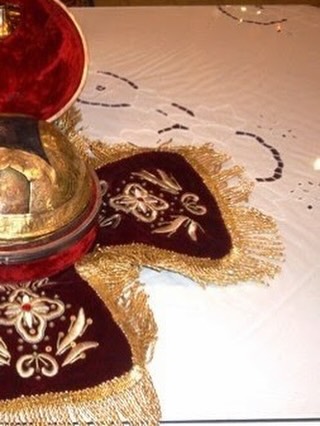
The accompanying images show icons and inscriptions of Saint Menas and a reliquary holding a relic decorated with flowers.

  • Saint Menas was born in Egypt around 285 AD, orphaned young, and served in the Roman army in Phrygia
  • In 298 AD he refused Diocletian's edict to worship idols, left the army, and lived in asceticism in the mountains
  • He confessed Christ before the prefect Pyrrhus in Kotyaeion, refusing his rank back, and was beheaded around 304 AD
  • His relics were carried to Egypt by a camel that stopped near Lake Mareotis, where he was buried
  • His tomb at Abu Mena became a pilgrimage site of healings; he is invoked as healer, protector of travelers, and helper in finding lost items
Read more
Orthodox Life Instagram

Saint Arsenius of Cappadocia: Prophet, Healer, and Spiritual Father of Saint Paisios

The post commemorates Saint Arsenius of Cappadocia on November 10. It recounts his birth in Pharasa, Cappadocia, and his childhood rescue from drowning by Saint George, which led him to dedicate his life to God. At age 26 he was tonsured a monk at the Monastery of the Flavians in Caesarea and later ordained a priest to serve his home village. Known as Hadjiephentis, he lived ascetically, sleeping on a dirt floor and fasting strictly, yet showed…

The post commemorates Saint Arsenius of Cappadocia on November 10. It recounts his birth in Pharasa, Cappadocia, and his childhood rescue from drowning by Saint George, which led him to dedicate his life to God. At age 26 he was tonsured a monk at the Monastery of the Flavians in Caesarea and later ordained a priest to serve his home village.

Known as Hadjiephentis, he lived ascetically, sleeping on a dirt floor and fasting strictly, yet showed boundless love and secretly taught Greek children reading and writing under Ottoman rule. He became a renowned wonderworker, healing both Christians and Muslims through prayers and the Psalms without accepting payment. He possessed the gift of prophecy, notably foretelling the forced expulsion of Greeks from Asia Minor.

Before the exile, he baptized the infant son of the village president, naming him Arsenios and prophesying he would become a great monk; that child grew up to be Saint Paisios of Mount Athos. In 1924, at age 83, Saint Arsenius led his community on a 400-mile foot journey across Turkey during the population exchange, refusing assistance and hiding sacred vessels.

He had predicted he would live only forty days after reaching Greece, and he died exactly forty days after arriving on the island of Corfu on November 10, 1924. His spiritual child, Saint Paisios, later transferred his relics to the Monastery of Saint John the Evangelist in Souroti, Greece, where they remain a pilgrimage site. The post also includes a series of images with Greek captions illustrating episodes from his life, his childhood rescue, his teaching of children, his meeting with Saint Paisios, and the inscription on his tomb in Corfu dated November 10, 1924, as well as a quotation from Saint Paisios stating that God desires all people to be saved and to come to the knowledge of the truth.

  • Born in Pharasa, saved from drowning by Saint George, vowed to serve God.
  • Tonsured at 26, became priest, lived ascetically, secretly taught Greek children.
  • Wonderworker who healed Christians and Muslims, prophesied the population exchange.
  • Baptized and named future Saint Paisios, foretold his monastic greatness.
  • Led 400-mile exile at age 83, died 40 days later in Corfu; relics now in Souroti.
Read more
Orthodox Life Instagram

Saint Nektarios' Hymn 'Agni Parthene': Vision, Theology, and Prayer

Saint Nektarios of Aegina composed the hymn 'Agni Parthene' (O Virgin Pure) in the late 19th century. According to Church tradition, he wrote the poem after a dream in which the Virgin Mary appeared and asked him to record a specific melody that the angelic choirs were preparing to sing. He wrote the verses on his prayer table, and the hymn was published in his 1905 Theotokarion for personal prayer and spiritual edification. It has become one of…

Saint Nektarios of Aegina composed the hymn 'Agni Parthene' (O Virgin Pure) in the late 19th century. According to Church tradition, he wrote the poem after a dream in which the Virgin Mary appeared and asked him to record a specific melody that the angelic choirs were preparing to sing. He wrote the verses on his prayer table, and the hymn was published in his 1905 Theotokarion for personal prayer and spiritual edification.

It has become one of the most recognized and beloved paraliturgical melodies in the Eastern Orthodox Church. The primary theological theme is the glorification of Mary's role in human salvation. Through poetic titles, Saint Nektarios emphasizes her absolute purity, her unmatched maternal love, and her unique bridging of heaven and earth.

He repeats the rhythmic refrain 'Rejoice, O Bride Unwedded,' which highlights the mystery of the Incarnation and her perpetual virginity. Structurally, the original text is comprehensive and reads like a classical Church canon, complete with rhythmic meters across dozens of verses. It utilizes comparisons to celestial realities, declaring Mary to be higher than the heavens, more radiant than sunbeams, and surpassing the glory of the highest angelic ranks, including the Cherubim and Seraphim.

The final stanzas shift from theological praise to a personal plea for spiritual protection. The text acts as a living prayer in which the believer begs the Panagia for mercy, requesting deliverance from temptation, protection against spiritual enemies, and help to inherit eternal life.

  • Saint Nektarios composed 'Agni Parthene' after a vision of the Virgin Mary requesting he record an angelic melody.
  • The hymn was published in his 1905 Theotokarion and became a widely beloved paraliturgical melody.
  • Its theology centers on Mary's purity, maternal love, and role bridging heaven and earth, with the refrain 'Rejoice, O Bride Unwedded.'
  • Structured like a canon with dozens of metered verses, it compares the Theotokos to celestial beings and declares her higher than the heavens.
  • The final stanzas become a personal prayer for mercy, deliverance from temptation, protection from spiritual enemies, and eternal life.
Read more
Orthodox Life Instagram

The Life of Saint Nektarios of Aegina Depicted in a Single Icon

The post presents an icon titled 'The Life of Saint Nektarios in Icons.' Saint Nektarios of Aegina stands at the center, surrounded by smaller border scenes that follow his life in order, from his birth to his repose. The post lists each scene: his birth; being taught sacred letters by his grandmother; going to Hagia Sophia in Constantinople to study at the age of 14; being spiritually advised by Saint Pachomios of Chios and becoming a monk at…

The post presents an icon titled 'The Life of Saint Nektarios in Icons.' Saint Nektarios of Aegina stands at the center, surrounded by smaller border scenes that follow his life in order, from his birth to his repose. The post lists each scene: his birth; being taught sacred letters by his grandmother; going to Hagia Sophia in Constantinople to study at the age of 14; being spiritually advised by Saint Pachomios of Chios and becoming a monk at Nea Moni in Chios; his ordination as Metropolitan of Pentapolis; his exile from Alexandria after a false accusation; his work as a preacher in Fthiotida after he could not find a bishop's position because his name had been soiled; his prayer at the Rizareio Ecclesiastical School; his healing of a demon-possessed man upon his arrival in Aegina; his teaching of the nuns at the monastery he established in Aegina; his vision of Saints Theodosia, Paraskevi and Kyriaki; his being insulted by a prosecutor; and his dormition.

The accompanying image text gives the Greek inscriptions of the scenes, including the healing of the demon-possessed, the driving out of the unclean spirit, the preaching of God in Egypt, the instruction of the nuns, and the dormition. The post credits the source johnsanidopoulos.com.

  • The icon shows Saint Nektarios at the center with border scenes covering his whole life.
  • Early scenes include his birth, his grandmother teaching him sacred letters, and study at Hagia Sophia in Constantinople at age 14.
  • He became a monk at Nea Moni in Chios under the guidance of Saint Pachomios of Chios, and was ordained Metropolitan of Pentapolis.
  • Later scenes show his exile from Alexandria after a false accusation, preaching in Fthiotida, and prayer at the Rizareio Ecclesiastical School.
  • Final scenes include his healing of a demon-possessed man in Aegina, teaching the nuns of his monastery, his vision of Saints Theodosia, Paraskevi and Kyriaki, and his dormition.
Read more
Orthodox Life Instagram

Saint Nektarios the Wonderworker: From False Exile to the Holy Trinity Convent of Aegina

The post commemorates Saint Nektarios the Wonderworker, Bishop of Pentapolis, whose feast falls on November 9. Born Anastasios Kephalas in Thrace, he moved to Constantinople as a young man to work and study, showing piety and a desire to serve the Church from an early age. He was ordained a priest and later consecrated Metropolitan of Pentapolis in Egypt by Patriarch Sophronios, where his humility, preaching and popularity drew large crowds. His…

The post commemorates Saint Nektarios the Wonderworker, Bishop of Pentapolis, whose feast falls on November 9. Born Anastasios Kephalas in Thrace, he moved to Constantinople as a young man to work and study, showing piety and a desire to serve the Church from an early age. He was ordained a priest and later consecrated Metropolitan of Pentapolis in Egypt by Patriarch Sophronios, where his humility, preaching and popularity drew large crowds.

His success provoked jealousy among fellow clergy, and he was falsely accused of plotting to seize the Patriarchal throne and of immoral conduct. Without a chance to defend himself, he was exiled from Egypt and stripped of his duties. He returned to Greece in near-poverty, enduring years of public humiliation and suspicion while working as a preacher and teacher.

Despite the slander, he founded the Holy Trinity Convent on Aegina and spent his final years there as a spiritual father, living in asceticism, manual labor and prayer. His gentle endurance of false accusations led people to regard him as a living saint, and many sought his counsel and blessing. He reposed in 1920 from cancer and was canonized by the Ecumenical Patriarchate in 1961.

Miracles of healing were attributed to his intercession soon after his death, giving him the title Wonderworker. Today he is venerated worldwide as a patron of those suffering from cancer, illness and unjust persecution. The accompanying images show photographs of the saint, icons and frescoes of him, his reliquary, and handwritten prayers associated with him.

  • Saint Nektarios, born Anastasios Kephalas in Thrace, served as Metropolitan of Pentapolis in Egypt under Patriarch Sophronios.
  • False accusations of ambition and immoral conduct led to his exile and the loss of his duties, without a chance to defend himself.
  • He returned to Greece in poverty, endured humiliation as a preacher and teacher, and founded the Holy Trinity Convent on Aegina.
  • He reposed in 1920 from cancer and was canonized by the Ecumenical Patriarchate in 1961.
  • Miracles of healing followed his death, and he is venerated as a patron for those with cancer, illness and unjust persecution.
Read more
Orthodox Life Instagram

Synaxis of Archangel Michael and the Bodiless Powers (November 8)

The Orthodox Church celebrates the Synaxis of the Archangel Michael and the Other Bodiless Powers on November 8. The word synaxis means an assembly, calling the faithful to gather in honor of the entire heavenly host. The feast was established after the fourth-century Council of Laodicea. It presents the angels not as distant myths but as active, living servants of God. Orthodox tradition describes a heavenly hierarchy of nine ranks grouped into…

The Orthodox Church celebrates the Synaxis of the Archangel Michael and the Other Bodiless Powers on November 8. The word synaxis means an assembly, calling the faithful to gather in honor of the entire heavenly host. The feast was established after the fourth-century Council of Laodicea. It presents the angels not as distant myths but as active, living servants of God.

Orthodox tradition describes a heavenly hierarchy of nine ranks grouped into three triads. The highest order includes Seraphim, Cherubim, and Thrones. The middle order includes Dominions, Powers, and Authorities. The lowest order includes Principalities, Archangels, and Angels.

Each rank reflects a specific way these pure, incorporeal spirits receive and transmit divine light. At the head of all nine ranks stands the Archangel Michael, whose Hebrew name means "Who is like God?" When Lucifer rebelled out of pride, Michael rallied the heavenly forces with the cry, "Let us attend!

Let us stand aright before our Creator!" He cast the fallen spirits down from heaven and became Chief Commander of the Heavenly Hosts. Alongside Michael, the Church venerates other prominent archangels with distinct missions: Gabriel the herald, Raphael the healer, Uriel the enlightener, Salaphiel, Jehudiel, Barachiel, and Jeremiel.

Every Christian receives a personal Guardian Angel at baptism to guide and protect them. On the feast day, Orthodox Christians gather for the Divine Liturgy to seek the protection of these immaterial powers, asking the angels to shelter them under the wings of their glory and deliver them from spiritual and physical harm.

  • The feast of the Synaxis of the Archangel Michael and the Bodiless Powers is celebrated on November 8.
  • The term synaxis refers to an assembly of the faithful to honor the heavenly host.
  • Orthodox tradition outlines a hierarchy of nine angelic ranks grouped in three triads.
  • Archangel Michael, whose name means "Who is like God?", leads the heavenly hosts after casting down Lucifer.
  • The Church also venerates Gabriel, Raphael, Uriel, Salaphiel, Jehudiel, Barachiel, and Jeremiel, and teaches that each Christian receives a guardian angel at baptism.
Orthodox Life Instagram

Saints Galaktion and Episteme: Married Ascetics Martyred in Emesa

The post recounts the lives of Saint Galaktion and Saint Episteme, commemorated on November 5. Galaktion was born in Emesa to wealthy pagan parents, Cleitophon and Leucippe, who had been childless until a Christian monk named Onuphrius visited, prayed for them, and foretold a son if they embraced the faith. After their baptism, they raised Galaktion in piety. Though drawn to monasticism, Galaktion obeyed his parents and became betrothed to a…

The post recounts the lives of Saint Galaktion and Saint Episteme, commemorated on November 5. Galaktion was born in Emesa to wealthy pagan parents, Cleitophon and Leucippe, who had been childless until a Christian monk named Onuphrius visited, prayed for them, and foretold a son if they embraced the faith. After their baptism, they raised Galaktion in piety. Though drawn to monasticism, Galaktion obeyed his parents and became betrothed to a pagan woman, Episteme.

He instructed her in Christianity, leading to her baptism, and they agreed to preserve their virginity. They withdrew to Mount Publion, entering separate monastic houses, Galaktion to a men's monastery, Episteme to a women's convent, and lived years of prayer and strict asceticism without seeing each other. During the persecution under Emperor Decius, around 250-253 AD, the governor Ursus arrested both after they were betrayed as Christians.

Before her arrest, Episteme experienced a prophetic vision of their summons to a heavenly kingdom. When Galaktion was whipped, Episteme wept openly, prompting the authorities to arrest and whip her as well. The pagans subjected both to severe tortures: piercing their nails with reeds, cutting off their hands and feet, cutting out their tongues, and finally beheading them.

  • Galaktion born to pagan parents Cleitophon and Leucippe in Emesa; monk Onuphrius foretold his birth after their conversion.
  • Galaktion converted his betrothed Episteme; they agreed to live in virginity and entered separate monasteries on Mount Publion.
  • During Decius' persecution under governor Ursus, both were betrayed as Christians.
  • Episteme had a prophetic vision before arrest; she wept when Galaktion was whipped, leading to her own arrest.
  • Both endured severe tortures including nail piercing, limb removal, tongue excision, and beheading around 250-253 AD.
Read more
Orthodox Life Instagram

Saint George Karslides: New Confessor of Drama

The post recounts the life of Saint George Karslides, the New Confessor of Drama. Born Athanasios in 1901 in Argyroupolis, Pontos, he was orphaned as an infant and raised by his pious grandmother, who nurtured his love for the liturgical life. As a child tending sheep, he experienced visions that foretold his monastic calling. He traveled to Georgia and was tonsured a monk in 1919 under the name Symeon. During communist persecutions, he was…

The post recounts the life of Saint George Karslides, the New Confessor of Drama. Born Athanasios in 1901 in Argyroupolis, Pontos, he was orphaned as an infant and raised by his pious grandmother, who nurtured his love for the liturgical life. As a child tending sheep, he experienced visions that foretold his monastic calling.

He traveled to Georgia and was tonsured a monk in 1919 under the name Symeon. During communist persecutions, he was arrested, severely tortured, and sentenced to death by firing squad, but survived the execution attempt. He was ordained a priest in 1925, taking the name George. In 1929 he relocated to Greece and settled in the village of Taxiarches (Sipsa) near Drama, where he founded the Monastery of the Ascension of Christ.

The monastery became a spiritual center for the region. Father George lived a rigorous ascetic life, keeping daily vigils, eating wild greens, and wearing the same cassock for thirty years. He was known for spiritual gifts including clairvoyance, healing, and discernment of hearts. During World War II, Bulgarian occupation forces led him away to be executed, but they fled in panic after his calm prayer filled them with fear.

Witnesses also reported seeing him levitate during the Divine Liturgy. He predicted the exact day of his death and reposed peacefully on November 4, 1959, at age 58. His gravesite behind the monastery church became a major shrine where pilgrims continue to report miraculous healings.

  • Born 1901 in Argyroupolis, Pontos; orphaned and raised by pious grandmother.
  • Tonsured monk Symeon in Georgia 1919; survived communist firing squad; ordained priest George 1925.
  • Founded Monastery of the Ascension in Taxiarches, Drama, 1929; lived strict asceticism.
  • Known for clairvoyance, healing, discernment; Bulgarian execution attempt failed 1941; levitation during Liturgy witnessed.
  • Predicted death date; reposed November 4, 1959; gravesite became shrine with reported healings.
Read more