
 Orthodox Life
Instagram
Orthodox Life
Instagram
Saint Symeon the New Theologian: mystic of divine light
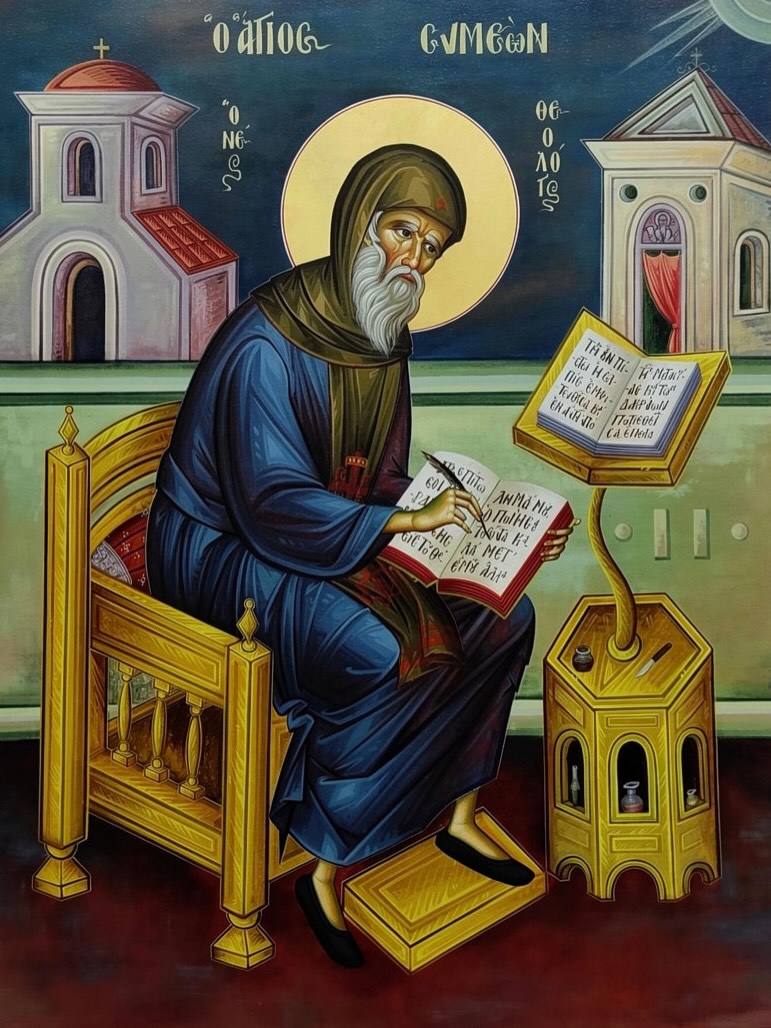
The post commemorates Saint Symeon the New Theologian on October 12th. Symeon lived from 949 to 1022 AD as a Byzantine monk, mystic, and poet who remains one of the most influential figures in Eastern Orthodox spirituality. The title "New Theologian" places him alongside John the Evangelist and Gregory of Nazianzus.
Born into an aristocratic family in Galatia, he was educated in Constantinople and groomed for a prestigious career in the imperial court. Around the age of fourteen he met his spiritual father, Symeon the Pious, at the Monastery of Stoudios. This encounter sparked a spiritual awakening that led him to abandon his secular ambitions, renounce his wealth, and embrace monastic life.
He eventually became abbot of the Monastery of Saint Mamas in Constantinople, where he initiated rigorous spiritual reforms. Symeon taught that Christian life must be rooted in continuous awareness of the Holy Spirit and the visible manifestation of divine grace. His insistence that theology should flow from direct mystical experience rather than mere intellectual study often brought him into sharp conflict with institutional church leadership.
Central to his mysticism was the theology of Divine Light. He frequently described intense spiritual encounters as being completely enveloped by an uncreated, blinding light, which he identified as the living presence of Christ. His extensive writings, particularly the Hymns of Divine Love and Discourses, articulate these ecstatic visions and emphasize the necessity of tears, repentance, and a purified heart to receive this light.
Symeon's teachings laid the essential theological foundations for Hesychasm, a meditative prayer movement that flourished on Mount Athos centuries later and remains central to Eastern Orthodoxy today.
Main points
- Commemorated October 12th; lived 949-1022 AD as Byzantine monk, mystic, poet
- Title "New Theologian" ranks him with John the Evangelist and Gregory of Nazianzus
- Met spiritual father Symeon the Pious at fourteen, left court career for monastic life
- Taught theology from direct experience of God, not intellectual study; conflicted with church leaders
- Theology of uncreated Divine Light as Christ's presence; writings founded Hesychasm tradition