
 Orthodox Life
Instagram
Orthodox Life
Instagram
Saints Cosmas and Damian of Arabia: the silverless physicians who healed for free
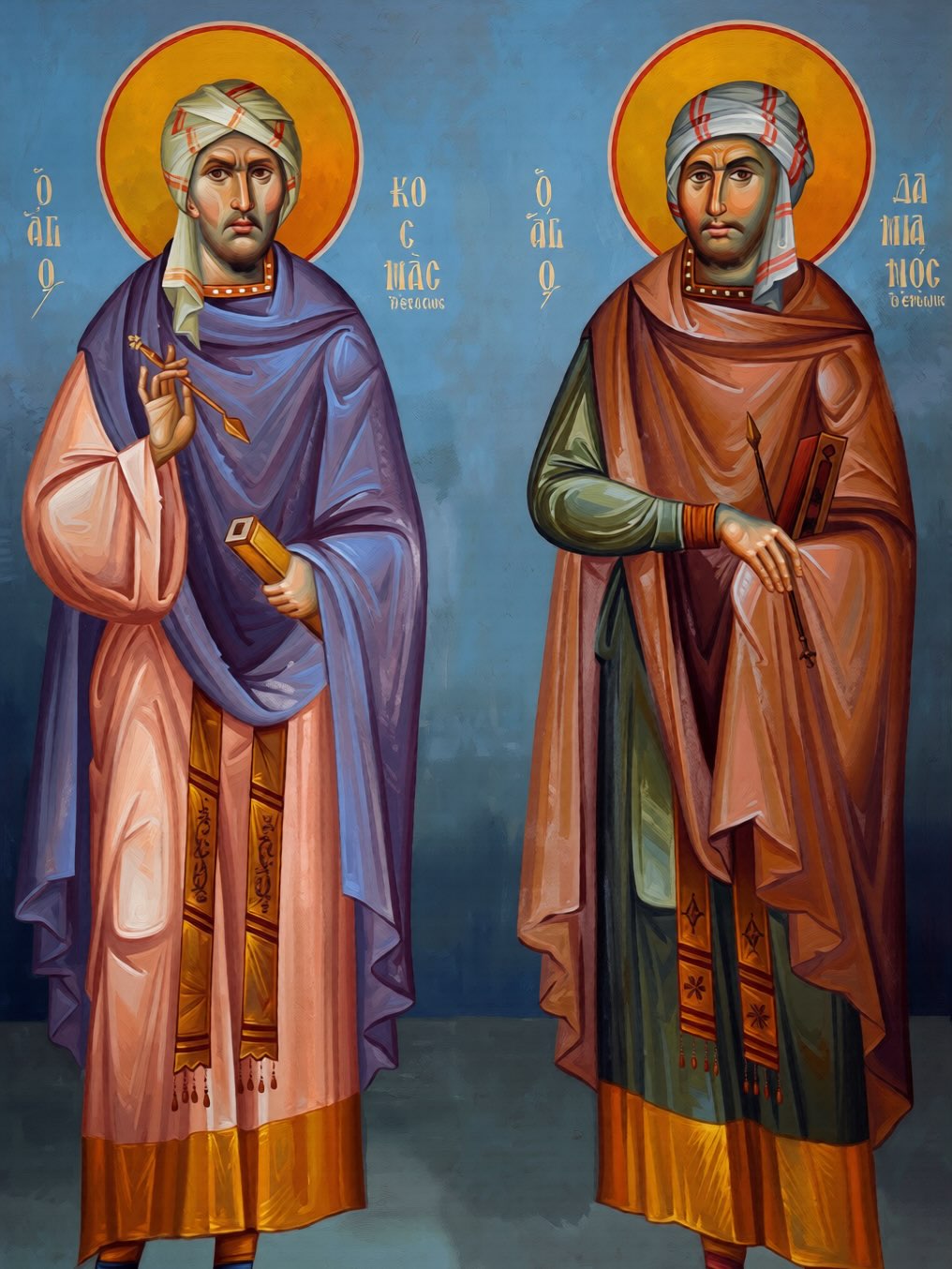
The post commemorates the Holy Martyrs Cosmas and Damian of Arabia, whose feast falls on October 17. The twin brothers were Christian physicians born in Arabia in the third century. After studying medicine and the sciences in Syria, they became known as master healers. The post notes they are distinct from two other pairs of saints with the same names, one connected with Rome and one with Asia Minor.
Out of love for Christ, the brothers refused payment for their medical and surgical work, which earned them the Greek title Anargyroi, meaning the silverless ones. They treated rich and poor alike, cared for both body and soul, and their witness as healers led many pagans to Christianity. They settled in the seaport of Aegeae in the Roman province of Cilicia, where they continued healing and preaching.
When Emperor Diocletian began his persecution of Christians, the brothers were among the first arrested because of their visibility. The local governor, Lysias, demanded they sacrifice to pagan idols. They refused and endured tortures described as both horrific and miraculous: floggings, being bound to heavy stones and thrown into the sea, where an angel rescued them, and being nailed to crosses while stones and arrows thrown at them deflected back on the executioners.
Lysias finally ordered them beheaded around the year 287 or 303 AD. The post presents their lives as an example of unpaid, charitable medicine joined to confession of Christ under persecution.
Main points
- Cosmas and Damian were twin brothers, physicians born in Arabia in the third century, who studied medicine in Syria.
- They refused payment for treatment, earning the Greek title Anargyroi, the silverless ones.
- They are distinct from other saint pairs of the same name associated with Rome and Asia Minor.
- They settled in Aegeae in Cilicia and were arrested under Diocletian's persecution by Governor Lysias.
- After surviving floggings, drowning, and crucifixion by tradition, they were beheaded around 287 or 303 AD.