WeOrthodox
EN UA

CHRISTIANITY UNITED

Instagram ↗ 58 discussions

☦️ Christians United in Christ ✝️ Orthodox faith • Saints • Scripture 🎥 New journey begins soon 👕 Apparel supports people in need ⬇️ Shop / support

CHRISTIANITY UNITED Instagram

Saint Peter: cast your cares on God who cares
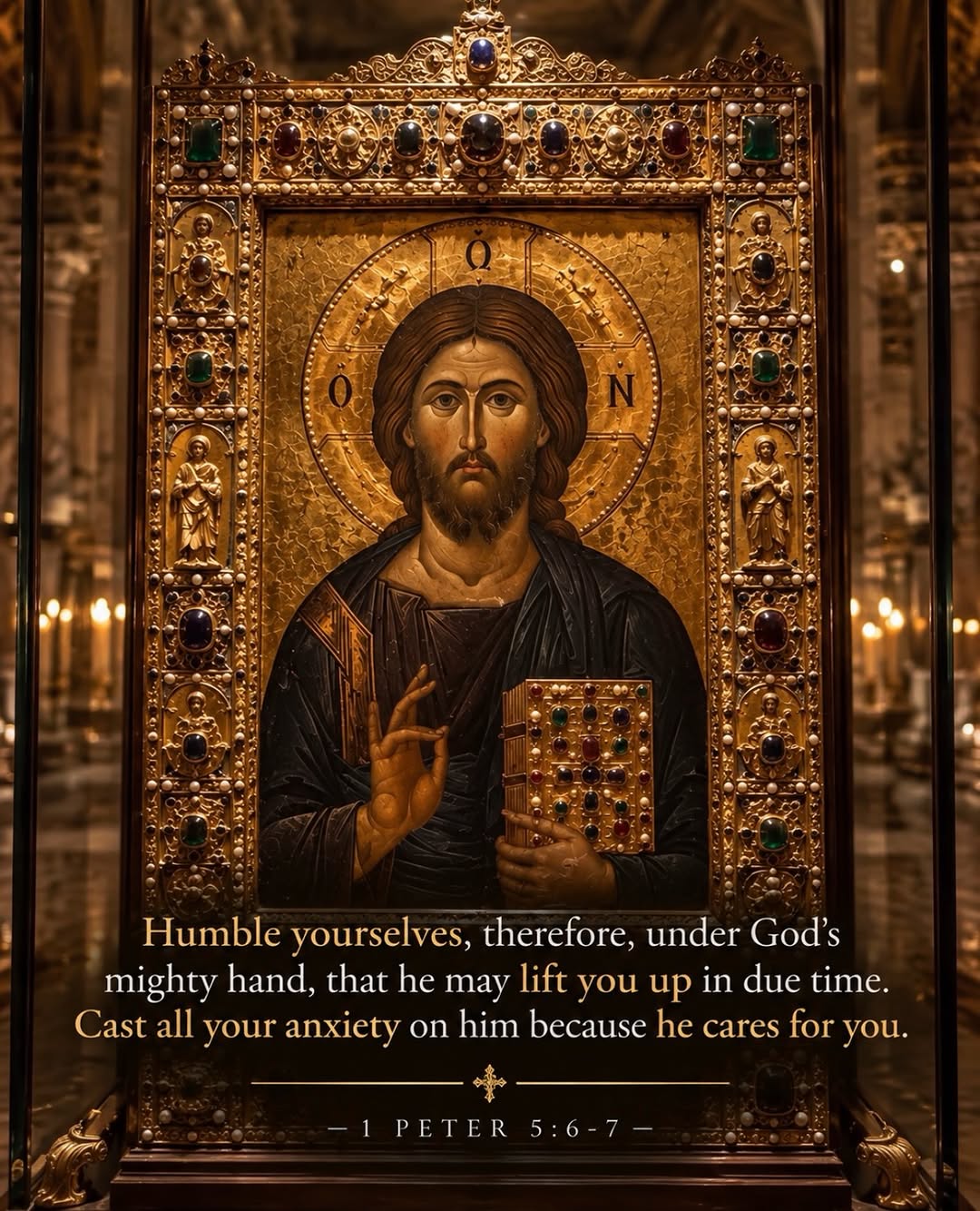
The post opens with a call to give God what cannot be carried alone. It identifies the weight of daily worries: tomorrow, families, money, work, health, decisions, things beyond control, and situations that may never happen. The author observes that before we realize it, the mind lives everywhere except the present moment. Saint Peter is cited as giving a different way: humble yourself before God and place what is troubling you into His hands.…

The post opens with a call to give God what cannot be carried alone. It identifies the weight of daily worries: tomorrow, families, money, work, health, decisions, things beyond control, and situations that may never happen. The author observes that before we realize it, the mind lives everywhere except the present moment.

Saint Peter is cited as giving a different way: humble yourself before God and place what is troubling you into His hands. Humility means accepting that we cannot control everything, we do not know what tomorrow brings, we do not always know which road is best, and sometimes after doing everything we possibly can, there is nothing left except to pray and trust God.

The post clarifies that this does not mean ignoring responsibilities or expecting God to solve everything without us doing our part. It means doing what we can and then refusing to let fear control what we cannot. The reason Saint Peter gives is quoted: "Because He cares for you."

The post emphasizes that this is not because every problem will disappear immediately or because life will always go according to our plans, but because whatever comes, we are not carrying it alone. The final exhortation: pray about it, do what is in your hands today, leave tomorrow with God. He knows what you need, He knows what you fear, and He has not forgotten you.

  • Saint Peter's call to humble oneself and cast anxieties on God
  • Common burdens listed: future, family, finances, health, decisions, uncontrollable events
  • Humility defined as accepting lack of control and limited knowledge
  • Trust involves doing one's part today while releasing fear over outcomes
  • Assurance that God cares, knows needs, and has not forgotten the believer
CHRISTIANITY UNITED Instagram

Children as blessing in Orthodox Christian life

The author states that children are a blessing, not a burden, in Orthodox Christian life. The post begins by describing the beauty of hearing a baby's laughter in church, saying this is where children belong, surrounded by prayer, icons, the Divine Liturgy, and people who love Christ. It cites Genesis where God tells humanity to be fruitful and multiply, and says life is not something Christians should fear or treat as an inconvenience. The…

The author states that children are a blessing, not a burden, in Orthodox Christian life. The post begins by describing the beauty of hearing a baby's laughter in church, saying this is where children belong, surrounded by prayer, icons, the Divine Liturgy, and people who love Christ. It cites Genesis where God tells humanity to be fruitful and multiply, and says life is not something Christians should fear or treat as an inconvenience.

The ability to bring new life is called one of the greatest gifts God has given humanity. For a Christian husband and wife, marriage is not meant to turn inward for comfort but to become fruitful by welcoming children when God grants them and raising them to know and love Him. Responsibility includes bringing them to church, teaching them to pray, letting them see adults pray, teaching them to make the sign of the Cross, to forgive, to recognize right from wrong, and to know Christ beyond Sunday.

The post acknowledges that not every person must marry, not every couple can have children, the Church honors celibacy and monasticism, and infertility does not make a marriage less valuable before God. When God gives children, they are not interruptions but become part of the responsibility and path toward salvation. The world needs another generation that knows Christ, beginning with a child feeling at home in the Church. The post ends with Mark 10:14: "Let the little children come to Me."

  • Children are a blessing, not a burden, and belong in church surrounded by prayer and liturgy.
  • Scripture commands to be fruitful and multiply; life is a gift not to be feared.
  • Marriage is called to fruitfulness through welcoming and raising children to know Christ.
  • Raising children includes bringing them to church, teaching prayer, the sign of the Cross, forgiveness, and moral discernment.
  • The Church also honors celibacy and monasticism; infertility does not diminish a marriage's value before God.
CHRISTIANITY UNITED Instagram

Psalm 91: Trust in God Amid Spiritual Dangers

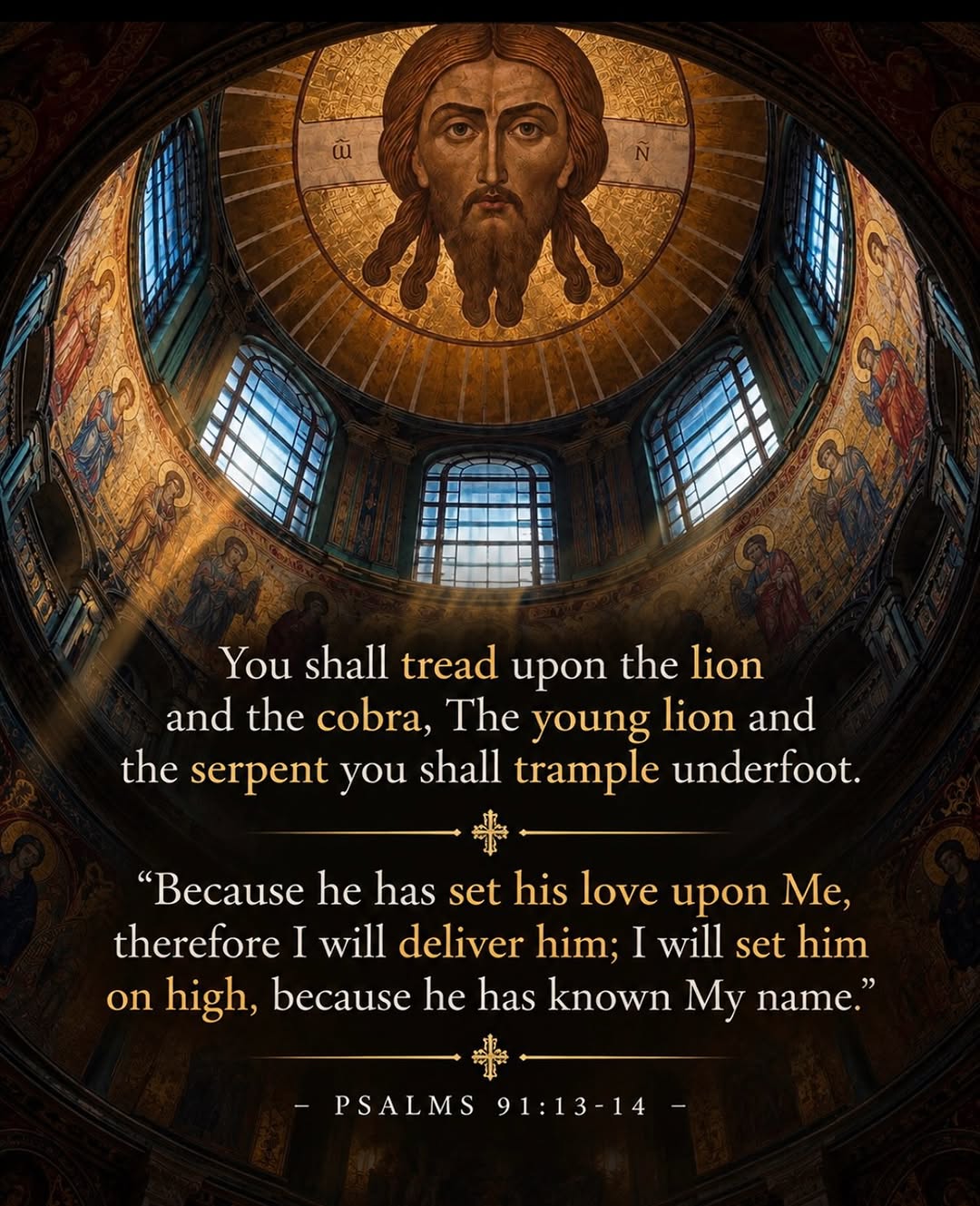
The post opens with the statement that when your heart belongs to God, you are never alone. It then reflects on Psalm 91 as one of the most powerful prayers of trust in all of Scripture. The author notes that the psalm mentions the lion, the cobra, and the serpent as images of real danger, but Christians have long understood them spiritually. There are things that hunt the soul too: temptation, fear, despair, pride, hatred, lust, and the attacks…

The post opens with the statement that when your heart belongs to God, you are never alone. It then reflects on Psalm 91 as one of the most powerful prayers of trust in all of Scripture. The author notes that the psalm mentions the lion, the cobra, and the serpent as images of real danger, but Christians have long understood them spiritually.

There are things that hunt the soul too: temptation, fear, despair, pride, hatred, lust, and the attacks of the enemy. The author quotes the verse: "Because he has set his love upon Me, therefore I will deliver him," and identifies this as the heart of these verses. The author explains that our strength does not come from believing that nothing bad can ever happen to us.

Christians still suffer. The apostles suffered. The martyrs suffered. Even Christ went willingly to the cross. Our confidence comes from knowing that nothing has greater power than God and that even suffering and death cannot separate those who belong to Christ from him. The author also comments on the phrase "because he has known My name," saying that to know God is more than simply knowing that he exists.

It means learning to trust him, calling upon him in prayer, returning to him when we fall, and slowly giving him our whole heart. The post concludes with practical advice: when fear comes, pray. When temptation comes, pray. When you feel surrounded and cannot see a way forward, remember who stands above everything you fear. Set your heart upon Christ and keep walking.

  • Psalm 91 is a prayer of trust; its images of lion, cobra, serpent represent spiritual dangers like temptation, fear, despair, pride, hatred, lust, and enemy attacks.
  • God promises deliverance to those who set their love on him: "Because he has set his love upon Me, therefore I will deliver him."
  • Christian confidence is not that suffering is absent; apostles, martyrs, and Christ suffered, but nothing can separate believers from God.
  • Knowing God's name means more than acknowledging existence; it involves trust, prayer, repentance, and giving one's whole heart.
  • Practical response: pray when fear or temptation comes, remember God's supremacy, set heart on Christ and keep walking.
Read more
CHRISTIANITY UNITED Instagram

Father Macarie feeds birds at Romanian mountain monastery

The post shows Father Macarie at Piatra Tăieturii Monastery in Suceava County, Romania, quietly feeding birds while a monastery dog waits behind him. The author notes that Orthodox monastic life has always maintained a close relationship with creation. Monks spend their days surrounded by forests, mountains, animals, work, silence, and prayer. The lives of the saints repeatedly show animals becoming unusually comfortable around people who treat…

The post shows Father Macarie at Piatra Tăieturii Monastery in Suceava County, Romania, quietly feeding birds while a monastery dog waits behind him. The author notes that Orthodox monastic life has always maintained a close relationship with creation. Monks spend their days surrounded by forests, mountains, animals, work, silence, and prayer.

The lives of the saints repeatedly show animals becoming unusually comfortable around people who treat them with gentleness. The author says this does not need to be called a miracle; sometimes it is simply kindness, and that is beautiful enough. The monastery stands high in the mountains where Father Macarie and the brotherhood live and pray.

The scene reminds viewers that God's creation was given not only to use but also to care for. The post cites Proverbs 12:10: "The righteous man regardeth the life of his beast." The author hopes readers may learn to be gentler with everything God has placed around them.

  • Father Macarie feeds birds at Piatra Tăieturii Monastery in Romania
  • A monastery dog waits quietly behind him during the feeding
  • Orthodox monastic life emphasizes a close relationship with creation
  • The author references Proverbs 12:10 on caring for animals
  • Kindness toward animals is presented as beautiful without needing to be called miraculous
Read more
CHRISTIANITY UNITED with Prayer Orthodoxy® Instagram

Praying directly to the Holy Spirit who dwells within

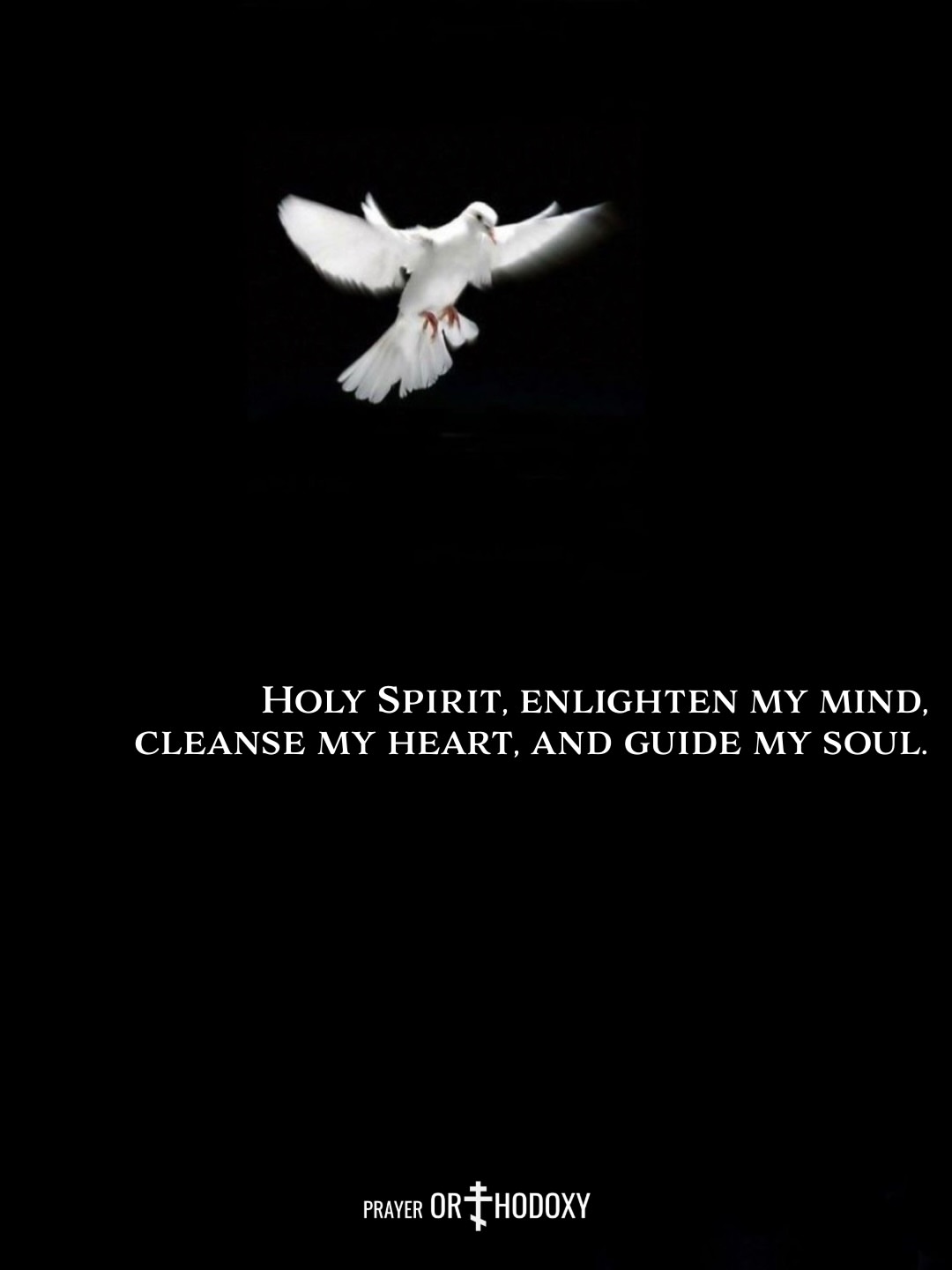
The author reminds readers that they can pray directly to the Holy Spirit who dwells within them. The post lists four specific requests to make of the Spirit: that it enlighten the mind, cleanse the heart, strengthen the soul, and guide every step toward Christ. The message appears in both English and Greek, with the Greek text translating the same four petitions. The text carries the attribution "An Original Production of Prayer Orthodoxy®" and…

The author reminds readers that they can pray directly to the Holy Spirit who dwells within them. The post lists four specific requests to make of the Spirit: that it enlighten the mind, cleanse the heart, strengthen the soul, and guide every step toward Christ. The message appears in both English and Greek, with the Greek text translating the same four petitions.

The text carries the attribution "An Original Production of Prayer Orthodoxy®" and includes hashtags for Orthodox, Holy Spirit, Prayer, Christ, and Faith. The post does not cite Scripture or patristic sources. It presents the practice of addressing the Holy Spirit directly as something believers often forget.

  • The Holy Spirit dwells within believers
  • Believers can pray directly to the Holy Spirit
  • Four specific petitions: enlighten mind, cleanse heart, strengthen soul, guide steps to Christ
  • Post presented in English and Greek
  • Attributed to Prayer Orthodoxy®
Read more
CHRISTIANITY UNITED Instagram

Trusting God When Life Doesn't Make Sense

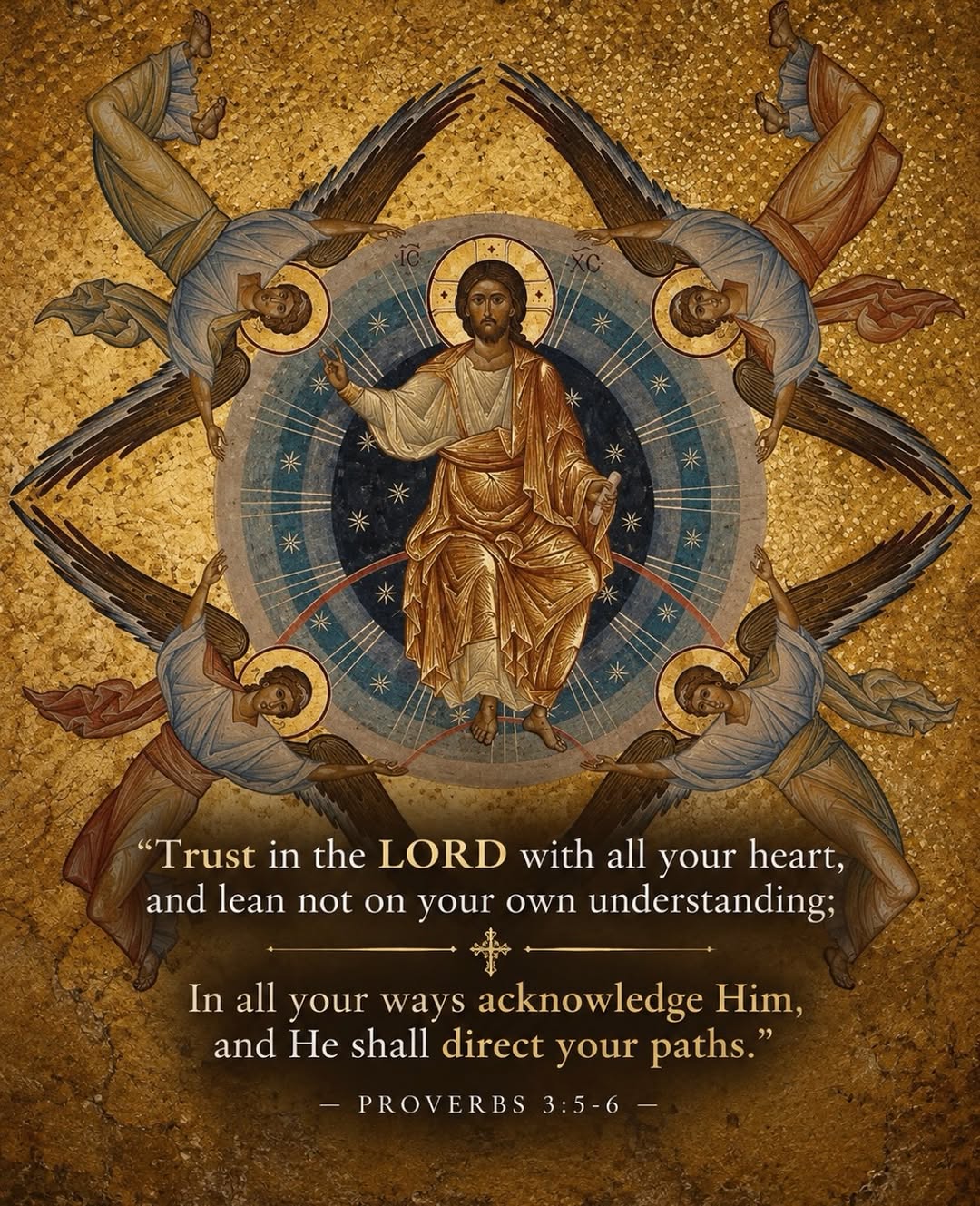
The post addresses seasons when life does not make sense, we pray for one thing and something completely different happens, a door we were sure would open suddenly closes, plans fall apart, people leave, and we find ourselves somewhere we never expected to be, wondering what God is doing. The author observes that trusting God is easy when everything is going according to our plans, but trust becomes real faith when a person can still say, "Lord,…

The post addresses seasons when life does not make sense, we pray for one thing and something completely different happens, a door we were sure would open suddenly closes, plans fall apart, people leave, and we find ourselves somewhere we never expected to be, wondering what God is doing. The author observes that trusting God is easy when everything is going according to our plans, but trust becomes real faith when a person can still say, "Lord, I don't understand this, but I trust You," when nothing seems clear.

Proverbs is cited as a reminder not to depend completely on one's own understanding, because we see only what is in front of us while God sees the whole road. That does not mean we stop thinking, planning, or making decisions; it means we bring those decisions before God through prayer and remain willing to accept that His direction may be different from what we originally wanted.

The author notes that sometimes we understand why God allowed something years later, and sometimes we may never understand it in this life. But our peace does not have to come from having every answer; our peace can come from knowing who is leading us. The practical counsel is to pray, do what is right, take the next step we can see, and when we cannot see what comes after that, trust God with the rest.

  • Trust becomes faith when we say "Lord, I don't understand this, but I trust You" despite confusion
  • Proverbs warns against depending completely on our own understanding
  • God sees the whole road; we see only what is in front of us
  • Peace comes from knowing who leads, not from having every answer
  • Practical steps: pray, do what is right, take the next visible step, trust God with the rest
Read more
CHRISTIANITY UNITED Instagram

Saint Paisios confronts a man over stolen inheritance

1:27

The post shares a scene from the Greek series "Saint Paisios, From Farasa to Heaven" in which the elder confronts Michalis about secretly taking their mother's property and fields after their father's death, putting everything in his own name without sharing the inheritance. The elder tells Michalis that God is love and that loving the world makes one like God, while selfishness and injustice separate a person from Him. He calls the injustice a…

The post shares a scene from the Greek series "Saint Paisios, From Farasa to Heaven" in which the elder confronts Michalis about secretly taking their mother's property and fields after their father's death, putting everything in his own name without sharing the inheritance. The elder tells Michalis that God is love and that loving the world makes one like God, while selfishness and injustice separate a person from Him.

He calls the injustice a stone around Michalis's neck and warns him to fear when he commits injustice. Michalis admits his sin and asks for forgiveness. The elder instructs him to restore the injustice, find a spiritual father, confess, and return to speak again. He also tells Michalis to ask God to enlighten him to remember all the sins he has committed up to today.

The post reflects on how Saint Paisios could speak directly about sin without destroying the person, and how repentance in the Orthodox Church moves beyond regret to confession and repair of wrongs. English-subtitled episodes are available through Pemptousia TV. Saint Paisios (1924-1994) lived on Mount Athos, was canonized in 2015, and emphasized humility, repentance, prayer, sacrifice for others, and love for Christ.

Key moments

  1. The elder states that God is love and becoming like Him requires loving the whole world, while selfishness and injustice make one unlike Him.
  2. The elder accuses Michalis of wronging his brother by secretly taking their mother's property and fields after their father's death and putting everything in his own name.
  3. The elder calls this injustice a stone around Michalis's neck and says one must fear when committing injustice.
  4. Michalis admits his sin and asks the elder for forgiveness.
  5. The elder tells Michalis to restore the injustice, find a spiritual father, confess, and return to speak again.
  6. The elder also instructs Michalis to ask God to enlighten him to remember all the sins he has committed up to today.
Read more