WeOrthodox
EN UA

Појединац, Породица и Друштво

Instagram ↗ 209 discussions

Ова страница је посвећена ПРАВОСЛАВЉУ и ДОБРОТОЉУБЉУ🫒

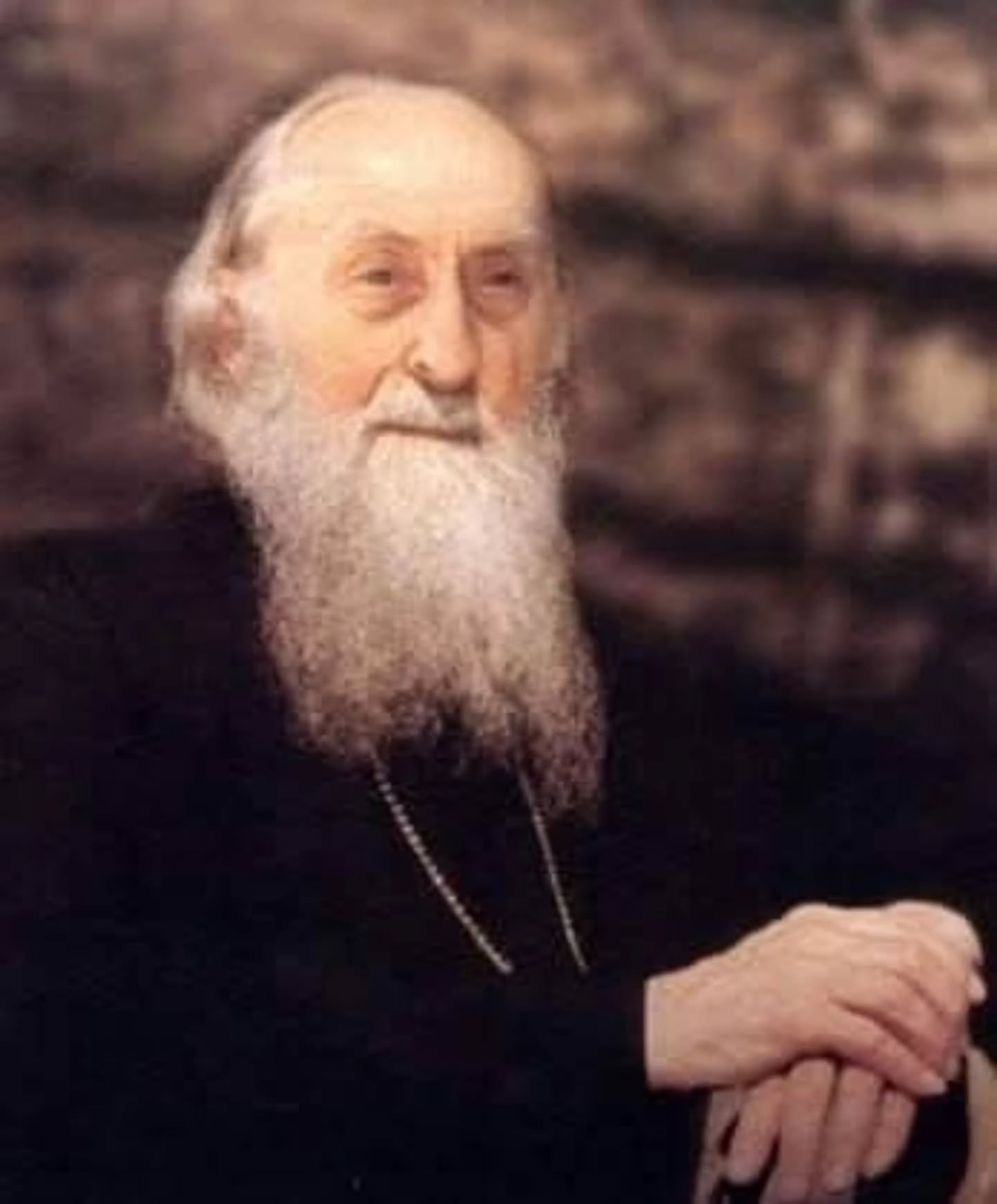
St. Sophrony of Essex on praying for those we resent

The post shares a saying attributed to St. Sophrony of Essex. He advises that if you wish to be freed from negative feelings toward someone, anger, aversion, envy, or hatred, you should mention that person daily in your prayers. He states that you will be surprised how much your feelings toward that person will change, and that your brother or sister will also feel that change.

St. Sophrony calls prayer the highest form of creativity. The text is presented as a standalone spiritual counsel without additional commentary or discussion.

  • St. Sophrony of Essex recommends daily prayer for a person toward whom one harbors negative feelings.
  • He lists anger, aversion, envy, and hatred as examples of such feelings.
  • He says the practice will change one's own feelings and the other person will sense the change.
  • He describes prayer as the highest form of creativity.

St. Luke the Evangelist as the first iconographer of the Theotokos

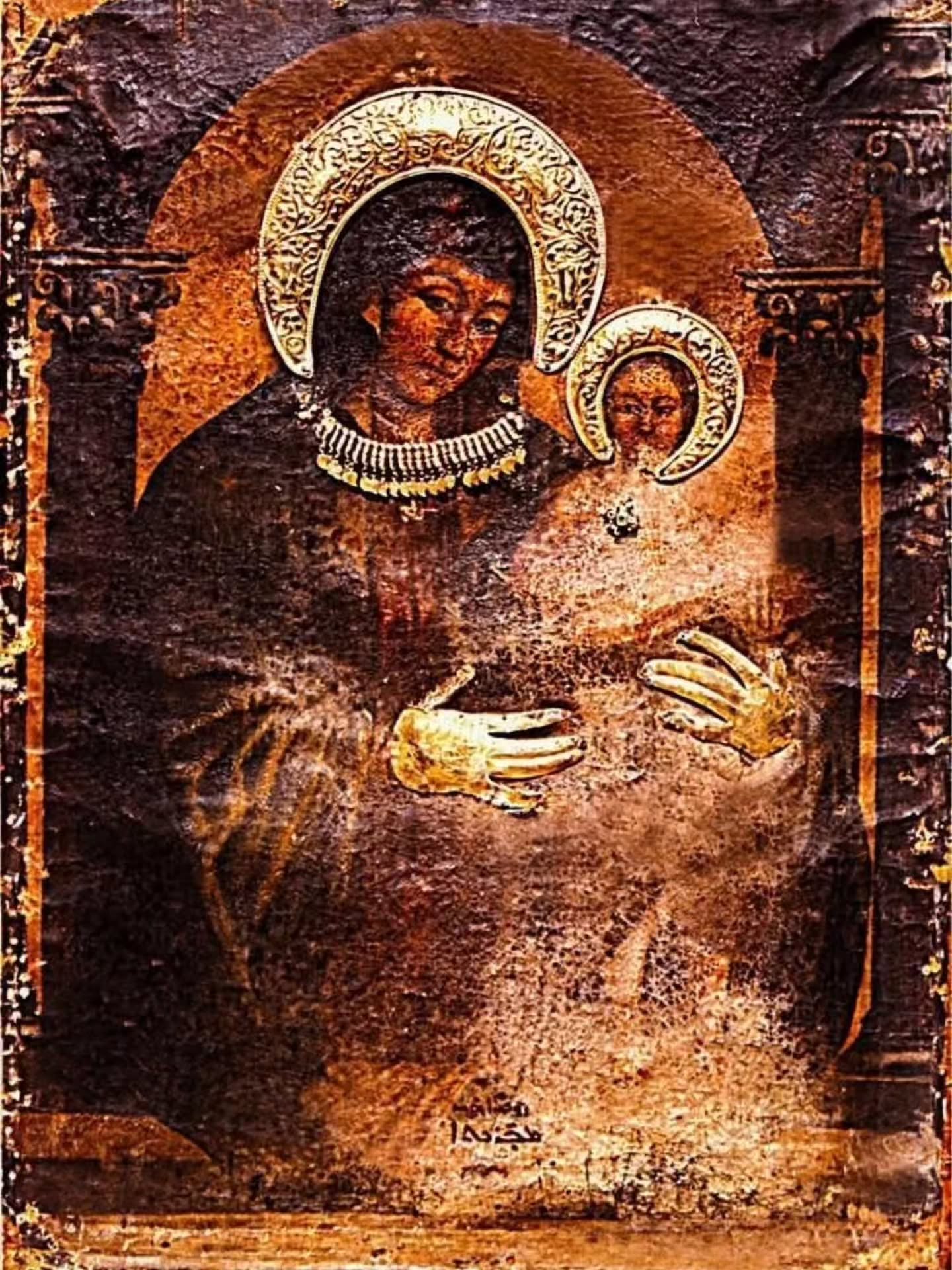
The post states that according to Orthodox tradition, the Apostle and Evangelist Luke was the first to paint the Mother of God on an icon. Tradition holds that he knew the Theotokos personally and depicted her holy likeness, making him one of the first iconographers in Christian history. Many icons of the Theotokos throughout the Christian world are attributed to St. Luke. One such icon, described as wonderworking, is kept at the Monastery of…

The post states that according to Orthodox tradition, the Apostle and Evangelist Luke was the first to paint the Mother of God on an icon. Tradition holds that he knew the Theotokos personally and depicted her holy likeness, making him one of the first iconographers in Christian history. Many icons of the Theotokos throughout the Christian world are attributed to St. Luke.

One such icon, described as wonderworking, is kept at the Monastery of St. Mark in Jerusalem, which belongs to the Syrian Orthodox Church. According to the tradition of that Church, this icon was painted by St. Luke the Evangelist.

  • Orthodox tradition identifies St. Luke as the first iconographer of the Theotokos
  • Tradition says he knew the Mother of God and painted her from life
  • Many icons of the Theotokos worldwide are attributed to St. Luke
  • A wonderworking icon at the Monastery of St. Mark in Jerusalem is ascribed to him
  • The Syrian Orthodox Church maintains this tradition regarding the Jerusalem icon
Read more

Liturgical Prayer Magnifies the Theotokos and Worships the Creator

The post presents a liturgical prayer that calls the soul to magnify the Theotokos as more honorable and glorious than the angelic hosts. The prayer addresses the most pure Mother of God and affirms worship of the Creator God. It also includes a reference to Jesus Christ as God. The text appears to be the Megalynarion or a similar hymn from Orthodox worship.

Key moments

  1. Magnify, O my soul, the most honorable and glorious above the hosts, the most pure Theotokos.
  2. Magnify, O my soul, we worship the Creator God.
  3. The text references Jesus Christ as God.
Read more

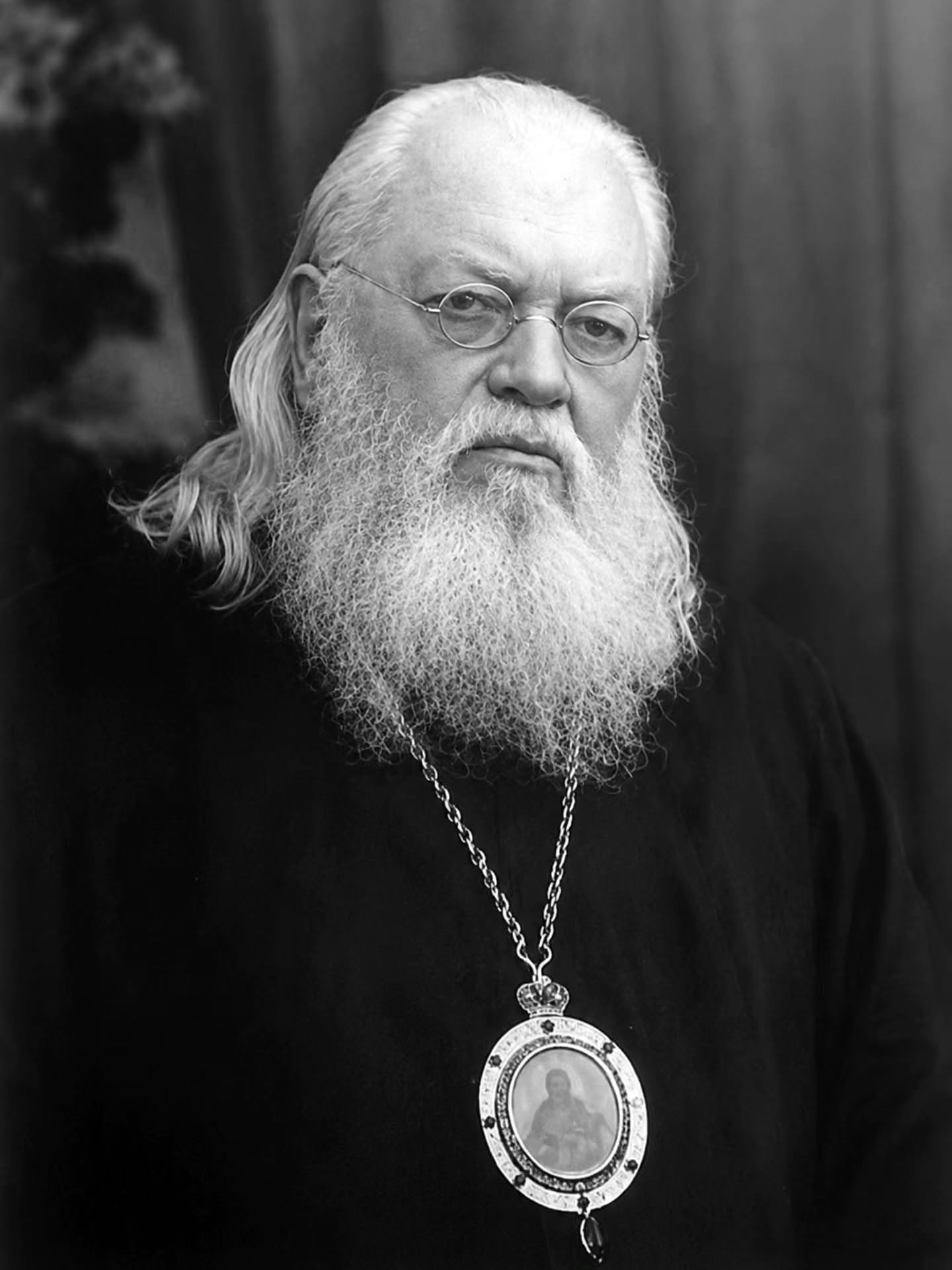
Saint Luke of Crimea on guarding speech and spiritual armor

The post shares a passage from Saint Luke of Crimea urging believers to restrain their tongues from lies, slander, condemnation, quarrels, and backbiting. He writes that such restraint gradually purifies the heart, turning it from a dwelling of demons into a temple of the Holy Spirit. The saint then cites the armor of God from Ephesians 6, the breastplate of righteousness, helmet of salvation, shield of faith, and the sword of the Spirit which…

The post shares a passage from Saint Luke of Crimea urging believers to restrain their tongues from lies, slander, condemnation, quarrels, and backbiting. He writes that such restraint gradually purifies the heart, turning it from a dwelling of demons into a temple of the Holy Spirit. The saint then cites the armor of God from Ephesians 6, the breastplate of righteousness, helmet of salvation, shield of faith, and the sword of the Spirit which is the word of God, and stresses that our struggle is not against flesh and blood but against principalities, powers, and spiritual wickedness in heavenly places.

He asks why Christians would not use this divine armor and answers that it is obtained only through faith and prayer to the Lord Jesus Christ, unceasing practice of the virtues prescribed in His holy law, constant remembrance of this protection, and daily effort to fulfill and keep all His commandments.

  • Abstain from harmful speech: lies, slander, condemnation, quarrels, backbiting
  • Restraint of the tongue purifies the heart, making it a temple of the Holy Spirit
  • Spiritual warfare is against principalities and powers, not flesh and blood
  • The armor of God includes righteousness, salvation, faith, and the word of God
  • This armor is gained through faith, prayer, practice of virtues, and keeping the commandments

St. Sava on the Epiclesis: The Moment Heaven Descends

The text presents a teaching attributed to St. Sava of Serbia concerning the epiclesis in the Divine Liturgy. At the words "We hymn Thee, we bless Thee," the entire congregation, not only the clergy, is obliged to pray inwardly for the descent of the Holy Spirit upon the faithful and the offered Gifts. St. Sava specifies that each person should silently repeat three times the prayer: "Lord, Who didst send down Thy Most Holy Spirit at the third…

The text presents a teaching attributed to St. Sava of Serbia concerning the epiclesis in the Divine Liturgy. At the words "We hymn Thee, we bless Thee," the entire congregation, not only the clergy, is obliged to pray inwardly for the descent of the Holy Spirit upon the faithful and the offered Gifts. St. Sava specifies that each person should silently repeat three times the prayer: "Lord, Who didst send down Thy Most Holy Spirit at the third hour upon Thine Apostles, take Him not from us, O Good One, but renew us who pray to Thee!"

He insists that at this moment no soul should remain cold; all must be set ablaze with love for God. The faithful become like burning candles, censers of sweet incense, and fragrant smoke rising to heaven. This intensity is warranted because the awesome and life-giving Mystery is then accomplished: by the Holy Spirit the bread and wine are changed into the Most Pure Body and Blood of Christ, and God Himself appears upon the altar in the flesh.

  • The whole congregation must pray inwardly during the epiclesis, not only the clergy.
  • Each person should silently say the prayer for the Spirit's descent three times.
  • No soul should remain cold; all must be inflamed with love for God.
  • The faithful become like candles, incense, and smoke rising to heaven.
  • At this hour the Holy Spirit changes the Gifts into Christ's Body and Blood, and God appears on the altar in the flesh.

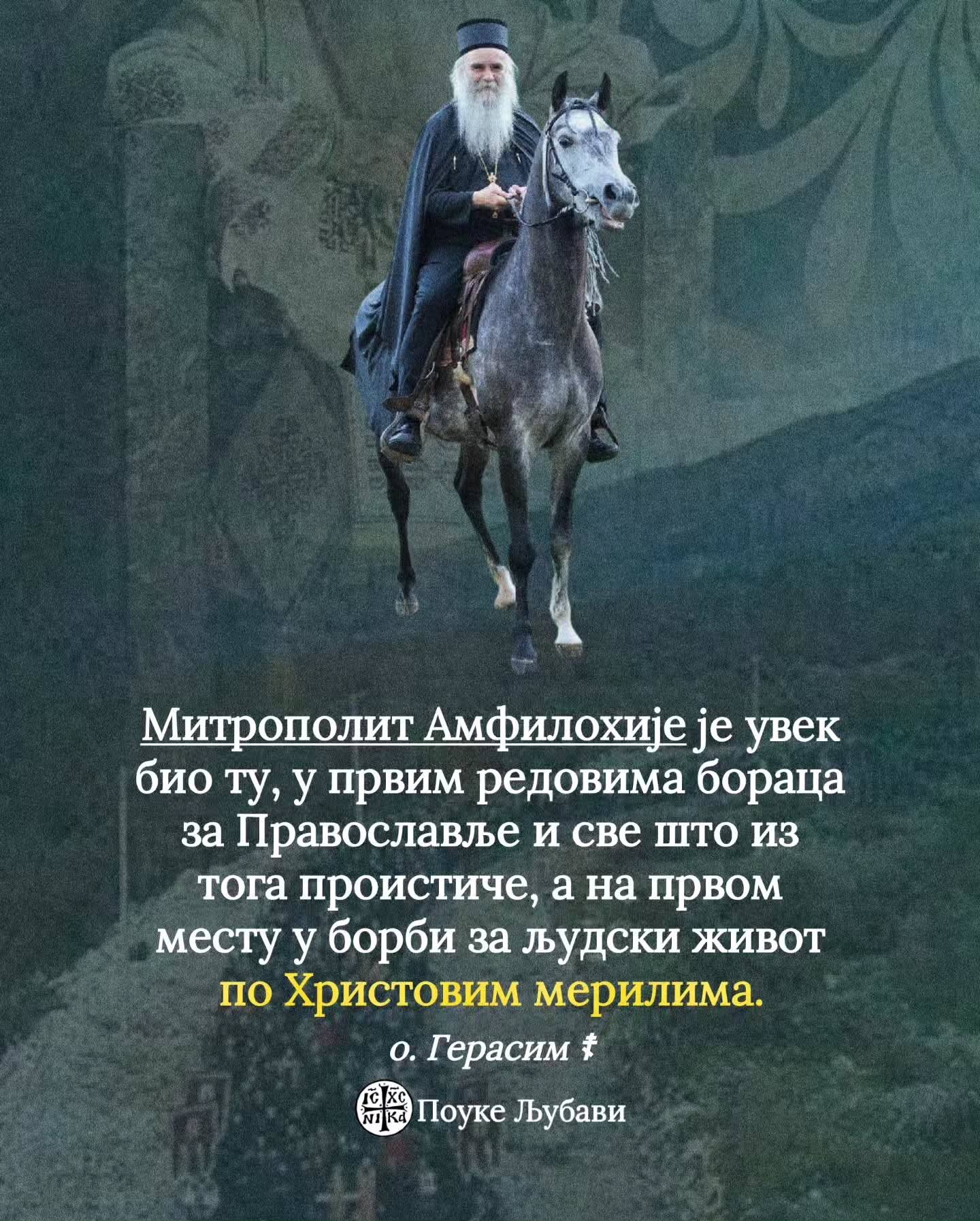
Tribute to Metropolitan Amfilohije as defender of Orthodoxy and Serbian identity

The text honors Metropolitan Amfilohije of Montenegro and the Littoral, describing him as a spiritual thinker and fiery preacher of Christ's Gospel who uncompromisingly opposed evil and inhumanity. It states he left a lasting mark on the Serbian people and remained a fighter for what is pleasing to God and the people until his death, making him beloved by believers and non-believers alike who recognized his defense of human identity. The author…

The text honors Metropolitan Amfilohije of Montenegro and the Littoral, describing him as a spiritual thinker and fiery preacher of Christ's Gospel who uncompromisingly opposed evil and inhumanity. It states he left a lasting mark on the Serbian people and remained a fighter for what is pleasing to God and the people until his death, making him beloved by believers and non-believers alike who recognized his defense of human identity.

The author compares his significance to that of Saint Sava, Karadjordje, and Njegoš, placing him among the most significant Serbs. The post concludes with the Paschal greeting "Christ is Risen, Metropolitan" signed by Father Gerasim. An accompanying image text from Father Gerasim notes that Metropolitan Amfilohije was always in the front ranks of fighters for Orthodoxy and for human life measured by Christ's standards.

  • Metropolitan Amfilohije praised as spiritual thinker and uncompromising preacher against evil
  • Described as defender of both Orthodox faith and human identity
  • Beloved by believers and non-believers for his principled stance
  • Compared in significance to Saint Sava, Karadjordje, and Njegoš
  • Father Gerasim's tribute emphasizes his frontline role for Orthodoxy
Read more

Father Slobodan Zeković: The Resurrection is the foundation of faith

Father Slobodan Zeković speaks on the Resurrection as the foundation of faith. He begins with Christ's words to Thomas: because you have seen me, you have believed; blessed are those who have not seen and yet have believed. The encounter between Thomas and the risen Christ is presented as sufficient to dispel all doubts for every believer. After Pentecost, the apostles went into the world proclaiming what they had heard, seen, and touched with…

Father Slobodan Zeković speaks on the Resurrection as the foundation of faith. He begins with Christ's words to Thomas: because you have seen me, you have believed; blessed are those who have not seen and yet have believed. The encounter between Thomas and the risen Christ is presented as sufficient to dispel all doubts for every believer.

After Pentecost, the apostles went into the world proclaiming what they had heard, seen, and touched with their hands, as Scripture attests. The Resurrection remained the central message of the apostles and their successors throughout history. They confessed the risen Christ fearlessly before judges, elders, emperors, and kings, sealing their witness with martyrdom.

All the apostles died as martyrs except Saint John the Theologian, who ended his life in exile on the island of Patmos at a very old age.

Key moments

  1. The Lord says: because you have seen me, you have believed; blessed are those who have not seen and yet have believed.
  2. Thomas's encounter with the risen Lord is sufficient for each of us to have all doubts dispelled.
  3. After receiving the Holy Spirit, the apostles went throughout the world to preach not only what they heard and saw but also what, as Holy Scripture says, they touched with their hands.
  4. Christ's Resurrection was and remains the central preaching of the apostles and their successors to this day.
  5. The apostles fearlessly confessed the risen Christ before judges, elders, emperors, and kings, sealing their faith and love with the shedding of blood; all suffered martyrdom except Saint John the Theologian, who died a natural death in exile on the island of Patmos in deep old age.
Read more

Archimandrite Ambrosije Jurasov on blessing each day through prayer

The post presents a teaching from Archimandrite Ambrosije Jurasov on making prayer the fabric of daily life. He outlines a practical rhythm that begins the moment a person wakes: give thanks to God, pray, read the Gospel, and say the Jesus Prayer so that the whole day is blessed until evening. Every undertaking should start with "God, bless!" and end with "Lord, glory to You!" When the telephone rings, the response is "Lord, bless. Give me…

The post presents a teaching from Archimandrite Ambrosije Jurasov on making prayer the fabric of daily life. He outlines a practical rhythm that begins the moment a person wakes: give thanks to God, pray, read the Gospel, and say the Jesus Prayer so that the whole day is blessed until evening. Every undertaking should start with "God, bless!" and end with "Lord, glory to You!"

When the telephone rings, the response is "Lord, bless. Give me understanding what to say." If a neighbor, girlfriend, or friend comes to visit, the greeting should be "God has blessed you!" followed by an inward plea, "Lord, teach me how to answer." The archimandrite stresses that this can be done thoughtfully because the eyes of the Lord watch constantly; God does not sleep, and He sees and hears everything.

At bedtime one says "God, bless!" Upon rising in the morning, one must immediately cross oneself and say, "Lord, bless! Glory to You for the past night. Bless me for today." The principle applies everywhere: whatever a person does, he must thank God for all things. The archimandrite concludes that if someone seeks a blessing, God will give it.

  • Morning rule: thanks, prayer, Gospel, Jesus Prayer to bless the day
  • Before every task: "God, bless!" After: "Lord, glory to You!"
  • Phone calls and visitors become occasions for blessing and discernment
  • Bedtime and waking prayers frame sleep with the sign of the cross
  • God's constant watchfulness undergirds the call to unceasing prayer
Read more

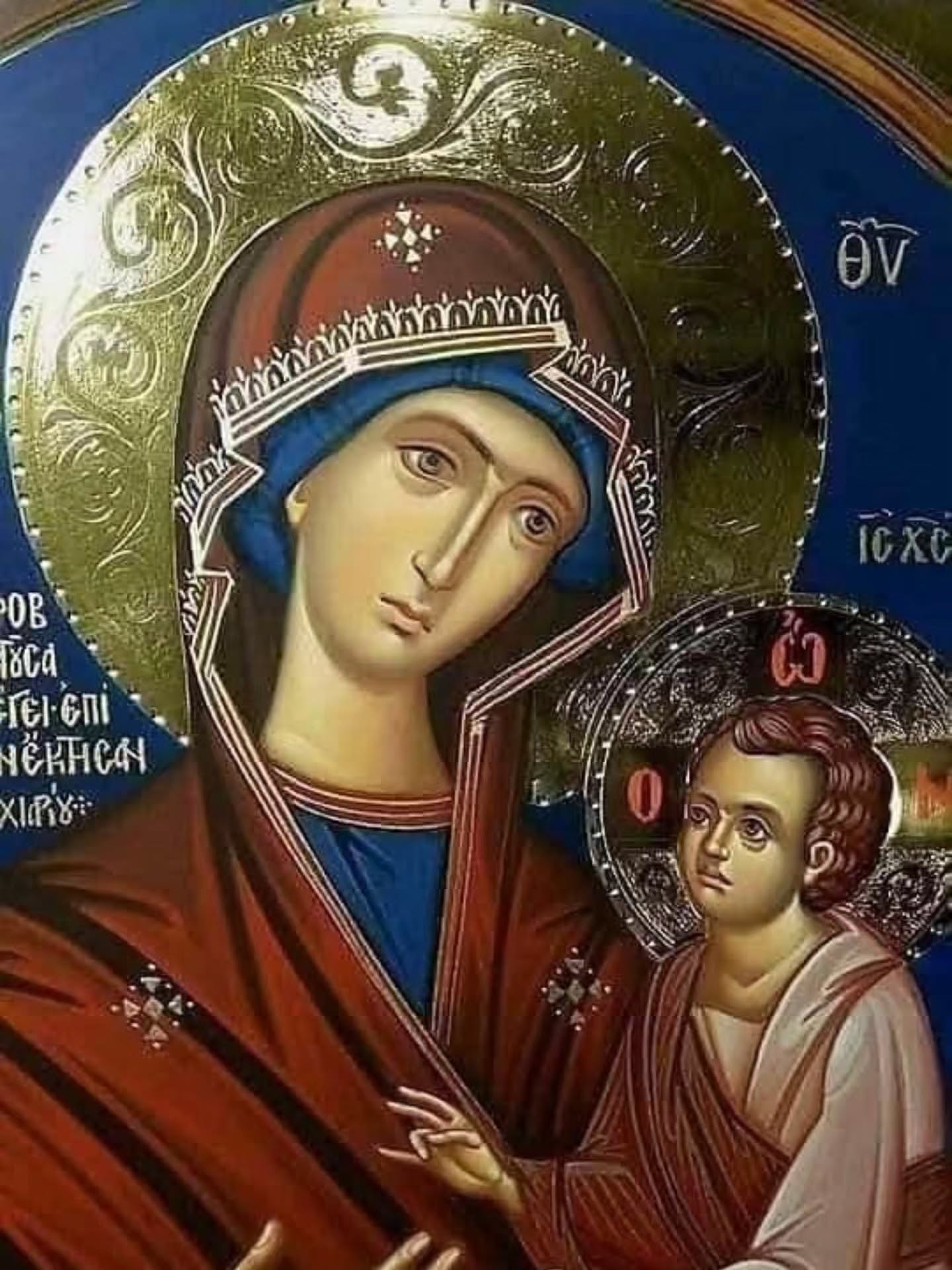
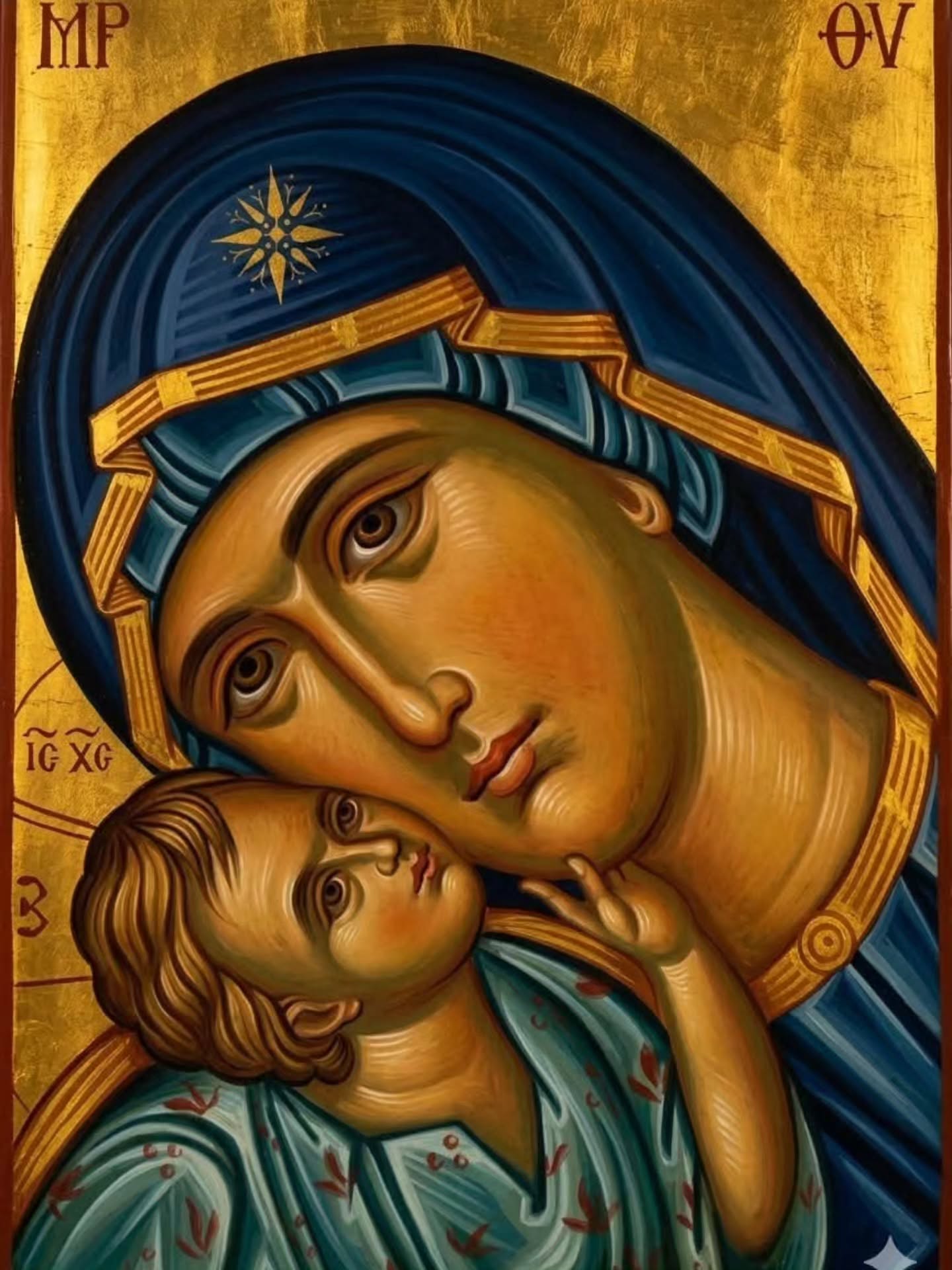
Elder Joseph the Hesychast: embrace the Theotokos' icon as your mother

The post presents a spiritual counsel from Saint Elder Joseph the Hesychast. He advises embracing the icon of the Most Holy Theotokos as if she were alive and one's own mother, telling her all problems while watering the icon with pure tears, with the assurance of receiving eternal consolation.

  • Elder Joseph the Hesychast urges embracing the Theotokos' icon as a living presence
  • The faithful should pour out their problems to the Mother of God
  • Tears shed before the icon are called pure
  • The promised outcome is eternal consolation
  • The post includes traditional Christological and Marian abbreviations

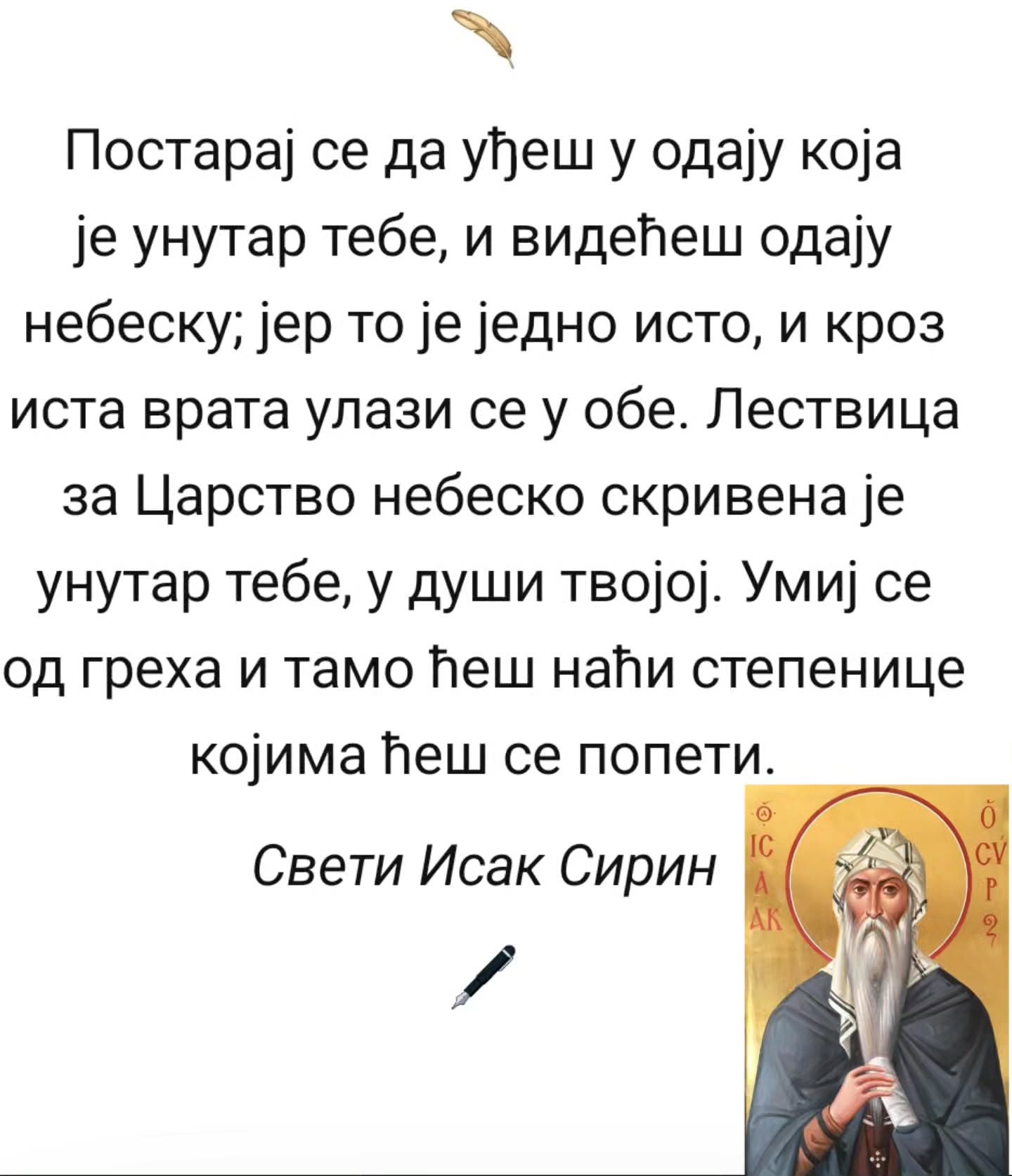
St. Isaac the Syrian: The Kingdom of Heaven Is Within You

The post presents a saying of St. Isaac the Syrian, a seventh-century Syrian monk and bishop known for his ascetical writings. He writes that a person should strive to enter the inner room that is within oneself, and then one will see the heavenly room, because the two are one and the same and are entered through the same doors. The ladder that leads to the Kingdom of Heaven is hidden inside the soul. By cleansing oneself from sin, one finds the…

The post presents a saying of St. Isaac the Syrian, a seventh-century Syrian monk and bishop known for his ascetical writings. He writes that a person should strive to enter the inner room that is within oneself, and then one will see the heavenly room, because the two are one and the same and are entered through the same doors. The ladder that leads to the Kingdom of Heaven is hidden inside the soul.

By cleansing oneself from sin, one finds the steps by which to ascend. The text is accompanied by an icon depicting the bearded saint with a halo.

  • St. Isaac the Syrian teaches that the heavenly room is found by entering the inner room of the heart.
  • The inner room and the heavenly room are one and accessed through the same doors.
  • The ladder to the Kingdom of Heaven is hidden within the soul.
  • Cleansing from sin reveals the steps of that ladder.
  • The post includes an icon of the saint.
Read more

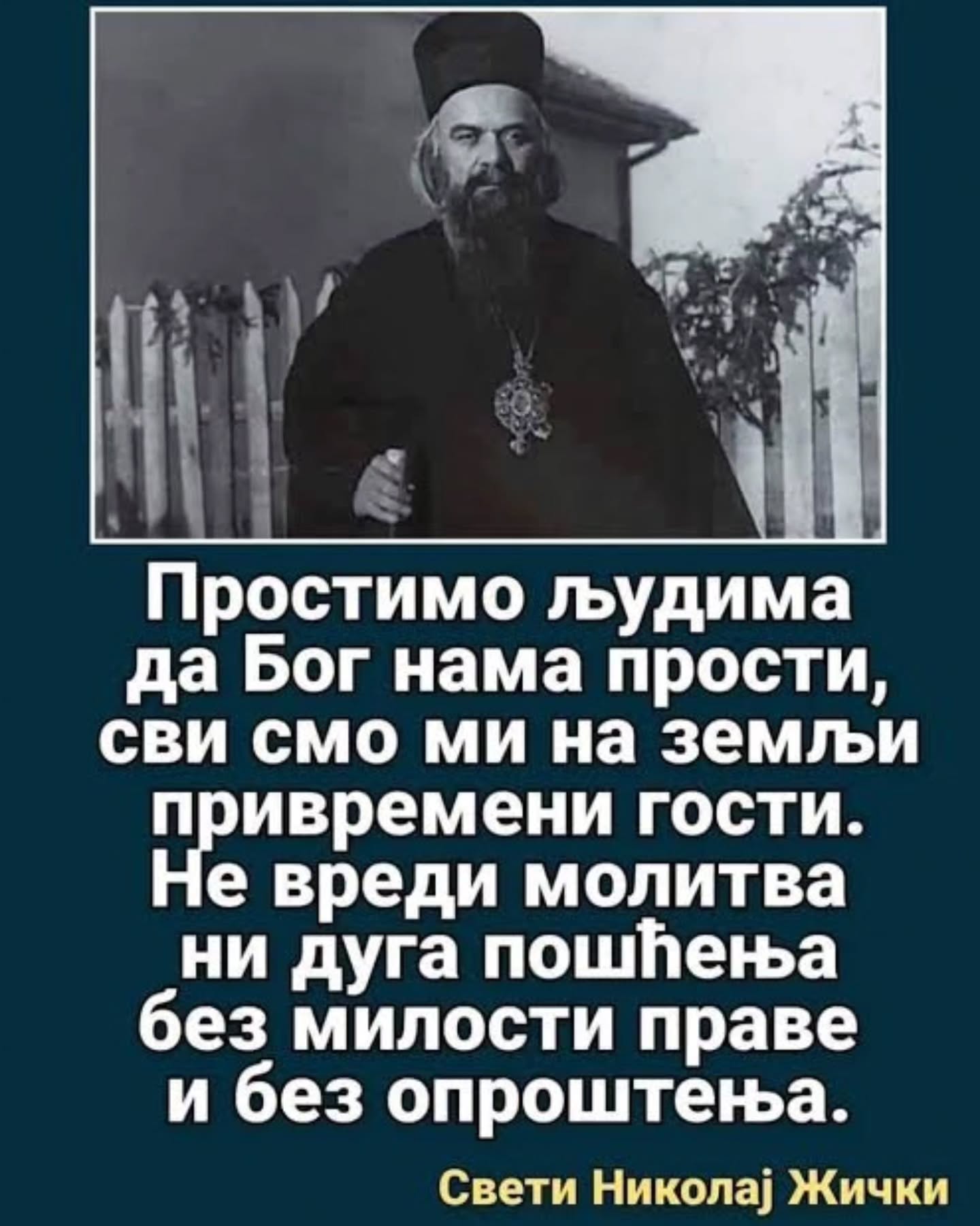
St. Nikolai Velimirovich on Halloween's pagan origins

The post explains that Halloween has its origin among the pagan Celtic peoples in Ireland, Britain, and northern France. The Celts believed that life is born from death, so they marked the beginning of their new year at the end of autumn when nature dies and, according to their belief, the time of darkness, decay, and death begins. On that day they extinguished the fire on their domestic hearths and darkness reigned everywhere. According to…

The post explains that Halloween has its origin among the pagan Celtic peoples in Ireland, Britain, and northern France. The Celts believed that life is born from death, so they marked the beginning of their new year at the end of autumn when nature dies and, according to their belief, the time of darkness, decay, and death begins.

On that day they extinguished the fire on their domestic hearths and darkness reigned everywhere. According to pagan Celtic tradition, the souls of the dead would fall completely under the authority of the god Samhain, the prince of death, who had to be propitiated by sacrifice on the day of the new year, and Samhain would allow the souls of the dead to visit the homes of their families on that day.

From this comes the custom of "masking" in costumes of ghosts, spirits, witches, and demons. In this way the living would enter into a "mystical" communion with the dead through the act of imitating the dead and walking about in darkness. According to the belief, the souls of the dead who came "visiting" were exhausted by hunger and begged for food, so they had to be fed, hence the custom called "trick or treating".

If one of the living did not treat the souls of the dead, the vengeance of the god Samhain would reach them. The author asserts that Orthodox Christians cannot and must not take part in such idolatrous festivity at any level, even if it is "only" entertainment for children, because it directly represents a denial of our Lord and our holy Orthodox faith.

For if we agree to "mask" our children and let them go about in darkness and beg for sweets, we thereby voluntarily consent to communion with the dead, whose god is not the Celtic deity Samhain but Satan himself, the prince of evil, and the sweets they receive will not be innocent gifts for children but an offering to the devil.

The text recalls that our ancestors, Christians from the earliest centuries, chose bodily death in the worst torments rather than offer sacrifice to idols and thereby deny Christ our God, who commanded: "You shall have no other gods before Me." In today's spiritually impoverished world heavy darkness and sloth prevail, and it is easy to convince almost everyone that the origin of such feasts is insignificant and that Halloween is ordinary, harmless fun.

The post concludes with a saying attributed to St. Nikolai Zica: "Forgive people that God may forgive you; we are all temporary guests on earth. Prayer and long fasting are worthless without true mercy and forgiveness."

  • Halloween originates from the Celtic festival of Samhain, marking the new year at autumn's end when the dead were believed to visit the living.
  • Costumes and trick-or-treating derive from customs to appease and feed the returning souls under the lord of death.
  • Orthodox Christians cannot participate because it is idolatrous and constitutes communion with the dead whose master is Satan.
  • Early Christians chose martyrdom over idol sacrifice, obeying the commandment to have no other gods.
  • The post includes a quote from St. Nikolai Zica on forgiveness as essential to prayer and fasting.
Read more

First steps in an Orthodox church: entering, standing, and crossing oneself

The video addresses people who have never entered an Orthodox church and fear making mistakes. The speaker notes that many Serbs never learned proper church behavior because prayer was forbidden during the communist period. He demonstrates how to enter: cross yourself at the doors, men remove hats, women cover their heads with a scarf, enter slowly and piously, then cross yourself again inside and venerate the icon placed in the center of the…

The video addresses people who have never entered an Orthodox church and fear making mistakes. The speaker notes that many Serbs never learned proper church behavior because prayer was forbidden during the communist period. He demonstrates how to enter: cross yourself at the doors, men remove hats, women cover their heads with a scarf, enter slowly and piously, then cross yourself again inside and venerate the icon placed in the center of the ambo.

After venerating the icon, men stand on the right side of the nave and women on the left. The church is divided into three parts: the altar where the priest serves, the nave where the people stand, and the narthex at the entrance where people also stand; first-time visitors may stand anywhere on their designated side. During the service, the speaker advises listening carefully and crossing oneself whenever the names of Lord Jesus Christ or the Most Holy Theotokos are mentioned. He invites viewers to follow his profile for further explanations of Orthodox services.

Key moments

  1. The video is intended for people who have never been in an Orthodox church because they fear making mistakes, and the speaker explains that many Serbs never learned proper church behavior due to the communist period when prayer was forbidden.
  2. The speaker teaches how to enter the church: cross yourself at the doors, men remove hats, women wear headscarves, enter slowly and piously, then cross yourself again inside and venerate the icon in the center of the ambo.
  3. After venerating the icon, men stand on the right side and women on the left; the church is divided into three parts, the altar where the priest serves, the nave where the people stand, and the narthex at the entrance where people also stand, and first-time visitors may stand anywhere on their designated side.
  4. During the service, one should listen carefully and cross oneself whenever the names of Lord Jesus Christ or the Most Holy Theotokos are mentioned, and the speaker asks viewers to follow his profile for more information about Orthodox services.
15 opinions in the discussion I lived under communism too, but my parents taught me everything anyway. Communism isn't the reason for that. Read the discussion

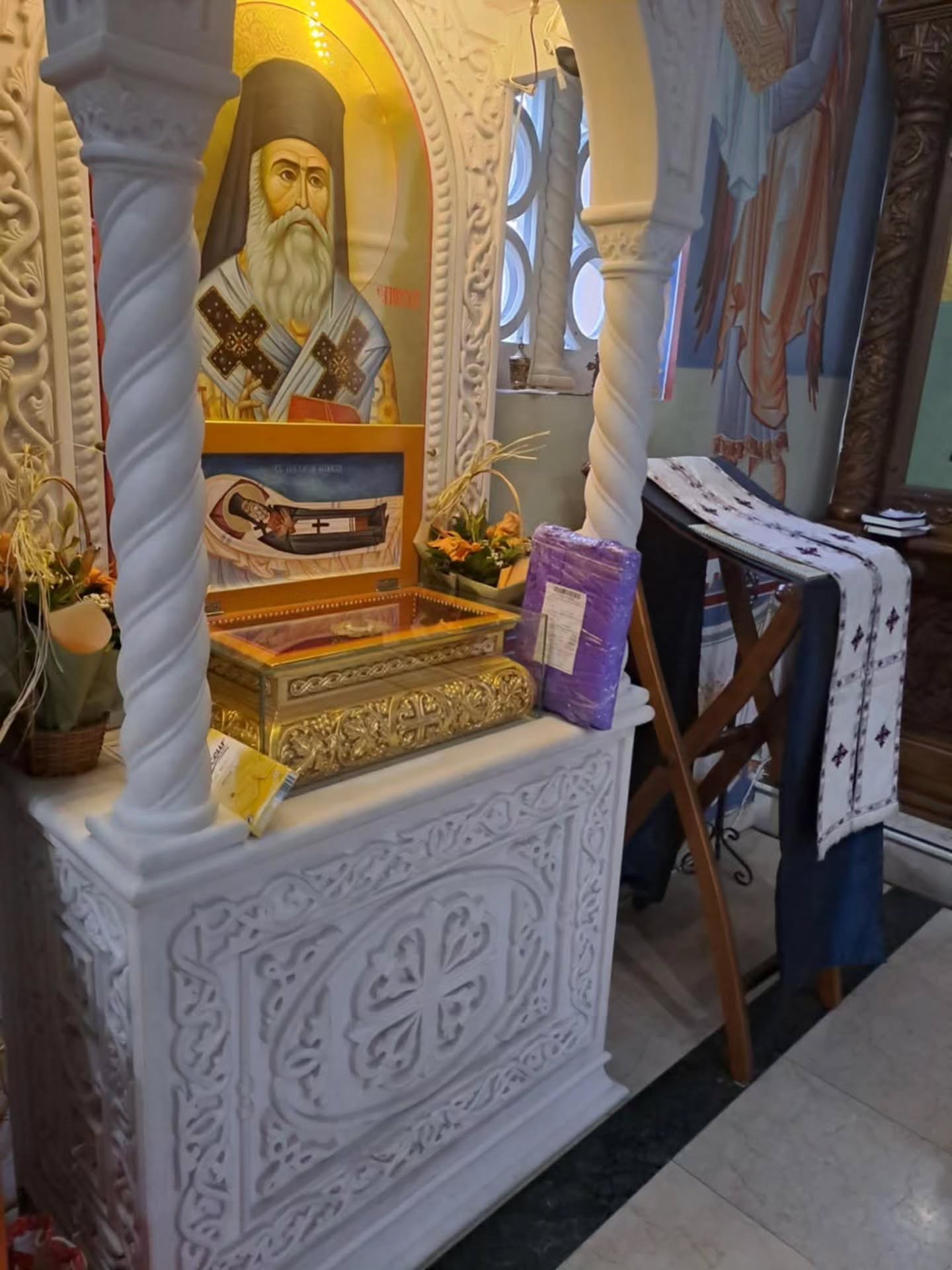
Grandmother's prayer to Saint Nektarios transforms troubled grandson

A grandmother from Faler cared for her two grandchildren, ages nine and eleven, after their mother left their father and remarried. Poverty forced her to place them in an orphanage in Vuli. The older boy stopped reading, lost interest in life, and became so difficult that the orphanage considered expelling him. Desperate, the grandmother contacted Dimitrios Panagopoulos for advice. He told her to seek help from heaven through prayer to Saint…

A grandmother from Faler cared for her two grandchildren, ages nine and eleven, after their mother left their father and remarried. Poverty forced her to place them in an orphanage in Vuli. The older boy stopped reading, lost interest in life, and became so difficult that the orphanage considered expelling him. Desperate, the grandmother contacted Dimitrios Panagopoulos for advice.

He told her to seek help from heaven through prayer to Saint Nektarios. She traveled to Aegina to the saint's shrine and prayed fervently. That same day the boy's behavior changed completely; he became the best student in his class.

Everyone was astonished at the sudden transformation. The grandmother continued praying with tears, and through her faith and prayer found comfort and hope for her family. The account is accompanied by a photograph of an icon of Saint Nektarios of Aegina in Valjevo.

  • Grandmother places grandchildren in orphanage due to poverty
  • Older grandson becomes withdrawn and problematic, faces expulsion
  • Advisor directs grandmother to pray to Saint Nektarios on Aegina
  • Boy's behavior changes dramatically the same day of prayer
  • Grandmother's tearful prayer brings lasting comfort and hope
Read more

How St. Petka's Relics Were Found

The video recounts the discovery of St. Petka's relics after her grave had long been unknown. A sailor died and his body was thrown near the hidden grave. A monk working nearby summoned peasants to bury the corpse, and they placed it in St. Petka's own grave. That night the saint appeared in a dream to a peasant named Đorđe as a beautiful empress surrounded by many wondrous soldiers. She told him to remove her relics immediately because she…

The video recounts the discovery of St. Petka's relics after her grave had long been unknown. A sailor died and his body was thrown near the hidden grave. A monk working nearby summoned peasants to bury the corpse, and they placed it in St. Petka's own grave.

That night the saint appeared in a dream to a peasant named Đorđe as a beautiful empress surrounded by many wondrous soldiers. She told him to remove her relics immediately because she could no longer endure the stench of the corpse, and she revealed who she was and where she came from. The same night a peasant woman from the village of Epiphany had an identical vision.

The next day the peasants dug and found St. Petka's relics, which were unusually fragrant and soon proved to be miracle-working.

Key moments

  1. A sailor died and his body was thrown near the unknown grave of St. Petka.
  2. A monk who was laboring nearby summoned peasants to bury the corpse.
  3. The peasants buried the body in St. Petka's own grave.
  4. That night St. Petka appeared in a dream to a peasant named Đorđe as a beautiful empress surrounded by many wondrous soldiers.
  5. She told Đorđe to immediately remove her relics and place them elsewhere because she could no longer endure the stench of the corpse.
  6. She also revealed who she was and where she came from.
  7. The same night a peasant woman from the village of Epiphany had an identical vision.
  8. The next day the peasants dug and found St. Petka's relics, which were unusually fragrant and soon proved to be miracle-working.
Read more

St. Sophrony: Humility Requires Discernment, Not Naivety

The post shares a saying of St. Sophrony of Essex: humility requires discernment. It is not always wise to show humility before those who do not value it or who perceive it as weakness, because spiritually blind people may take meekness as an opportunity to impose their will. The accompanying video summary explains repentance as arising from blessedness and dissatisfaction with one's sinful state when standing in the presence of God, who is…

The post shares a saying of St. Sophrony of Essex: humility requires discernment. It is not always wise to show humility before those who do not value it or who perceive it as weakness, because spiritually blind people may take meekness as an opportunity to impose their will. The accompanying video summary explains repentance as arising from blessedness and dissatisfaction with one's sinful state when standing in the presence of God, who is light, grace, truth, and sinless love.

The speaker desires communion with God but recognizes that cleansing is necessary first. In this context, repentance means purification, a condition called the state of weeping. The speaker contrasts this true repentance with "historical tears," which encompass everything that is not this genuine repentance.

Key moments

  1. The speaker says repentance is caused by blessedness and dissatisfaction with oneself in the presence of God who is light, grace, truth, and love without sin.
  2. The speaker says he wants communion with God but knows he cannot have it until he is cleansed.
  3. The speaker says repentance in this context means cleansing and is called the state of weeping.
  4. The speaker says "historical tears" are everything that is not this true repentance.
Read more

St. Petka: Desert Ascetic and Comforter in Dreams

The text presents a poetic portrait of St. Petka (Paraskeva), emphasizing her role as one who comprehends unspoken sorrows and appears in dreams to console the faithful. She is described as coming in a black dress with a heavenly smile, passing through dreams to calm the soul and widen the heart wounded by faith. Her ascetic life in the Jordanian desert is highlighted, where prayer and tears served as her sustenance, and her noble, holy soul is…

The text presents a poetic portrait of St. Petka (Paraskeva), emphasizing her role as one who comprehends unspoken sorrows and appears in dreams to console the faithful. She is described as coming in a black dress with a heavenly smile, passing through dreams to calm the soul and widen the heart wounded by faith. Her ascetic life in the Jordanian desert is highlighted, where prayer and tears served as her sustenance, and her noble, holy soul is said to have given birth to spiritual strength.

The account concludes with a reference to her relics, which rested in a church coffin until fire consumed the holy walls, with fiery tongues touching the heart and roofs.

Key moments

  1. 0:00 St. Petka understands all pains and tears that words cannot express, and thoughts that remain only in silence.
  2. 0:00 She knows to come in dreams when needed, appearing in a black dress with a smile on heaven.
  3. 0:34 She passes through dreams to calm the soul and expand the heart wounded by faith.
  4. 0:34 The Jordanian desert was her home, where prayer and tears were her food.
  5. 0:34 A noble, holy, and blessed soul gave birth to strength.
  6. 1:08 Her relics were kept in a church coffin until fire seized the holy walls with fiery tongues on the heart and roofs.
Read more

Father Vladimir Stupar: Prayer as Healing of the Soul

Father Vladimir Stupar explains that although we are baptized as infants with godparents vowing on our behalf to live a new life, as formed adults we must personally renew that vow through the sacrament of repentance and confession. Through confession we untie ourselves from sin and Satan, and through tears of repentance become pure as at baptism, cleansed by God's grace through all the sacraments throughout our lives. He describes true prayer…

Father Vladimir Stupar explains that although we are baptized as infants with godparents vowing on our behalf to live a new life, as formed adults we must personally renew that vow through the sacrament of repentance and confession. Through confession we untie ourselves from sin and Satan, and through tears of repentance become pure as at baptism, cleansed by God's grace through all the sacraments throughout our lives.

He describes true prayer as passing through several phases. The first phase is struggling with God and with oneself. The second phase is crying out to God with one's whole being. The third phase is hesychia, or prayerful silence, where even one's own breath and heartbeat do not disturb prayer. In the silence between heartbeats and breaths we hear God.

Key moments

  1. We are baptized as infants and godparents vow on our behalf to live a new life, but as formed adults we must renew that vow ourselves through the sacrament of repentance and confession.
  2. Through confession we untie ourselves from sin and Satan, and through tears of repentance become pure as at baptism, cleansed by God's grace through all the sacraments throughout our lives.
  3. True prayer passes through several phases: first struggling with God and with oneself.
  4. The second phase of prayer is crying out to God with one's whole being.
  5. The third phase is hesychia or prayerful silence where even one's own breath and heartbeat do not disturb prayer.
  6. In the silence between heartbeats and breaths we hear God.
Read more