
 Појединац, Породица и Друштво
Instagram
Elder Joseph the Hesychast on self-knowledge as the foundation of humility
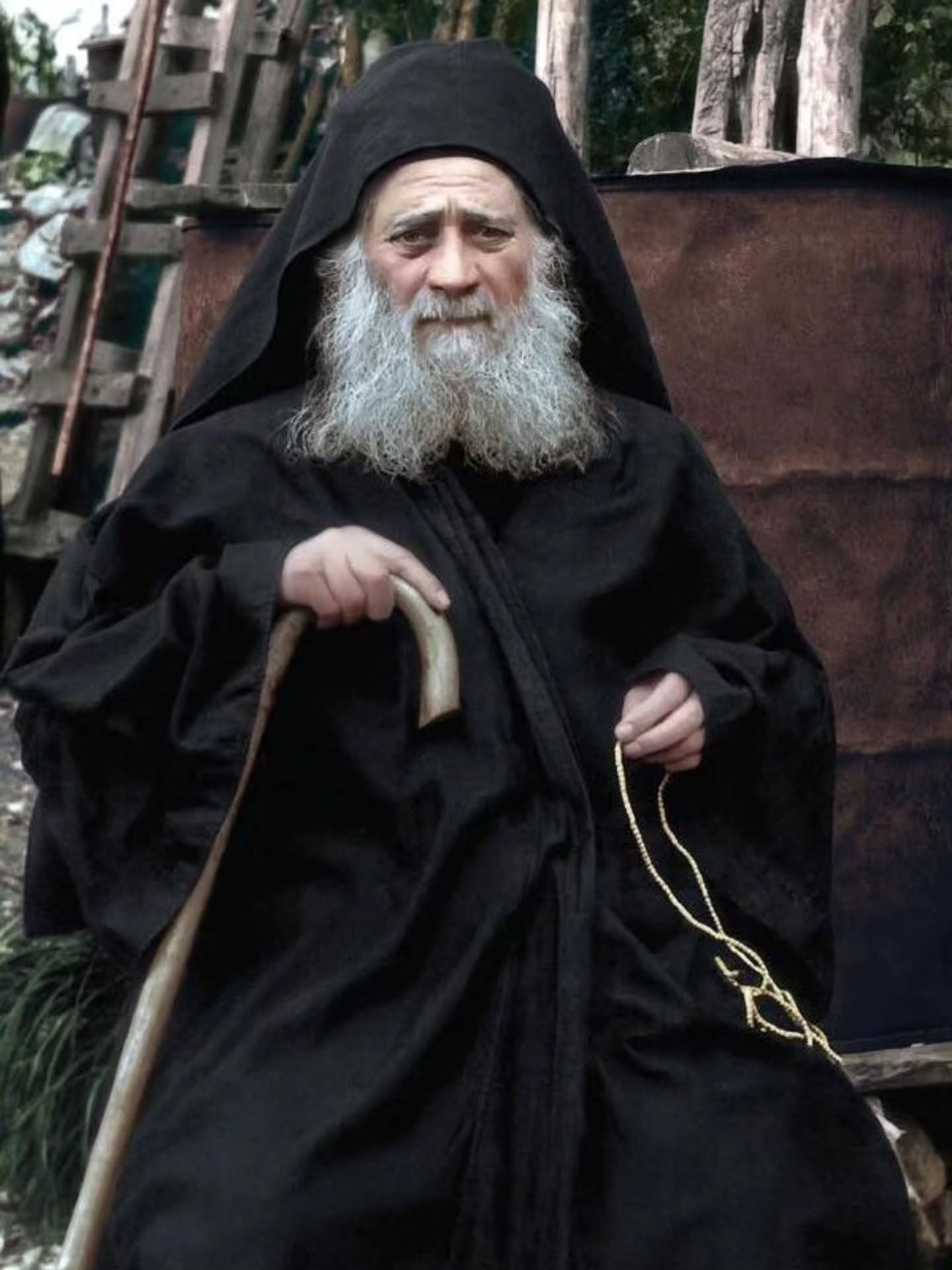
The text attributed to Elder Joseph the Hesychast of Vatopedi Monastery opens with the command to know oneself before all else. This means recognizing who one truly is, not who one imagines oneself to be. Such knowledge brings wisdom, humility, and grace from the Lord.
Without self-knowledge, merely counting one's labors keeps a person far from the path. The elder cites the Prophet who says not "Behold, Lord, my labor" but "Behold my humility and my labor." Labor belongs to the body, humility to the soul, and both together serve the whole person.
The one who has conquered the devil is the one who has learned his own sickness, passions, and faults. Fear of self-knowledge keeps a person from true knowledge; such a person looks only for the faults of others to condemn them, seeing gifts in himself but not in others. A fault of the present age is the failure to recognize the gifts of others.
One person lacks what another has; recognizing this brings humility. In this way we honor and glorify God, who has adorned people in many ways and made his creations different. God created all things in wisdom. The elder urges his spiritual child to establish a firm foundation of humility, learn obedience, and acquire prayer.
Above all, every good thing has its beginning in God: every good thought, word, and deed is a gift from God. Every perfect gift comes from above. All is from God; we have nothing of our own.
Main points
- Self-knowledge is the prerequisite for wisdom, humility, and grace
- The Prophet emphasizes humility alongside labor, not labor alone
- Conquering the devil requires knowing one's own passions and faults
- Judging others while ignoring one's own faults shows lack of self-knowledge
- All good thoughts, words, and deeds are gifts from God; we possess nothing of our own