WeOrthodox
EN UA

Lives of the Saints 🙏

Instagram ↗ 13 discussions

Lives of the Saints 🔸 Daily Daily remembrance of the saints Their lives, witness, and holy example ☦️ All to the glory of God

Saint Callistratus and the forty-nine soldiers who believed through his martyrdom
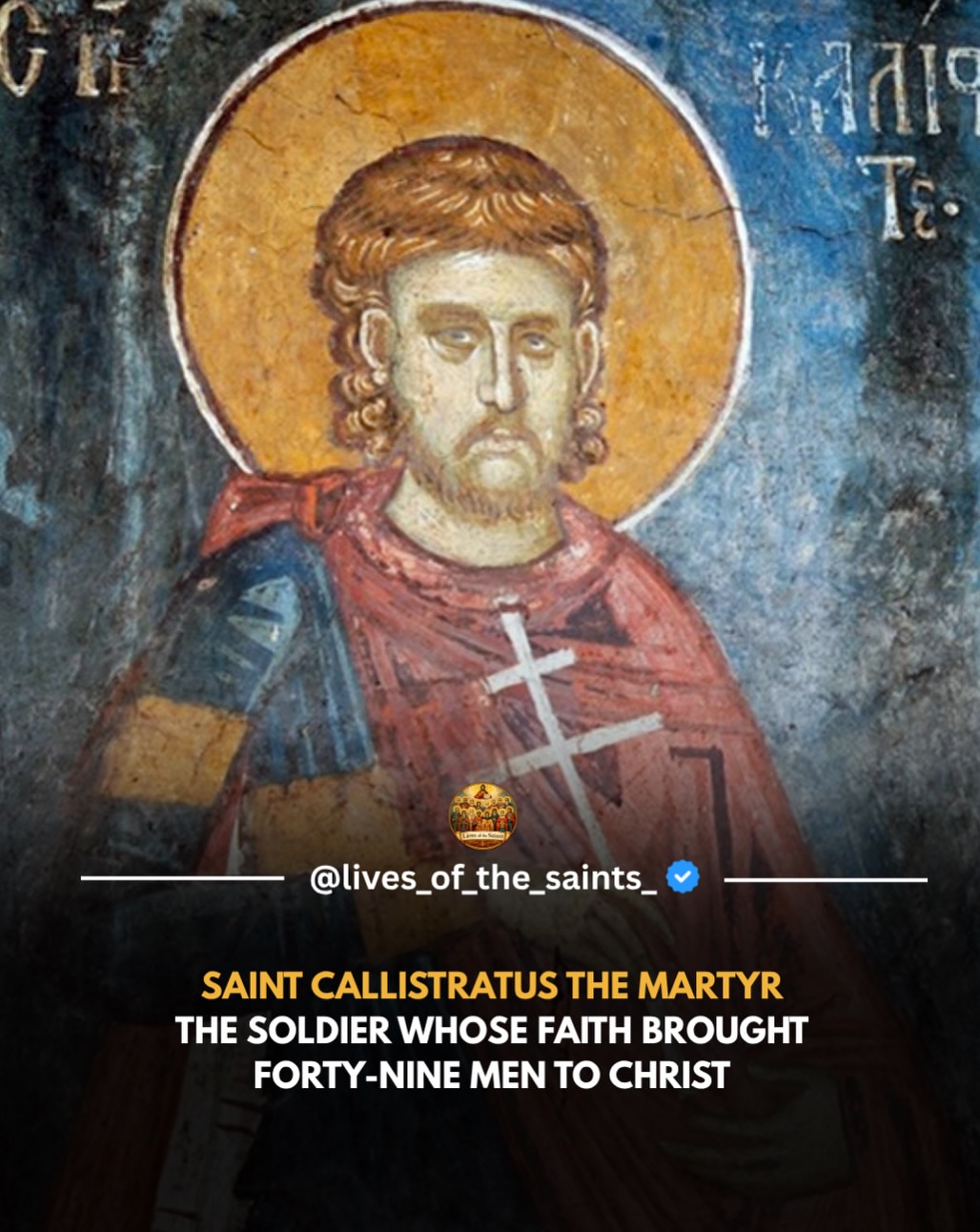
Saint Callistratus was born in Carthage and was a Christian from birth. His father and grandfather were Christians, and the faith had been passed down through his family. One of his ancestors, Neochorus, had served as a soldier in Jerusalem during the Passion of the Lord. He saw the miracles of Christ, believed in Him, was taught the faith, and was baptized by the Apostles. Generations later, Saint Callistratus was raised in that same holy…

Saint Callistratus was born in Carthage and was a Christian from birth. His father and grandfather were Christians, and the faith had been passed down through his family. One of his ancestors, Neochorus, had served as a soldier in Jerusalem during the Passion of the Lord.

He saw the miracles of Christ, believed in Him, was taught the faith, and was baptized by the Apostles. Generations later, Saint Callistratus was raised in that same holy faith. While serving in the army, he was the only Christian in his regiment.

Some of his fellow soldiers saw him rising at night to pray to God, and they reported him to the commander Persentinus, a fierce persecutor of Christians. When ordered to sacrifice to idols, Callistratus refused. He was beaten severely and thrown into the sea, but by the power of God he was saved and came out unharmed. Seeing his endurance and the miracle God worked through him, forty-nine soldiers believed in the Lord Jesus Christ.

They were beaten and thrown into prison with him. There, Saint Callistratus taught them the Christian faith and strengthened them to suffer courageously for Christ. At night, the persecutor sent soldiers into the prison, and Saint Callistratus and his forty-nine companions were killed. They suffered for the truth in the year 304.

  • Callistratus came from a Christian lineage tracing to Neochorus, who witnessed Christ's Passion and was baptized by the Apostles
  • As the only Christian in his regiment, he was reported for praying at night
  • He refused to sacrifice to idols, was beaten and thrown into the sea, but emerged unharmed
  • Forty-nine soldiers believed after seeing the miracle and were imprisoned with him
  • Callistratus and the forty-nine were killed in prison in 304
Read more
Lives of the Saints 🙏 Instagram

Saint John the Theologian: Apostle, Evangelist, and Witness of Christ's Love

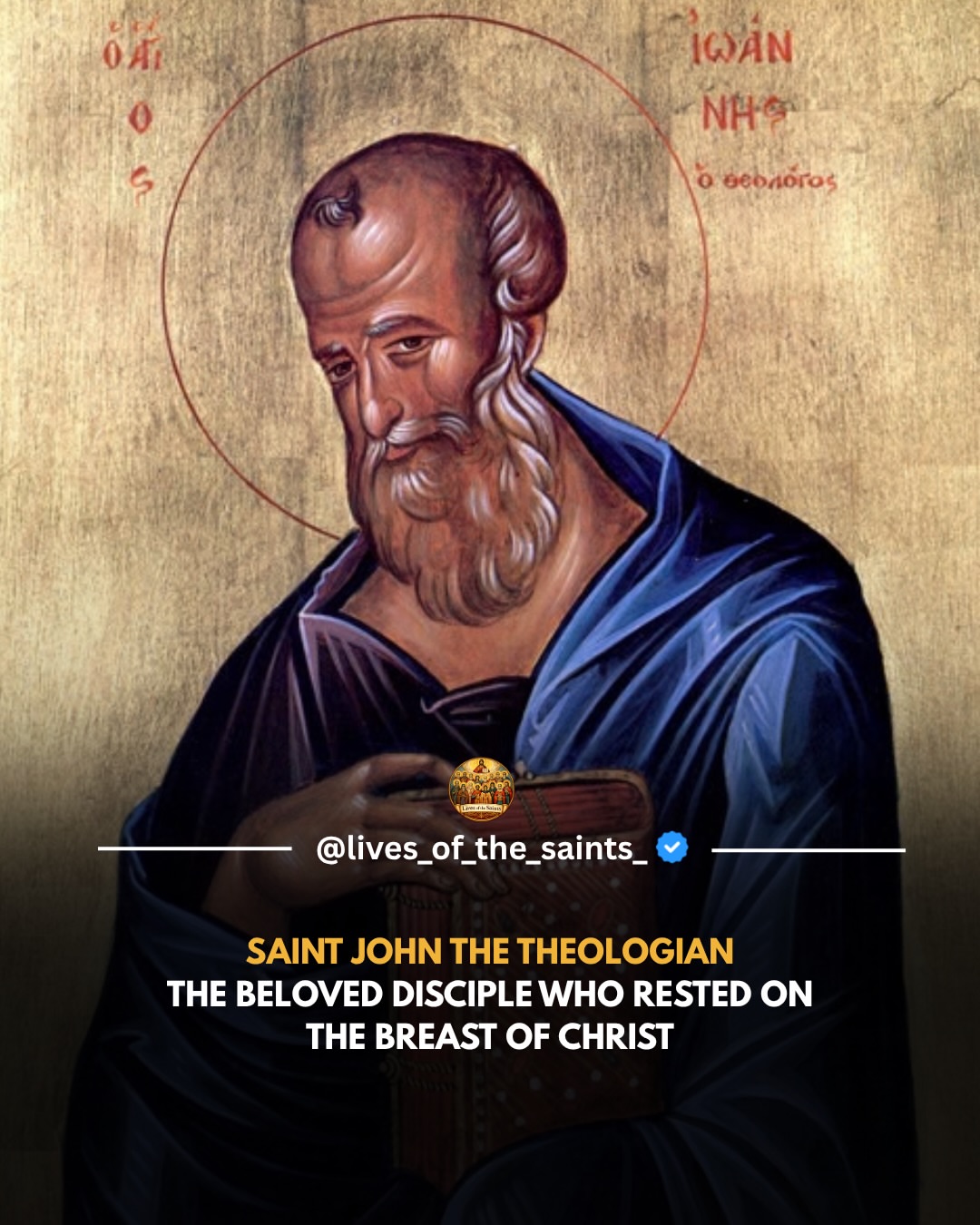
The post recounts the life of Saint John the Theologian, son of Zebedee and Salome. When Jesus called him, John immediately left his father and the fishing nets to follow Him together with his brother James. From that moment he remained close to the Lord until the end. Together with Peter and James, he witnessed the raising of Jairus' daughter and the Transfiguration of Christ on Mount Tabor. At the Mystical Supper, he rested his head upon the…

The post recounts the life of Saint John the Theologian, son of Zebedee and Salome. When Jesus called him, John immediately left his father and the fishing nets to follow Him together with his brother James. From that moment he remained close to the Lord until the end.

Together with Peter and James, he witnessed the raising of Jairus' daughter and the Transfiguration of Christ on Mount Tabor. At the Mystical Supper, he rested his head upon the breast of Jesus. When the other disciples scattered, Saint John remained beneath the Cross with the Most Holy Theotokos.

From the Cross, the Lord entrusted His Mother to John, and from that day he cared for her with love and reverence until her Dormition. After the Dormition of the Theotokos, Saint John went with his disciple Prochorus to preach the Gospel in Asia Minor, especially in Ephesus. Through his preaching and miracles, many were brought to Christ, and paganism was shaken.

He was later taken to Rome and suffered before Emperor Domitian. Neither poison nor boiling oil could harm him, so the emperor exiled him to the island of Patmos. There, Saint John strengthened the Church and wrote the Gospel and the Revelation.

After his exile, he returned to Ephesus and continued guiding the faithful. He lived more than one hundred years and peacefully departed to the Lord. The post states that Saint John reminds us that true theology is born from love, purity, faithfulness, and closeness to Christ.

  • John left his father Zebedee and nets to follow Christ with his brother James
  • He witnessed the raising of Jairus' daughter and the Transfiguration with Peter and James
  • He stood at the Cross with the Theotokos and received Christ's charge to care for her
  • He preached in Ephesus with Prochorus, endured torture under Domitian, and was exiled to Patmos
  • On Patmos he wrote the Gospel and Revelation, later returning to Ephesus where he lived over a hundred years
Read more
Lives of the Saints 🙏 Instagram

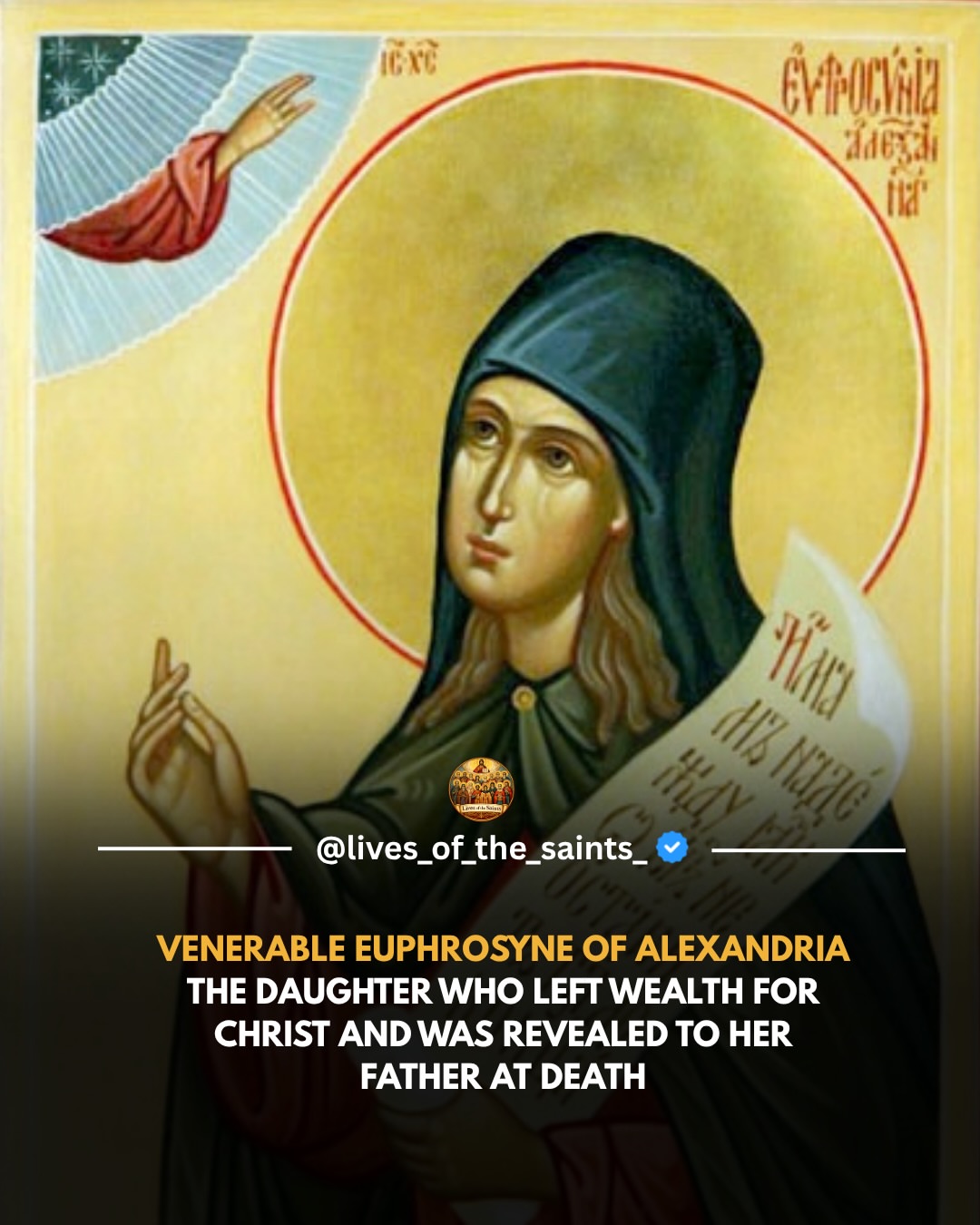
Saint Euphrosyne of Alexandria: Hidden Monastic Life and Revelation to Her Father

The post recounts the life of Saint Euphrosyne of Alexandria. She was the daughter of Paphnutius, a wealthy Alexandrian who had been childless until prayer brought her birth. Raised in the Christian faith, she refused marriage and, to avoid her father's search, dressed as a man and entered a men's monastery under the name Smaragdus. The elder Agapitus guided her in fasting, prayer, humility, and spiritual struggle. Over thirty-eight years her…

The post recounts the life of Saint Euphrosyne of Alexandria. She was the daughter of Paphnutius, a wealthy Alexandrian who had been childless until prayer brought her birth. Raised in the Christian faith, she refused marriage and, to avoid her father's search, dressed as a man and entered a men's monastery under the name Smaragdus.

The elder Agapitus guided her in fasting, prayer, humility, and spiritual struggle. Over thirty-eight years her asceticism surpassed many monks. Paphnutius, still grieving his lost daughter, visited the monastery.

The abbot directed him to Smaragdus for consolation. Euphrosyne recognized her father but remained unknown to him. She comforted him and said he would see his daughter in this life. Three days later he returned to find Smaragdus dying. Euphrosyne then revealed her identity: "I am Euphrosyne, your daughter.

You are my father." She died peacefully. Paphnutius mourned, buried her, entered the same monastery, and lived in her cell until his own death. The post concludes by stating that Saint Euphrosyne shows the love of Christ exceeds wealth, marriage, comfort, and worldly praise.

  • Euphrosyne, daughter of Paphnutius, refuses marriage and enters a men's monastery disguised as the monk Smaragdus.
  • She lives in asceticism for thirty-eight years under Elder Agapitus, surpassing many monks.
  • Her grieving father visits the monastery and is sent to Smaragdus for comfort, not recognizing his daughter.
  • Euphrosyne reveals her identity on her deathbed after three days, then dies.
  • Paphnutius buries her, joins the monastery, and remains in her cell until his death.
Read more
Lives of the Saints 🙏 Instagram

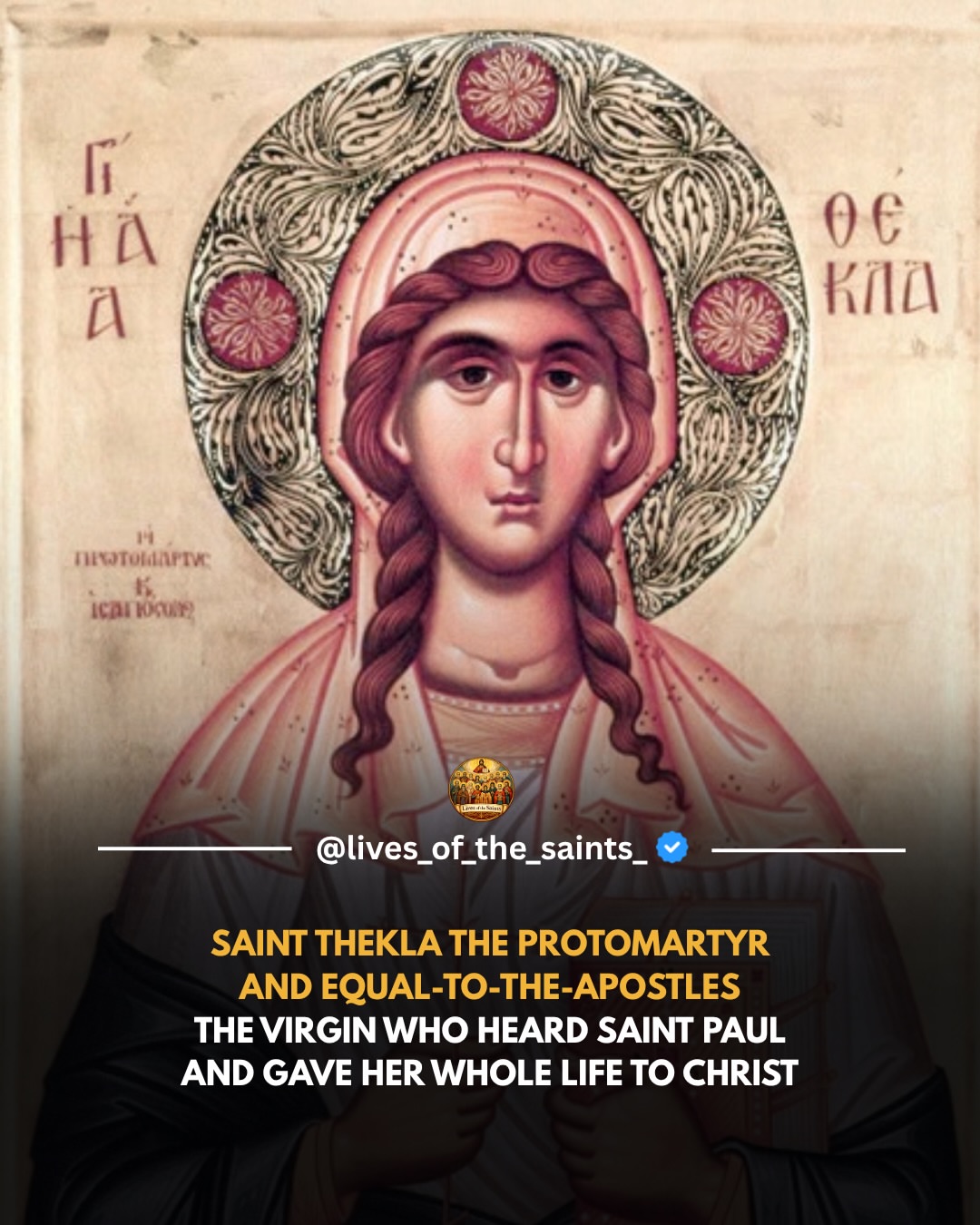
Saint Thekla: Fire, Beasts, and a Rock That Opened

The post recounts the life of Saint Thekla, born in Iconium to noble pagan parents. At eighteen, engaged to marry, she heard the Apostle Paul preach for three days and three nights alongside Barnabas. Her heart turned to Christ and she vowed virginity as a bride of the Lord. Her mother first tried to persuade her, then mistreated her, and finally handed her over to the judge demanding she be burned. The judge cast Thekla into the fire, but God…

The post recounts the life of Saint Thekla, born in Iconium to noble pagan parents. At eighteen, engaged to marry, she heard the Apostle Paul preach for three days and three nights alongside Barnabas. Her heart turned to Christ and she vowed virginity as a bride of the Lord.

Her mother first tried to persuade her, then mistreated her, and finally handed her over to the judge demanding she be burned. The judge cast Thekla into the fire, but God preserved her unharmed. After this, Thekla followed the Apostle Paul to Antioch. There a powerful man tried to take her by force, but she escaped.

He accused her before the ruler because she was a Christian and rejected his sinful desire. She was thrown before wild beasts, but the beasts did not touch her. Amazed, the ruler asked: "Who are you, and what power is in you, that nothing can harm you?"

She answered: "I am the servant of the living God." Released from death, Saint Thekla preached the Gospel and brought many souls to the true Faith. Later, with Saint Paul's blessing, she withdrew near Seleucia, where she lived in ascetic struggle, healed the sick, and continued leading many to Christ. When evil men tried to dishonor her, she prayed before a rock, and by the power of God the rock opened and hid her.

The post states that Saint Thekla reminds us that the soul filled with Christ cannot be conquered by fire, beasts, violence, or fear.

  • Born in Iconium, heard Paul preach for three days at age eighteen
  • Vowed virginity, survived burning unharmed by God's power
  • Followed Paul to Antioch, escaped assault, beasts did not touch her
  • Answered ruler: "I am the servant of the living God"
  • Lived near Seleucia in asceticism, healed sick, rock opened to hide her
Read more
Lives of the Saints 🙏 Instagram

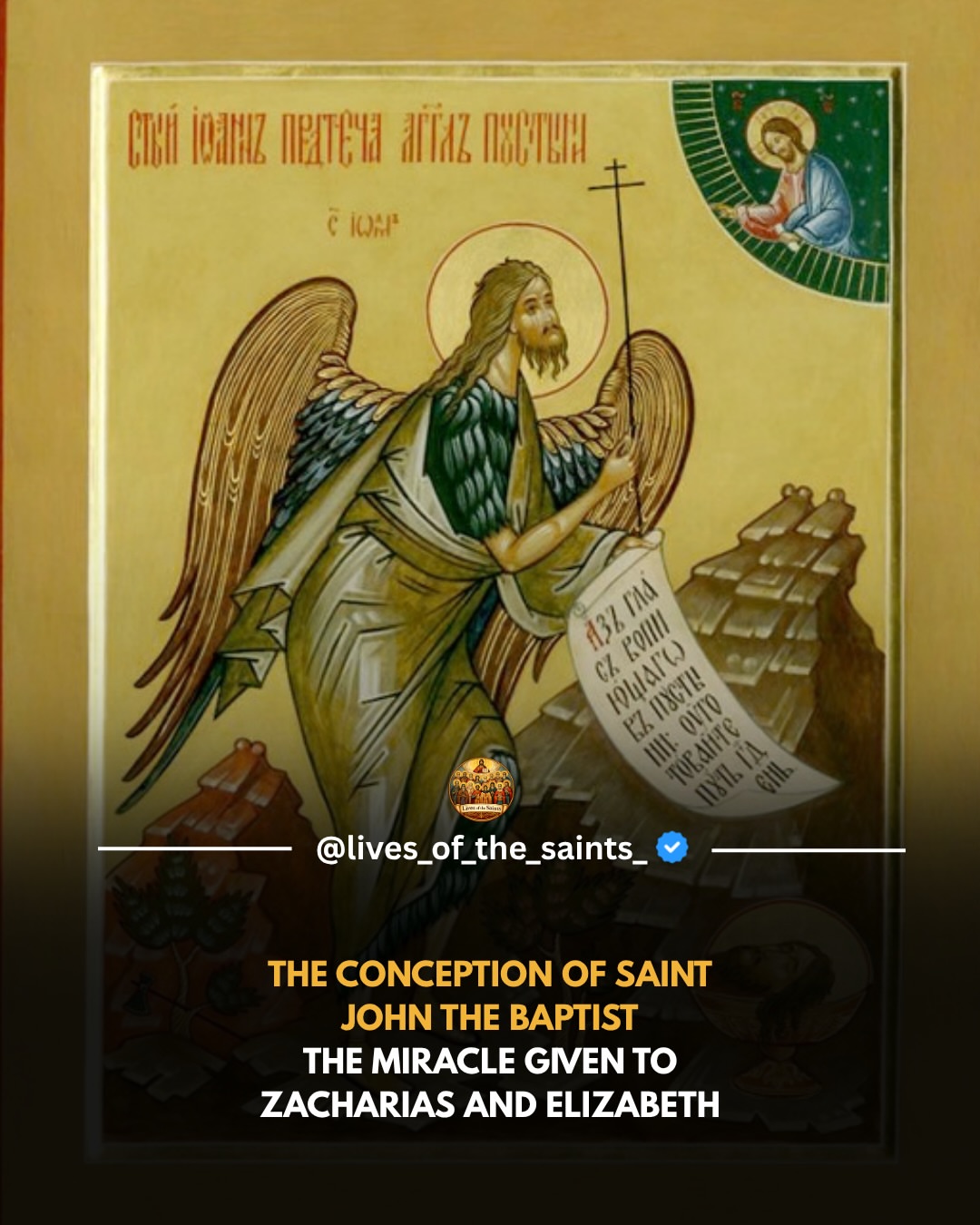
The Conception of Saint John the Baptist: God's Mercy Beyond Nature

The post marks the feast of the Conception of Saint John the Baptist, presenting it as a threefold revelation of God's mercy, miracle, and wisdom. Mercy appears in God's answer to the righteous parents Zacharias and Elizabeth, who spent their lives longing and praying for a child despite advanced age. The miracle lies in John's conception within Elizabeth's aged and barren womb. Wisdom emerges in God's plan for salvation, assigning John the role…

The post marks the feast of the Conception of Saint John the Baptist, presenting it as a threefold revelation of God's mercy, miracle, and wisdom. Mercy appears in God's answer to the righteous parents Zacharias and Elizabeth, who spent their lives longing and praying for a child despite advanced age. The miracle lies in John's conception within Elizabeth's aged and barren womb.

Wisdom emerges in God's plan for salvation, assigning John the role of Prophet, Forerunner, and Baptist of the Lord Jesus Christ. The author compares this event to two earlier biblical announcements: the birth of Isaac from barren Sarah and the birth of Samson from the barren wife of Manoah. In each case, an angel declared the coming child, and nature yielded to divine purpose.

The text argues that the question is not how such conception could happen according to human understanding, but who made it happen, the same Almighty God who created the world from nothing and formed Adam without parents. This feast reminds believers that God is never limited by nature, time, age, weakness, or impossibility. Where human hope ends, the mercy and power of God begin. The post closes with the invocation: Holy Prophet, Forerunner, and Baptist John, pray to God for us.

  • The Church celebrates the Conception of Saint John the Baptist as mercy, miracle, and wisdom of God.
  • Elderly Zacharias and Elizabeth, righteous and childless, conceived John after lifelong prayer.
  • The birth parallels Isaac from Sarah and Samson from Manoah's wife, barren women who bore children by divine intervention.
  • John was destined as Prophet, Forerunner, and Baptist of Jesus Christ.
  • The feast affirms God is not limited by nature, age, or impossibility; where human hope ends, God's power begins.
Lives of the Saints 🙏 Instagram

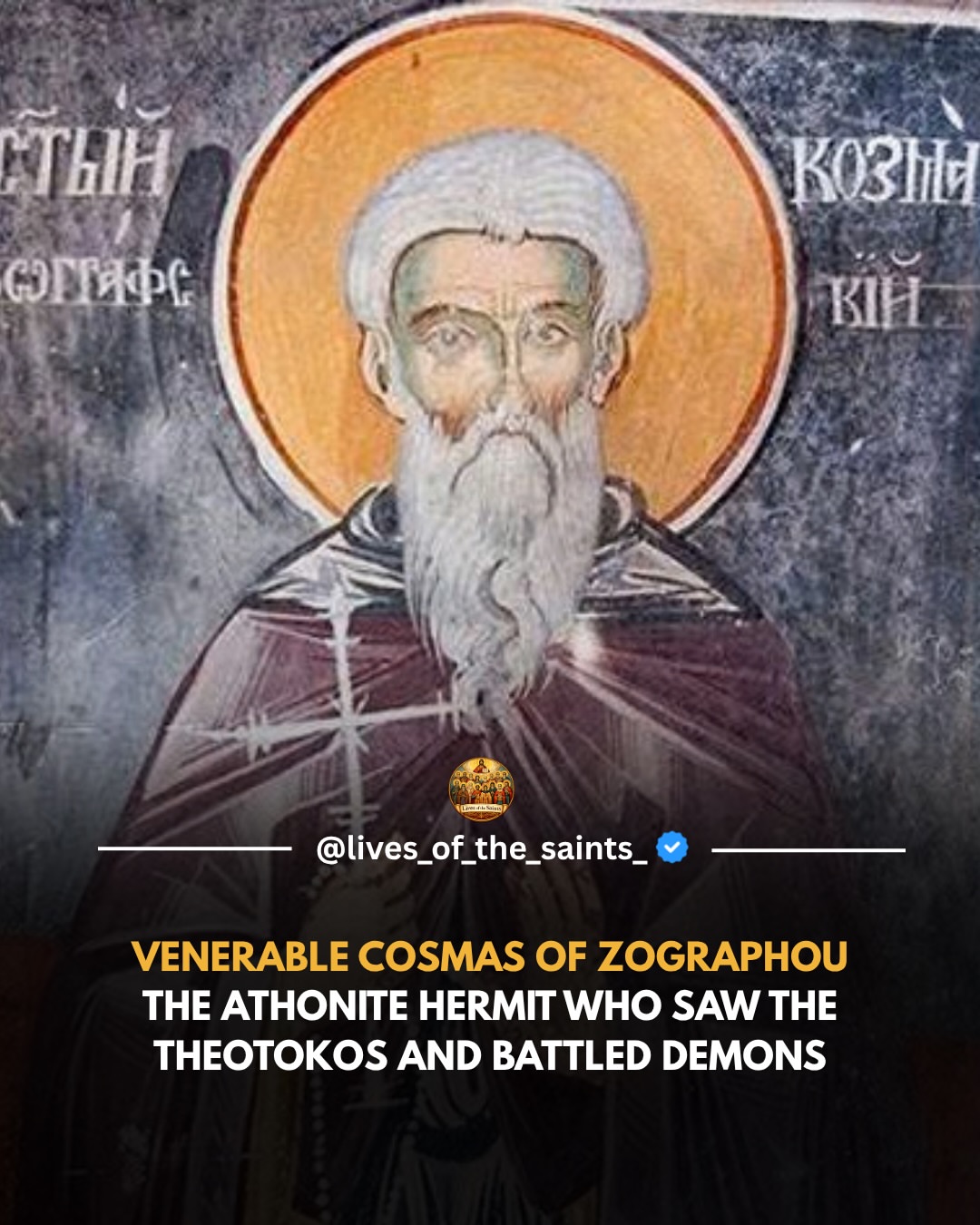
Venerable Cosmas of Zographou: Bulgarian noble who became Athonite wonderworker

The post recounts the life of Venerable Cosmas of Zographou, a Bulgarian nobleman who fled to Mount Athos when his parents arranged a marriage. He settled in a cave near the Monastery of Zographou, living as a hermit devoted to prayer, fasting, silence, and spiritual warfare. The Most Holy Theotokos appeared to him repeatedly, strengthening and guiding him. He became known as the greatest ascetic and wonderworker of Zographou. His cell, where he…

The post recounts the life of Venerable Cosmas of Zographou, a Bulgarian nobleman who fled to Mount Athos when his parents arranged a marriage. He settled in a cave near the Monastery of Zographou, living as a hermit devoted to prayer, fasting, silence, and spiritual warfare. The Most Holy Theotokos appeared to him repeatedly, strengthening and guiding him.

He became known as the greatest ascetic and wonderworker of Zographou. His cell, where he fought against demons, still stands northwest of the monastery. Cosmas possessed spiritual insight, perceiving events distant in time and place.

He reposed in old age on September 22, 1323. The post concludes that he exemplifies how a soul leaving the world for Christ loses nothing but gains the grace, light, and joy of the Kingdom.

  • Born into a noble Bulgarian family, fled to Mount Athos to avoid marriage
  • Lived as a hermit in a cave near Zographou Monastery, practicing prayer, fasting, and silence
  • The Theotokos appeared to him many times, offering guidance and strength
  • Recognized as the greatest ascetic and wonderworker of Zographou; his cell remains northwest of the monastery
  • Reposed on September 22, 1323, after a life of spiritual labor and insight
Read more
Lives of the Saints 🙏 Instagram

Prophet Jonah: Foreshadowing Christ's Resurrection and Mercy

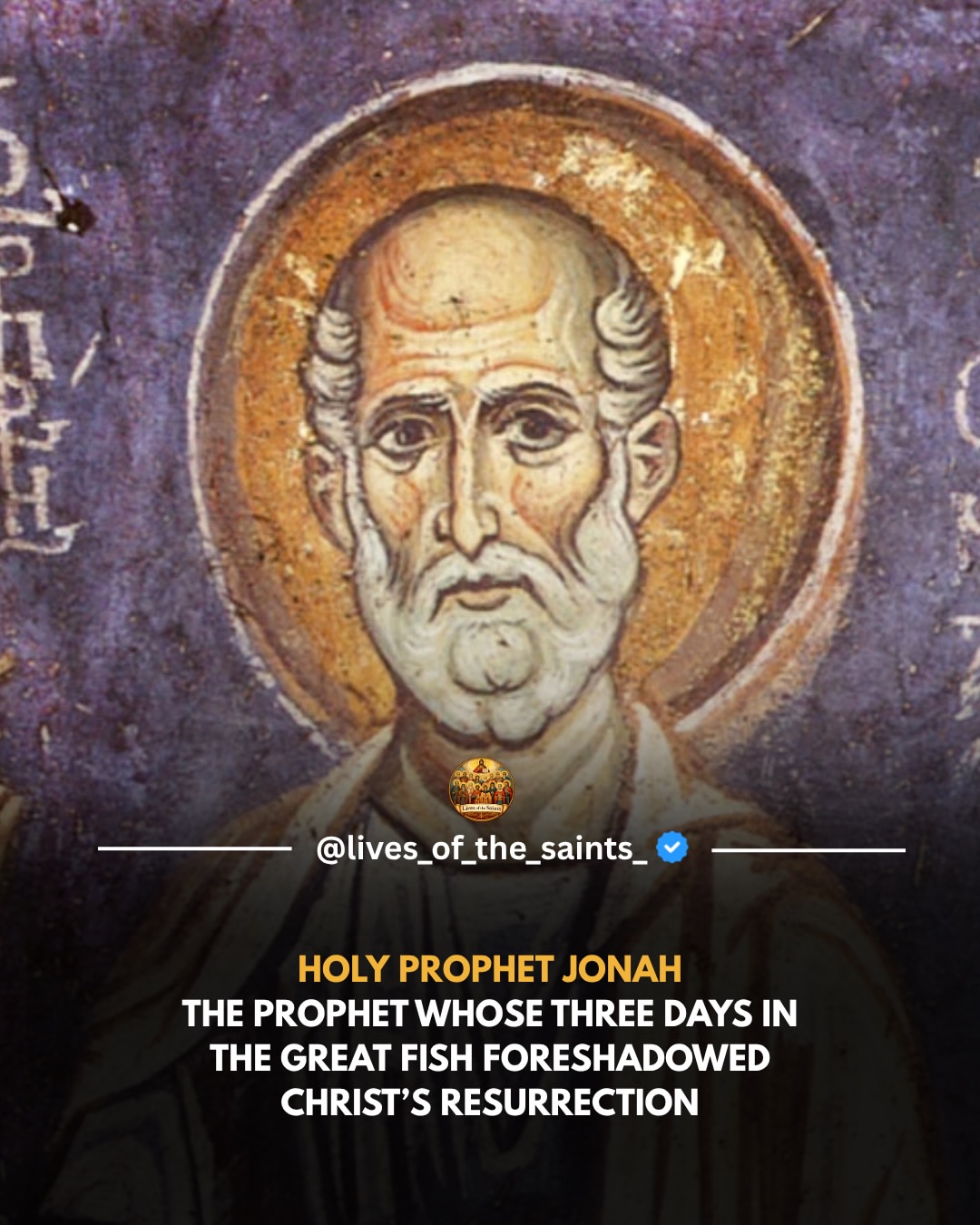
The post presents the Holy Prophet Jonah, who lived more than 800 years before Christ. According to his life, he was the son of the widow of Zarephath, whom the Prophet Elijah raised from the dead. Jonah is known from the Old Testament book that bears his name. The post explains that his three days in the belly of the great fish became a holy foreshadowing of Christ's three days in the tomb. It notes that just as Jonah was brought out alive,…

The post presents the Holy Prophet Jonah, who lived more than 800 years before Christ. According to his life, he was the son of the widow of Zarephath, whom the Prophet Elijah raised from the dead. Jonah is known from the Old Testament book that bears his name.

The post explains that his three days in the belly of the great fish became a holy foreshadowing of Christ's three days in the tomb. It notes that just as Jonah was brought out alive, this mystery pointed toward the glorious Resurrection of the Lord from the dead. The post also describes the story as a reminder of repentance.

It recounts that when the people of Nineveh heard the warning of God, they humbled themselves, turned from sin, and received mercy. The post concludes with the lesson that no one can flee from God, but no one who repents is beyond His mercy. The post ends with a call to follow for more content and includes tags for Prophet Jonah, Orthodox Saints, Old Testament, Orthodox Faith, and Repentance.

  • Jonah lived more than 800 years before Christ and was the son of the widow of Zarephath raised by Elijah.
  • His three days in the fish foreshadow Christ's three days in the tomb and the Resurrection.
  • The Ninevites' repentance brought God's mercy.
  • No one can flee from God, but repentance brings mercy.
  • The post is tagged with Prophet Jonah, Orthodox Saints, Old Testament, Orthodox Faith, and Repentance.
Read more
Lives of the Saints 🙏 Instagram

Synaxis of All Macedonian Saints Celebrated First Sunday of October

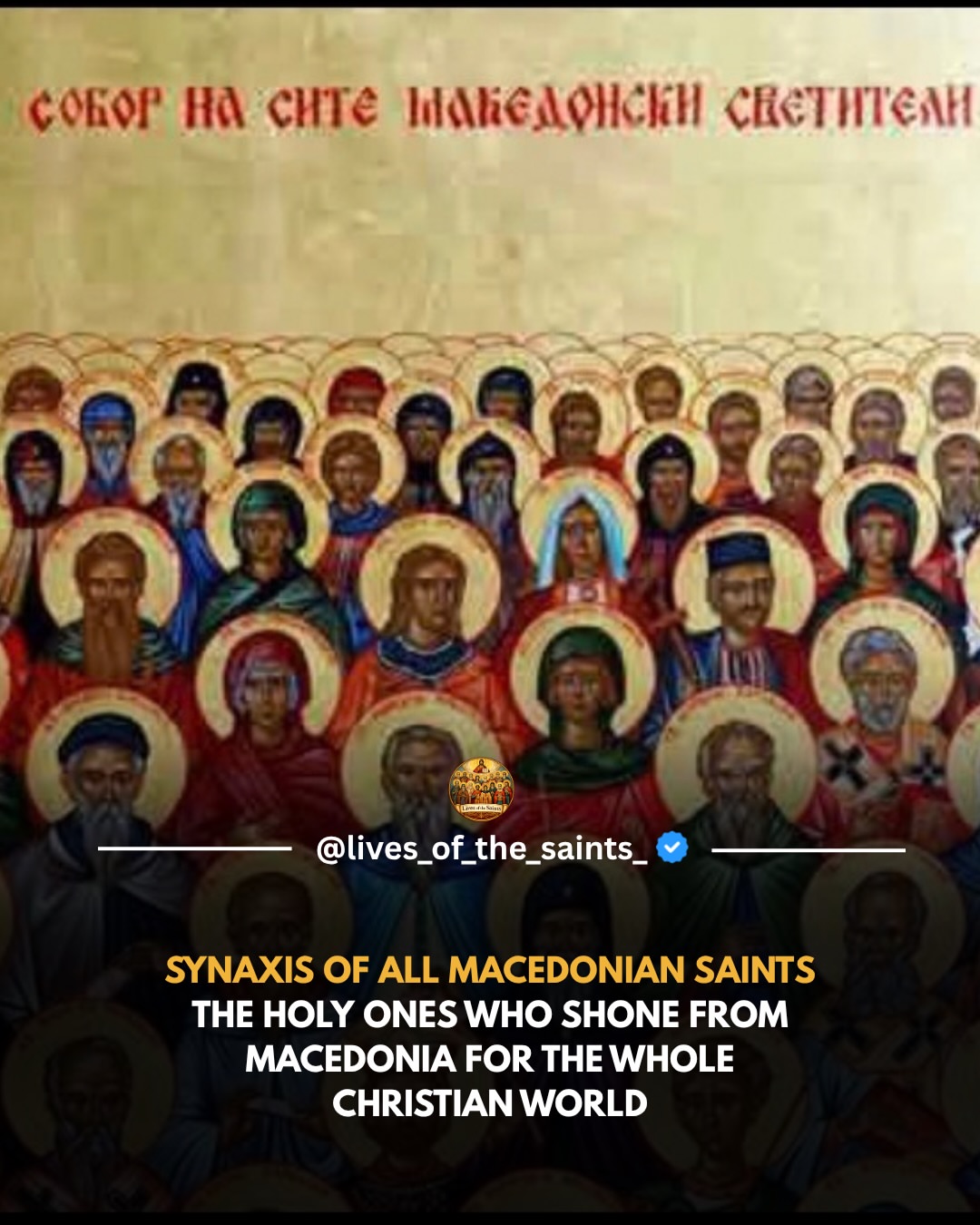
The Holy Macedonian Orthodox Church celebrates the Synaxis of All Macedonian Saints on the first Sunday of October. The post describes these saints as holy men and women who lived lives pleasing to God and became witnesses of Christ through faith, prayer, sacrifice, humility, and love. Their lives are presented as a blessing not only for the Macedonian people but for the whole Christian world. By their holy works they rose toward the divine life…

The Holy Macedonian Orthodox Church celebrates the Synaxis of All Macedonian Saints on the first Sunday of October. The post describes these saints as holy men and women who lived lives pleasing to God and became witnesses of Christ through faith, prayer, sacrifice, humility, and love. Their lives are presented as a blessing not only for the Macedonian people but for the whole Christian world.

By their holy works they rose toward the divine life and were crowned by God with eternal crowns of glory. The post lists the various roles they fulfilled: some served as bishops, monks, teachers, martyrs, confessors, and spiritual fathers, while others shone quietly through prayer, repentance, fasting, mercy, and obedience. Together they demonstrate that holiness is possible in every generation and every place where Christ is loved above all.

The Synaxis serves as a reminder to honor the spiritual inheritance, to remember those who walked before, and to follow their path toward the Kingdom of God. The post concludes with an invocation asking all Macedonian saints to pray to God for us.

  • The Synaxis of All Macedonian Saints is observed on the first Sunday of October by the Holy Macedonian Orthodox Church.
  • The saints are honored as witnesses of Christ through faith, prayer, sacrifice, humility, and love.
  • They include bishops, monks, teachers, martyrs, confessors, spiritual fathers, and those who lived quietly in prayer, repentance, fasting, mercy, and obedience.
  • Their collective example shows that holiness is attainable in every generation where Christ is loved above all.
  • The celebration calls the faithful to honor their spiritual inheritance, remember the saints, and follow their path to the Kingdom of God.