
 CHRISTIANITY UNITED
Instagram
The Incarnation as the heart of Orthodox salvation and theosis
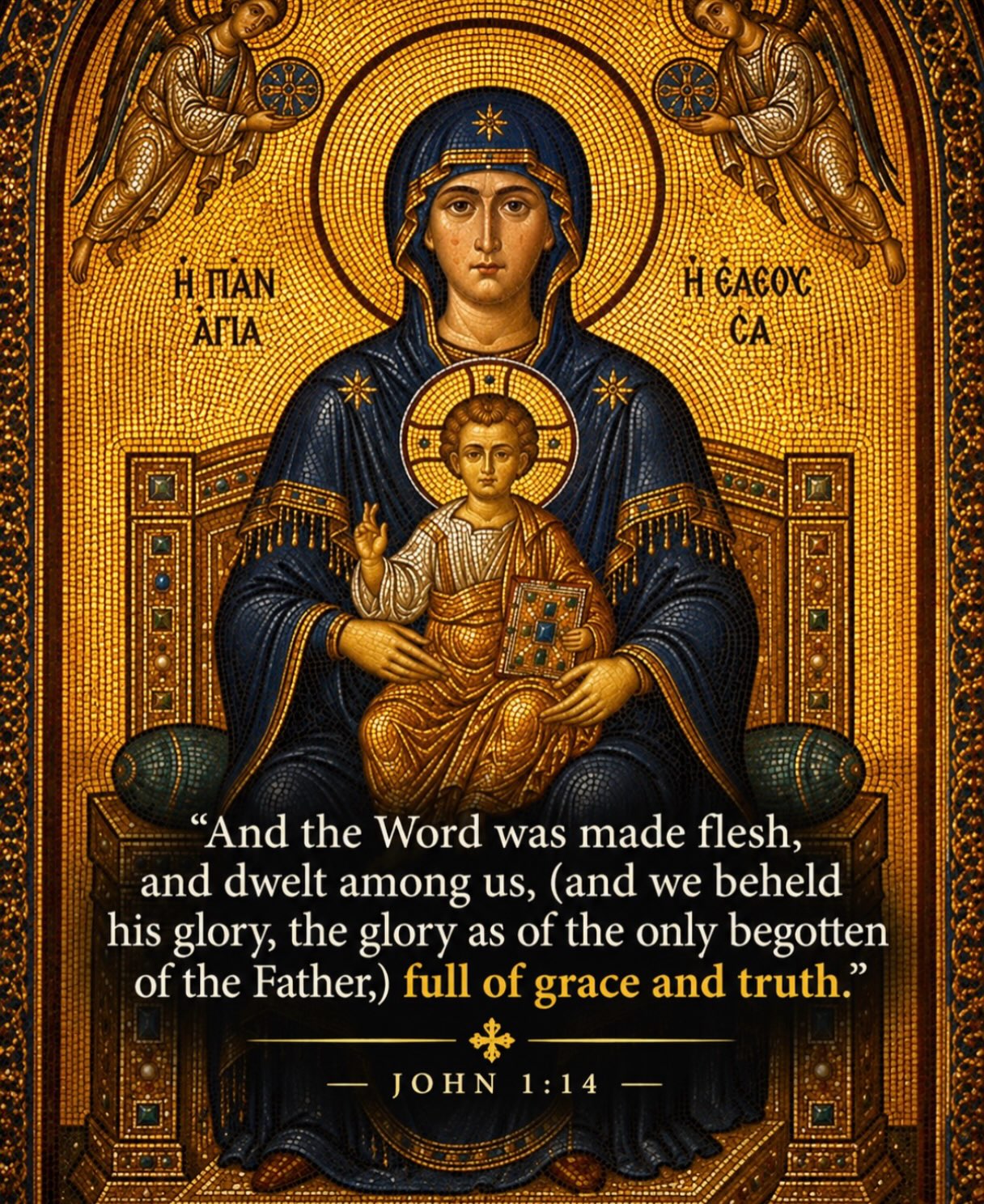
The post opens with the words of John 1:14, "And the Word became flesh, and dwelt among us", identifying this as one of the greatest mysteries of the Christian faith. It describes the eternal Son of God, through whom all things were created, entering the world He made. He came not as an earthly king with armies and riches but in humility: born in a manger, raised in an ordinary human family.
The Creator became part of His creation without ceasing to be God. The post lists what this entailed: the One who formed the heavens experienced hunger, thirst, exhaustion, sorrow, and suffering. He walked among ordinary people, touched the sick, welcomed sinners, and wept with mourners.
He became truly human while remaining truly divine, motivated by immeasurable love for mankind.
In the Orthodox Church, the Incarnation is central to salvation. God did not merely send instructions; He came Himself. Through His life, death, and Resurrection, Christ opened the way for humanity to be restored to communion with God. The post cites Saint Athanasius the Great: "For He was made man that we might be made god."
It clarifies that this does not mean humans become God by nature but that through grace we are called to participate in His divine life, the mystery the Orthodox Church calls theosis.
The post connects this to holy icons. Because the invisible God truly became visible in Jesus Christ, His human face can be depicted, proclaiming the reality of the Incarnation. Christianity is presented not as a collection of moral teachings or beautiful traditions but as the astonishing truth that God loved humanity so deeply He came to live among us, suffer for us, and conquer death for our salvation.
The post concludes: "The Word became flesh. And through Him, the way to eternal life was opened."
Main points
- The eternal Son of God entered creation in humility, becoming fully human while remaining fully divine
- Saint Athanasius the Great taught the Incarnation makes theosis possible, participation in divine life by grace
- Holy icons are vindicated because the invisible God became visible in Christ
- The Incarnation is the center of Orthodox salvation: God came Himself, not just instructions
- Christ experienced human suffering, hunger, thirst, exhaustion, sorrow, out of love for mankind