

War as the Greatest Sin: An Orthodox Witness from the Middle East
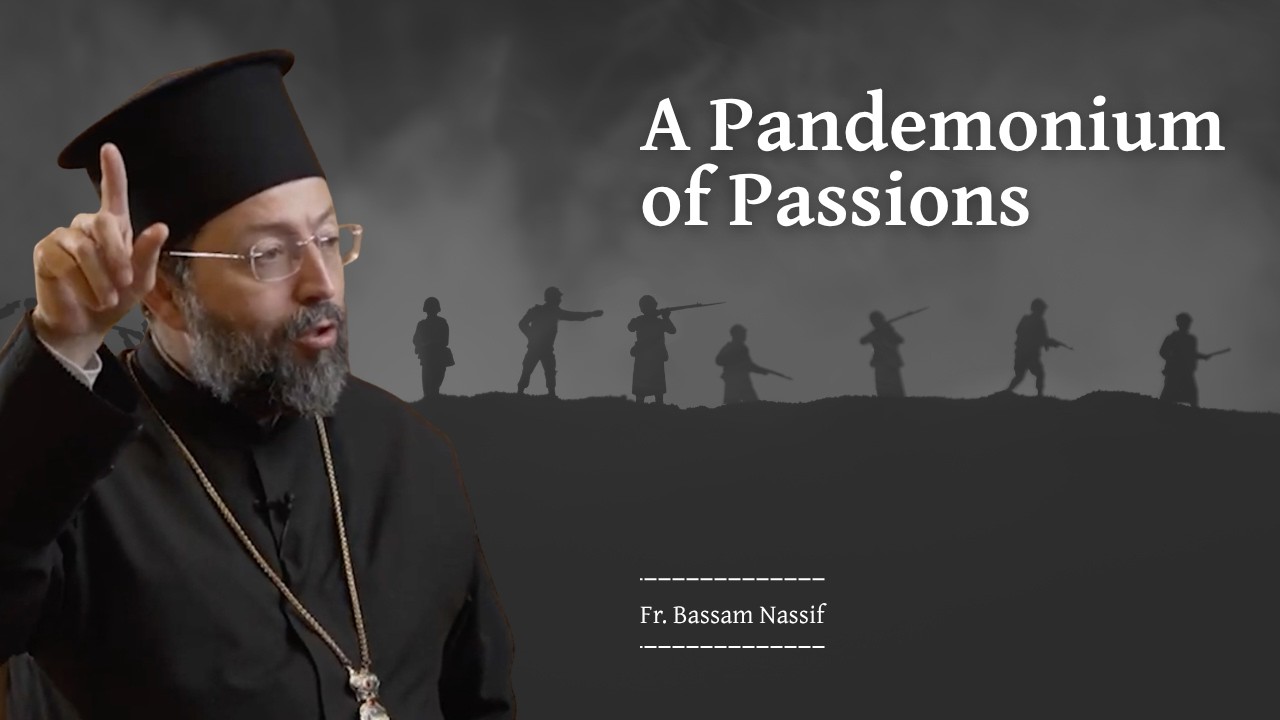 4:07
4:07
What the video says
The speaker, a Christian leader in the Middle East, affirms that their community helps all people regardless of faith, showing God's mercy to anyone in need. They condemn war as the highest expression of evil that violates all Ten Commandments, and they cannot bless any war, following Christ's example of forgiveness on the cross.
Caught in conflicts they did not start, they strive to pastorally serve both Muslims and Christians, embodying the face of Christ and the Good Samaritan even toward enemies. This mission requires great faith and external support, as many Orthodox villagers have become refugees in their own country, losing homes and churches; they pray for peace and seek to apply the Church's phronema to each situation.
Key moments
- Help all people, Muslims or Christians, showing God's mercy to whoever needs it.
- War is the highest expression of evil, breaking all Ten Commandments; they are totally against war and cannot bless it.
- Saints and Christ's example on the cross teach non-resistance and forgiveness; war is not a solution to any quarrel.
- They are caught in Middle Eastern wars they did not instigate, yet they pastorally help all people.
- Their mission is to show the face of Christ, mercy, love, and the Good Samaritan to everyone, even enemies of the state.
- This mission is challenging, demands faith, and relies on support from Christians outside the region.
- Many are refugees in their own country; Orthodox villages in south Lebanon have lost churches and homes, hosted by northern parishes.
- They pray for peace and seek to discern God's will and the Church's phronema to apply in each situation.
In a reflection rooted in the lived reality of the Middle East, Fr. Bassam Nassif, Associate Professor at the University of Balamand, presents war not as a political failure or tragic necessity but as the highest expression of evil. War breaks the commandments of God and wounds the image of God in every human person. The Church, he insists, cannot bless war as a solution to conflict.
Her witness follows Christ, who prayed for His executioners from the Cross, and the saints, who manifest the power of mercy, forgiveness, and prayer. Even when innocent people lose homes, churches, and security, the Christian response remains shaped by the face of the Good Samaritan — serving all who suffer, regardless of faith. Fr. Bassam describes Orthodox villagers in southern Lebanon who have become refugees in their own country, hosted by northern parishes.
The community continues to pastorally serve both Muslims and Christians, embodying Christ's mercy toward enemies. This mission demands great faith and relies on external support. The Church prays for peace and seeks to discern God's will and the phronema of the Church in each situation, refusing to let violence define its identity.
Main points
- War is the highest expression of evil, violating all Ten Commandments and the image of God in humanity.
- The Church cannot bless war; its witness follows Christ's forgiveness on the Cross and the saints' mercy.
- Orthodox Christians in the Middle East serve all sufferers — Muslims and Christians alike — as the Good Samaritan.
- Many Orthodox villagers are internally displaced, having lost homes and churches; they depend on communal and external support.
- The response to violence is prayer for peace and discernment of the Church's phronema in each circumstance.