
 CHRISTIANITY UNITED
Instagram
CHRISTIANITY UNITED
Instagram
Saint John Chrysostom on shame and returning to God
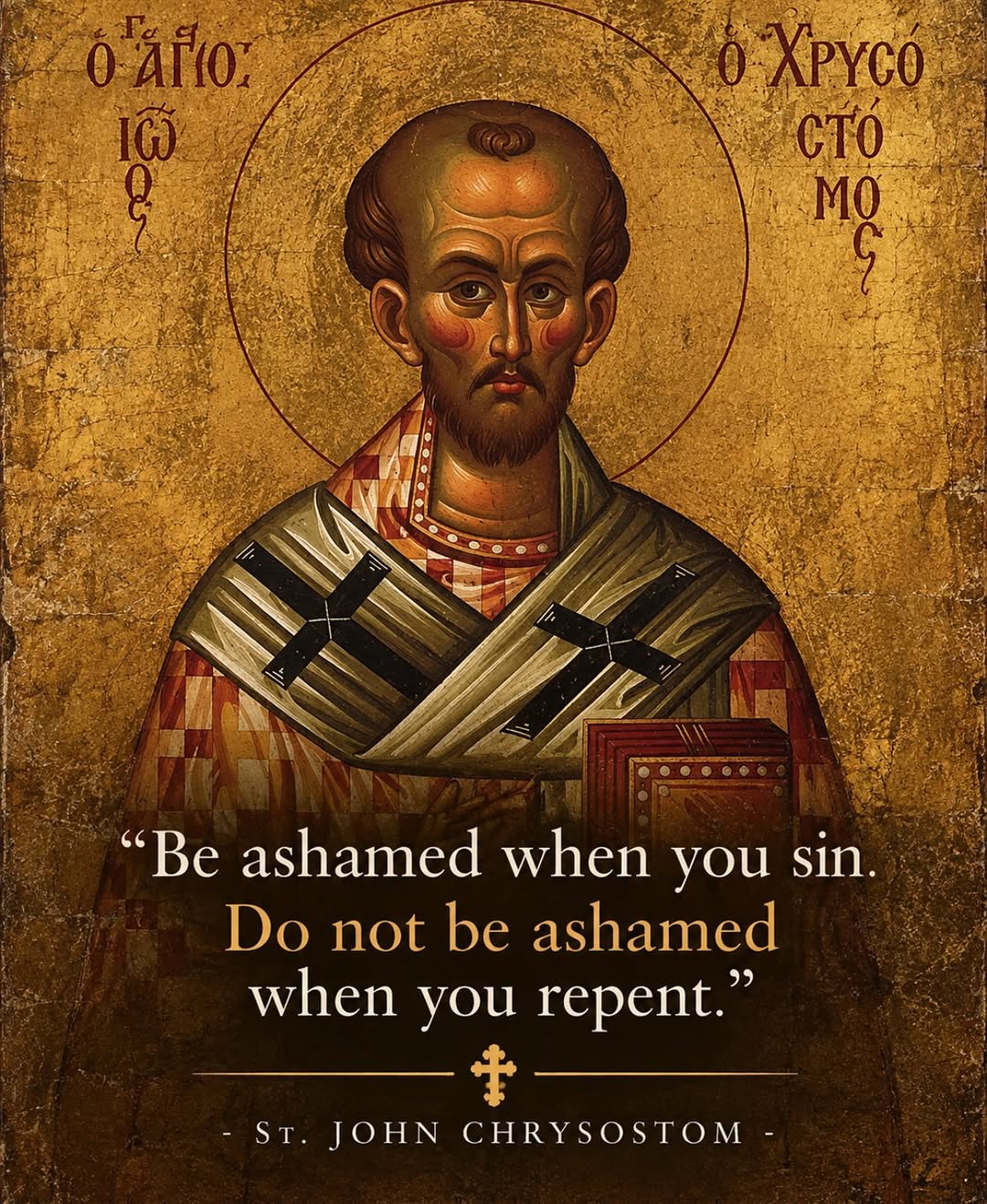
The post describes a teaching attributed to Saint John Chrysostom about the role of shame in sin and repentance. It states that the devil makes a person feel no shame while committing a sin but fills them with shame when it is time to confess. A person may repeat the same mistakes for months or years, hide them, and convince themselves the actions are not serious. When the moment comes to stand before God and admit the wrongdoing, embarrassment,…
The post describes a teaching attributed to Saint John Chrysostom about the role of shame in sin and repentance. It states that the devil makes a person feel no shame while committing a sin but fills them with shame when it is time to confess. A person may repeat the same mistakes for months or years, hide them, and convince themselves the actions are not serious.
When the moment comes to stand before God and admit the wrongdoing, embarrassment, fear, and a sense of unworthiness arise. Chrysostom, who lived from approximately 347 to 407, was born in Antioch and became Archbishop of Constantinople; his name means Golden-Mouthed because of his preaching gift. He spoke against corruption and injustice and constantly called people to repentance, mercy, and a life centered on Christ.
The post uses the Parable of the Prodigal Son: after wasting his inheritance and falling into misery, the son could have remained in shame but instead rose and returned to his father, who ran to embrace him. This illustrates God's love toward a sinner who sincerely repents. In the Orthodox Church, Confession is presented not as a means of humiliation but as a place of healing where wounds are brought before Christ.
The post concludes by urging anyone with a burden on their conscience not to keep running from God, to be sorry for sin, but never to be ashamed of returning to Christ, and ends with the invocation "Saint John Chrysostom, pray to God for us."
- The devil removes shame during sin but adds it at confession
- Chrysostom teaches sin should trouble the conscience, repentance should give hope
- The Prodigal Son returns to his father who runs to embrace him
- Orthodox Confession is a place of healing, not humiliation
- The post urges the reader to return to Christ without shame